
Few things sour the return from an international trip quite like discovering an unexpectedly enormous phone bill, the result of a phone silently using data on a carrier’s expensive international roaming rates without anyone realizing it. The good news is that avoiding this is entirely manageable with a little planning before departure. Here are ten ways to avoid surprise data roaming charges abroad, counted down one by one.
1. Enable Airplane Mode and Turn On Wi-Fi Only
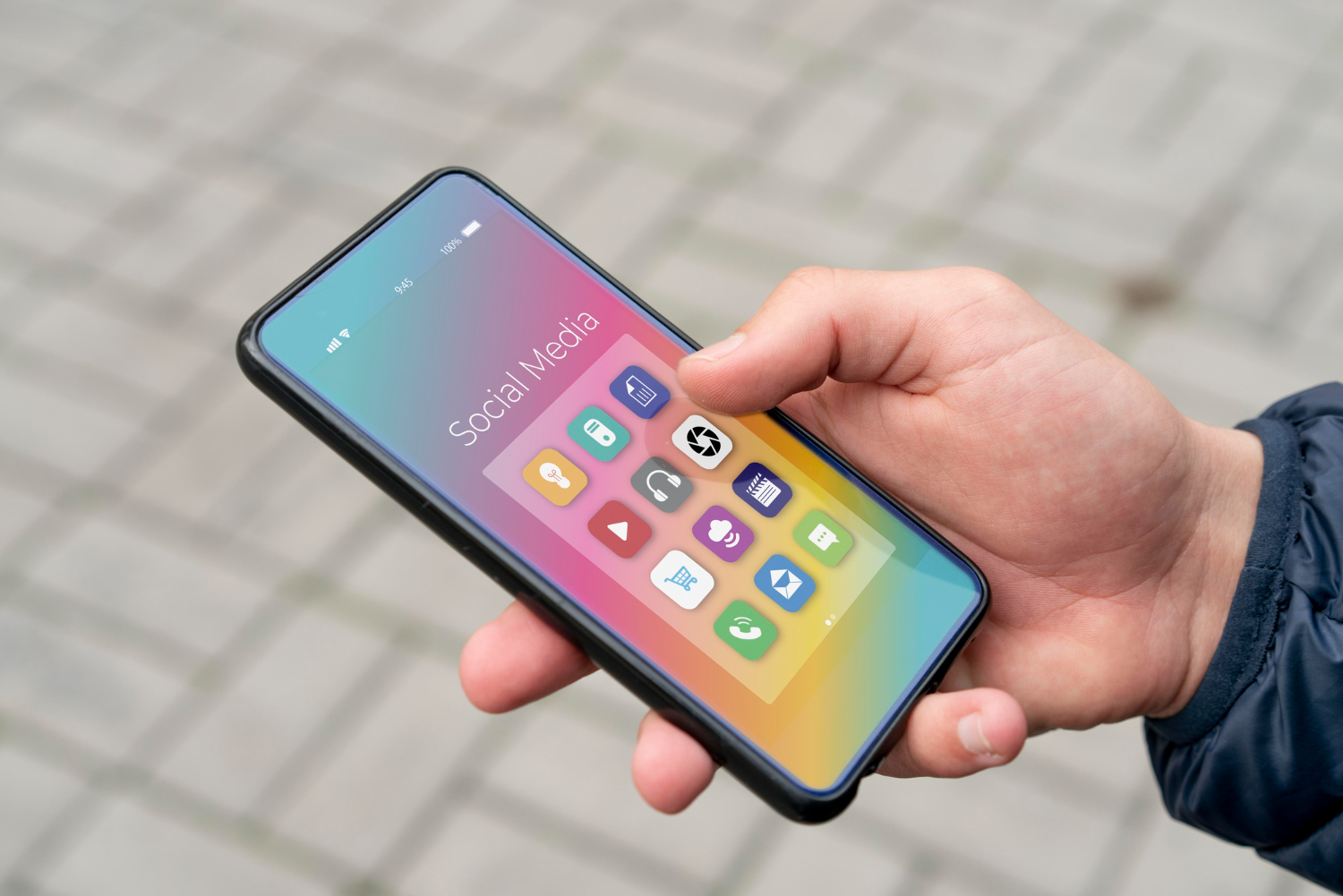
Airplane mode blocks all cellular activity by default. Manually enabling Wi-Fi keeps you connected without roaming risk.
The simplest and most reliable way to avoid roaming charges entirely is switching your phone to airplane mode upon arrival, which blocks all cellular activity, then manually turning Wi-Fi back on to connect only through trusted networks like your hotel or a café. This guarantees zero accidental cellular data use. Enabling airplane mode and turning on Wi-Fi only is the most foolproof method available, a simple setting change that eliminates any risk of unexpected charges entirely, provided you remember to activate it before leaving the airport.
Like our content? Follow us for more.
2. Purchase a Local SIM Card at Your Destination
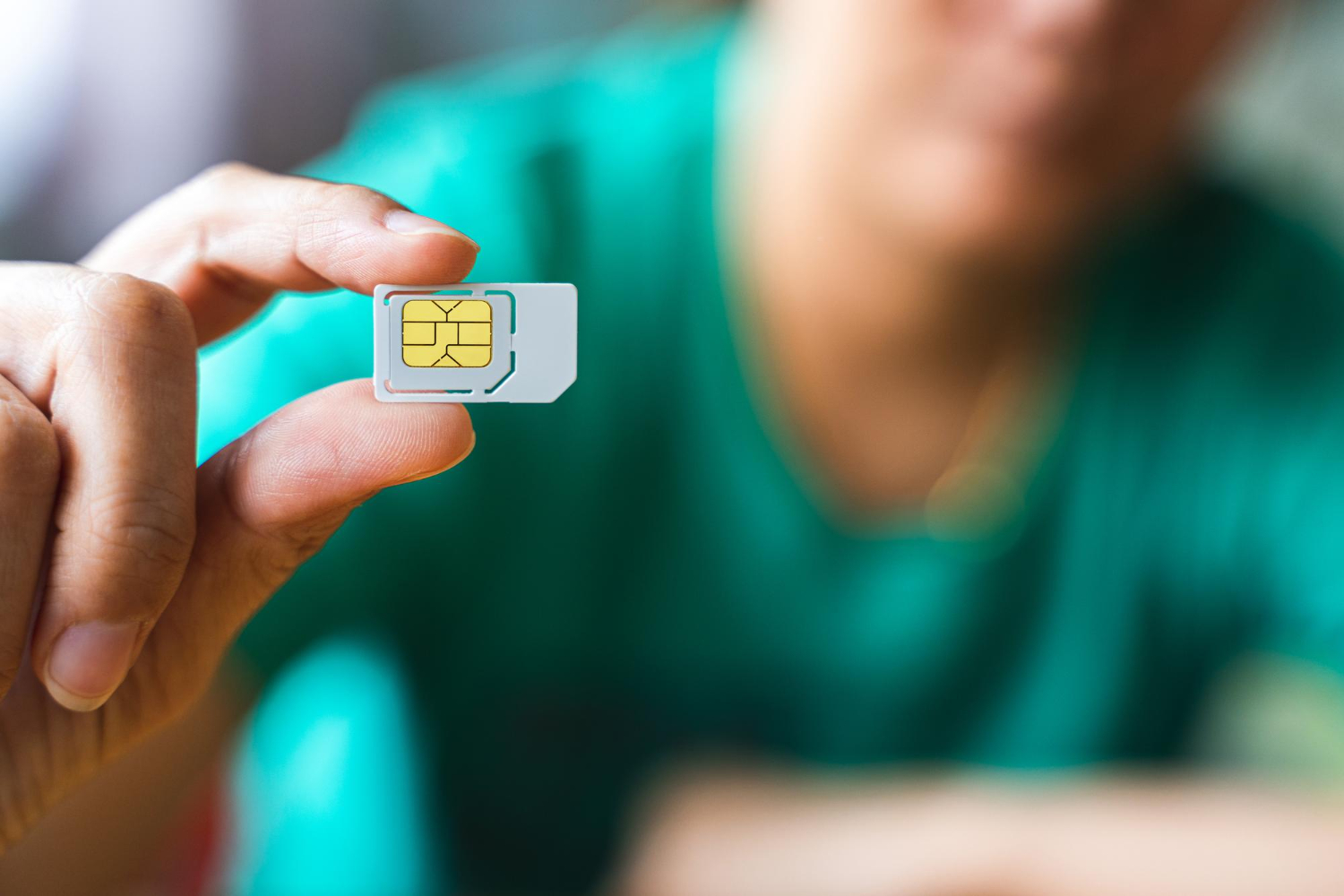
Local SIM cards offer affordable data at local rates. Swapping it in at arrival requires an unlocked phone.
Purchasing a local prepaid SIM card upon arrival, widely available at airport kiosks and convenience stores in most countries, provides data at local rates, often dramatically cheaper than any international roaming plan. This requires your phone to be carrier-unlocked, a detail worth confirming before you travel. Purchasing a local SIM card at your destination is one of the most cost-effective connectivity solutions available, provided your device is unlocked and you’re comfortable briefly using a different phone number during the trip.
3. Use an eSIM for International Data

Digital eSIMs let you add a local data plan instantly. No physical SIM swap is required at all.
Modern smartphones increasingly support eSIM technology, letting travelers purchase and activate an international data plan entirely digitally before or during a trip, without needing to physically swap out a SIM card or lose their regular phone number’s active status. Several dedicated travel eSIM providers make this process straightforward. Using an eSIM for international data offers a genuinely convenient middle ground, combining much of a local SIM’s cost savings with the simplicity of not needing to physically handle a card swap at all.
4. Check Your Carrier’s International Day-Pass Options

Many carriers offer a flat daily roaming fee. This can be simpler, if pricier, than local alternatives.
Most major carriers offer an international day-pass option, a flat daily fee that includes data, calls, and texts abroad at your normal domestic allowances, activated only on days you actually use your phone internationally. It’s typically pricier than a local SIM but requires zero setup or number changes. Checking your carrier’s international day-pass options is worth doing before departure, a convenient, if not always the cheapest, way to stay connected without any of the hassle of managing a separate SIM.
5. Download Offline Maps Before You Leave
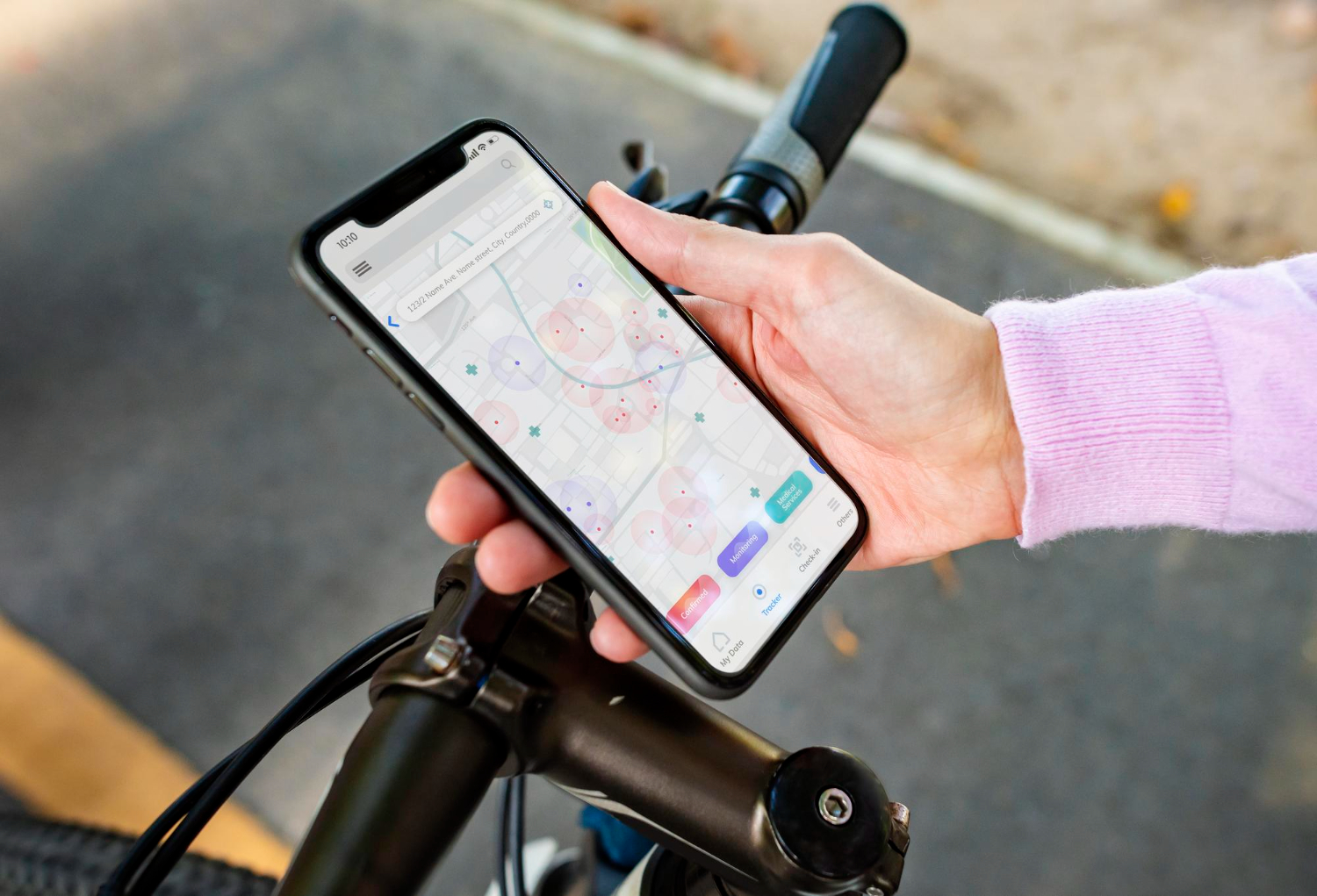
Preloaded maps work without any data connection. This alone eliminates one of the most common roaming triggers.
Navigation apps often let users download detailed offline maps of an entire city or region before departure, allowing GPS navigation to function without any active data connection at all. Since checking directions is one of the most common reasons travelers accidentally trigger roaming charges, this single step eliminates a major risk. Downloading offline maps before you leave removes one of the most frequent sources of accidental data use, letting you navigate confidently without needing any cellular connection whatsoever.
6. Disable Background App Refresh and Auto-Updates
Apps often use data silently in the background. Turning off automatic refresh prevents unnoticed data consumption.
Many apps continue refreshing content, checking for updates, or syncing data silently in the background, even when you’re not actively using them, a common source of unnoticed data consumption while traveling. Disabling background app refresh and automatic app updates before departure closes off this hidden drain. Disabling background app refresh and auto-updates addresses a genuinely sneaky source of data use, the kind of silent, invisible activity that can accumulate real charges without you ever realizing your phone was using data at all.
7. Set Up Data Usage Alerts Through Your Carrier

Many carriers offer text alerts as you approach spending thresholds. This creates an early-warning system.
Many carriers offer free automatic text alerts when a traveler’s international data usage approaches certain spending thresholds abroad, an early-warning system that can prevent a small oversight from becoming an enormous bill. Confirming these alerts are active on your account before traveling adds a genuinely useful safety net. Setting up data usage alerts through your carrier provides an important backup layer of protection, catching accidental data use before it accumulates into a genuinely costly surprise.
8. Use Messaging Apps Over Wi-Fi Instead of Cellular Texting

Wi-Fi-based messaging apps avoid international texting fees entirely. Most travelers already have these installed.
Rather than relying on standard cellular texting, which can carry its own international fees, using Wi-Fi-based messaging apps to stay in touch with people back home avoids these charges entirely, provided you’re connected to Wi-Fi rather than cellular data at the time. Most smartphone users already have at least one such app installed. Using messaging apps over Wi-Fi instead of cellular texting is a simple habit that sidesteps an entire category of potential international charges, using free internet-based communication instead of a carrier’s paid messaging service.
9. Research Your Destination’s Public Wi-Fi Availability
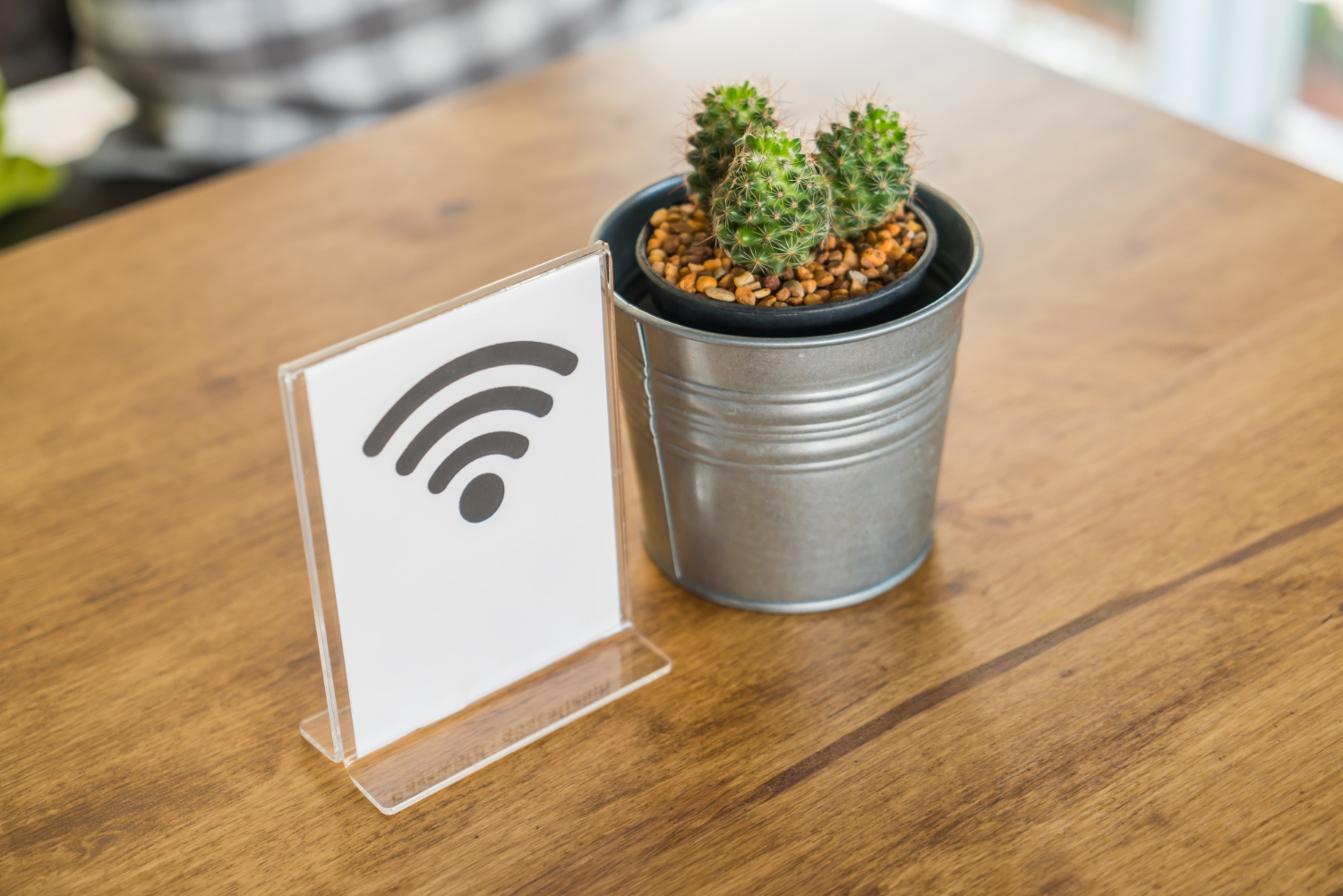
Some countries offer widespread free Wi-Fi. Knowing this in advance reduces reliance on cellular data.
Some destinations offer widespread, reliable free Wi-Fi in cafés, restaurants, and public spaces, while others make dependable Wi-Fi access considerably harder to find. Researching your specific destination’s public Wi-Fi landscape before departure helps you plan realistically for how much you’ll actually need to rely on cellular data. Researching your destination’s public Wi-Fi availability shapes realistic expectations for your connectivity strategy, helping determine whether a local SIM, eSIM, or simple Wi-Fi-only approach makes the most sense for that particular trip.
10. Confirm Roaming Is Fully Disabled Before You Board

A final settings check prevents any last-minute oversight. This simple step provides real peace of mind.
Before boarding your international flight, doing one final check of your phone’s cellular data and roaming settings confirms everything is configured as intended, whether that means roaming fully disabled, a local SIM already installed, or an eSIM plan activated and ready. This last-minute verification catches any setting that might have reset or been overlooked earlier in the preparation process. Confirming roaming is fully disabled before you board is a simple final safeguard, the last check that provides genuine peace of mind before you’re beyond easy reach of your home carrier’s help.
Staying Connected Without the Surprise Bill

Taken together, these ten strategies show that avoiding surprise data roaming charges abroad requires only a bit of preparation before departure, whether that’s a local SIM, an eSIM, a carrier day pass, or simply relying on Wi-Fi and offline maps. None of these approaches are complicated, but skipping the preparation entirely is exactly how travelers end up with a genuinely shocking bill after an otherwise wonderful trip.
Choosing the right approach depends on how connected you need to be during the trip and how much hassle you’re willing to accept in exchange for cost savings, a local SIM offers the best value but requires more setup, while a carrier day pass offers simplicity at a higher price. Whatever combination you choose, the key is deciding on a strategy before you leave rather than discovering your phone’s default roaming behavior the hard way, on your carrier’s bill, after you’re already back home.
Like our content? Follow us for more.