

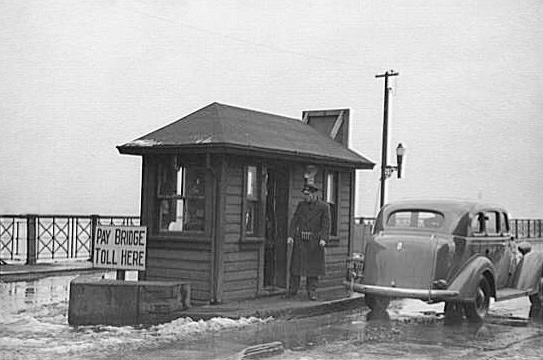
For decades, driving on a toll road or bridge meant rolling down the window and handing cash to a real person stationed inside a small booth, a job that combined repetitive transaction work with a surprising amount of direct human interaction across an entire workday. Toll booth operators processed thousands of vehicles during a single shift, all while working in a job with its own particular rhythms and hazards. Here are eleven things every American toll booth operator did before electronic tolling, counted down one by one.
1. Made Change for Thousands of Drivers a Shift
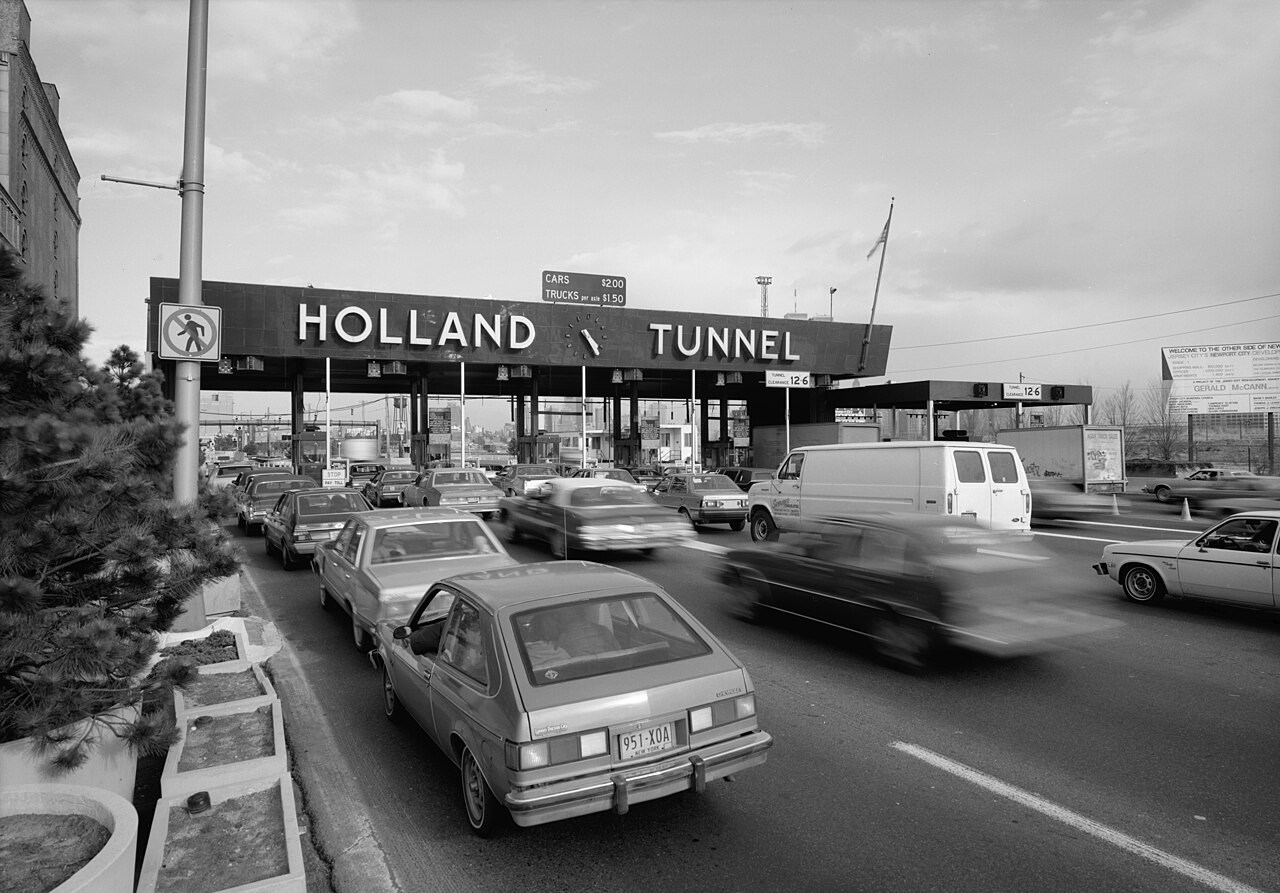
Cash transactions required quick, accurate counting. Speed mattered to keep traffic moving smoothly.
A toll booth operator’s core task was making correct change quickly and accurately for a nearly constant stream of vehicles, sometimes processing a car every few seconds during rush hour. Speed and precision both mattered enormously, since a slow transaction backed up traffic behind it. Making change for thousands of drivers a shift is the defining daily task of the job, the repetitive but genuinely demanding cash-handling work that kept an entire highway’s traffic flowing smoothly hour after hour.
Like our content? Follow us for more.
2. Worked Inside a Cramped, Narrow Booth

The booth itself was small and enclosed. Spending hours inside it required real physical endurance.
The physical workspace itself was famously cramped, a narrow, enclosed booth barely large enough to stand and turn around in, where an operator spent an entire shift, sometimes eight hours or more, in close quarters. Working inside a cramped, narrow booth reflects a genuinely demanding physical aspect of the job rarely appreciated by drivers passing through, the confined space that operators simply learned to work efficiently within, shift after shift.
3. Greeted Drivers With a Quick Hello
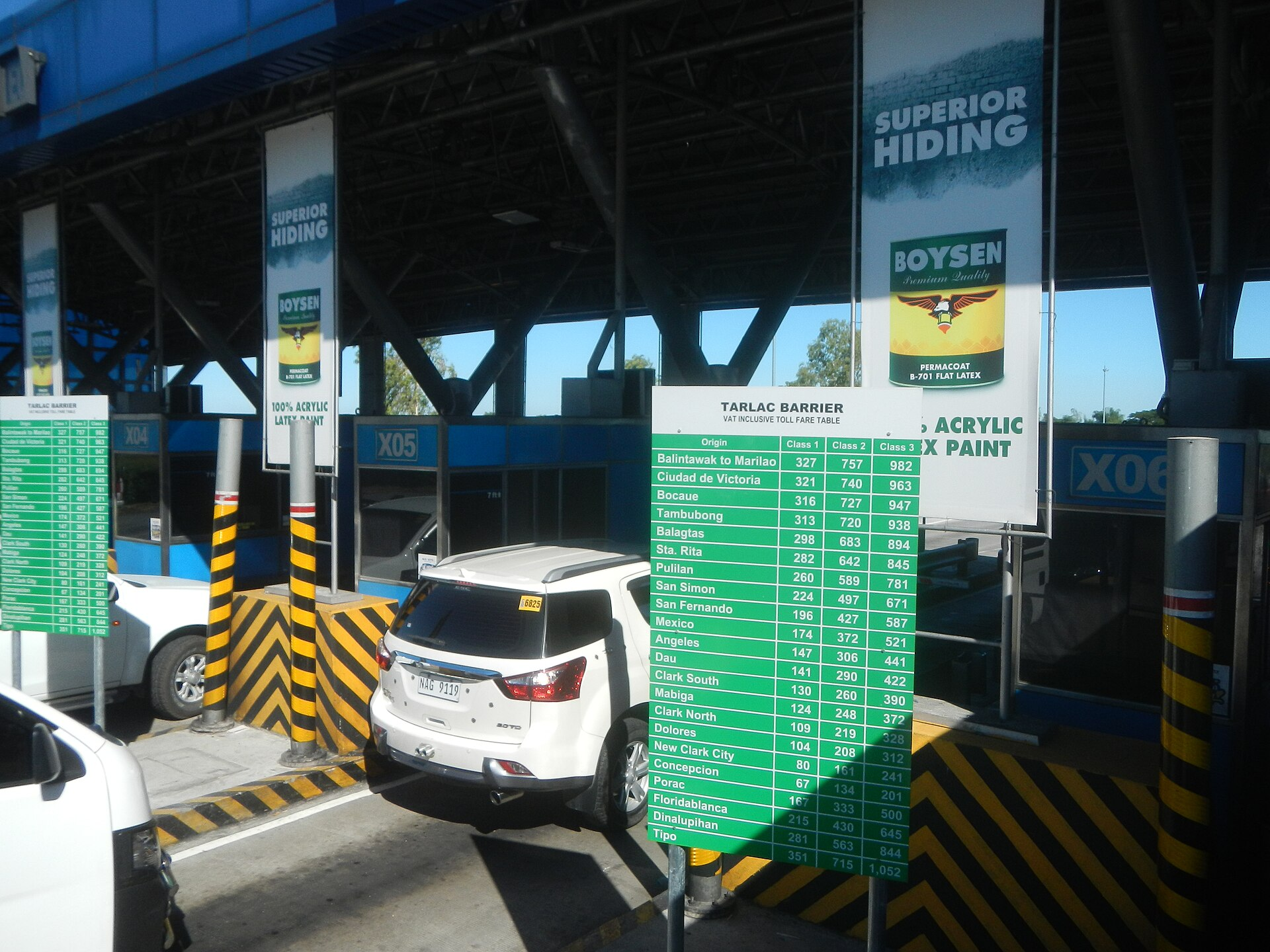
A brief, friendly greeting was standard practice. It added a small human touch to a routine transaction.
Despite the transaction lasting only seconds, many toll booth operators offered a quick, friendly hello or a brief comment to each driver, a small human touch that many commuters came to genuinely appreciate on an otherwise impersonal highway drive. Greeting drivers with a quick hello reflects the surprisingly personal dimension of the job, the momentary human connection that turned a purely functional transaction into a small, welcome bright spot in a driver’s day.
4. Recognized Regular Commuters by Sight
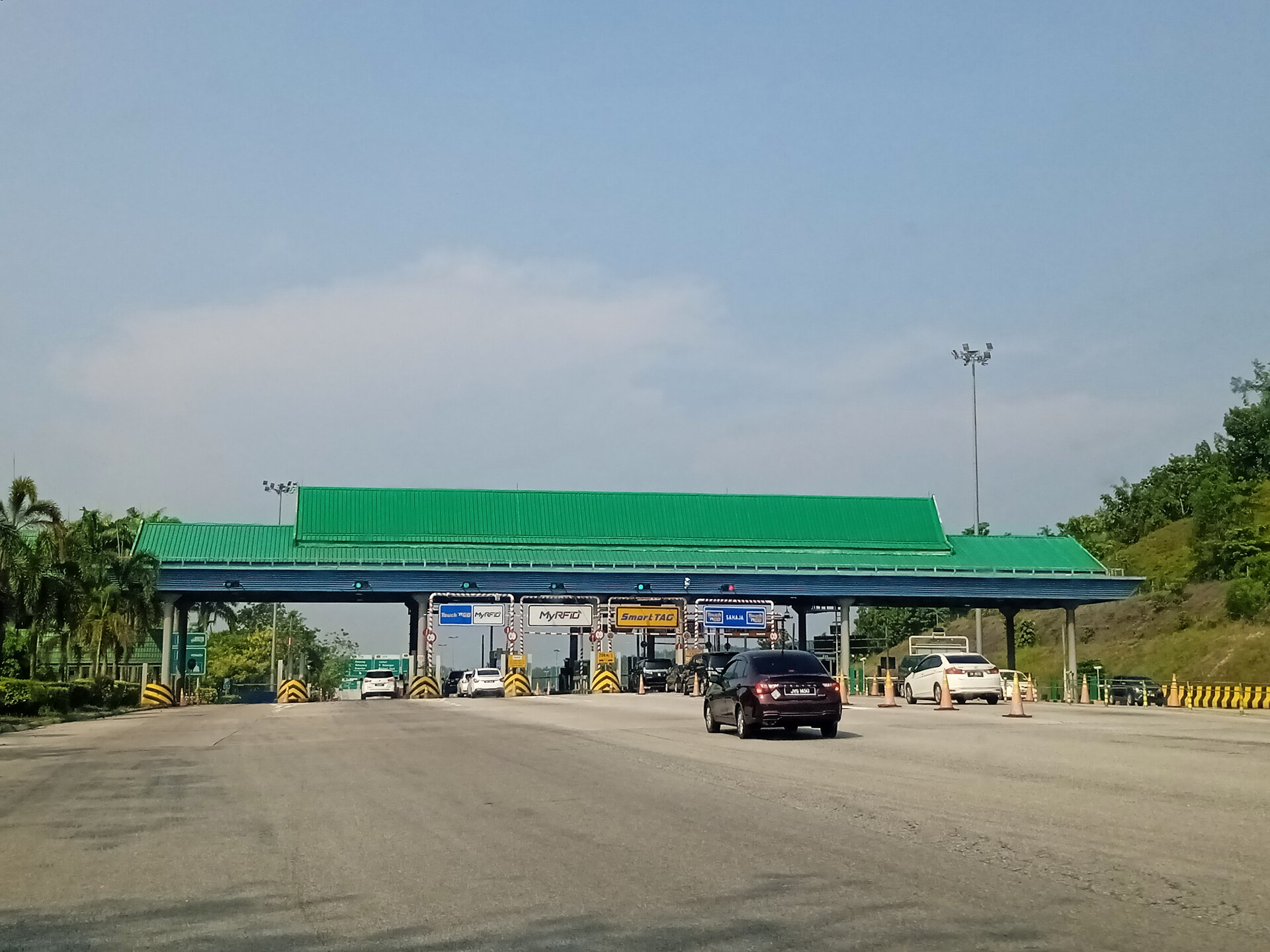
Daily commuters became familiar faces. Some operators developed genuine rapport over years.
Operators working the same booth for years came to recognize regular commuters by sight, sometimes exchanging a knowing nod or brief personal comment built up over hundreds of repeated interactions along the same daily route. Recognizing regular commuters by sight reflects a genuine, if brief, form of community that developed at toll booths over time, a familiarity built entirely from thousands of fleeting few-second encounters, day after day, year after year.
5. Endured Extreme Heat and Cold in the Booth
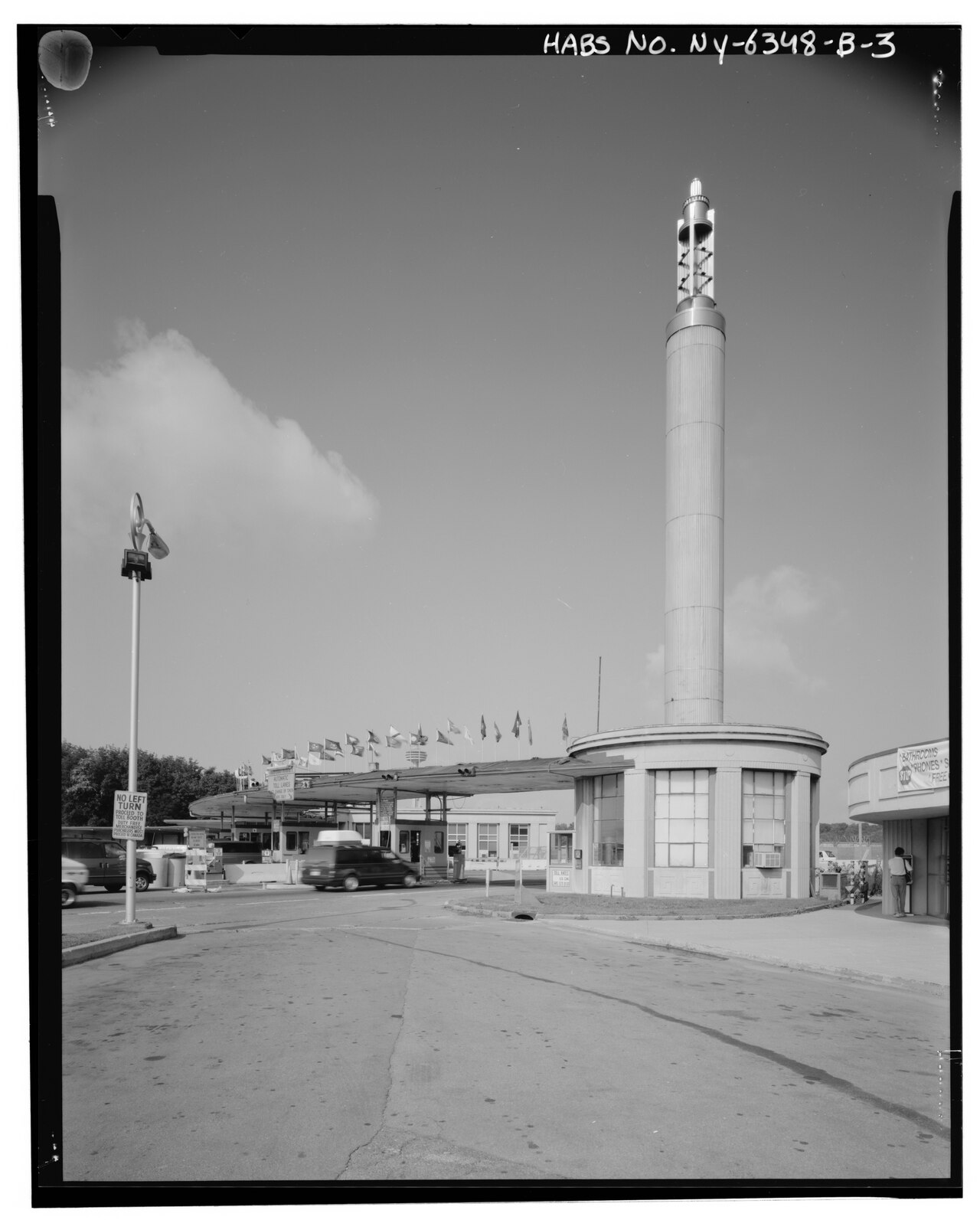
Booths offered limited climate control. Operators worked through brutal summer heat and winter cold.
Many toll booths offered only limited heating or air conditioning, meaning operators endured genuinely brutal conditions, sweltering summer heat radiating off the pavement or biting winter cold seeping through the booth’s thin walls, for the entire length of a shift. Enduring extreme heat and cold in the booth reflects a demanding physical reality of the job, a level of discomfort that most passing drivers, comfortable in their climate-controlled cars, rarely stopped to consider.
6. Watched for Drivers Trying to Pass Without Paying
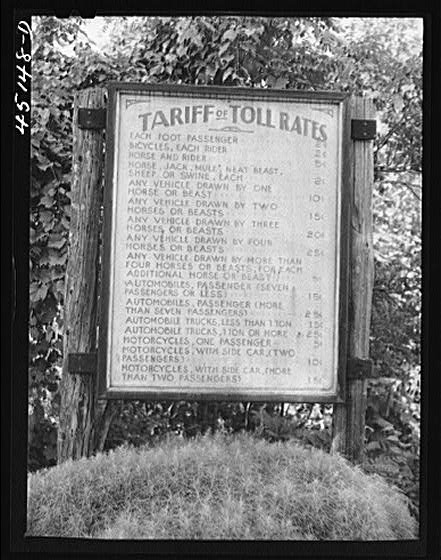
Toll evasion was a genuine, recurring problem. Operators had to stay alert and react quickly.
Some drivers attempted to speed through without paying, and operators had to stay genuinely alert, quickly noting license plates or alerting nearby authorities when someone tried to evade the toll entirely. Watching for drivers trying to pass without paying added a layer of real vigilance to the job, a security responsibility that went beyond simple cash collection and required operators to react quickly to occasional bad-faith drivers.
7. Directed Confused Drivers to the Right Lane
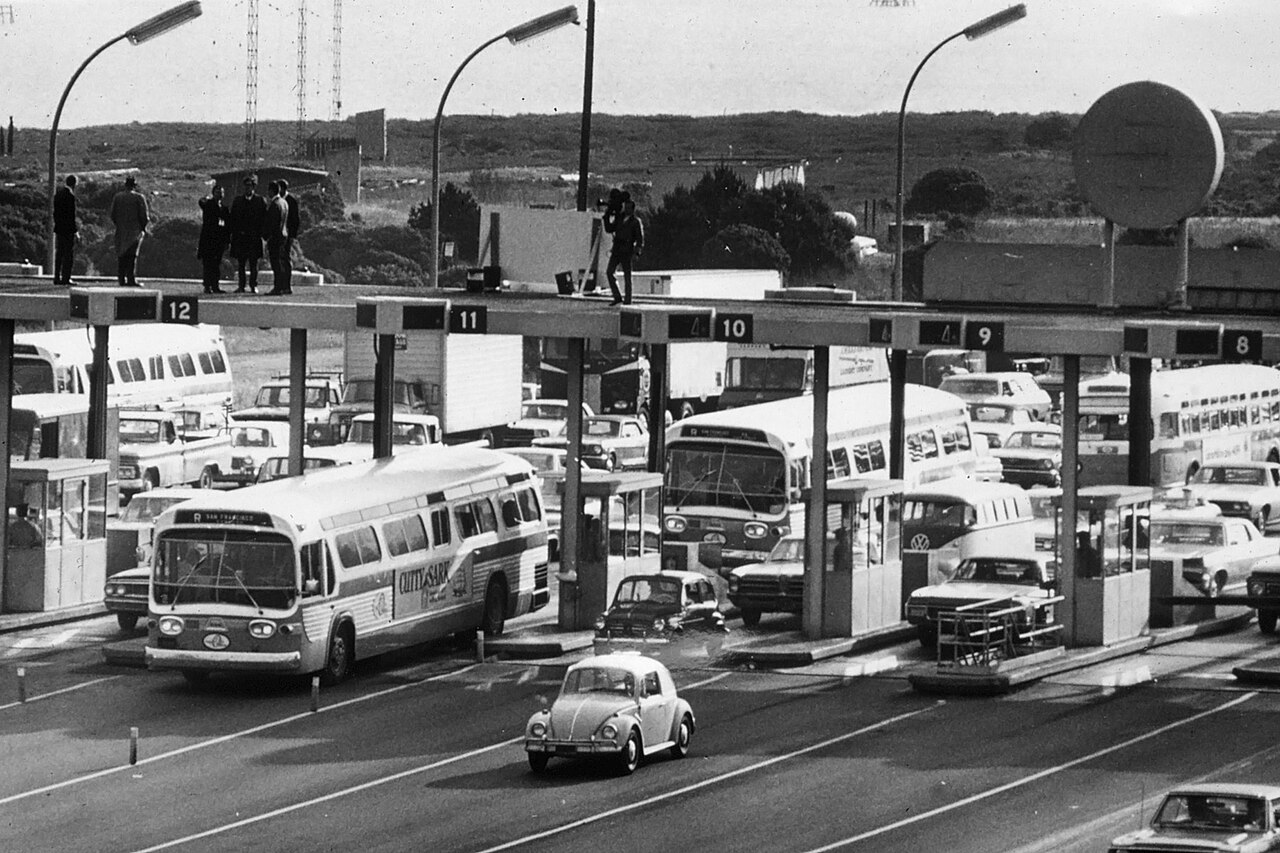
New or unfamiliar drivers often needed guidance. Operators helped sort exact-change from cash lanes.
Unfamiliar drivers, tourists especially, sometimes pulled into the wrong lane entirely, and operators frequently helped redirect confused motorists toward the correct exact-change or cash lane, offering quick, patient directions amid a busy plaza. Directing confused drivers to the right lane is a helpful, service-oriented part of the job, the everyday problem-solving that kept a complex, multi-lane toll plaza running smoothly despite the inevitable confusion of unfamiliar travelers.
8. Balanced the Cash Drawer at Shift’s End
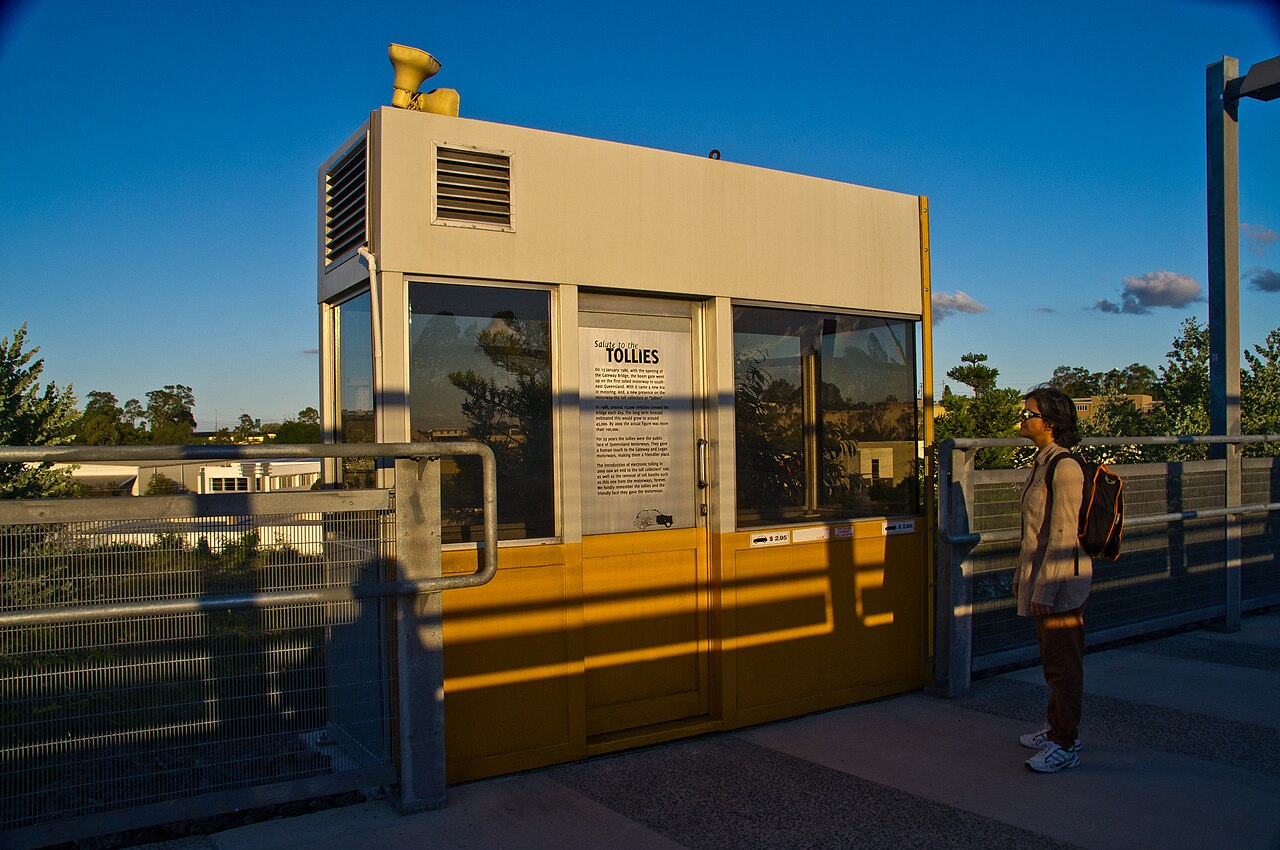
Every shift ended with a careful cash count. Discrepancies had to be accounted for precisely.
At the end of every shift, an operator carefully counted and balanced the day’s cash drawer against the recorded number of vehicles processed, a precise accounting task that had to match up correctly before the shift could officially close. Balancing the cash drawer at shift’s end is a meticulous responsibility that added genuine accountability to the job, ensuring that the constant flow of cash transactions throughout the day added up accurately to the very last dollar.
9. Wore a Uniform Provided by the Toll Authority
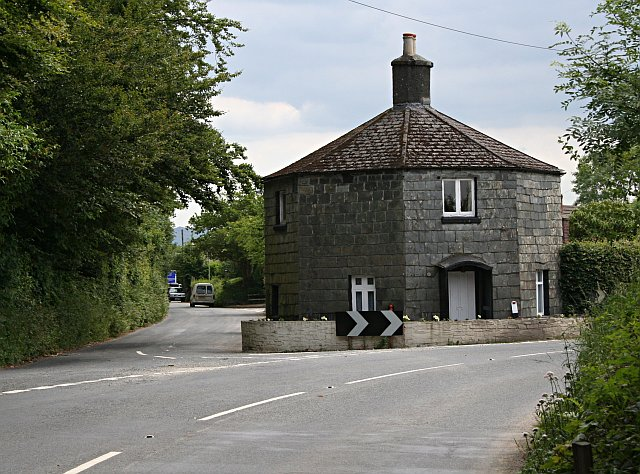
A standard uniform identified operators clearly. It gave the role a sense of official authority.
Most toll authorities provided operators with a standard uniform, clearly identifying them as an official representative of the highway or bridge authority to the thousands of drivers passing through each day. Wearing a uniform provided by the toll authority gave the role a clear sense of official identity, distinguishing operators as trusted, authorized personnel responsible for a genuinely essential piece of public highway infrastructure.
10. Managed the Physical Toll of Repetitive Motion
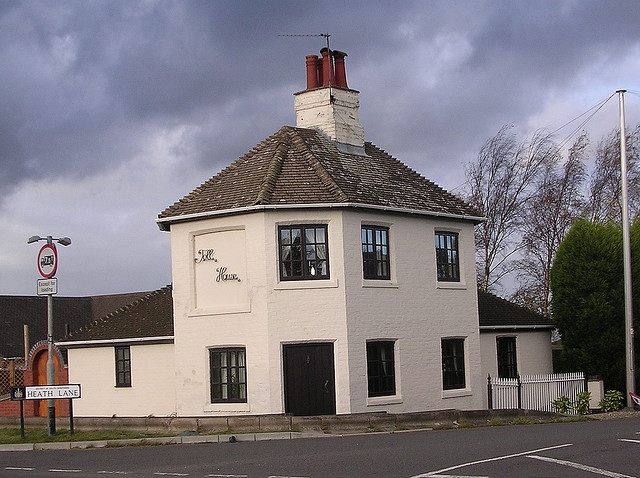
Constant reaching and cash-handling took a toll on the body. Repetitive strain was a genuine occupational hazard.
The constant repetitive motion of reaching out the booth window, handling coins and bills, and passing back change thousands of times a shift took a genuine physical toll over time, a form of repetitive strain that experienced operators learned to manage carefully. Managing the physical toll of repetitive motion reflects an often-overlooked occupational hazard of the job, the cumulative wear of a seemingly simple hand motion repeated an enormous number of times across every single working day.
11. Watched Electronic Tolling Slowly Replace the Job
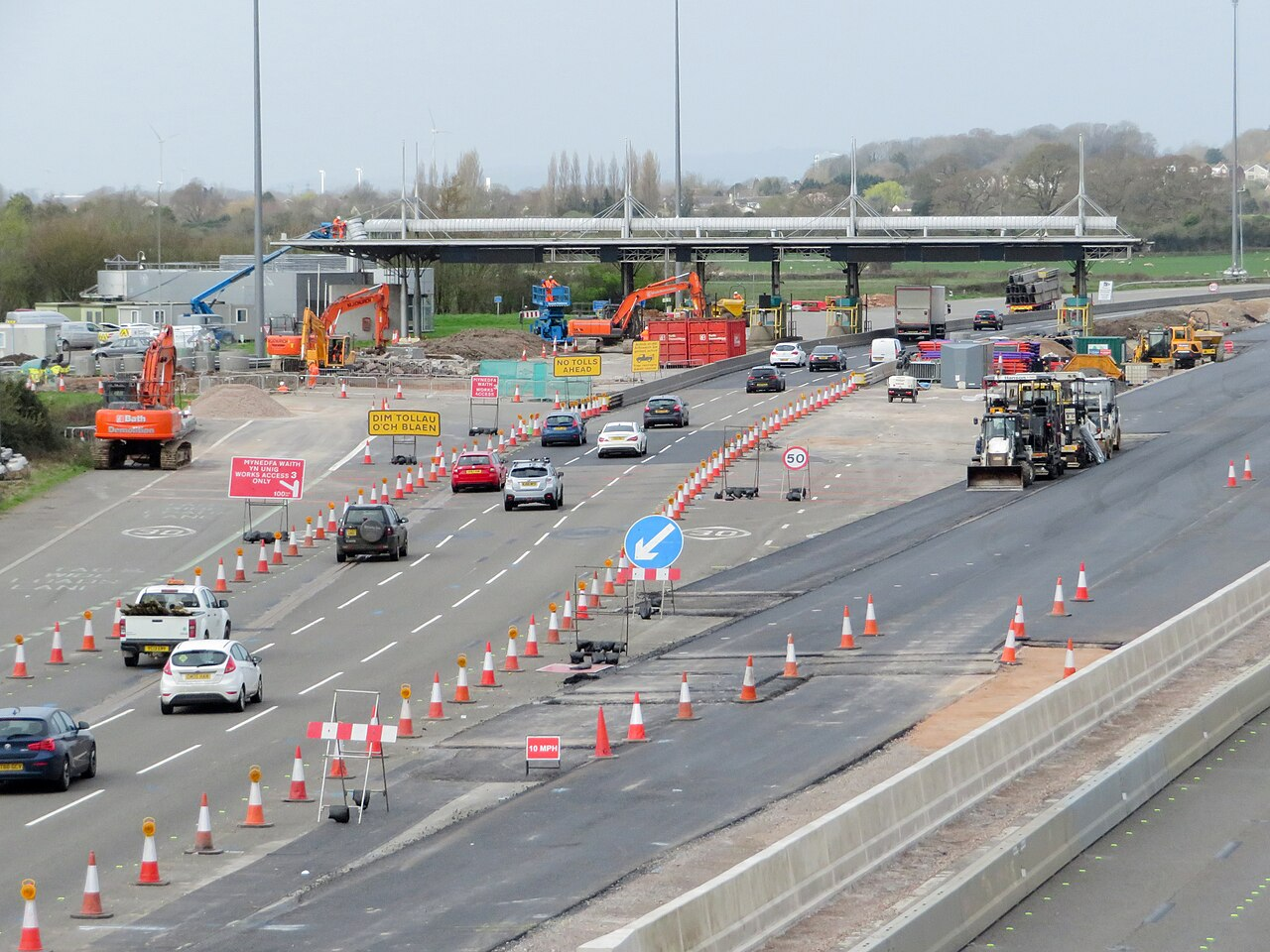
Transponders and cameras gradually eliminated cash booths. A once-common highway job faded away.
Beginning in the 1990s and accelerating through the following decades, electronic tolling systems, transponders and later license-plate cameras, gradually eliminated the need for staffed cash booths, phasing out the job across most major highways and bridges. Watching electronic tolling slowly replace the job is the bittersweet final chapter of this once-common occupation, a role that automation has rendered largely obsolete on the vast majority of modern American toll roads.
A Human Face on the Highway
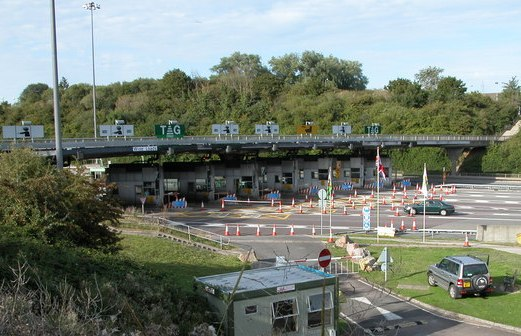
Taken together, these eleven things capture the world of the American toll booth operator, from the cramped booth and the quick change-making to the recognized regular commuters and the brutal weather endured shift after shift. It was a job built on speed, accuracy, and small human moments, a brief but genuine point of connection along an otherwise impersonal highway drive.
Electronic tolling has transformed the American highway experience almost completely, eliminating both the cash transaction and the small human interaction that once came with it. The change reflects genuine gains in traffic efficiency, even as it removed a familiar, if brief, daily encounter for millions of commuters. Yet for those who remember rolling down a window to hand over exact change, these details bring it all back: the friendly hello, the cramped booth, the familiar face at the same toll plaza every single morning. Looking back at the work of the toll booth operator is a nostalgic tribute to a genuinely demanding job that technology has since made largely obsolete.
Like our content? Follow us for more.

