
Airline overbooking is a deliberate, calculated business practice, not a rare mistake, and understanding how it actually works can turn what sounds like a frustrating travel disruption into a genuinely lucrative opportunity for flexible travelers. Here are ten things to know about getting bumped from an overbooked flight, counted down one by one.
1. Overbooking Is a Deliberate, Calculated Strategy
Airlines intentionally sell more tickets than available seats. This offsets predictable rates of no-shows.
Airlines deliberately sell more tickets than a flight actually has seats, a calculated practice based on historical data showing a predictable percentage of passengers won’t show up for any given flight. This strategy maximizes revenue by minimizing empty seats, but occasionally results in more passengers arriving than the plane can hold. Overbooking being a deliberate, calculated strategy is important context for understanding what’s actually happening when a gate agent announces the flight is oversold, a business decision rather than a scheduling error.
Like our content? Follow us for more.
2. Airlines Must Ask for Volunteers First
Federal rules require seeking volunteers before involuntary bumping. This creates a genuine opportunity for willing travelers.
Before involuntarily bumping any passenger, federal regulations require airlines to first ask for volunteers willing to give up their seat voluntarily in exchange for compensation, a request typically announced at the gate before boarding begins. Airlines must asking for volunteers first creates a genuine opportunity for flexible travelers, since volunteering is a choice made freely in exchange for a benefit, rather than something imposed involuntarily on an unwilling passenger.
3. Compensation Offers Often Start Low and Increase
Initial offers may be modest gate credit vouchers. Waiting can result in a considerably better offer.
Gate agents typically start with a modest compensation offer, sometimes a few hundred dollars in travel credit, and if not enough passengers volunteer at that level, the offer frequently increases incrementally until enough people accept. Compensation offers often starting low and increasing rewards patience, since travelers willing to wait through a few rounds of announcements can sometimes negotiate a considerably more generous deal than the initial offer suggested.
4. Cash Compensation Is Sometimes Negotiable
Some travelers successfully request cash instead of travel credit. Asking directly occasionally yields a better outcome.
While airlines typically offer travel vouchers or credit as standard compensation, some travelers have successfully negotiated cash compensation instead by asking directly, particularly since cash carries no restrictions or expiration dates the way travel credit often does. Cash compensation sometimes being negotiable is worth trying, since simply asking a gate agent whether cash is an option occasionally results in a more valuable and flexible outcome than the standard voucher offer.
5. Federal Rules Guarantee Minimum Compensation for Involuntary Bumps

If not enough volunteers step forward, airlines must compensate bumped passengers by law. The amount scales with the resulting delay.
If insufficient volunteers come forward and an airline must involuntarily bump a passenger, federal regulations guarantee minimum compensation scaled to how long the resulting delay ends up being, with higher compensation required for longer delays. Federal rules guaranteeing minimum compensation for involuntary bumps provide a genuine baseline protection, ensuring that passengers who didn’t choose to be bumped still receive meaningful compensation for the disruption to their travel plans.
6. Checking In Early Reduces Your Risk of Being Bumped

Airlines typically bump passengers based partly on check-in order. Early check-in genuinely lowers this risk.
When an involuntary bump becomes necessary, airlines generally select passengers based on factors including check-in time, fare class, and loyalty status, meaning travelers who check in early are statistically less likely to be selected than those who check in at the last possible moment. Checking in early reducing your risk of being bumped is practical advice for travelers who specifically want to avoid an involuntary bump, since simply completing check-in promptly meaningfully improves your odds of keeping your original seat.
7. Elite Status and Higher Fare Classes Offer Real Protection
Loyalty program tiers and premium tickets reduce bump risk considerably. Airlines generally protect their most valuable customers first.
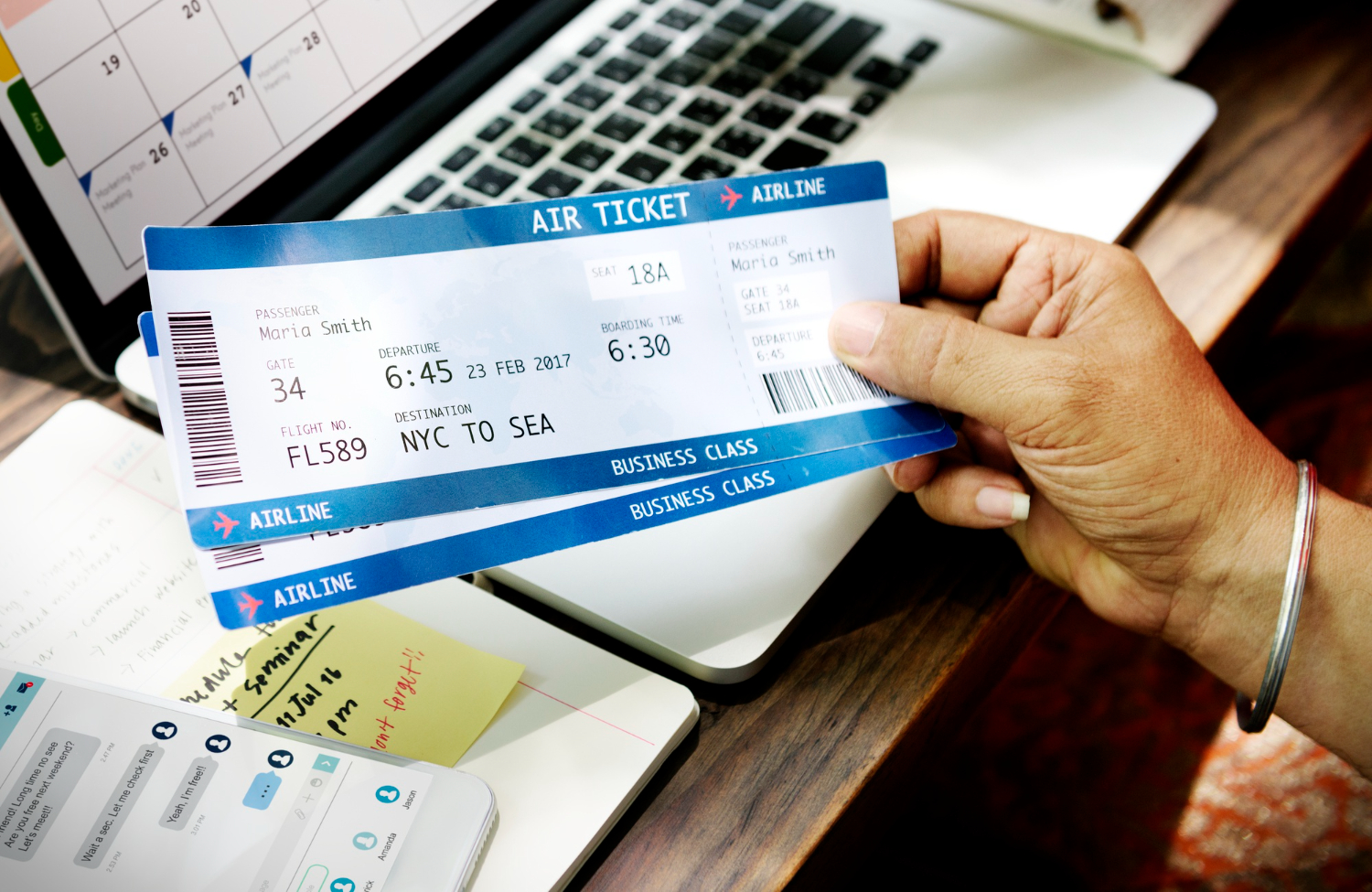
Airlines generally prioritize protecting their most valuable customers from involuntary bumping, meaning travelers with higher frequent flyer status tiers or premium cabin tickets face considerably lower bump risk than basic economy passengers with no loyalty status. Elite status and higher fare classes offering real protection reflects how airlines allocate this particular risk, concentrating involuntary bumps disproportionately among the passengers holding the airline’s cheapest, most flexible fare types.
8. Volunteering Works Best on Routes With Multiple Daily Flights
Giving up a seat is lower-risk when alternatives exist. Routes with frequent departures make rebooking painless.
Volunteering to give up a seat carries considerably less practical risk on routes with multiple daily flight options, since a later departure the same day is usually readily available, compared to routes with only one daily flight where volunteering could mean an entire extra day of delay. Volunteering working best on routes with multiple daily flights is important strategic context, since the actual inconvenience of volunteering varies enormously depending on how easily a later flight can realistically get you to your destination.
9. Know Your Rights if the Airline Denies Boarding Involuntarily

Involuntary denial of boarding comes with specific required disclosures. Airlines must provide a written statement of your rights.
If you’re involuntarily denied boarding, federal regulations require the airline to provide a written statement explaining your specific rights and the compensation formula being applied to your situation, documentation worth reading carefully rather than simply accepting whatever is offered verbally. Knowing your rights if the airline denies boarding involuntarily ensures you receive the full compensation you’re legally entitled to, rather than potentially accepting less than the regulations actually require.
10. Weigh the Real Value of Your Time Before Volunteering

Compensation should be measured against the actual cost of delay. A generous offer isn’t automatically worth accepting for every traveler.
Before volunteering, honestly weighing the compensation offered against the real cost of a delay, missed connections, work obligations, or a tight vacation schedule, helps determine whether accepting is actually a good deal for your specific situation, rather than simply chasing the largest number offered. Weighing the real value of your time before volunteering is essential judgment, since even a generous compensation offer isn’t worth accepting if the resulting delay would genuinely disrupt plans that matter more than the financial reward.
Turning a Scheduling Quirk Into an Opportunity

Taken together, these ten points show that airline overbooking, while sometimes frustrating, creates a genuine opportunity for flexible travelers willing to volunteer their seat in exchange for real compensation. Understanding how the system actually works helps travelers decide when volunteering makes sense and when it doesn’t.
For travelers with genuine schedule flexibility, keeping an eye out for oversold flight announcements, and being ready to volunteer when the compensation and timing align well, can turn an ordinary trip into a source of real extra value, sometimes enough to fund a future vacation entirely. For travelers on a tight schedule, understanding your rights around involuntary bumping ensures you’re treated fairly and compensated appropriately if selection becomes unavoidable.
It’s also worth checking your airline’s app or the gate display screen periodically as boarding approaches, since some carriers now post oversold-flight compensation offers digitally before an agent ever makes a verbal announcement, giving proactive travelers a small head start on deciding whether to volunteer. Frequent flyers who travel often enough to make this a recurring strategy sometimes keep a personal note of which routes and times of year tend to run oversold most reliably, turning what starts as a one-time curiosity into a genuinely repeatable source of extra travel credit over time. Either way, a little knowledge of how overbooking actually works removes much of the uncertainty from a situation that, handled well, doesn’t have to be purely negative at all.
Like our content? Follow us for more.