For nearly twenty years, drivers along Interstate 510 in eastern New Orleans passed a strange, unmistakable sight: the rusting silhouettes of roller coasters rising above overgrown trees, visible reminders of a theme park that Hurricane Katrina closed and never allowed to reopen. The story of Jazzland, later Six Flags New Orleans, has become one of the most recognizable symbols of the storm’s lasting impact on the city, and its long-delayed demolition marks a genuinely significant chapter in New Orleans’s ongoing recovery.
A Jazz-Themed Park Built on Ambition
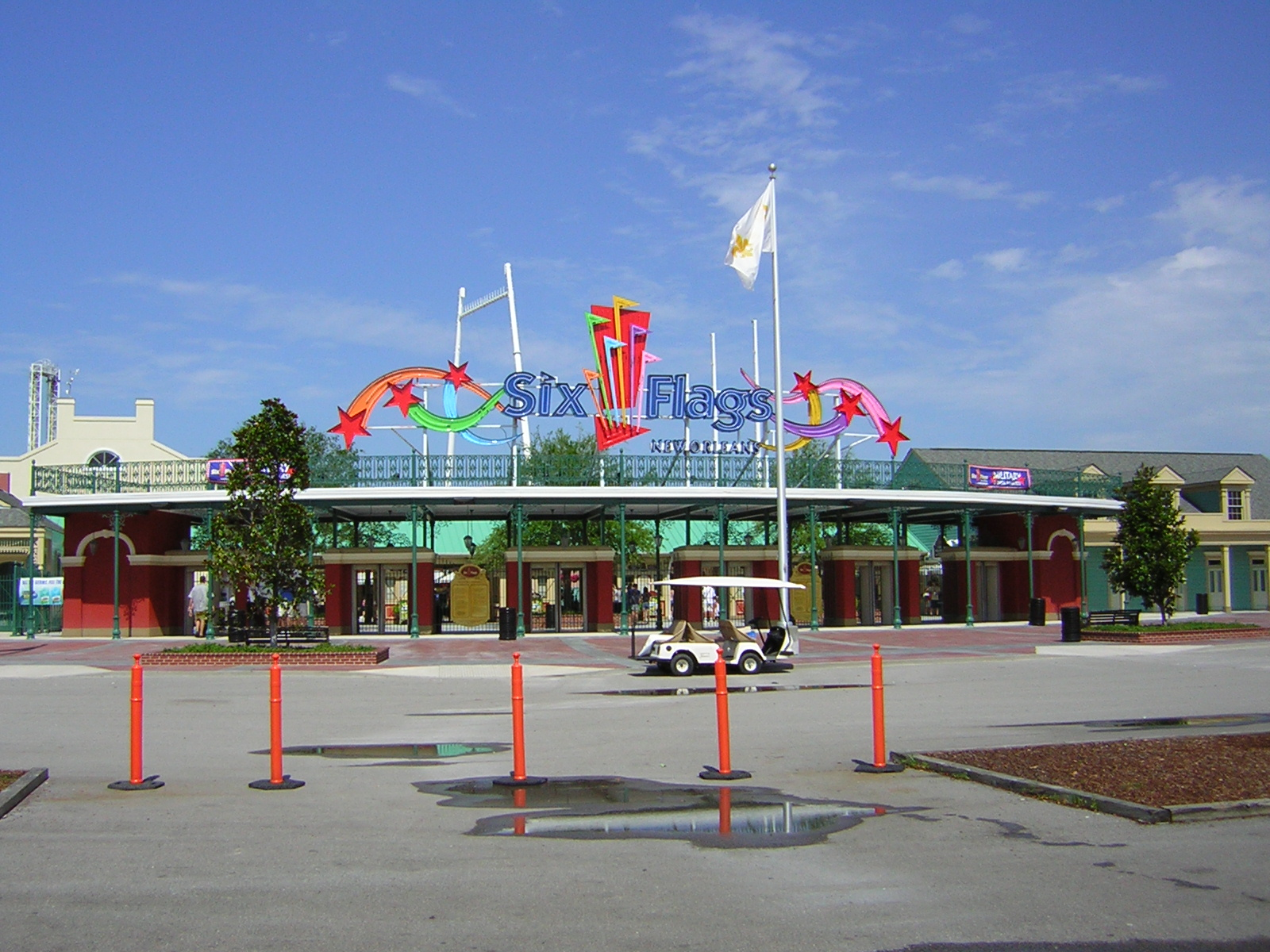
The park that would eventually become Six Flags New Orleans opened as Jazzland on May 20, 2000, developed by local real estate investors Tom and Dian Winingder, who spent nearly a decade arranging financing and city approval for a park honoring New Orleans’s musical heritage. Themed areas included Jazz Plaza, Cajun Country, and Pontchartrain Beach, a tribute to a beloved earlier New Orleans amusement park that had closed decades before. The park’s centerpiece was Mega Zeph, a wooden roller coaster named for a legendary attraction from that earlier park.
Like our content? Follow us for more.
Financial Struggles Before the Storm Ever Arrived
Jazzland’s opening season drew strong attendance, but numbers dropped sharply the following year, and by 2002 the park’s original owners had declared bankruptcy. Six Flags acquired the lease that year for $22 million, investing an additional $20 million in upgrades, new rides, and Warner Bros.-themed attractions before reopening the park as Six Flags New Orleans for the 2003 season. Even under new ownership, the park remained one of the chain’s less profitable properties heading into 2005.
The Storm That Changed Everything
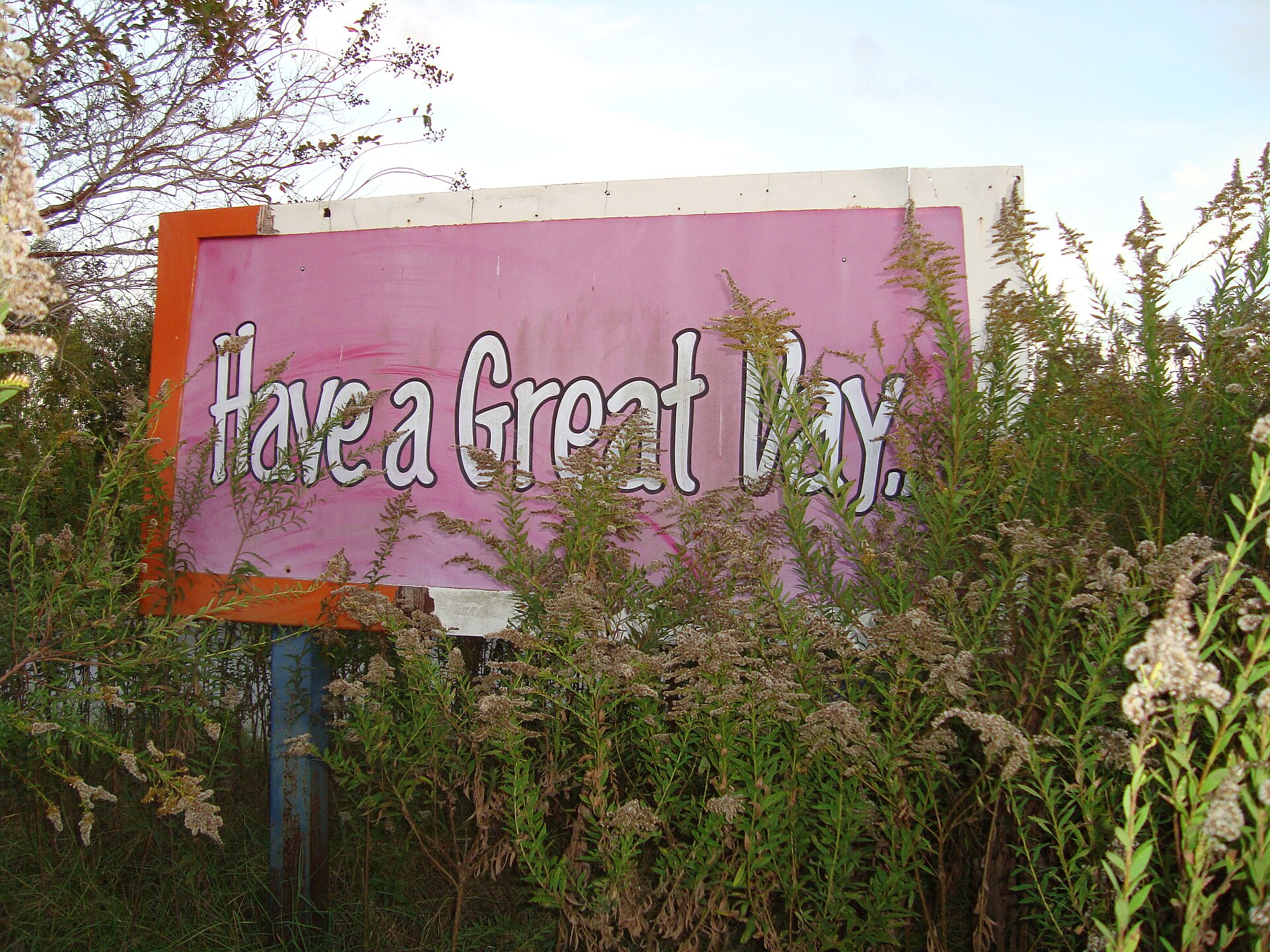
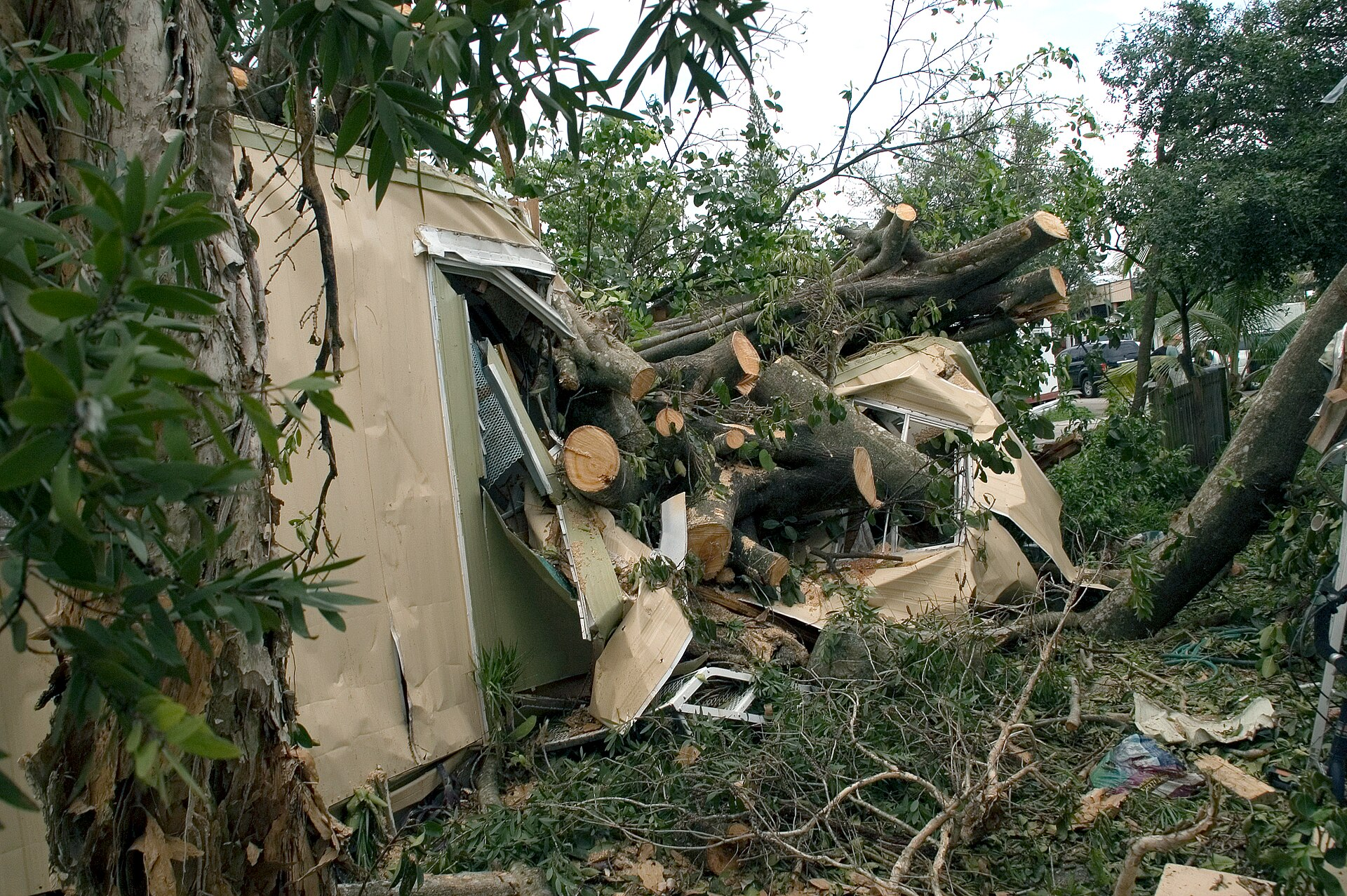
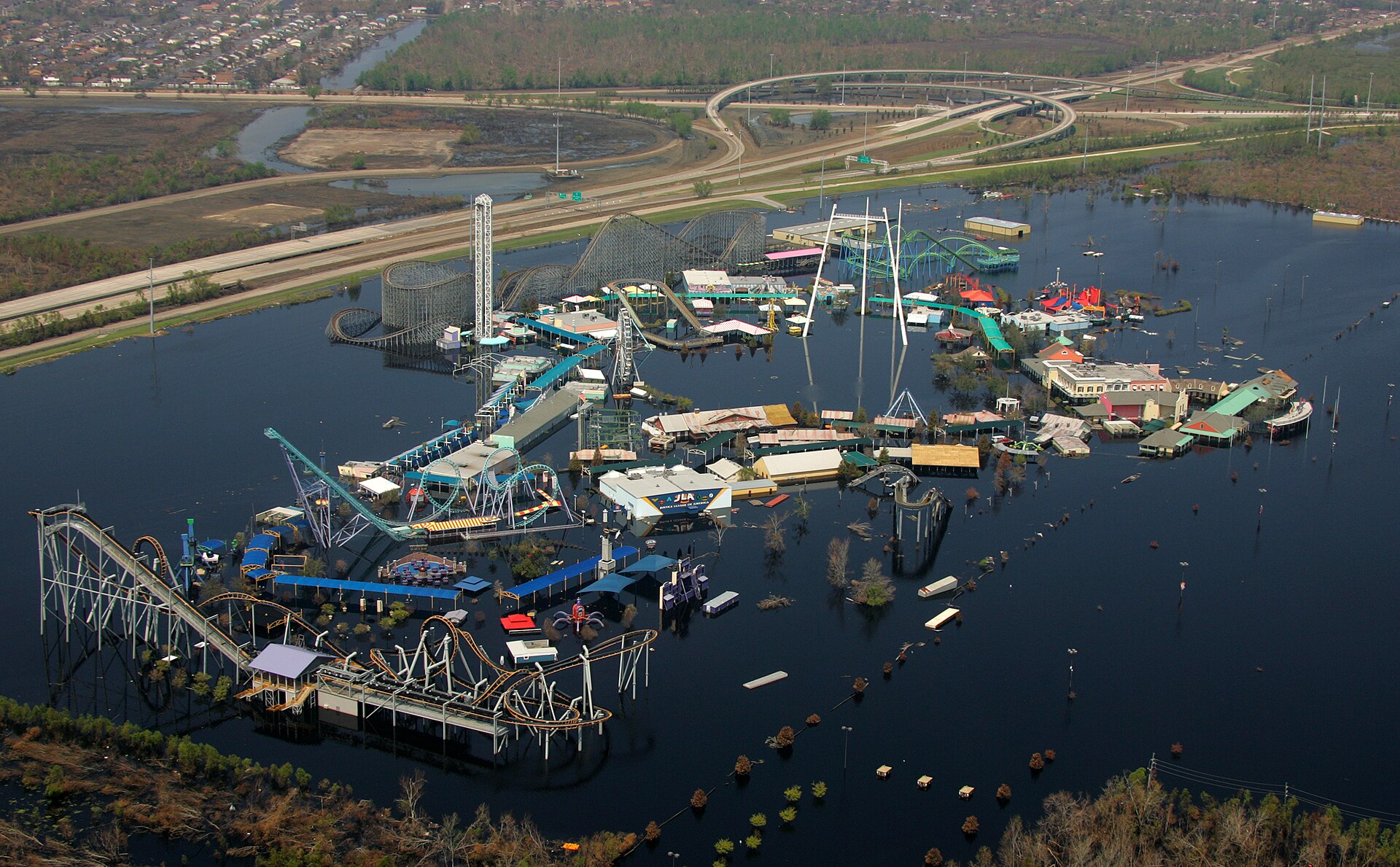
Six Flags New Orleans held its final day of operation on Sunday, August 21, 2005. As Hurricane Katrina strengthened and approached the Gulf Coast, the park closed and posted its now-infamous “Closed for Storm” sign, a message that would remain frozen at the entrance for years afterward. When Katrina made landfall on August 29, 2005, the storm overwhelmed the city’s levee system, and the park, situated in a low-lying area near Lake Pontchartrain, flooded under as much as twelve to twenty feet of brackish, salt-laden water. It remained submerged for roughly a month.
A Total Loss Declared
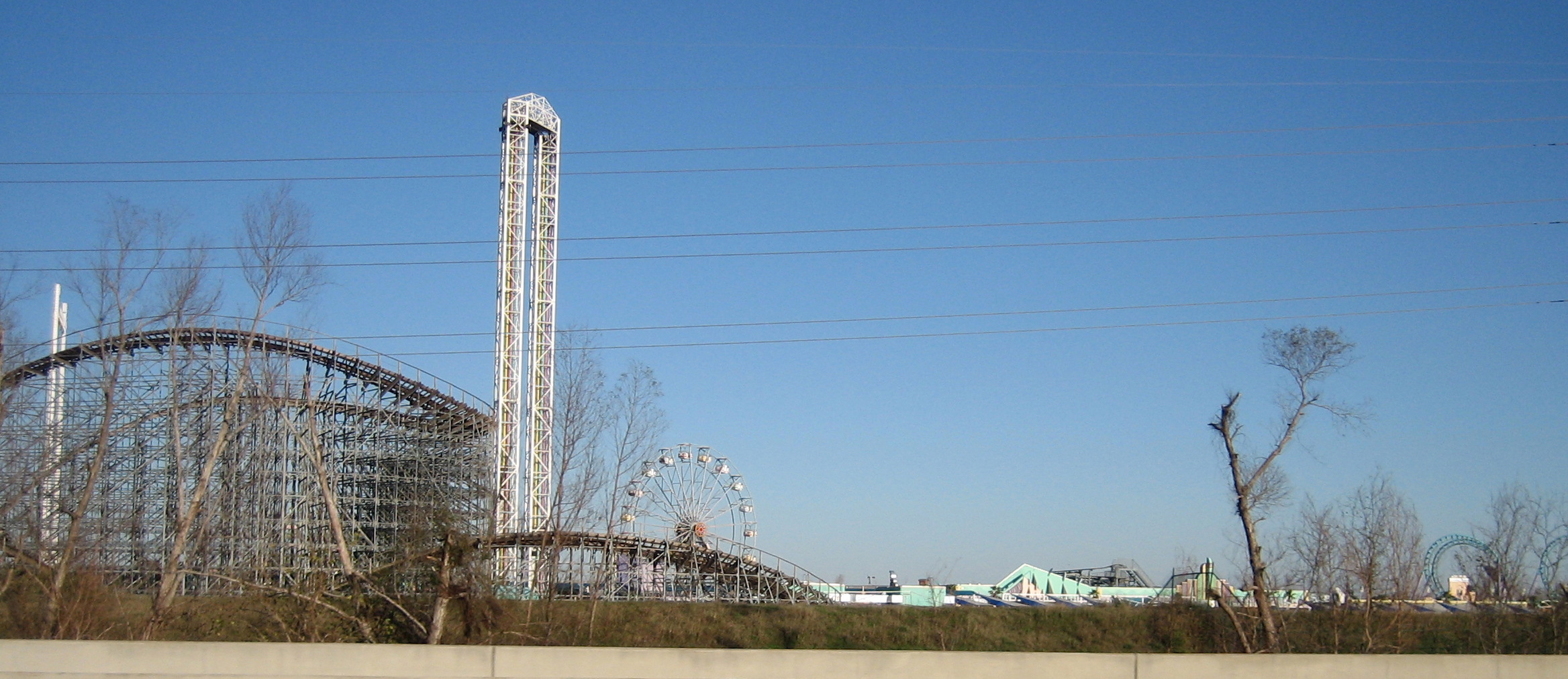
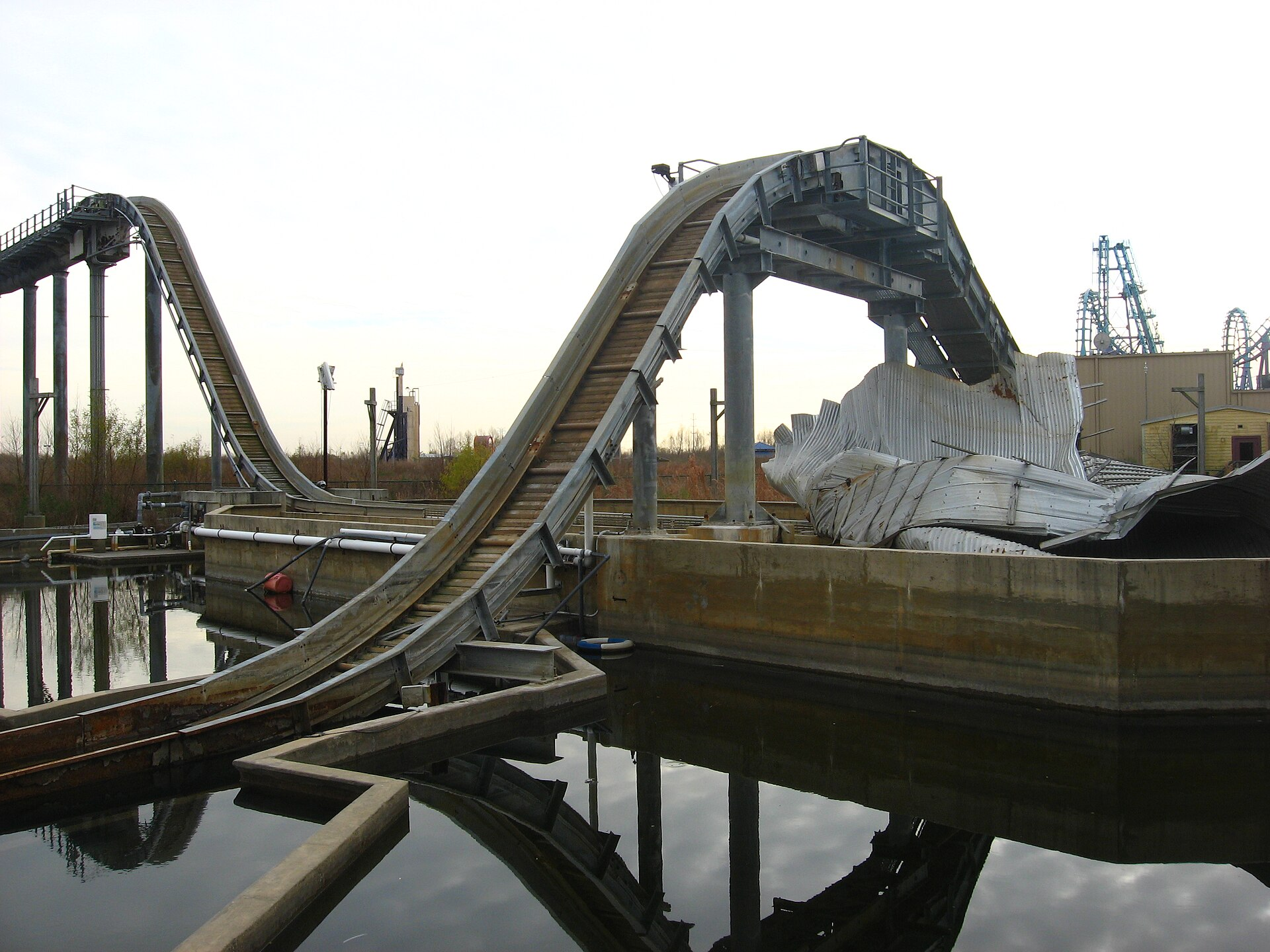
When the floodwaters finally receded, an estimated 80 percent of the park’s rides and structures were deemed unsalvageable, corroded by saltwater exposure and overtaken by mold in the humid aftermath. In 2006, Six Flags formally declared the property a total loss and began the process of terminating its 75-year lease with the city, a process finalized during the company’s broader bankruptcy proceedings in 2009. A handful of rides, including the elevated Batman: The Ride, were salvaged and relocated to other Six Flags parks around the country.
Nearly Two Decades of Failed Redevelopment Plans
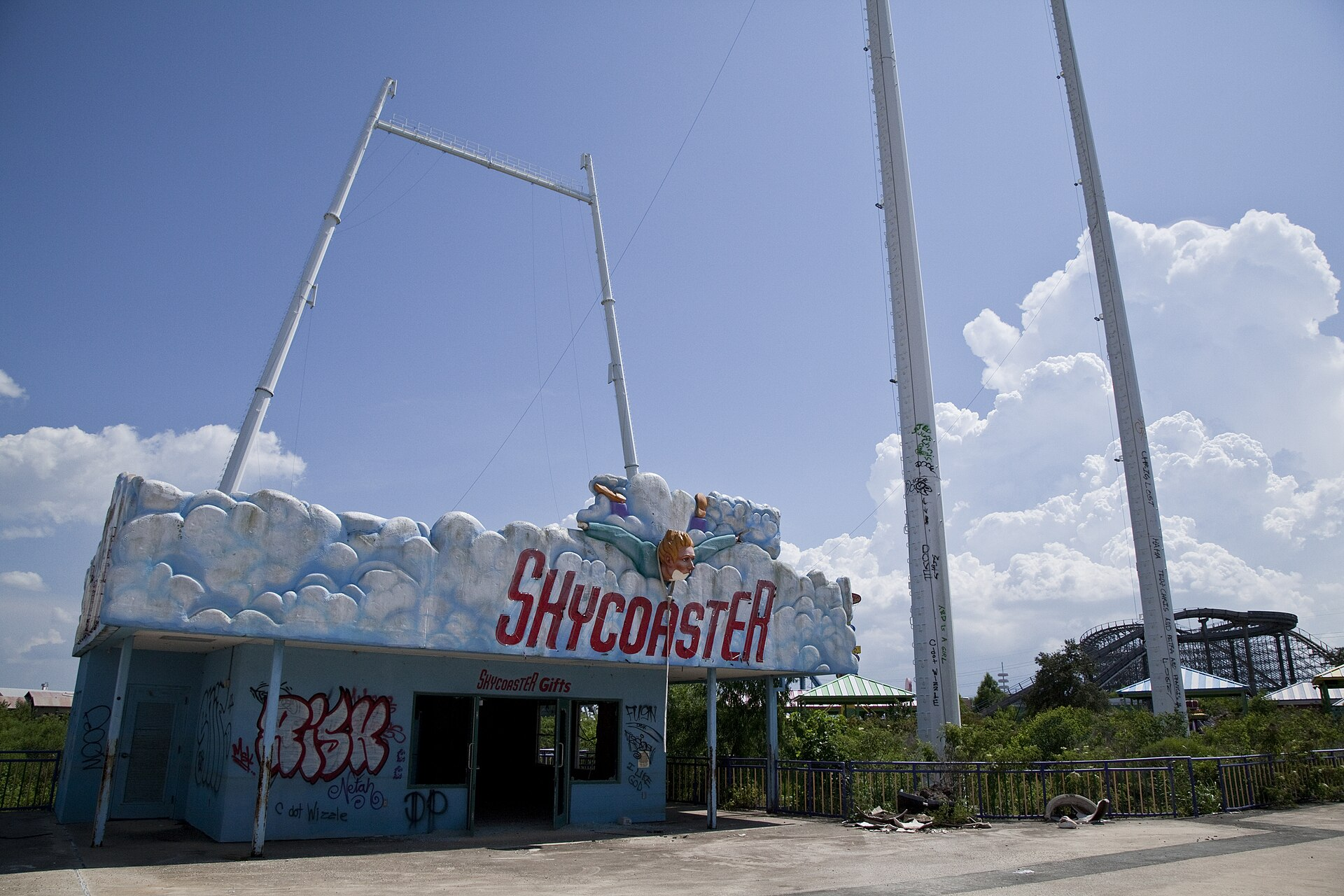
What followed was a long, frustrating cycle of redevelopment proposals that repeatedly fell apart. A 2008 plan to reopen the park as “Legend City Adventure Park” collapsed within a year. Subsequent proposals for an outlet mall, a Nickelodeon-branded water park, a hotel and sports complex, and a film studio each generated headlines before ultimately failing to materialize. Meanwhile, the abandoned park became overtaken by vegetation and wildlife, including alligators, wild boars, and cottonmouth snakes, while urban explorers and photographers documented its decay, and the city eventually assigned police patrols to deter trespassers from the officially closed and dangerous site.
A Deal That Finally Stuck
In 2023, after two years of negotiation, a development company called Bayou Phoenix reached a formal agreement with New Orleans city authorities to take over the 227-acre property, with plans for a mixed-use development including a water park, hotels, a sports complex, retail space, and a film studio, an ambitious project estimated to cost between $500 million and nearly $1 billion. Demolition of the remaining theme park structures finally began in late 2024, continuing into 2026, permanently clearing away the rusted rides that had stood as an accidental monument to the storm for nearly twenty years.
A Site No Longer Open to Visitors
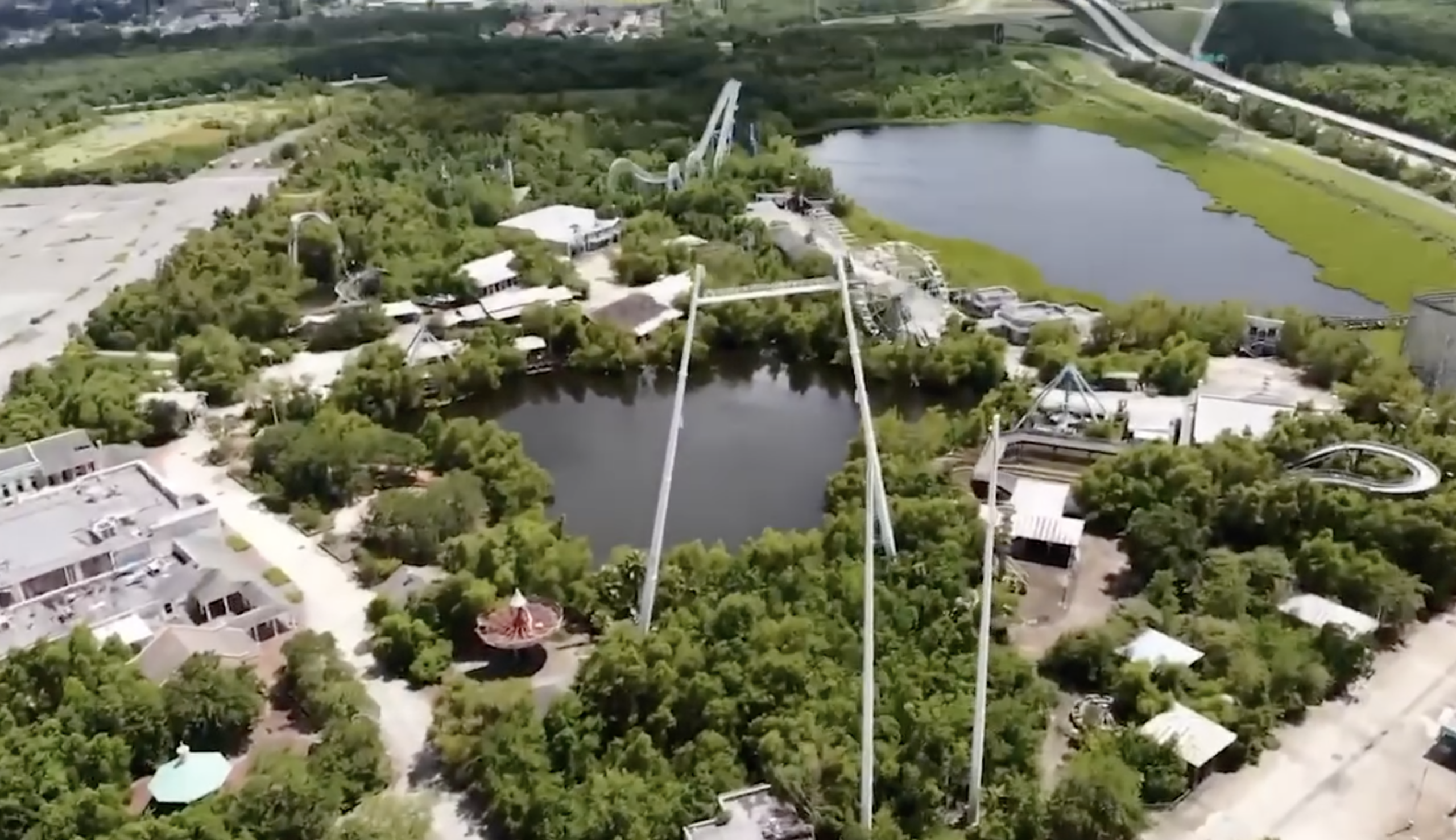
It’s important to understand that the former park has never been legally open to the public since its 2005 closure, the city has actively patrolled the property and pursued trespassers for years given its genuinely hazardous, decaying condition. The roller coasters remain visible, and were for many years photographed extensively, from the public vantage point of Interstate 510, but the site itself has not been a place travelers could safely or legally visit. With redevelopment now finally underway, the property’s next chapter will eventually reopen the land to the public in an entirely new form.
A Storm’s Long Shadow, Finally Lifting
The story of Jazzland and Six Flags New Orleans has become inseparable from the broader story of Hurricane Katrina’s impact on the city, a once-joyful amusement park transformed into one of the storm’s most visible and enduring physical scars. As demolition clears the site nearly two decades later, it marks a genuinely meaningful milestone in New Orleans’s long recovery, the closing of one difficult chapter and the beginning, finally, of whatever comes next for a 227-acre piece of the city that Katrina never let go.
Like our content? Follow us for more.