Steak might seem like a simple dish, but America’s regional steakhouse traditions reveal genuine differences in cut preference, seasoning philosophy, and cooking style shaped by local cattle industries and generations of civic pride passed down through decades of family-run establishments. Here are eight distinct American steakhouse traditions and what makes each one different, counted down one by one.
1. Kansas City: The Char-Crusted Strip

Kansas City steakhouses favor an intensely seared crust. The strip steak is the city’s defining cut.
Kansas City’s steakhouse tradition centers on the strip steak, cooked at extremely high heat to produce a deeply charred, almost blackened crust while keeping the interior tender and pink, a style that gave the cut its popular nickname across the country. The city’s deep meatpacking history shaped this bold, high-heat approach, one still closely associated with the region’s culinary identity today. Kansas City’s char-crusted strip reflects the city’s historic role as a major livestock and meatpacking hub, a steakhouse tradition built on genuine industry expertise passed down through generations of local butchers and cooks.
Like our content? Follow us for more.
2. Texas: The Cowboy-Cut Bone-In Ribeye

Texas steakhouses favor a massive, bone-in ribeye. Portion size and presentation are practically a point of state pride.
Texas steakhouses are known for the cowboy-cut ribeye, a thick, bone-in cut with the rib bone left attached for both dramatic presentation and extra flavor, often served in portions large enough to be genuinely intimidating. Simple seasoning, salt, pepper, and open-flame grilling, lets the beef itself take center stage rather than competing with a heavy sauce or elaborate preparation. Many Texas steakhouses take genuine pride in serving cuts so large that finishing one becomes a point of local bragging rights in its own right. Texas’s cowboy-cut ribeye reflects the state’s deep cattle-ranching heritage and famous love of scale, a steakhouse tradition where portion size and simple, confident preparation are practically matters of state pride.
3. Chicago: The Butter-Basted Prime Cut

Chicago steakhouses favor rich, formal preparation. Butter basting adds a layer of indulgent flavor.
Chicago’s steakhouse tradition, rooted in the city’s historic Union Stock Yards and its once-central role in American meatpacking, favors prime-grade cuts finished with a generous butter baste, added richness that complements the beef’s natural marbling in a formal, white-tablecloth setting. Many of the city’s most storied steakhouses trace their own histories directly back to that stockyard era, when Chicago quite literally processed a substantial share of the nation’s beef supply. Chicago’s butter-basted prime cut reflects the city’s history as a national meat industry capital, an indulgent, formal steakhouse tradition befitting a city that once quite literally fed the rest of the country.
4. New York: The Dry-Aged Porterhouse

New York steakhouses favor extensively dry-aged beef. The porterhouse cut showcases both strip and filet in one serving.
New York’s classic steakhouse tradition centers on the porterhouse, a large cut containing both a strip steak and a filet mignon separated by a T-shaped bone, often dry-aged for weeks in a dedicated aging room to concentrate and deepen its flavor before ever reaching the hot grill. New York’s dry-aged porterhouse reflects the city’s long-standing, old-world steakhouse formality, a tradition built on genuine technical mastery of the dry-aging process passed down through generations of the city’s most storied establishments.
5. The South: The Smoked and Grilled Flank
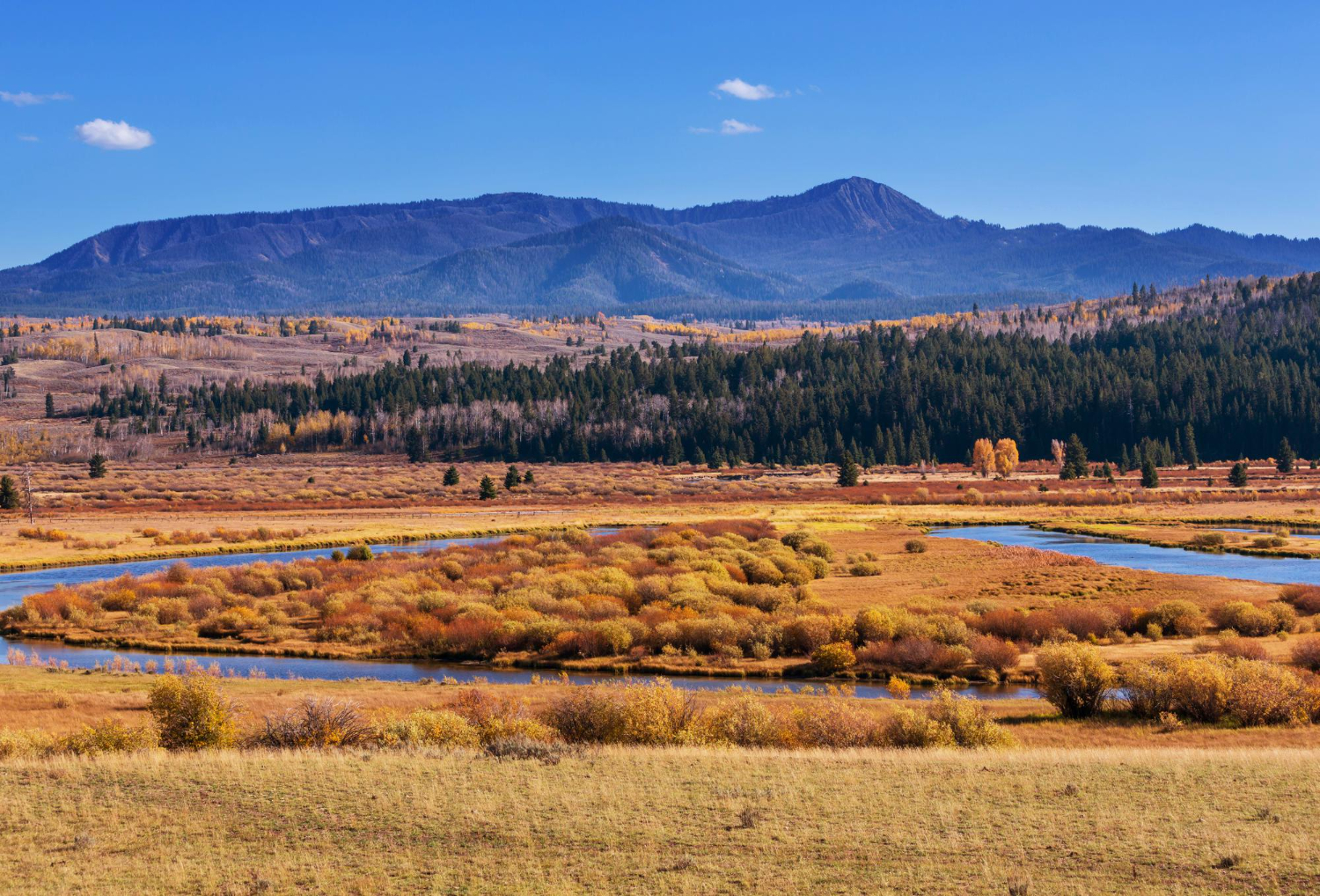
Southern steakhouses often incorporate smoking traditions. Marinated, smoked flank steak reflects the region’s barbecue heritage.
Across much of the South, steak preparation often borrows directly from the region’s deep barbecue heritage, marinated flank or skirt steak finished over wood smoke for a distinctive smoky depth of flavor not found in more traditional Northern or Midwestern steakhouse styles found elsewhere in the country. The South’s smoked and grilled flank reflects the region’s broader culinary identity, a steakhouse tradition that folds beloved barbecue techniques directly into what might otherwise be a fairly conventional cut of beef.
6. Nebraska: The Corn-Fed Sirloin

Nebraska steakhouses take genuine pride in corn-fed beef. The state’s deep agricultural identity shapes the entire dining experience.
Nebraska steakhouses take particular pride in serving corn-fed sirloin, emphasizing the specific feed and raising practices behind the beef as a genuine point of regional distinction, reflecting the state’s deep identity as one of the country’s leading beef and corn-producing regions year after year. Nebraska’s corn-fed sirloin reflects the state’s genuine agricultural pride, a steakhouse tradition where the story of exactly how the cattle were raised is considered just as important as how the steak is ultimately cooked.
7. California: The Wine Country Reserve Cut

California steakhouses emphasize sourcing and wine pairing. Presentation leans toward a more refined, farm-to-table sensibility.
California’s steakhouse tradition, particularly in wine country regions, emphasizes careful sourcing, often grass-fed or regionally raised beef, paired thoughtfully with a specific local wine, reflecting the state’s broader farm-to-table culinary sensibility. Presentation tends toward a more refined, restrained plate than heartier regional traditions elsewhere. California’s wine country reserve cut reflects the state’s sourcing-conscious food culture, a steakhouse tradition that treats the pairing and provenance of the meal as carefully as the preparation of the steak itself.
8. Colorado: The High-Altitude Bison Alternative

Colorado steakhouses often feature bison alongside traditional beef. High-altitude ranching shapes a distinctly Western menu.
Many Colorado steakhouses offer bison as a genuine alternative to traditional beef, reflecting the state’s Western ranching heritage and the growing popularity of leaner, high-altitude-raised game meat alongside conventional cattle. The bison option gives the state’s steakhouse tradition a genuinely distinct regional identity, appealing especially to diners drawn to the animal’s deep historical connection to the American West more broadly. Colorado’s high-altitude bison alternative reflects the state’s broader connection to Western ranching history, a steakhouse tradition that offers diners a genuinely different regional protein alongside the more familiar cattle-raised cuts found elsewhere.
A Map of American Beef Culture
Taken together, these eight traditions show just how differently America approaches a seemingly simple dish, from Kansas City’s char-crusted strip and Texas’s massive bone-in ribeye to New York’s dry-aged porterhouse and Colorado’s bison alternative. Each reflects the specific cattle industry, immigrant history, and civic pride of its particular region.
What unites these otherwise distinct traditions is a shared, genuine reverence for quality beef, even as the specific cut, seasoning philosophy, and cooking method vary enormously from one region to the next. Exploring America’s regional steakhouse traditions offers a rewarding lesson in how deeply local agriculture and history shape even the most straightforward-seeming meal. Whichever regional style you consider the best, the sheer variety across these eight traditions reflects just how much genuine local identity and pride goes into a single cut of beef.
Many of these traditions also carry their own strong opinions about the “correct” way to order and eat a steak, from Texas insisting on minimal seasoning to let the beef speak for itself, to New York’s steakhouse culture treating the dry-aging process itself as a genuine point of pride worth discussing at the table. Regional cattle-raising practices play a real role in these differences too, corn-fed beef, grass-fed beef, and high-altitude bison each carry a distinctly different flavor profile shaped directly by how and where the animal was raised. For travelers with a genuine interest in American food culture, a cross-country steakhouse tour would reveal just how much regional agriculture, immigrant history, and civic pride can be packed into a single, seemingly simple plate of beef, one that somehow tastes a little different at every single stop along the way.
Like our content? Follow us for more.