Few desserts carry as much regional identity as pie, a format simple enough in concept, a crust and a filling, yet dramatically different depending on which part of the country baked it. Here are nine distinct American pie traditions and what makes each one different, counted down one by one.
1. Florida: Key Lime Pie

Florida’s signature pie uses tart, distinctive key limes. A graham cracker crust and condensed milk filling define the recipe.
Florida’s key lime pie relies specifically on small, intensely tart key limes, distinct from the larger, milder Persian limes found in most grocery stores, blended with sweetened condensed milk into a tangy filling set inside a graham cracker crust. The pie’s origin traces to the Florida Keys, where sweetened condensed milk solved the historic challenge of fresh dairy in a remote, pre-refrigeration coastal community. Key lime pie’s distinctive tartness and coastal origin story make it one of the most immediately recognizable regional pies in the entire country.
Like our content? Follow us for more.
2. Kentucky: Derby Pie

Kentucky’s beloved pie combines chocolate chips, walnuts, and bourbon. It’s traditionally served around the Kentucky Derby each spring.
Kentucky’s derby pie combines a rich, gooey filling of chocolate chips and walnuts, often spiked with a splash of bourbon, traditionally served each spring around the running of the Kentucky Derby, a beloved regional dessert whose specific name is actually a registered trademark tied to its Louisville origin. Similar chocolate-walnut-bourbon pies elsewhere often go by different names as a result. Derby pie’s rich, boozy filling and deep Kentucky roots make it a genuinely indulgent regional specialty inseparable from the state’s most famous annual event.
3. The South: Chess Pie

Southern chess pie uses simple pantry staples. Its custard-like filling requires no fresh fruit at all.
Southern chess pie relies on little more than butter, sugar, eggs, and a touch of cornmeal or vinegar, a simple custard-style filling that required no fresh fruit and could be made year-round from pantry staples alone, reflecting the resourcefulness of Southern home baking traditions. Chess pie’s humble, ever-available ingredients made it a genuine Southern staple, a dessert whose simplicity reflects generations of practical, make-do home cooking across the region.
4. New England: Maple Cream Pie
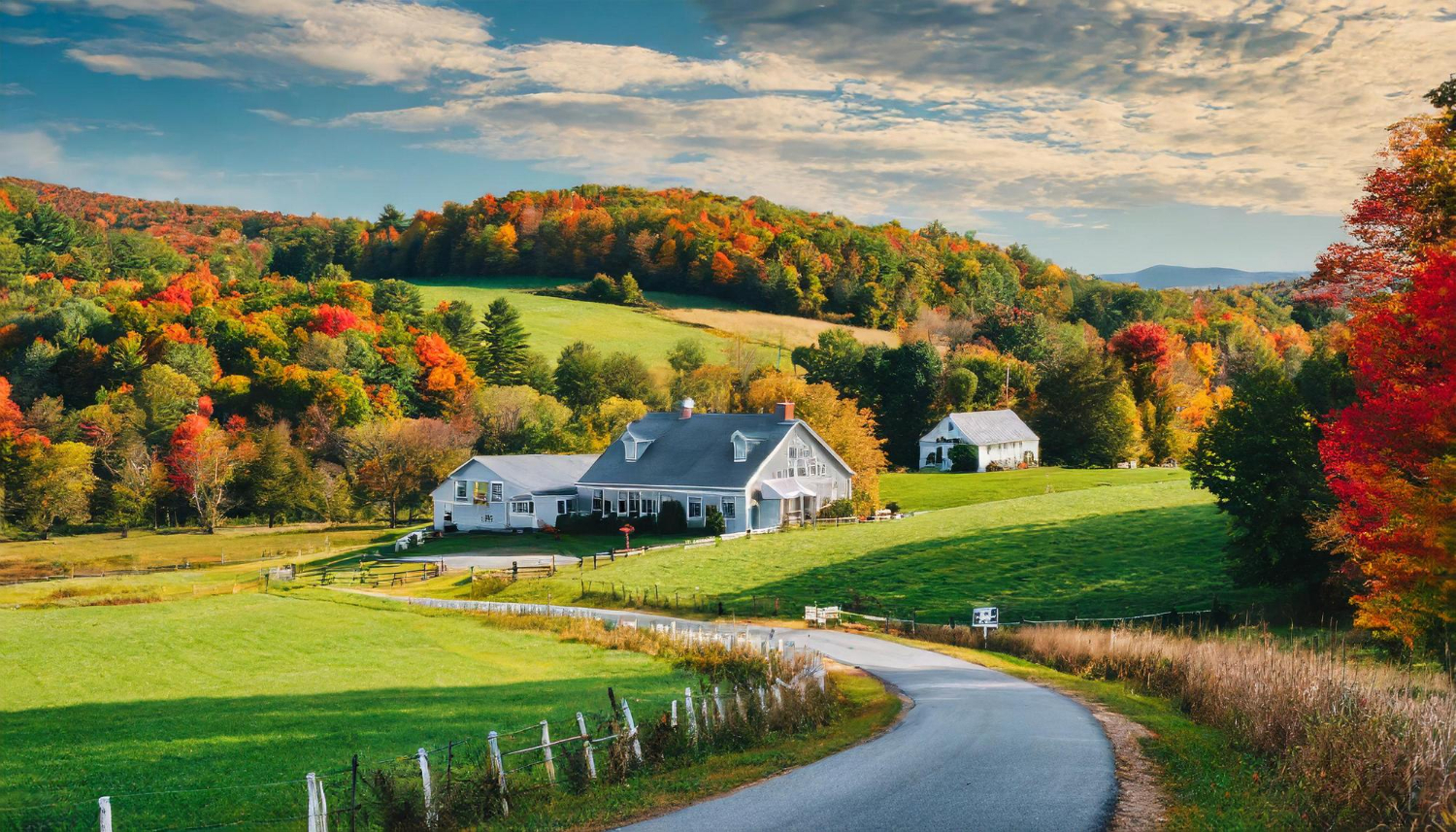
New England showcases its maple syrup tradition in pie form. A rich, custard-based filling highlights the region’s signature ingredient.
New England’s maple cream pie showcases the region’s signature maple syrup production directly, a rich, custard-like filling sweetened entirely with real maple syrup rather than refined sugar, reflecting the area’s deep agricultural connection to maple sugaring season each spring. Maple cream pie’s direct celebration of the region’s most iconic agricultural product makes it a genuinely distinctive regional dessert, one whose flavor simply can’t be replicated without access to real, local maple syrup.
5. The Midwest: Sour Cream Raisin Pie

Midwestern farm kitchens favored a custard pie with raisins. It reflects the region’s practical, dairy-rich baking tradition.
Midwestern farm kitchens developed sour cream raisin pie, a rich, tangy custard studded with plumped raisins, a dessert built around dairy and simple pantry staples that reflected the region’s practical, farm-based baking tradition and the genuine abundance of fresh cream available on dairy farms. Sour cream raisin pie’s farmhouse origins reflect the Midwest’s deep agricultural identity, a comforting, dairy-rich dessert that remains a beloved specialty at church suppers and county fairs across the region.
6. Pennsylvania Dutch Country: Shoofly Pie

Pennsylvania Dutch bakers created a molasses-based crumb pie. Its distinctive sweetness and texture set it apart from other regional pies.
Pennsylvania Dutch country’s shoofly pie layers a molasses-based filling beneath a crumbly streusel topping, a genuinely distinctive, densely sweet dessert rooted in the region’s German immigrant baking heritage. The pie’s unusual name reportedly comes from needing to shoo flies away from its irresistibly sweet, sticky surface while it cooled. Shoofly pie’s molasses richness and quirky name make it one of the most distinctive regional pies in the country, a dessert whose deep Pennsylvania Dutch roots remain genuinely intact today.
7. The Pacific Northwest: Marionberry Pie

Oregon showcases its own hybrid blackberry variety. The marionberry’s specific tartness and depth define the region’s signature pie.
The Pacific Northwest’s marionberry pie celebrates a specific blackberry hybrid developed in Oregon and named for the county where it was first cultivated, prized for its deeper, more complex flavor than standard blackberries. Marionberry pie showcases a genuinely regional ingredient unavailable in most of the rest of the country, a specialty crop whose specific cultivation area gives the pie an authentic sense of place that few other American desserts can claim so directly.
8. Texas: Buttermilk Pie

Texas favors a tangy, custard-style pie made with buttermilk. Its simple ingredients reflect ranch-country resourcefulness.
Texas buttermilk pie combines tangy buttermilk with eggs, sugar, and a touch of vanilla into a simple, custard-style filling, a dessert that reflects the practical, ranch-country resourcefulness of using readily available dairy staples rather than fresh fruit that wasn’t always seasonally accessible. Buttermilk pie’s tangy simplicity reflects the state’s broader ranching and farming heritage, a humble but genuinely beloved dessert built entirely around ingredients a Texas ranch kitchen would always have on hand.
9. The Southwest: Green Chile Apple Pie

New Mexico adds a distinctive regional twist to classic apple pie. Roasted green chile brings genuine heat to a familiar dessert.
New Mexico’s green chile apple pie takes the classic American apple pie and adds roasted green chile directly into the filling, a genuinely bold regional twist that brings real heat and smoky depth to an otherwise familiar, comforting dessert. Green chile apple pie reflects New Mexico’s deep culinary identity built around its signature chile crop, a distinctive fusion that transforms a beloved national classic into something unmistakably, authentically Southwestern.
A Slice of Regional American Identity
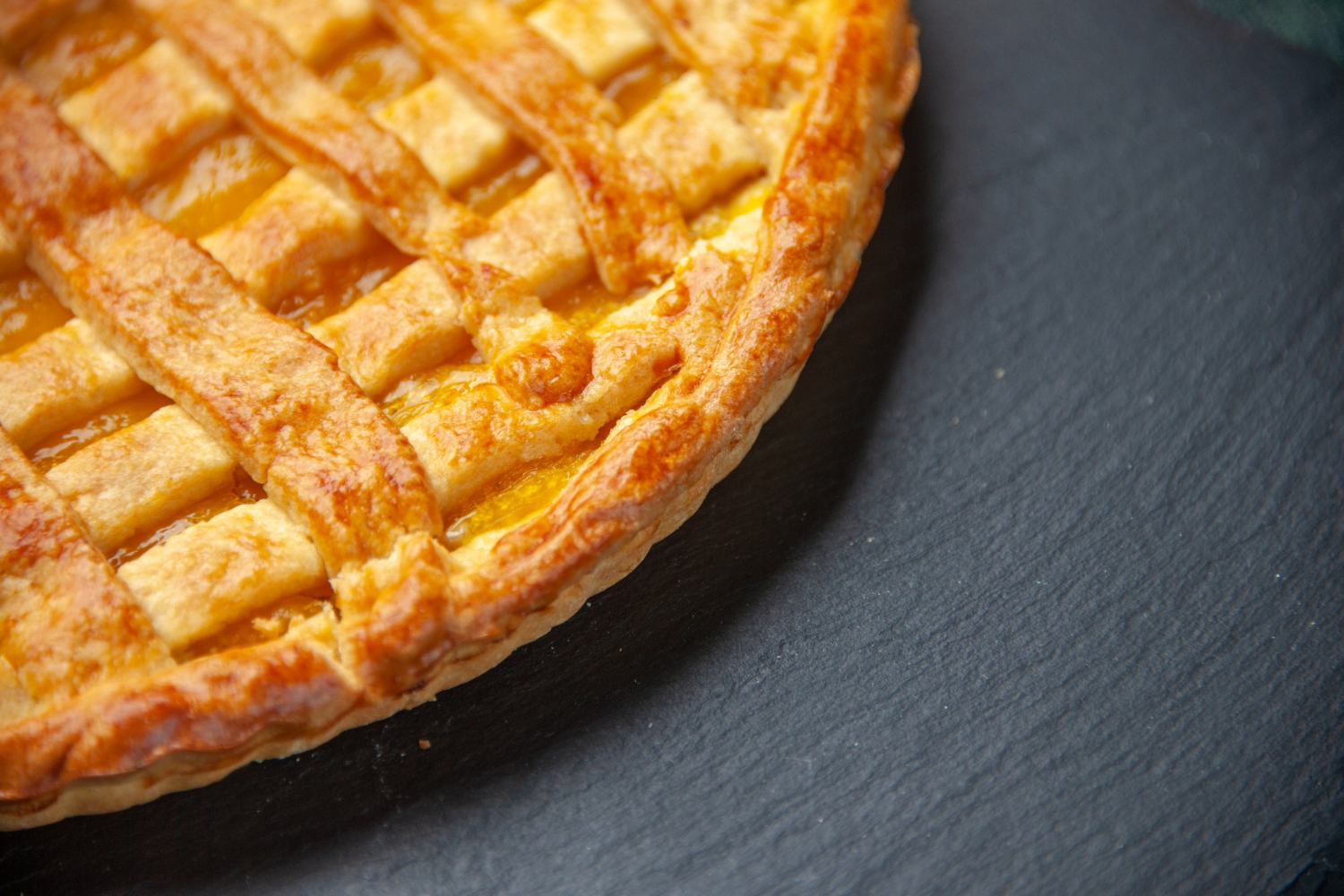
Taken together, these nine pies show just how much local ingredients, immigrant heritage, and regional pride shape even a dessert as fundamentally simple as crust and filling, from Florida’s tart key lime and Kentucky’s boozy derby pie to New Mexico’s chile-spiked apple pie. Each carries genuine local identity in every single slice.
What unites these otherwise distinct traditions is how directly each reflects the specific agriculture, climate, and cultural history of the region that created it, a Southern pantry staple, a New England maple harvest, a Southwestern chile crop, all preserved in pie form and passed down through generations of home bakers. Exploring America’s regional pie traditions offers a genuinely delicious lesson in local history, proving that even the most humble dessert can carry deep regional identity in every single bite. A cross-country pie tour would reveal an entirely different regional philosophy about dessert at nearly every single stop along the way.
Many of these traditions have also inspired their own passionate local rivalries, arguments over the “correct” way to make a chess pie, or whether real key lime pie should ever be tinted green rather than its naturally pale yellow color, that reveal just how seriously communities take a dessert that, on the surface, seems like straightforward home baking. Seasonal timing plays a role too, since some of these pies are tied closely to a specific harvest or holiday, maple cream pie during sugaring season, or derby pie appearing on menus specifically each spring. For travelers with a genuine interest in American food culture, seeking out the authentic, locally made version of each regional pie rather than settling for a generic imitation offers one of the most delicious ways to understand just how much history a single dessert can carry.
Like our content? Follow us for more.