For those who remember going out to eat decades ago, the entire restaurant experience operated under a very different set of rules, no online reservations, no printed nutrition information, and a much more casual relationship with cash and credit alike. Here are ten things about how going out to eat used to work, counted down one by one.
1. Reservations Meant an Actual Phone Call
Booking a table required calling the restaurant directly. A host wrote your name into a physical reservation book by hand.
Securing a table at a popular restaurant meant calling the establishment directly and speaking with a host or hostess, who wrote your name, party size, and requested time into a physical reservation book by hand, with no digital confirmation or waitlist app involved anywhere in the process. Reservations meaning an actual phone call reflects the entirely human-run booking system of the era, a process that online reservation platforms have since made almost entirely automated for the vast majority of diners today.
Like our content? Follow us for more.
2. Smoking Sections Sat Just a Few Tables Away
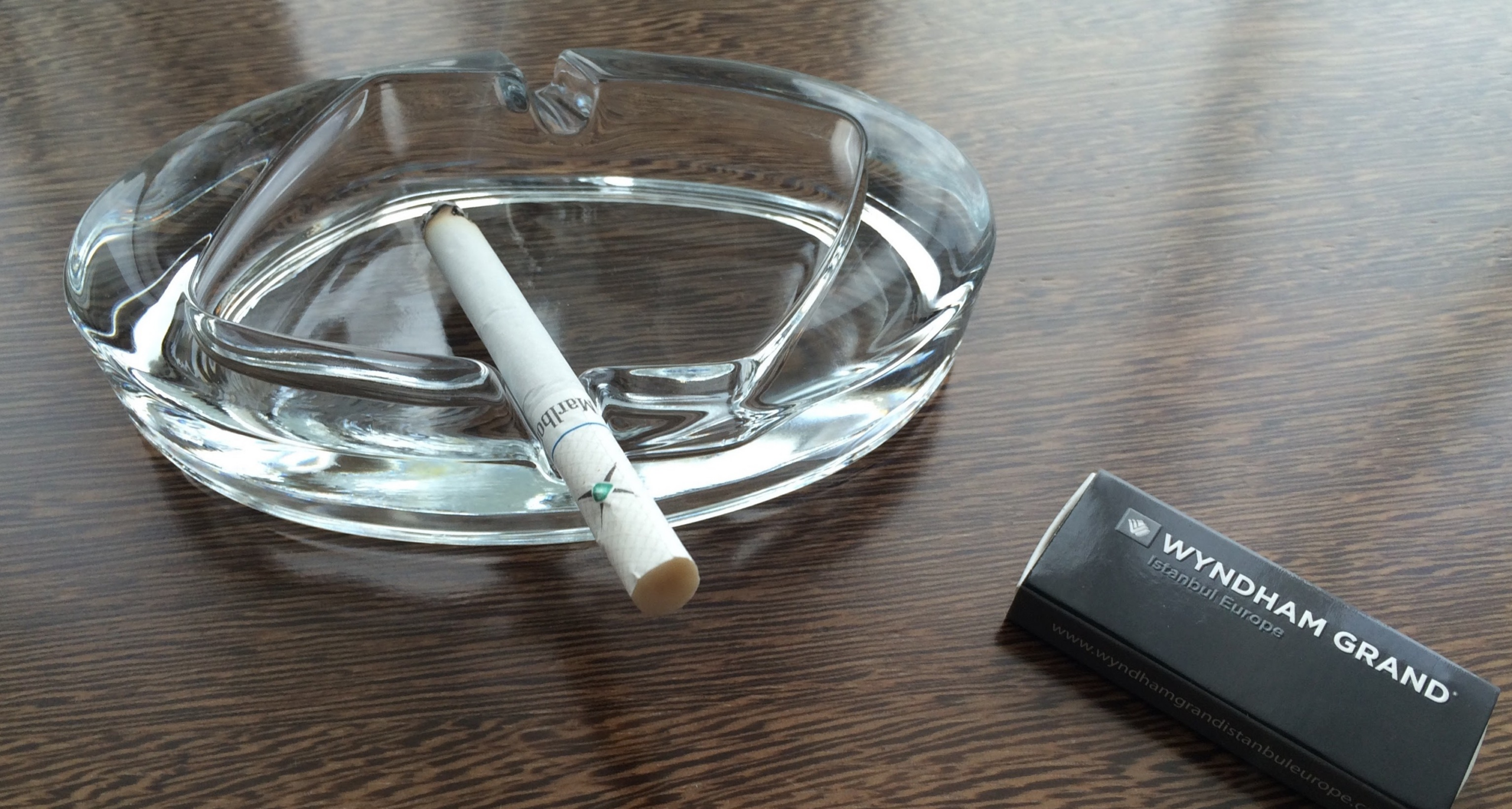
Restaurants divided smoking and non-smoking areas loosely. The actual separation rarely kept smoke fully contained.
Most restaurants designated a smoking section, but the actual physical separation from non-smoking tables was often minimal, sometimes just a different row of the same open dining room, meaning cigarette smoke drifted freely regardless of which section a party was seated in. Smoking sections sitting just a few tables away reflects a genuinely different cultural relationship with indoor smoking, a practice that comprehensive smoking bans in restaurants, widely enacted across the country beginning in the 1990s and 2000s, have since eliminated entirely.
3. The Bill Was Split by Hand, With Real Math Involved
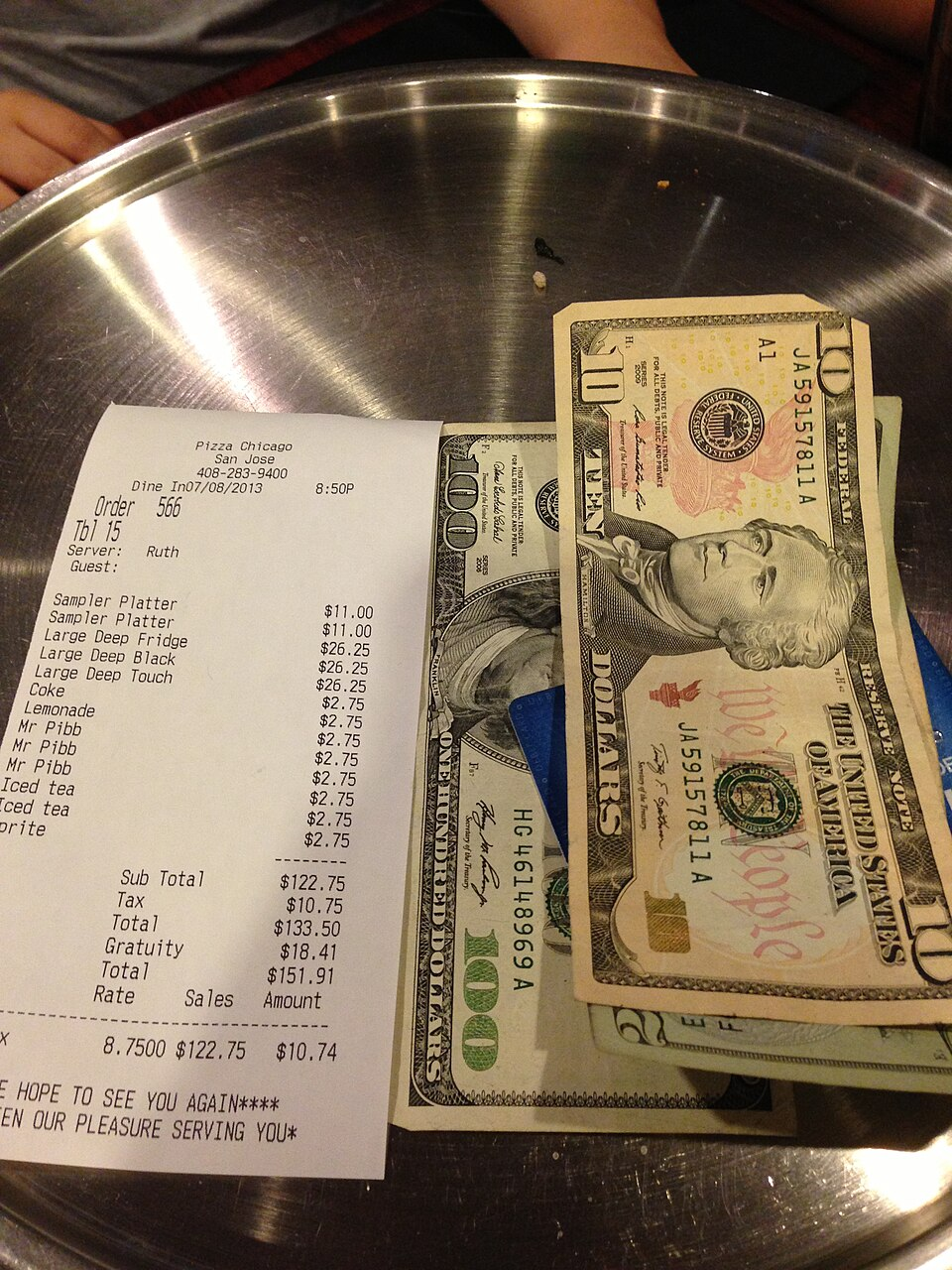
Dividing a check among a group required manual calculation. There was no app to instantly split costs evenly.
Splitting a restaurant bill among a group of friends meant genuine manual calculation, someone doing the math by hand or with a small calculator, figuring out who owed what based on individual orders or simply dividing the total evenly. The bill being split by hand, with real math involved, reflects the pre-digital reality of group dining, a mildly tedious process that payment-splitting apps have since streamlined into something that takes only seconds.
4. Menus Rarely Listed Calorie or Nutrition Information
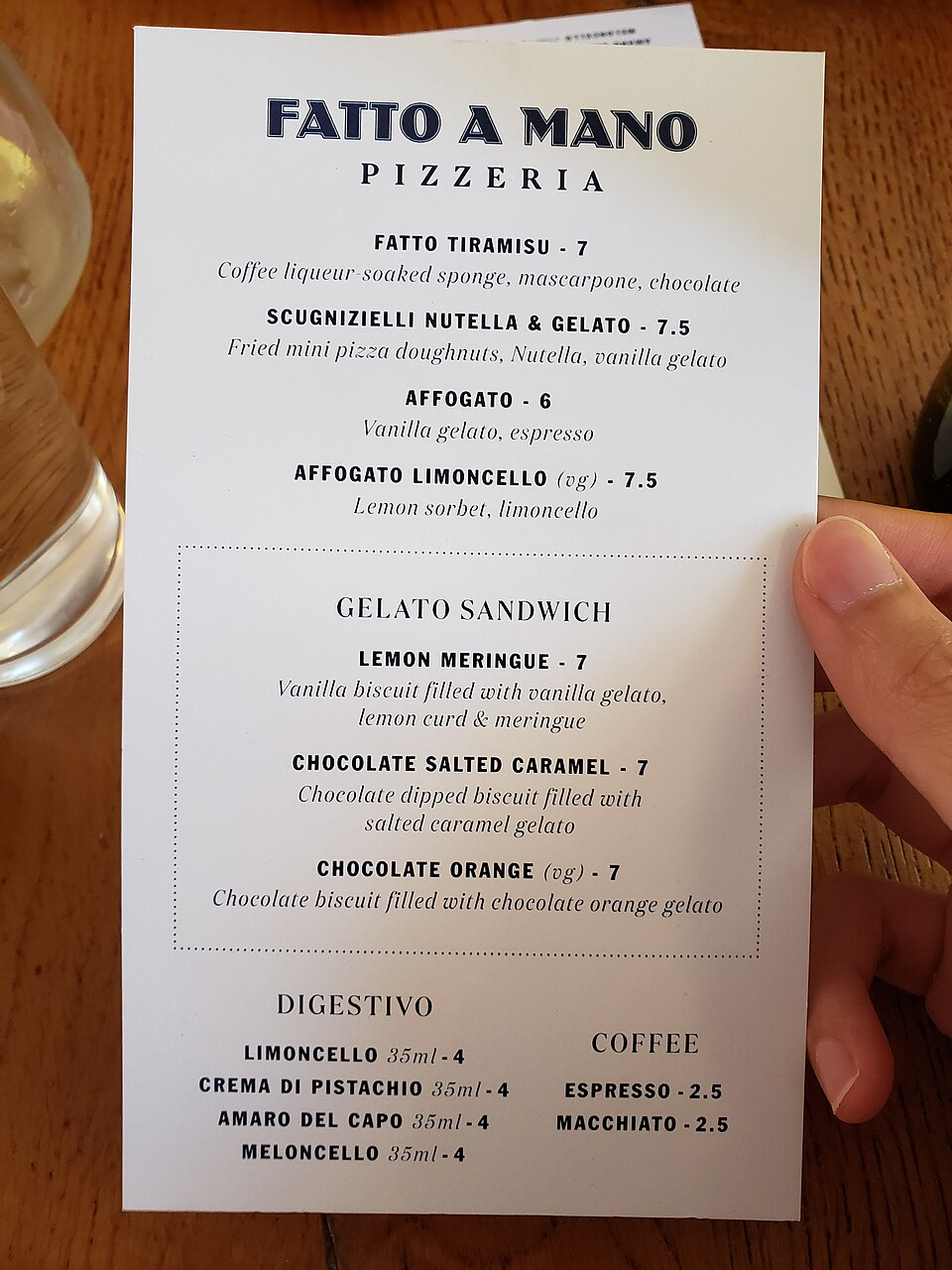
Diners ordered without any printed nutritional data. Portion sizes and ingredients were largely left to the imagination.
Restaurant menus of the era rarely, if ever, included calorie counts or detailed nutritional information alongside each dish, leaving diners to order based purely on the dish’s description and their own general expectations rather than any printed data. Menus rarely listing calorie or nutrition information reflects a genuinely different regulatory and cultural landscape, one that mandatory calorie labeling at larger restaurant chains, required nationally beginning in 2018, has since made standard practice across the industry.
5. Credit Cards Weren’t Always Accepted Everywhere
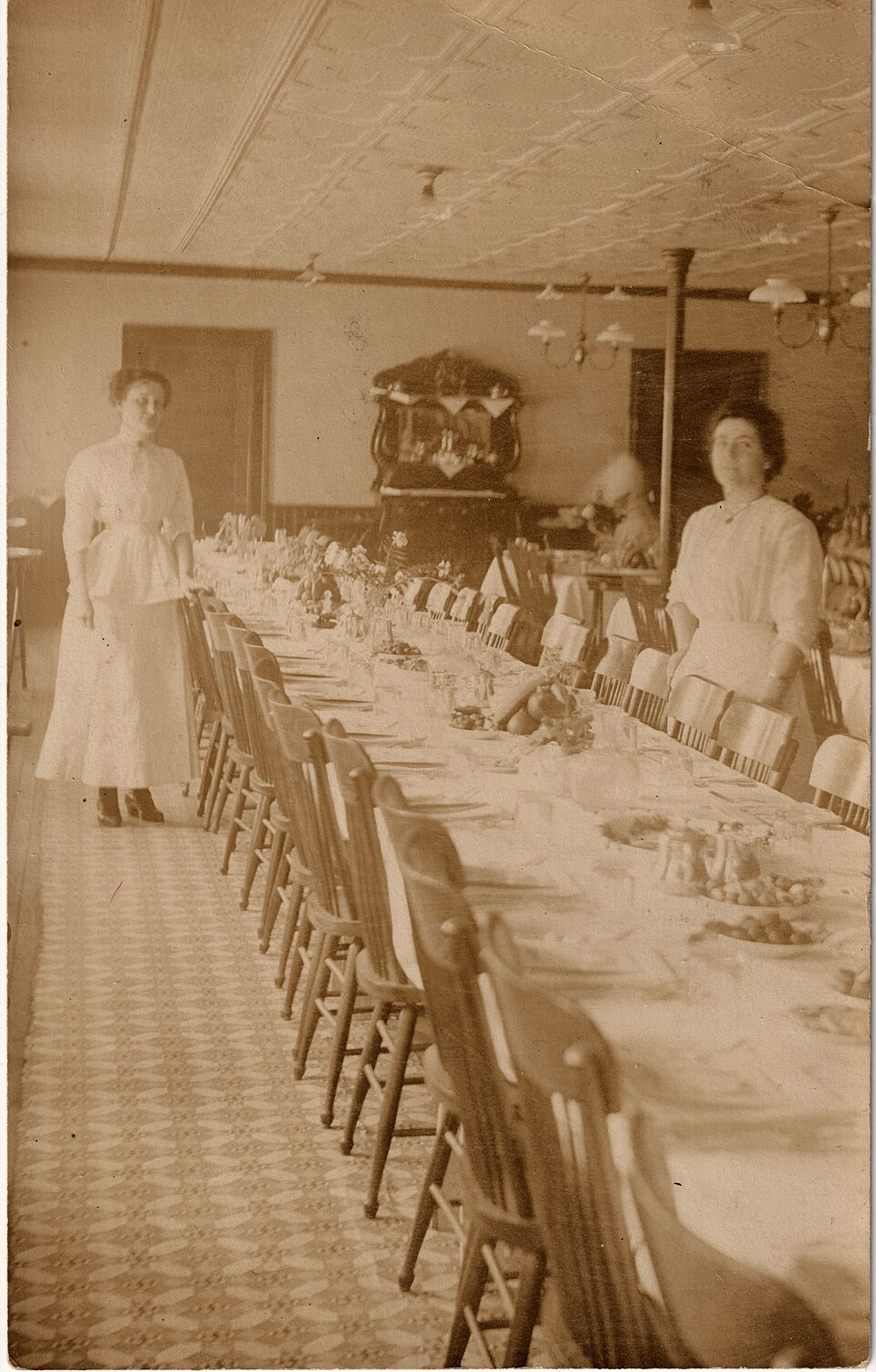
Many restaurants, especially smaller ones, operated cash-only. Carrying enough cash for a meal out required real advance planning.
Many restaurants, particularly smaller, independently owned establishments, operated on a cash-only basis well into the 1970s and beyond, meaning diners needed to plan ahead and carry sufficient cash rather than assuming a card would be accepted. Credit cards not always being accepted everywhere reflects the genuinely uneven adoption of card payment infrastructure during the era, a limitation that near-universal card and mobile payment acceptance has since made almost entirely a thing of the past.
6. Waitstaff Recited the Specials Entirely From Memory
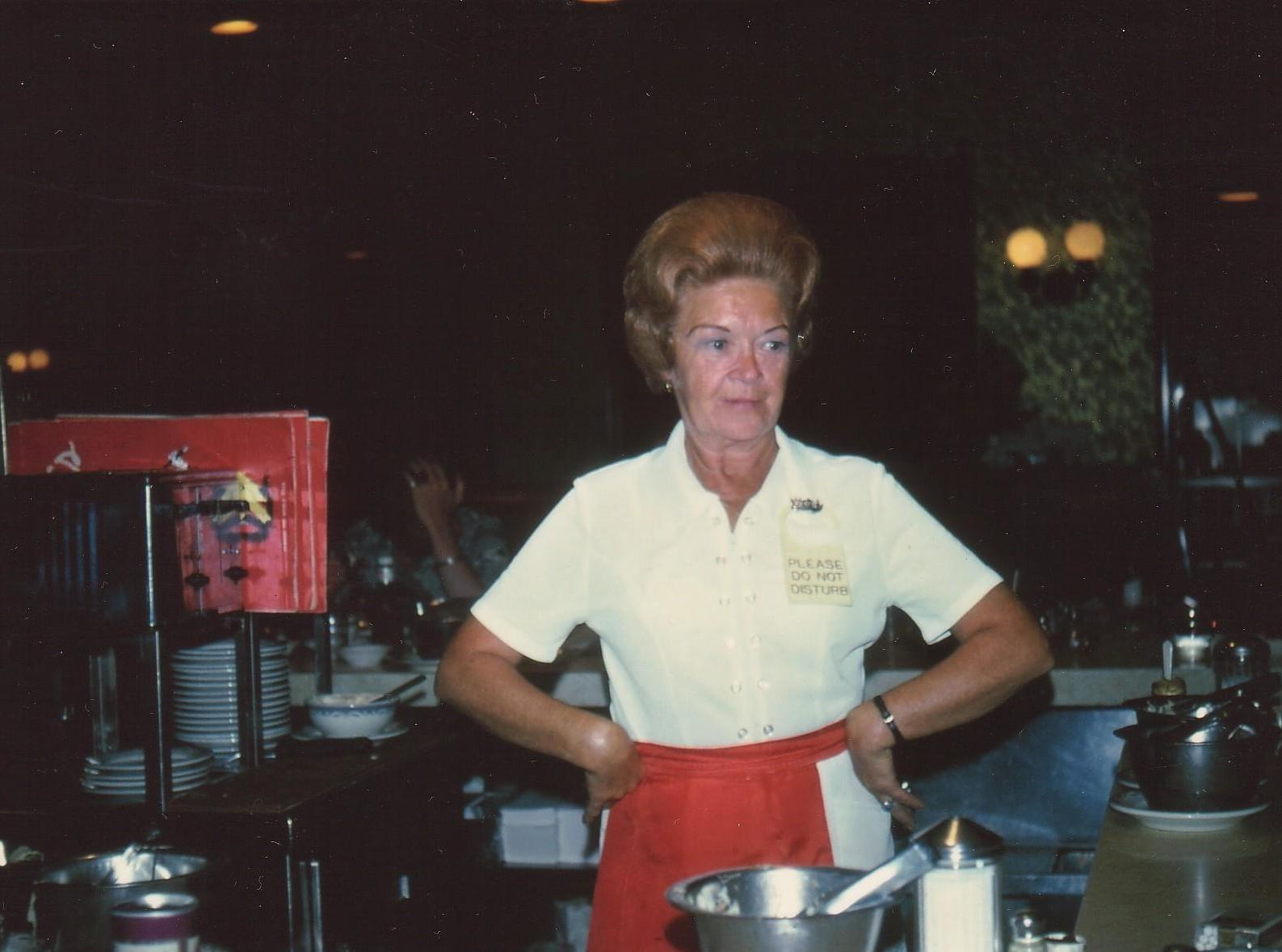
Servers memorized the day’s specials in detail. There was no printed insert or verbal script to fall back on.
Servers typically memorized the day’s specials in full detail, ingredients, preparation, and price, reciting them entirely from memory at tableside rather than reading from a printed insert or being handed a script, a genuine test of both memory and hospitality skill performed dozens of times a shift. Waitstaff reciting the specials entirely from memory reflects a real professional skill many servers took genuine pride in, a demanding daily task that printed specials cards have since made considerably less common.
7. A Doggy Bag Was Wrapped in Foil, Not a Branded Container

Leftovers went home in simple aluminum foil. There was no dedicated to-go packaging designed for the purpose.
Taking home leftover food typically meant a server wrapping it simply in aluminum foil, sometimes shaped whimsically like a swan, rather than using dedicated, purpose-built to-go containers designed specifically for the task. A doggy bag being wrapped in foil, not a branded container, reflects the improvised, low-tech approach to leftovers of the era, a simple solution that standardized disposable takeout containers have since replaced almost universally across the industry.
8. Tipping Norms Were Considerably Less Standardized
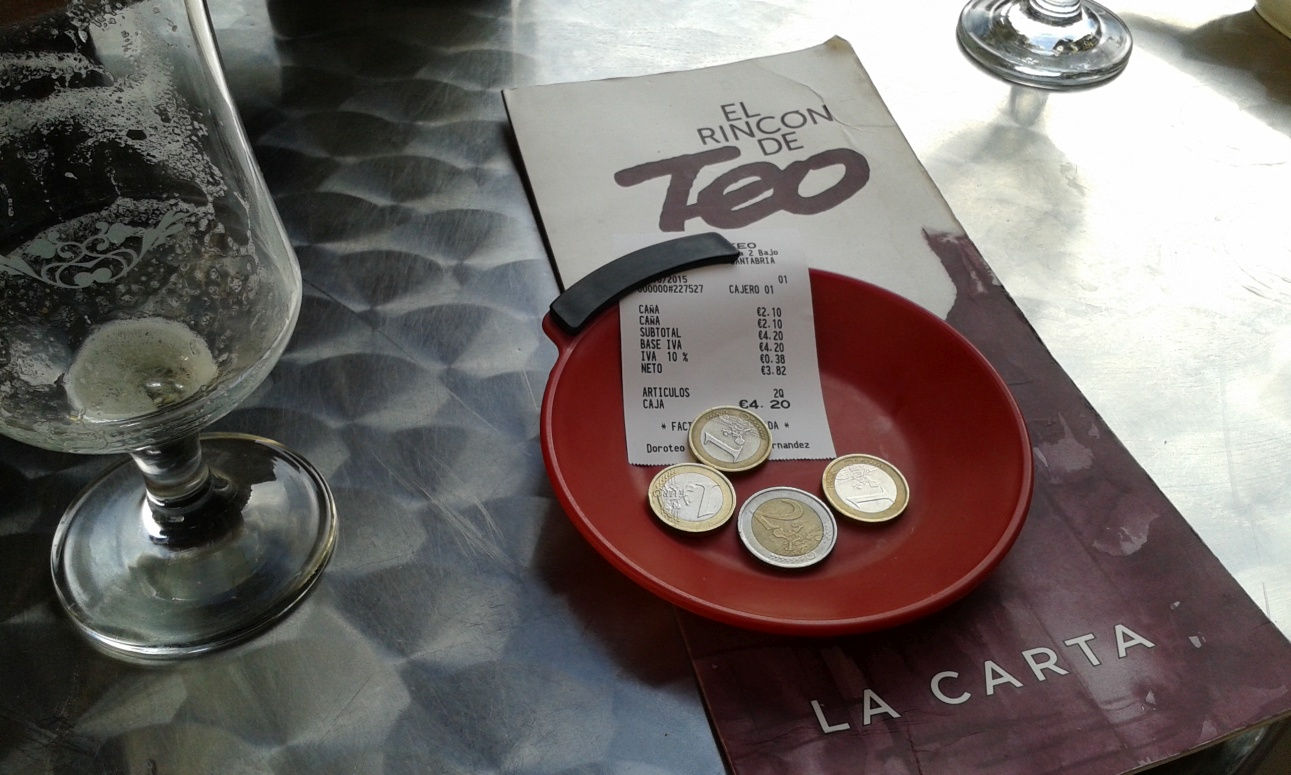
Gratuity expectations varied more by region and establishment. There was no consistent, widely agreed-upon percentage.
Tipping expectations in this era were considerably less standardized than today, varying more significantly by region, restaurant type, and individual custom, without the widely recognized 15 to 20 percent baseline that has since become a fairly consistent national expectation. Tipping norms being considerably less standardized reflects a genuinely more variable social landscape around gratuity, one that decades of gradually converging custom have since made considerably more uniform, if still an ongoing subject of real debate.
9. A Restaurant Critic’s Review Carried Enormous Influence
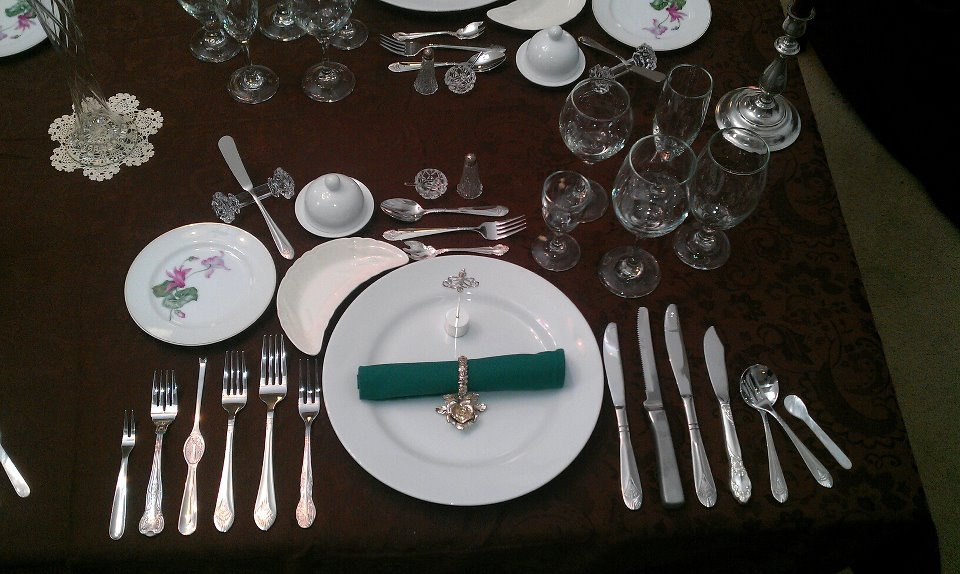
A single newspaper critic could make or break a restaurant. There was no crowd-sourced review platform to balance that influence.
A single influential newspaper restaurant critic could genuinely make or break a new establishment, since there was no crowd-sourced review platform offering hundreds of individual diner opinions to balance out one professional critic’s particular taste. A restaurant critic’s review carrying enormous influence reflects the concentrated media landscape of the era, a level of singular influence that today’s fragmented online review ecosystem has since considerably diluted across many more individual voices.
10. Dressing Up for Dinner Was Genuinely Expected
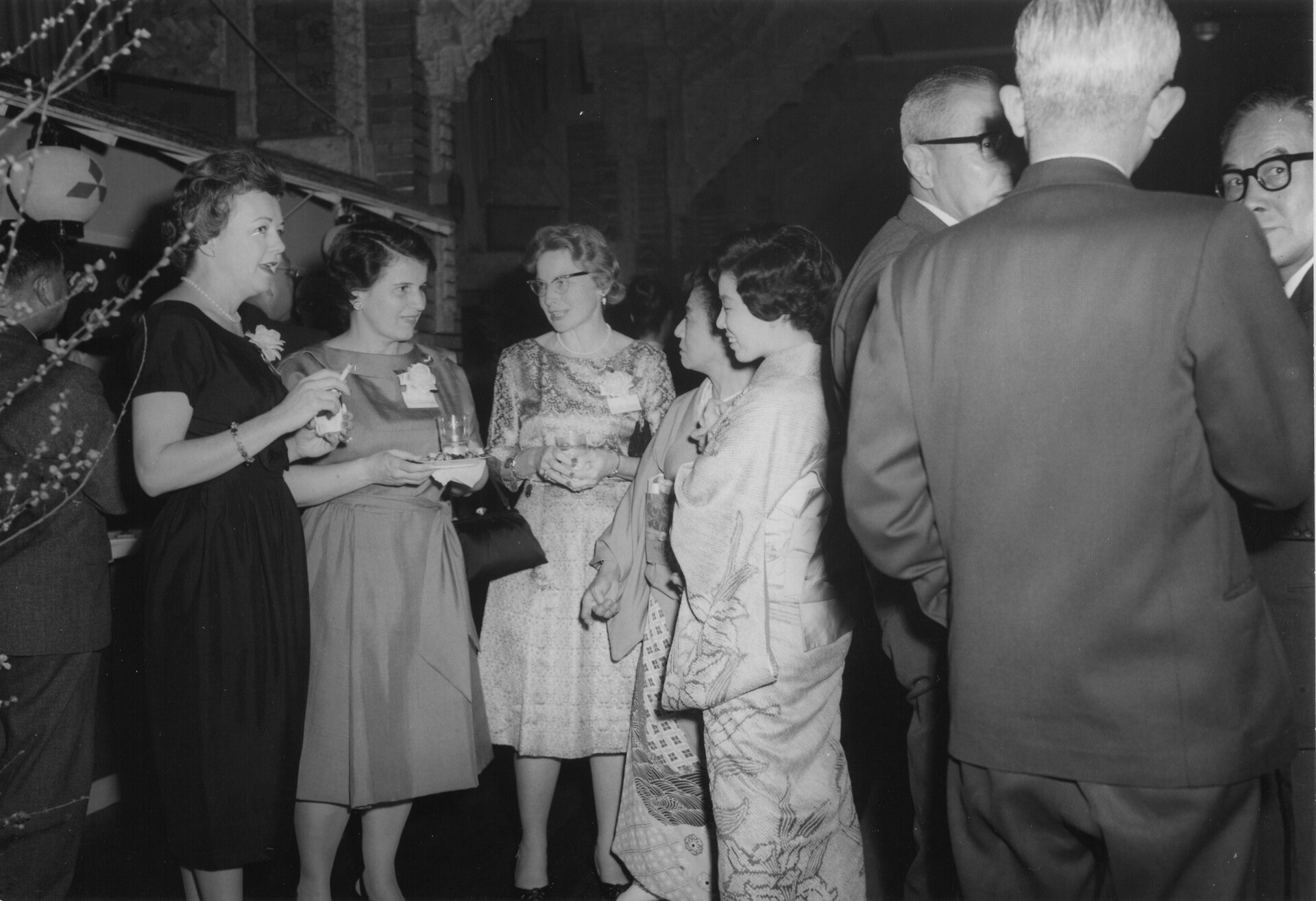
Nicer restaurants maintained real dress codes. Casual attire could mean being turned away entirely.
Many nicer restaurants maintained genuine, enforced dress codes, jackets required for men in particular, and diners who showed up in overly casual attire could actually be turned away or asked to borrow a jacket kept on hand specifically for this purpose. Dressing up for dinner being genuinely expected reflects the greater formality restaurants once demanded of their guests, a standard that today’s overwhelmingly casual dining culture has considerably relaxed across the vast majority of American restaurants.
An Evening Out Built on Different Rules
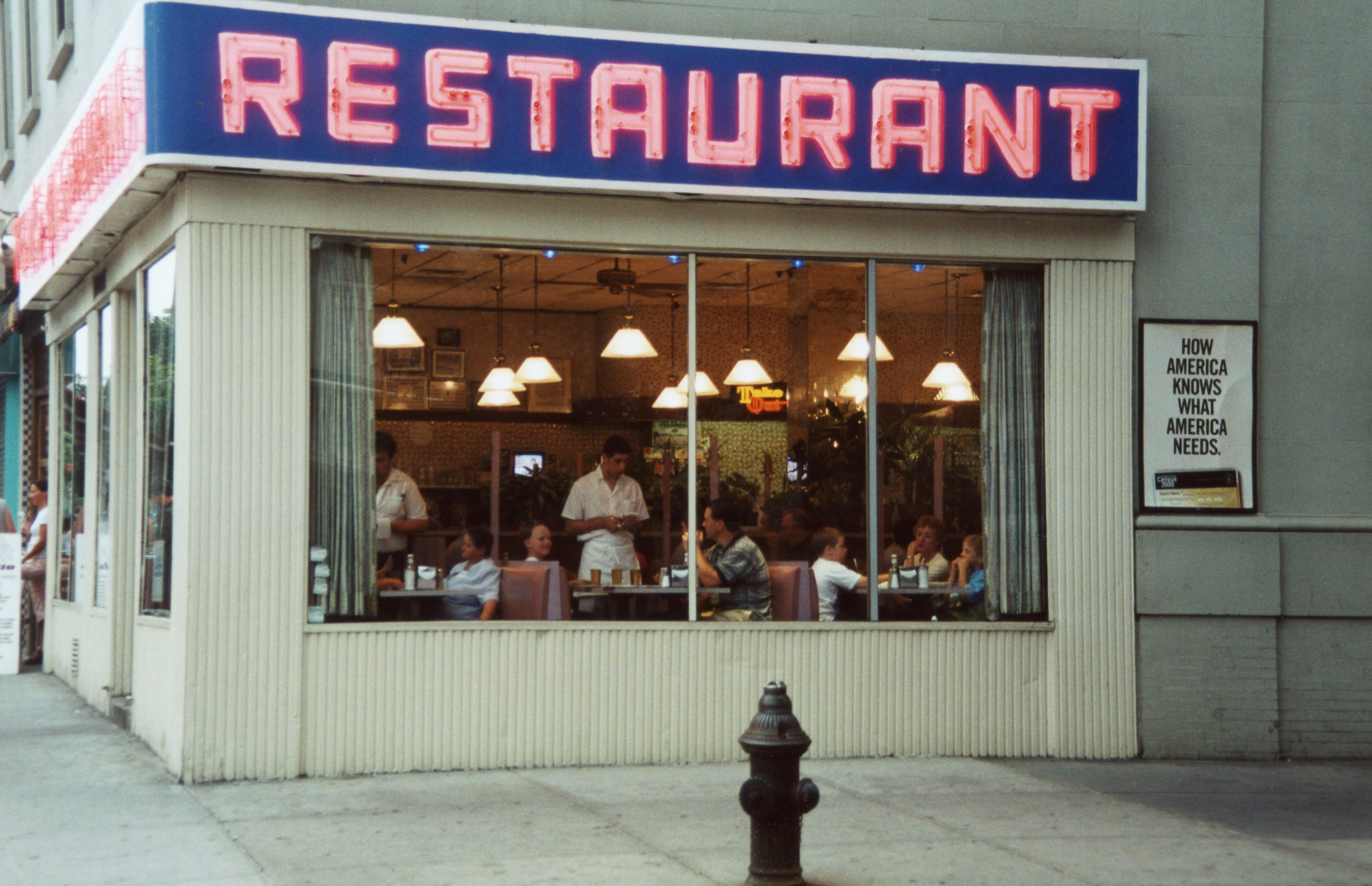
Taken together, these ten things capture exactly how differently going out to eat once worked, from the phone-booked reservation and the smoking section to the hand-split bill and the genuinely enforced dress code. It was an experience built on considerably more formality and considerably less digital convenience than dining out today.
Online reservations, digital payment, comprehensive smoking bans, and a more casual overall dining culture have transformed the restaurant experience considerably, trading much of the earlier era’s formality for genuine convenience and accessibility. The change reflects real progress on several fronts, even as it eliminated some of the ceremony that once made a night out feel like a genuinely special occasion. For those who remember dining out this way, these details bring it all back: the phone-booked table, the foil-wrapped leftovers, the server reciting the specials entirely from memory. Looking back at how going out to eat used to work is a nostalgic reminder of just how much the ritual of dining out has changed.
Like our content? Follow us for more.