

Discovering your flight is delayed or canceled triggers real frustration for almost every traveler, but a clear, methodical response gives you a genuinely better chance of minimizing the disruption to your overall trip. Here are ten things to do when your flight is delayed or canceled, counted down one by one.
1. Check the Airline’s App Before Joining Any Line

Rebooking options often appear digitally before gate agents can process them. Acting quickly online can secure a better alternative flight.
The moment you learn of a delay or cancellation, checking the airline’s app for automatic rebooking options is often faster than waiting in a growing line of frustrated passengers at the gate counter, since digital systems frequently update with available alternatives before staff can process them manually. Checking the airline’s app before joining any line gives you a genuine head start on securing a better alternative flight, since the best remaining options tend to disappear quickly once a cancellation affects an entire gate of passengers simultaneously.
Like our content? Follow us for more.
2. Call the Airline’s Customer Service Line Simultaneously
Working multiple channels at once increases your odds of reaching help first. A phone agent may access options unavailable through the app alone.
While checking the app, simultaneously calling the airline’s customer service line, ideally a dedicated elite-status or international number if you have access to one, gives you a second channel working toward a solution, since phone agents sometimes have access to rebooking options the app doesn’t display. Calling the airline’s customer service line simultaneously genuinely increases your odds of reaching a resolution quickly, working multiple channels at once rather than relying on just one potentially overwhelmed system.
3. Understand Your Rights Under the Airline’s Own Policies

Compensation and rebooking obligations vary by airline and cause of delay. Knowing the specific policy helps you advocate effectively.
Airlines maintain specific, publicly posted policies regarding rebooking, meal vouchers, and hotel accommodations for delays and cancellations within their control, and understanding your specific airline’s policy before speaking with an agent lets you advocate effectively for what you’re actually entitled to receive. Understanding your rights under the airline’s own policies means researching this information in advance of travel, since knowing exactly what to reasonably request during an actual disruption saves valuable time when you’re already dealing with a stressful situation.
4. Consider Rebooking Yourself on a Different Airline Entirely

Sometimes a completely different carrier offers a faster path forward. Purchasing a new ticket may be worth the cost in certain situations.
In situations involving a genuinely critical arrival deadline, sometimes purchasing a new ticket on an entirely different airline offers a faster, more reliable path forward than waiting for your original carrier to rebook you on its own schedule, particularly during major weather events affecting an entire airport’s operations. Considering rebooking yourself on a different airline entirely is worth evaluating specifically when the stakes are high enough to justify the additional cost, a calculation that depends heavily on how time-sensitive your actual travel plans are.
5. Save Every Receipt for Expenses Related to the Disruption

Meals, hotels, and other costs incurred during a delay may be reimbursable. Careful documentation supports any later compensation claim.
Any expenses incurred because of the delay or cancellation, meals, a hotel room, ground transportation, should be carefully documented with saved receipts, since airlines and travel insurance policies alike often require this documentation to process any reimbursement claim after the fact. Saving every receipt for expenses related to the disruption is a simple habit that costs nothing in the moment but can meaningfully affect what you’re able to recover once you’re back home and filing any claims.
6. Know Whether the Delay Was Within the Airline’s Control

Weather-related delays are treated very differently than mechanical or staffing issues. This distinction affects what compensation you can reasonably expect.
Airlines generally distinguish between delays within their control, mechanical issues, crew scheduling problems, and delays outside their control, severe weather, air traffic control restrictions, a distinction that significantly affects what compensation, meal vouchers, or hotel accommodations you can reasonably expect to receive. Knowing whether the delay was within the airline’s control helps set realistic expectations for the situation, since even a well-informed traveler generally can’t expect the same level of compensation for a weather delay as for a mechanical failure.
7. Head to Customer Service in Person if Digital Options Stall
Sometimes an in-person agent can resolve what an app or phone line genuinely cannot. This becomes worthwhile once digital channels are exhausted.
If the app and phone line both stall out without a genuine resolution, heading to the airline’s in-person customer service counter becomes worthwhile, since a live agent occasionally has access to rebooking flexibility or accommodation authorization that automated systems simply don’t offer. Heading to customer service in person if digital options stall reflects a sensible escalation strategy, reserving the often longer wait for in-person help specifically for situations where the faster digital channels haven’t produced a workable solution.
8. Check if Your Travel Insurance or Credit Card Covers the Disruption
Some policies and card benefits specifically address flight delays and cancellations. Confirming this coverage can unlock additional reimbursement.
Some travel insurance policies and premium credit cards include specific coverage for flight delays and cancellations, covering meals, lodging, or even a portion of the trip cost, and confirming whether your specific policy or card includes this benefit can unlock additional reimbursement you might not otherwise think to pursue. Checking if your travel insurance or credit card covers the disruption is worth doing even during the disruption itself, since some of these benefits require documentation collected in real time rather than reconstructed after the fact.
9. Stay Genuinely Calm and Polite With Airline Staff
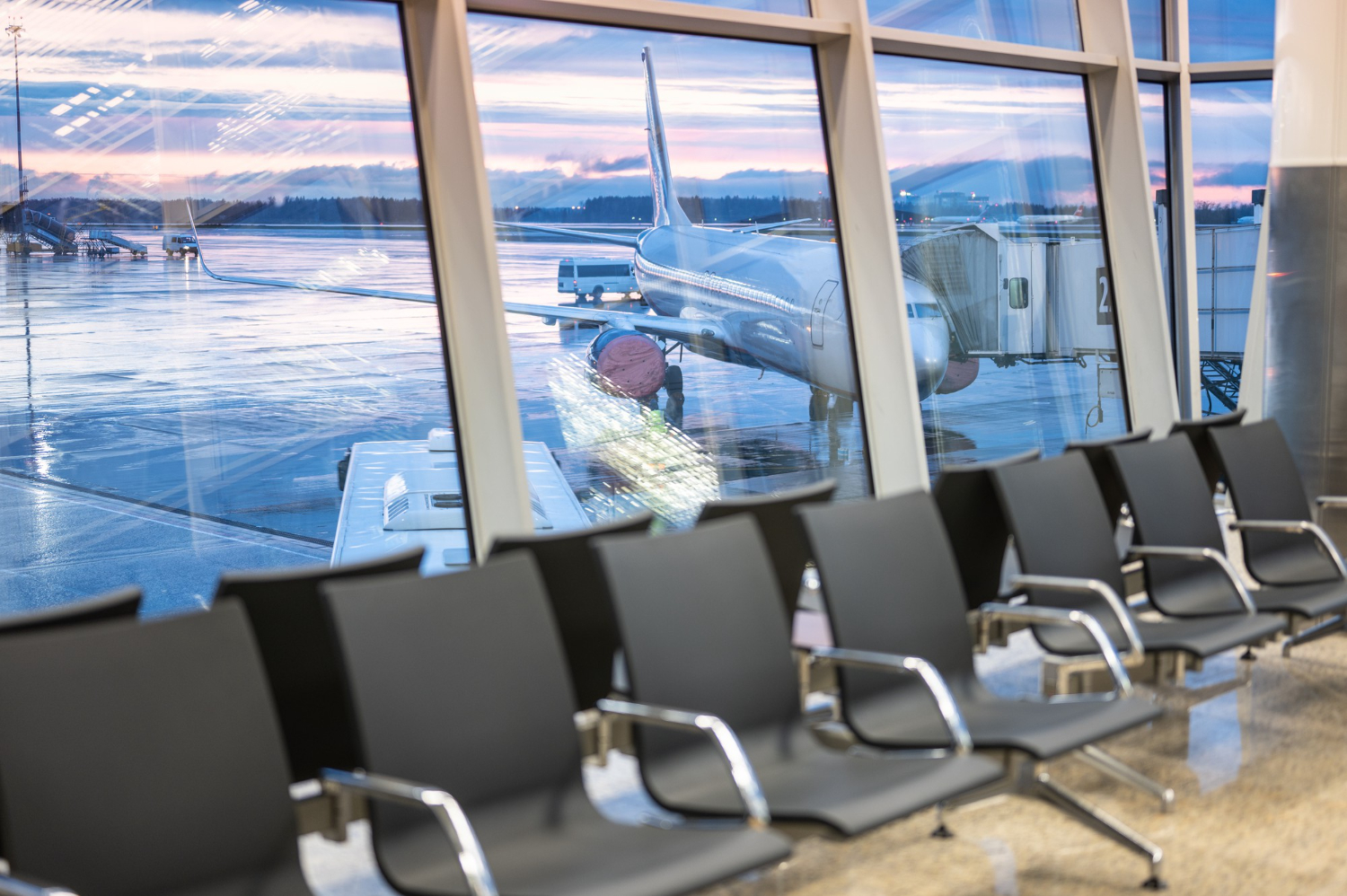
Gate and phone agents are managing a genuinely difficult situation themselves. A calm, respectful approach tends to produce better outcomes.
Airline staff managing a delay or cancellation are typically handling a genuinely difficult situation themselves, often with limited authority to fix the underlying problem, and travelers who remain calm and respectful, rather than confrontational, consistently report better outcomes and more genuine willingness to help from the staff assisting them. Staying genuinely calm and polite with airline staff isn’t just a matter of courtesy, it’s a practical strategy that tends to produce meaningfully better results than frustration directed at people who didn’t cause the disruption in the first place.
10. Build Genuine Buffer Time Into Future Itineraries

Learning from a disrupted trip means planning differently next time. Extra connection time and flexible bookings reduce future risk considerably.
After navigating a genuine flight disruption, many travelers adjust their future booking habits, building in longer connection times, avoiding the last flight of the day when possible, or choosing more flexible fare types that allow easier rebooking if something goes wrong again. Building genuine buffer time into future itineraries reflects a practical lesson learned from real experience, adjustments that meaningfully reduce the odds and impact of facing this same stressful situation again down the road.
Turning Disruption Into a Manageable Detour

Taken together, these ten steps show that a flight delay or cancellation, while genuinely stressful in the moment, becomes considerably more manageable with a clear, methodical response working multiple channels simultaneously. Moving through these steps calmly and strategically consistently produces a better outcome than simply waiting anxiously for the situation to resolve itself.
No amount of preparation eliminates the possibility of a disrupted flight entirely, but knowing exactly what steps to take, and in what order, turns a genuinely alarming moment into a manageable process with a clear, realistic path toward resolution. The specific outcome will always depend somewhat on the airline, the cause of the disruption, and simple availability, but a calm, informed, multi-channel approach consistently gives travelers the best possible chance of minimizing the damage to their overall trip.
Like our content? Follow us for more.
