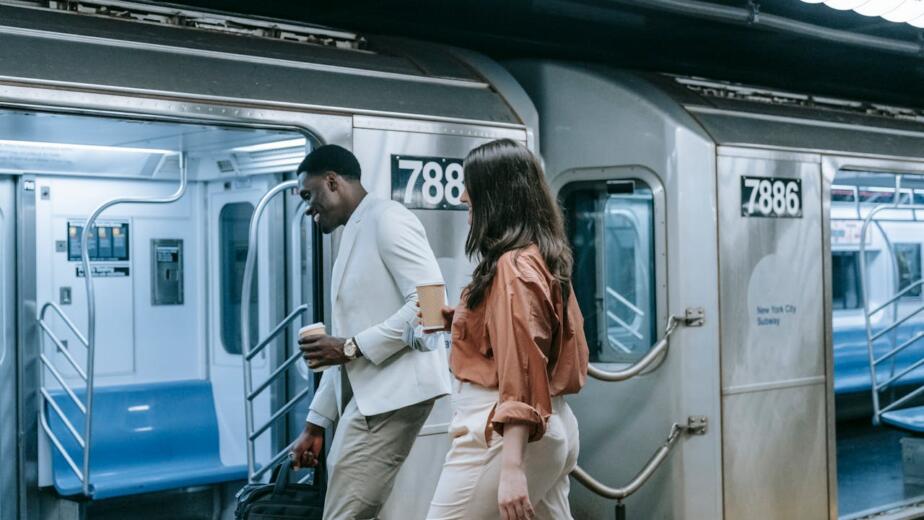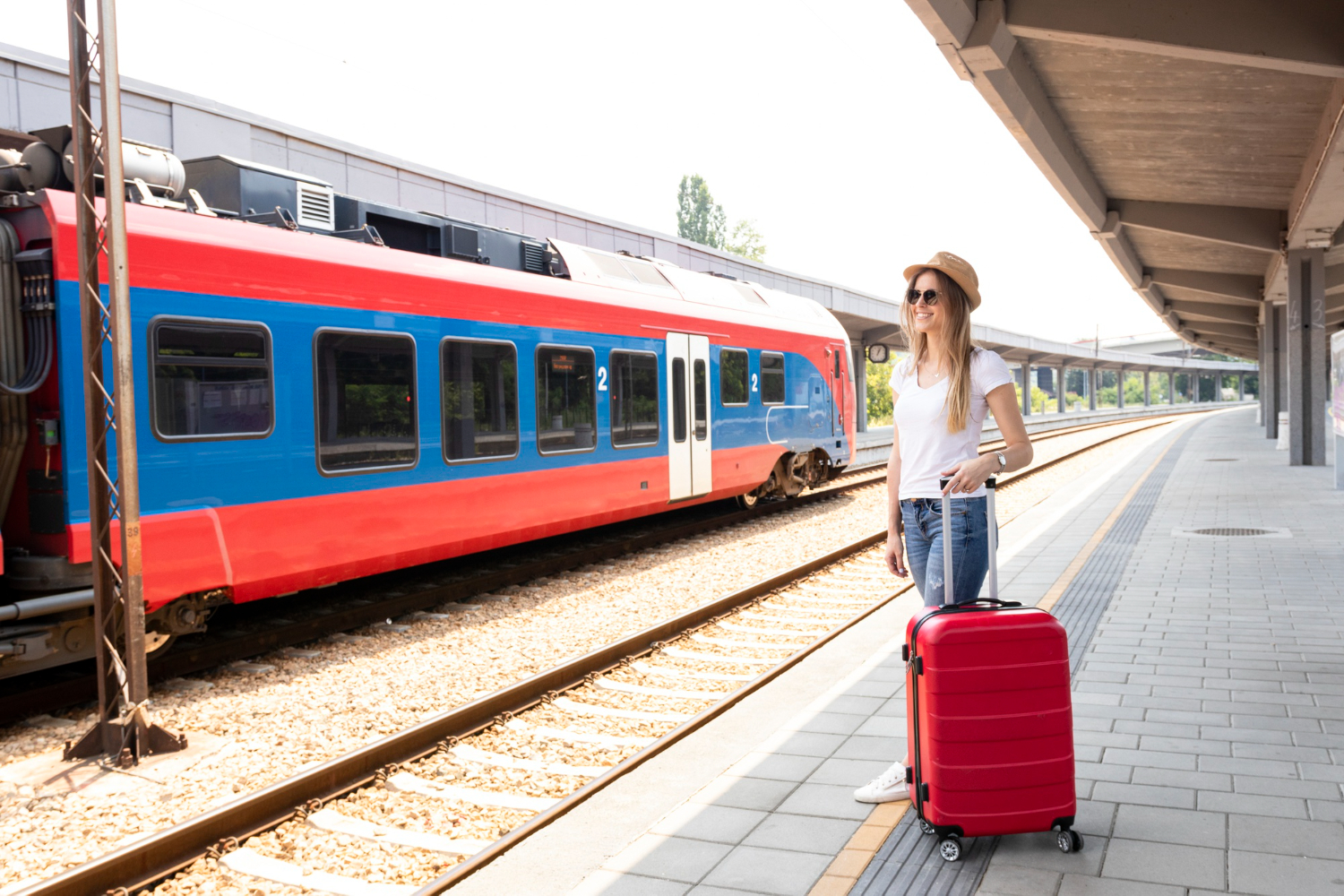
For American travelers raised on airports and interstates, Europe’s rail network is a revelation, fast, frequent, city-center to city-center, and genuinely pleasant, but it runs on customs and fine print that first-timers don’t know until a conductor explains them the expensive way. Here are ten things to know before your first train trip across Europe, counted down one by one.
1. The Station Is Downtown, and That Changes All the Math
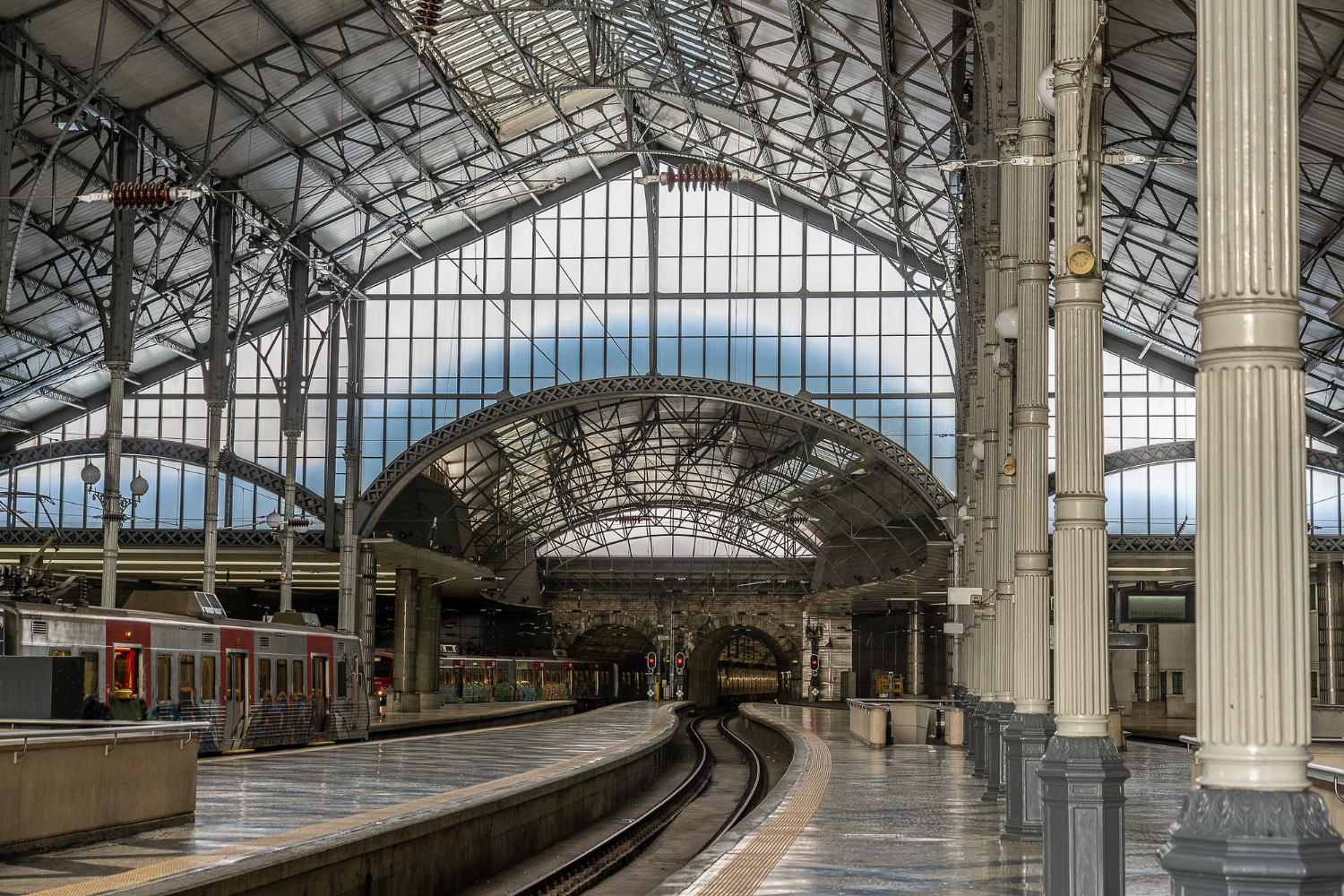
European stations sit in the city center. Door-to-door, trains often beat flights on routes under four hours.
Unlike airports parked an hour outside town, European stations sit in the heart of their cities, which means a three-hour train ride often beats a one-hour flight door to door once you count airport transfers, security, and boarding. The station is downtown, and that changes all the math, so compare total journey time, not vehicle time, before defaulting to a budget flight.
Like our content? Follow us for more.
2. High-Speed Trains Are Priced Like Flights: Book Early
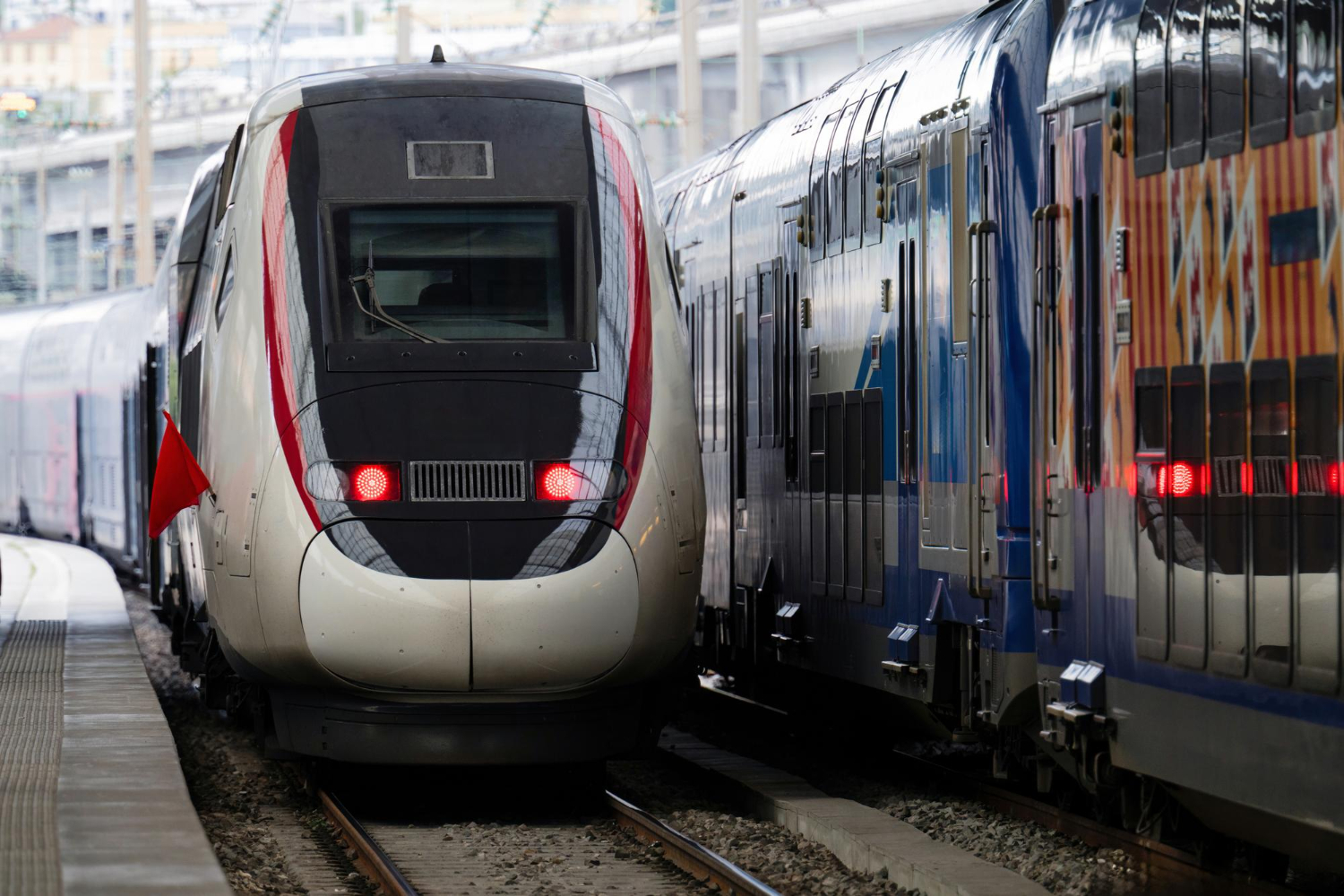
Fast trains use airline-style pricing. The same seat can triple in price by departure week.
Europe’s premier high-speed trains price their tickets like airlines, cheap weeks ahead and expensive at the station, with the same seat sometimes tripling between early booking and departure week. High-speed trains are priced like flights, so book the fast, long legs of your trip early, while leaving slower regional days flexible.
3. Regional Trains Are the Opposite: Flat Fares, No Booking Needed
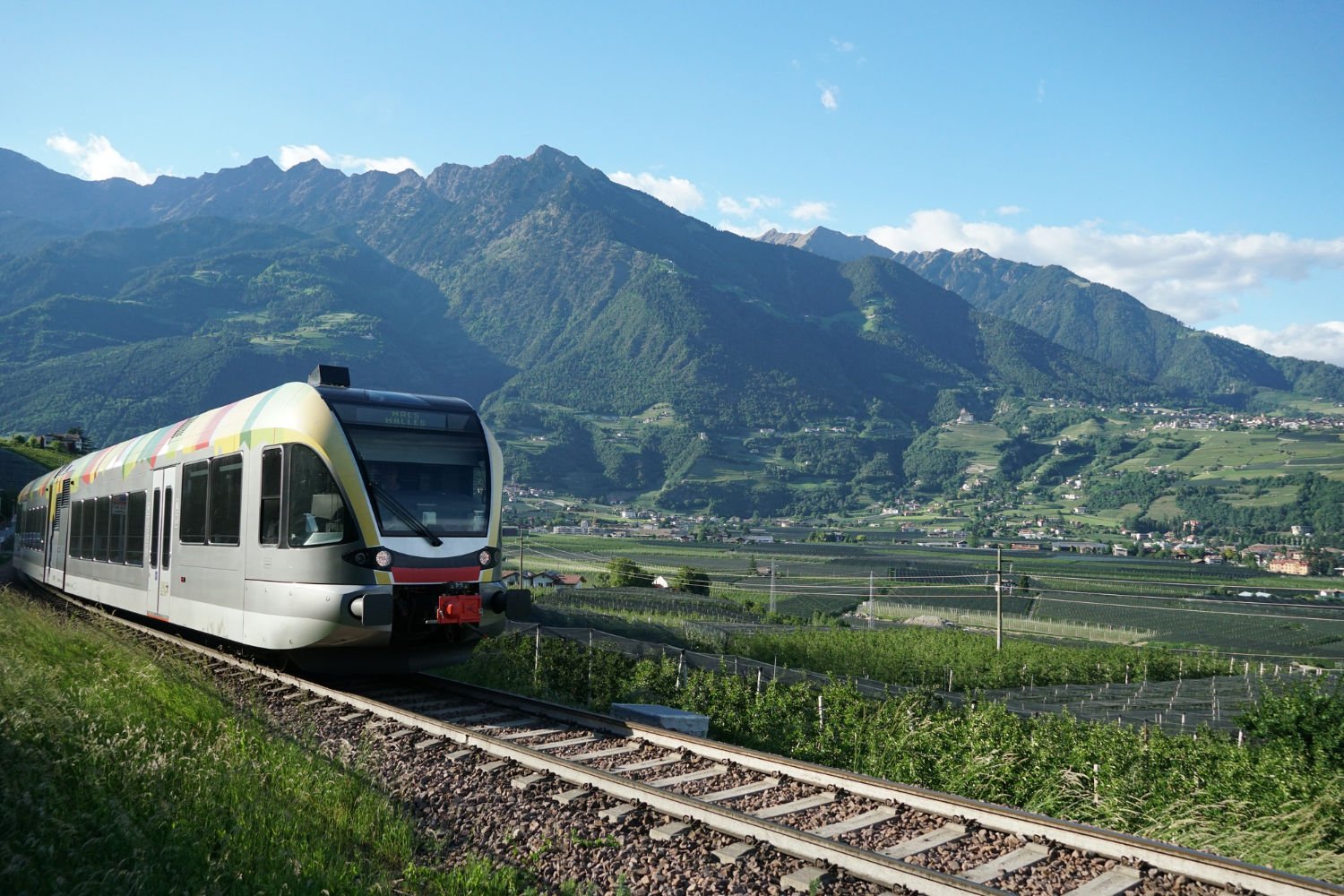
Local and regional trains cost the same any day. Just show up, buy, and board.
[IMAGE SUGGESTION] Wikimedia Commons “regional train European countryside” — CC-licensed image of a regional train.
The other half of the network runs on the opposite logic, regional and local trains with flat fares that cost the same bought months ahead or minutes before, no reservations offered or needed. Regional trains are the opposite, flat fares and no booking needed, which makes them the freedom half of your trip, hop on, hop off, change plans at will.
4. A Rail Pass Isn’t Automatically a Deal — Do the Math
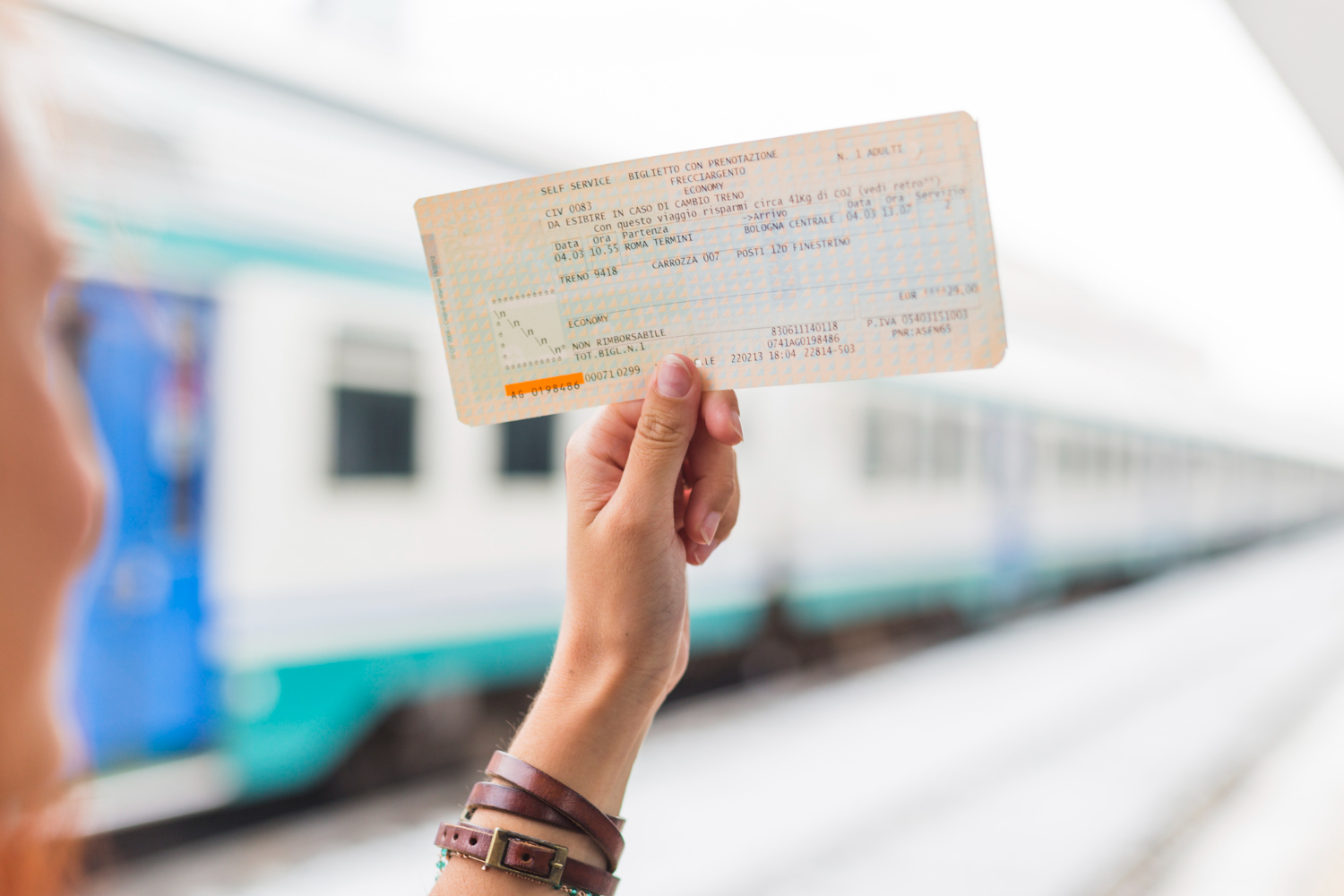
Passes shine for spontaneous, train-heavy trips. Point-to-point tickets often win for fixed plans.
The famous multi-country rail pass is wonderful for spontaneous, train-heavy itineraries, but for a fixed plan of a few long legs, early-booked point-to-point tickets are often cheaper, especially since many high-speed and night trains charge pass holders reservation fees anyway. A rail pass isn’t automatically a deal, so price your actual itinerary both ways before buying the romance.
5. Some Trains Require Seat Reservations — Even With a Pass
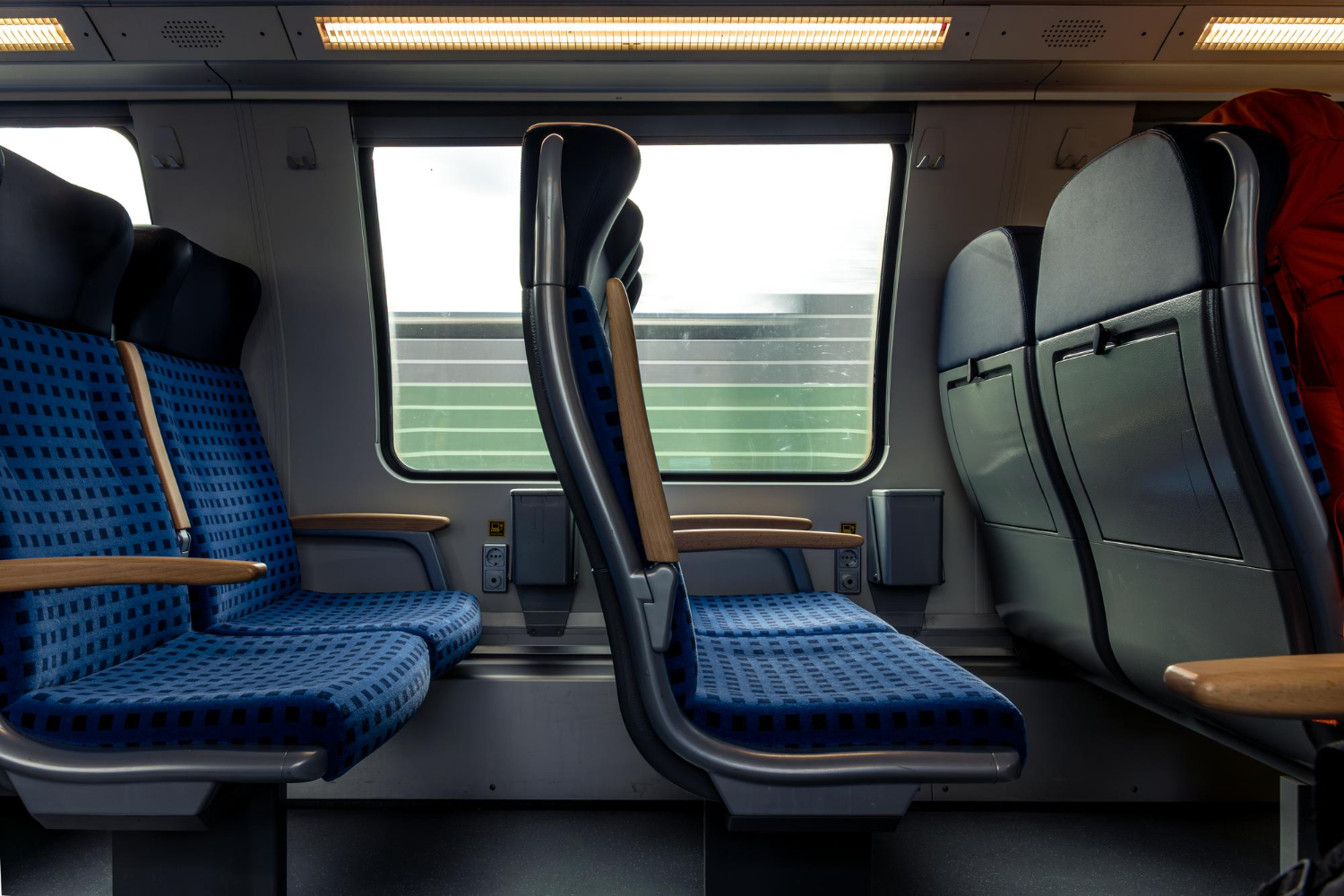
On many fast and international trains, a ticket isn’t enough. A missing reservation can mean a fine or no boarding.
Here is the rule that catches the most first-timers: on many high-speed and international trains, especially in France, Spain, and Italy, everyone needs a seat reservation, pass holders included, and boarding without one can mean a fine or being turned away. Some trains require seat reservations even with a pass, so check every leg when you plan, not when the conductor arrives.
6. Validate Where Validation Is Required
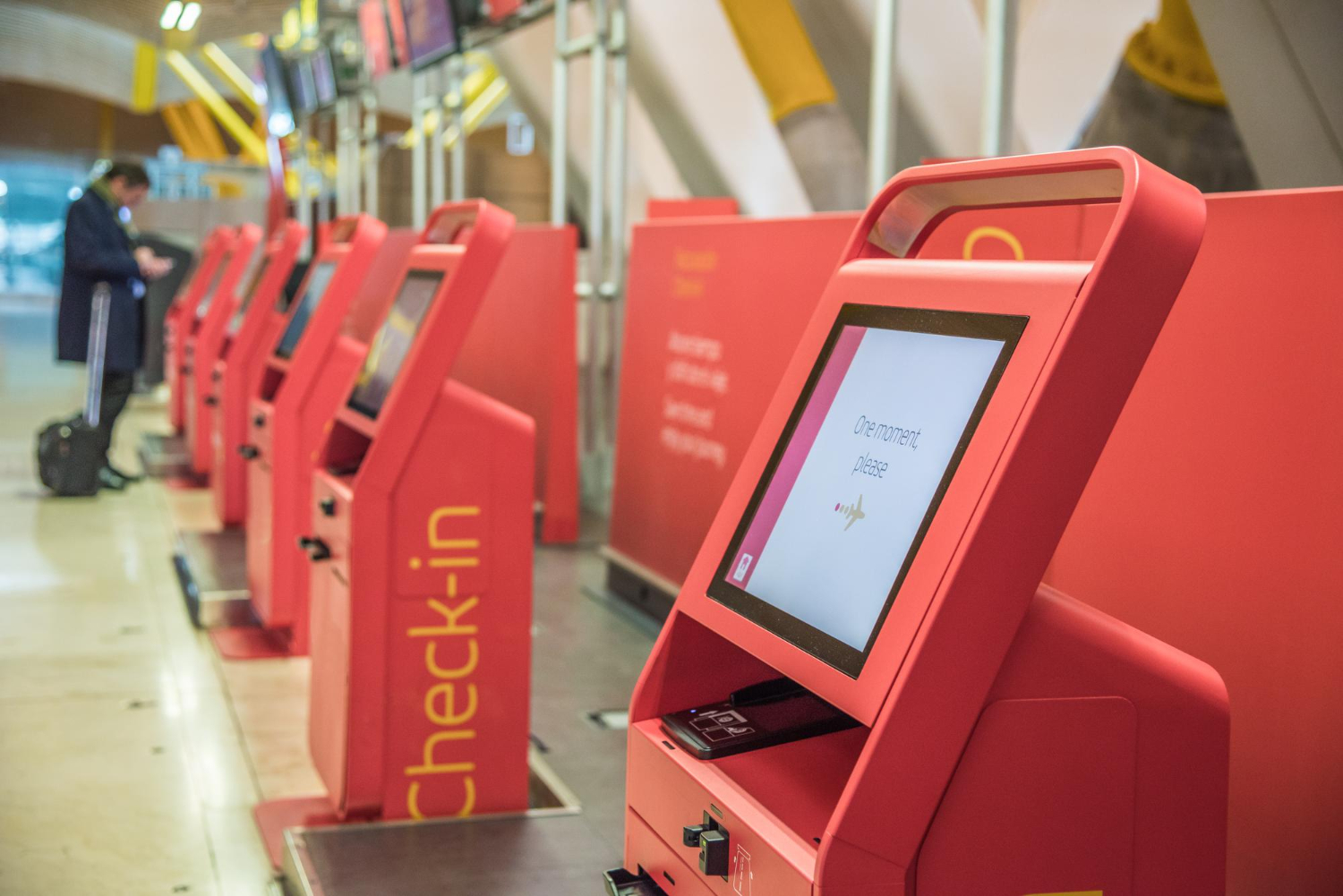
Some tickets must be stamped before boarding. An unvalidated ticket can be treated as no ticket at all.
In several countries, certain paper tickets, often regional ones, must be stamped in a small platform machine before boarding, and conductors can treat an unvalidated ticket as no ticket, politeness and confusion notwithstanding. Validate where validation is required, and when in doubt, stamp it or ask on the platform, never after the doors close.
7. There’s No Checked Luggage — You Carry Everything
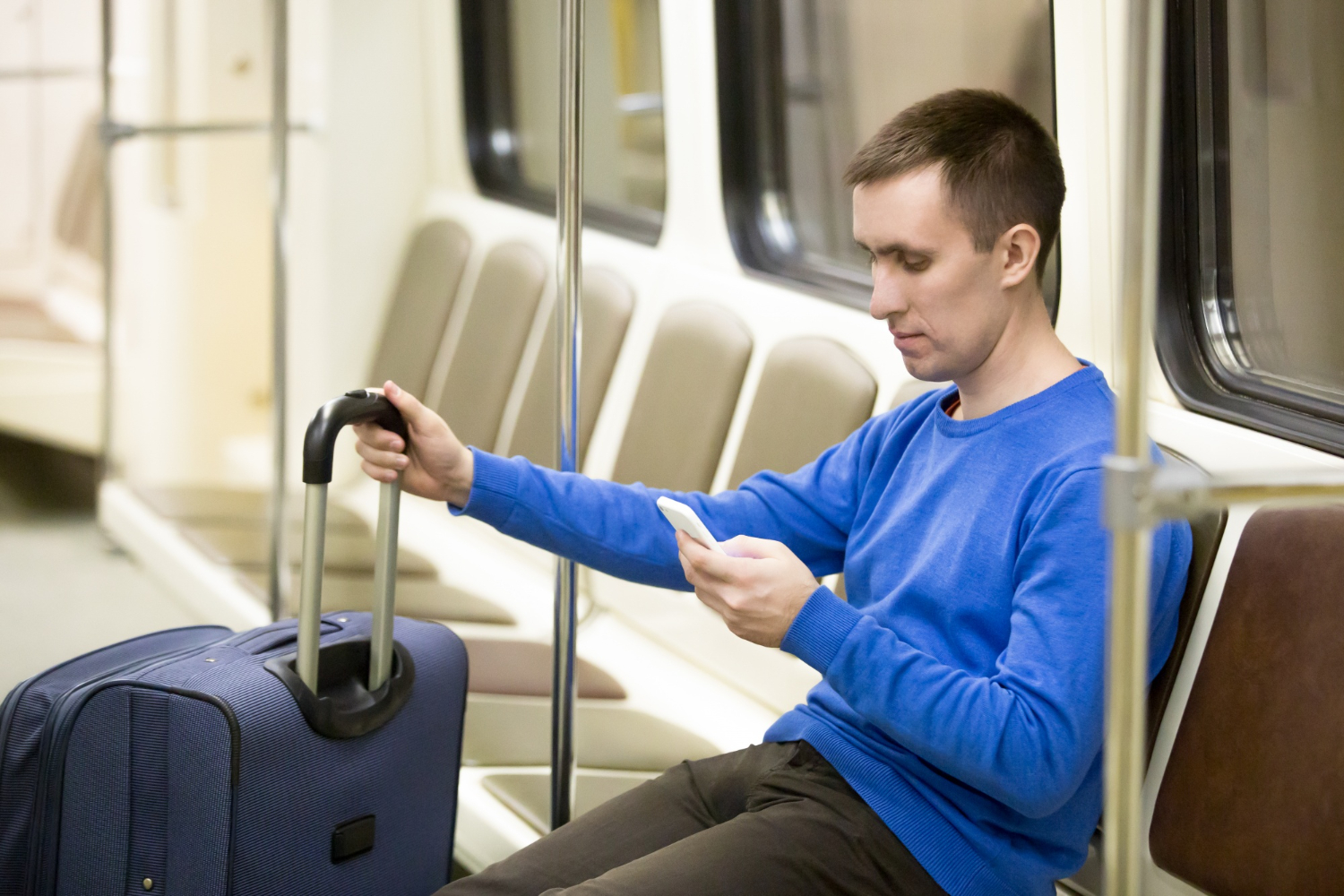
Your bags ride with you, hoisted by you. Packing light is worth more on rails than anywhere.
European trains have no checked baggage: you haul your own bags up carriage steps, down platforms, and onto overhead racks, sometimes with four minutes to change trains, which is why seasoned rail travelers treat a single manageable bag as the most valuable upgrade money can’t buy. There’s no checked luggage, you carry everything, so pack for the staircase, not the suite.
8. Tight Connections Are Normal — and Usually Fine
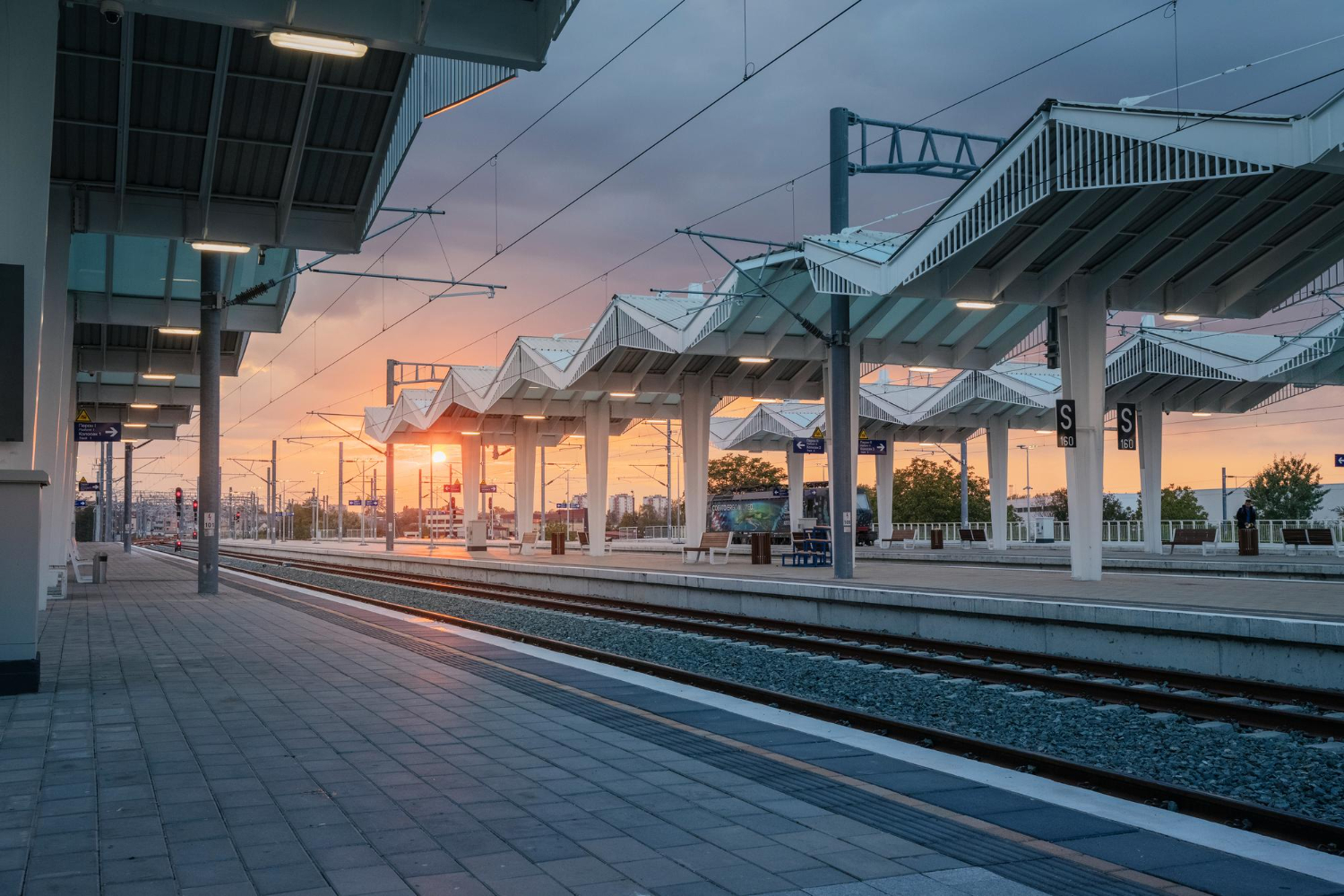
Ten-minute transfers are routinely scheduled. Know your arrival platform and move with purpose.
European timetables routinely schedule connections of ten or fifteen minutes, which sounds alarming and usually works, provided you check the departure platform before arrival and walk with purpose rather than wandering. Tight connections are normal and usually fine, though on the one connection your day depends on, choosing a slightly longer transfer buys cheap peace of mind.
9. Night Trains Are Back — and They’re a Hotel on Wheels
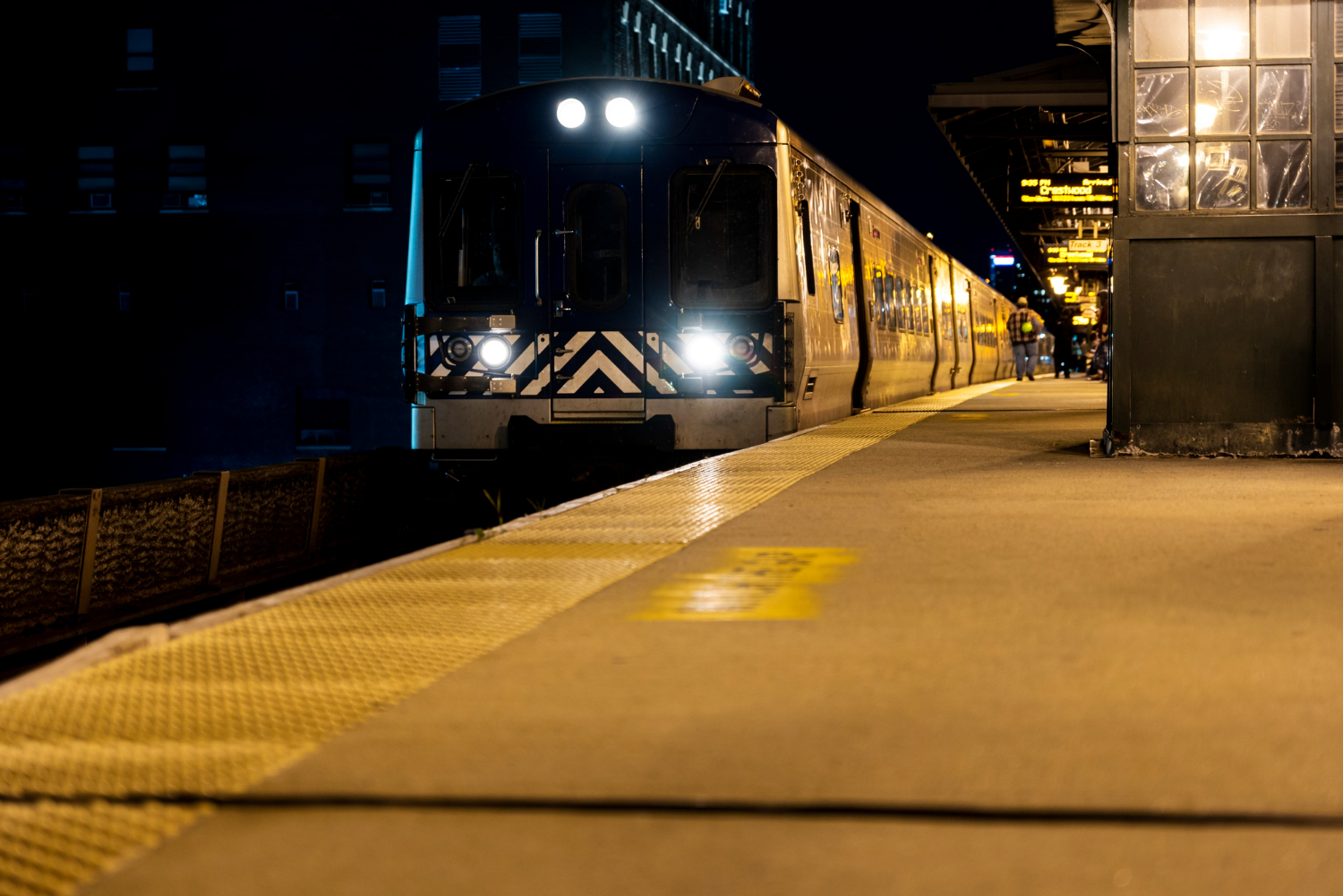
Sleeper routes are expanding across Europe again. A couchette turns travel time into hotel savings.
After decades of decline, Europe’s night trains are expanding again, with sleeper routes linking major cities so travelers board in the evening and wake at their destination, trading a hotel night for a couchette or private compartment. Night trains are back, and they’re a hotel on wheels, worth booking early since the comfortable compartments sell out first.
10. Strikes and Delays Happen — Build In a Cushion
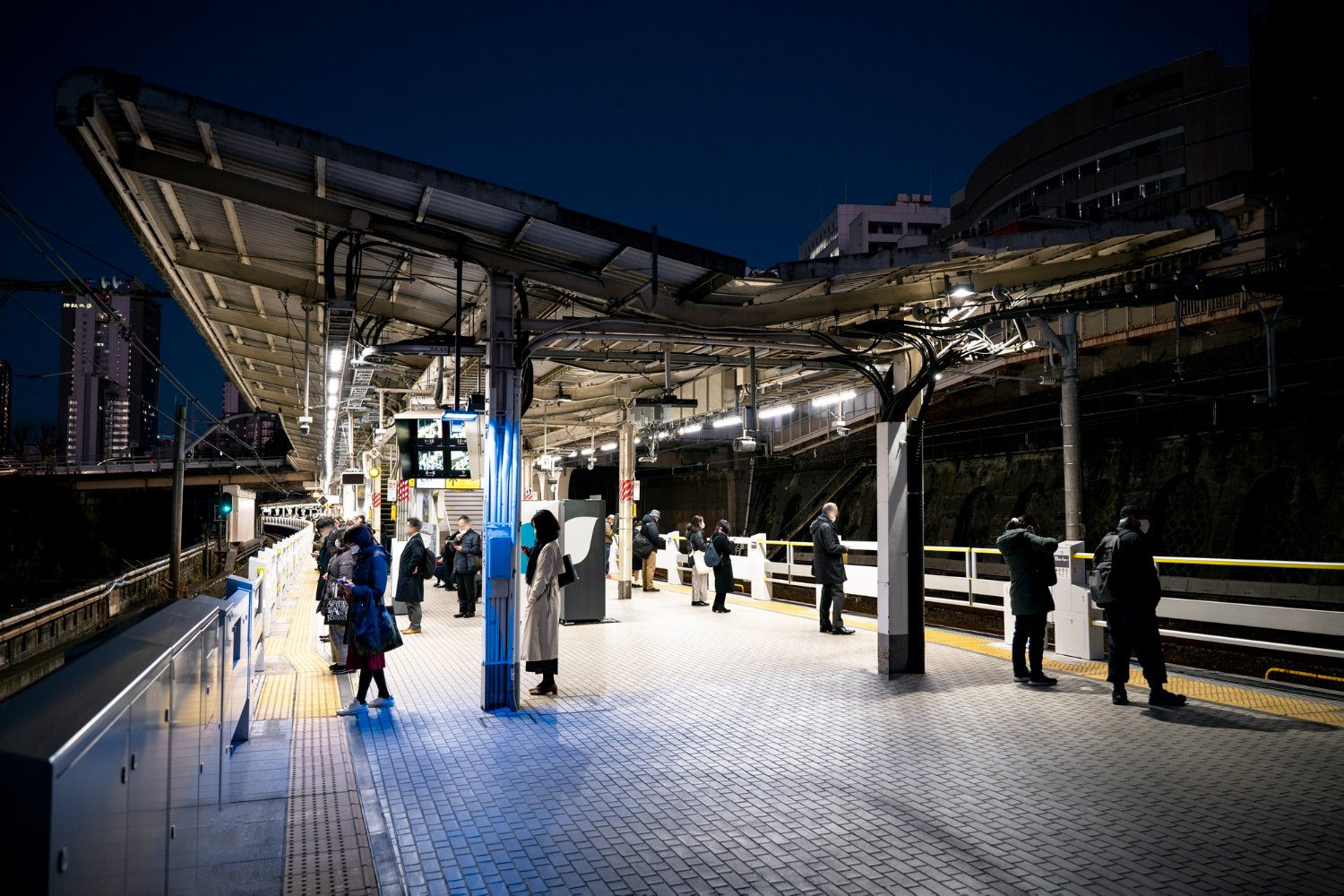
Rail strikes are a fact of European life. Never schedule a same-day flight connection too tightly.
European rail is reliable but not immune to strikes, especially in certain countries, and to the ordinary delays of any network, which is why experienced travelers never book a train arriving two hours before an international flight and always know the next departure on their route. Strikes and delays happen, so build in a cushion, and the network’s frequency, another train is usually coming, becomes your safety net.
The Best Seat in Europe
Taken together, these ten things cover the fine print that separates a flawless first rail trip from an expensive education, book the fast trains early, ride the slow ones freely, reserve and validate where required, pack for the platform, and pad the connections that matter. Learn them once and the continent opens up.
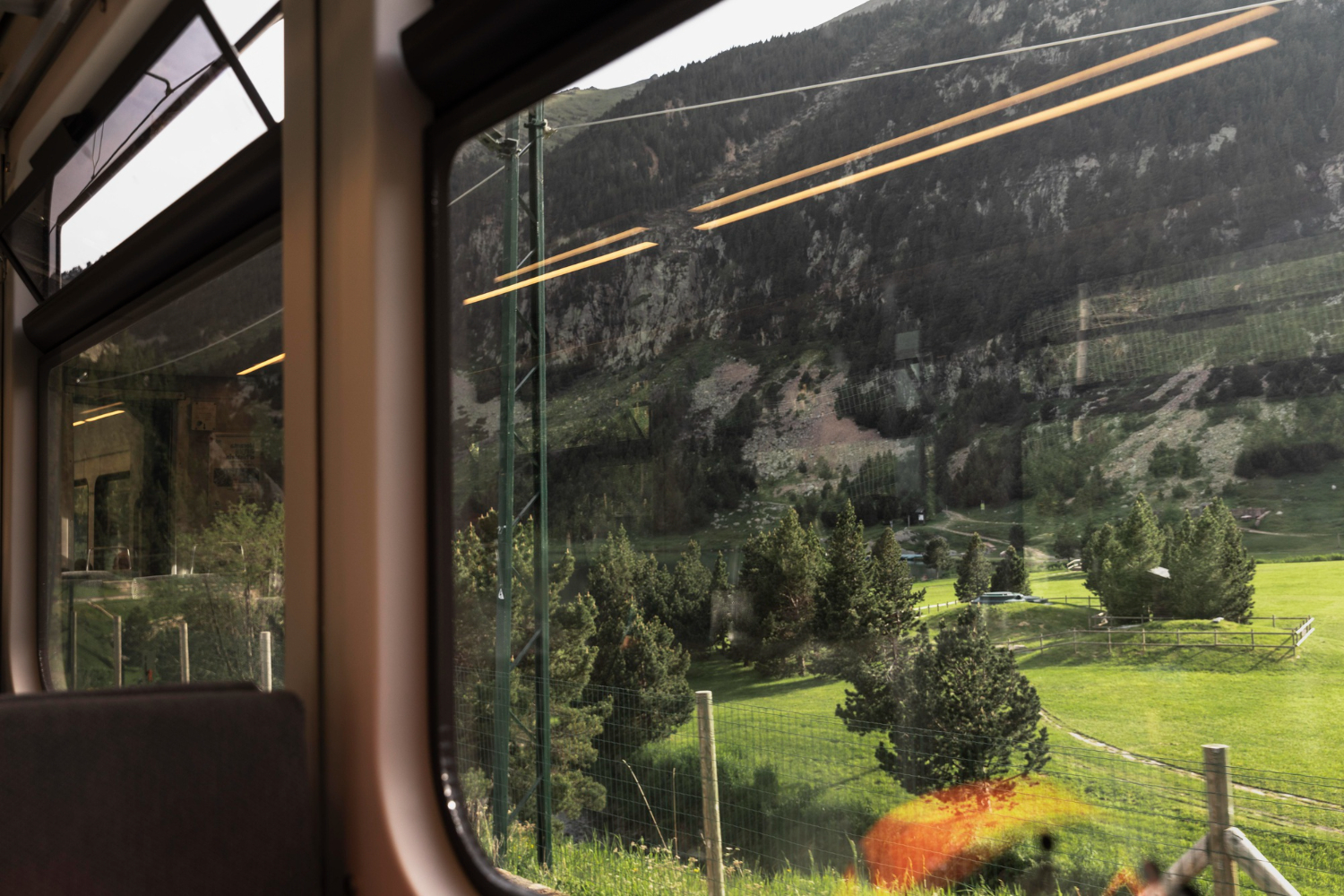
The reward for mastering the rules is the best seat in European travel: a window on the Alps or the Mediterranean, a table for lunch, no seatbelt sign, and a city center at both ends of the day. Trains are how Europe was built to be seen, and once the reservation system holds no more surprises, most first-timers come home planning the second trip around the trains rather than in spite of them.
Like our content? Follow us for more.