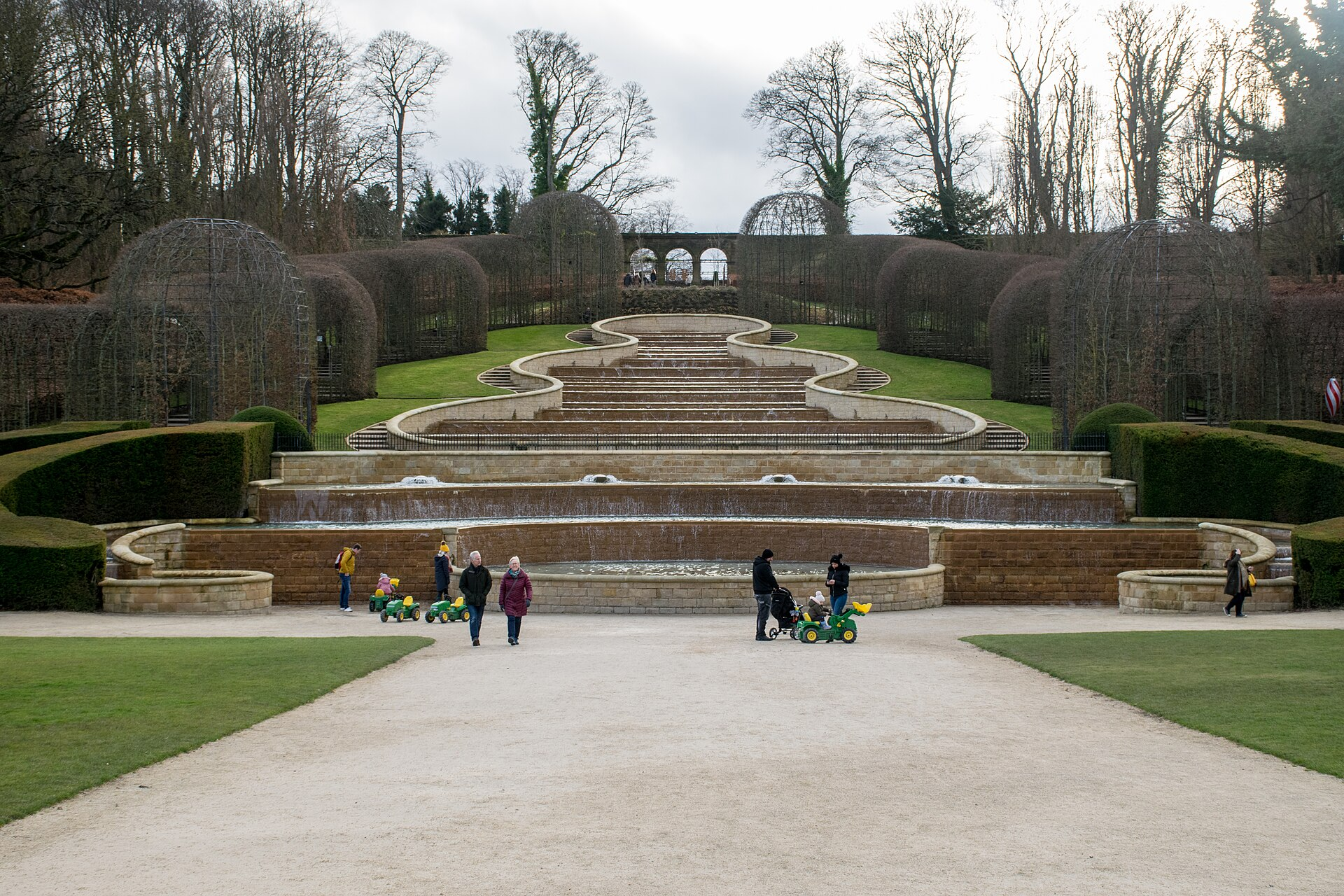
Most gardens invite you to lean in and breathe deep. This one warns you, at the gate, that doing so could be a serious mistake. Behind a set of foreboding black iron gates in the north of England, emblazoned with a white skull and the blunt warning “these plants can kill,” grows the Poison Garden at Alnwick — a formal garden dedicated entirely to plants that harm, intoxicate, and kill, where every specimen is capable of doing damage and some could do far worse. Visitors enter only with a guide, are forbidden to touch or taste anything, are cautioned not even to smell certain flowers, and are watched for the occasional guest who grows faint on the path — overcome, the story goes, by the fumes of the very plants they came to see.
The Poison Garden is the strangest and most unsettling corner of one of England’s grandest garden estates, and it draws visitors precisely because it inverts everything a garden is supposed to be. It exists to demonstrate a truth that our flower-shop culture has forgotten: that plants are not merely decorative but chemically potent, that some of the prettiest growing things on earth are also the most dangerous, and that the line between medicine, intoxication, and poison has always run straight through the garden. It is beautiful, educational, truly a little frightening, and unlike anywhere else you can visit.
A Duchess’s Deadly Idea
The Poison Garden is part of The Alnwick Garden, a spectacular contemporary garden created at Alnwick Castle in Northumberland — the great ancestral seat familiar to many as a filming location for stately-home productions. In the late 1990s and early 2000s, the Duchess of Northumberland undertook an ambitious project to transform the castle’s neglected grounds into a major public garden, filling it with grand water features, ornamental plantings, and one deliberately dark attraction that would set it apart from every other garden in the country.
The Duchess’s inspiration, by her own account, was partly historical and partly a shrewd understanding of human nature. She was drawn to the old tradition of apothecary and poison gardens — she reportedly took inspiration from the famous poison gardens of history, including those associated with the Medici — and she reasoned that a garden of killer plants would fascinate the public far more than another collection of pretty flowers. Children in particular, she is said to have observed, would rather hear how a plant kills you than how it grows. She was entirely correct. The Poison Garden opened in 2005 and became one of Alnwick’s signature draws, a garden built on the compelling, slightly ghoulish premise that danger is more interesting than beauty — and that teaching people to respect the power of plants might be its own kind of public service.
Like our content? Follow us for more.
What Grows Behind the Skull Gates
Inside the locked black gates grows a collection of roughly 100 plants selected for their capacity to harm, and the roster is a rogues’ gallery of botanical menace, much of it startlingly familiar. There are the classic poisons of history and literature — deadly nightshade, hemlock, foxglove, and others whose names have been synonymous with death for centuries — plants that have poisoned kings, featured in murders real and fictional, and killed the unwary who mistook them for something harmless. There are plants whose danger is really surprising: common ornamentals and shrubs found in ordinary gardens and hedgerows that turn out to be highly toxic, a sobering reminder of what grows unremarked in backyards everywhere.
And there are the narcotic plants, grown under special legal license — the garden is permitted to cultivate certain controlled plants, including sources of powerful drugs, specifically to educate visitors about their dangers, with some specimens kept in cages to underscore the point. The guides use these to deliver frank, memorable talks about addiction and the real harm these plants cause, turning the garden into an unexpectedly effective venue for drug education, especially for the young visitors the Duchess had in mind. Throughout, the rule is absolute and constantly reinforced: do not touch, do not taste, and with certain plants, do not linger to smell, because some of these species can affect a person through the skin or through their fumes alone. The warnings are not theatrical decoration. They are the operating instructions.
The Fainting Visitors
The Poison Garden’s most sensational detail — and the one that most captures the public imagination — is the claim that visitors occasionally faint or fall ill simply from walking through it, overcome by the fumes or scents of the toxic plants on warm days when the garden’s chemistry is most active. The garden’s staff have reported such incidents over the years, guests growing lightheaded or unwell on the path and needing to step out, apparently affected by inhaling something they should not have.
Whether every reported fainting is strictly attributable to plant fumes or partly to the suggestive power of walking through a garden explicitly labeled as deadly, the effect is real enough that the warnings are taken seriously, and it adds a real frisson to the visit that no ordinary garden can match. It also drives home the garden’s central lesson in the most visceral way possible: these plants are not passive scenery but active chemical agents, potent enough that mere proximity can, on the wrong day, make a person unwell. Visitors who arrive treating the skull-and-warning gates as mere showmanship tend to leave with a new and healthy respect for the quiet power of the growing world.
The Serious Purpose Behind the Spectacle
For all its ghoulish appeal, the Poison Garden pursues a honestly valuable educational mission, and this is what elevates it above a mere curiosity. In a culture increasingly disconnected from the natural world, it teaches a set of truths that were once common knowledge and are now largely lost: that many everyday plants are dangerous, that children and pets can be harmed by common garden and household greenery, that the same plants can be medicine in one dose and poison in another, and that the drugs that devastate lives grow from plants that can be discussed honestly and unsentimentally. The guides’ talks weave together history, medicine, botany, true crime, and drug education into a memorable whole, and visitors leave knowing things that might plainly keep them or their children safe.
There’s a deeper resonance, too, in the garden’s insistence on the potency of plants. For most of human history, people understood intimately that the plant world was powerful and dangerous as well as beautiful and nourishing — that gardens held cures and killers side by side, and that knowing the difference was a matter of survival. The Poison Garden restores a fragment of that old, respectful, slightly wary relationship with growing things, reminding a modern audience that nature is not a benign backdrop but a chemically sophisticated force to be reckoned with. It’s a lesson delivered with a skull on the gate and a shiver on the path, which is precisely why it sticks.
Visiting the Deadliest Garden
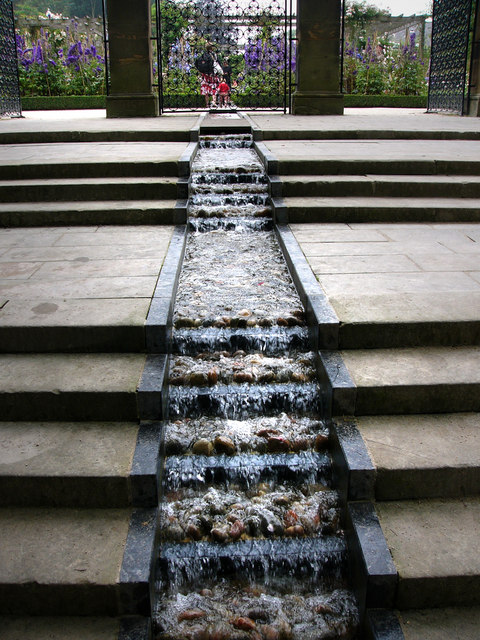
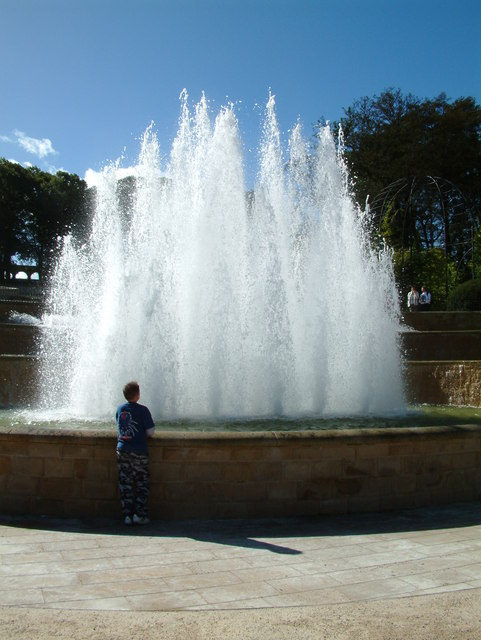
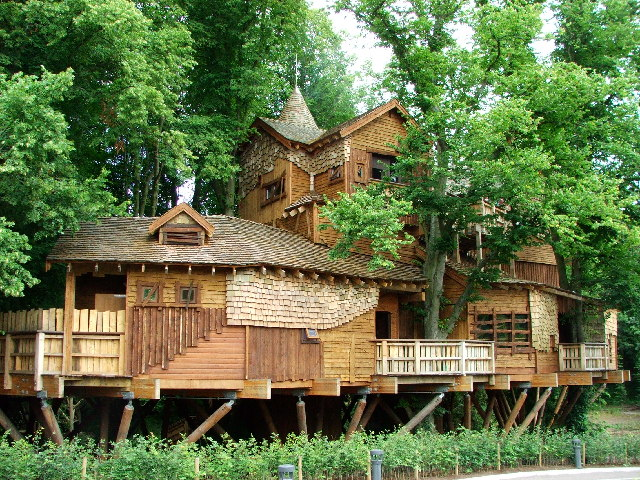
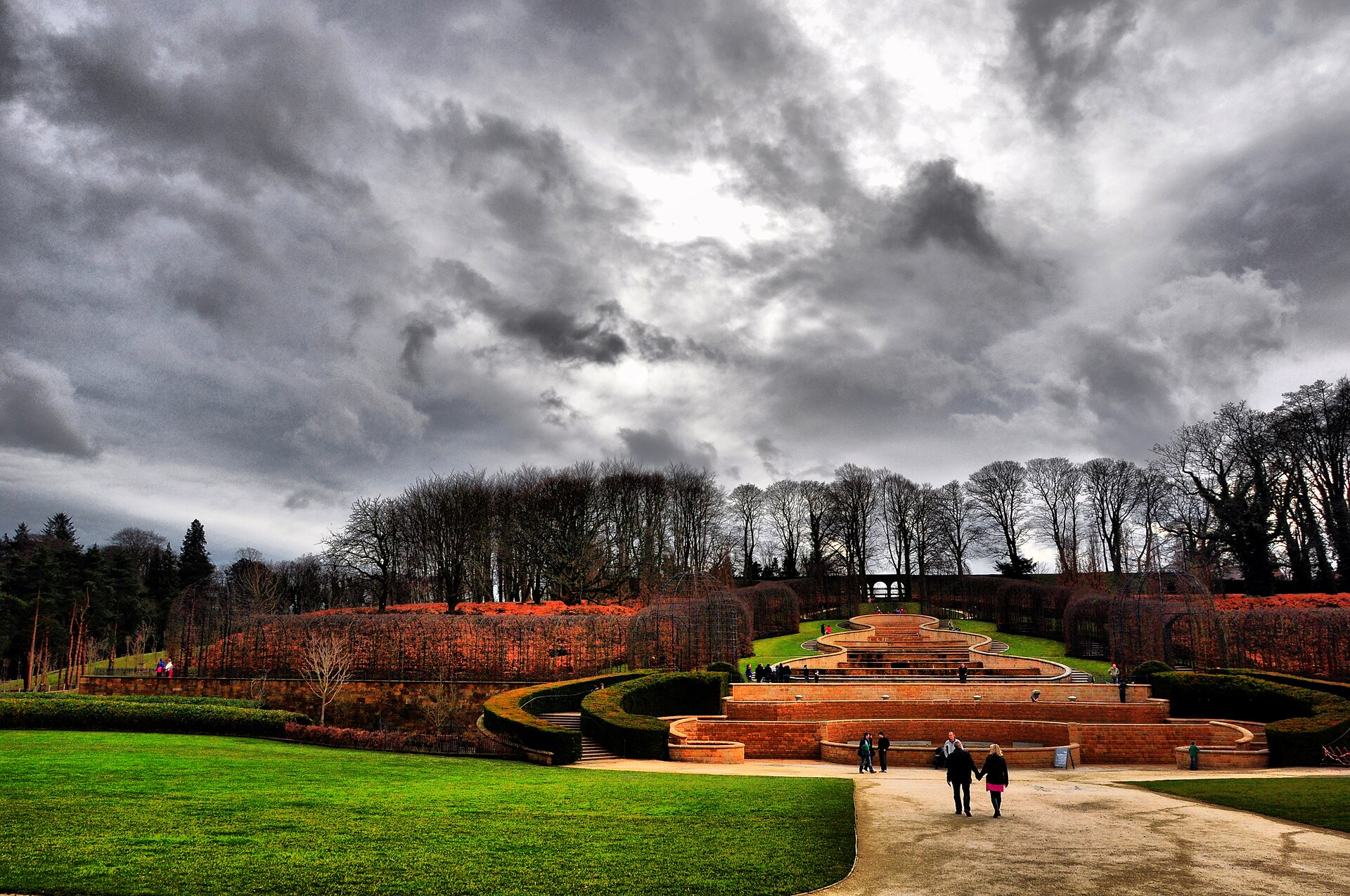
The Poison Garden can only be visited as part of a guided tour within The Alnwick Garden, and the guiding is essential — both for safety and because the guides’ knowledge is the whole experience, their talks bringing the deadly plants to life (so to speak) with story after gripping story. The broader Alnwick Garden is a magnificent destination in its own right, one of England’s great modern gardens, with its dramatic Grand Cascade water feature, ornamental gardens, one of the world’s largest treehouses complete with a restaurant, and the adjacent Alnwick Castle, so a visit easily fills a day. It sits in beautiful Northumberland, near the coast with its famous castles and beaches, making it a highlight of England’s underrated far northeast.
Practical notes are simple: the Poison Garden tours run on a schedule within the garden and can involve a wait in busy season, so plan for it; and the rules — no touching, no tasting, no smelling where instructed — are to be followed exactly, not because the staff are strict for its own sake but because the plants really are dangerous. Bring curiosity and a slightly morbid streak. Leave the flowers, emphatically, alone.
The Garden That Warns Instead of Welcomes
The Poison Garden at Alnwick stands as a brilliant inversion of everything a garden is meant to be — a place that warns rather than welcomes, that forbids the touch and the sniff that gardens usually invite, that celebrates danger instead of beauty and turns out to be all the more compelling for it. It draws people by the thousands into a walled enclosure of things that could kill them, and sends them away knowing more, respecting nature more, and having felt the small, delicious chill of walking safely among real danger.
In an age of manicured, harmless, purely decorative green spaces, there’s something bracing about a garden that tells the truth: that the plant world is powerful, that beauty and lethality often grow on the same stem, and that the old knowledge of which is which was hard-won and worth keeping. Behind the black gates with their white skull, past the warning that these plants can kill, grows a lesson the modern world badly needs and rarely hears, tended carefully in the north of England and delivered to anyone brave enough to book the tour. Just remember the one rule that matters most. Don’t smell the flowers.
Like our content? Follow us for more.