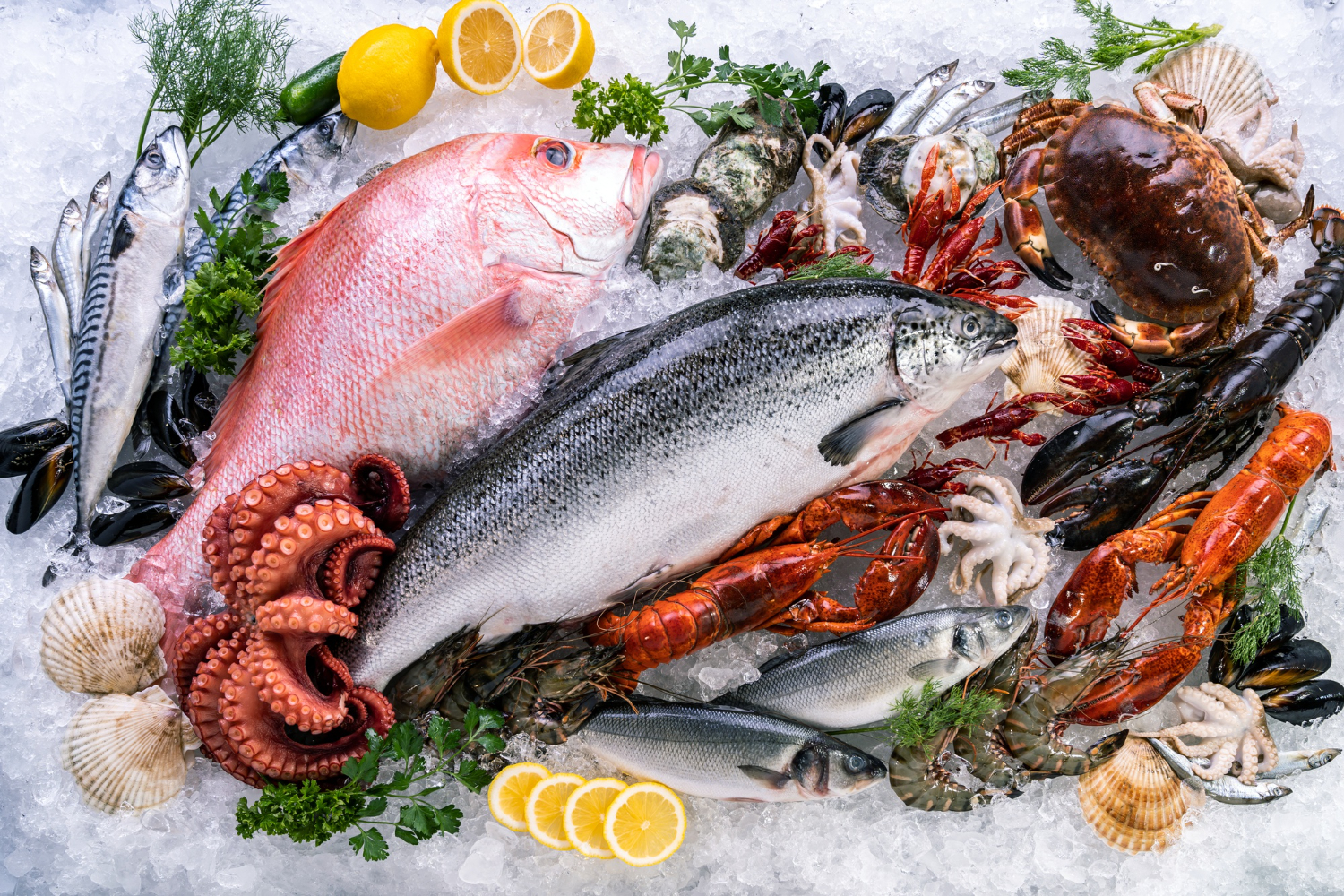
Nothing defines an American summer region like the way it cooks its local catch for a crowd. From the tidal creeks of the Carolinas to the shores of the Great Lakes, communities gather all season around big, messy, communal seafood feasts — each one built on what the local waters provide and how the local tradition says to cook it. These aren’t restaurant meals; they’re events, cooked outdoors, eaten with hands, shared at long tables. Here are eight of the great regional seafood feasts that flavor an American summer.
1. The Lowcountry Boil (The Carolina Coast)
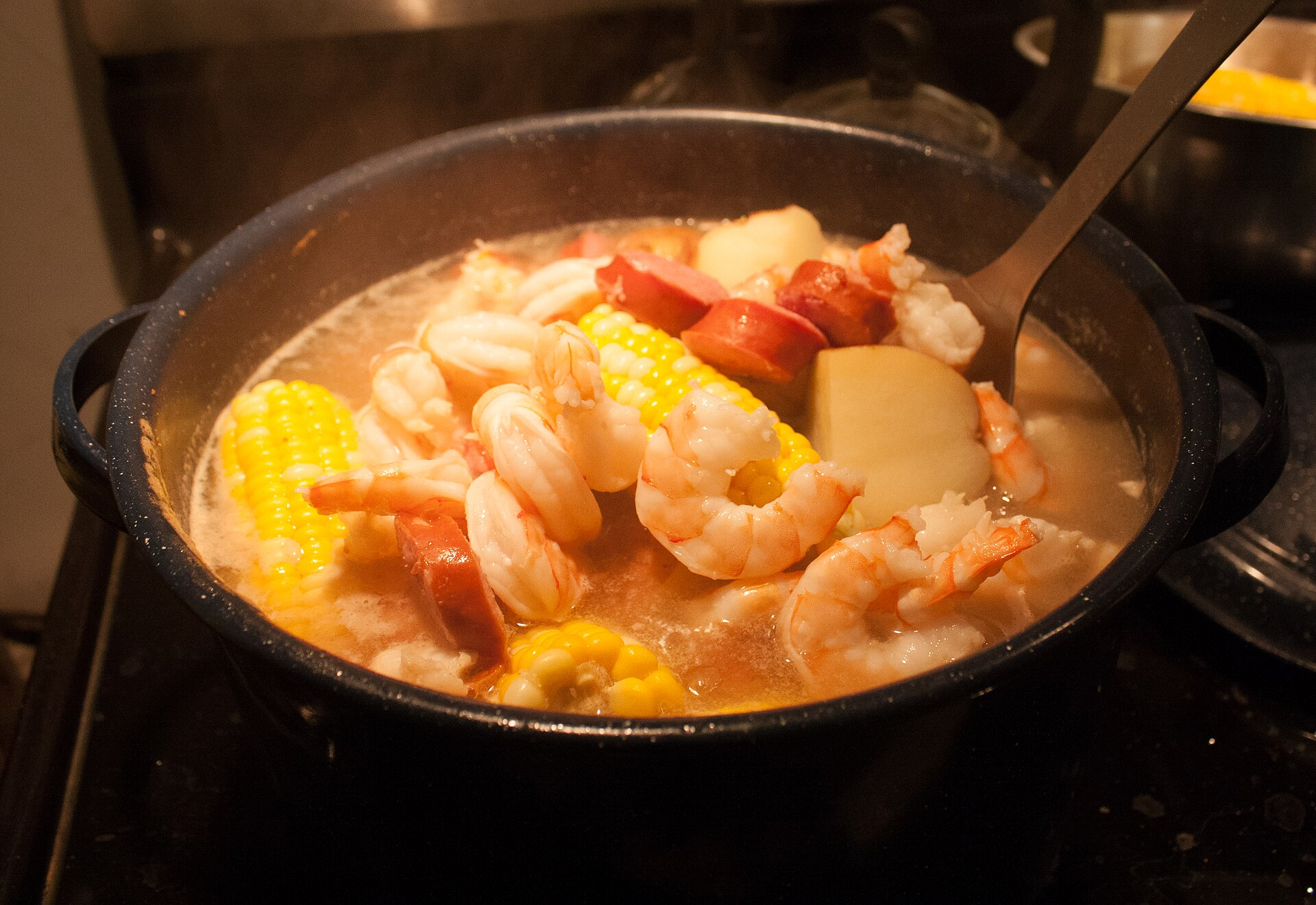
Shrimp, sausage, corn, and potatoes boiled together and poured onto the table. No plates required.
Along the coast of the Carolinas and Georgia, the Lowcountry boil — also called Frogmore stew, after a tiny South Carolina community — is the definitive summer gathering food: fresh shrimp, smoked sausage, corn on the cob, and small potatoes all boiled together in one big seasoned pot, then drained and dumped in a steaming heap right onto a newspaper-covered table for everyone to dig into by hand. It’s built for a crowd, endlessly scalable, and deeply communal, the whole point being to gather people around a shared pile of food with the ocean’s bounty at its center. Cold drinks, paper towels, and good company complete the formula.
Like our content? Follow us for more.
2. The New England Clambake (The Northeast Shore)
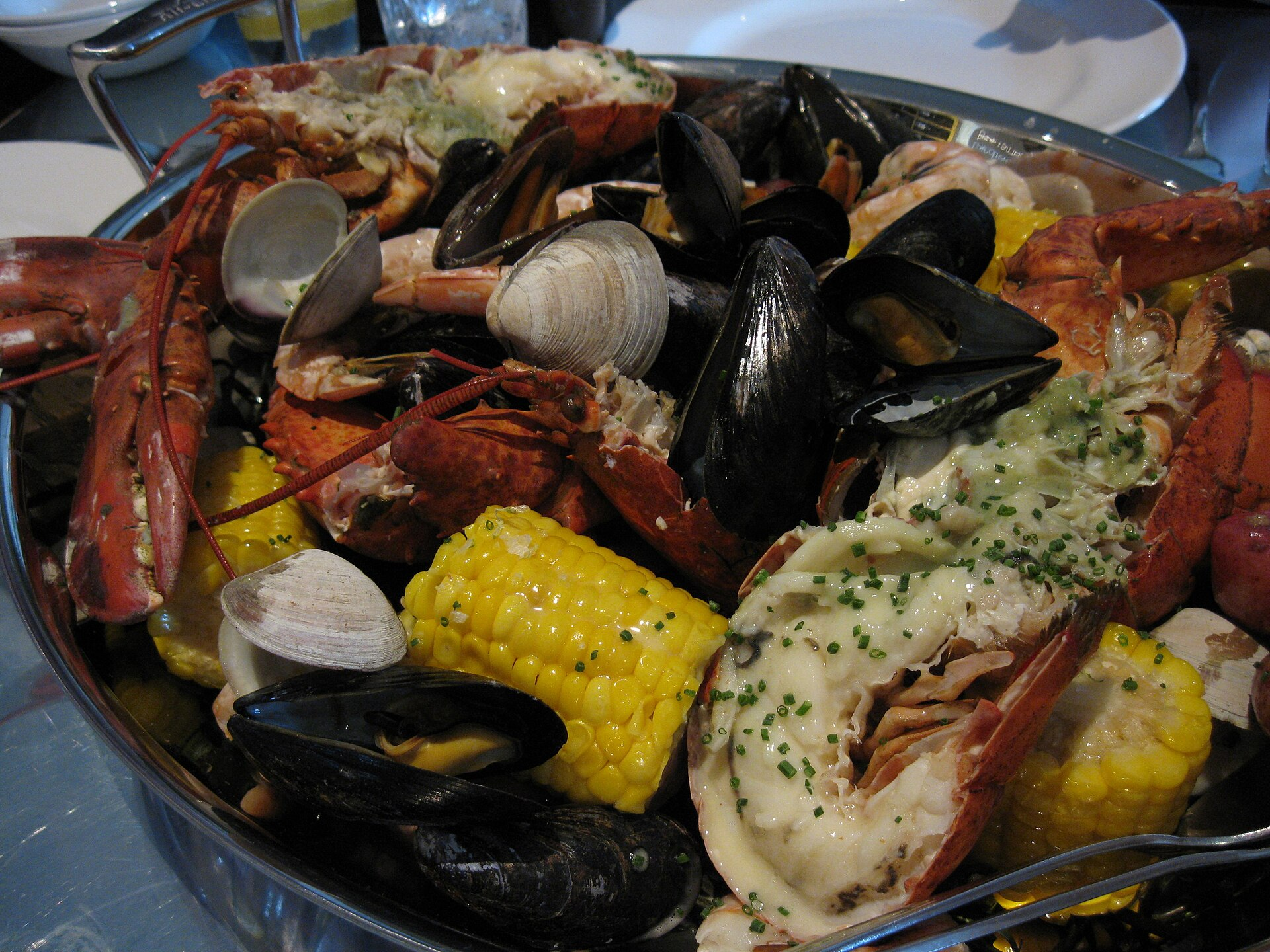
Clams, lobster, and corn steamed in a seaweed-lined pit of hot stones. A tradition older than the country.
On the beaches of New England, the traditional clambake is a real piece of American culinary heritage, its technique inherited from the region’s Indigenous peoples: a pit dug in the sand, filled with stones heated in a roaring fire, layered with wet seaweed, and packed with clams, lobsters, mussels, corn, and potatoes, then covered to steam in the trapped heat and briny seaweed vapor for hours. The result is a feast infused with smoke and sea, unearthed in a dramatic communal reveal and eaten right on the beach. A true pit bake is an all-day labor of love, which is exactly why it remains a cherished ceremonial meal for gatherings and celebrations along the northeastern shore.
3. The Louisiana Crawfish Boil (The Gulf South)
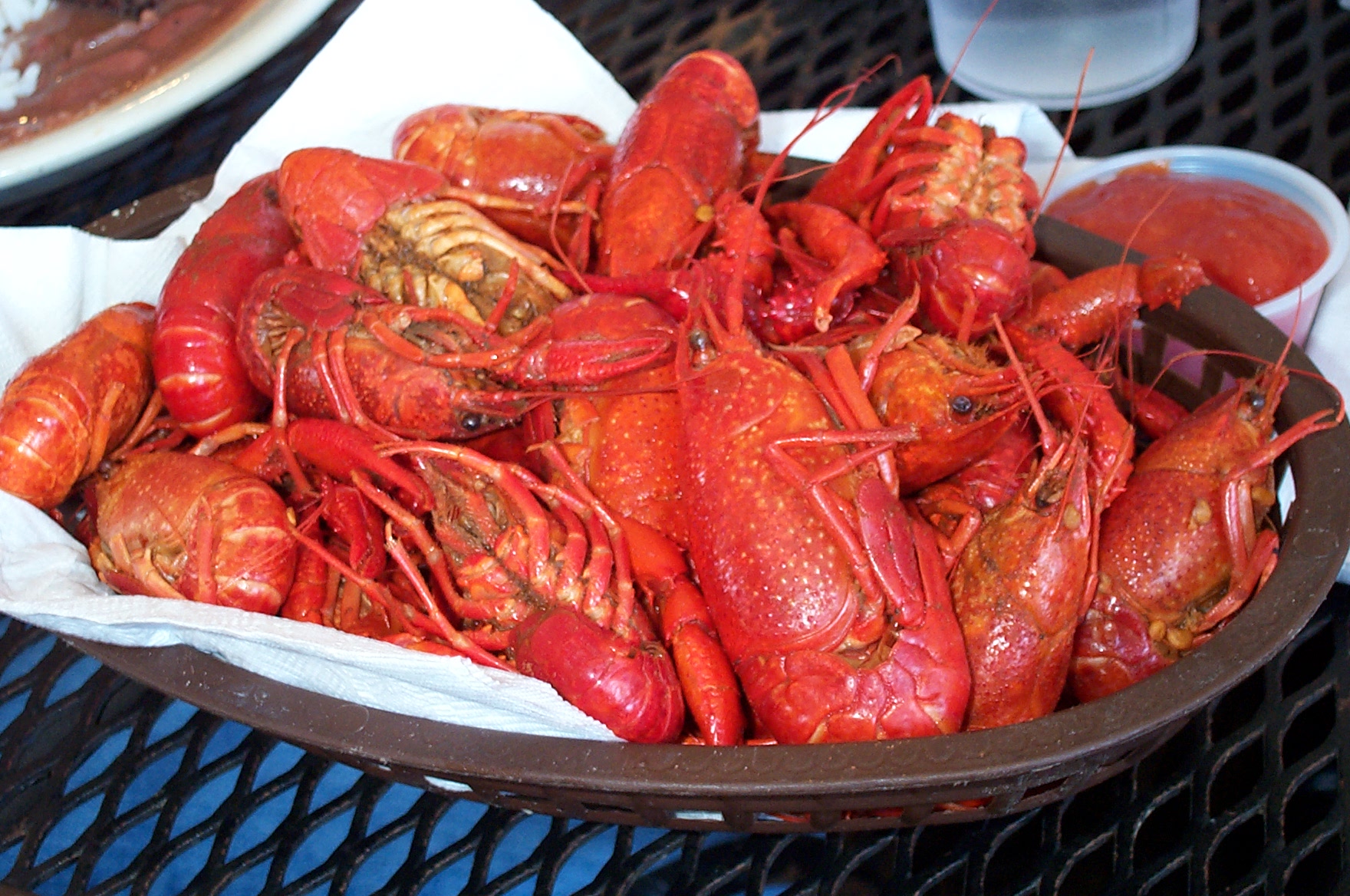
Mountains of spicy crawfish, dumped on the table by the pot. Peeling technique separates locals from tourists.
In Louisiana and across the Gulf South, the crawfish boil is the social event of the spring and early summer, when the little freshwater crustaceans are in season: pounds upon pounds of live crawfish boiled with a fierce Cajun spice blend, along with corn, potatoes, sausage, and often mushrooms, garlic, and lemon, then poured out in a spicy scarlet mountain for the crowd. There’s a whole culture around the peel — the practiced move of pinching the tail and, for the initiated, sucking the head — and the boil is loud, festive, and social, an outdoor gathering that can run for hours. It’s the taste of a Gulf Coast spring, hot with spice and heavy with tradition.
4. The Wisconsin Friday Fish Fry (The Upper Midwest)
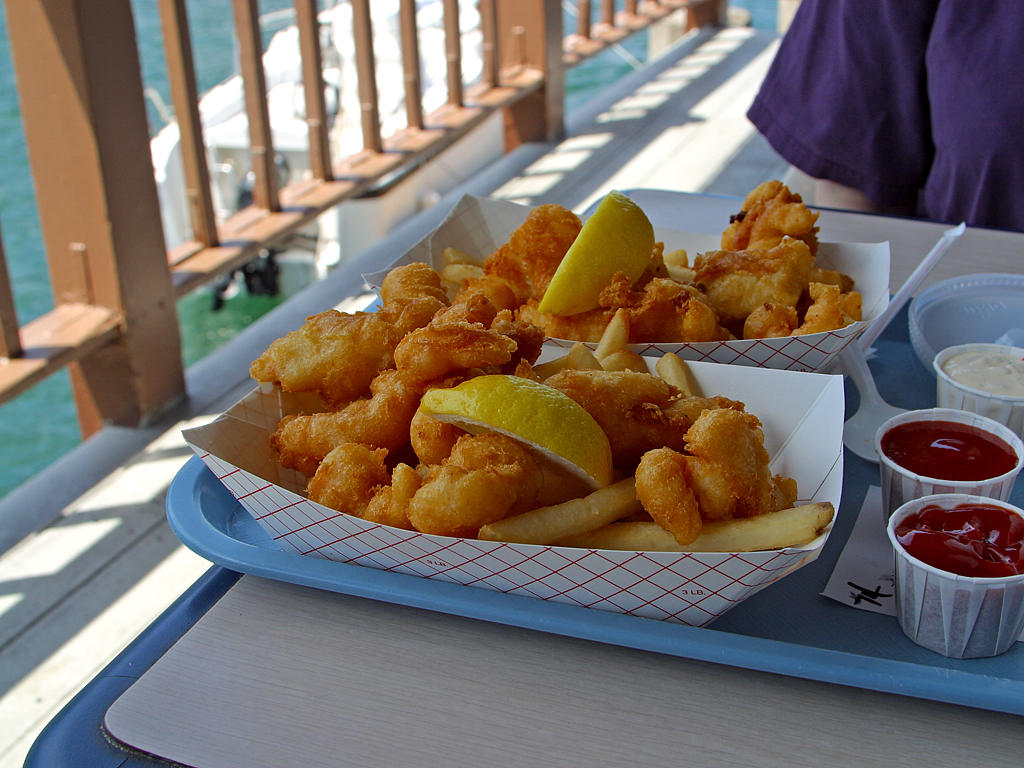
Battered, fried lake fish every Friday night, statewide. A ritual that borders on official religion.
Far from any ocean, the Upper Midwest built its own seafood institution around freshwater fish, and in Wisconsin the Friday fish fry is nothing short of a cultural pillar. Every Friday, taverns, supper clubs, church halls, and community centers across the state serve battered and fried fish — perch, walleye, or cod — with sides like coleslaw, rye bread, and potato pancakes, drawing crowds in a weekly ritual with deep roots. It’s less a single feast than a statewide standing tradition, a Friday-night gathering that defines Wisconsin social life and turns the humble fried fish plate into a beloved communal institution repeated week after week, all year and especially in summer.
5. The Door County Fish Boil (Wisconsin’s Peninsula)
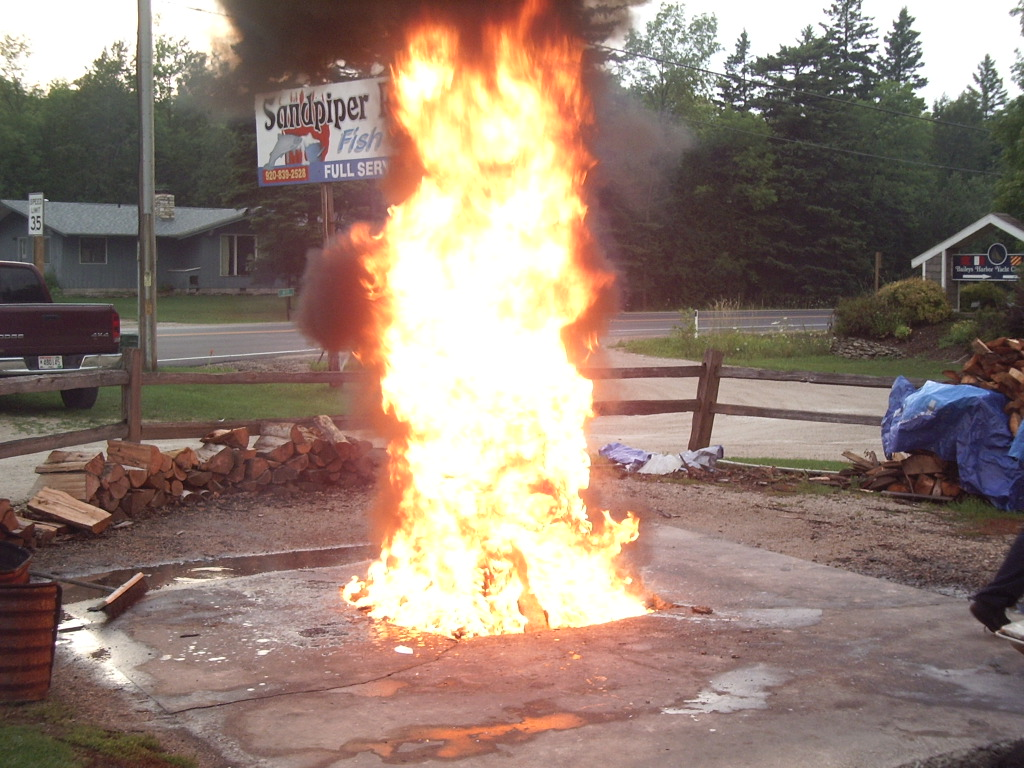
Whitefish and potatoes boiled over an open fire, finished with a dramatic tower of flame. Dinner and a show.
On Wisconsin’s Door Peninsula, the fish boil is both a meal and a spectacle. Local whitefish, potatoes, and onions are boiled in a huge kettle over a roaring open fire, and the tradition climaxes with the “boil over” — kerosene tossed on the flames to create a towering burst of fire that makes the pot boil over, carrying off the fishy oils and providing a real piece of theater for the assembled diners. Rooted in the peninsula’s Scandinavian fishing heritage, the Door County fish boil has become the region’s signature summer experience, drawing visitors who come for the flaming finale as much as the fresh whitefish that follows.
6. The Chesapeake Crab Feast (The Mid-Atlantic)
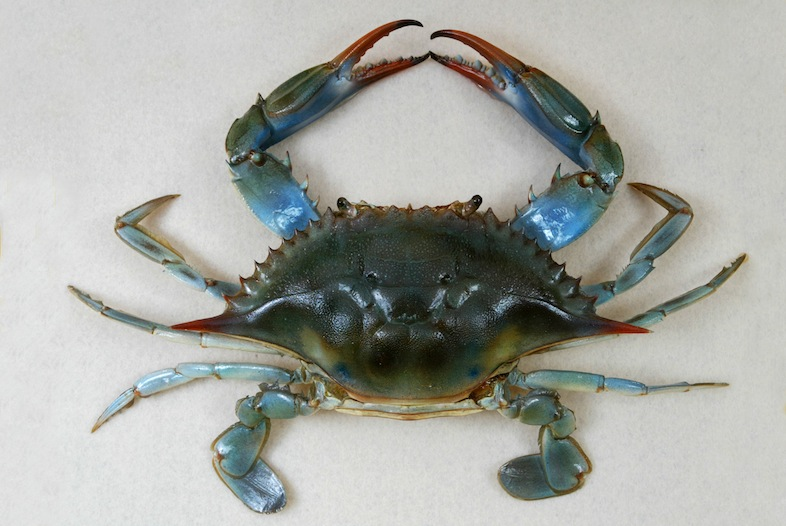
Steamed blue crabs coated in Old Bay, dumped on brown paper, cracked open with mallets. Slow food by design.
Around the Chesapeake Bay, in Maryland and Virginia, summer means the crab feast: bushels of blue crabs steamed with a spicy seasoning blend and heaped on brown-paper-covered tables, where diners spend hours cracking the shells with wooden mallets and knives to extract the sweet meat by hand. The deliberate slowness is the whole point — a crab feast is a leisurely, sociable marathon of picking, talking, and picking some more, fueled by cold drinks and the region’s iconic seasoning, that can occupy an entire summer afternoon. It’s a Mid-Atlantic institution built on the Chesapeake’s beloved blue crab, and locals take both the crabs and the ritual seriously.
7. The Pacific Northwest Salmon Bake (The Northwest Coast)
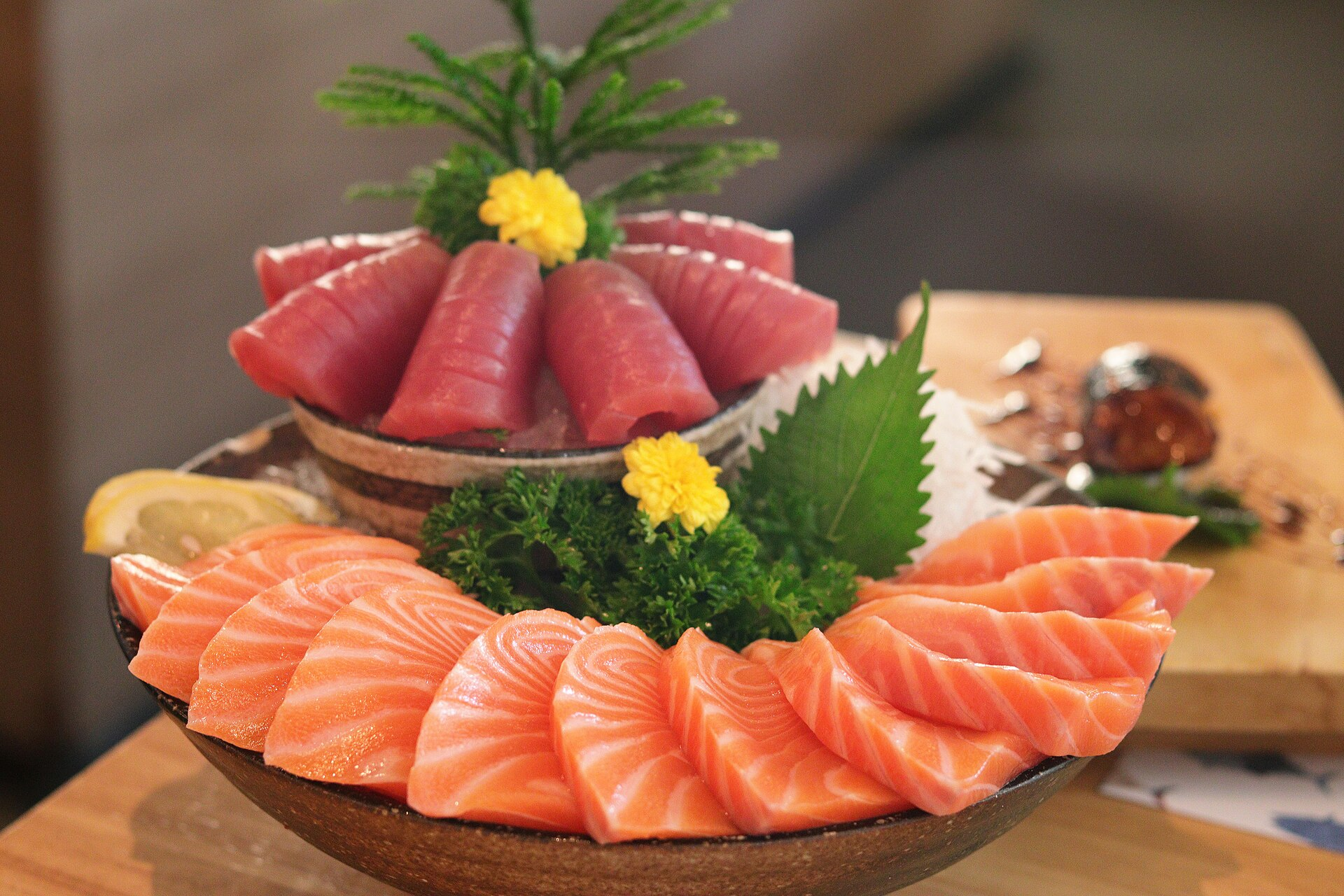
Salmon fillets fire-roasted on cedar stakes around an open flame. A method thousands of years old.
On the Pacific Northwest coast, the traditional salmon bake honors the fish at the heart of the region’s culture, using a technique developed by the area’s Indigenous peoples over thousands of years: fresh salmon fillets are splayed on cedar stakes and arranged around an open alderwood fire, fire-roasting slowly as the wood smoke perfumes the flesh. The method produces salmon of extraordinary flavor and remains central to celebrations and gatherings throughout the region, often served with the respect due a food that has sustained Northwest peoples since time immemorial. A salmon bake is both a feast and a living connection to the deep heritage of the coast.
8. The Minnesota Shore Lunch (The North Woods)
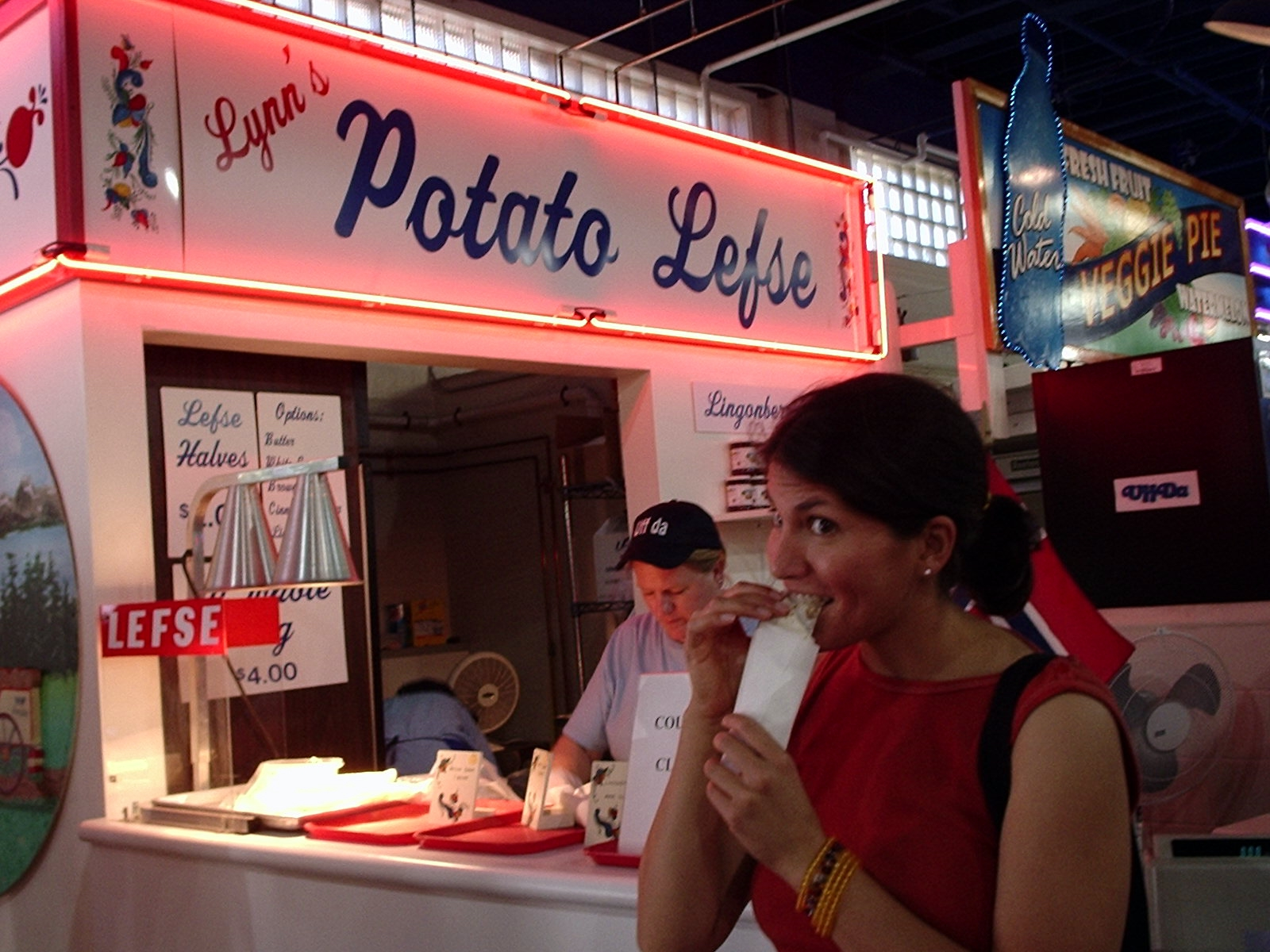
Fresh-caught fish fried on the lakeshore at midday, by the anglers who caught it. The reward for a good morning.
In the lake country of Minnesota and the northern Midwest, the shore lunch is the angler’s beloved ritual: fish caught that very morning — walleye, above all — cleaned and fried right on the shore at midday, over a fire built on the spot, often with potatoes and beans alongside, and eaten by the fishing party lakeside before heading back out on the water. There’s nothing fresher — the fish goes from lake to pan in hours — and nothing more tied to the rhythm of a north-woods summer, where a good morning’s fishing is rewarded with the finest fish fry imaginable, cooked and eaten in the open air at the water’s edge. It’s the Upper Midwest’s purest expression of catch-and-cook tradition.
Eight Coasts, One Summer Ritual
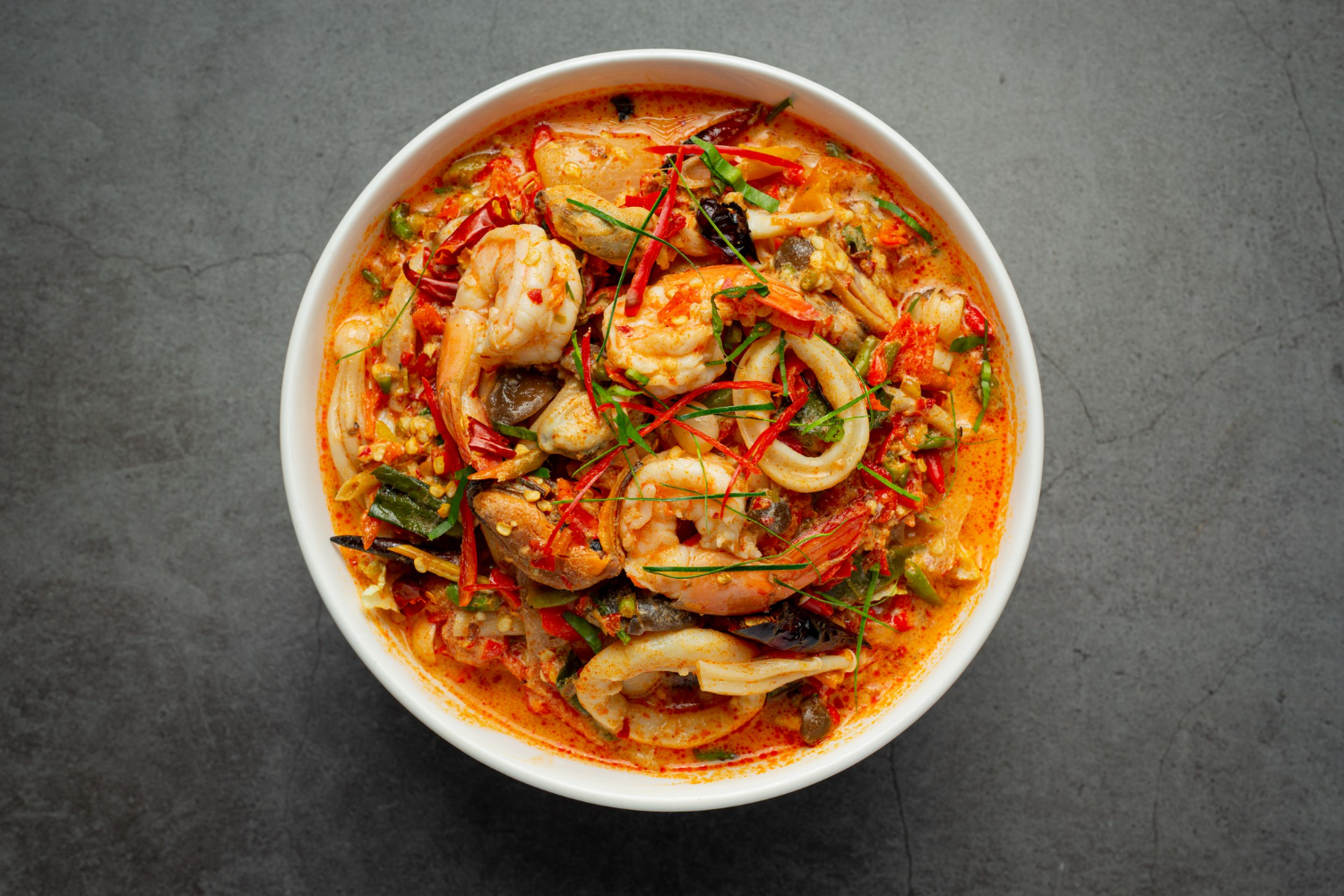
From the crawfish mountains of Louisiana to the flaming kettles of Door County to the lakeside skillets of the north woods, America’s regional seafood feasts share a single spirit: gather a crowd, cook the local catch the local way, and eat it together outdoors with your hands. Each region’s version tastes of its own waters and its own history, and each one turns a meal into an event.
The common thread is community — these are all foods that resist being eaten alone, built instead for tables full of people, long afternoons, and shared labor over a shared catch. Wherever you find yourself this summer, there’s a regional feast worth seeking out and a tradition worth joining, and the best souvenir of any American coast or lake is an afternoon spent around its signature seafood spread. Roll up your sleeves, grab a mallet or a peeler or a paper towel, and dig in — that’s how every one of these regions says summer.
Like our content? Follow us for more.