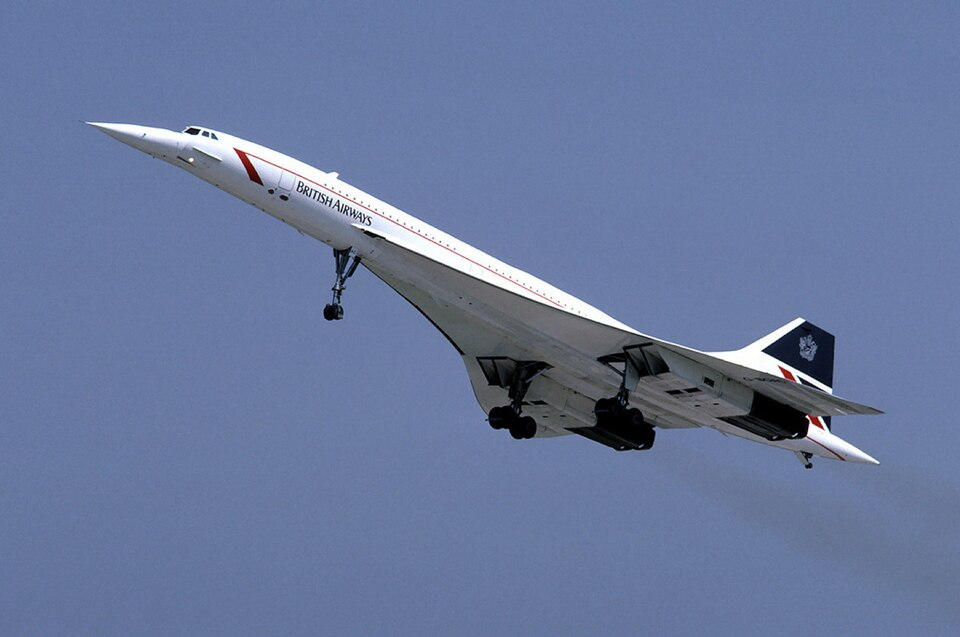
There is a strange fact about air travel that most people never stop to consider: it used to be faster. For a 27-year stretch that ended in 2003, you could board a needle-nosed white aircraft at Heathrow or JFK and cross the Atlantic Ocean at more than twice the speed of sound, arriving in barely half the time a normal jet takes today. The aircraft was Concorde, and it remains one of the most beautiful and audacious machines humans have ever put into regular service — a supersonic airliner that turned a transatlantic crossing into a long lunch.
Concorde flew its last passenger flight in November 2003, and in the decades since, nothing has replaced it. Commercial aviation steadily abandoned supersonic passenger travel and went back to subsonic speeds, where it has stayed. The story of how we built a plane that could outrun the sun, flew it for a generation, and then gave it up is one of the more remarkable tales in the history of technology — a rare case of humanity achieving something extraordinary and then, for a tangle of practical reasons, deciding not to do it anymore.
A Machine From the Future
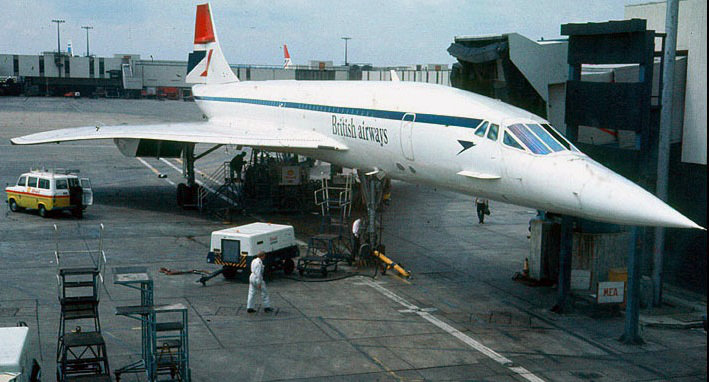
Concorde was the product of an unprecedented collaboration. In 1962, the governments of Britain and France signed a treaty to jointly develop a supersonic transport, pooling the expertise of aircraft manufacturers in both countries in one of the first major cooperative aviation ventures between European nations. The result made its first flight in 1969 and entered commercial service in 1976, operated by British Airways and Air France.
The performance figures still sound like science fiction. Concorde cruised at around Mach 2, more than twice the speed of sound — roughly 1,350 miles per hour. It flew at an altitude of about 60,000 feet, nearly twice as high as an ordinary airliner, high enough that passengers looking out the small windows could see the curvature of the Earth and a sky that darkened toward the black of space above them. At that speed and altitude, the cabin was above the weather and most other traffic, and the ride was famously smooth. The aircraft itself was a marvel of aerodynamic design, with its distinctive delta wing and a hinged “droop” nose that lowered for takeoff and landing to give the pilots visibility over the long, pointed fuselage.
Only a small number were ever built — around 20 aircraft in total, of which just 14 entered service — which is part of why flying on one felt so exclusive. This was never mass transportation. It was the fastest, most rarefied way to cross an ocean that has ever existed.
Like our content? Follow us for more.
Racing the Sun
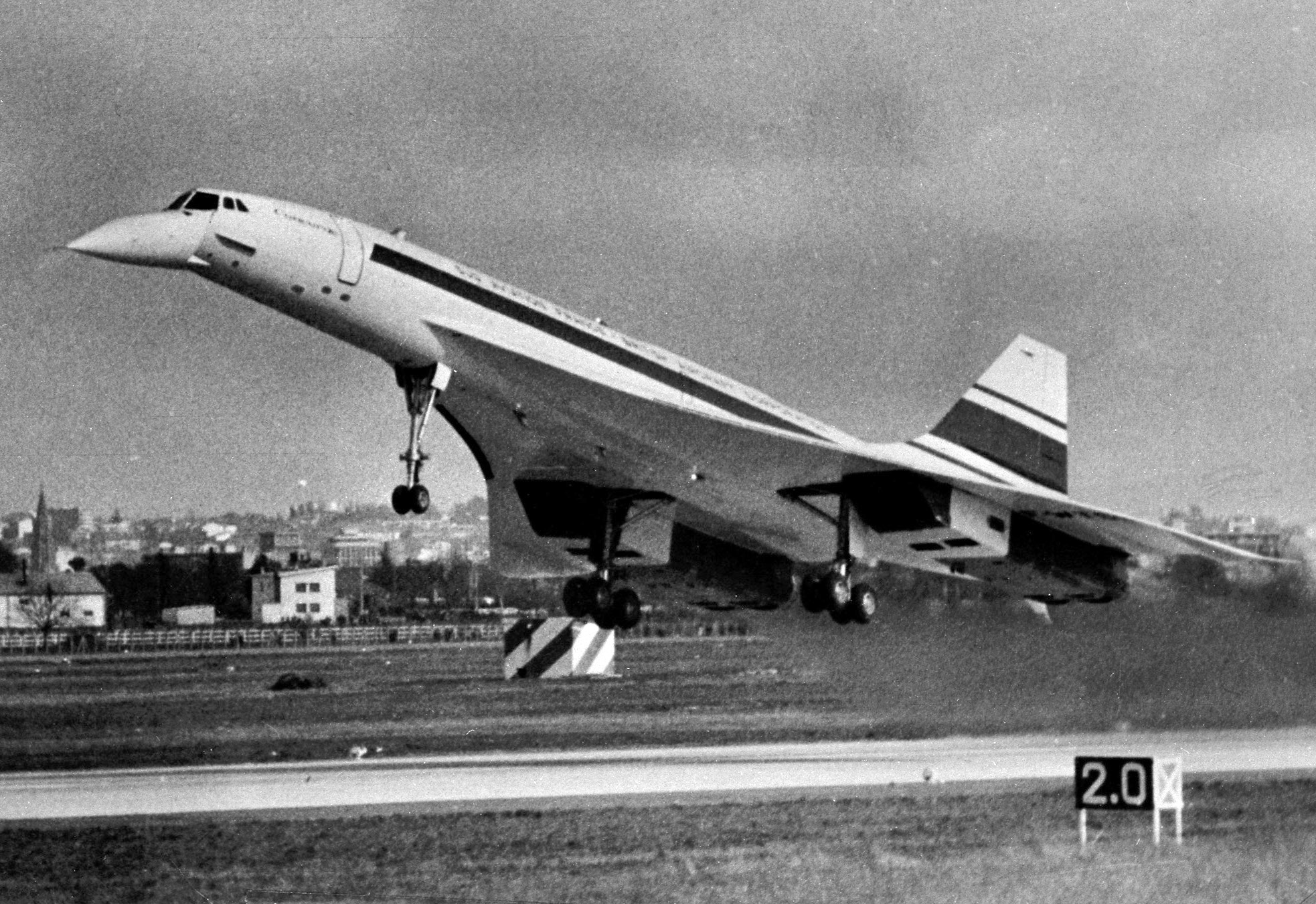
The signature Concorde experience was the transatlantic crossing, and it produced one of the great quirks of modern travel. A conventional jet takes roughly seven to eight hours to fly between New York and London. Concorde did it in about three and a half hours, and at its absolute fastest set a record of just under two hours and 53 minutes for the New York to London run.
Because the flight was so fast and crossed multiple time zones, westbound passengers experienced something truly surreal: they could leave London and arrive in New York at an earlier local time than they had departed. You could have breakfast in London, board Concorde, and land in New York in time for breakfast again — effectively arriving before you left. Passengers described “racing the sun” or even beating it. No other commercial aircraft has ever offered that experience, of outrunning the clock across an ocean, and for the executives, celebrities, and jet-setters who could afford it, that time compression was the entire point.
The onboard experience matched the exclusivity. Concorde was a symbol of luxury as much as speed, with champagne, fine dining, and a cabin full of the wealthy and famous. It was cramped by the standards of a modern first-class cabin — the fuselage was narrow, the windows tiny — but nobody flew Concorde for legroom. They flew it to be somewhere else, impossibly soon.
Why We Stopped
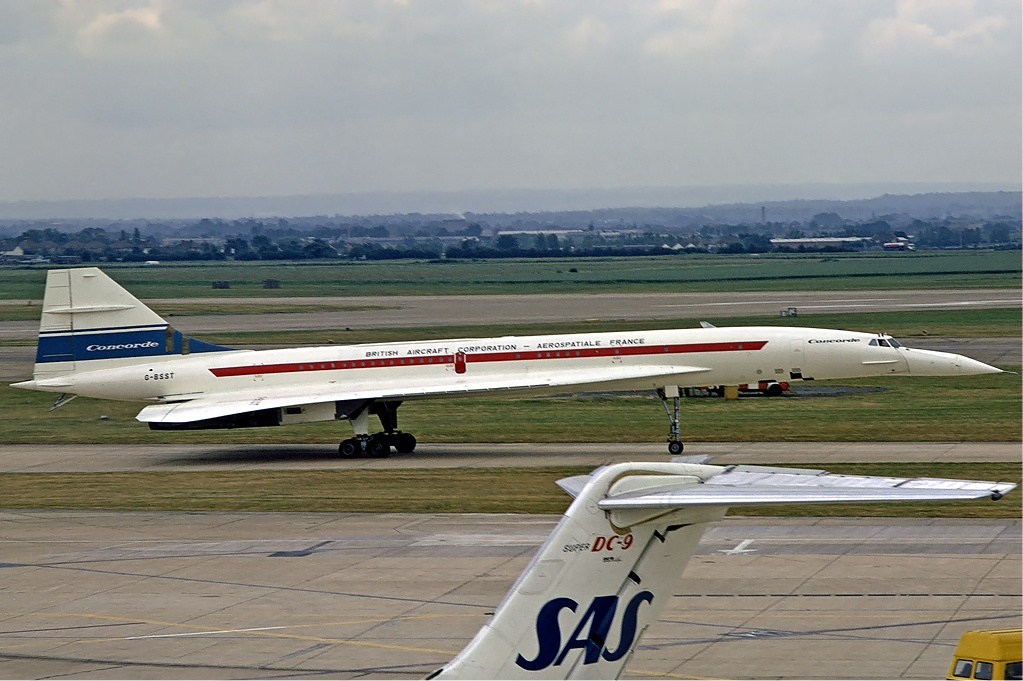
If Concorde was so extraordinary, why did it vanish? The answer is a combination of economics, physics, and circumstance, and it’s the crux of the whole story. Concorde was, from almost the beginning, a commercial problem wrapped in an engineering triumph.
The core issue was cost. Concorde was phenomenally expensive to operate — it burned enormous quantities of fuel to sustain supersonic flight, its maintenance was costly and specialized, and it carried relatively few passengers, around 100, over which to spread those costs. That translated into ticket prices that were prohibitively high, running into many thousands of dollars for a round-trip transatlantic fare, which limited its market to the wealthy and meant flights often ran well below capacity. The economics never really worked, and the aircraft was arguably never a real commercial success in the way ordinary airliners are.
Then there was the sonic boom. When any aircraft exceeds the speed of sound, it generates a shockwave that reaches the ground as a thunderous boom loud enough to rattle and even break windows. This made supersonic flight over land intolerable, and many countries restricted or outright banned Concorde from flying supersonically over their territory. That confined its speed advantage almost entirely to over-water routes, which drastically limited where it could profitably fly — in practice, mainly the transatlantic runs to New York.
The Beginning of the End
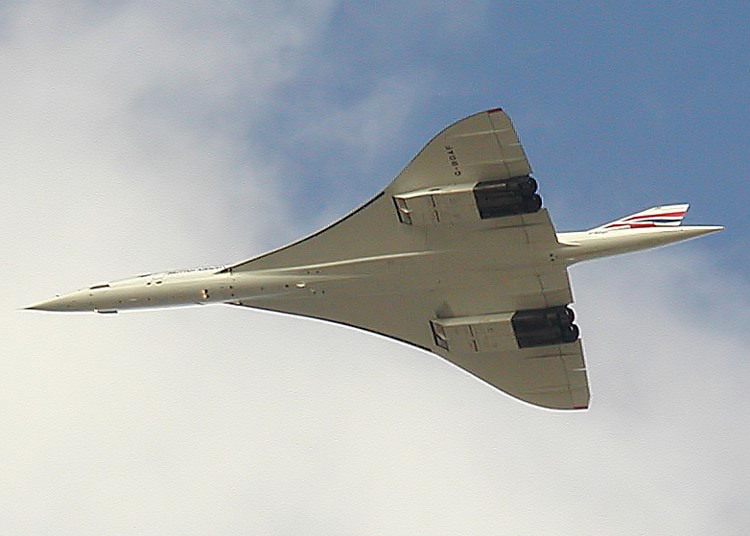
Two events in the early 2000s pushed an already struggling operation past the point of viability. In July 2000, an Air France Concorde crashed shortly after takeoff from Paris, after debris on the runway caused a catastrophic failure. All 109 people on board and several on the ground were killed. It was Concorde’s only fatal crash in its history, but it shattered the aircraft’s perfect safety record and shook confidence in the fleet, which was temporarily grounded.
The timing of the recovery was cruel. Concorde returned to service in 2001, only for the September 11 attacks that year and the subsequent downturn in air travel — especially in the premium transatlantic market Concorde depended on — to deal the operation another heavy blow. Passenger numbers fell, the costs kept mounting, and the aircraft was aging, with spare parts increasingly difficult and expensive to source. In 2003, both British Airways and Air France announced they would retire their fleets. Concorde made its final commercial flights that year, ending with emotional farewell tours watched by tens of thousands. Over its lifetime, more than two and a half million passengers had flown supersonically.
The Silence That Followed
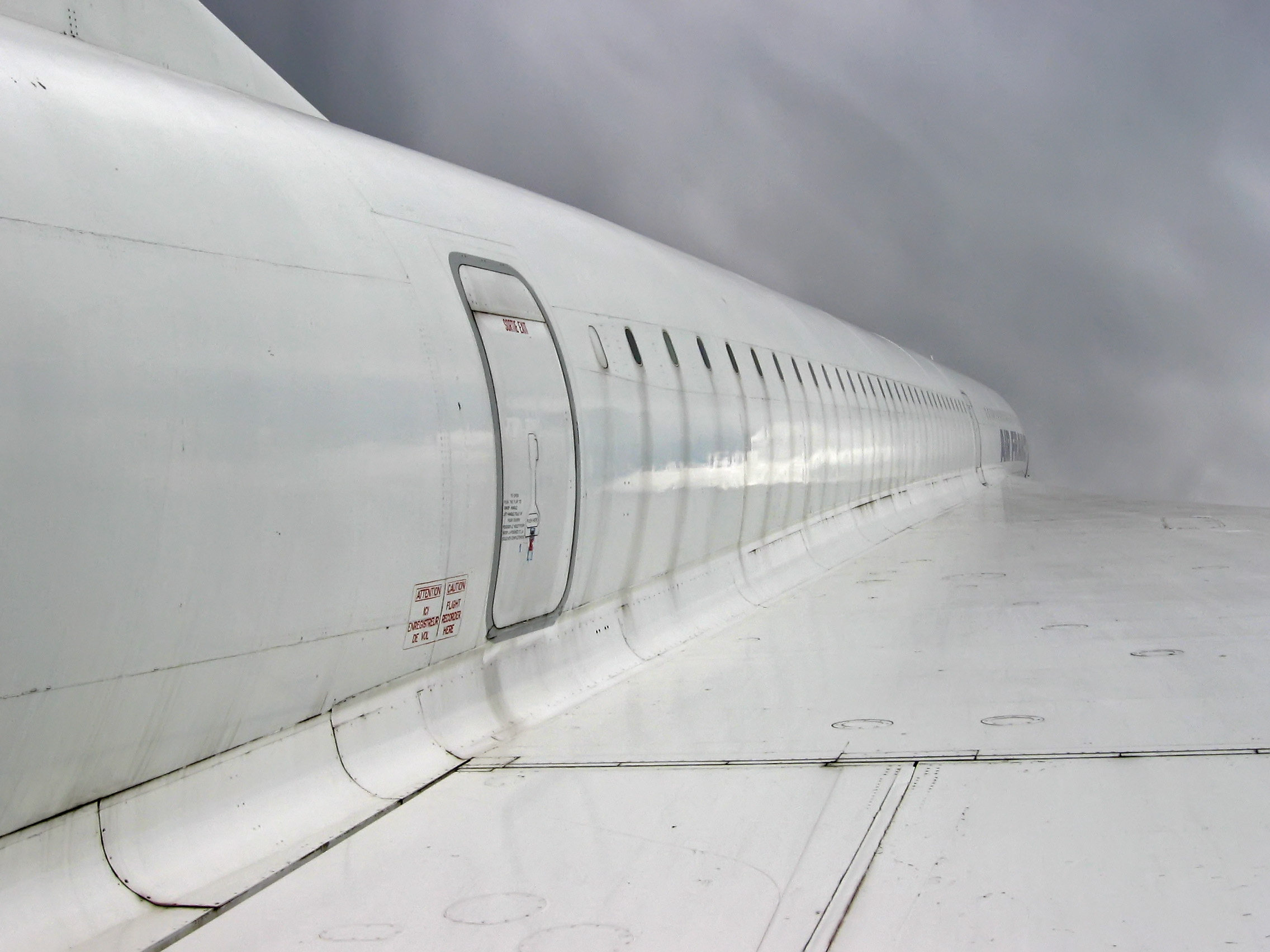
The most remarkable part of the Concorde story is what happened after: nothing. More than two decades later, no airline flies passengers supersonically. The needle-nosed jets went to museums around the world, where they remain popular attractions, and commercial aviation settled back into subsonic cruising speeds that have not meaningfully changed since. In one specific and unusual sense, air travel went backward — the fastest way to cross the Atlantic as a paying passenger stopped existing in 2003 and has not returned.
This is honestly unusual in the history of technology, where capability tends to advance or at least hold steady. Concorde represents one of the rare cases where humanity developed a remarkable ability, operated it for decades, and then let it lapse because the economics and practicalities didn’t add up. The plane worked beautifully; it just never made sense as a business, and once the will to subsidize the romance of it ran out, supersonic passenger travel simply ended.
There is movement to bring it back. Several aerospace companies and startups are now developing new supersonic passenger aircraft, aiming to solve the problems that doomed Concorde — designing quieter jets that might reduce or reshape the sonic boom, and pursuing better fuel efficiency to make the economics work. Space agencies are researching technologies to soften the boom enough to permit supersonic flight over land. Whether any of these efforts will restore commercial supersonic travel, and when, remains uncertain. But the very fact that engineers are trying to reinvent something we already had and gave up is a fitting coda to the whole saga.
The Plane That Outran the Clock
Concorde endures in memory as something more than an aircraft — it was a statement about ambition, a physical embodiment of the belief that the future would be faster, sleeker, and more extraordinary than the present. For a generation, it delivered exactly that, carrying people across an ocean at the edge of space, faster than the sound of their own departure, landing before they’d left. Then it became a museum piece, and the future it promised steadily failed to arrive.
There’s a poignancy to standing beneath a retired Concorde today, looking at that impossible needle nose and knowing that this machine, built with slide rules and 1960s technology, did something no aircraft available to travelers can do now. It’s a reminder that progress is not guaranteed to move in one direction, that we are entirely capable of building something wonderful and then walking away from it. For 27 years, you could beat the sun across the Atlantic. Then you couldn’t, and more than twenty years later, you still can’t — which is either a failure of nerve or a triumph of arithmetic, depending on how much you value the romance of going impossibly fast.
Like our content? Follow us for more.