In the hills of Derbyshire, in the English Peak District, sits a village of honey-colored stone cottages, dry stone walls, and quiet lanes that looks, at first glance, like any other picturesque corner of rural England. Its name is Eyam, and it carries one of the most extraordinary and heartbreaking stories in British history — a story of a community that, faced with a death sentence, chose to accept it rather than pass it on.
In 1665, as the Great Plague ravaged London, the disease reached this remote village more than a hundred miles away. And when it did, the people of Eyam made a decision almost without parallel: rather than flee and carry the plague into the towns and cities of the north, they voluntarily quarantined themselves, sealing the village off completely and remaining inside to face the epidemic together. It was a collective act of self-sacrifice that cost the lives of a large share of the population and, by most accounts, saved untold thousands of others. The village survives today as a moving memorial to what its people did, and it has taken on renewed resonance in an age that has relearned what quarantine means.
The Cloth From London
The plague came to Eyam by accident, in a parcel. In the late summer of 1665, a bundle of cloth was delivered from London — where the plague was then killing tens of thousands — to the village tailor. The cloth, according to the account that has come down through history, was damp, and it was hung out to dry. What no one understood at the time was that the fabric harbored plague-carrying fleas.
The tailor’s assistant, a man generally named in the histories as George Viccars, who handled the cloth, fell ill and died within days — the first victim in Eyam. From there the disease spread through the village as the weeks passed, claiming more lives that autumn before the winter cold slowed it. People in 1665 had no understanding of how the plague actually spread — the role of fleas and rats was unknown — and to the villagers the sickness must have seemed like an inexplicable and unstoppable horror moving from house to house. As spring returned in 1666 and the weather warmed, the deaths began to climb again, and it became clear that the outbreak was far from over.
Like our content? Follow us for more.
The Decision
As the scale of the threat became apparent, the villagers faced the natural human impulse: to run. Fleeing was what people did when the plague came, and some Eyam residents did leave, including, by various accounts, some of the wealthier families. But for the community as a whole, a different and almost unimaginable choice was put before them.
The village’s rector, William Mompesson, together with his predecessor Thomas Stanley — a nonconformist minister who still held influence in the village — took the lead in persuading the villagers to do something remarkable: to quarantine themselves entirely, sealing the village off from the outside world so that the plague could not spread to the surrounding towns and villages of the north of England. The two clergymen, despite religious differences, worked together to convince their neighbors that this was their duty, whatever the cost. The villagers agreed. In doing so, they knowingly accepted that many, perhaps most, of them would die — that by staying inside the boundary, they were very possibly signing their own death warrants to protect people they would never meet.
Fourteen Months Inside the Boundary
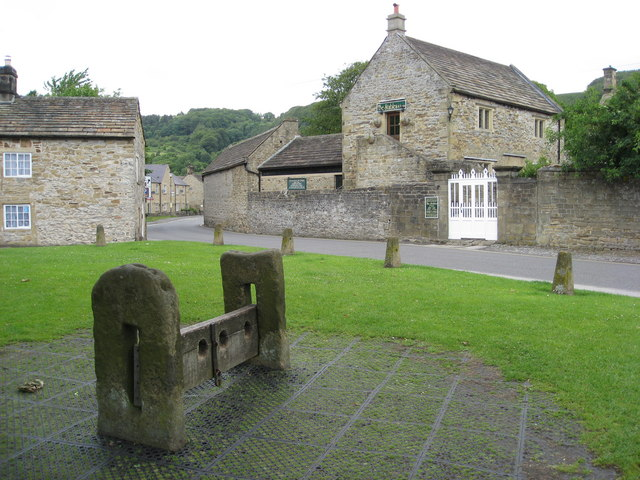
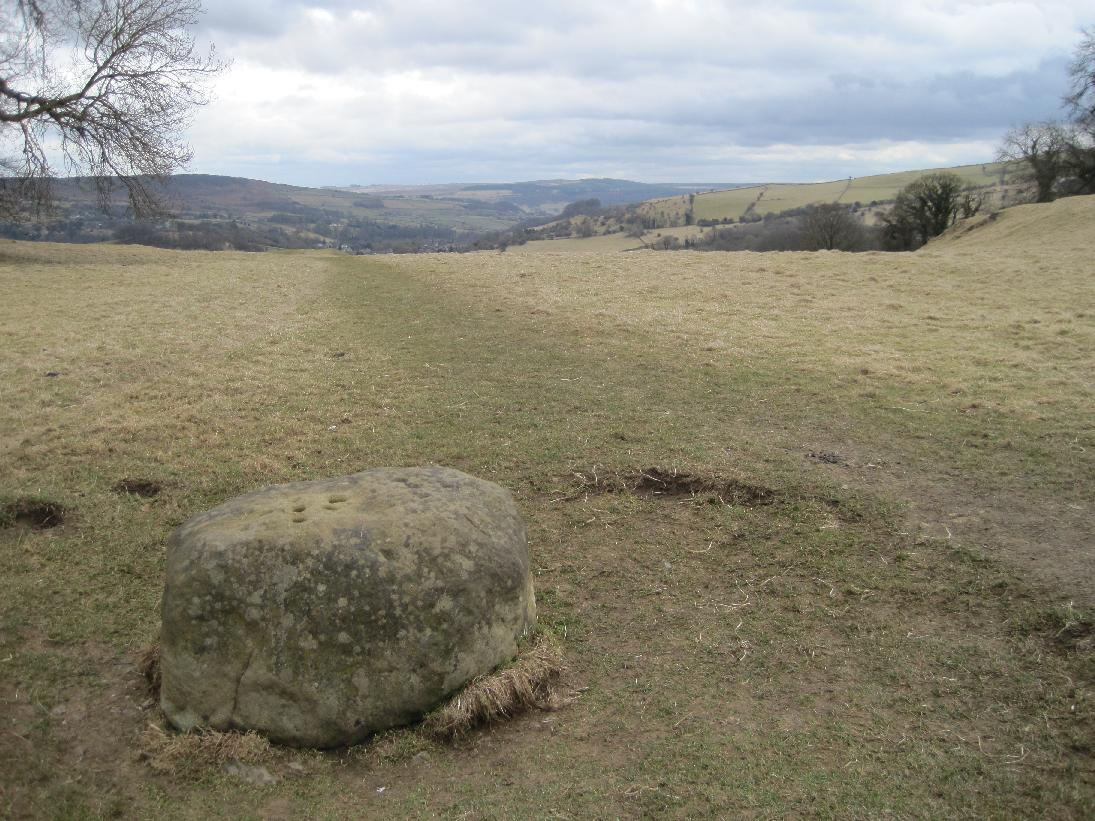
The quarantine that followed lasted roughly 14 months, and the villagers organized it with a discipline that still astonishes. They established boundary stones and markers around the village, past which no one would cross in either direction. To prevent contamination, families were required to bury their own dead, often in their gardens or fields rather than the churchyard, and the traditional communal funeral — a major vector for spreading the disease — was abandoned.
The outside world did not entirely abandon them. People from neighboring communities and the local nobleman arranged to leave food and supplies at the boundary stones and a nearby well, so the village would not starve. Payment was left in return, with coins placed in holes drilled into a boundary stone and filled with vinegar, or dropped into the water of the well, in the belief that this would disinfect them. In this way, a lifeline reached the village without anyone crossing the line. Church services were moved outdoors, held in the open air of a natural amphitheater nearby, so that families could remain spread apart rather than gathering in the enclosed church — an intuitive grasp of distancing centuries before anyone understood the science.
Inside the boundary, the toll was devastating. The plague tore through families, sometimes wiping out entire households. The most famous individual story is that of Elizabeth Hancock, who buried her husband and six of her children within the space of about eight days, digging the graves and dragging the bodies herself because the quarantine rules meant no one could help her. She survived; nearly her whole family did not. Markers beside cottages throughout the village today record where families died, name by name. The rector Mompesson, who had led the effort, lost his own wife, Catherine, to the plague during the outbreak.
The Cost, and What It Bought
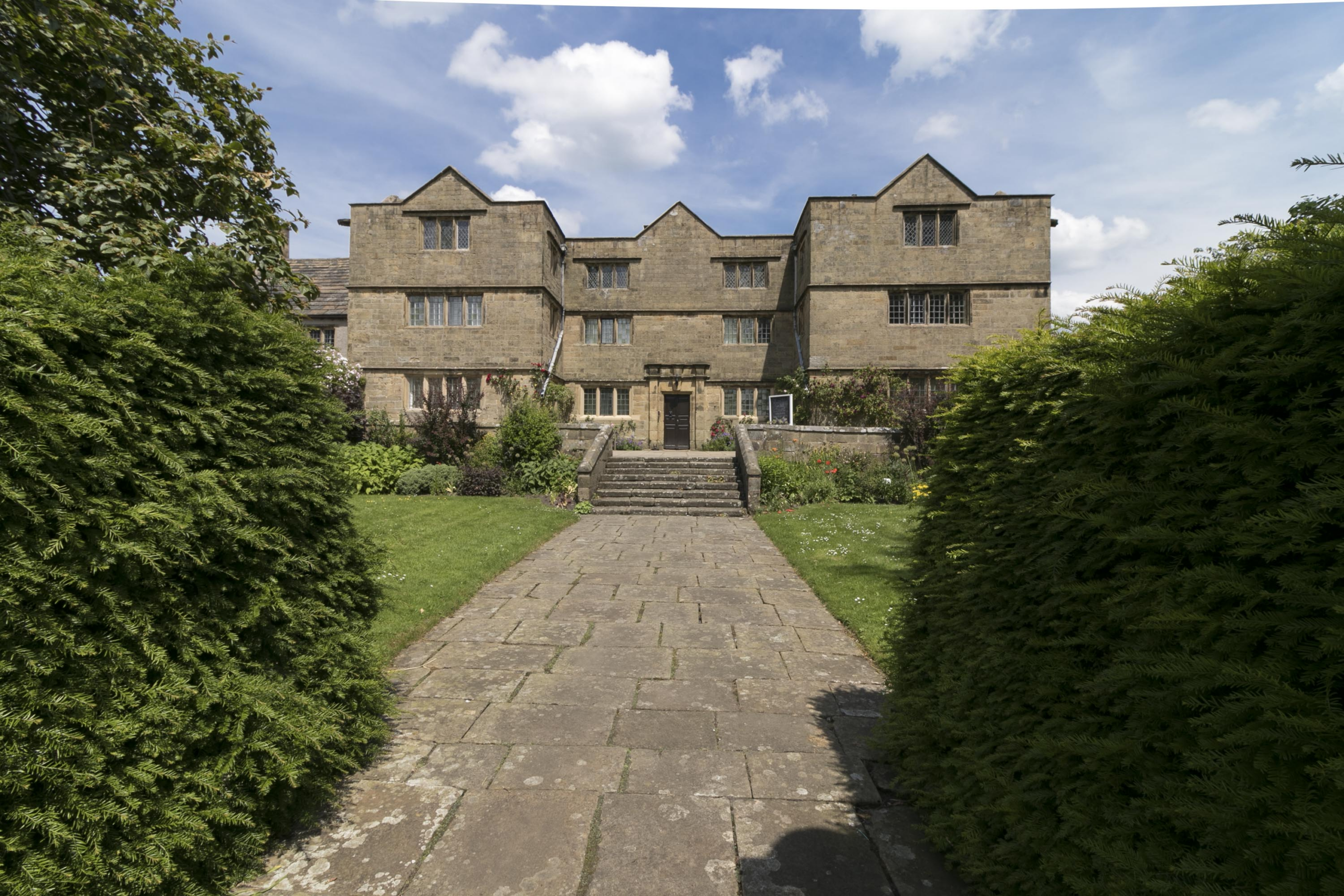
By the time the plague finally burned itself out in the autumn of 1666, the human cost had been enormous. The precise figures are debated by historians, but the commonly cited toll is around 260 deaths — with estimates clustering in the 257 to 260 range — out of a village population that is variously estimated at somewhere between roughly 350 and 700 people. Whichever population figure is correct, the death rate was catastrophic: by many accounts, well over a third and possibly more than half of the villagers died. Whole families were erased. The community was gutted.
But the sacrifice appears to have achieved exactly what it was intended to. The plague did not spread from Eyam to the surrounding region. The towns and cities of the north — places like Sheffield and the wider area — were spared the outbreak that Eyam had contained within its own boundaries. Modern analysis of the outbreak has examined how the disease behaved and confirmed the human tragedy of it, and the enduring judgment is that the villagers’ extraordinary decision to isolate themselves prevented a far wider catastrophe. They died, in effect, so that others would not, and it worked.
Why the Story Endures
Eyam has always held a place in British memory as a rare example of collective heroism, but its resonance grew sharply in recent years, when the world experienced its own encounter with quarantine, isolation, and the agonizing tension between individual survival and collective responsibility. The village’s story suddenly felt less like distant history and more like a mirror. The people of Eyam, with no scientific understanding of disease, intuited the core principle of containment — cut off contact, keep your distance, don’t let it spread — and had the almost superhuman resolve to actually do it, at the cost of their own lives.
There is something profoundly moving about the specifics: the boundary stones, the coins in vinegar, the outdoor services, the mother burying her children alone, the two clergymen setting aside their differences to lead a community into a shared sacrifice. It is a story with no villains, only ordinary people making an extraordinary choice under unimaginable pressure. That the village still stands, largely unchanged, makes it all the more powerful — this is not an abstraction, but a real place where real families really did this.
Visiting Eyam
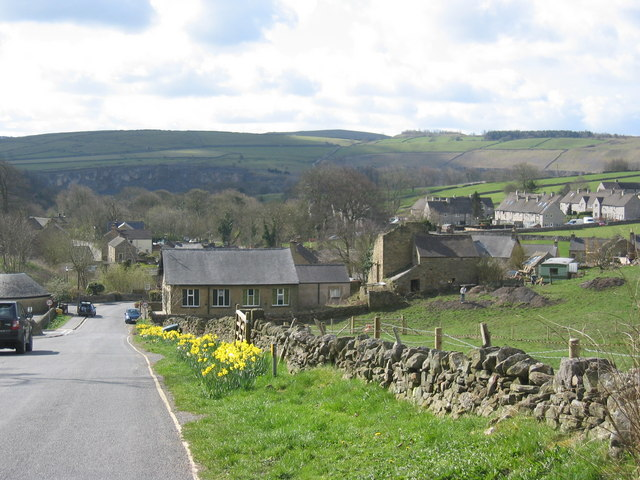
For travelers, Eyam is a truly worthwhile and affecting destination, set in the beautiful landscape of the Peak District National Park. The village has embraced its history thoughtfully rather than luridly. The Eyam Museum tells the full story of the plague and the quarantine, with exhibits on the villagers, the disease, and the sacrifice. Throughout the village, historic markers and plaques on the old cottages identify where plague victims lived and died, turning a simple walk through the streets into a moving act of remembrance.
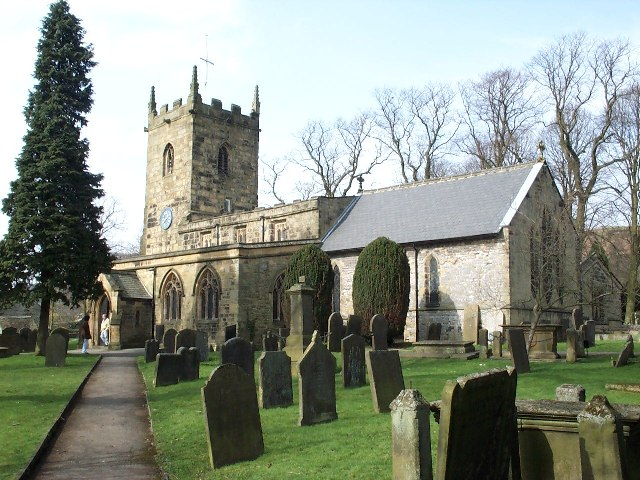
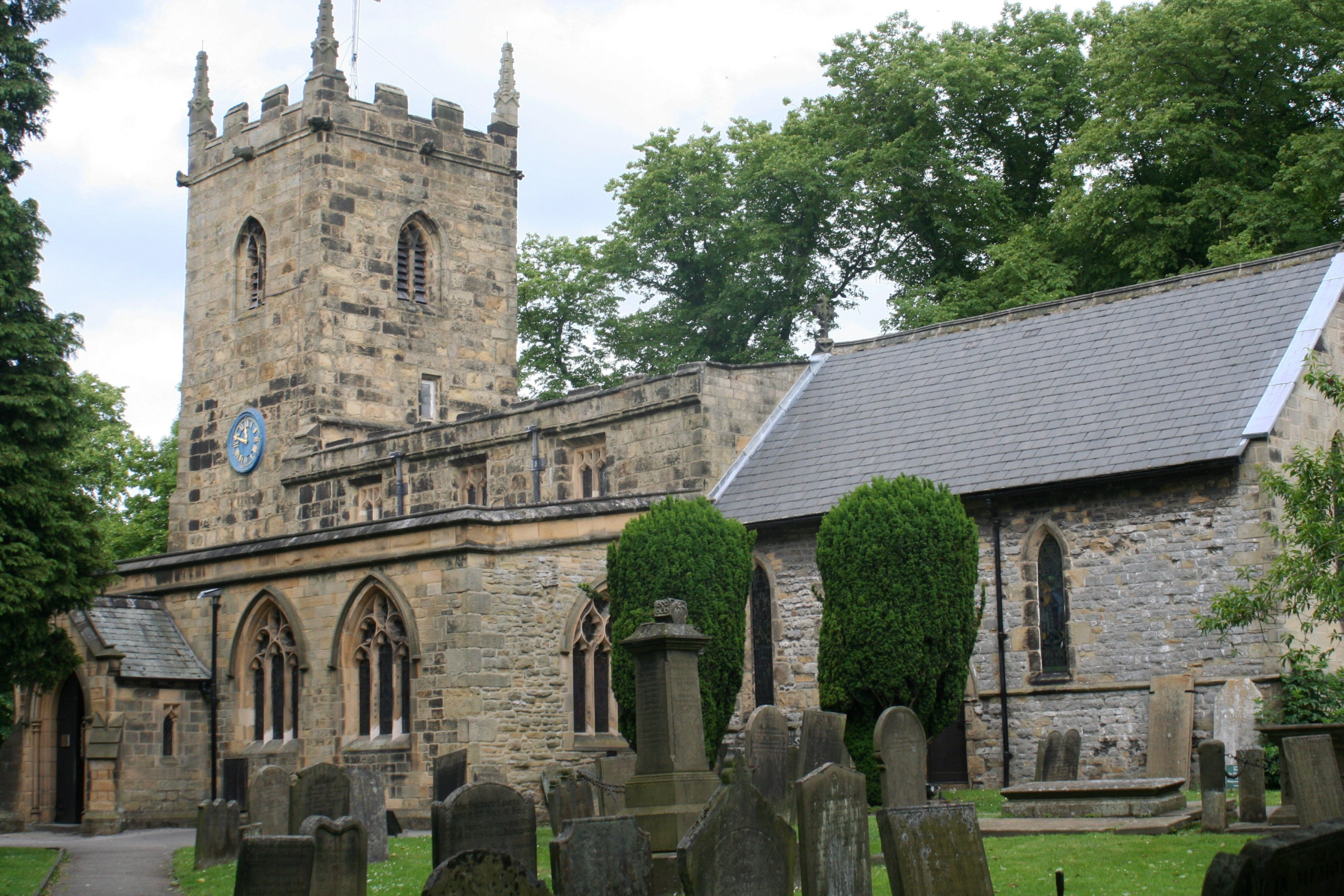
Visitors can see the parish church, which contains a record of the dead and a window depicting the plague story, and Mompesson’s wife’s grave. The boundary stones still stand on the outskirts, their coin-holes visible, and the site of the outdoor church services can be visited nearby. The surrounding Peak District offers superb walking, other historic villages, and dramatic scenery, so Eyam can be part of a broader trip through one of England’s loveliest regions. But the village itself, small and quiet and still, is the reason to come — a place where you can stand in a pretty English lane and contemplate one of the most selfless things a community has ever done.
The Village That Chose
The story of Eyam endures because it poses a question most of us hope never to have to answer: if staying meant you would probably die, but leaving meant others would, what would you do? In 1665, an entire village answered that question with their lives. They stayed. They sealed the boundary, buried their own dead, held their nerve for 14 months, and watched the plague take their families one after another, and in doing so they contained it.
It would be easy to romanticize, but the reality was surely terror, grief, and doubt as much as courage — these were frightened people doing an almost impossible thing, not saints. That may be exactly why it resonates. Ordinary human beings, with everything to lose and no real understanding of the enemy they faced, chose collective sacrifice over individual escape, and it worked. More than 350 years later, the honey-colored cottages still stand, the names of the dead are still marked on the walls, and the village that chose to die so others could live remains one of the most steadily powerful places in England.
Like our content? Follow us for more.