Think of how much has changed in the world since the year 578. The Roman Empire had fallen in the West about a century earlier. The Prophet Muhammad was a small child. Charlemagne would not be born for nearly two centuries. The Viking Age had not yet begun. The Maya were at their height, England was a patchwork of Anglo-Saxon kingdoms, and virtually every nation, company, religion, and institution that exists today was either nonexistent or unrecognizably different. And in that year, in Japan, a business was founded that would still be operating almost 1,400 years later.
That company was Kongō Gumi, a construction firm specializing in Buddhist temples, and it holds one of the most staggering records in the world: it was, for nearly a millennium and a half, the oldest continuously operating company on Earth. It survived a span of history so vast that it beggars comprehension — outlasting empires, dynasties, and revolutions, passing from one generation of the same family to the next, some 40 times over. Its story is a remarkable meditation on longevity, tradition, adaptation, and what it actually takes to endure. And its eventual fate carries a lesson of its own.
Born to Build a Temple
Kongō Gumi’s origin lies in a pivotal moment in Japanese history: the arrival of Buddhism. In the sixth century, Buddhism was spreading into Japan, but the country was predominantly Shinto and lacked craftsmen skilled in building the elaborate wooden temples the new religion required. So when Prince Shōtoku, a towering figure in early Japanese history and a great patron of Buddhism, wanted to build one of Japan’s first major Buddhist temples, he had to look abroad for expertise.
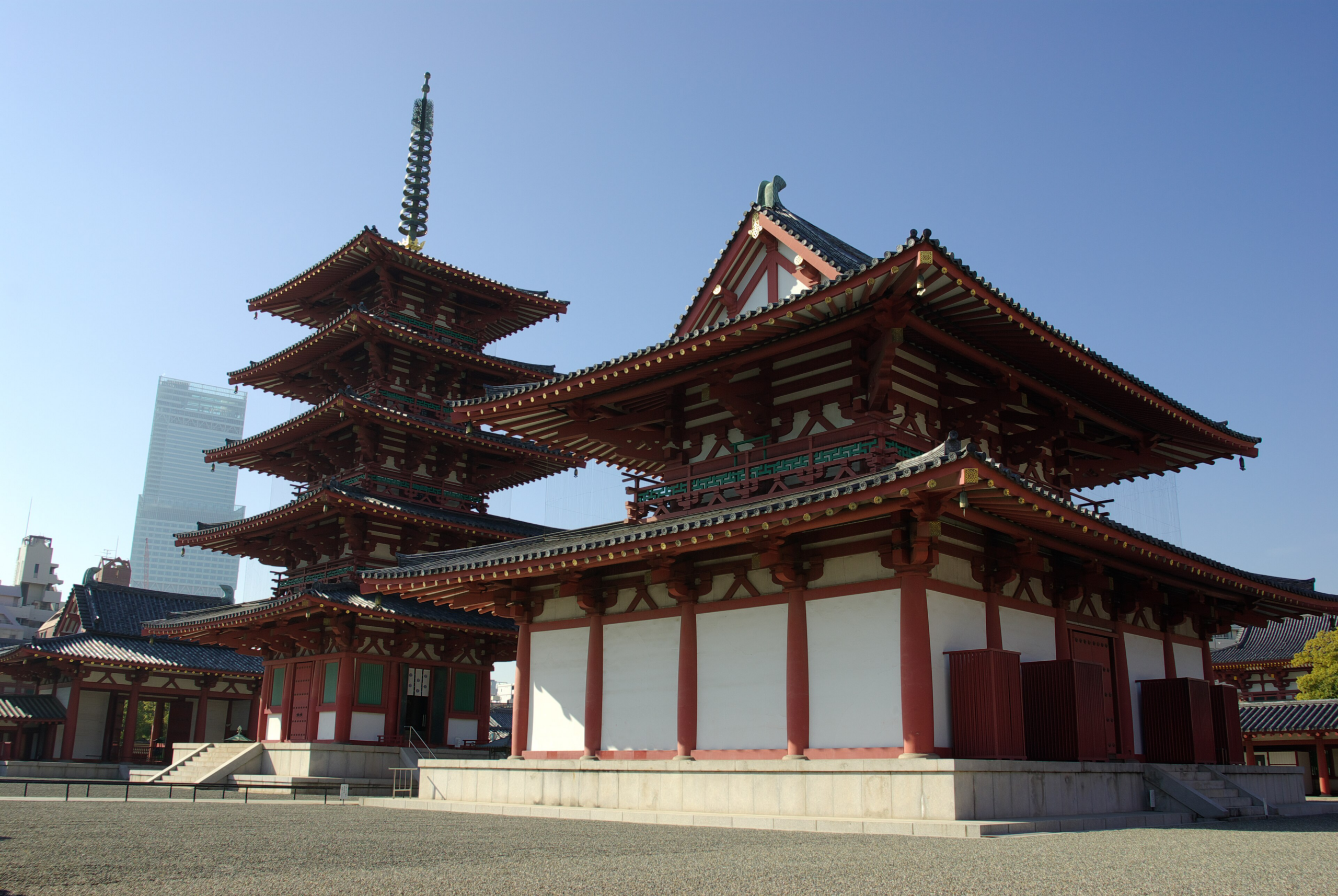
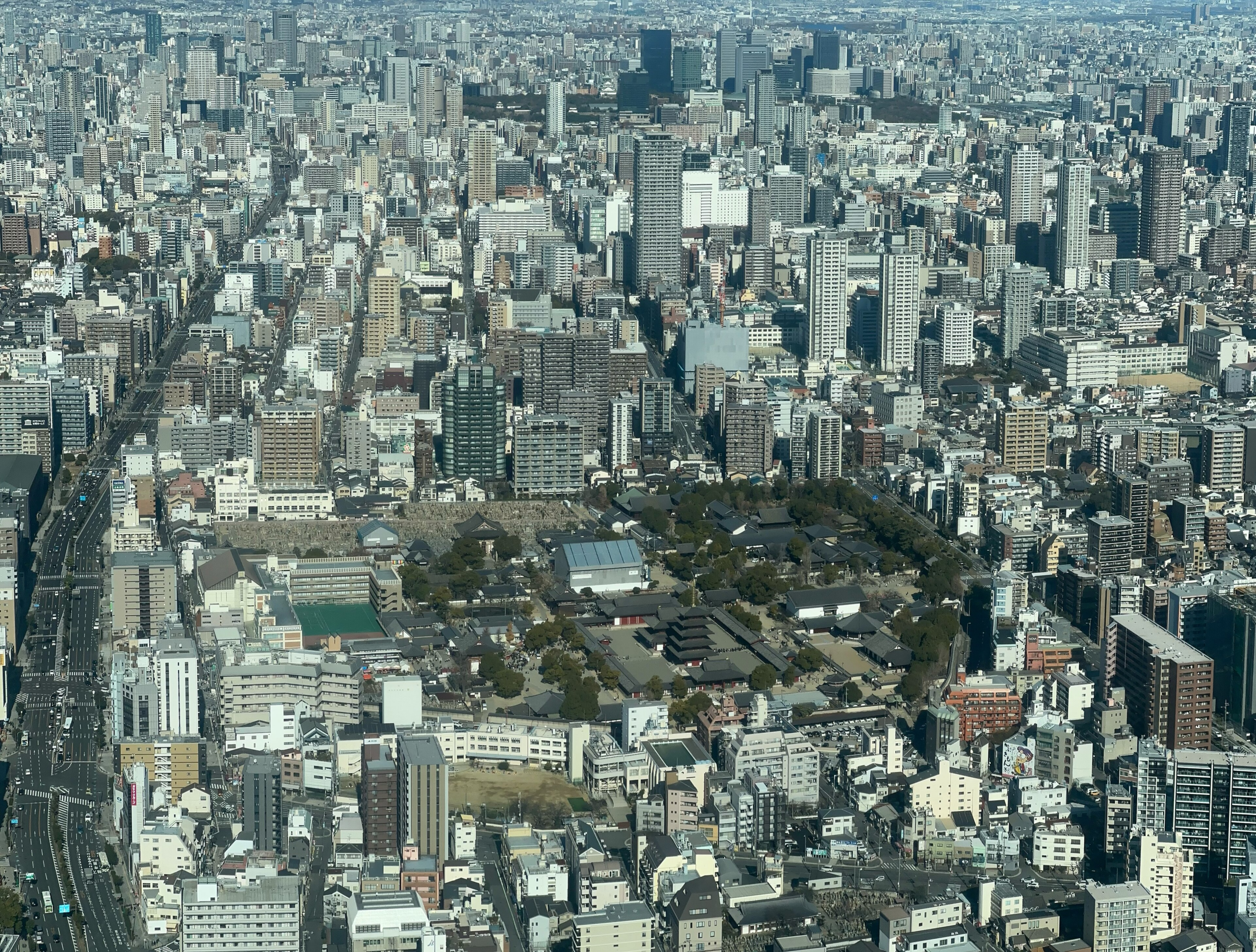
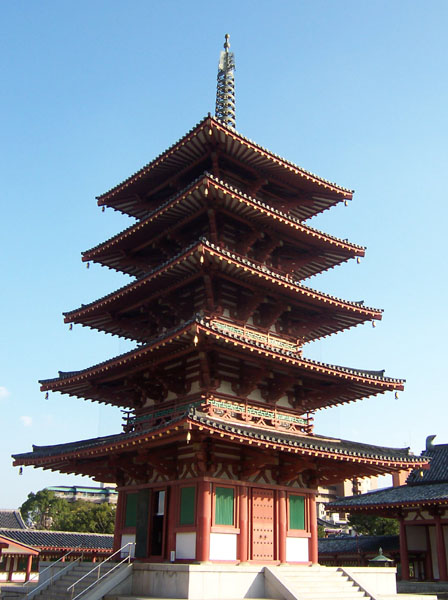
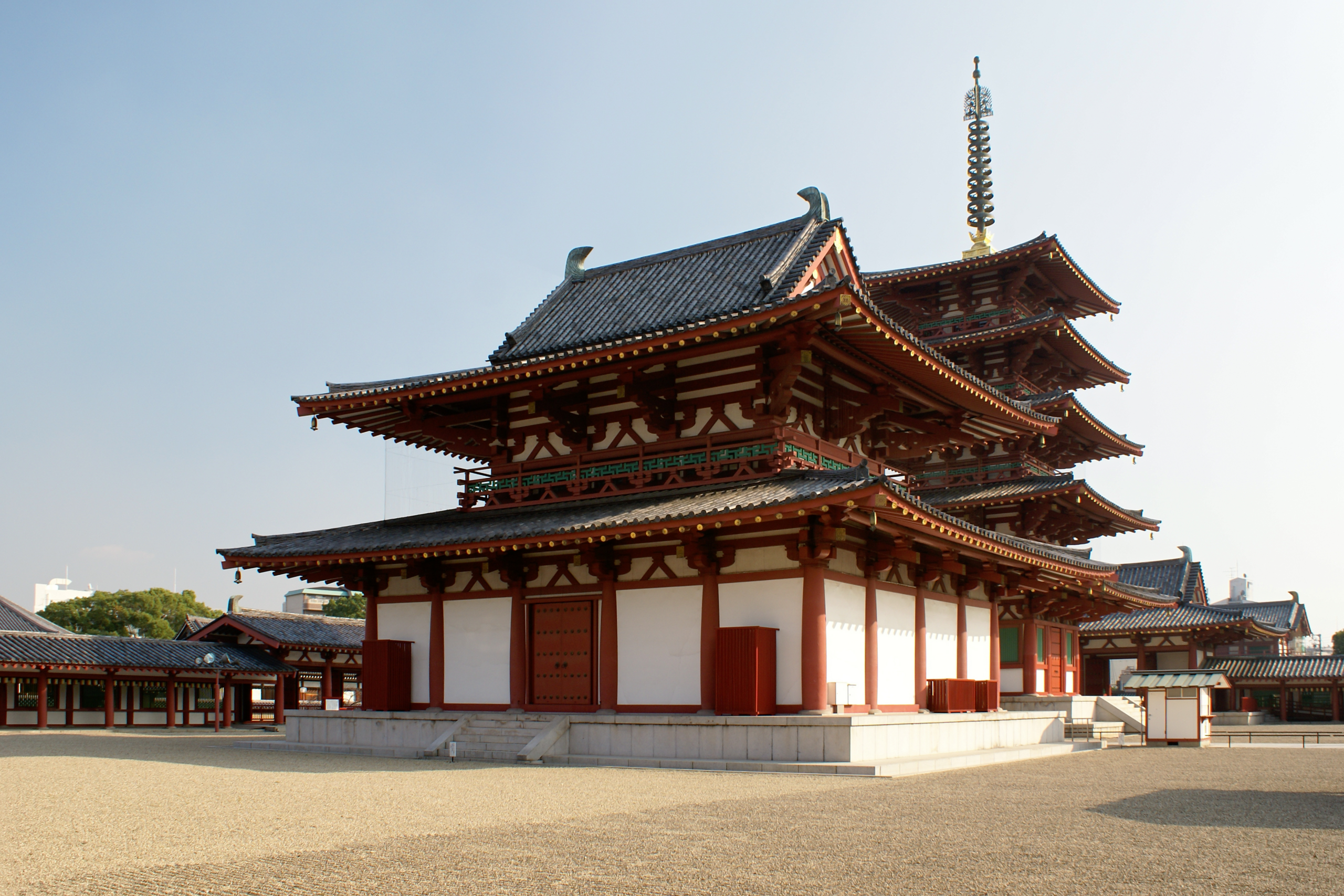
He sent for skilled temple builders from the Korean kingdom of Baekje, a Buddhist state with the necessary craftsmanship. Among the artisans who came was a man named Shigemitsu Kongō, and in 578 AD, he founded the firm that would bear the family name to build the great temple of Shitennō-ji in what is now Osaka — a temple that still stands and is regarded as one of Japan’s oldest. That founding act set the company on its path. There would be a more or less endless demand for the construction, repair, and maintenance of Buddhist temples in Japan, and Kongō Gumi positioned itself as the master of that specialized, sacred craft. It was, in modern terms, a brilliant business niche: essential, specialized, prestigious, and effectively permanent.
Like our content? Follow us for more.
Fourteen Centuries of Survival
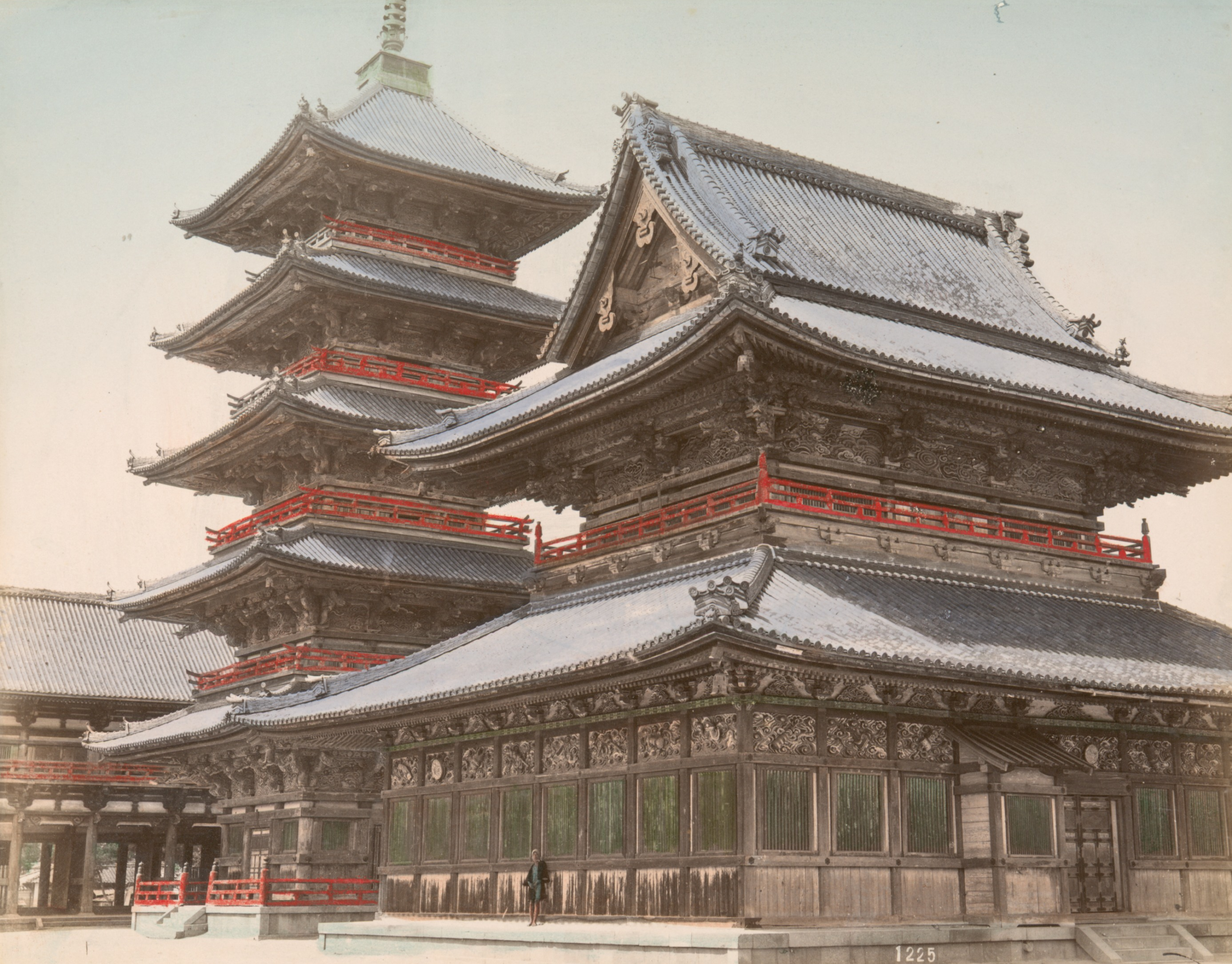
What followed is almost impossible to summarize, because it spans nearly the entire recorded history of Japan. For roughly 1,400 years, Kongō Gumi kept building and maintaining temples, shrines, and other structures, passing the leadership and the craft down through the Kongō family across an astonishing number of generations — by most accounts around 40. The company worked on major landmarks over the centuries, including celebrated temples and, at one point, the great Osaka Castle.
Consider what the firm lived through. It survived the rise and fall of samurai clans and the centuries of warfare between them. It endured the unification of Japan, the long isolation of the shogunate era, and the dramatic opening and rapid modernization of the country in the nineteenth century. It weathered countless earthquakes, fires, and natural disasters — the perpetual hazards of building in Japan. It came through the upheavals of the twentieth century, including the Second World War. Through all of it, the company held to its core expertise: the traditional, highly skilled art of Japanese temple carpentry, techniques passed down largely intact across the generations. Very few human institutions of any kind — not companies, not most governments, not many buildings — have persisted continuously for so long. Kongō Gumi is often held up as the ultimate example of a certain Japanese ideal: the prizing of mastery, craft, and long-term continuity over short-term profit.
The Secrets of Endurance
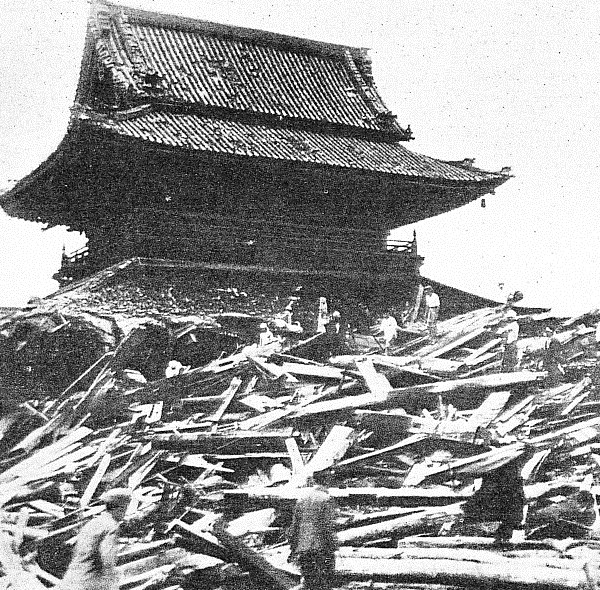
How does any organization survive for fourteen centuries? Kongō Gumi’s longevity offers some fascinating lessons, and they’re not all what you might expect. Part of the answer is the niche: temple-building was a stable, specialized, and continuously needed craft in a country with a deep and enduring religious architectural tradition, insulating the company from many of the market forces that kill ordinary businesses.
But another part is flexibility, and this is the counterintuitive lesson. A company doesn’t survive 1,400 years by never changing. Kongō Gumi adapted repeatedly when it had to. Famously, during the Second World War, when demand for new temple construction collapsed, the company kept itself alive by pivoting to make coffins, applying its woodworking mastery to whatever the times required. The family succession itself was reportedly flexible in a very un-traditional way: leadership sometimes passed not strictly to the eldest son but to the most capable heir, and at least once, breaking with over a millennium of male leadership, a woman took the helm during a crisis. Sons-in-law were adopted into the family to continue the line and the business when needed. In other words, Kongō Gumi endured not through rigid tradition alone but through a blend of unwavering craft and pragmatic adaptability — holding fast to its core skill while bending on everything else. It’s a truly instructive model of how to last.
The End of an Era
Given that it had survived nearly 1,400 years, you might assume Kongō Gumi would go on forever. It didn’t. In 2006, the company’s long run as an independent firm came to an end — brought down not by war or earthquake or plague, but by that most modern of forces: debt and a changing economy.
The trouble had built over the preceding decades. The company had taken on significant debt, in part related to investment during Japan’s economic bubble, and when that bubble burst and the broader economy shifted, Kongō Gumi found itself in serious financial difficulty. Demand for its specialized services had also declined in a more secular, modernizing Japan. Ultimately, after nearly fourteen centuries of independence, the ancient firm could no longer continue on its own, and in 2006 it was absorbed as a subsidiary into a larger construction group. This is a crucial and often-misunderstood point: Kongō Gumi did not simply vanish. It continues to exist and operate to this day as a subsidiary, still building and restoring Buddhist temples with traditional techniques. But its remarkable run as an independent, family-controlled company — the record-holder for continuous independent operation — ended in 2006.
The Meaning of 1,400 Years
There’s something profound in the fact that the world’s oldest company was undone not by any of the catastrophes it had survived for over a millennium, but by ordinary financial trouble in the modern age. It endured samurai and shoguns, earthquakes and world war, only to be caught by a burst economic bubble and a mountain of debt. The lesson isn’t lost on business historians, who study Kongō Gumi as a case in both extraordinary longevity and its eventual limits.
The company also sits within a broader and truly surprising phenomenon: Japan is home to an extraordinary number of extremely old businesses, with thousands of companies that have operated for more than a century and a striking cluster of the very oldest firms in the world, including ancient inns, restaurants, and confectioners still run by the same families after many hundreds of years. There’s even a word associated with these enduring family enterprises and the philosophy behind them, which prizes continuity, reputation, and craft over rapid growth. Kongō Gumi is the crown jewel of that tradition — the ultimate expression of building something meant to last not for a quarter or a fiscal year, but for centuries.
What Kongō Gumi Teaches Us
In an era obsessed with disruption, rapid growth, and the next quarter’s numbers, there is something almost radical about a company that measured its existence in millennia. Kongō Gumi didn’t chase scale or reinvent itself into new industries. It found something essential and difficult to do — building sacred structures beautifully, by hand, in a tradition of deep craft — and then did it, generation after generation, for a length of time that dwarfs the entire history of most nations.
Its story is a reminder that endurance is its own kind of achievement, perhaps a rarer and harder one than explosive success. Anyone can burn brightly for a moment; almost nothing lasts 1,400 years. That Kongō Gumi did, and that it survived by wedding absolute devotion to its craft with a willingness to make coffins when the temples stopped coming, is a lesson that outlives even the company’s independence. The oldest business in the history of the world was, in the end, a family of carpenters who were very good at building temples and very determined to keep doing it, no matter what the centuries threw at them. It’s hard to think of a more steadily impressive thing for human beings to have accomplished.
Like our content? Follow us for more.