Before Jamestown, before Plymouth Rock, before there was any permanent English foothold in what would become the United States, there was Roanoke. In the late 1580s, England made one of its first serious attempts to plant a colony in the New World, on a small island off the coast of present-day North Carolina. That attempt ended not in massacre or starvation or a documented retreat, but in something stranger and more unsettling: the colonists simply disappeared. All of them. Without a trace, save for one cryptic word.
The mystery of the Lost Colony of Roanoke has fascinated and frustrated people for over four centuries. It has all the elements of an enduring puzzle: a vanished community, a desperate father searching for his lost family, a single tantalizing clue, and an ending that has never been definitively written. Historians and archaeologists have spent generations trying to determine what became of the men, women, and children of Roanoke, and while there are compelling theories, there is still no certain answer. Here is the story of how an entire colony vanished into the American wilderness.
England’s First Try at the New World
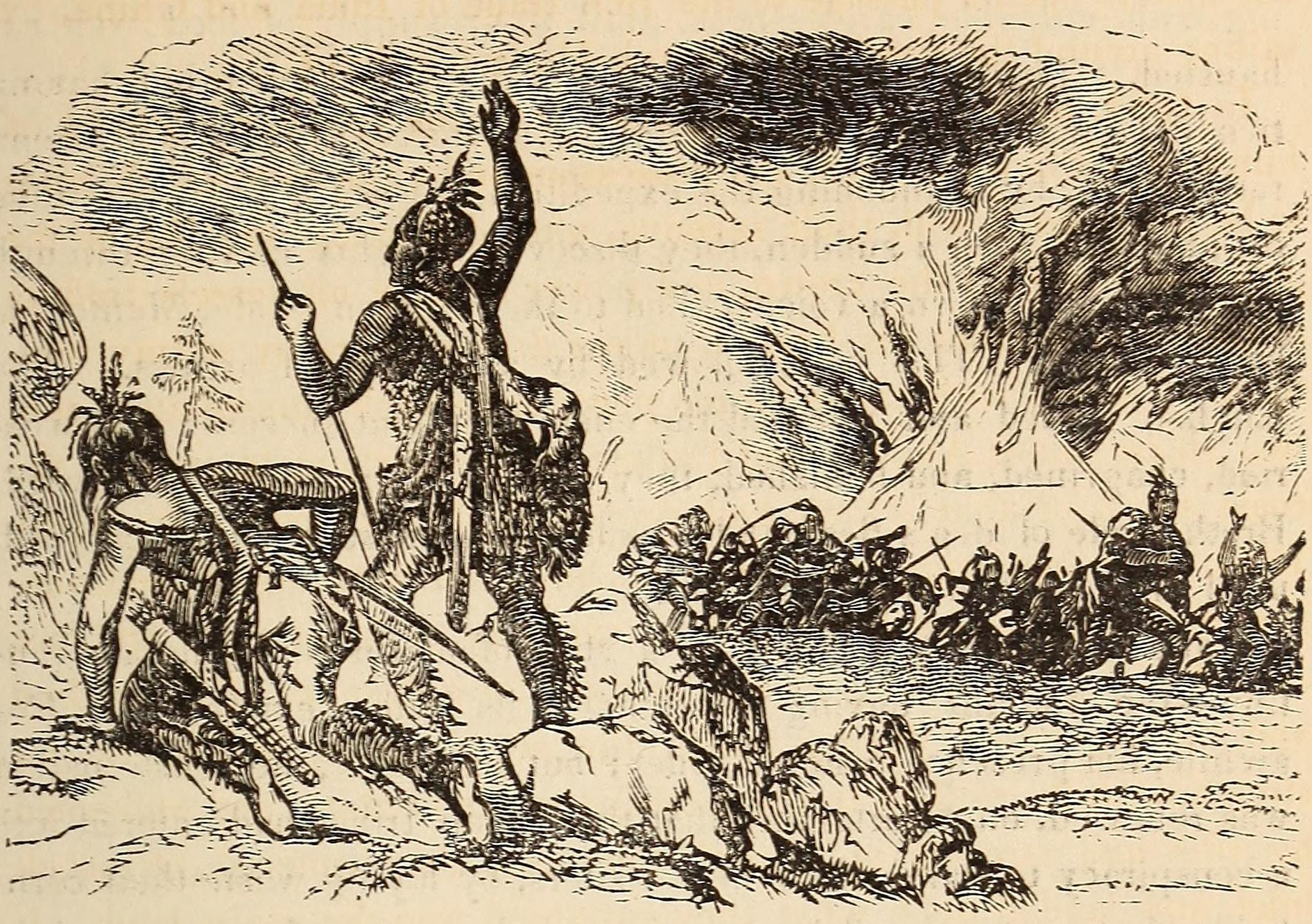
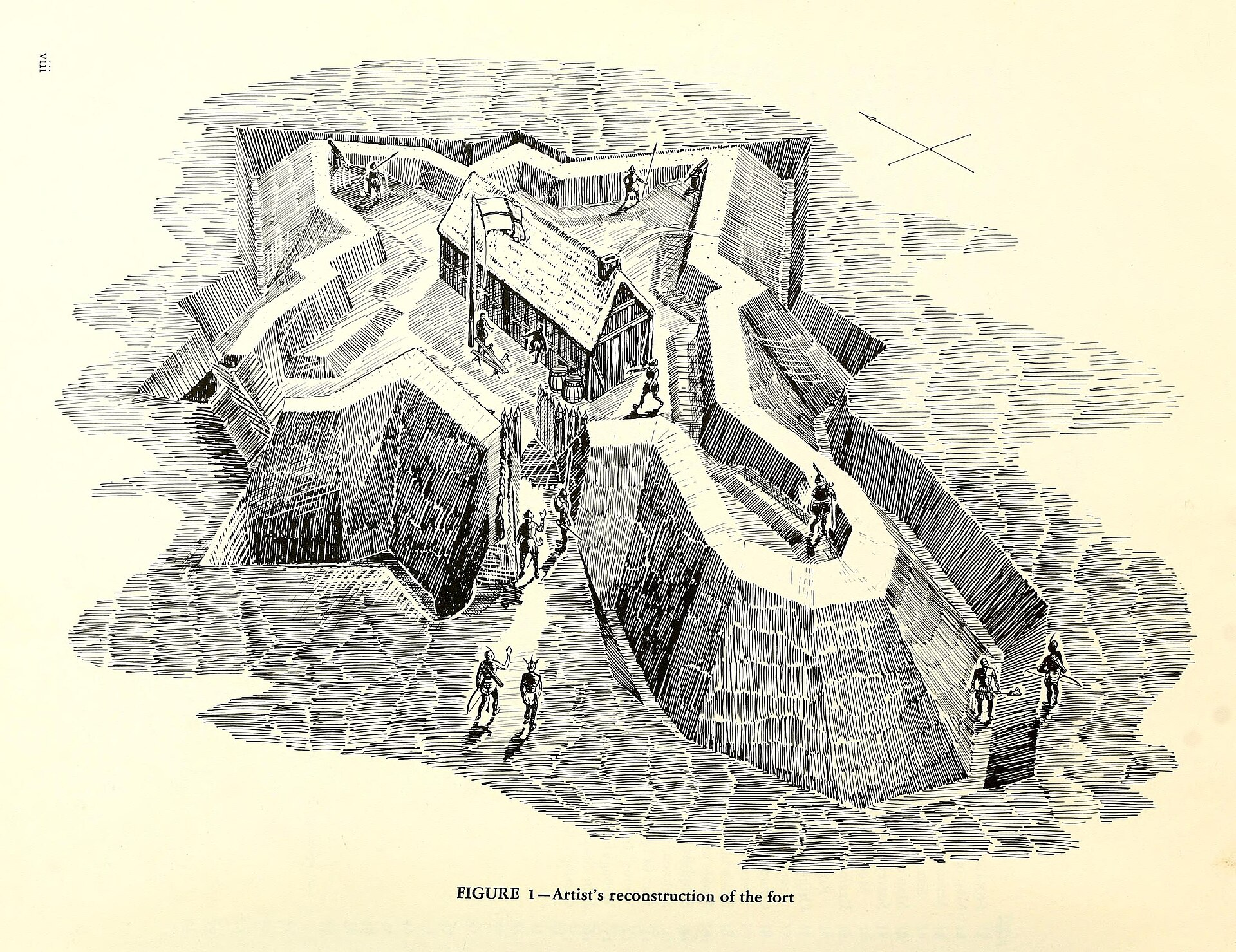
The Roanoke venture was part of England’s late-sixteenth-century push to compete with Spain in the New World, championed by the courtier Sir Walter Raleigh, who held a charter to establish a colony. After earlier expeditions to the area, including an unsuccessful military-style settlement, a new attempt was organized in 1587 — this time as a real civilian colony, including entire families, men, women, and children, who intended to build permanent lives.
More than 100 colonists made the voyage and settled on Roanoke Island, in the sounds behind the Outer Banks of what is now North Carolina. The colony’s governor was John White, an artist and mapmaker who was deeply invested in the venture in the most personal way possible: his daughter Eleanor was among the settlers, and shortly after their arrival she gave birth to a daughter, Virginia Dare — famous as the first English child born in the Americas. White was, in other words, not just the leader but a grandfather to one of the colonists, with everything to lose. That personal stake makes what happened next all the more poignant.
Like our content? Follow us for more.
The Governor Sails for Home
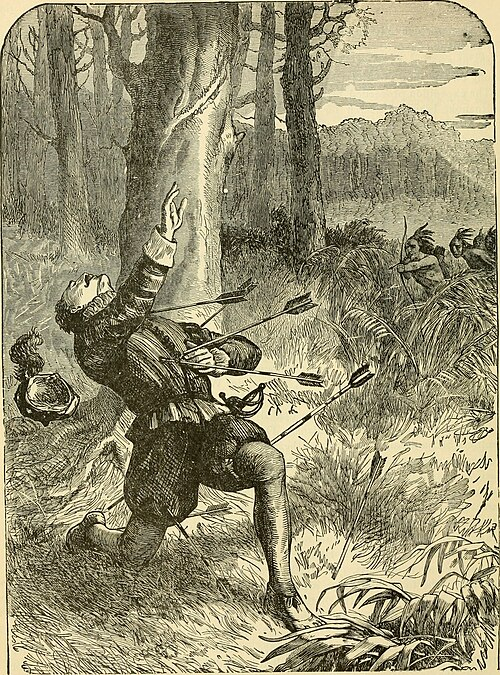
The colony faced difficulties from the start — strained relations with some of the local Indigenous peoples, dwindling supplies, and the general hardship of establishing a settlement in an unfamiliar land. It became clear that the colony needed more provisions and support from England to survive, and the colonists persuaded John White to sail back across the Atlantic to arrange for resupply. He was reluctant to leave his family, but as the colony’s leader and its best advocate in England, he was the logical choice. Late in 1587, White set sail for England, expecting to return within months.
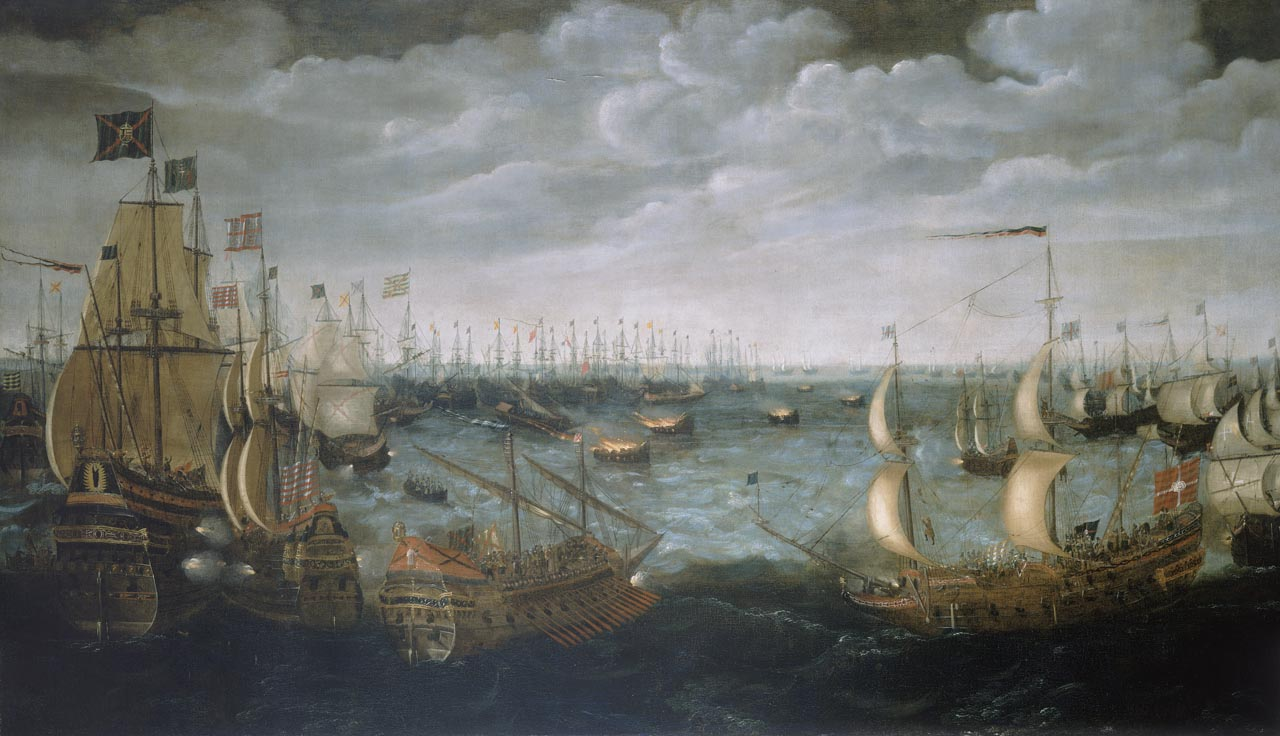
He did not return within months. He returned after three years. White’s timing was catastrophically bad: England was plunged into open war with Spain, and the crisis of the Spanish Armada in 1588 meant that virtually every available ship was commandeered for national defense. White was unable to secure passage back to the colony, and despite his increasingly desperate efforts, he was stranded in England, unable to reach his family and the settlers who were depending on him. Three agonizing years passed before he was finally able to sail back to Roanoke.
An Empty Settlement
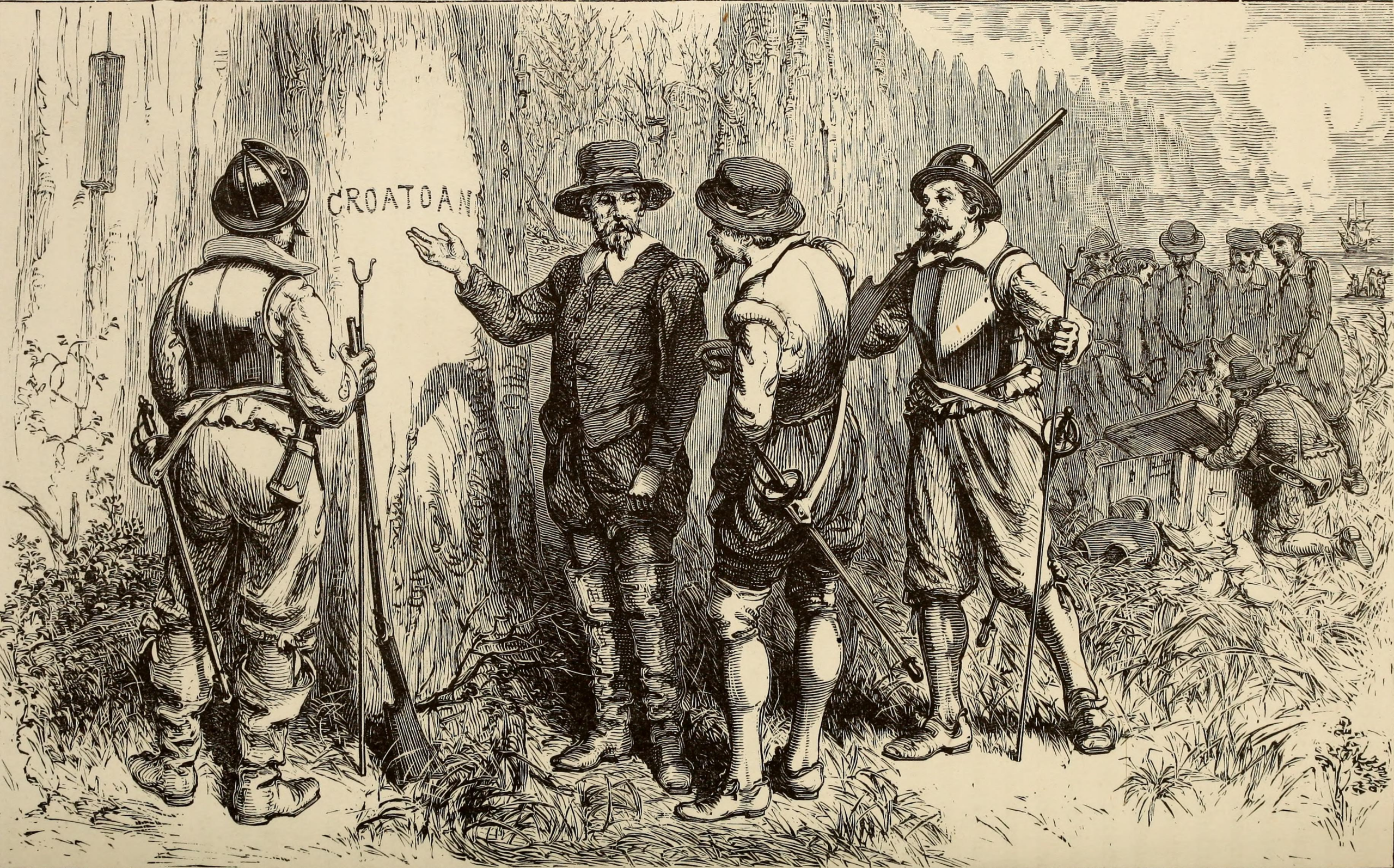
When John White finally landed at Roanoke in 1590 — reportedly on the birthday of his granddaughter Virginia Dare, who would have been turning three — he found the colony deserted. There were no colonists. There were no bodies. There was no obvious sign of violence or a struggle, no graves, no burned buildings indicating an attack. The settlement had been dismantled in an orderly way, its useful structures taken down, as if the inhabitants had left deliberately rather than fleeing in panic. The people were simply gone.
The one significant clue was a word. Carved into a wooden post of the settlement’s palisade was the word “CROATOAN,” and the letters “CRO” were reportedly carved into a nearby tree. This was not, in itself, a message of distress — quite the opposite. Before White had left, he and the colonists had agreed on a signal: if they were forced to leave the settlement, they would carve their destination, and if they left under duress or attack, they would add a distinctive symbol, a Maltese cross. White found the place name carved clearly, but no cross. By the plan the colonists had made with their own governor, this suggested they had relocated, without emergency, to a place called Croatoan — the name of a nearby island (now associated with Hatteras Island) and of the Indigenous people who lived there, a group with whom the English had generally maintained better relations.
The Search That Never Happened
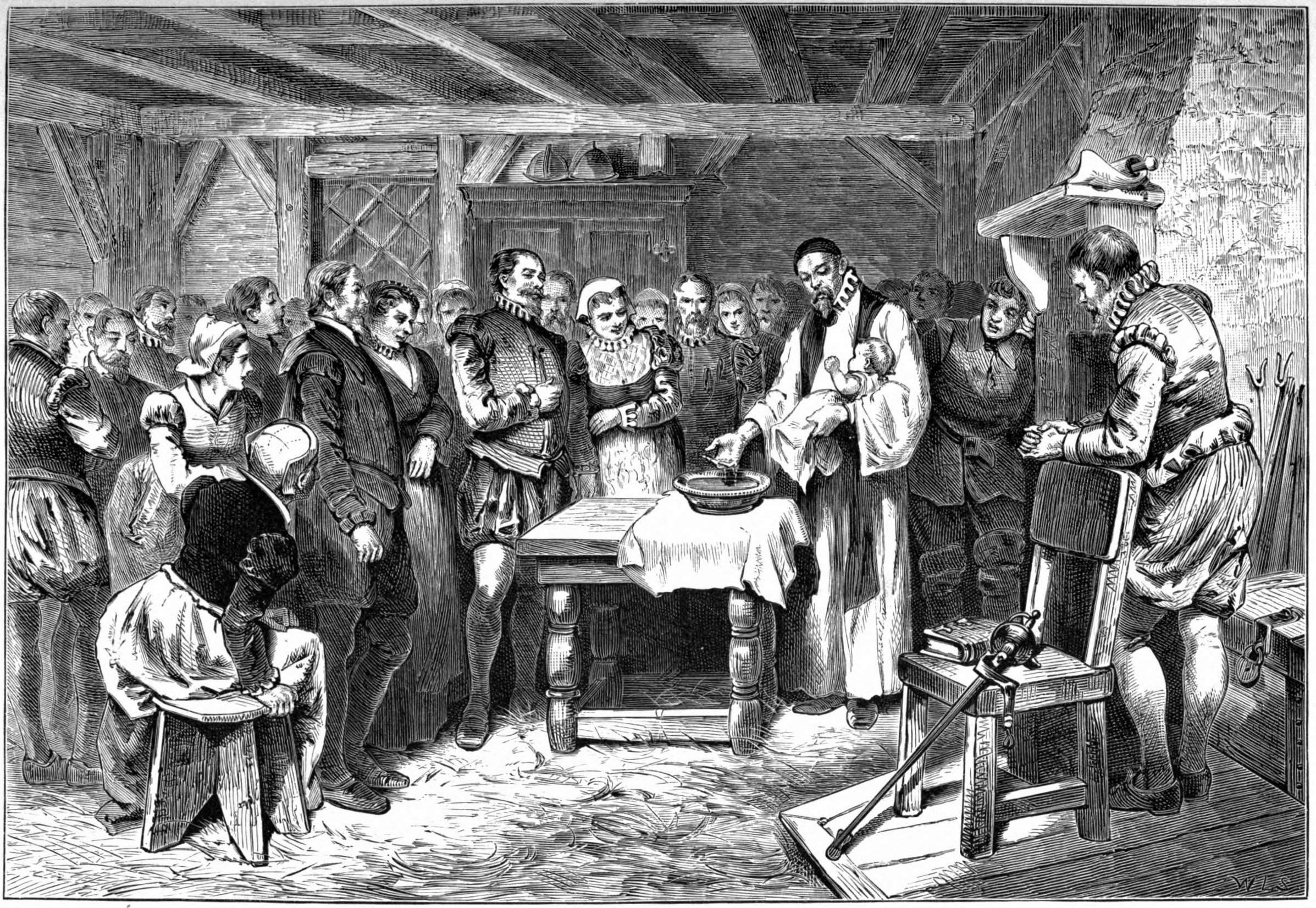
Here the story becomes almost unbearably frustrating. John White, having finally reached the colony and found what amounted to a note telling him where his family had gone, was unable to go and look for them. Croatoan lay only a relatively short distance away, and White was desperate to sail there. But a fierce storm was rising, his ships were damaged, his crew was unwilling to risk the dangerous waters, and circumstances forced the expedition to turn back and abandon the search almost as soon as it had begun.
White was compelled to sail back to England, leaving his daughter, his granddaughter, and the entire colony to whatever fate had befallen them, with the tantalizing clue to their whereabouts left uninvestigated. He never returned to the New World and never learned what became of his family. It is one of the most heartbreaking near-misses in history: a man who crossed an ocean twice, waited three years, found the exact clue he needed, and was then turned back by a storm within reach of the answer. The colonists of Roanoke passed out of contemporary knowledge, and the mystery of their fate was sealed.
What Really Happened?
For over 400 years, people have tried to solve it, and modern historians and archaeologists have developed several leading theories, though none has been definitively proven. The most widely favored explanation is essentially the one the carved word suggests: that the colonists, running low on supplies and support, abandoned Roanoke and integrated with a friendly Indigenous community, most likely the Croatoan people of the Hatteras area, or another nearby group. Under this theory, the colony didn’t die — it assimilated, and its members and their descendants lived on within Native communities. Intriguing hints have surfaced over the years, including later reports of Indigenous people in the region with European features or knowledge, and ongoing archaeological digs have turned up tantalizing artifacts that may point to where the colonists went.
Other theories propose that the colonists tried to sail back to England on their own and were lost at sea, that they were killed or absorbed after conflict, or that disease or starvation destroyed them, though the orderly, bloodless state of the abandoned settlement argues against a violent or panicked end. Archaeological investigations continue to this day, with researchers probing sites on Hatteras Island and elsewhere for definitive evidence, and occasional findings generate fresh excitement. But a conclusive answer — the kind that would let us say with certainty what happened to Eleanor Dare, little Virginia, and the others — has never emerged. The assimilation theory is the strongest, but it remains a theory.
The Mystery That Won’t Die
The Lost Colony of Roanoke endures in the American imagination precisely because it has no ending. It sits at the very beginning of the English story in America, a haunting prologue to everything that followed, and its unresolved nature invites endless speculation, from sober scholarship to wild fiction. The single word “Croatoan” has become one of the most evocative in American folklore, a byword for eerie, unexplained disappearance.
But strip away the spookiness, and what remains is a profoundly human story. More than a hundred real people — families, a newborn baby, ordinary men and women who had crossed an ocean hoping to build a new life — vanished from the record, and a grandfather spent his final years knowing his family was out there somewhere and being unable to reach them. The most likely truth is not supernatural at all but rather steadily hopeful: that the colonists, facing an impossible situation, made a sensible choice to seek help and shelter with the people who already knew how to live on that land, and that they survived by becoming part of a new community. If so, the Lost Colony was never truly lost. It just walked off the edge of the records and into a story we can no longer read. More than four centuries later, we’re still trying to turn the page.
Like our content? Follow us for more.