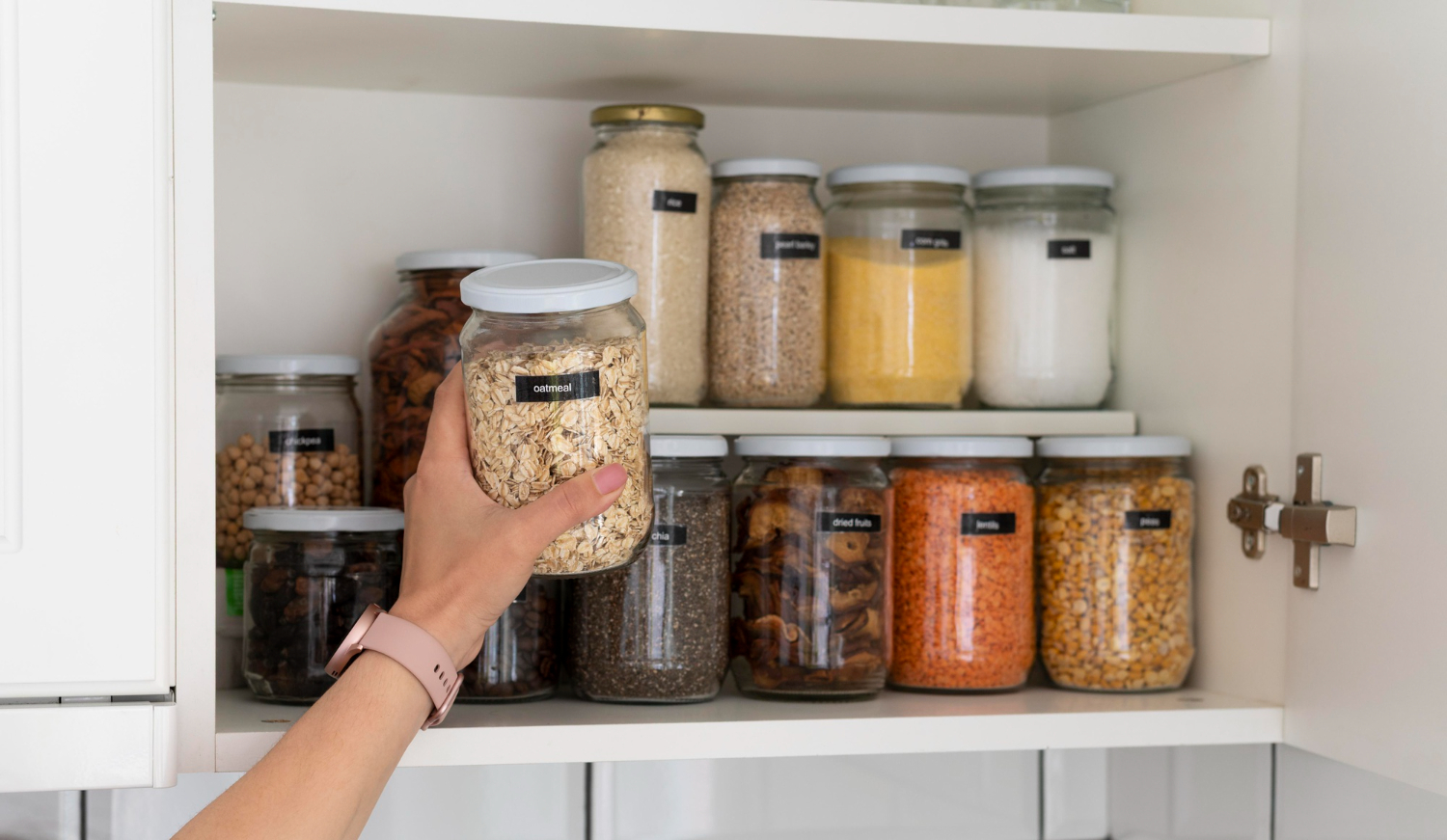
Most people never really learned how to store food; they just absorbed habits from whoever raised them and never questioned them. But a lot of common storage habits actively work against you, making food spoil faster, lose flavor, or go stale before its time. The good news is that the fixes are almost always simple and free — just a matter of moving something out of the fridge, or apart from something else, or into a different spot on the counter. Here are twelve foods a lot of us have been storing wrong, and what to do instead.
1. Tomatoes
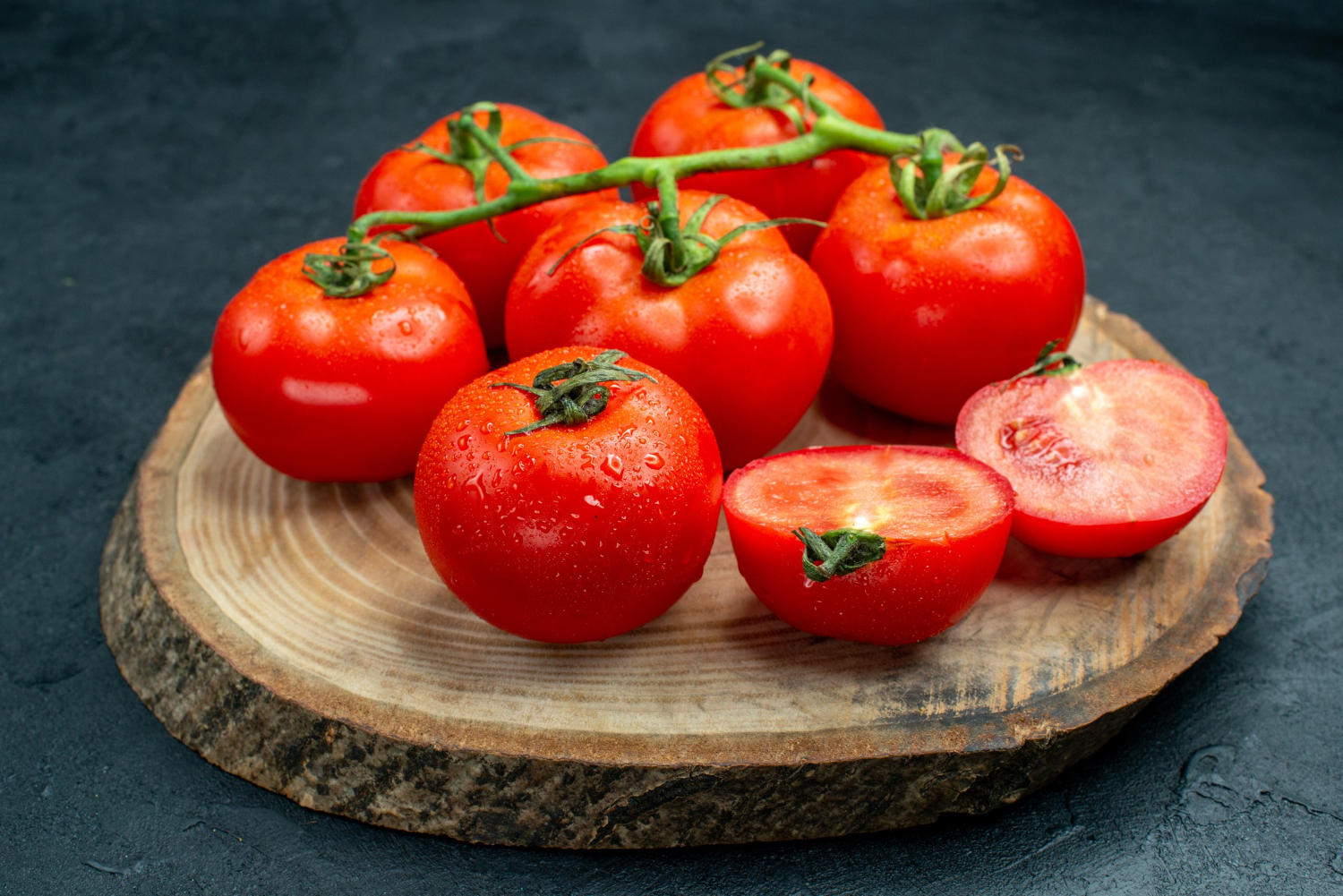
The fridge is the enemy of a good tomato.
This is the classic storage mistake. Refrigerating tomatoes damages their texture, turning the flesh mealy, and it dulls their flavor, because cold temperatures interfere with the compounds that make a tomato taste like a tomato. A ripe summer tomato kept in the fridge is a sad, flavorless shadow of what it could be. Instead, keep tomatoes at room temperature, out of direct sun, and eat them within a few days of ripening. Only refrigerate them if they’re fully ripe and about to spoil, and even then, let them come back to room temperature before eating. Storing tomatoes on the counter rather than the fridge is one of the easiest upgrades to your cooking.
Like our content? Follow us for more.
2. Bread
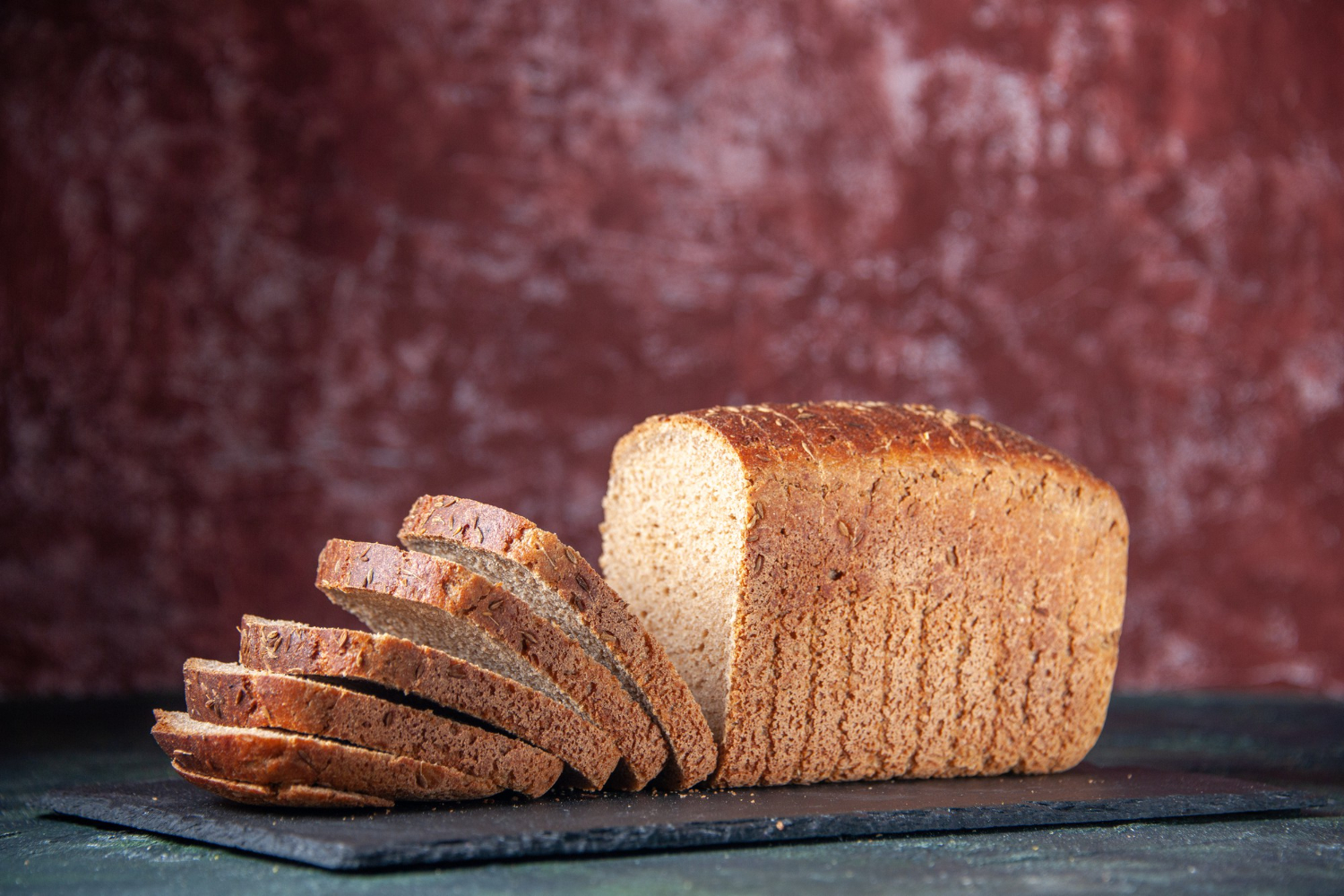
Cold storage stales bread faster, not slower.
It seems logical that the fridge would keep bread fresh longer, but it does the opposite. Refrigeration accelerates a process called starch retrogradation, which is what makes bread go stale, so bread actually goes stale faster in the fridge than on the counter. Keep bread you’ll eat within a few days at room temperature in a bread box or paper bag. For longer storage, the freezer is the right answer, not the fridge: freeze bread, and it keeps beautifully for weeks, with slices toasting up nearly as good as fresh. The fridge is the one place bread should never go.
3. Potatoes and Onions (Just Not Together)
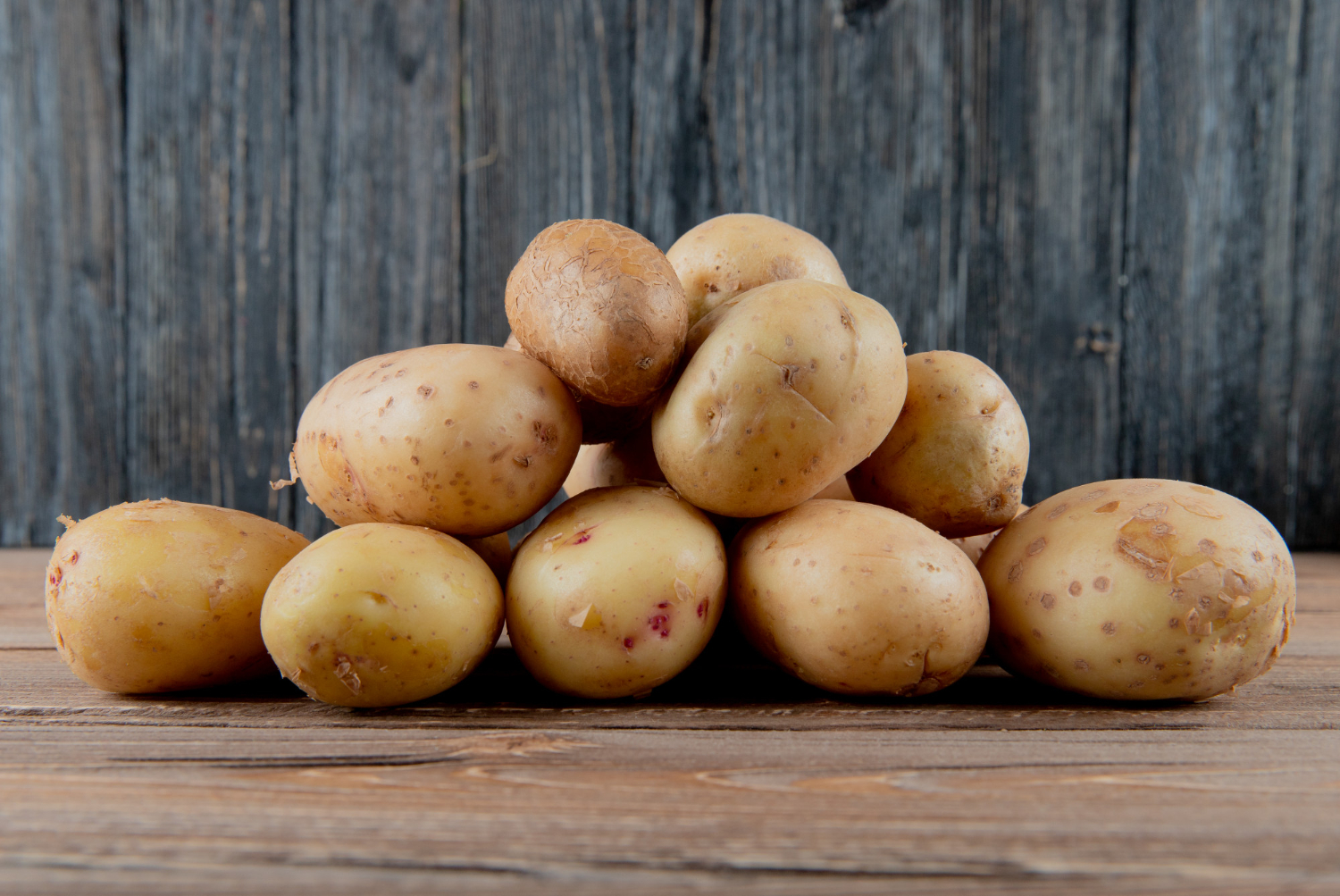
Two pantry staples that sabotage each other.
Both potatoes and onions want to be stored in a cool, dark, dry, well-ventilated spot — but crucially, not next to each other. Onions and potatoes stored together spoil faster, because gases and moisture released by each encourage the other to sprout and rot. Keep them in separate bins in a cupboard or pantry, away from light, which makes potatoes turn green and sprout. And don’t refrigerate potatoes: the cold converts their starch to sugar, affecting taste and texture, and can cause other issues when cooked. Two of the most basic kitchen staples, and most people store them in exactly the wrong way, side by side in the same bag.
4. Honey
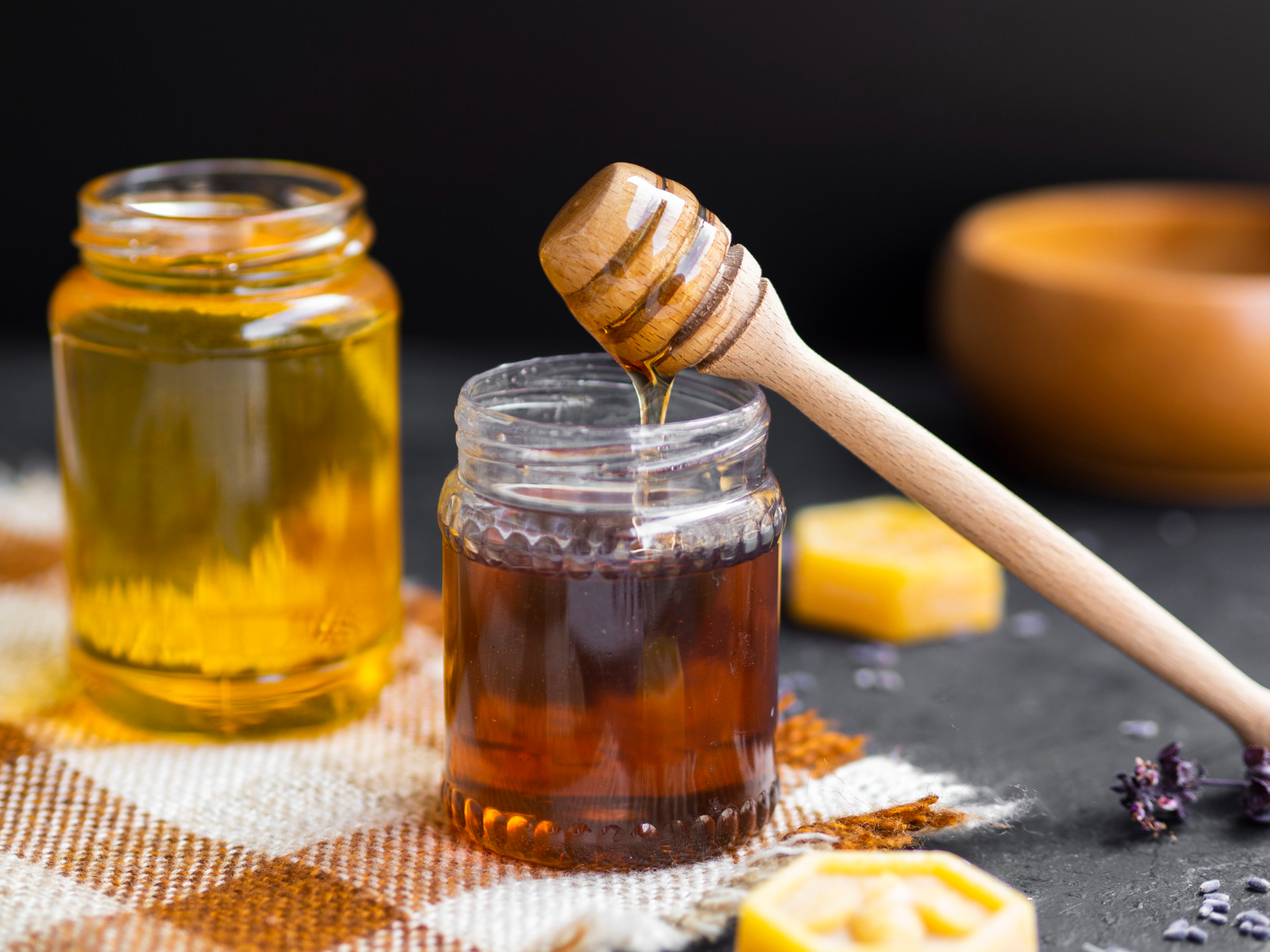
Honey basically never goes bad, so stop overthinking it.
Honey is one of the few foods that essentially never spoils; archaeologists have reportedly found edible honey in ancient tombs thousands of years old. Its low moisture and natural acidity make it inhospitable to the microbes that spoil food. So honey does not belong in the fridge, where the cold makes it crystallize and harden faster, becoming difficult to use. Keep honey in a sealed container at room temperature in the pantry, and it will last more or less indefinitely. If it does crystallize, that’s harmless and reversible — just warm the jar gently in warm water and it returns to liquid. Honey is nearly indestructible; treat it that way.
5. Coffee
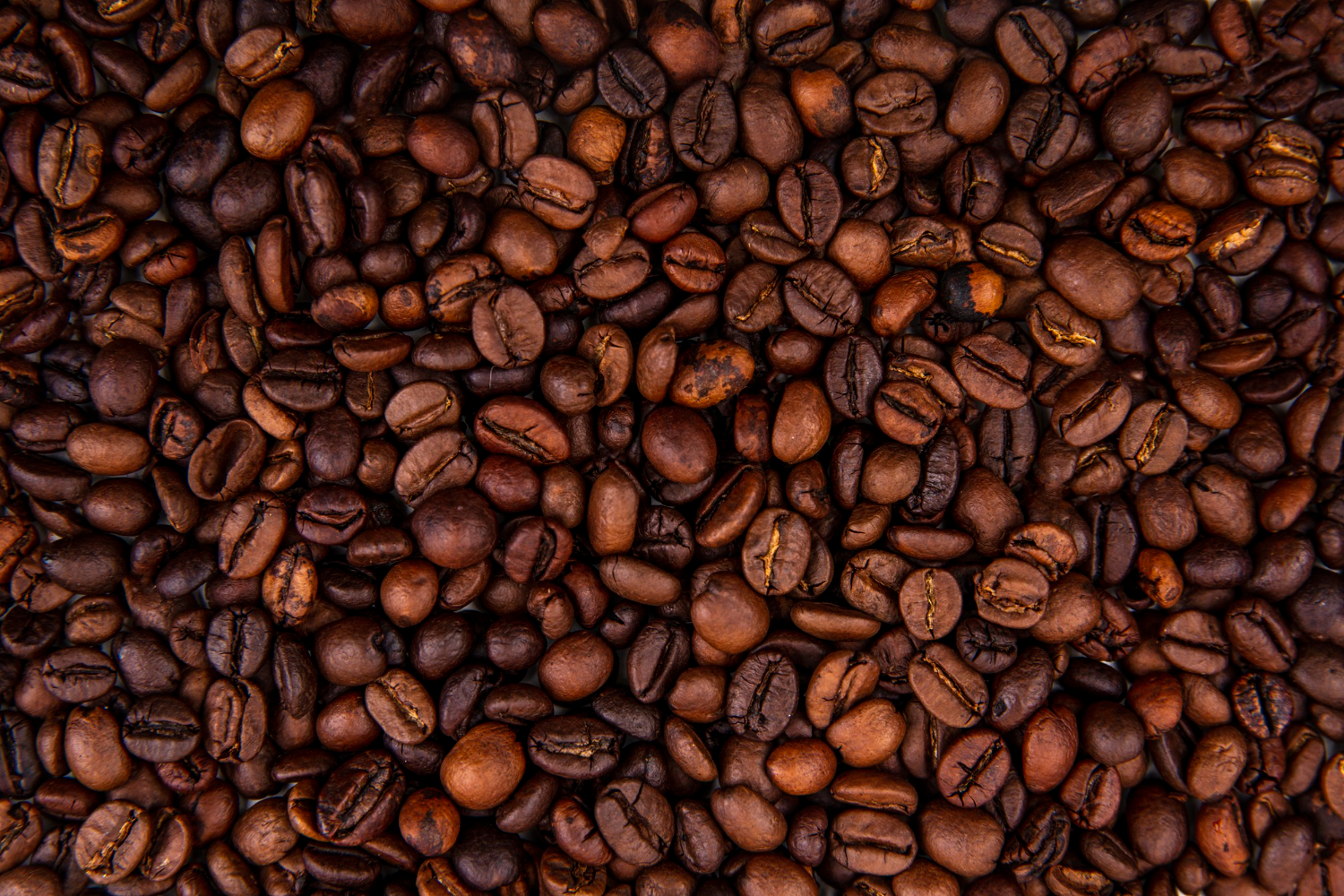
The freezer and fridge are steadily ruining your beans.
Many people stash their coffee in the fridge or freezer thinking it preserves freshness, but for everyday use this often does more harm than good. Coffee readily absorbs moisture and odors, and the temperature swings of taking it in and out of the fridge cause condensation that degrades the beans and can leave your coffee tasting of whatever else is in there. The better approach is to store coffee in an airtight, opaque container at room temperature, away from light, heat, and moisture, and buy it in amounts you’ll use within a few weeks. Long-term freezing of unopened, well-sealed coffee can work, but the daily in-and-out fridge habit is a flavor-killer.
6. Bananas
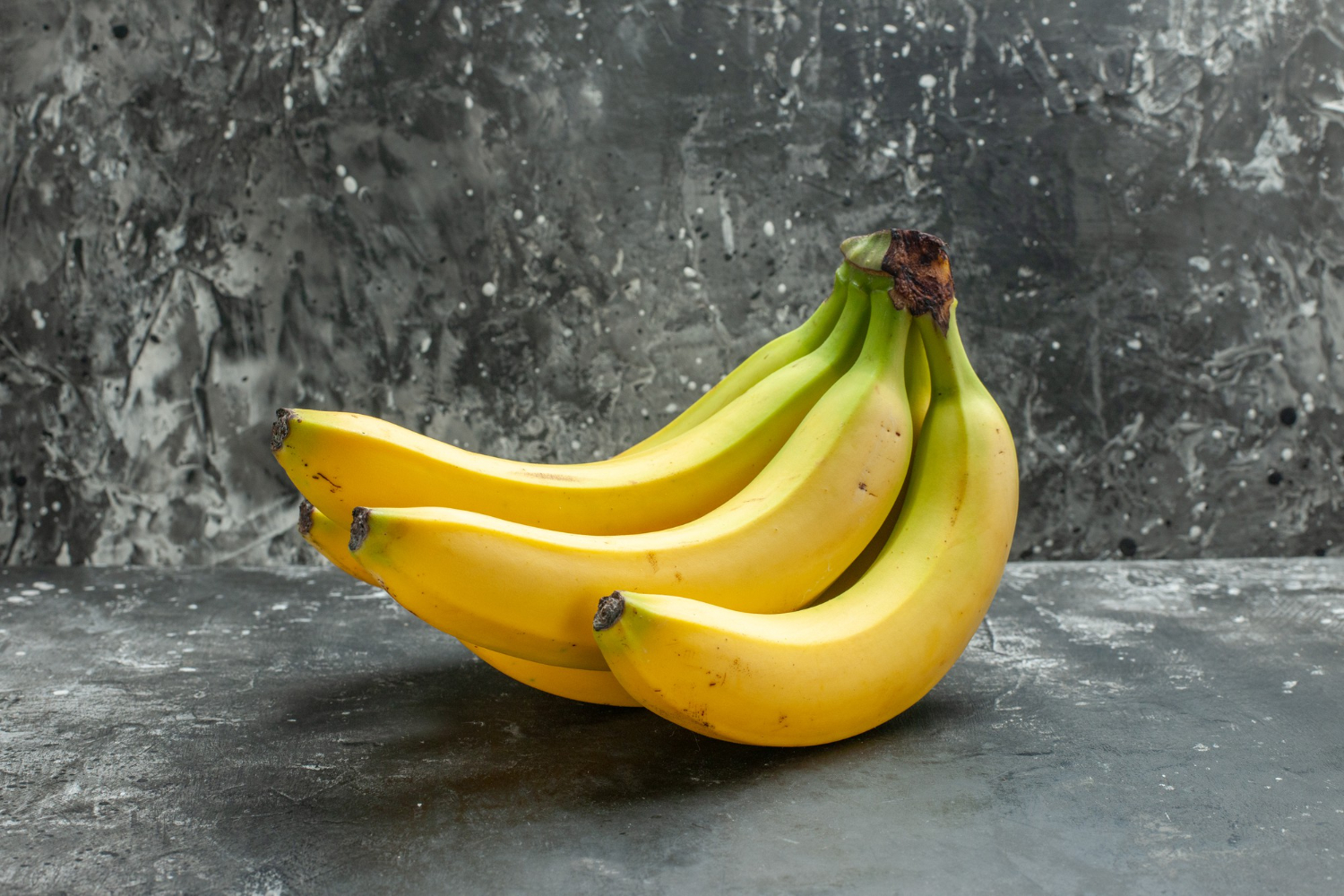
A little know-how controls the ripening.
Bananas ripen fast and give off ethylene gas, which speeds the ripening of nearby produce, so where and how you store them matters. To slow ripening, keep bananas separate from other fruit, and know that wrapping the stems in a bit of plastic wrap can slow the gas release and buy you a day or two. Once bananas hit the ripeness you like, the fridge will halt further ripening: the peel will turn brown, but the fruit inside stays good. And overripe bananas shouldn’t be tossed — peel and freeze them for smoothies or baking. Understanding banana ripening lets you actually control when they’re perfect instead of racing the clock.
7. Garlic
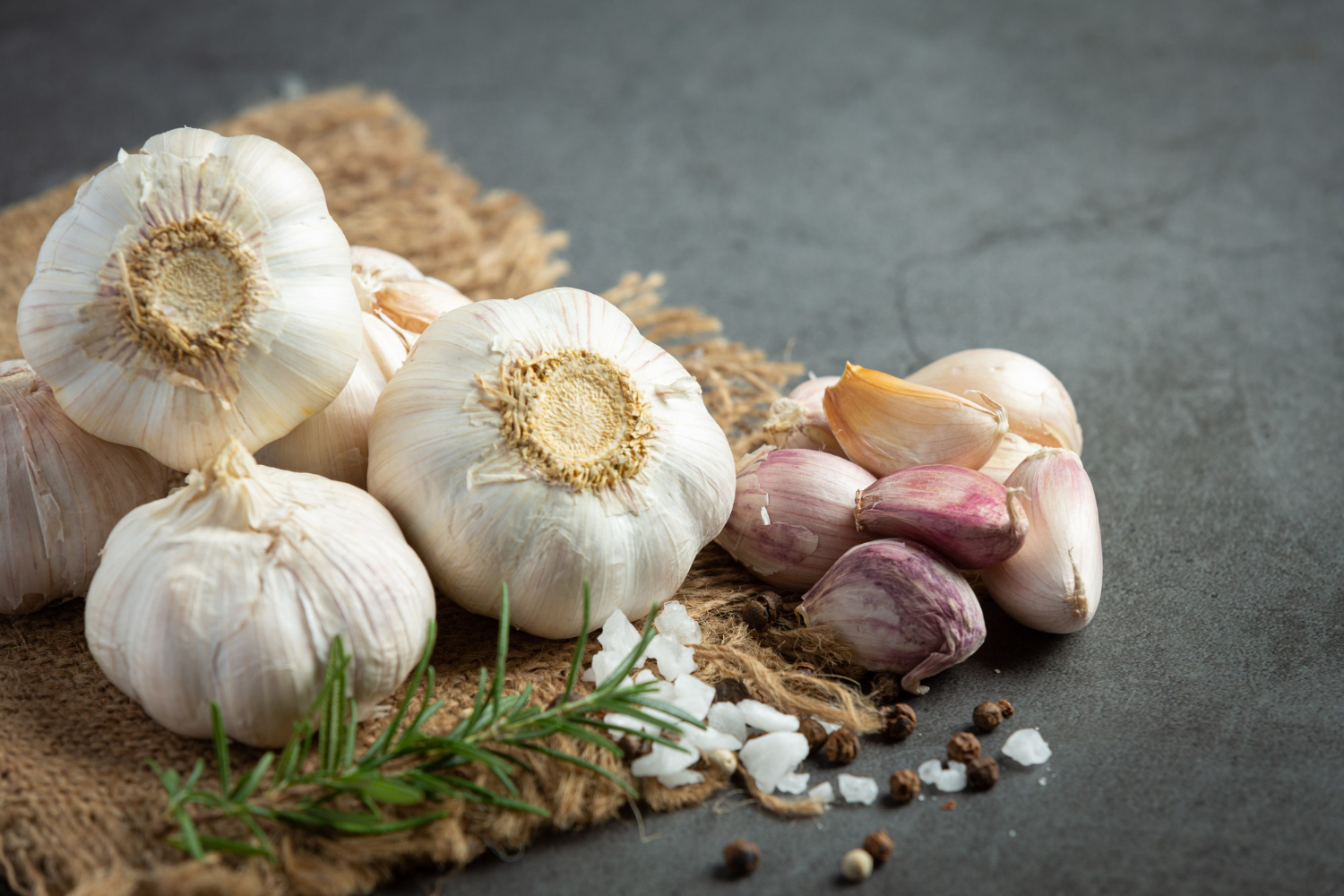
Keep it dry and airy, never in the fridge.
Whole garlic bulbs want the same treatment as onions: a cool, dry, well-ventilated spot out of the fridge. Refrigerating whole garlic exposes it to moisture that encourages it to sprout and can turn it rubbery or moldy. A little mesh basket or an open bowl in the pantry is ideal, letting air circulate around the bulbs. Stored properly, a head of garlic keeps for weeks. Peeled or chopped garlic is different and should be refrigerated and used quickly, but the whole bulbs you buy at the store belong on the counter or in the pantry, never in the cold and damp of the refrigerator.
8. Olive Oil
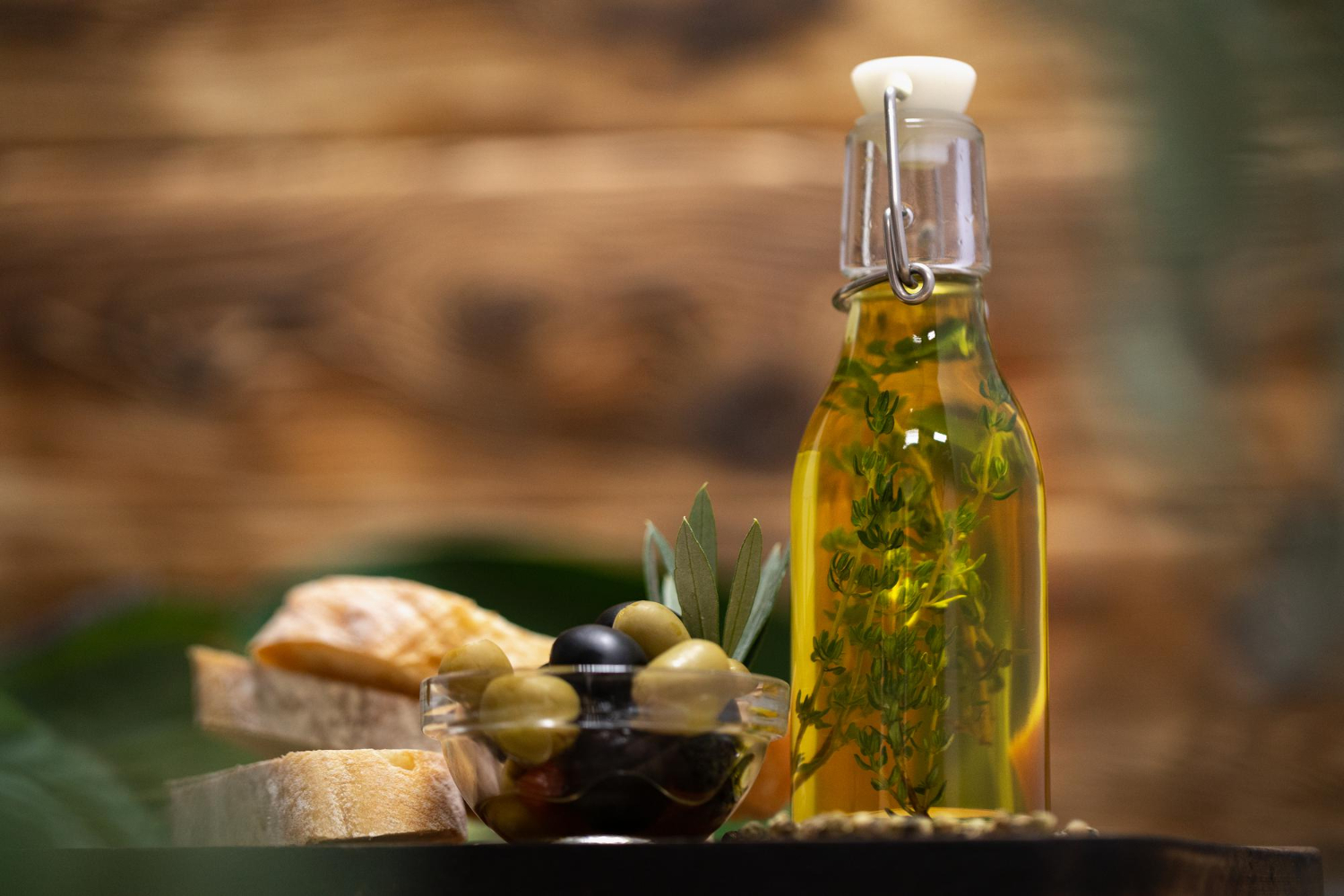
Light and heat are its worst enemies.
Olive oil goes rancid when exposed to light, heat, and air over time, which means the worst place to keep it is exactly where many people do: right next to the stove, in a clear bottle, in the light. The heat from cooking and the light both accelerate its breakdown. Store olive oil in a cool, dark cupboard, in a dark glass or tin container if possible, tightly capped, and away from the heat of the stove and oven. Buy it in quantities you’ll use within a few months rather than giant jugs that go off before you finish them. Good oil is worth protecting, and it just needs darkness and a bit of distance from the heat.
9. Nuts
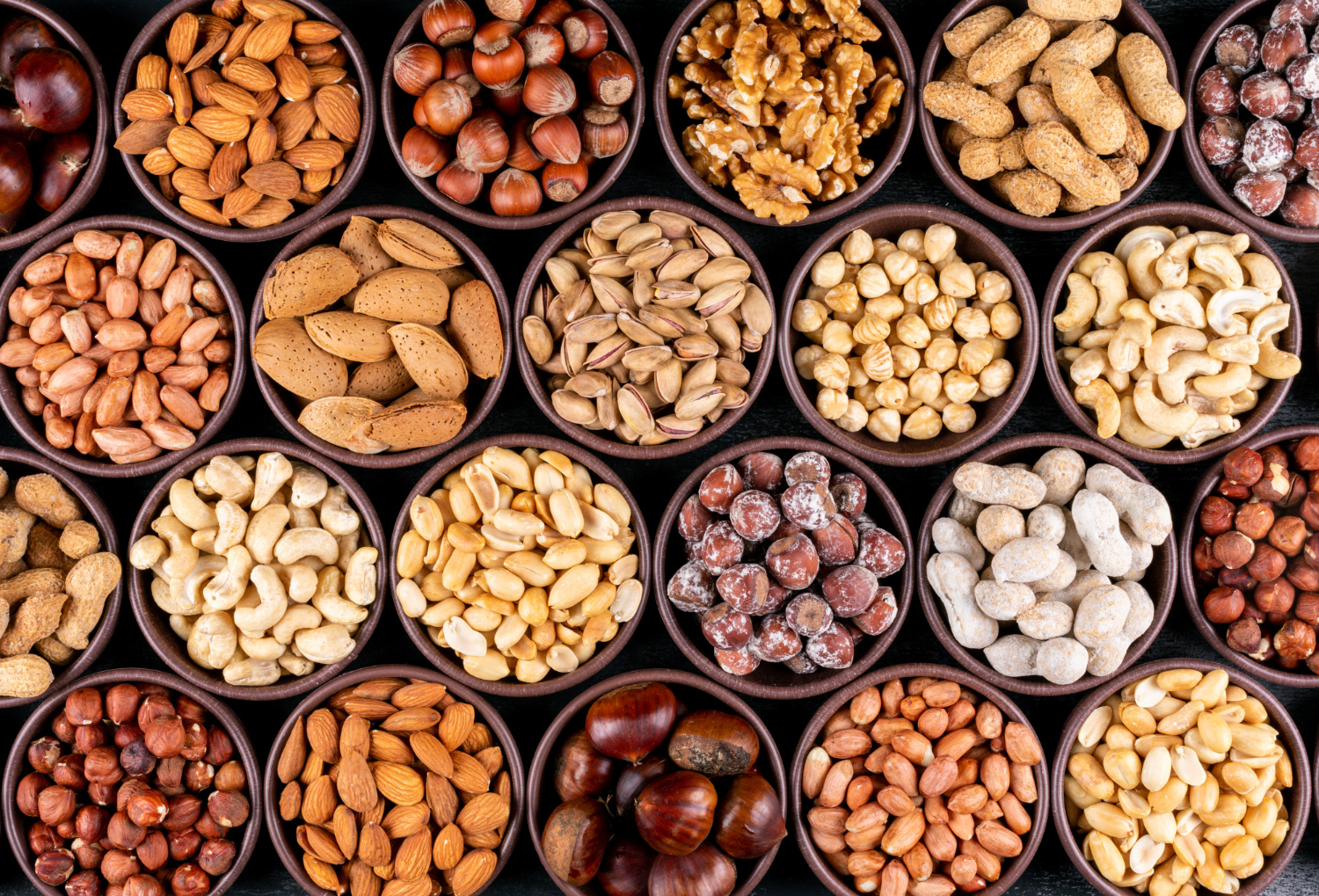
They’re oilier than you think, and they go rancid.
Because nuts are high in oils, they go rancid over time at room temperature, developing an off, stale, bitter taste — and here’s the twist on all the other advice: nuts are one thing that actually benefits from the fridge or freezer. Kept in a sealed container in the refrigerator or freezer, nuts stay fresh far longer than they do in a pantry, where warmth speeds the oils’ breakdown. This is especially worth doing if you buy nuts in bulk or don’t go through them quickly. So while many foods don’t belong in the cold, nuts are the exception that does, and storing them there prevents that disappointing rancid taste.
10. Berries
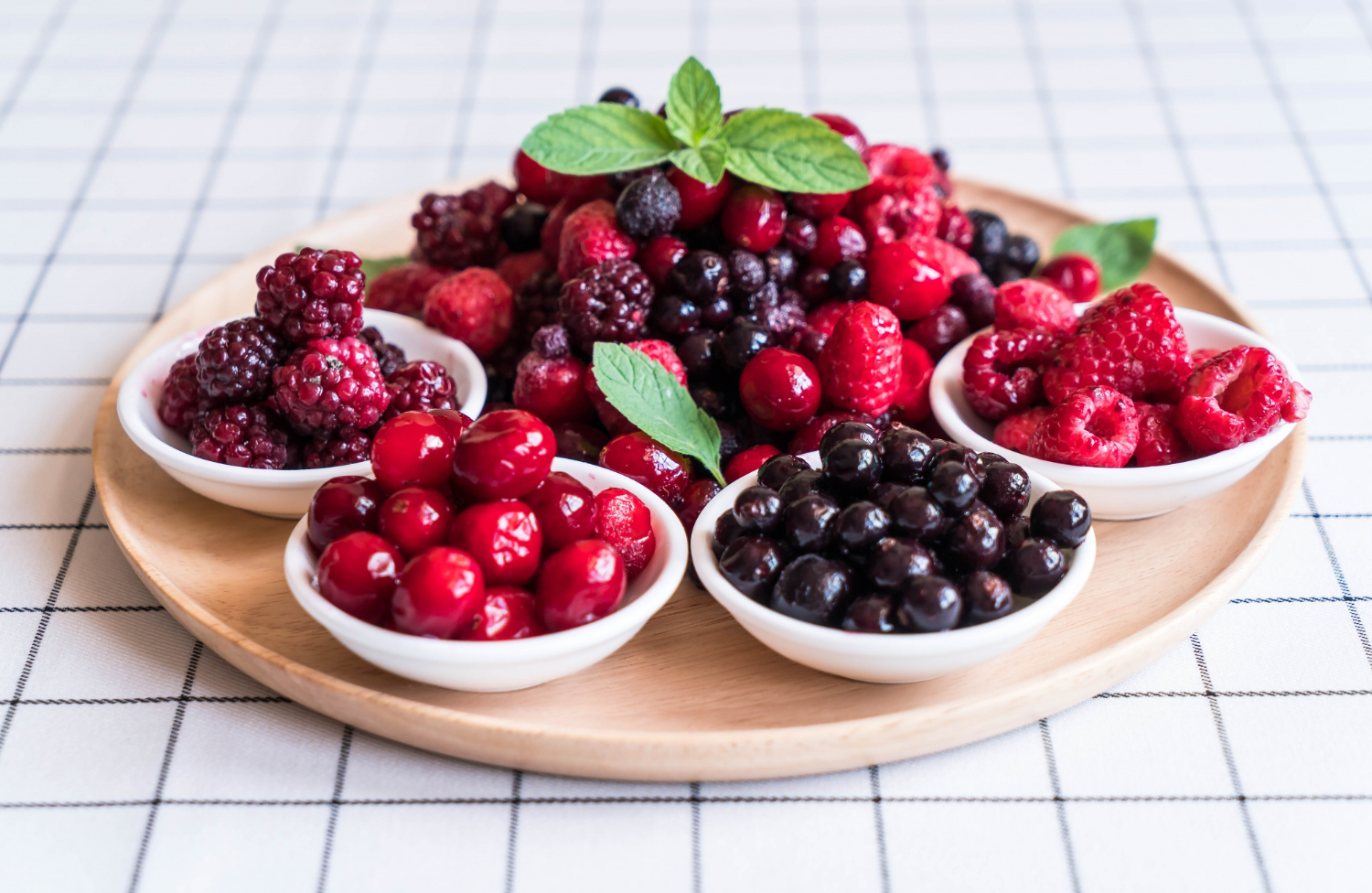
Wash them at the right time, not the wrong one.
Berries are delicate and mold quickly, and the biggest storage mistake is washing them before storing. Excess moisture is what encourages mold, so berries should be kept dry in the fridge and washed only right before you eat them. Store them unwashed in a container that allows some airflow, and remove any that are already mushy or moldy, since one bad berry spreads spoilage to its neighbors fast. Some people give berries a brief vinegar-and-water rinse and then dry them thoroughly before storing to kill mold spores, but the key principle is simple: keep them dry until the moment of eating, and they’ll last noticeably longer.
11. Herbs
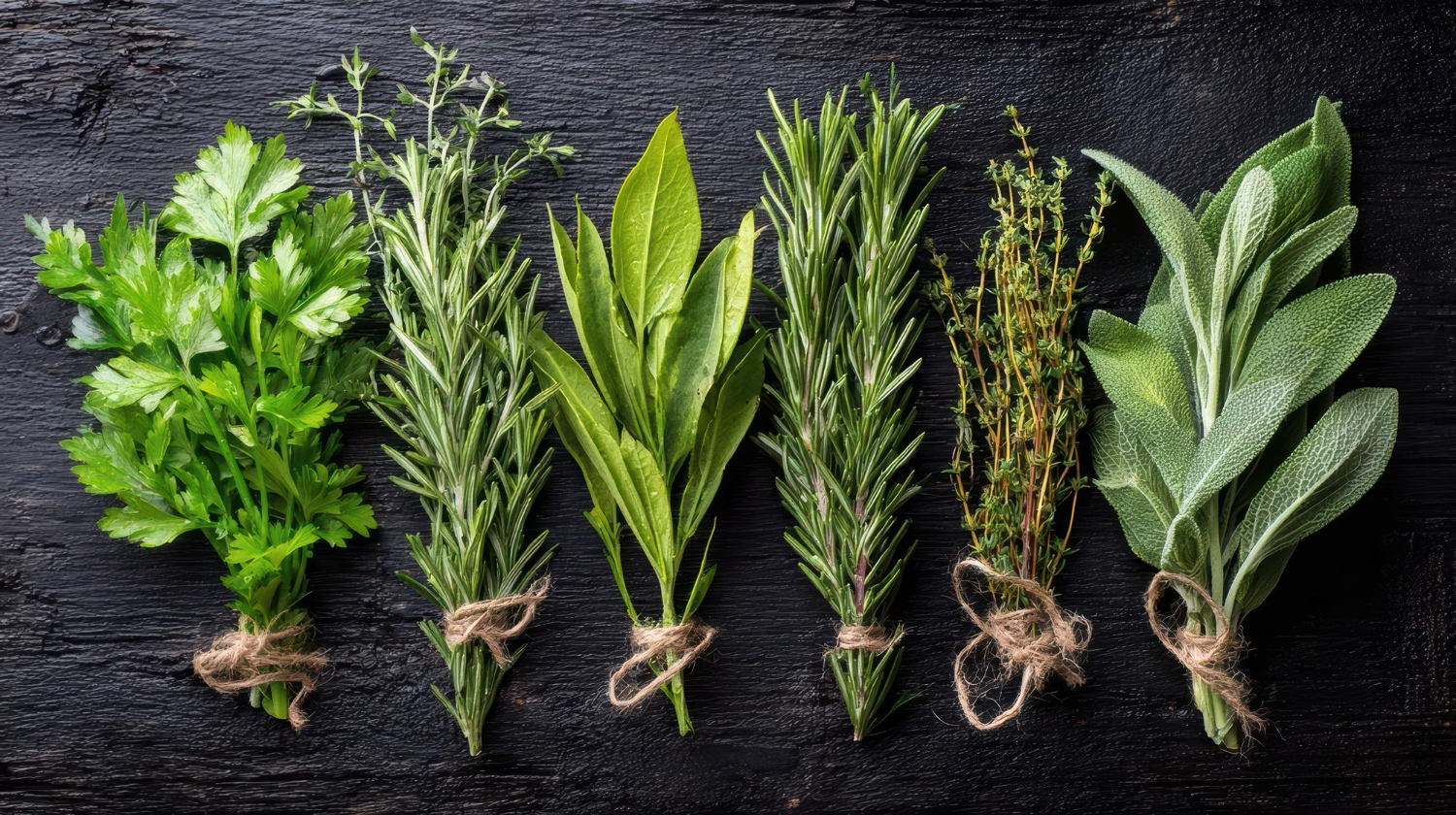
Treat the fresh ones like a bouquet of flowers.
Fresh herbs wilt fast when shoved into a crisper drawer, but a couple of simple methods keep them lively for much longer. For tender herbs like cilantro, parsley, and basil, trim the stems and stand them upright in a jar with a little water, like a bouquet of flowers — most keep well this way (though basil prefers to stay out of the fridge). Hardier herbs like rosemary and thyme do well loosely wrapped in a slightly damp cloth or paper towel in the fridge. Either way, treating herbs with a little care rather than cramming them in a bag dramatically extends their life and saves the money most of us waste on herbs that slime out after two days.
12. Leftover Canned Food
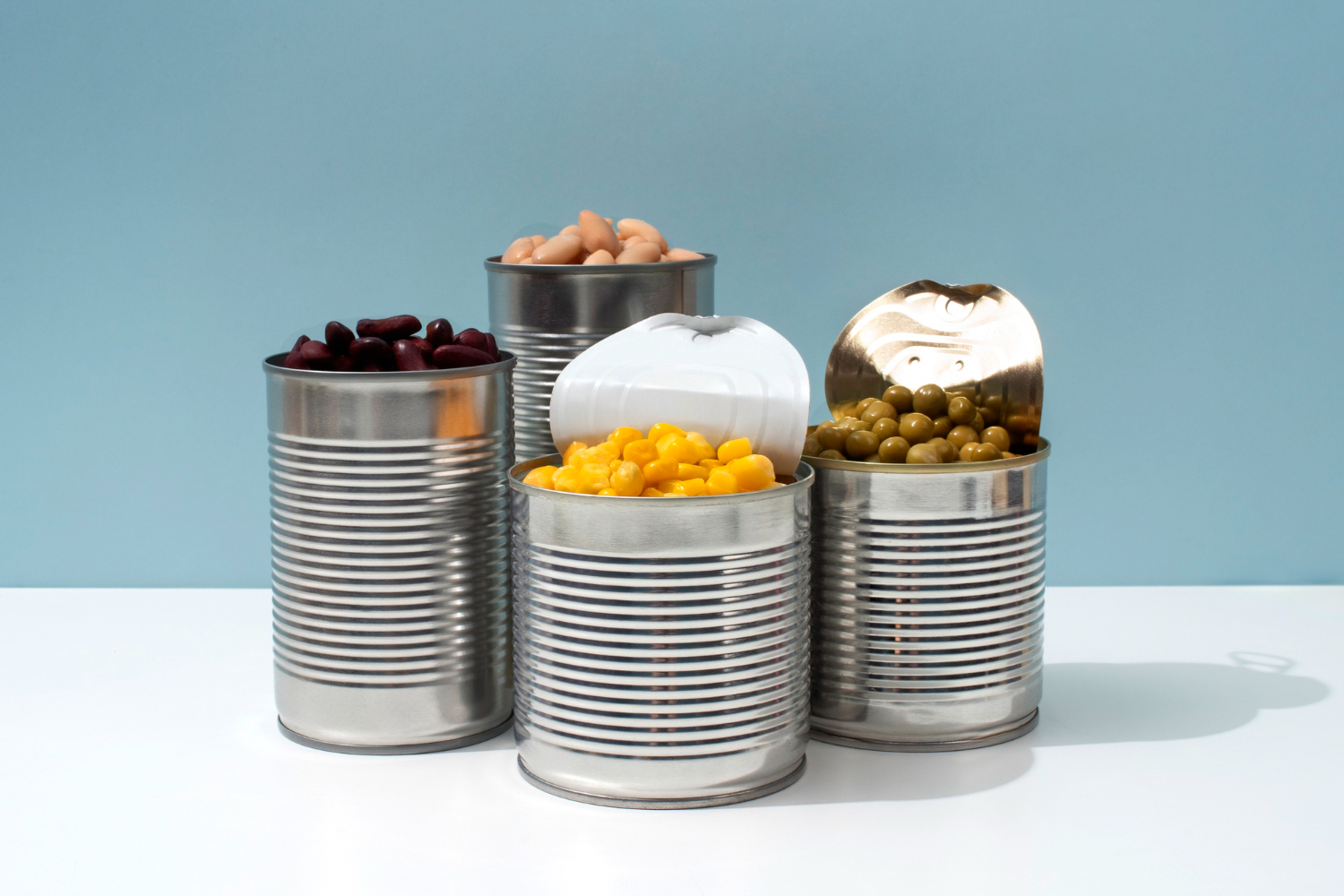
Don’t store it in the can you opened.
A common mistake is putting a half-used can of something — beans, tomatoes, corn — straight into the fridge in its opened can. Once a can is opened and exposed to air, storing food in the metal can affect its taste and isn’t recommended for quality reasons, as the food can pick up a metallic flavor and the open can is simply not designed for storage. Instead, transfer leftover canned contents to a sealed glass or plastic container before refrigerating, and use them within a few days. It’s a tiny extra step that keeps the food tasting better and is the proper way to handle an opened can. Most of us have left a fridge full of half-open cans at some point; this is the easy fix.
Small Changes, Fresher Food
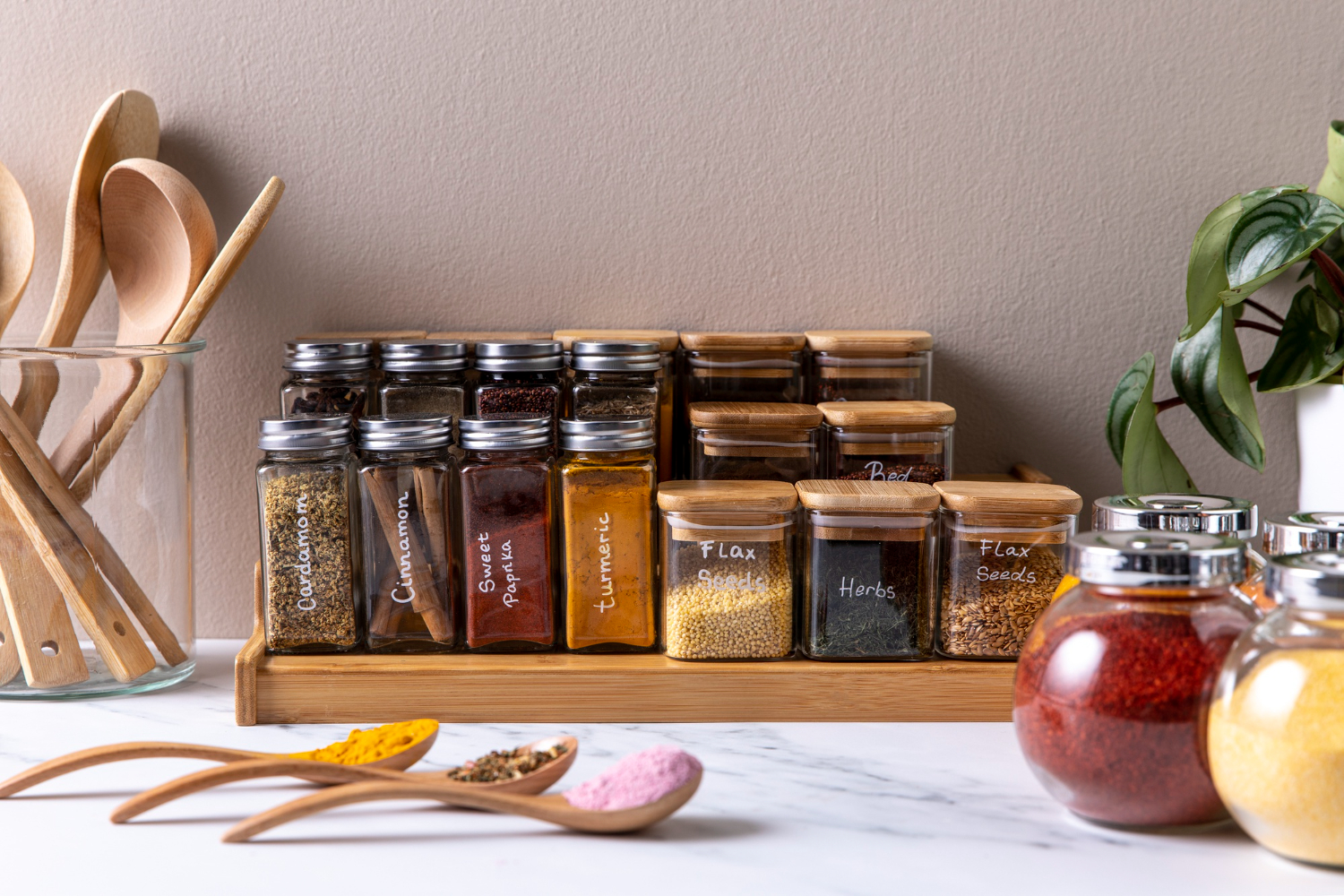
Tomatoes on the counter, bread out of the fridge, onions away from potatoes, and nuts into the cold — a handful of simple corrections keeps your food fresher, tastier, and out of the trash.
The theme running through all of this is that good food storage isn’t complicated, but it is often counterintuitive: the fridge isn’t always the answer, moisture is frequently the enemy, and a few foods want the opposite treatment from what you’d assume. Most of these fixes cost nothing and take seconds, and together they add up to less spoiled food, less wasted money, and better flavor on the plate. You don’t need special equipment or a bigger kitchen — just a few small habit changes and the knowledge of which food wants which spot. Your groceries, and your grocery bill, will thank you.
Like our content? Follow us for more.