
It sounds like folklore: a family, living in an isolated Appalachian hollow, whose skin was blue. Not a faint bluish tinge, but a genuine, striking blue — blue faces, blue hands, blue lips. For more than a century, the “blue people of Troublesome Creek” were a local legend in the mountains of eastern Kentucky, spoken about with a mixture of curiosity, gossip, and sometimes cruelty. And yet the blue people were entirely real, and their story, far from being a spooky mountain tale, turns out to be one of the most fascinating and human episodes in the history of medical genetics.
The blue skin was not a sign of illness, and the people who had it were, by and large, perfectly healthy. It was the result of a rare inherited condition, made possible by an extraordinary chain of genetic coincidences and by the deep isolation of the community in which the family lived. The story involves a French orphan, a remote mountain hollow, a recessive gene meeting itself across generations, a dedicated doctor who set out to solve the mystery, and a treatment so simple it seems almost too good to be true. It’s a tale about science, about family, and about the quiet dignity of people who lived their whole lives looking different from everyone around them. Here is the true story of the blue Fugates of Kentucky.
The French Orphan and the Recessive Gene
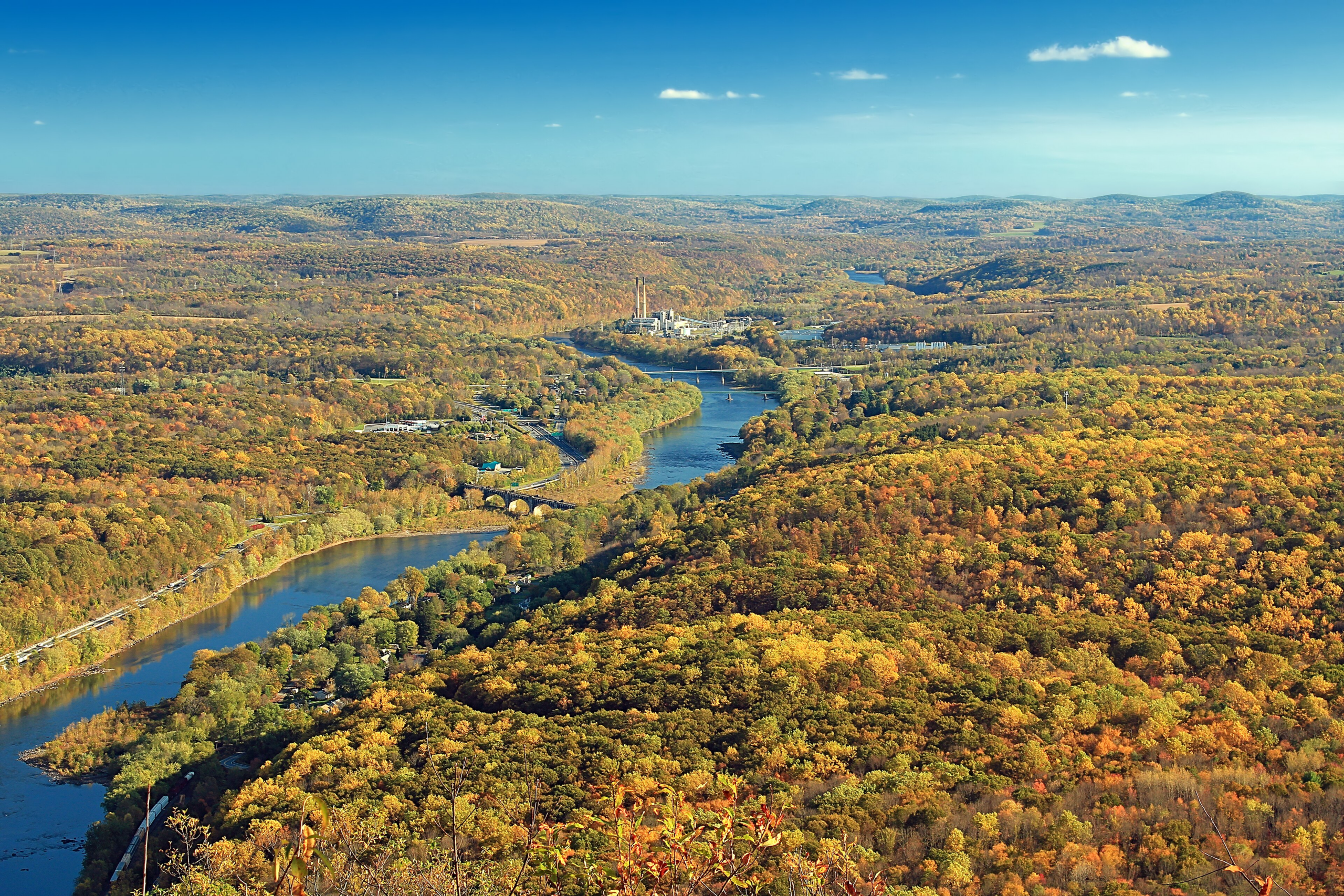
The story begins in the early nineteenth century with a man named Martin Fugate, a French orphan who settled around 1820 near Troublesome Creek, in the rugged, isolated hill country of eastern Kentucky. Martin, according to the accounts, carried a rare recessive gene — one that, by itself, caused him no visible harm. He married a local woman named Elizabeth Smith. And here the extraordinary coincidence occurred: Elizabeth, entirely by chance, happened to carry the very same rare recessive gene.
To understand why this mattered, you need a little genetics. A recessive trait only appears in a person who inherits two copies of the relevant gene, one from each parent. If you carry just one copy, you’re a “carrier” — you show no sign of the trait yourself, but you can pass the gene on. The gene Martin and Elizabeth both carried was so rare that the odds of two carriers ever meeting and marrying were minuscule. But meet and marry they did, in a remote corner of Kentucky, and because they both carried it, some of their children inherited two copies — and were born with blue skin. Of Martin and Elizabeth’s children, several came out blue, to the bafflement of parents who showed no such coloring themselves. It was the beginning of a family trait that would persist for generations.
Like our content? Follow us for more.
How Isolation Spread the Trait

Ordinarily, such a rare recessive gene, having produced a few blue children, would soon have been diluted away as the family married into the wider population and the odds of two carriers pairing up again dropped back to near zero. But the Fugates did not live in the wider population. They lived in one of the most isolated places imaginable, and that isolation is the second key to the whole story.
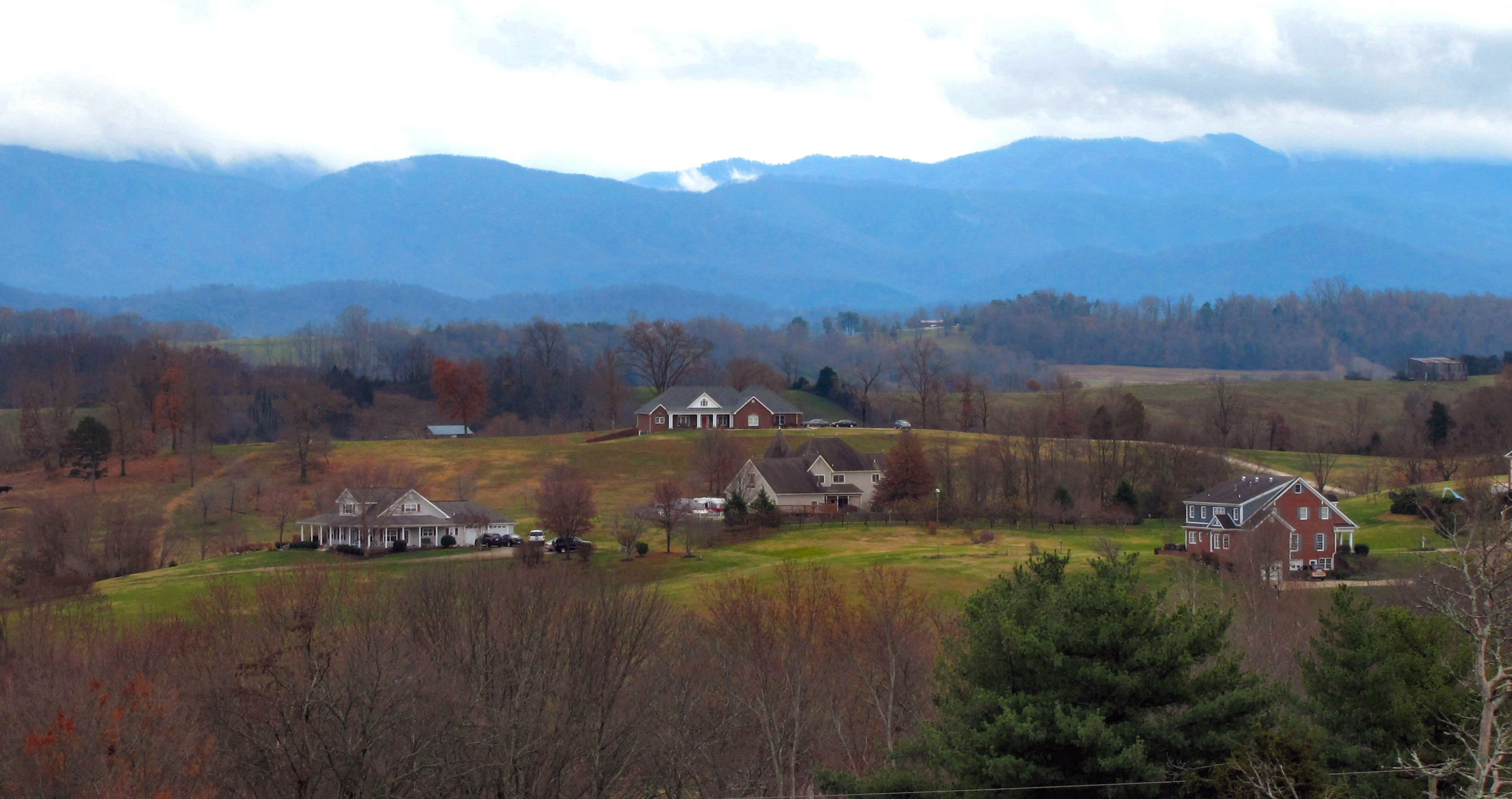
In the early nineteenth century, the area around Troublesome Creek was extraordinarily remote and cut off. There were no roads to speak of, and the railroad would not reach the region for many decades. Travel was difficult, the community was small, and there simply weren’t many families around. As a result, people tended to marry within the small local circle of families that were already there — including, over time, their own relatives and the descendants of the same few founding families. This meant that the rare recessive gene, instead of being diluted away, kept being passed back and forth within a limited gene pool, and carriers kept marrying other carriers. Generation after generation, blue children continued to be born into the extended Fugate family and the families they married into. The isolation that defined life in the Kentucky hills, born of geography and poverty and a lack of infrastructure, was exactly what allowed this singular trait to persist and reappear for a century and a half. It was not a matter of anything other than circumstance: a rare gene, trapped by geography in a small community, meeting itself again and again.
What Actually Turned Them Blue
For a long time, no one understood the cause of the blue skin, and it wasn’t until the 1960s that the science was finally worked out, by a hematologist named Dr. Madison Cawein, who heard the rumors of blue people in the Kentucky hills and set out, fascinated, to find them and understand their condition. Working with members of the family, he identified the culprit: a condition called methemoglobinemia.
The explanation lies in the blood. Normally, hemoglobin, the molecule in red blood cells that carries oxygen, gives blood its bright red color, which shows through fair skin as a healthy pink. But in methemoglobinemia, an abnormally high level of a different form of the molecule, called methemoglobin, builds up. Methemoglobin is a bluish, chocolate-colored variant that carries oxygen poorly, and when there’s enough of it in the blood, it changes the apparent color of the blood and, through the skin, gives it a blue cast. The Fugates’ particular form was hereditary, caused by a deficiency of an enzyme that normally keeps methemoglobin levels low, and it was this enzyme deficiency that the recessive gene produced. Crucially, in the Fugates’ case, the condition was essentially benign. Aside from the dramatic skin color, most affected family members were healthy and lived long, ordinary lives, some well into old age. The blue was, medically speaking, mostly a cosmetic effect — startling to look at, but not a threat to health.
The Astonishingly Simple Cure

Having identified the cause, Dr. Cawein realized there might be a remedy, and the treatment he arrived at is one of the most memorable details of the whole story. He reasoned that if he could help the body convert the excess methemoglobin back into normal hemoglobin, the blue color would fade. And the substance that could do this was a common dye — methylene blue.
There’s a lovely irony in the cure for blue skin being a blue dye, and some of the family were understandably skeptical that such a thing could possibly work. But it did. When Cawein administered methylene blue to affected family members, it acted as a catalyst to convert the methemoglobin back to normal hemoglobin, and their skin turned from blue to pink, often within minutes. For people who had lived their entire lives with blue skin, and endured the stares and whispers that came with it, watching their normal color appear must have been an extraordinary experience. The effect was temporary, since the underlying enzyme deficiency remained, but it could be maintained. A condition that had mystified a community for a century and a half turned out to have a cause that could be explained in a paragraph and a treatment that came out of a bottle of dye.
A Story of Science and Dignity

The tale of the blue Fugates is often told as a curiosity, a “believe it or not” oddity, but it’s worth pausing on the human dimension, because that’s where its real meaning lies. These were real people, living real lives, who happened to look strikingly different from everyone around them through no fault or choice of their own. By the accounts that survive, many of them felt the sting of that difference keenly — the embarrassment, the reluctance to be seen, the awareness of being the subject of gossip and the occasional cruel curiosity of outsiders. There were even those who wanted to put them on display as human novelties, a temptation the doctor who studied them notably declined.
That’s why the Fugates’ story matters beyond its shock value. It’s a powerful illustration of how a rare recessive condition works, of how geographic isolation shapes the genetics of a community, and, as one hematologist reflected, of the danger of stigmatizing people for a difference they can’t help and didn’t ask for. The blue skin was harmless; the real harm, where there was any, came from how people responded to it. Over the twentieth century, as roads and railways finally reached the region and the family married more widely, the gene was diluted at last, and blue Fugates became rarer and rarer, though the recessive gene surely still travels steadily in descendants scattered across the country today. The condition itself is a documented landmark in medical genetics, taught as a classic case.
The Blue People of Troublesome Creek
In the end, the blue people of Troublesome Creek are remembered not as a freak show but as a remarkable intersection of genetics, geography, and human resilience. Their blue skin, once the subject of fearful whispers and cruel speculation, turned out to be nothing more sinister than a rare gene meeting itself in the isolation of the Kentucky hills, producing a harmless quirk of color that a simple dye could reverse. There was no curse, no contagion, no danger — only an unlikely roll of the genetic dice, playing out across generations in one of the most remote corners of Appalachia.
It’s a story that rewards a second look, because beneath the arresting image of a blue-skinned family lies something truly meaningful: a lesson in how heredity works, a window into the lives of an isolated mountain community, and a quiet reminder to meet human difference with curiosity and compassion rather than fear. The Fugates lived, loved, raised families, and endured, all while carrying a trait that made them unlike anyone else. And thanks to a curious doctor and a bottle of blue dye, their long mystery was finally solved, and the blue people of Troublesome Creek took their rightful place not in folklore, but in the history of science.
Like our content? Follow us for more.