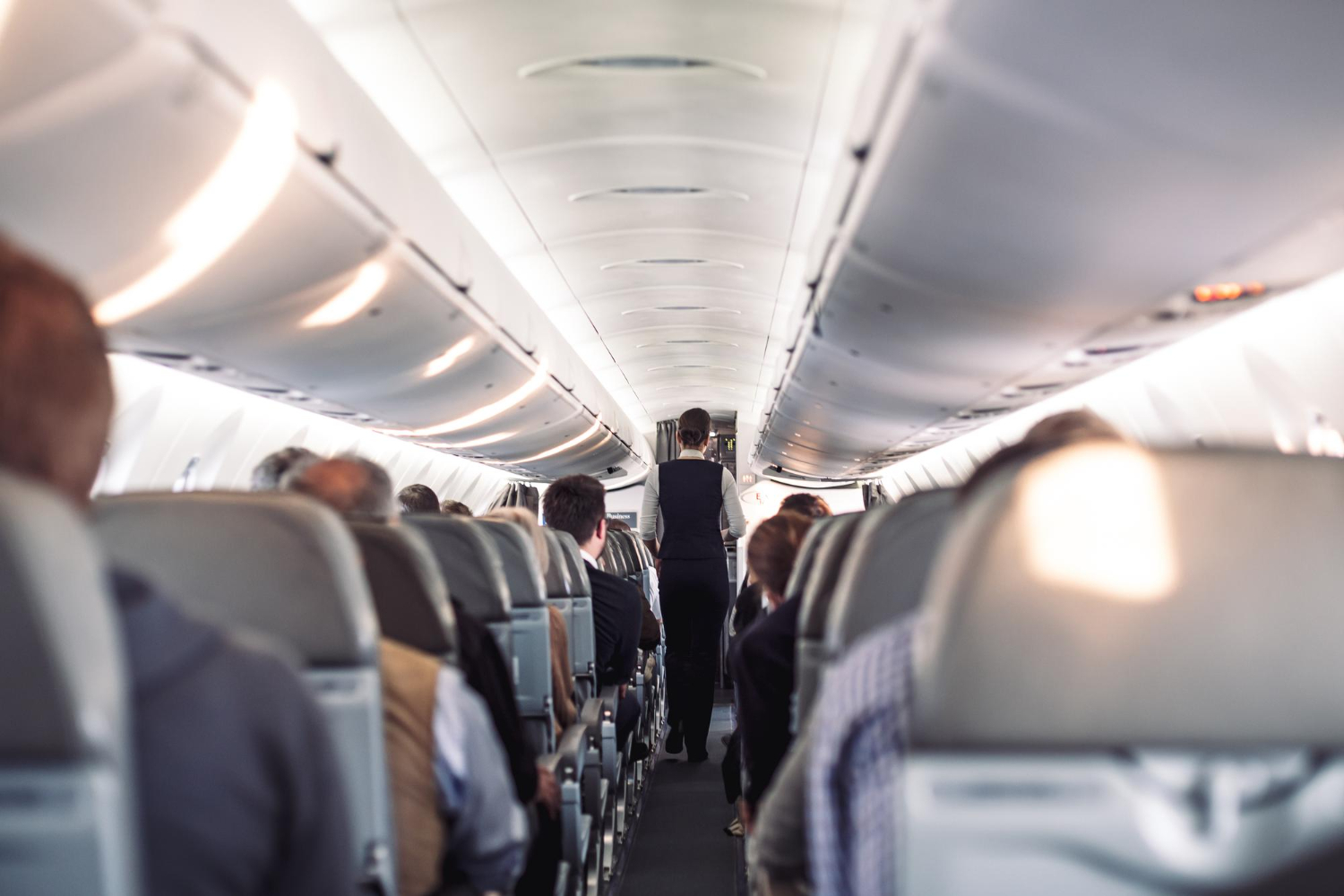
Flying puts a few hundred strangers in a cramped metal tube for hours, and the only thing that keeps the whole enterprise civilized is a shared code of etiquette that no airline prints on a card but everyone is expected to follow. Break these unwritten rules and you become that passenger — the one your seatmates silently resent and complain about later. Follow them and you’re a good citizen of the sky. Here are fourteen of the most important unwritten rules of flying, the small courtesies that make the difference between a tolerable flight and a miserable one for everyone around you.
1. The Middle Seat Gets Both Armrests
It’s the one fairness principle everyone should honor.
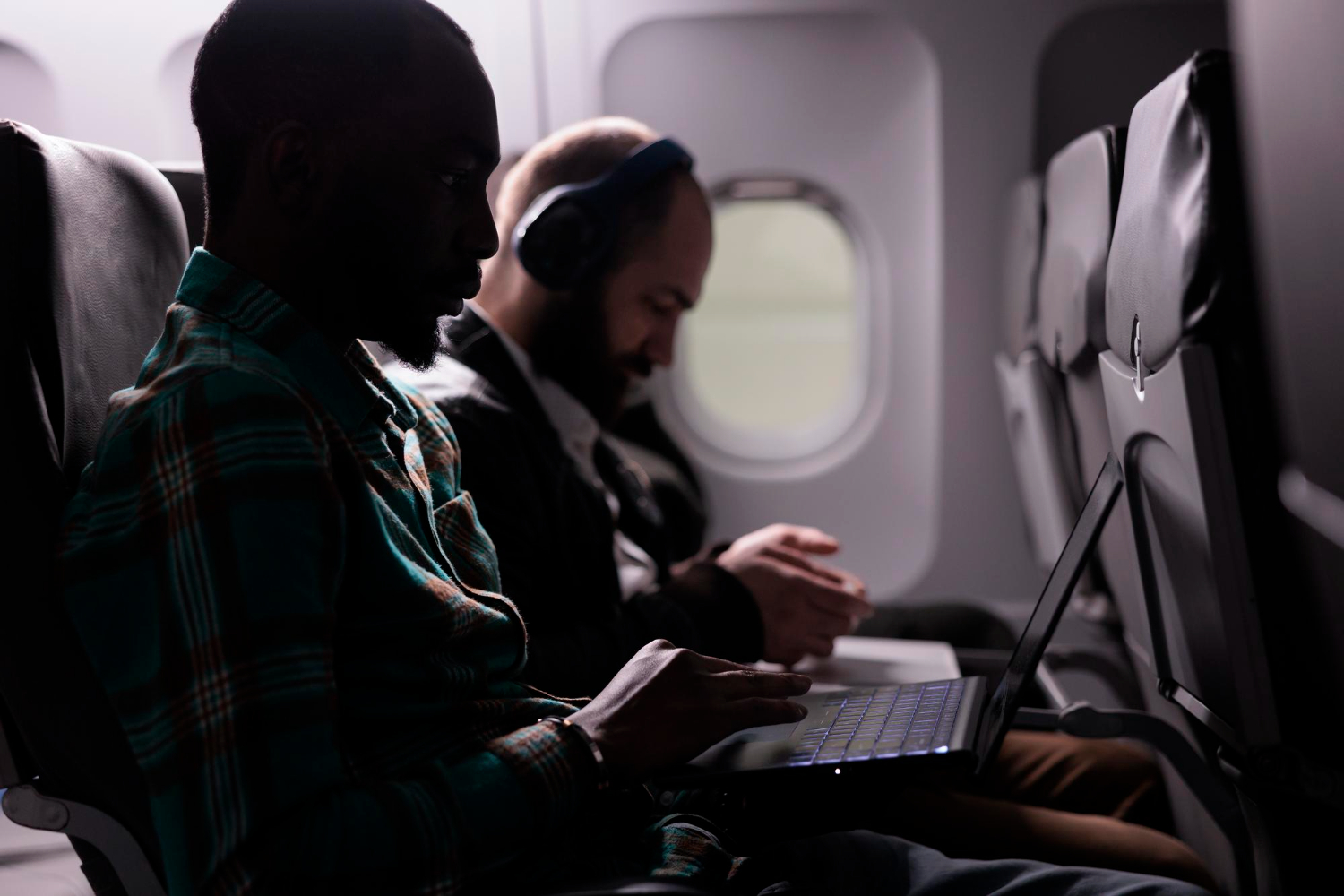
This is perhaps the most sacred unwritten rule of flying: the passenger stuck in the middle seat gets both of the middle armrests. The logic is simple fairness. The window passenger has the window to lean on and the wall; the aisle passenger has the open aisle and extra room to lean and stretch. The middle-seat sufferer has neither, so the two armrests flanking them are their small compensation for the worst seat on the plane. Claiming the middle person’s armrest when you’re on the aisle or window is a real breach of flying etiquette. Give the middle seat its armrests; it’s the least the rest of us can do for them.
Like our content? Follow us for more.
2. Recline With Caution and Courtesy
The reclining seat is the great flashpoint of air travel.
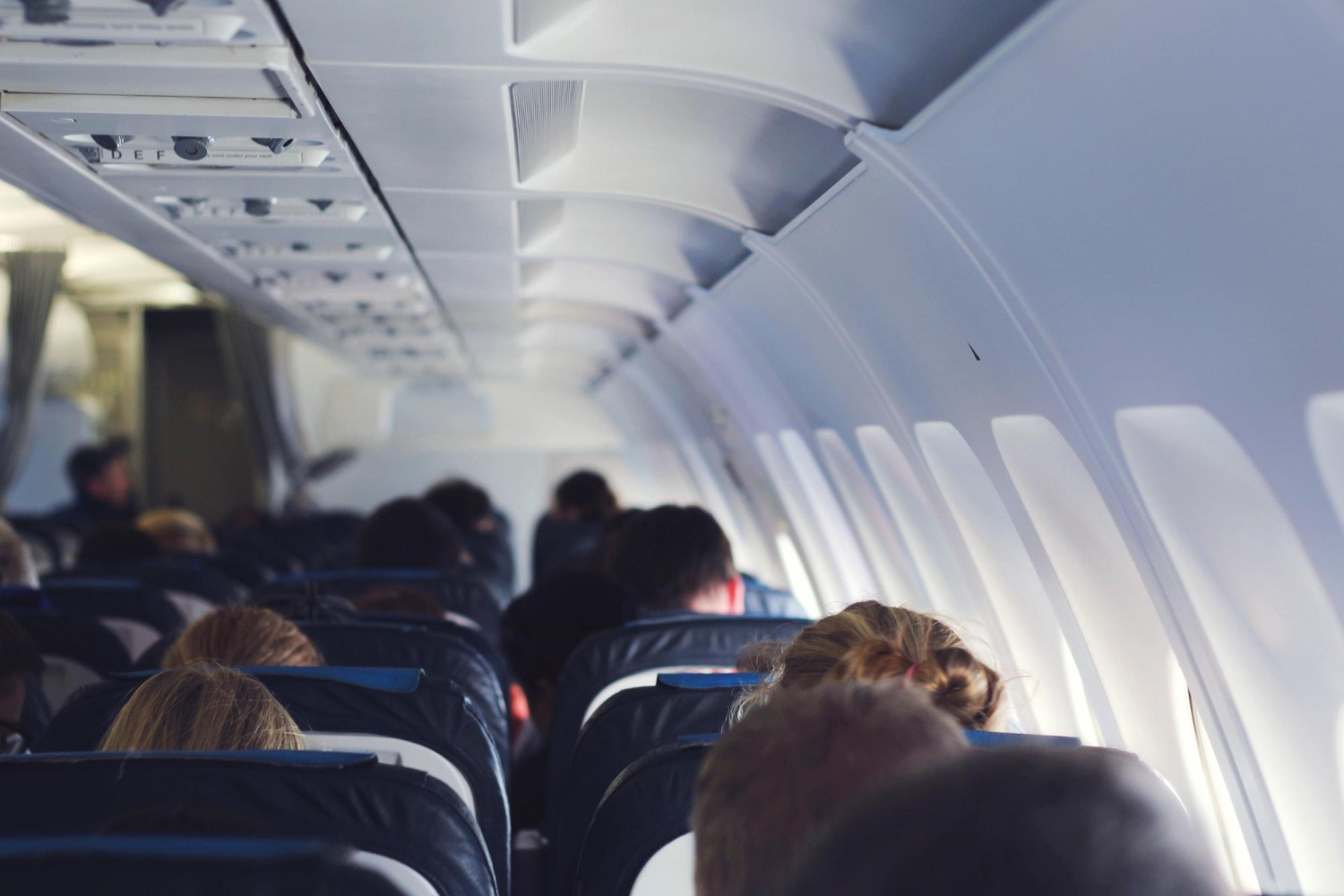
Few things ignite in-flight conflict like the reclining seat. You generally have the right to recline, but in today’s cramped cabins, doing so drops your seat straight into the knees, laptop, and personal space of the person behind you. The courteous approach is to recline gently and partially rather than slamming back to full extension, to glance behind you before reclining, and to be especially considerate during meal service when a reclined seat makes eating nearly impossible for the person behind. On short daytime flights, many considerate flyers don’t recline at all. It’s a right, but a good passenger uses it with awareness of the person whose space they’re entering.
3. Don’t Hog the Overhead Bin
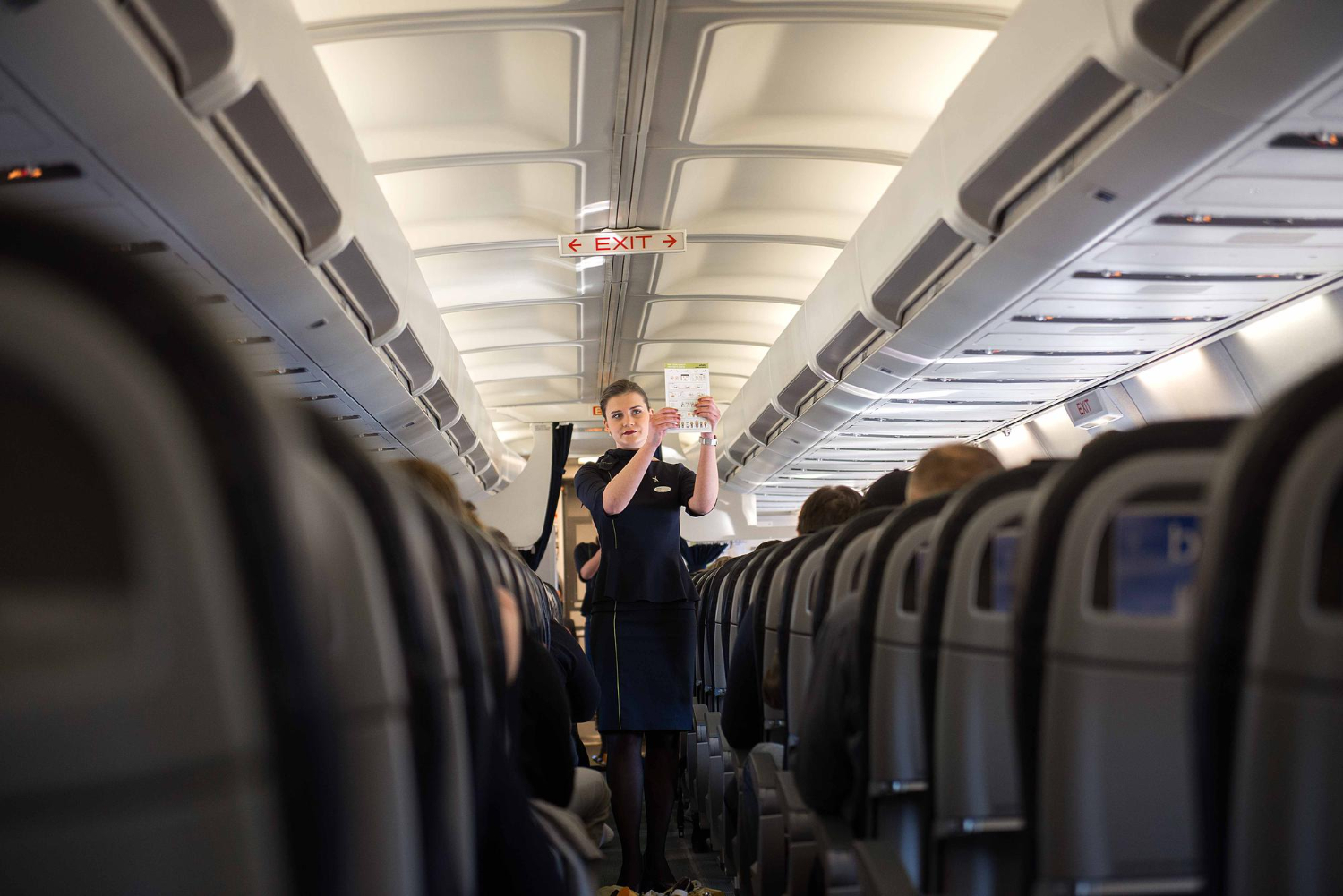
The space above your seat isn’t automatically yours.
Overhead bin space is a shared, limited resource, and hogging it is a classic offense. Put your bag in wheels-first to maximize space, don’t shove a coat or small personal item up top when it could go under the seat in front of you, and don’t claim bin space far from your own seat while boarding early. If everyone stows efficiently and takes only their fair share, there’s usually enough room; it’s the people who take more than their share who cause the bin scramble and gate-checks. Being mindful of the shared bin is a mark of a considerate flyer, and it keeps boarding smoother for everyone.
4. Keep Your Shoes On (Mostly)
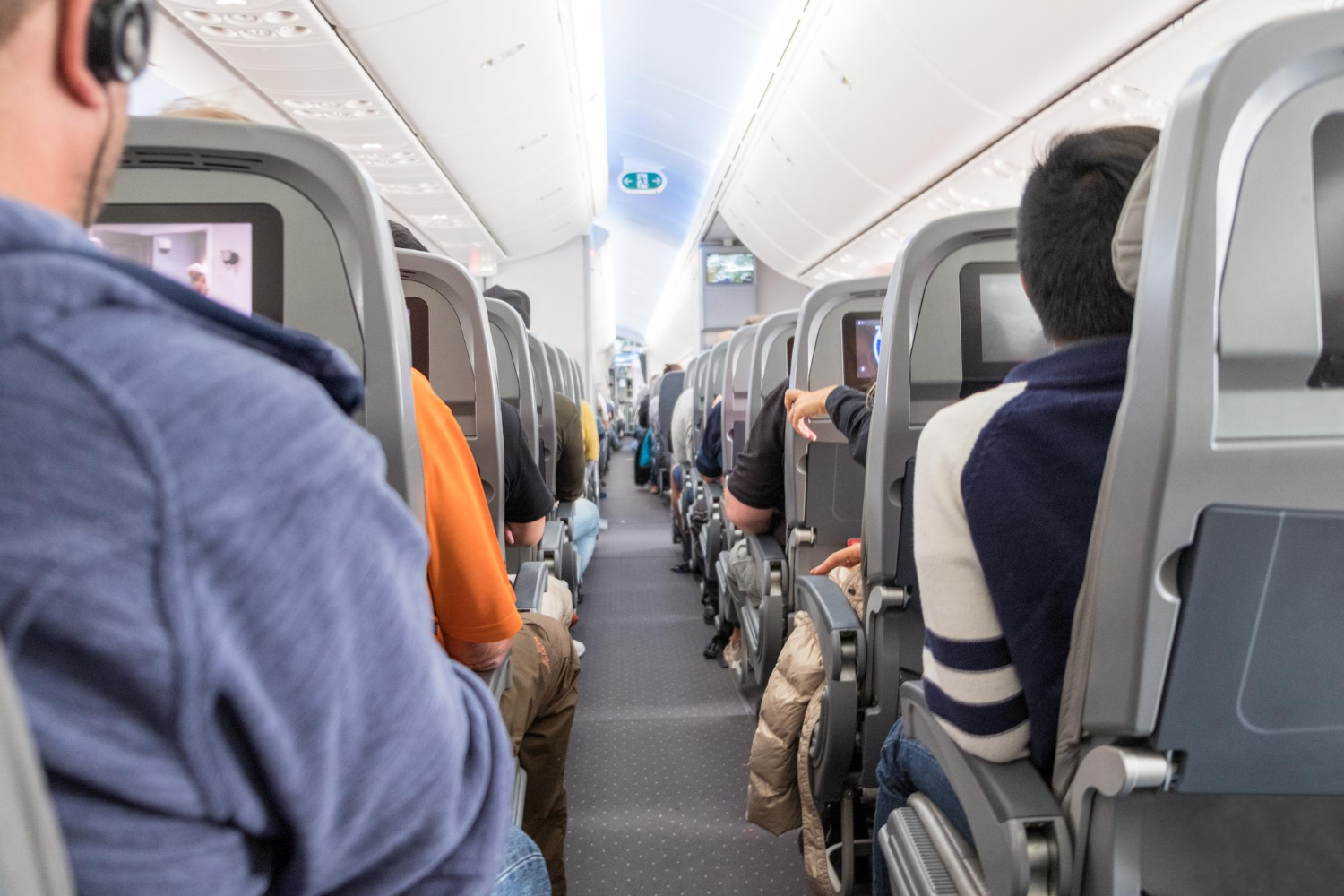
Bare feet are where the cabin draws the line.
On a long flight, slipping off your shoes for comfort is widely accepted, but there are firm limits. Socks, fine; bare feet, a serious breach. Never, ever go barefoot to the lavatory — that is not water on the floor. And keep your feet in your own space: no bare feet propped on armrests, poking into the aisle, or sticking through the gap onto a neighbor’s seatback. If your feet or socks have any odor, keep the shoes on entirely for the sake of everyone around you. Comfort is fine; subjecting your seatmates to your feet is not. It’s one of the most commonly cited flying grievances for good reason.
5. Be Mindful of Smells
Strong odors are inescapable in a sealed cabin.
In a sealed cabin with recirculated air, any strong smell affects everyone nearby with no escape, so courteous flyers keep it in mind. That means going easy on strong perfume or cologne, thinking twice about bringing aboard pungent, aromatic food that will fill the cabin, and general attention to personal freshness on long flights. What’s a pleasant scent or a delicious meal to you can be overwhelming to the strangers packed in around you for hours. It’s not about being fussy; it’s simply that the confined space removes everyone’s ability to get away from a smell, which raises the bar for consideration.
6. Control Your Children (or Try To)
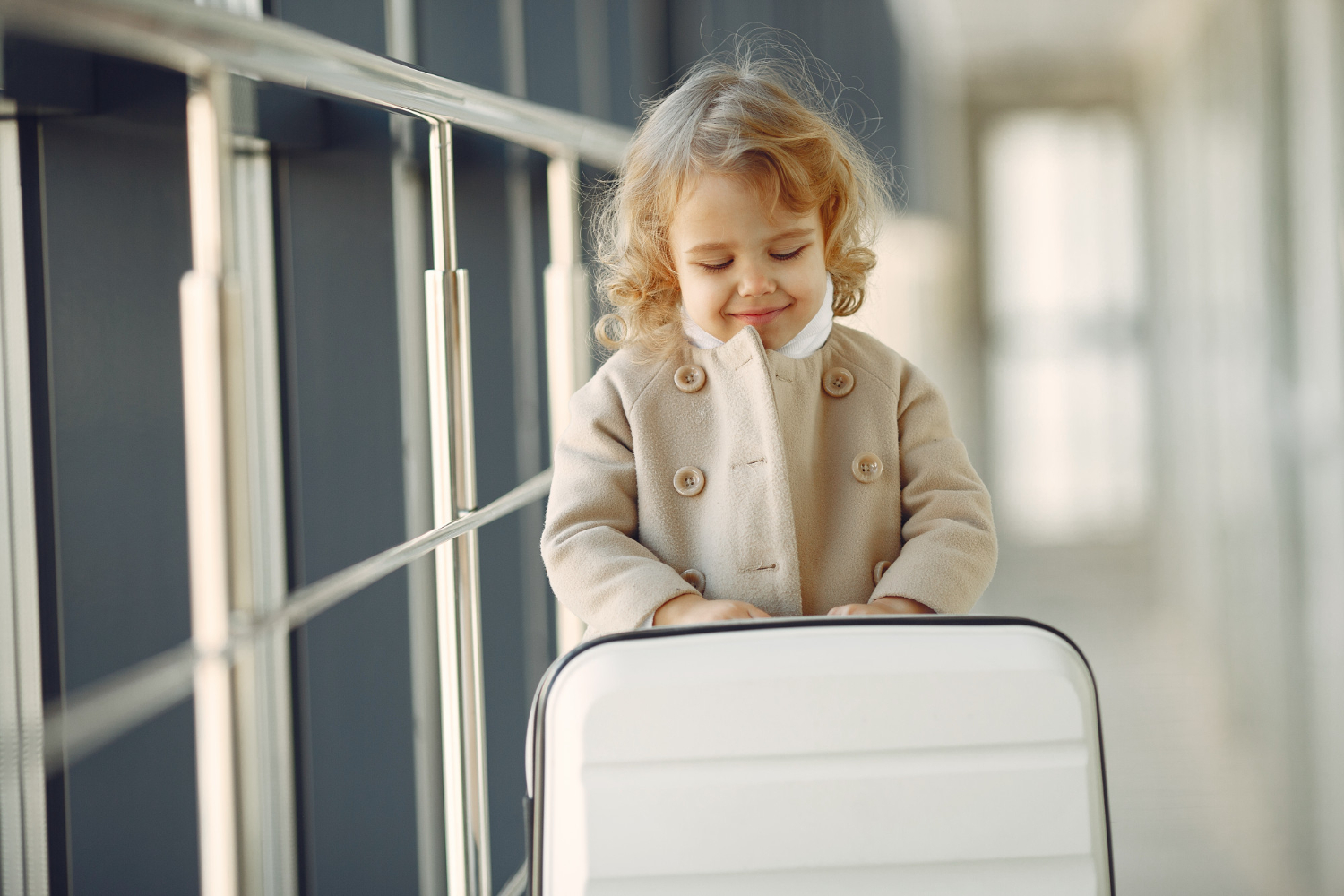
Everyone was once a kid, but effort matters.
Traveling with kids is hard, and most passengers understand that babies cry and children get restless; nobody reasonable expects perfection. The unwritten rule isn’t that children must be silent, but that parents should visibly try — keeping kids entertained, stopping them from kicking the seat in front, not letting them run wild in the aisles or repeatedly grab the seatback of the person ahead. Fellow passengers are remarkably forgiving of a struggling parent who is clearly making an effort, and remarkably unforgiving of one who checks out and lets the kids do whatever. Effort is the currency here, and most travelers extend real grace to those who show it.
7. The Window Passenger Controls the Shade
But controls it with some consideration for the cabin.
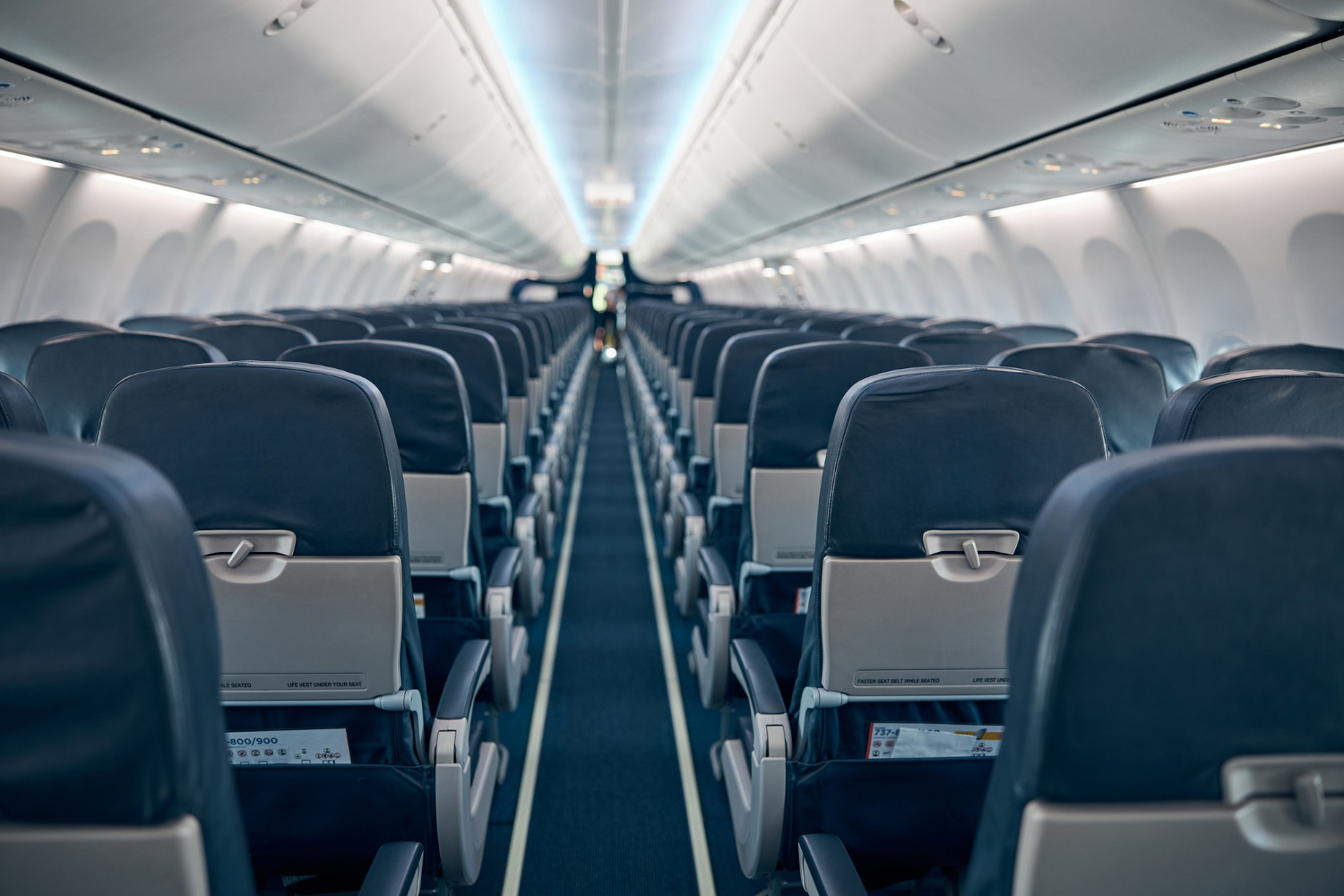
By general agreement, the window-seat passenger has authority over their window shade, but that authority comes with a little responsibility. On a long flight when the cabin is trying to sleep and screens are glowing in the dark, keeping the shade down is the courteous move; blasting the whole row with sunlight while everyone’s dozing is not. Conversely, cabin crew may ask for shades in a particular position for takeoff and landing. It’s your shade, but a considerate window passenger reads the room — down when the cabin is resting, and a heads-up or gradual raise rather than a sudden flood of light when you want to look out.
8. Wait Your Turn to Deplane
The great test of patience at the end of every flight.
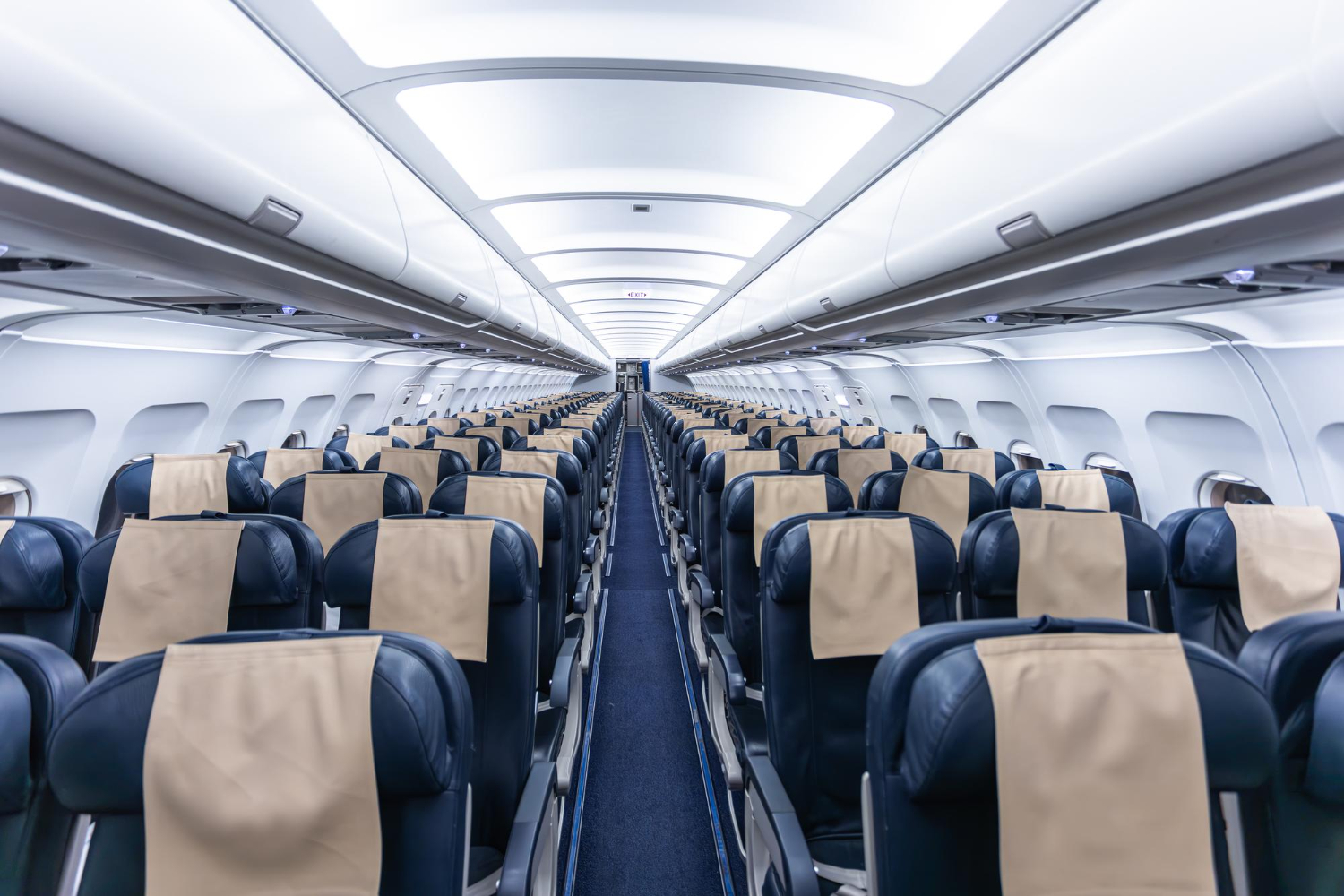
When the plane reaches the gate, the unwritten rule of deplaning is to exit row by row from the front, letting each row ahead of you go first rather than shoving past. Leaping up and pushing forward the moment the seatbelt sign dings, squeezing past rows ahead of you, marks you instantly as rude. The polite convention is to let the row in front of you clear, then gather your things and go, allowing the natural front-to-back order to flow. The exception is real — if you have a very tight connection, it’s fine to politely ask others to let you through. Otherwise, patience and turn-taking rule the aisle.
9. Headphones Are Not Optional
Nobody wants to hear your movie, music, or calls.
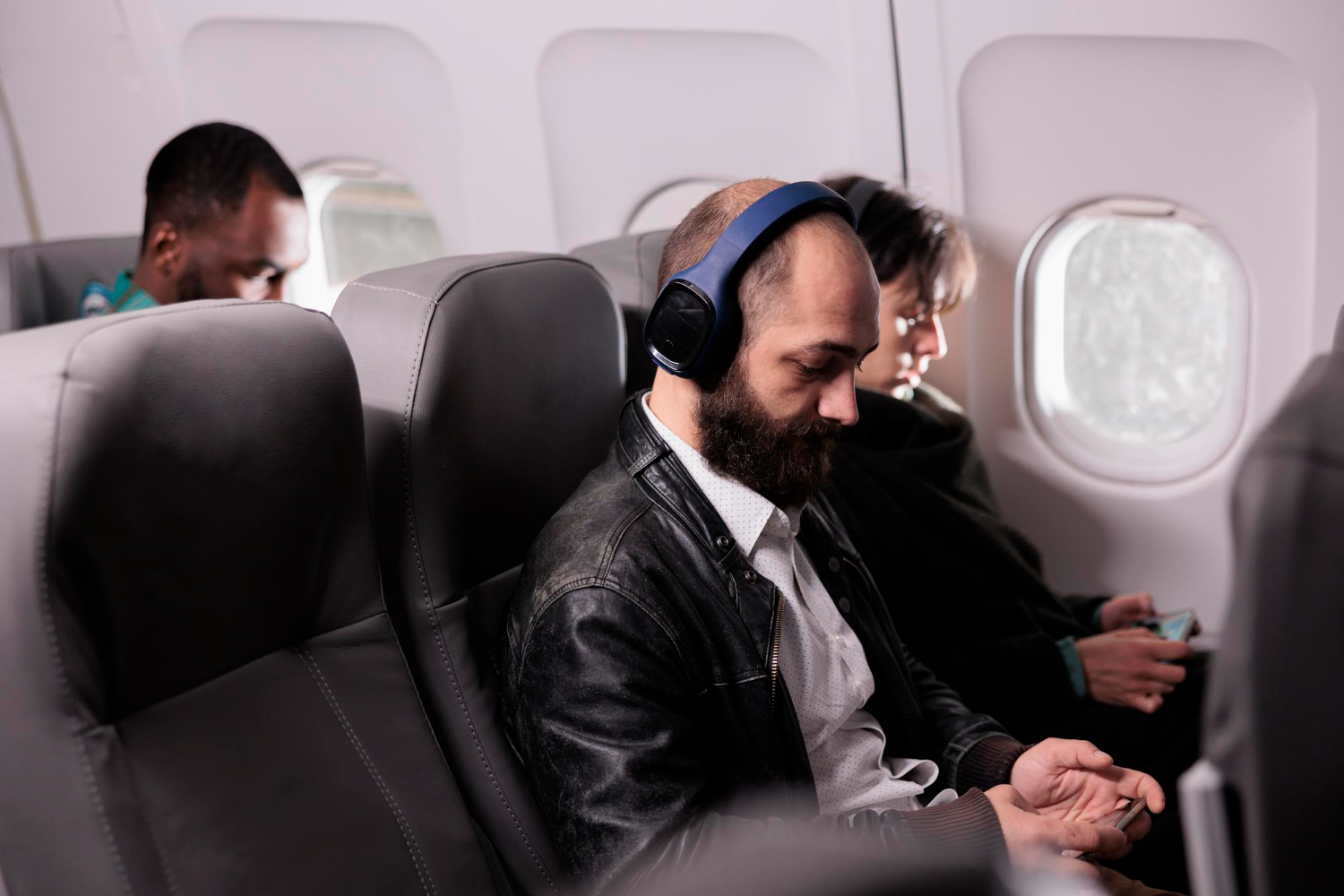
This one is absolute: whatever you’re watching or listening to, use headphones. Playing music, videos, games, or phone calls out loud through your device’s speaker in a quiet cabin is one of the most universally condemned flying offenses. This extends to keeping your headphone volume reasonable enough that it doesn’t leak to your neighbors, and to keeping any conversation, especially video calls before takeoff, at a low volume. The cabin is a shared quiet space, and the sound coming from your seat should stay at your seat. Bring headphones, use headphones, and you’ve cleared one of the lowest and most important bars of flying courtesy.
10. Don’t Overshare With Your Seatmate
Read the signals before launching into conversation.
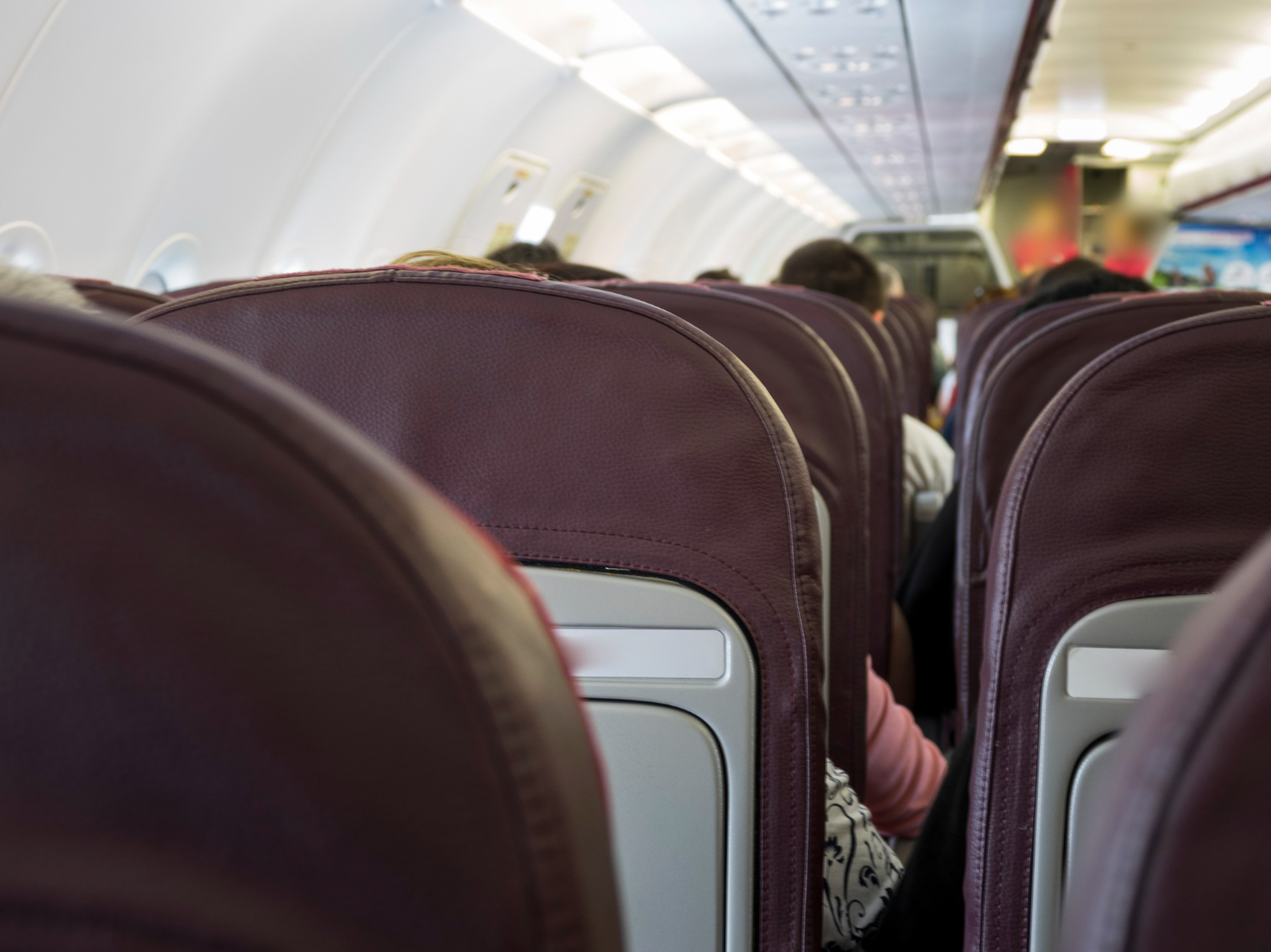
A friendly word with your seatmate is perfectly nice, but the unwritten rule is to read their cues before settling in for a long chat. If your neighbor has headphones in, is reading, working, or has closed their eyes, that’s a clear signal they’d like to keep to themselves, and a considerate flyer respects it rather than talking at a captive audience for three hours. Some people love a chatty flight; others treasure the quiet. The courtesy is in paying attention to which kind of person you’re sitting next to and giving them the flight they want, rather than assuming everyone wants to hear about your trip.
11. Keep Your Space to Yourself
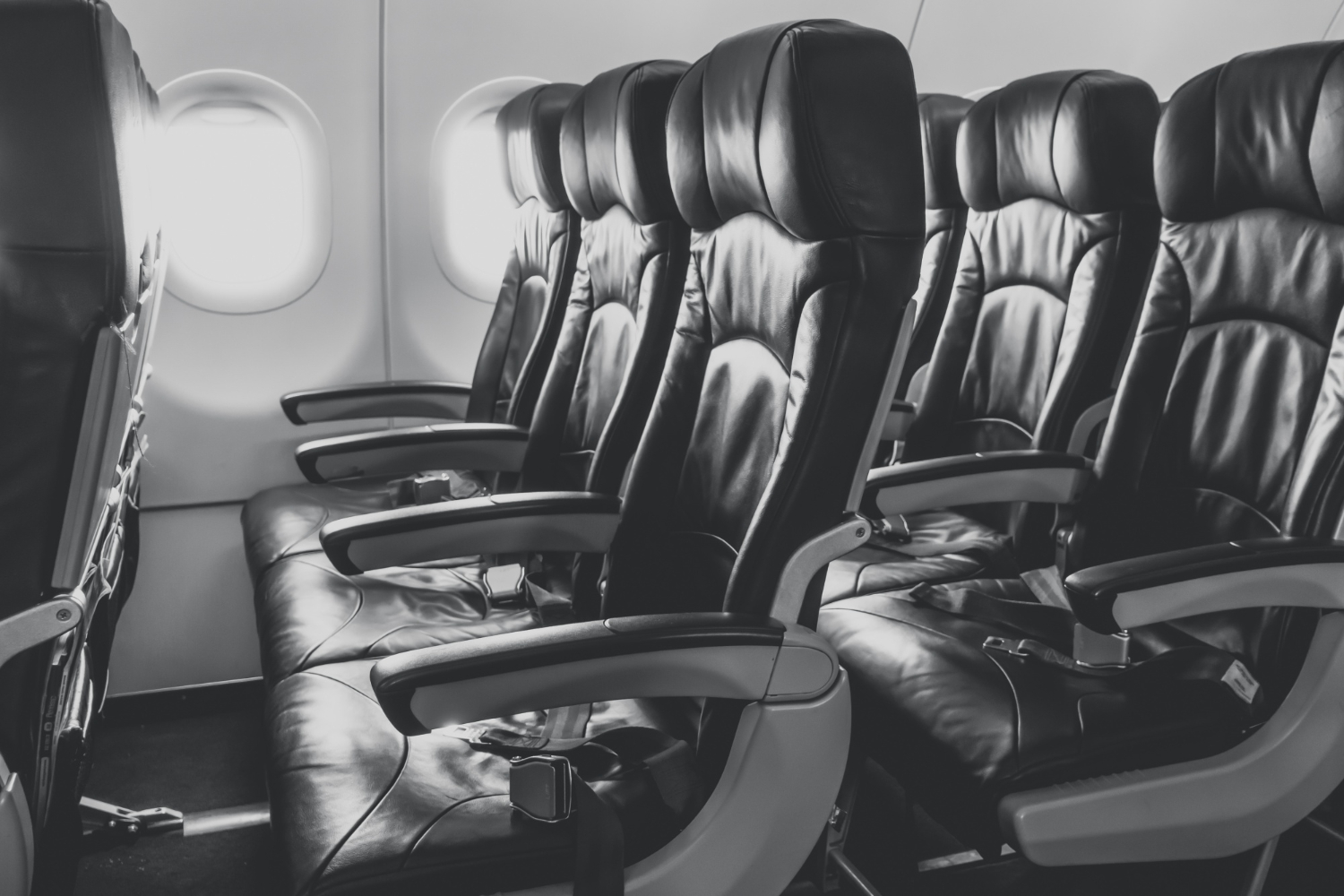
Your seat is your territory, and no more.
Space is precious on a plane, and the rule is to contain yourself within your own. That means no letting your elbows, knees, or belongings spill into a neighbor’s seat, no man-spreading into the middle passenger’s legroom, no draping your hair over the seatback onto the person behind you, and no using the seat in front as a handhold to haul yourself up, which yanks the head of whoever’s sitting there. Everyone’s cramped, and the social contract is that we all stay politely compressed within our own little zone rather than expanding into someone else’s. Respecting the invisible boundaries of each seat keeps the peace in a very tight space.
12. Handle the Tray Table and Seatback Gently
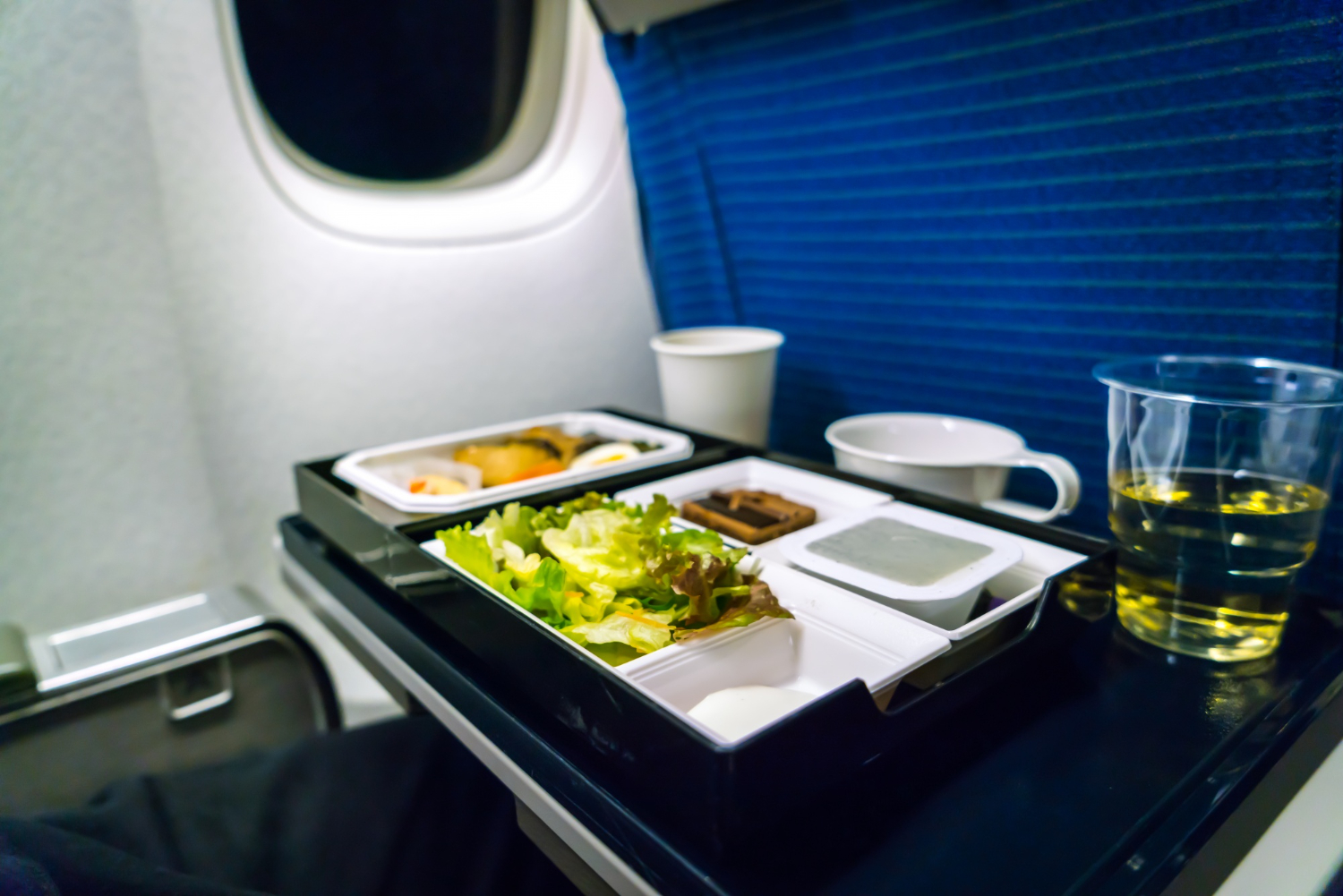
The person in front of and behind you can feel everything.
Remember that the seat in front of you is attached to a living person: pushing, pulling, drumming, or repeatedly jamming your knees or the touchscreen into their seatback is felt directly by them, over and over. Be gentle with the tray table and the seatback pocket, avoid using the touchscreen entertainment like you’re angrily poking it, and don’t tug on the seat in front. Likewise, be tidy with your tray table and stow your trash for the cart rather than cramming it into the seatback pocket. These small mechanical courtesies spare the people around you a flight of constant, low-grade irritation they can feel in their spine.
13. Respect the Flight Attendants

They’re there for safety, not just service.
A cornerstone of flying etiquette is treating the cabin crew with courtesy and following their instructions promptly. Flight attendants are safety professionals first and foremost, and their directions — about seatbelts, electronics, stowing bags, and the rest — exist for good reasons and aren’t up for debate. Say please and thank you, don’t snap your fingers or be demanding, clean up after yourself, and comply without argument when they ask something of you. Being kind and cooperative with the crew isn’t just decent; it also tends to get you far better treatment. Rudeness to flight attendants is both a serious etiquette failure and, increasingly, taken very seriously by airlines.
14. Leave Your Space as You Found It
A small courtesy to the crew and the next passenger.
As the flight ends, a considerate passenger takes their trash with them or hands it to the crew, rather than leaving a nest of wrappers, cups, and tissues stuffed in the seatback pocket and strewn on the floor for the next person and the cleaning crew. It takes only a moment to gather your rubbish and gather your belongings, and it makes a real difference to the people who have to turn the plane around and to whoever sits there next. Treating your temporary little space with a bit of respect on the way out is the quiet mark of a good traveler, and it’s the courteous way to end any flight.
The Code of the Skies
The middle seat’s armrests, headphones always in, shoes on, recline with care, and take your trash with you — the unwritten rules of flying all come down to remembering that you’re sharing a very small space with a lot of other people.
None of these rules are printed anywhere or enforced by anyone, which is exactly why they matter: they’re the voluntary courtesies that turn a stressful, cramped, shared experience into a tolerable one for everybody. The whole code boils down to a single principle — awareness that your comfort ends where your neighbor’s begins, and that a plane full of strangers works only if everyone gives a little. Follow these, and you’ll be the kind of seatmate people are relieved to sit next to. Ignore them, and you’ll be the story someone tells about their terrible flight. In the close quarters of the sky, a little consideration goes a very long way.
Like our content? Follow us for more.