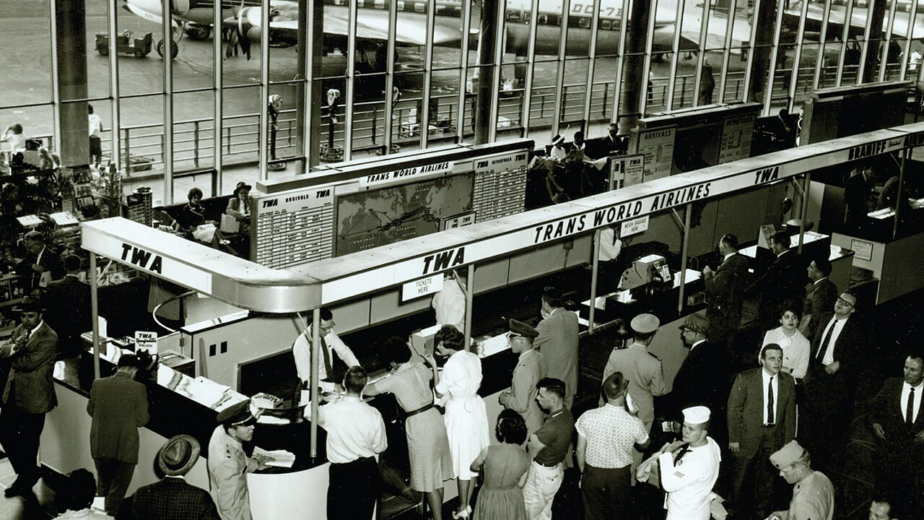
Across the Great Plains, the skeletal remains of the golden age of road-tripping still flicker at twilight. On the outskirts of Nebraska towns like Grand Island, Kearney, and North Platte, vintage motor courts with weathered neon arrows beckon nostalgic travelers. But ask a local, and you’ll get a different story. They don’t see retro charm; they see a “geographic red flag.” Here is why residents advise keeping the cruise control set until you reach the modern interchanges.
1. The “Weekly Rate” Transition

The biggest misconception travelers have is that these motels are still catering to tourists. Locals know that many iconic roadside courts have transitioned into “housing of last resort.” According to data from the National Low Income Housing Coalition, Nebraska has seen a significant tightening of the rental market, leading many vintage motels to shift from nightly guests to semi-permanent residents on “weekly rates.” A tourist pulling in for a single night often feels less like a guest and more like an intruder in a private, struggling residential community.
2. The Exterior Door Vulnerability
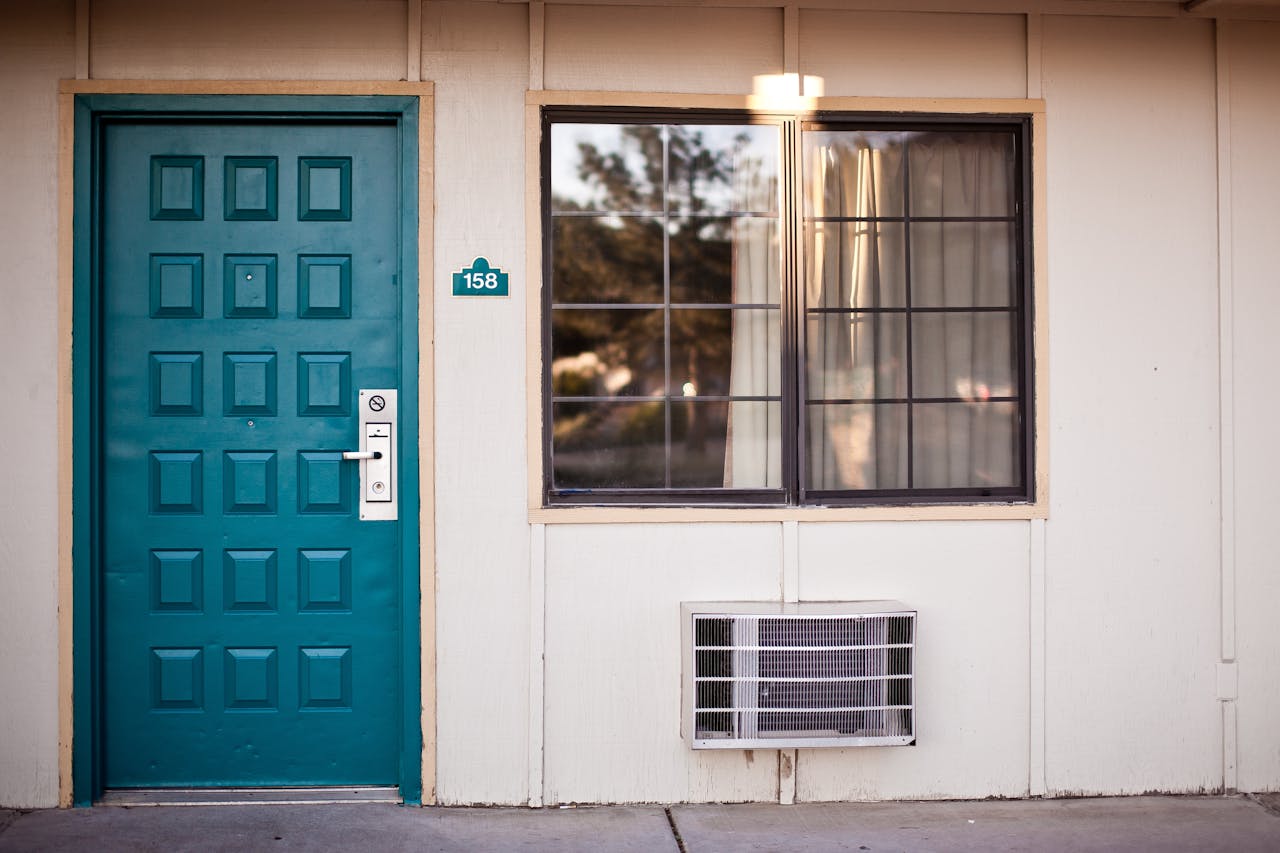
The defining feature of the classic motor court, the ability to drive right up to your door, is its biggest modern security flaw. Unlike modern hotels with interior corridors and centralized surveillance, motor courts feature doors that face dark, open parking lots. Locals warn that these doors often feature hardware that hasn’t been updated in decades. Safety data consistently shows that “exterior entry” motels have higher rates of vehicle break-ins and “door-knocking” scams compared to the restricted-access lobbies found at the main I-80 interchanges.
3. “Vintage” is Often Code for “Unrenovated”
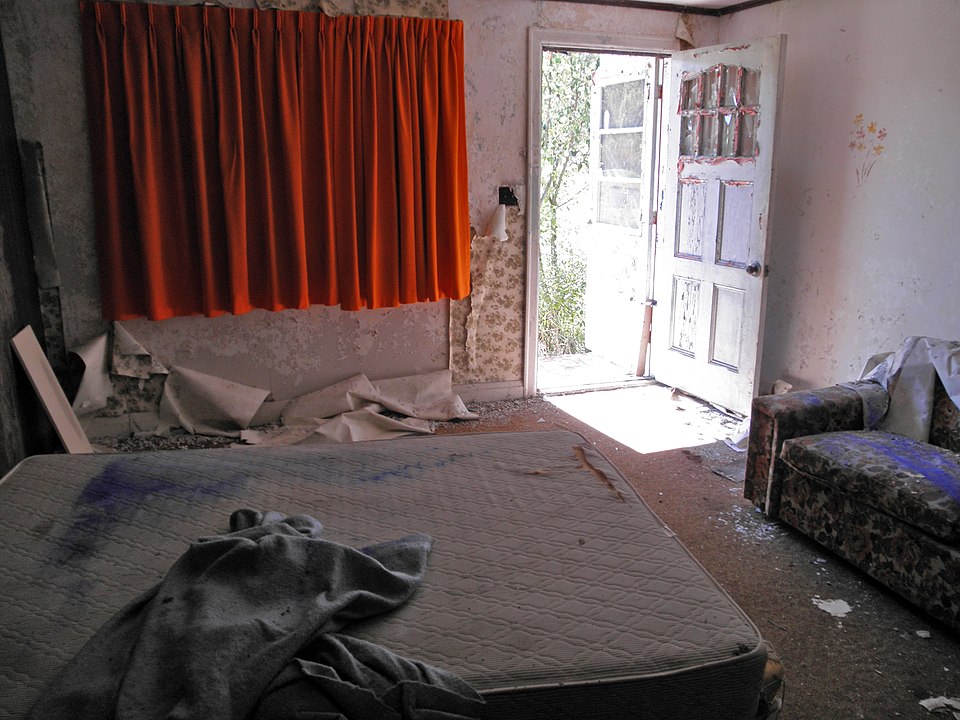
In the high-humidity summers and sub-zero winters of the Plains, “vintage” frequently translates to “deferred maintenance.” Nebraska locals warn that these older properties often suffer from systemic issues: rattling window A/C units that struggle against 100-degree heat, electrical outlets that are scarce or loose, and plumbing that can’t handle modern demand. While the sign looks great on Instagram, the lack of soundproofing against the rumbling freight trains that parallel much of Nebraska’s highway system often makes sleep impossible.
4. The Isolation of the Bypassed Highway
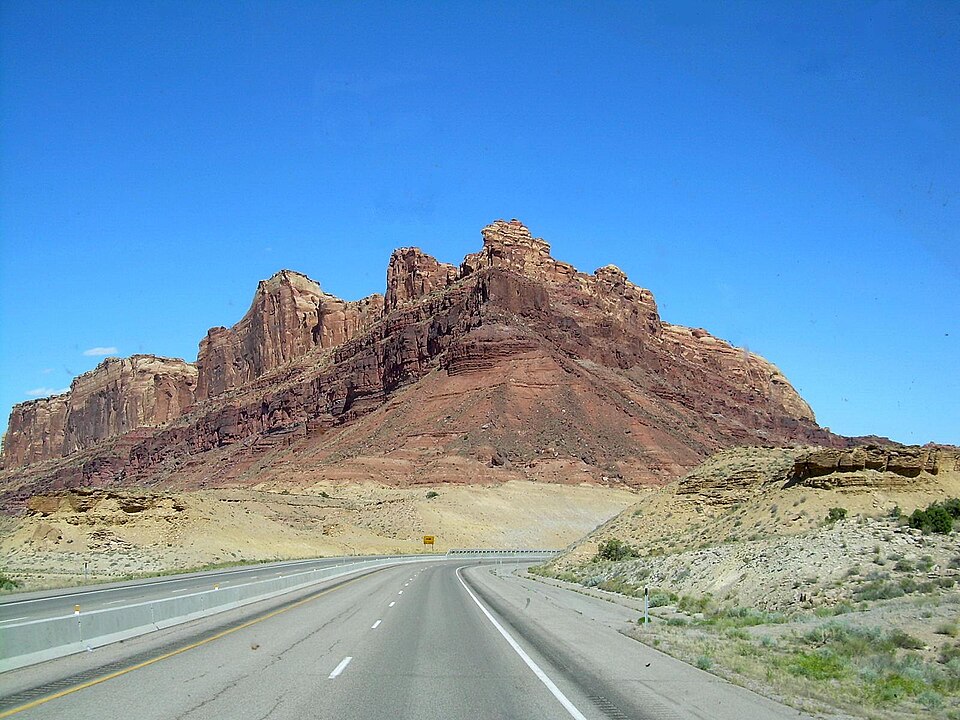
Many of these motels were built on the original U.S. Route 30 (the Lincoln Highway) before I-80 was completed. Today, those original routes are often industrial corridors or quiet agricultural bypasses. Locals point out that staying at these “edge of town” spots leaves you geographically isolated. Once the sun sets, you are often miles from a safe walk to a restaurant, a grocery store, or even a well-lit gas station. If your vehicle won’t start in the morning, you are in a “service desert” far from the rapid-response zones of the interstate.
5. The “Cash Only” Red Flag
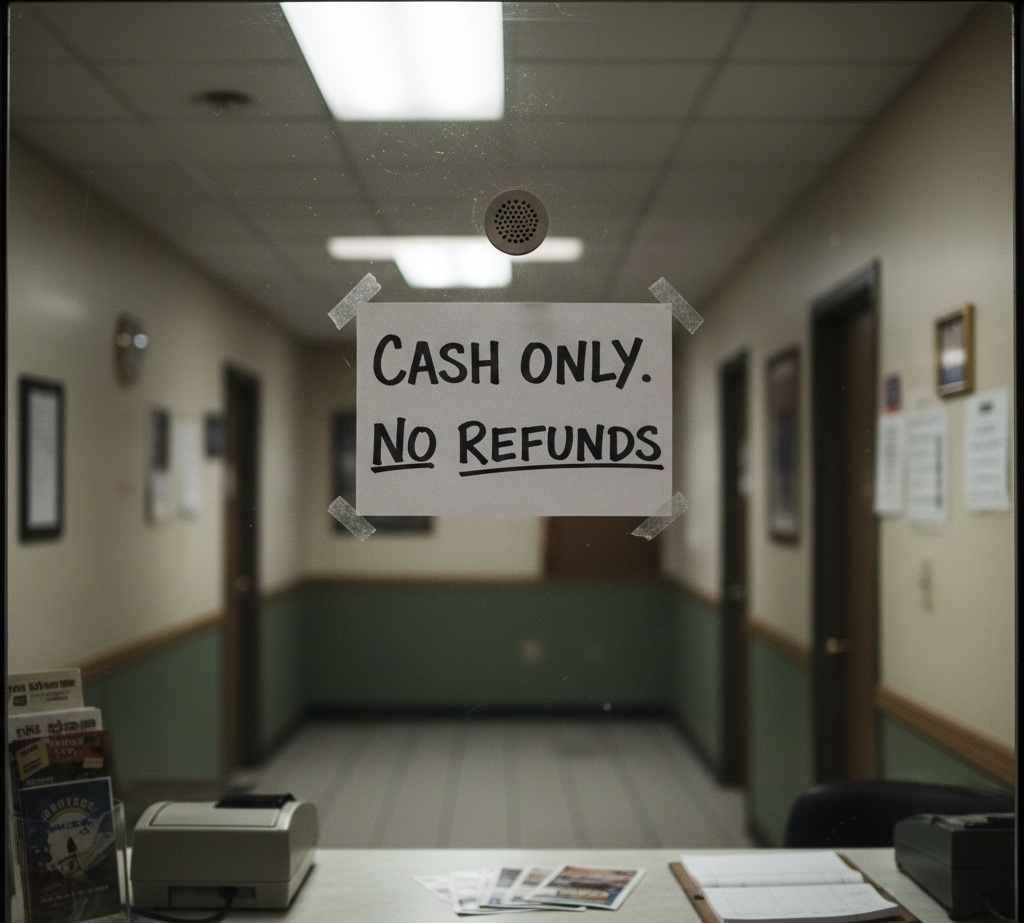
In an era of digital payments and loyalty points, any lodging establishment near a major interstate that insists on “Cash Only” is a signal to locals. This policy is often used to avoid the digital paper trail required by tax authorities or to bypass the consumer protection of credit card “chargebacks.” Residents warn that these establishments often have “No Refund” policies that are strictly enforced, even if the room is uninhabitable upon entry.