
Every year on July 30, the world marks the International Day of Friendship, a United Nations observance dedicated to one of the most universal and cherished parts of the human experience: friendship. It’s a day that celebrates the idea that the bonds of friendship — between individuals, between communities, between whole countries and cultures — can bridge divides, foster understanding, and even, in the UN’s hopeful framing, help build a more peaceful world.
On its surface, the International Day of Friendship is a straightforward, feel-good occasion. But its backstory is truly charming and more than a little surprising, involving a small gathering of friends in South America, decades of quiet campaigning, an official United Nations resolution, and the appointment of a beloved storybook bear as the world’s Ambassador of Friendship. And behind the sentiment lies something substantial: a growing body of research showing that friendship is not just pleasant but profoundly good for us. Here’s the story of how July 30 became the day the world celebrates its friends, and why that celebration is more meaningful than it might first appear.
A Dinner Party in Paraguay
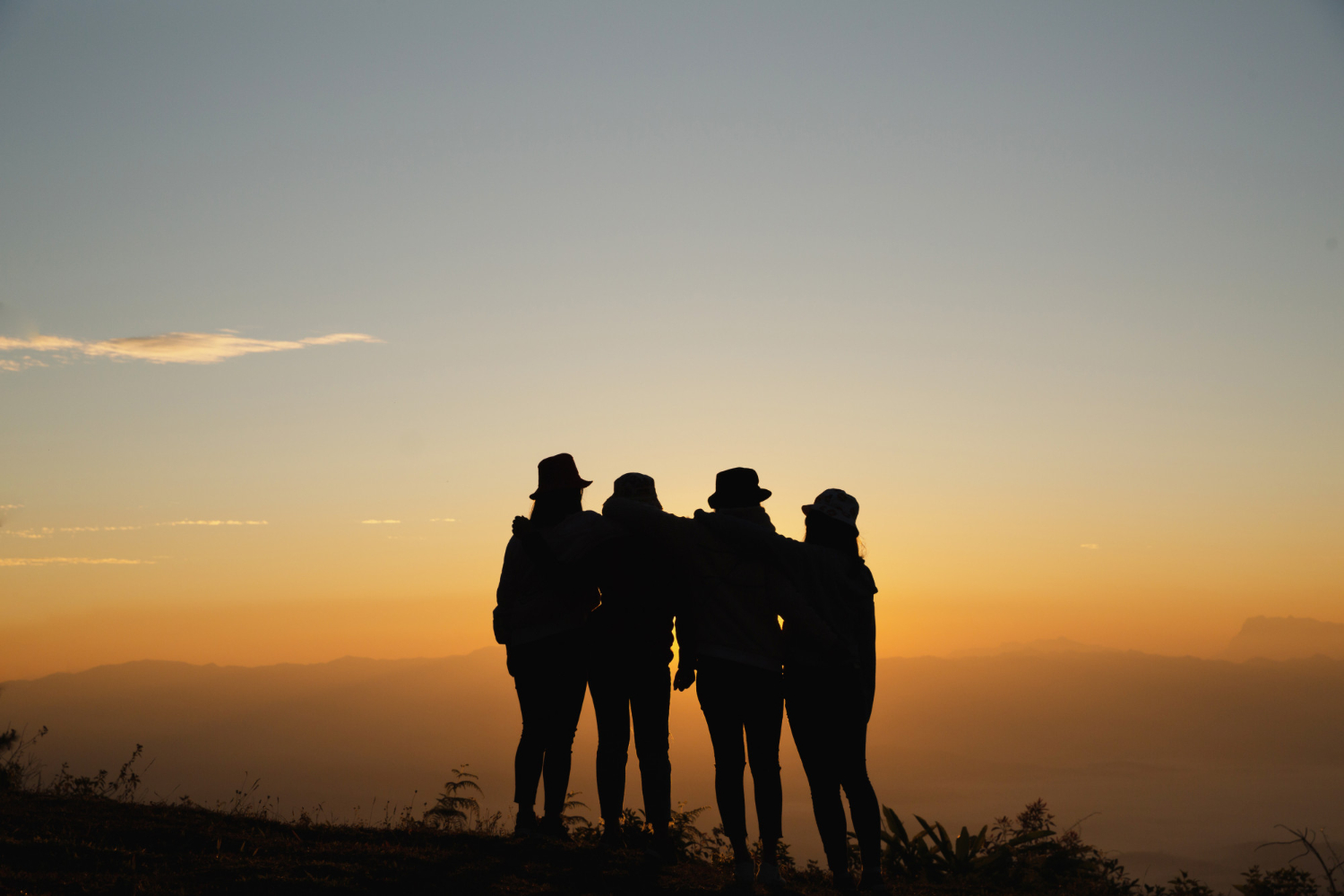
The story of the modern friendship holiday begins not in the halls of the United Nations but at a dinner table in Paraguay in 1958. It was there that a physician named Dr. Ramón Artemio Bracho, gathered with friends, reflected on the importance of friendship and the idea that celebrating it could help promote peace and goodwill among all people, regardless of their background, race, or beliefs.
Out of that gathering grew an organization called the World Friendship Crusade, which Bracho founded to spread the idea of friendship as a foundation for a better, more united world. The Crusade championed the concept of a dedicated Day of Friendship and settled on July 30 as its date. From these humble beginnings, the observance took root first in Paraguay, where it became an established tradition, and then gradually spread to other countries around the region and beyond. For decades, the World Friendship Crusade kept the idea alive and even lobbied the United Nations to give the day official international recognition. It’s a lovely origin: an idea born among friends, at a shared meal, about the value of friendship itself, that slowly grew into a global movement.
Like our content? Follow us for more.
How It Became Official

Although the idea had been circulating and gaining support for decades, it took until the twenty-first century for friendship to receive formal recognition on the world stage. In 2011, the United Nations General Assembly officially proclaimed July 30 as the International Day of Friendship, giving the grassroots idea that had started in Paraguay the full weight of an internationally recognized observance.
The United Nations framed the day around a serious and aspirational purpose. The resolution recognized that friendship between peoples, countries, cultures, and individuals could inspire peace efforts and help build bridges between communities. In other words, the UN saw friendship not merely as a private pleasure but as a force with the potential to promote reconciliation, mutual understanding, and solidarity across the divides that separate people and nations. The day encourages governments, organizations, schools, and individuals alike to hold events and take actions that foster friendship and dialogue across cultural, national, and other boundaries. What had begun as one man’s idea at a dinner party had become an official call, endorsed by the community of nations, to take friendship seriously as a path toward a more peaceful world.
The Bear Who Became an Ambassador

Here is where the story takes its most delightful turn. Some years before the UN formally established the day, back in 1997, the United Nations did something wonderfully whimsical: it named a fictional character as the world’s Ambassador of Friendship, and the character it chose was none other than Winnie the Pooh.
The designation was made on the occasion of a friendship observance, when the wife of the then-United Nations Secretary-General designated the honey-loving bear, created by British author A.A. Milne back in 1924, as Ambassador of Friendship. The choice, however charming, was also thoughtful: Winnie the Pooh, with his gentle loyalty and his devotion to his circle of friends in the Hundred Acre Wood, embodies exactly the qualities of companionship and friendship the day is meant to celebrate. The aim was to encourage young people to think about what they could do to build ties of friendship and understanding across different cultures, and few characters convey the simple warmth of friendship more universally than Pooh, who is forever helping his friends out of their mishaps and sharing his honey even when he’s hungry himself. So the next time you see the International Day of Friendship on the calendar, you can smile knowing that its official global ambassador is a small, round bear of very little brain and a very large heart.
Why Friendship Matters More Than We Think

Beneath the whimsy, the International Day of Friendship points to something that researchers have increasingly come to appreciate: friendship is not a trivial nicety but a truly important part of a healthy, happy human life. In an age when much attention is paid to family and romantic relationships, the profound value of friendship can sometimes be overlooked, and the day is a welcome reminder to give it its due.
A substantial body of research has linked strong friendships and social connections to a remarkable range of benefits. Friends provide emotional support during hard times, share in our joys, and offer a sense of belonging that is deeply nourishing to our wellbeing. Studies have associated rich social connections with better mental health, greater happiness and life satisfaction, and even improvements in physical health and longevity, while loneliness and social isolation have been connected to a variety of negative health outcomes. The philosopher Cicero, writing more than two thousand years ago, captured it beautifully when he observed that friendship improves happiness and lessens misery by doubling our joys and dividing our griefs. Modern science has largely confirmed the ancient intuition: the friends we choose, and who choose us in return, are among the most valuable relationships we will ever have, shaping our happiness and health in ways both obvious and subtle.
How the World Celebrates

The International Day of Friendship is marked in a variety of ways around the world, reflecting its dual nature as both a personal and a global observance. On the personal level, it’s an occasion to reach out to the friends in your life — to send a message, make a call, arrange a get-together, or simply take a moment to appreciate the people who have chosen to walk alongside you.
On the broader level, in keeping with the UN’s vision, the day inspires community events, cultural exchanges, and initiatives that bring people together across lines of difference. Schools and organizations hold activities that encourage young people to forge new friendships and to appreciate the value of understanding across cultures. Communities organize gatherings that celebrate connection and inclusion. Some people use the day to make new connections, introducing themselves to someone they don’t yet know, while others focus on strengthening the bonds they already have. There’s no single prescribed way to observe it, which is part of its charm — the day simply invites everyone, in whatever way suits them, to honor friendship and to act on the understanding that the bonds between people are worth nurturing and celebrating.
Celebrating the Ties That Connect Us
The International Day of Friendship is, in the end, a celebration of something that costs nothing and means everything. It reminds us that friendship — the freely chosen bond between people who support, understand, and delight in one another — is one of the great goods of human life, and one worth setting aside a day to honor. From its origins at a Paraguayan dinner party to its endorsement by the United Nations to its improbable cartoon-bear ambassador, the day carries a consistent and hopeful message: that connection matters, that reaching across differences is worthwhile, and that a world with more friendship in it is a better world.
So this July 30, consider taking the day’s gentle invitation to heart. Reach out to an old friend you’ve lost touch with, tell the people close to you how much they mean, or simply make a little space to appreciate the friendships that enrich your life. In a world that can feel divided, the simple act of valuing and nurturing our friendships is steadily powerful, both for our own wellbeing and, in its own small way, for the more connected and understanding world the International Day of Friendship envisions. As a wise bear might put it, sometimes the smallest things take up the most room in your heart.
Like our content? Follow us for more.