

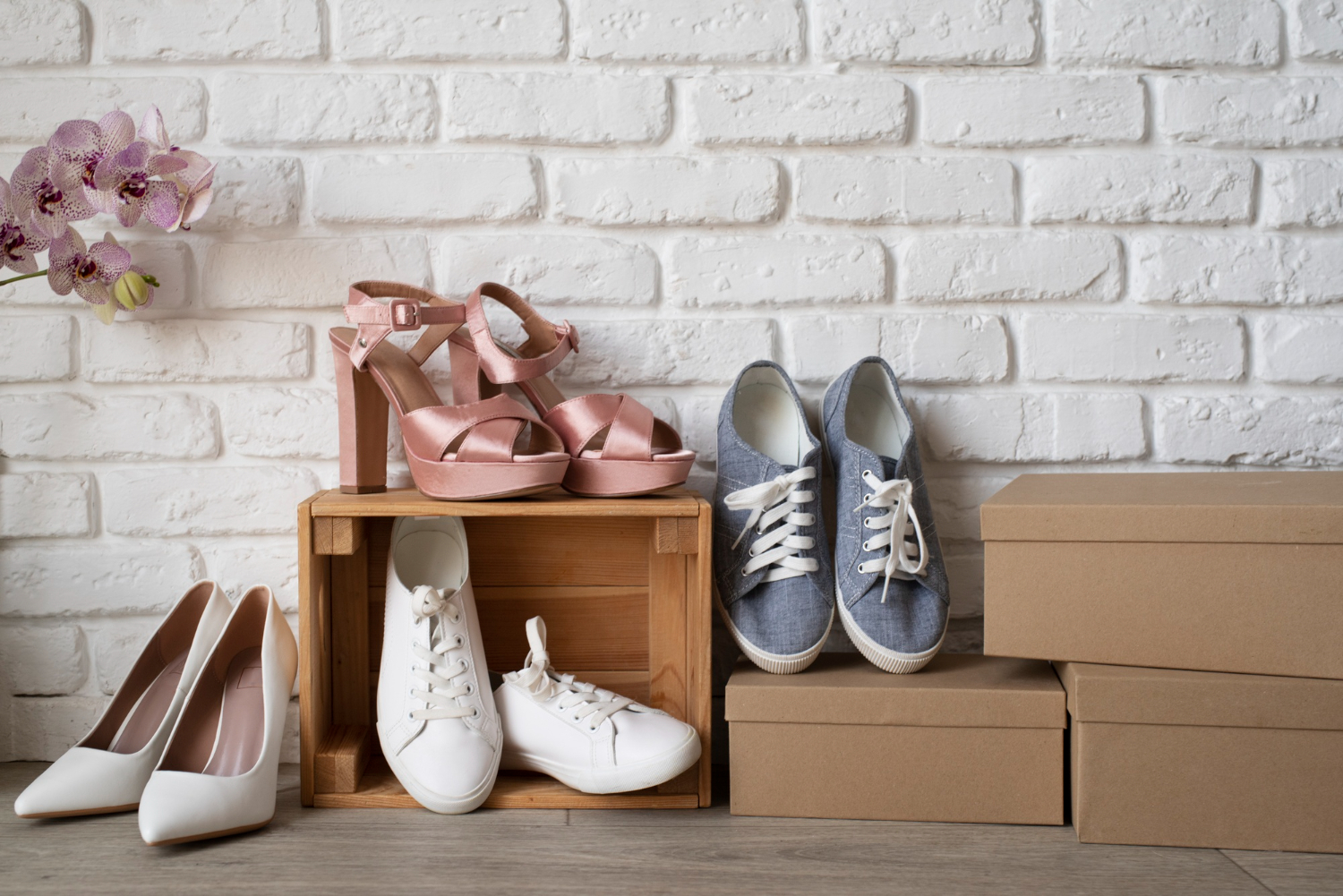
The useful question about any unusual shoe is what it was standing on. Almost every answer is a property of the ground rather than a preference of the wearer. Here are twelve.
1. Raised Wooden Soles
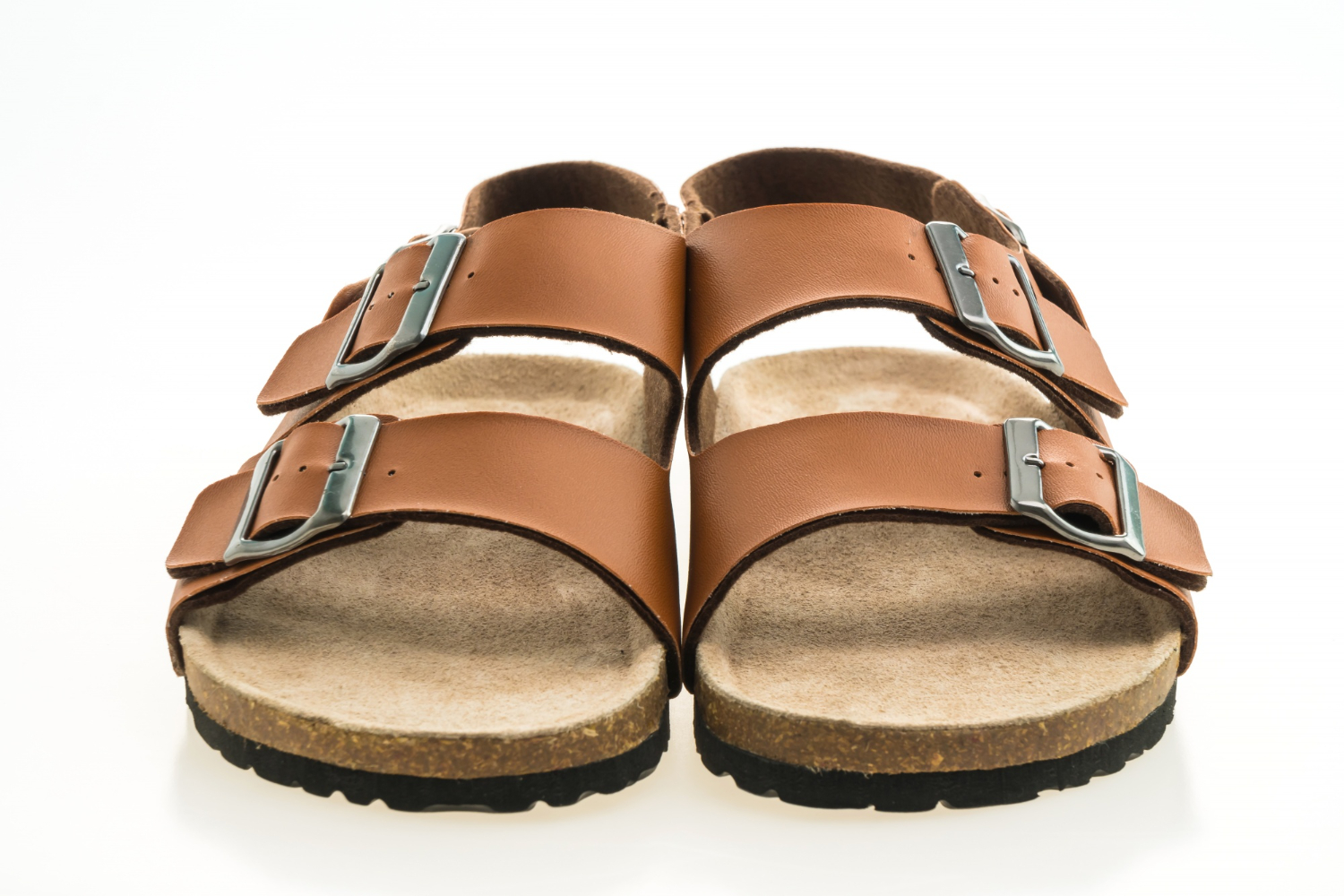
Elevating the foot on wooden blocks or platforms keeps it clear of mud, water, snow or ground hot enough to burn, and versions appear independently across many regions.
The height is set by how deep the problem is. Raised wooden footwear is the design that solves the ground by not touching it.
Like our content? Follow us for more.
2. Soft Soles for Feeling the Ground
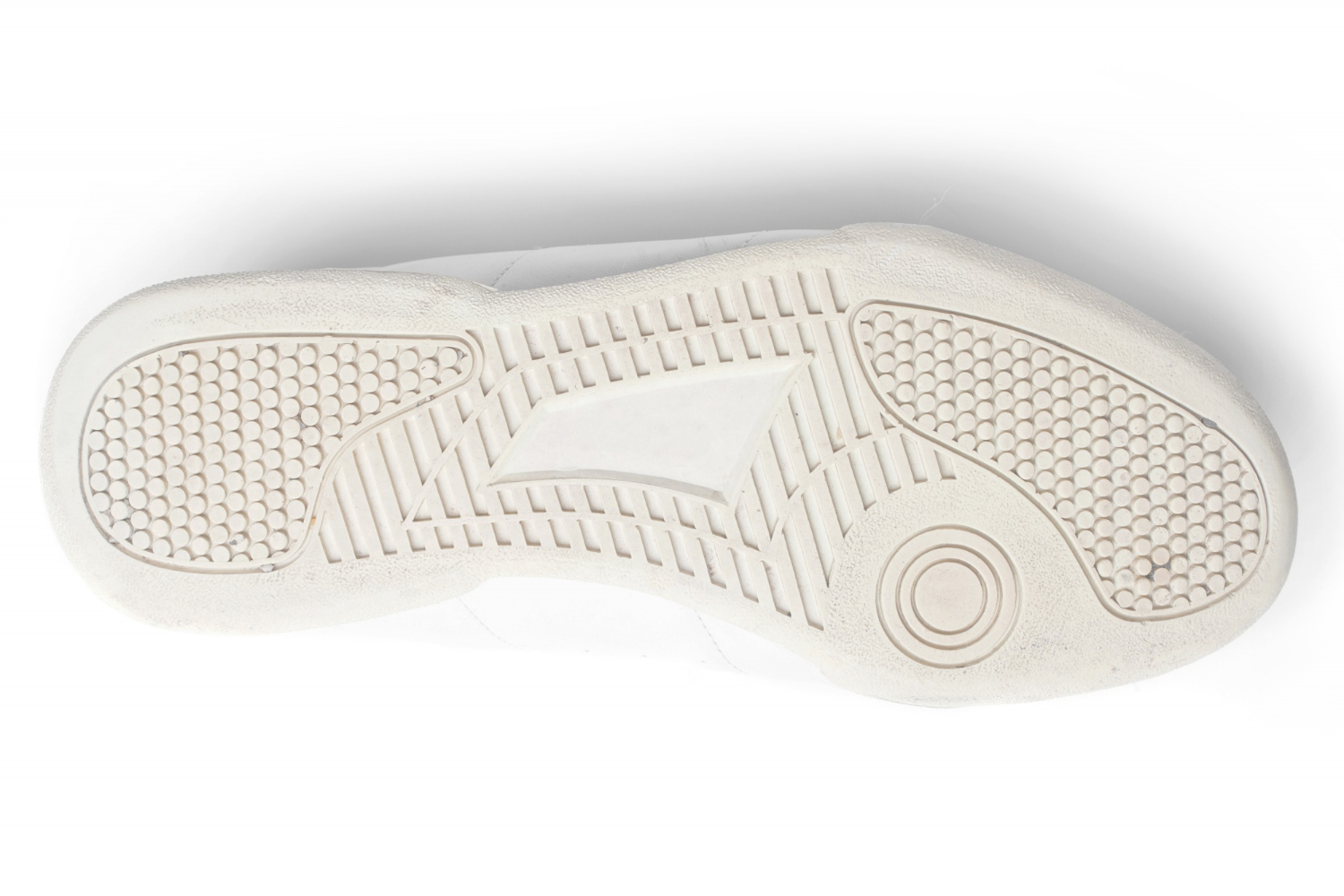
Footwear made from a single piece of soft hide or fabric transmits the texture of the ground to the foot, which matters for silence, balance and knowing what you are standing on.
It protects minimally and informs maximally. Soft-soled footwear is the design that prioritises information over protection.
3. Rigid Soles for Sharp Ground
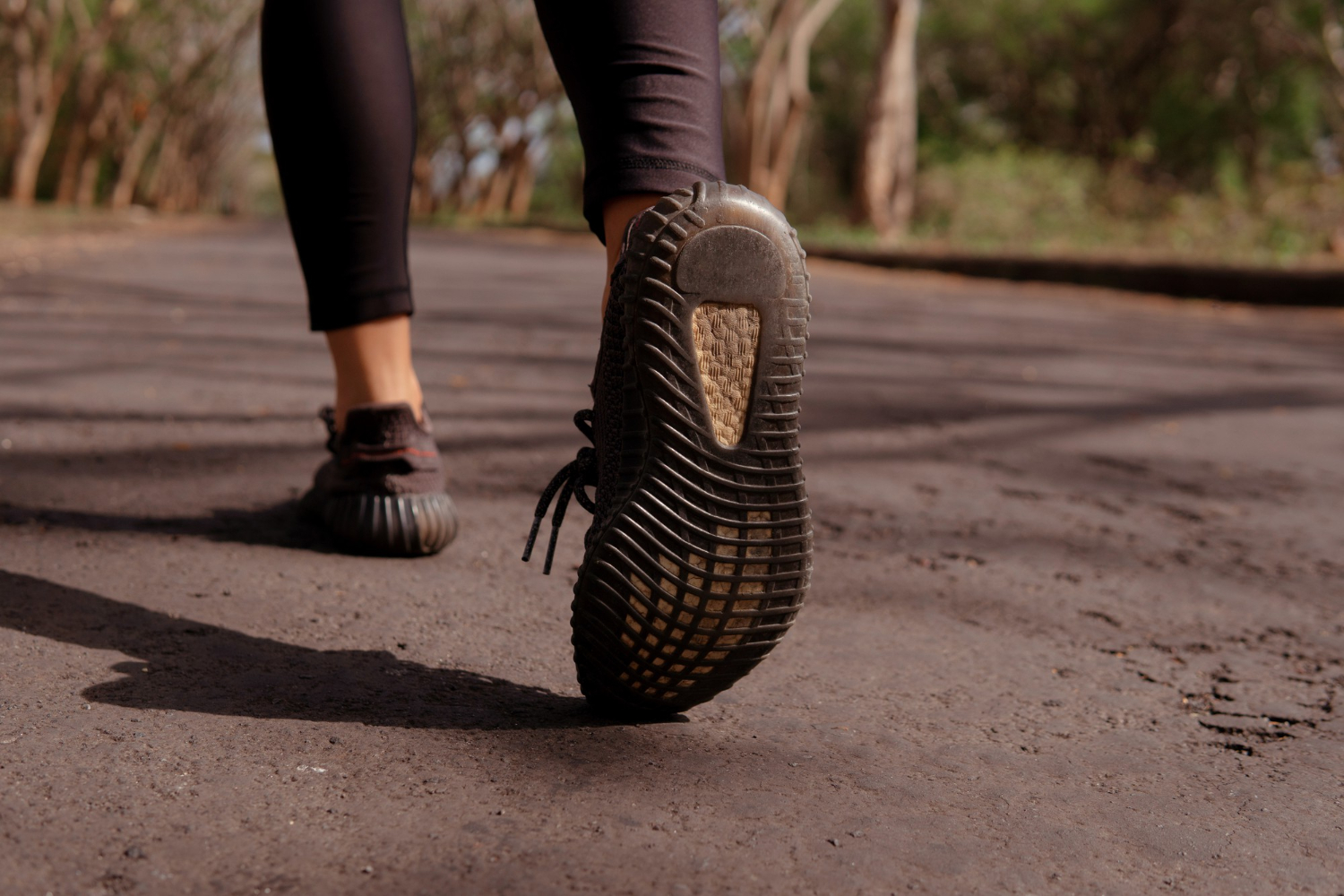
Where the ground is rock, stubble, thorn or debris, a stiff sole spreads the load so that a sharp point underfoot is not felt as a point at all.
The stiffness is the entire function. Rigid soles are the design that makes hostile ground irrelevant.
4. Insulated Boots for Extreme Cold
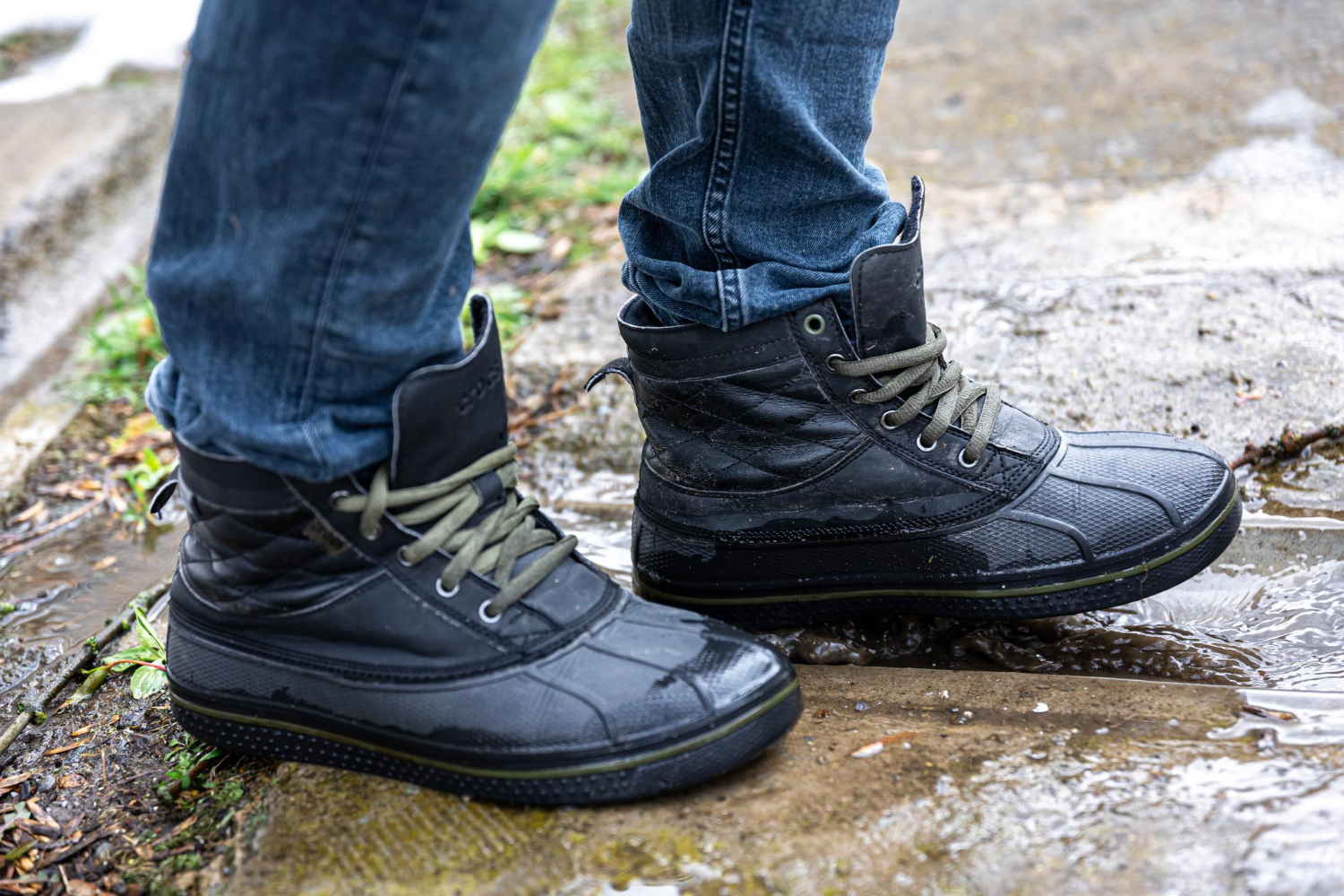
Cold-climate footwear is built in layers, historically with dried grass or fibre packed inside, which traps air and can be replaced when it becomes damp.
The replaceable liner is the clever part rather than the boot. Insulated boots are the design where the important component is removed and dried each night.
5. Open Sandals for Hot Dry Ground
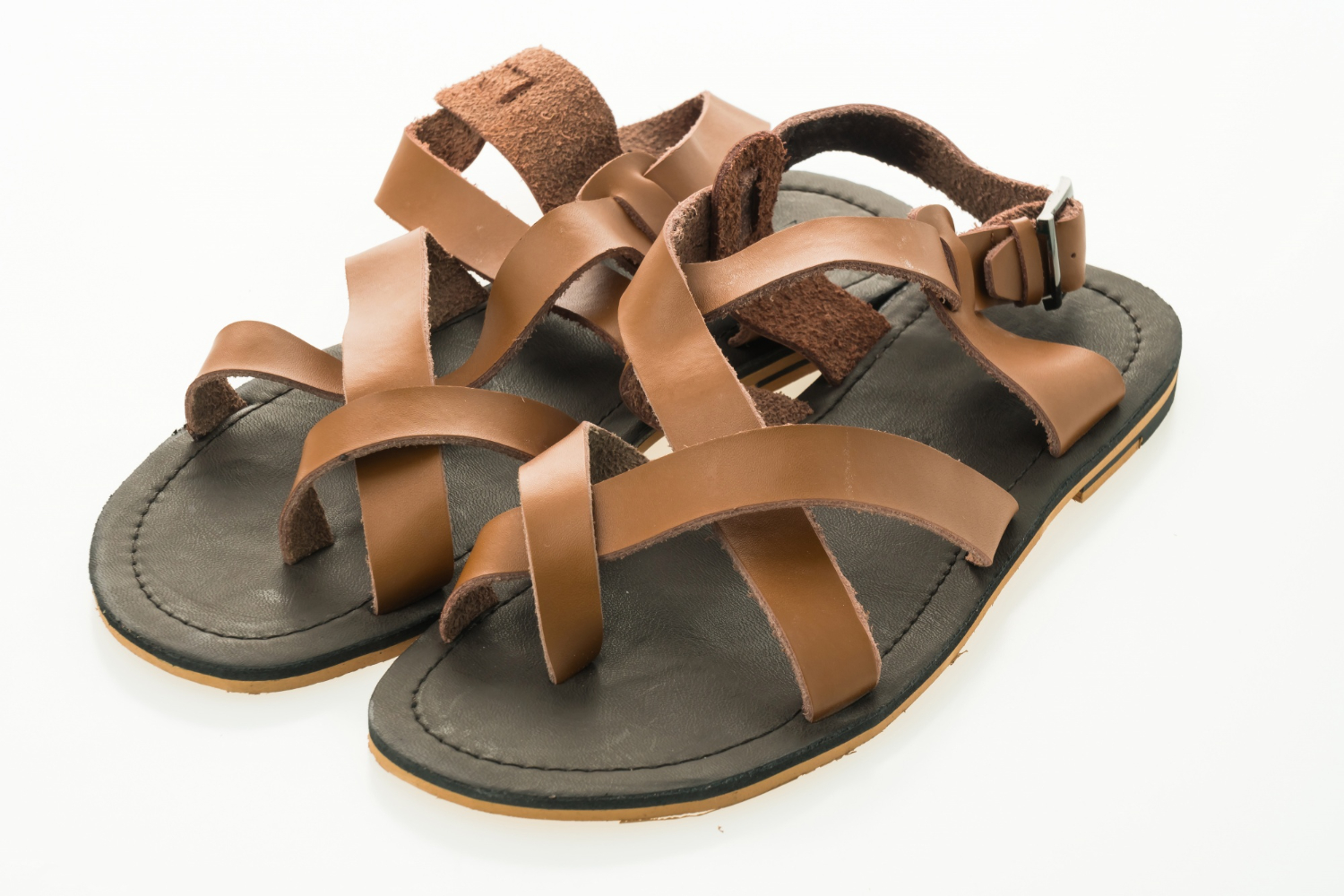
Where the problem is heat and dust rather than wet, minimal footwear that protects the sole and leaves the foot open is the obvious answer and appears everywhere it applies.
Enclosing the foot in that climate creates a different problem. Sandals are the design that solves the ground without solving the air.
6. Footwear Made to Be Taken Off
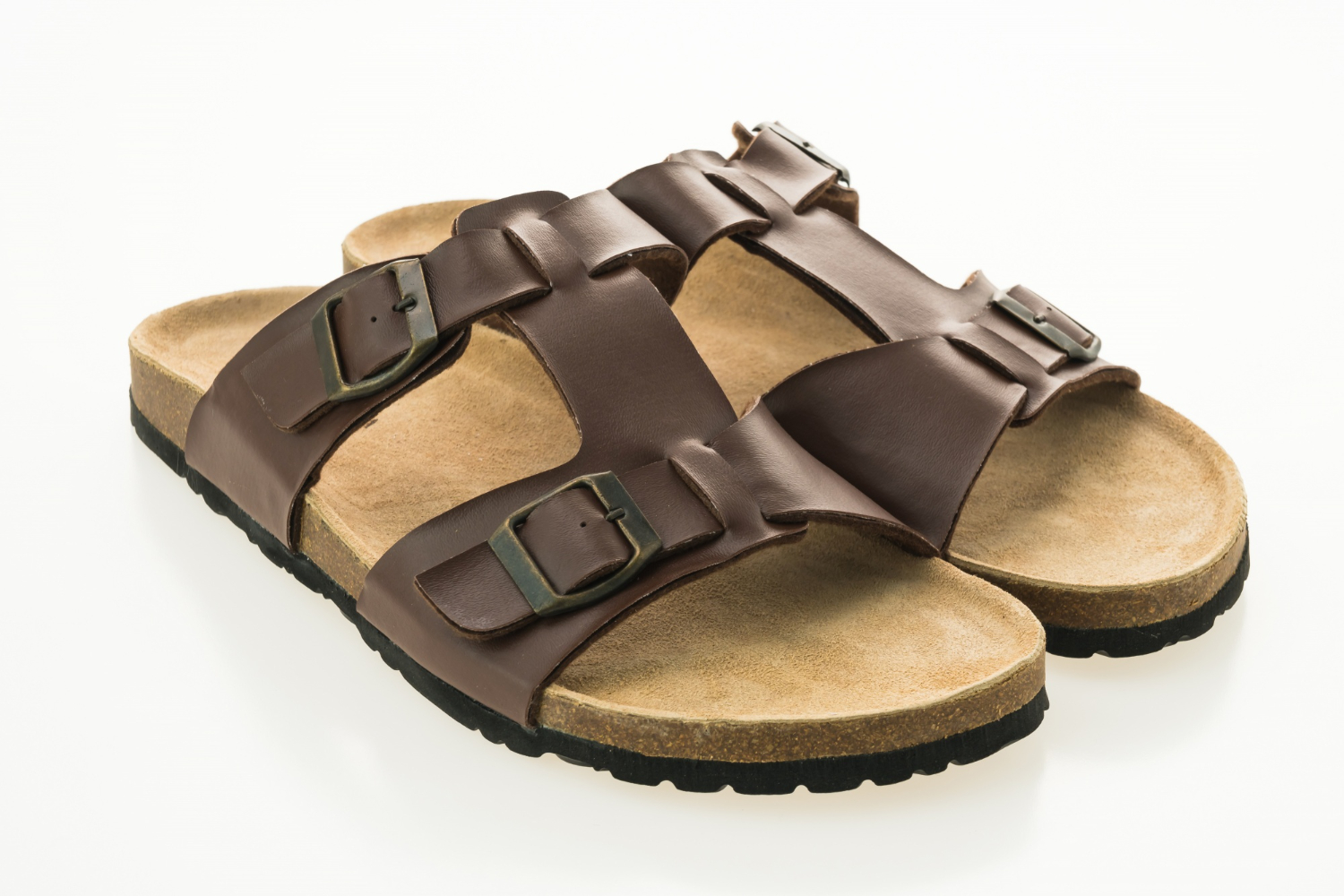
In places where indoor and outdoor spaces are strictly separated, footwear evolved toward designs that can be removed and replaced in a second without hands.
Backless and loose-fitting forms follow directly from that requirement. Slip-off footwear is the design shaped by a doorway rather than by the ground.
7. Heels That Were Never About Height
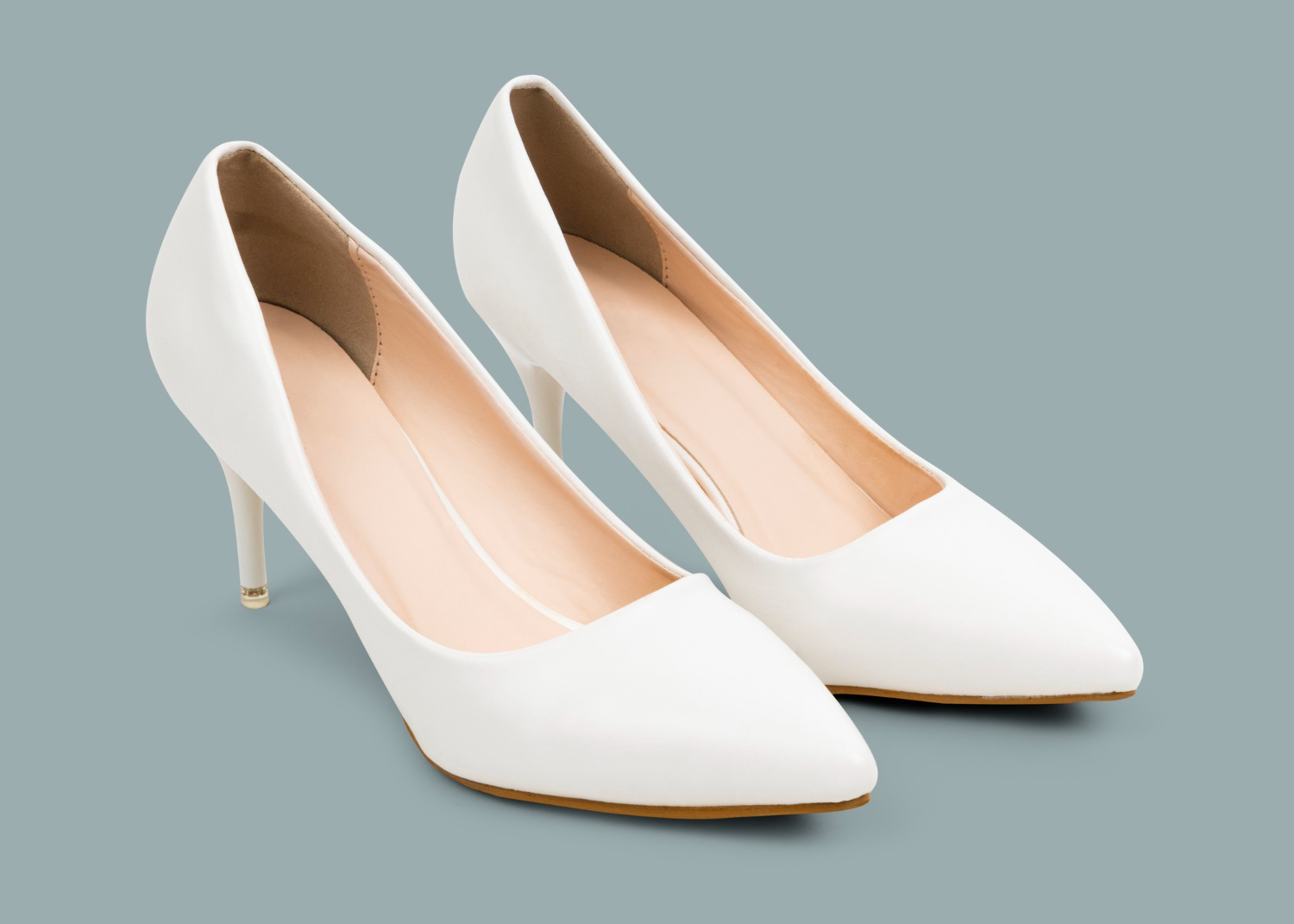
Raised heels originated as a functional feature for riding, holding the foot in a stirrup and preventing it sliding through – a use entirely unrelated to how they were later worn.
The function came first by a long margin. Riding heels are the design whose original purpose has almost nothing to do with its current one.
8. Studded and Nailed Soles
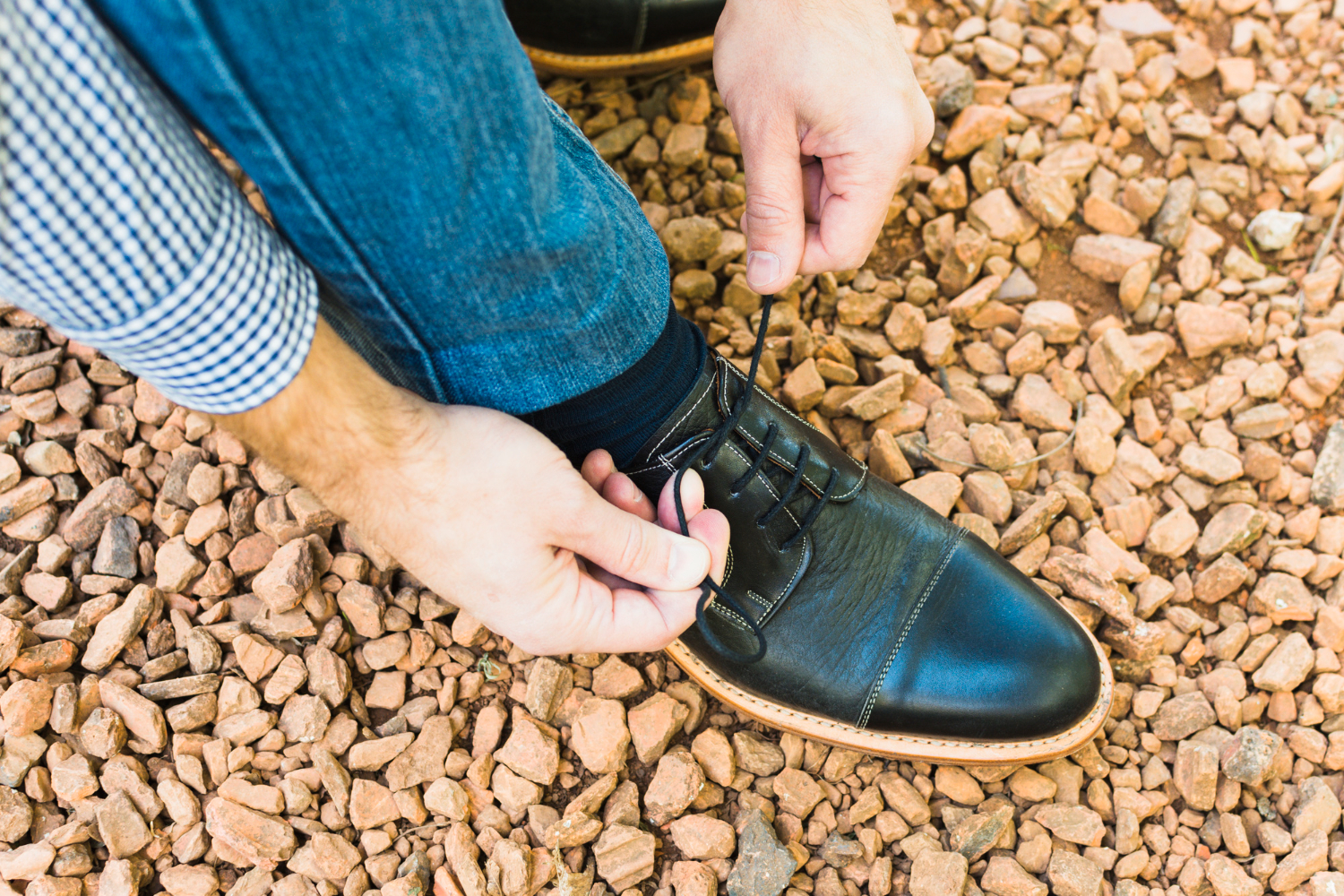
Metal studs, nails or hobnails driven into the sole grip soft ground, ice and wet rock in a way smooth leather cannot, at the cost of being useless on hard smooth surfaces.
They also wore out the sole substantially more slowly. Studded soles are the design that trades indoor usability for outdoor grip.
9. One-Piece Waterproof Boots
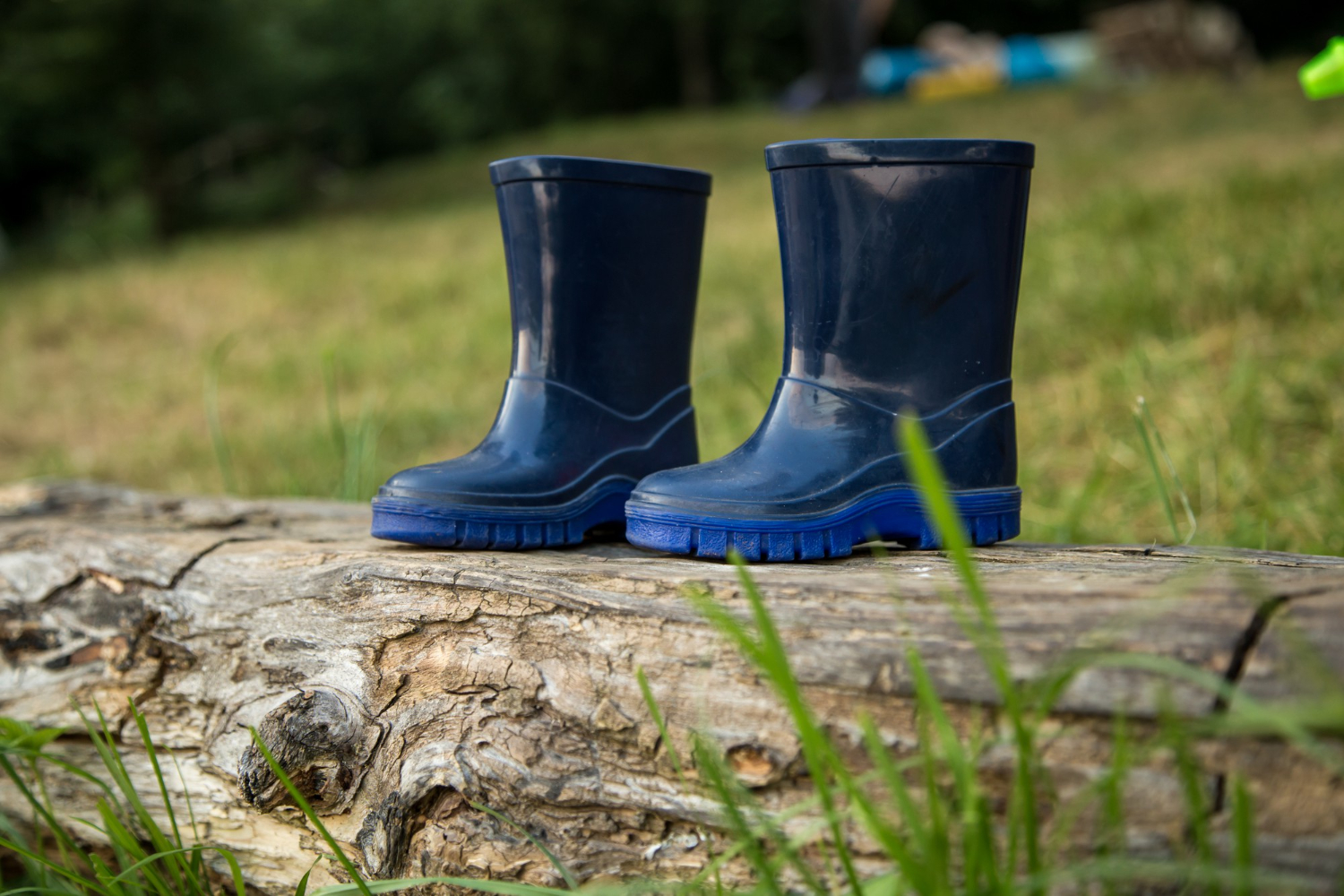
Footwear formed from a single impermeable piece has no seams for water to enter, which is the only reliable solution for standing in water for hours.
Everything else is a compromise with stitching in it. Seamless waterproof boots are the design where the absence of joins is the product.
10. Left and Right Being a Recent Idea
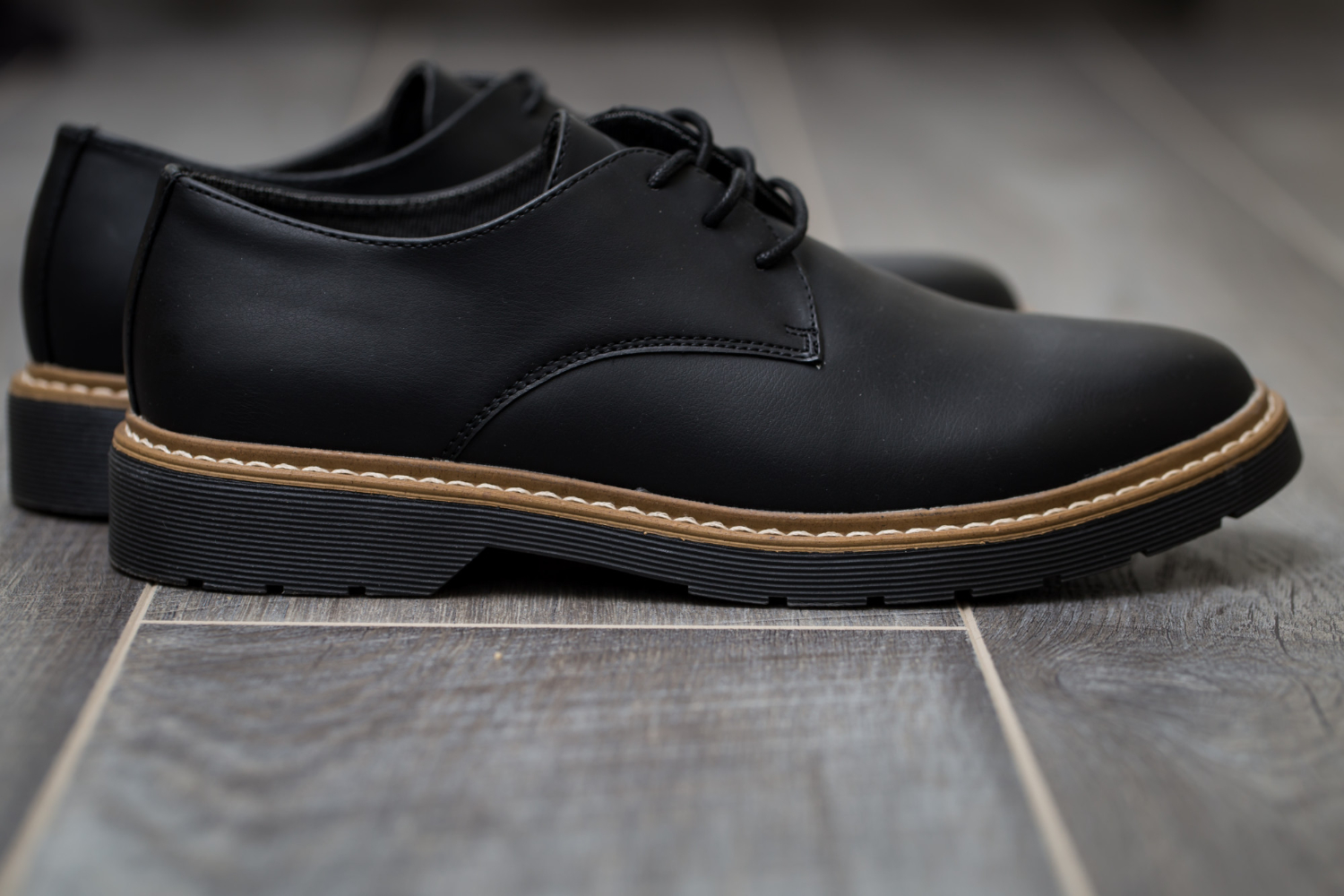
For most of history, shoes were made straight – identical for both feet – and shaped to the wearer over time by being worn.
Consistent asymmetric lasts for left and right are a comparatively recent standard. Straight lasts are the design nobody now would accept and everybody once had.
11. Reinforced Occupational Footwear
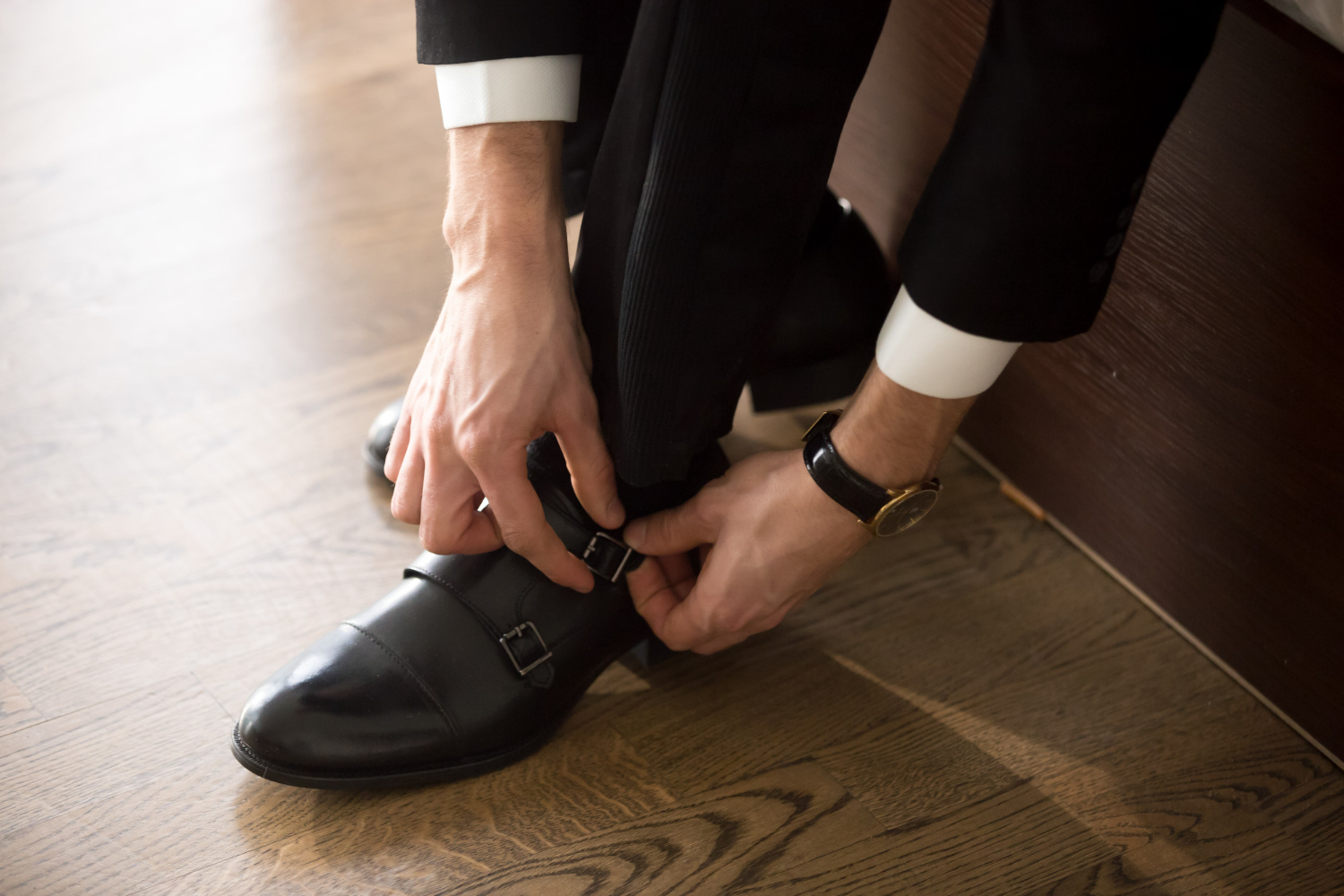
Work in specific trades produced footwear with reinforcement in particular places – toe, instep, ankle, sole – determined by exactly which part was at risk in that job.
The reinforcement maps precisely onto the hazard. Occupational footwear is the design that records what the job did to feet.
12. Made by Hand Because the Fit Matters
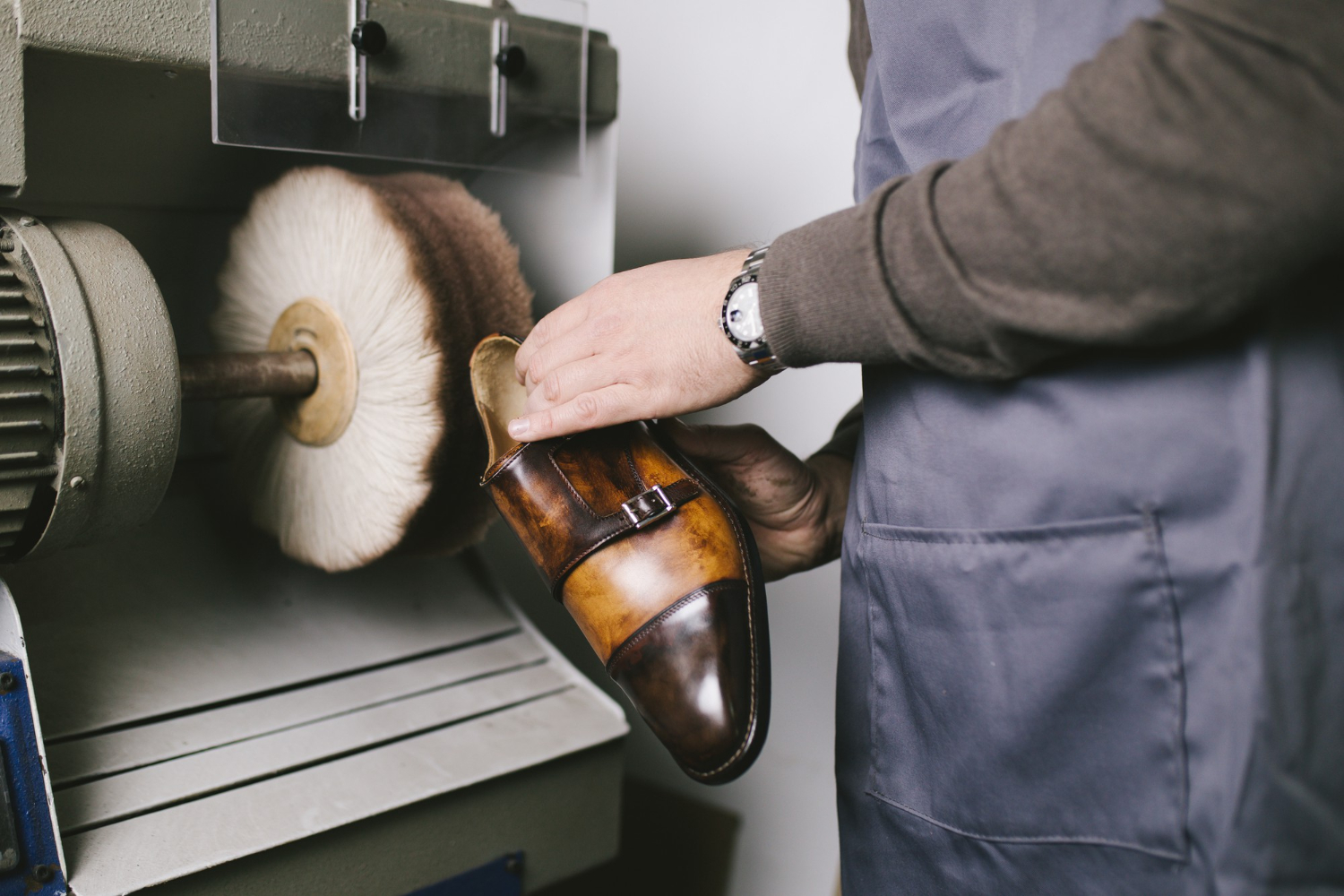
Where the fit requirement exceeds what standard sizing supplies – unusual feet, extreme conditions, long distances – hand-made footwear persists despite the cost.
A last carved to one person foot is still the only complete solution. Hand-made footwear is the design that survives because bodies are not standard.
The Shoe Is a Response to the Surface
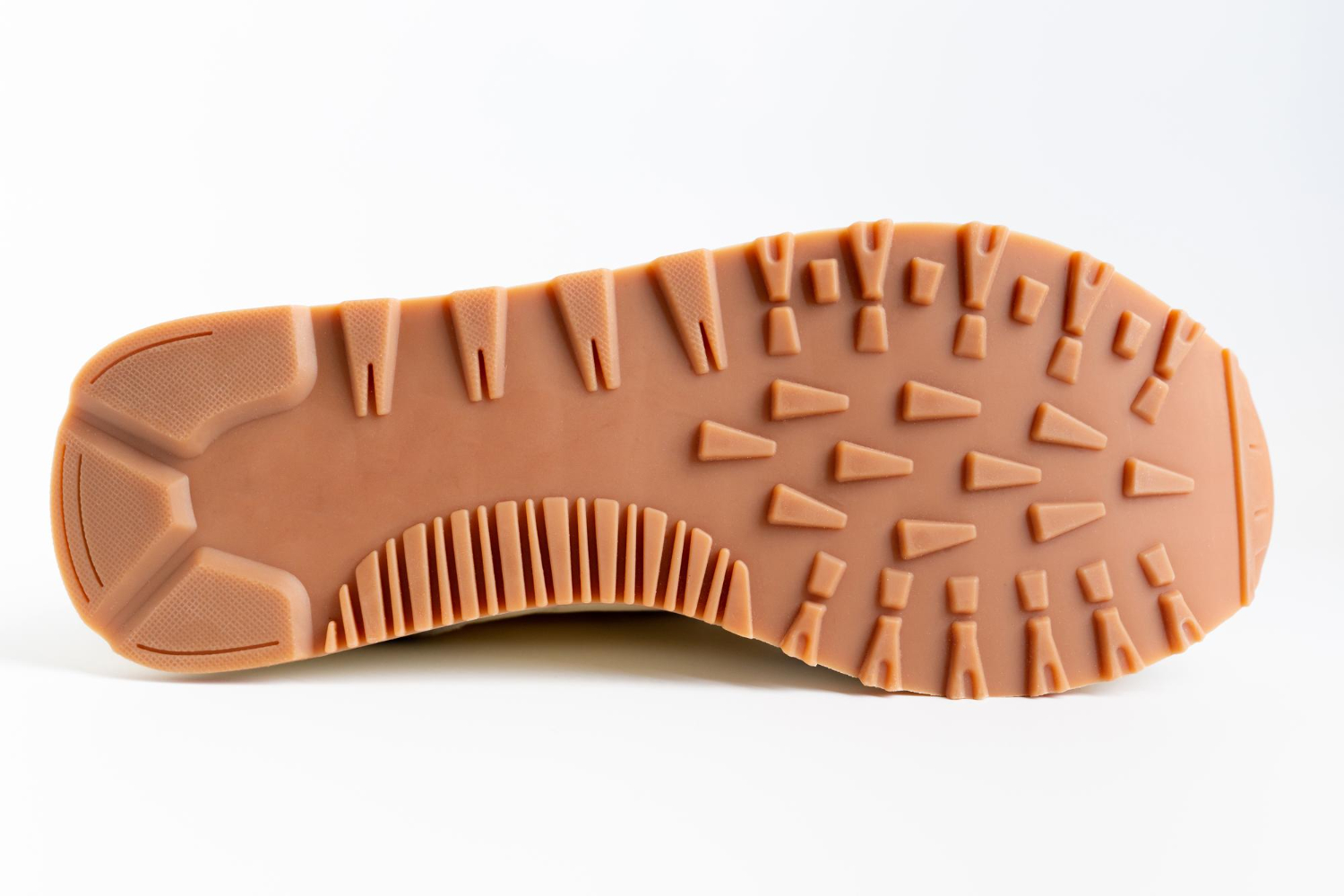
Every design here is a negotiation with a specific ground condition – wet, hot, sharp, frozen, slippery or forbidden indoors – and the shape follows from the problem rather than from anybody taste.
It is worth noticing how much of what looks like fashion started as engineering. Heels came from stirrups, platforms came from mud, studs came from wet rock and slip-on designs came from doorways. The function generally arrived first and the meaning was attached afterwards, which is the usual order for almost every object people wear.
Like our content? Follow us for more.
