

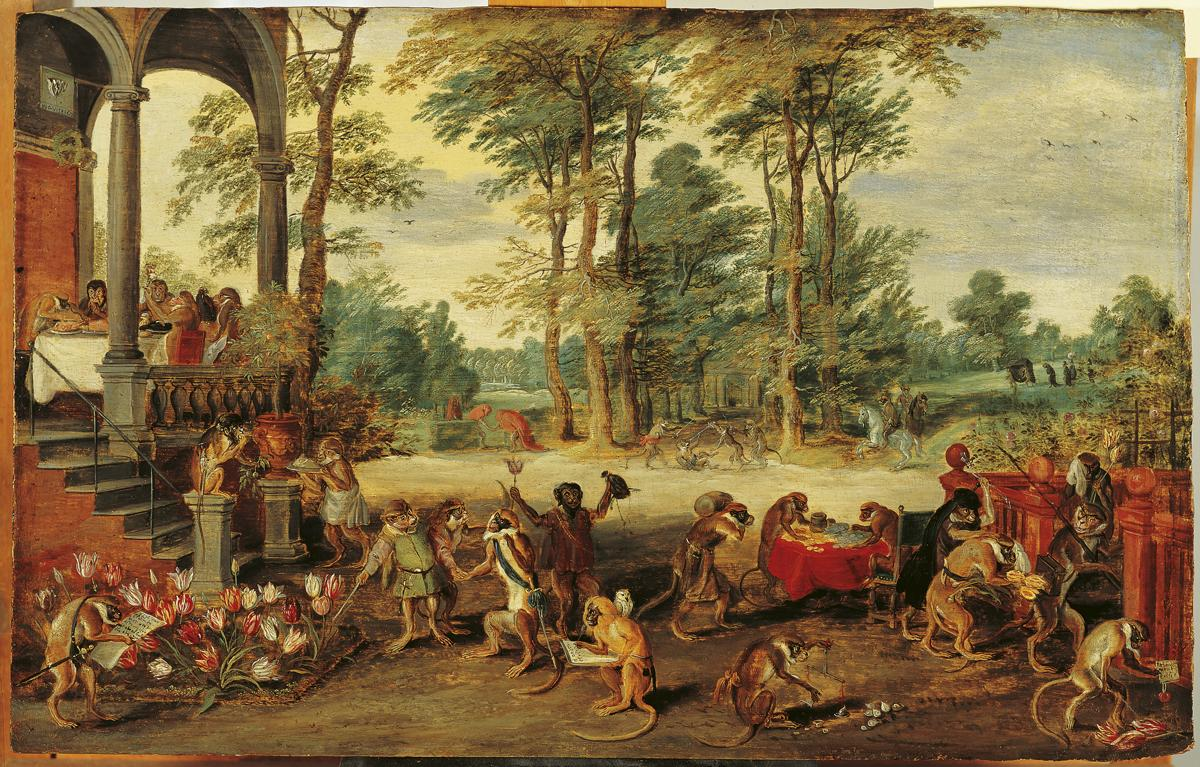
It is one of the most famous cautionary tales in the history of money: the great Dutch “tulip mania” of the 1630s, when the Netherlands supposedly went collectively insane over flower bulbs. According to the popular version of the story, tulip fever gripped every level of Dutch society, from wealthy merchants down to humble laborers, all frantically buying and selling tulip bulbs at ever-more-absurd prices. At the peak of the frenzy, a single bulb of a prized variety could reportedly change hands for a sum equal to the cost of a fine house on an Amsterdam canal. And then, the story goes, it all came crashing down: the bubble burst, fortunes evaporated overnight, and ruined investors, having lost everything on flowers, threw themselves into the canals in despair.
It’s a gripping tale, endlessly repeated in economics textbooks and popular articles as the original example of a speculative bubble, a timeless warning about greed and the madness of crowds. There’s just one catch: a great deal of it isn’t true. While a real tulip bubble did occur, and prices really did soar to remarkable heights before crashing, the lurid popular legend of universal ruin and mass despair is largely a myth, one built up over the centuries by moralists and storytellers. Here is the real story of tulip mania — the actual, well-documented history, which turns out to be more nuanced, and in its own way just as fascinating, as the legend.
How the Tulip Conquered Holland
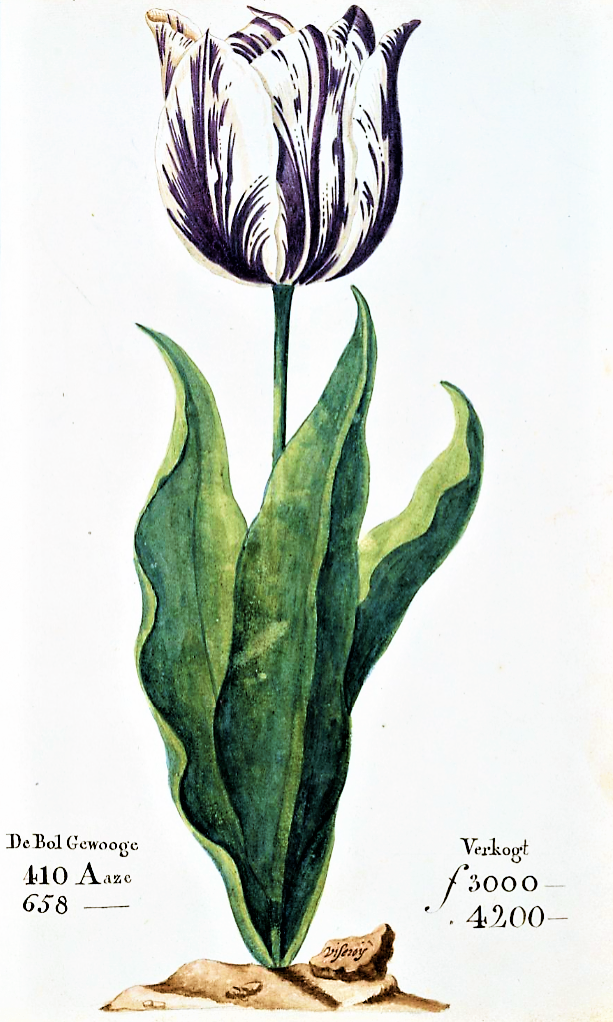
To understand the mania, you have to understand how special tulips were in the seventeenth-century Netherlands. Tulips were not native to Europe; they had been introduced from the Ottoman Empire, and their bold, vivid colors were unlike anything in European gardens at the time. They quickly became a fashionable luxury, a status symbol coveted by the wealthy and admired by all, in a Dutch Republic that was then enjoying a golden age of prosperity, trade, and art.
The most prized tulips of all were those with dramatic, flamelike streaks and patterns of contrasting colors on their petals. These spectacular “broken” tulips were rare and unpredictable — and, unknown at the time, their striking patterns were actually caused by a virus that infected the bulbs. Because these rare varieties couldn’t be reliably reproduced and took years to cultivate from seed, the supply of the most beautiful and sought-after bulbs was extremely limited, while demand among wealthy collectors soared. This combination of intense desirability, real rarity, and the slow, uncertain process of growing new bulbs created the conditions for prices to climb. Tulips became not just flowers but investments, objects of speculation, as people began buying bulbs not to plant and admire but to sell later at a profit. A market in tulips, and eventually in contracts promising future delivery of bulbs, took shape and began to heat up.
Like our content? Follow us for more.
The Peak of the Frenzy
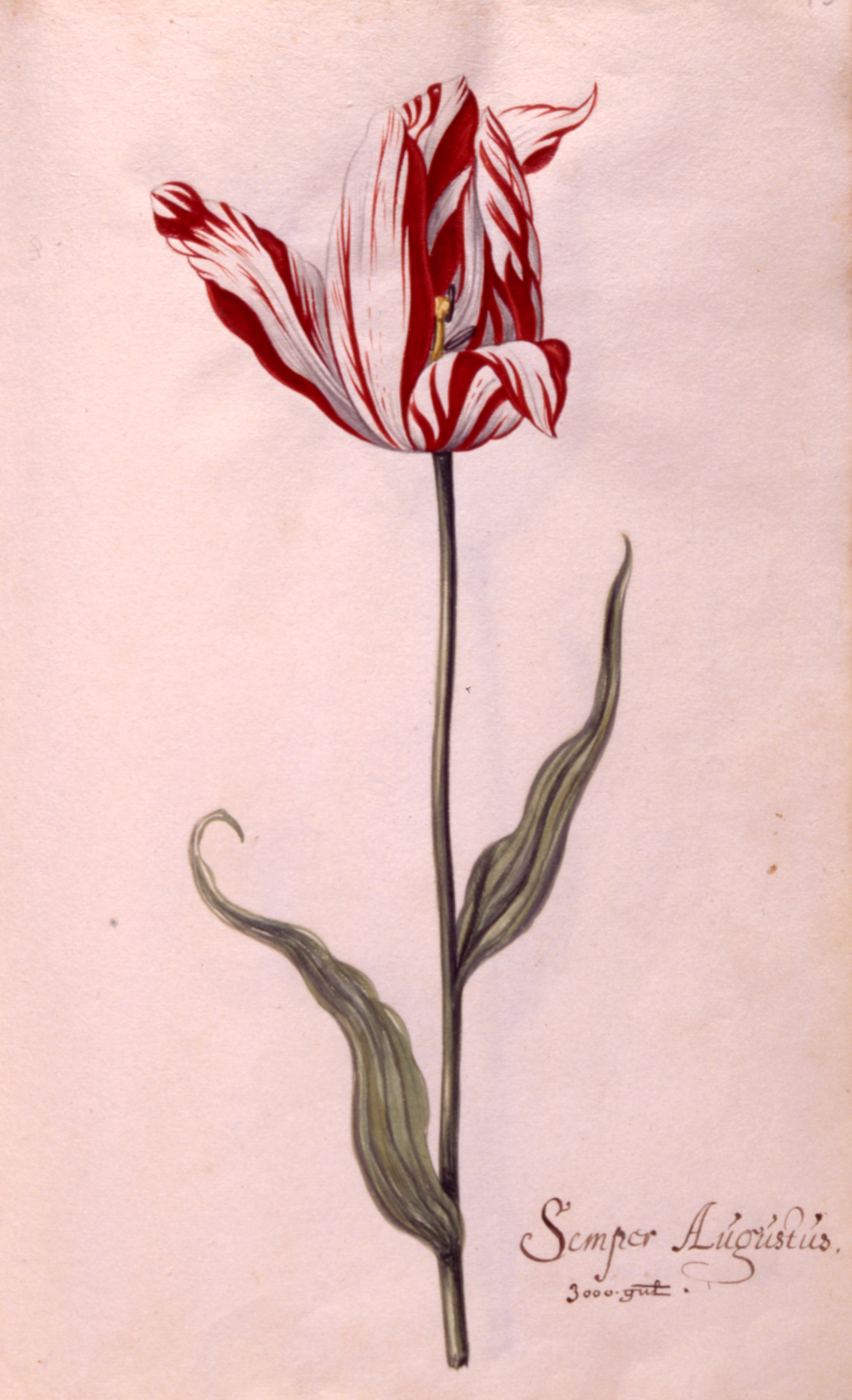
The speculation reached its fever pitch in the winter of 1636 to 1637. During those months, the prices of tulip bulbs, especially the rare and coveted varieties, climbed dramatically, with some prices reportedly rising many times over in a matter of weeks. Traders gathered in taverns to buy and sell tulip contracts in an increasingly frenzied atmosphere, and new companies even formed to take part in the booming trade.
The most spectacular prices attached to the rarest bulbs are the source of the story’s most famous claim. At the very top of the market, a single bulb of the most prized varieties could indeed fetch an astonishing sum — records point to prices around the cost of a good house in Amsterdam for the very rarest specimens. These eye-watering figures are real, and they’re what make tulip mania so memorable. But it’s crucial to understand that such prices applied only to a tiny number of the very rarest bulbs, and only a small number of people ever paid them. The more common bulbs, while their prices rose, never reached anything like those heights. Still, in the frenzied final months, the trade was intense, prices were soaring, and an atmosphere of speculative excitement had taken hold among those involved. It looked, for a moment, as though the boom might go on forever — which, as with all such bubbles, it did not.
The Crash
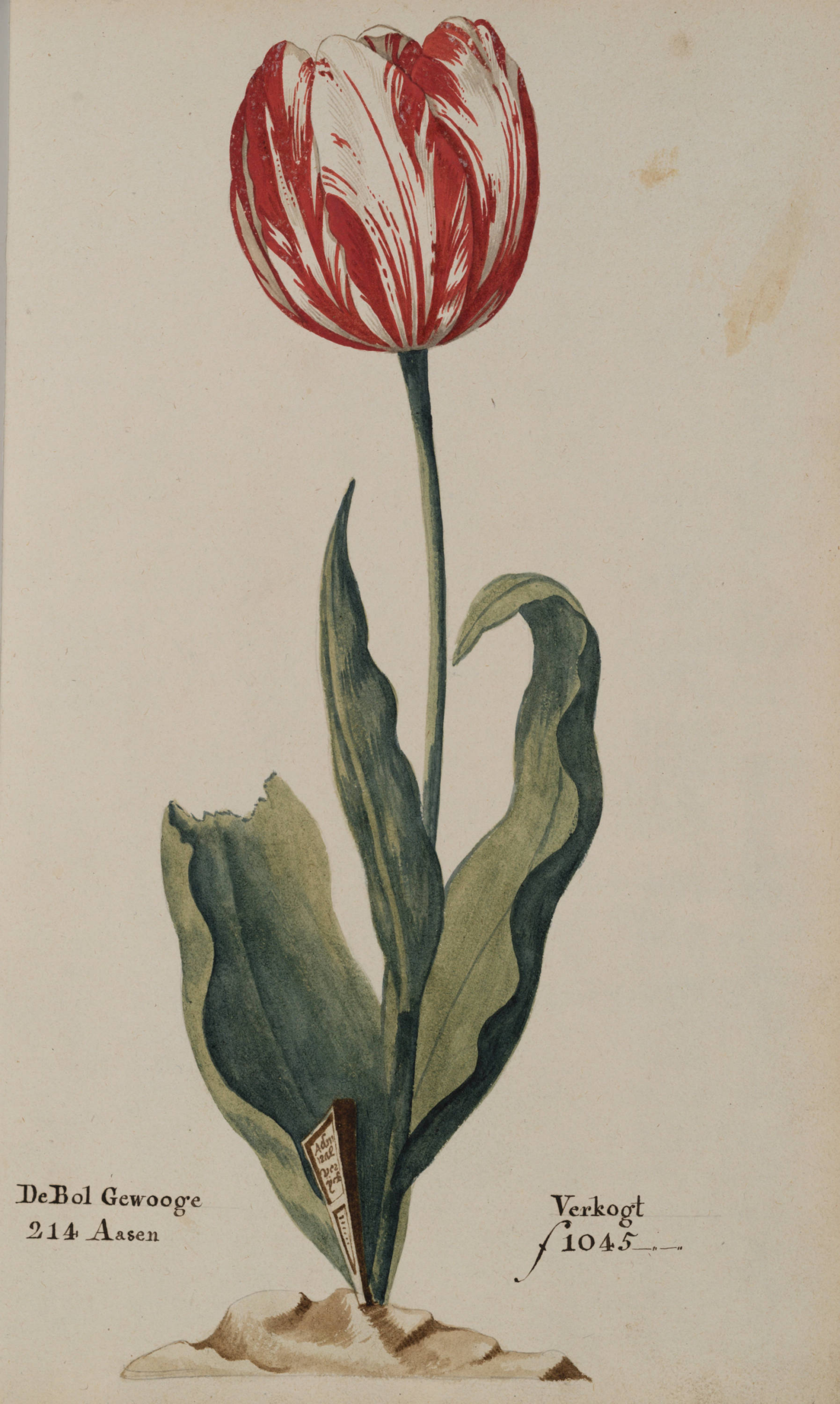
Then, in February 1637, the tulip market abruptly collapsed. The end came suddenly: at a routine bulb auction, buyers reportedly failed to show up or refused to pay the going prices, and confidence evaporated almost instantly. Once it became clear that the ever-rising prices had stopped rising, the whole speculative structure fell apart. Prices plummeted, contracts signed at the peak became impossible to honor or enforce, and the trade that had been so frenzied just weeks before simply froze.
The speed of the collapse was striking. A market that had been climbing to dizzying heights crashed back down in a very short span of time, leaving behind a tangle of unenforceable contracts and disputes over who owed what to whom. This dramatic boom-and-bust pattern is exactly why tulip mania became the textbook example of a speculative bubble: an asset’s price detaches from any reasonable underlying value, driven upward by the expectation that someone else will always pay more, until suddenly the buyers vanish and the whole thing implodes. In that essential shape, tulip mania really was a real speculative bubble, arguably the first well-documented one in history, and it does illustrate the dynamics that would later play out in many other financial manias. But what happened after the crash is where the popular story departs most sharply from the truth.
The Myth of Mass Ruin
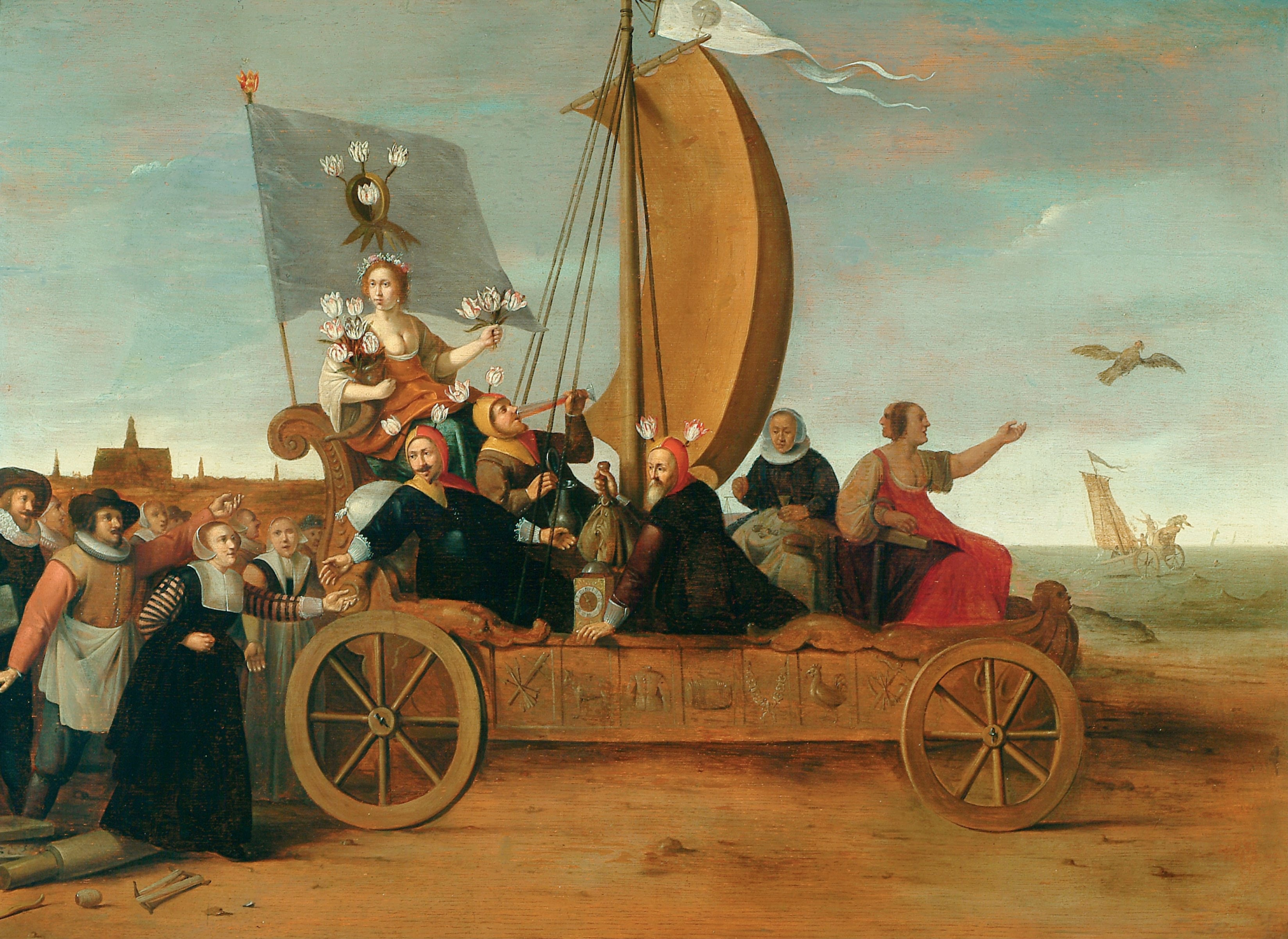
The dramatic legend holds that the crash devastated the Dutch economy and ruined vast numbers of people, with despairing speculators taking their own lives. This is the part that modern historical research has largely debunked. Careful study of the actual records from the period, most notably by historians who dug deep into the archives, tells a very different and far less catastrophic story.
For one thing, the mania was not the society-wide frenzy of legend. The speculation was concentrated among a relatively small circle of participants — merchants, skilled craftsmen, and others with means — rather than sweeping up every chimney sweep and farmhand in the land. The number of people who paid the truly enormous prices was small. For another, the economic impact of the crash on the Dutch Republic as a whole was quite limited; the broader economy did not collapse, and the nation’s golden age rolled on. And the tales of mass bankruptcies and suicides appear to have little basis in fact. Many of the contracts were ultimately settled, renegotiated, or simply not enforced, softening the blow. The vivid stories of ruin and despair seem to have been amplified and even invented after the fact, particularly by moralizing commentators of the era who wanted to use the episode as a lesson against the sins of greed and speculation, and later by writers who found the dramatic version irresistible. The real tulip mania was a real bubble with real winners and losers, but it was not the apocalyptic national catastrophe that legend has made it.
Why the Legend Persists
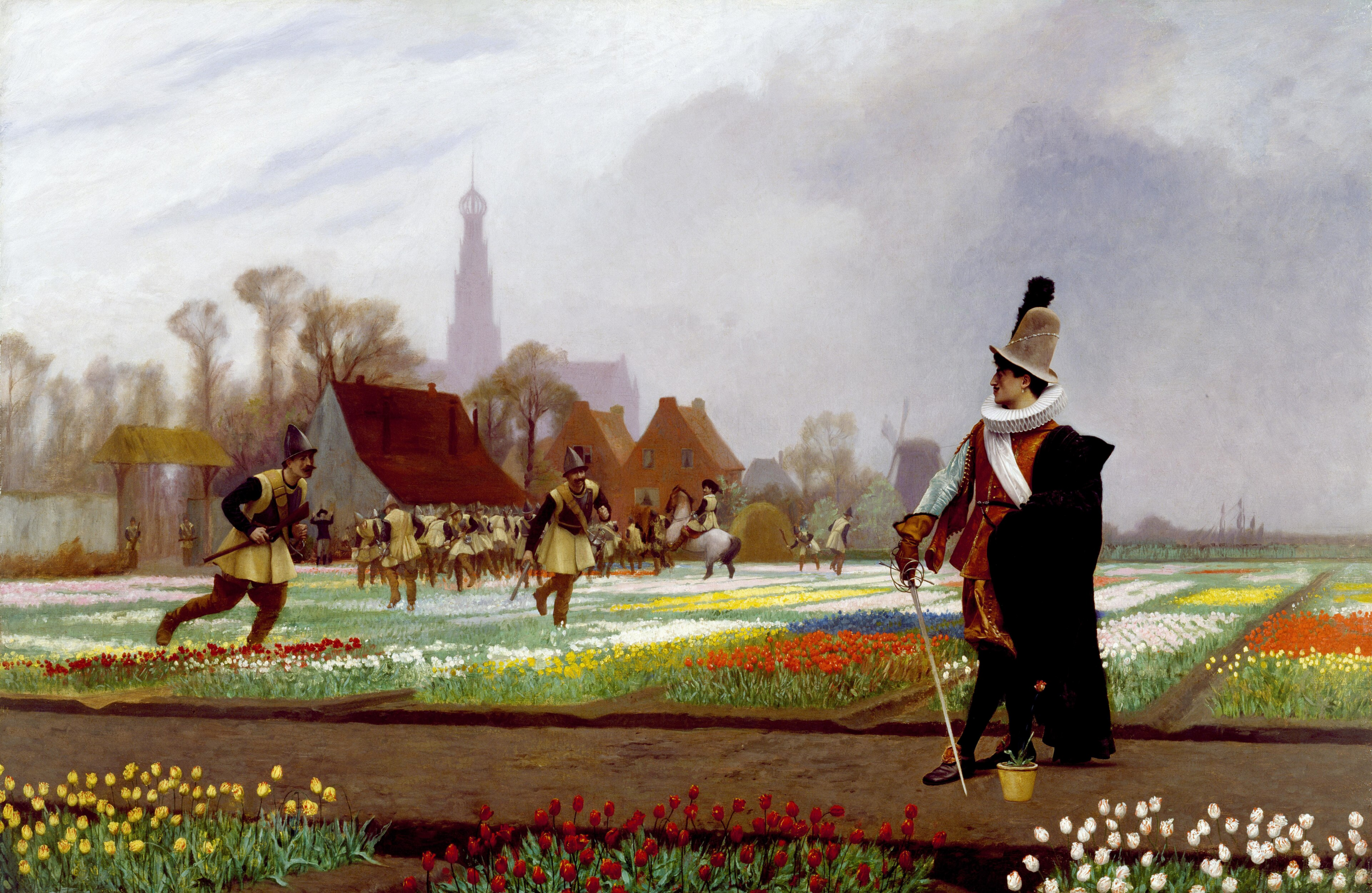
If the reality was so much less dramatic, why has the mythologized version proven so enduring? The answer says something interesting about human nature and how we tell stories about money. Tulip mania has everything a great cautionary tale needs: exotic flowers, absurd wealth, human folly, and a spectacular crash. It’s simply a better story with the ruined speculators and drowned fortunes included, and better stories tend to survive and spread, regardless of their accuracy.
The legend also endures because it’s useful. Every time a new speculative bubble appears — in stocks, in real estate, in new technologies, in digital assets — commentators reach for tulip mania as the ready-made historical parallel, the ancient proof that people have always been prone to irrational financial frenzies. The story serves as a convenient moral lesson, a warning packaged in an unforgettable image: don’t be the fool who paid a fortune for a flower. That the details have been exaggerated matters less, to most tellers, than the vividness of the warning. And so the mythologized tulip mania lives on, repeated as fact, even as historians patiently point out that the truth was more complicated. It’s a fascinating example of how a real historical event can become encrusted with legend until the legend all but replaces the facts.
The Bloom and the Bust
The true story of tulip mania is, in the end, a lesson within a lesson. On one level, it really does illustrate the timeless dynamics of a speculative bubble: a beautiful, rare, desirable thing; prices driven skyward by speculation and the hope of ever-greater profits; and an inevitable, sudden collapse when confidence runs out. In that sense, the seventeenth-century Dutch and their tulips truly do have something to teach us about the manias that recur throughout financial history.
But on another level, tulip mania teaches us to be skeptical of the tidy, dramatic stories we inherit about the past. The version most people know — the whole nation gone mad, the universal ruin, the bodies in the canals — is largely a myth, and the real history, uncovered through patient research, is more nuanced and more human. Prices for rare bulbs soared and crashed, some people won and some lost, and life in the Dutch Republic carried on. The next time someone invokes tulip mania as the ultimate story of financial madness, you’ll know that the truth, as is so often the case, is both less sensational and more interesting than the legend — a real bubble, wrapped in an exaggerated tale, blooming and bursting across the centuries.
Like our content? Follow us for more.
