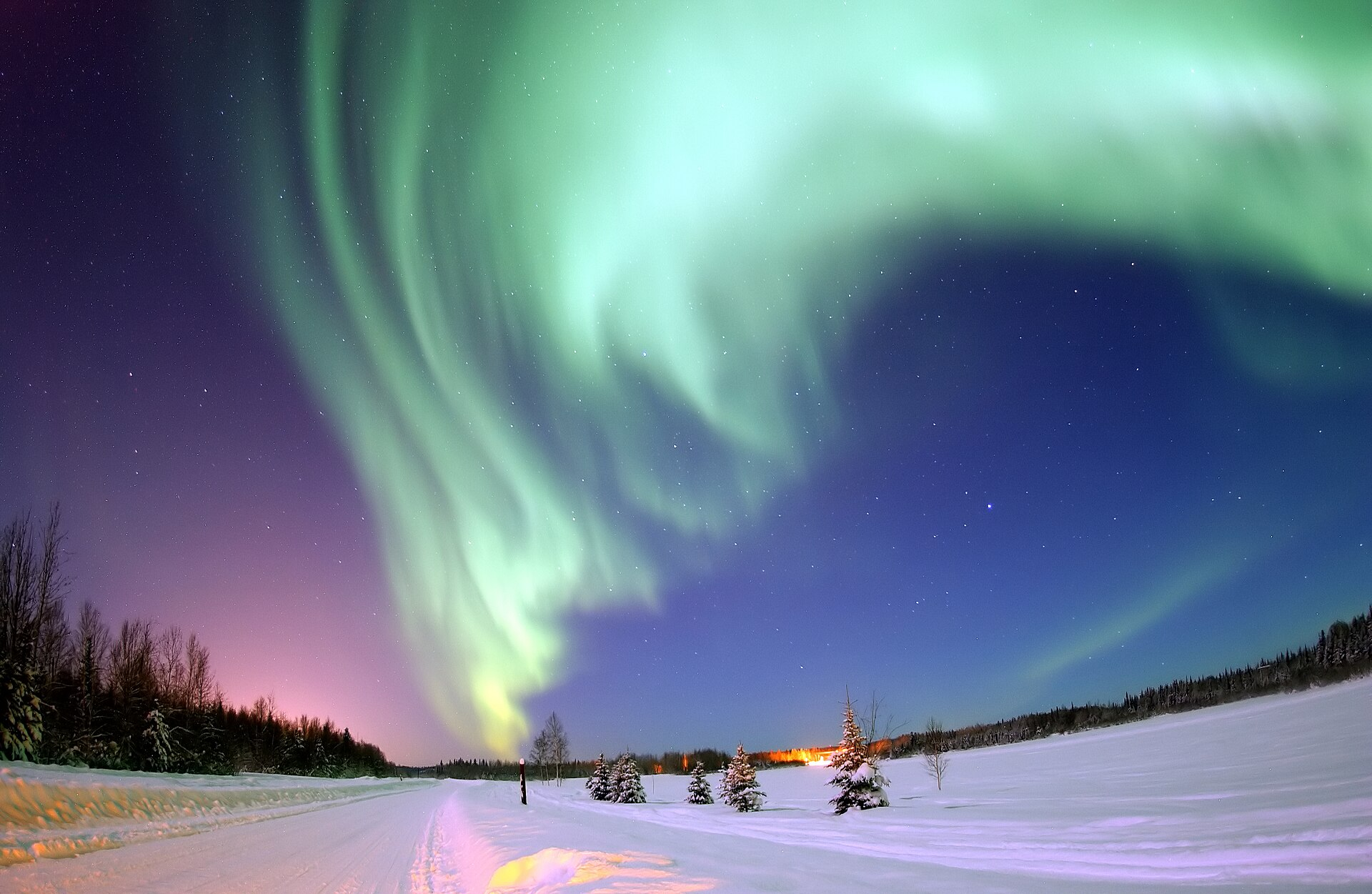
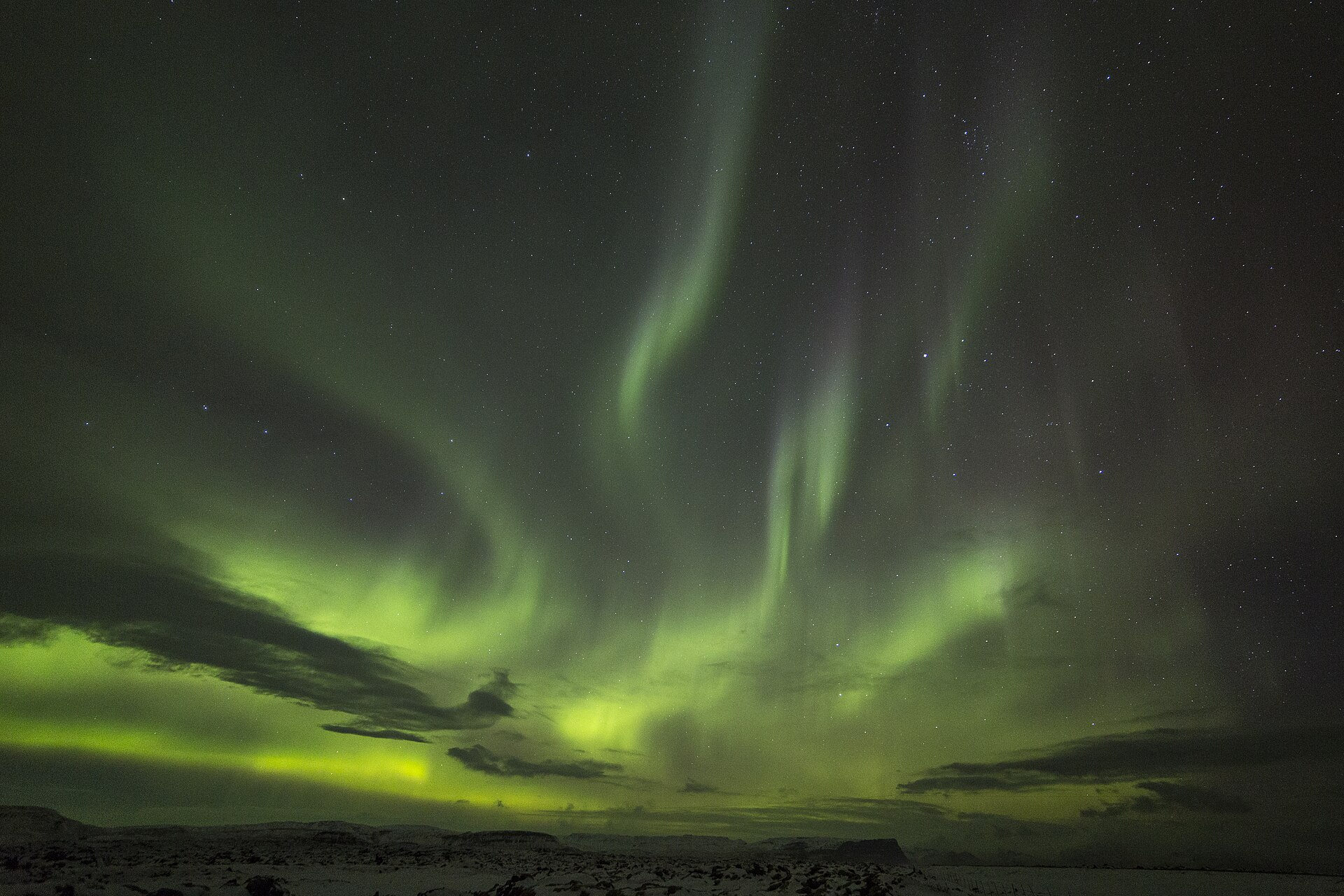
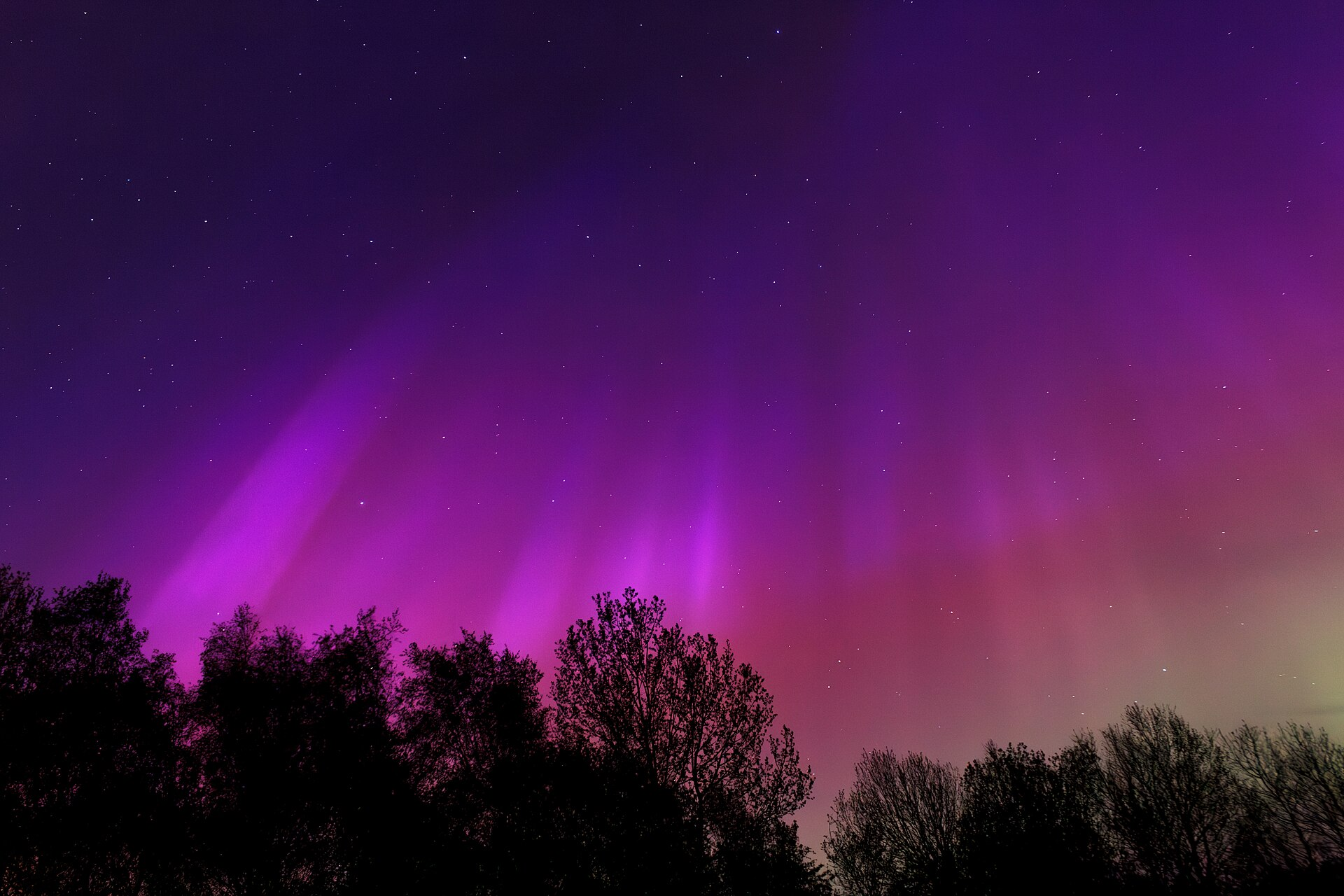
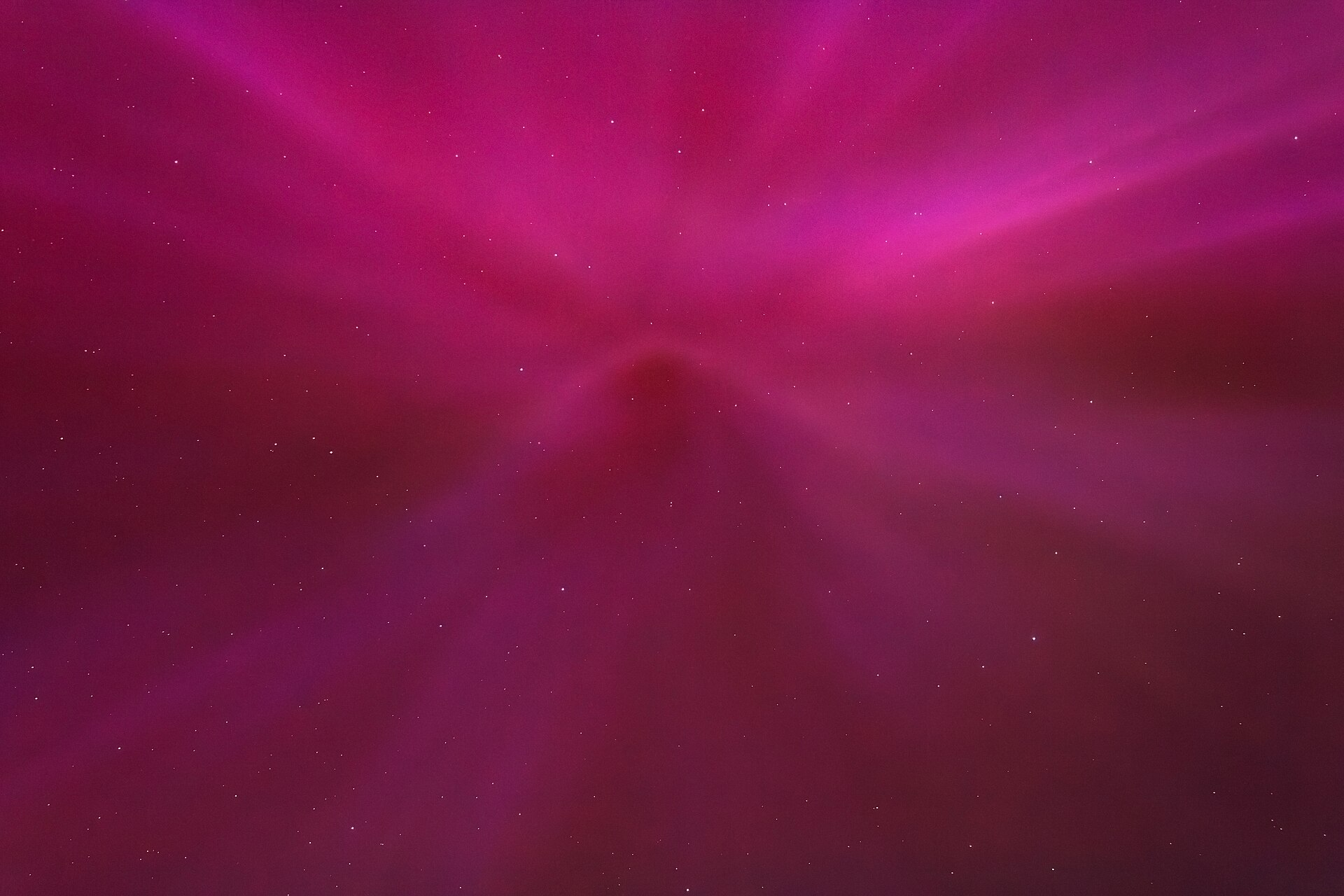
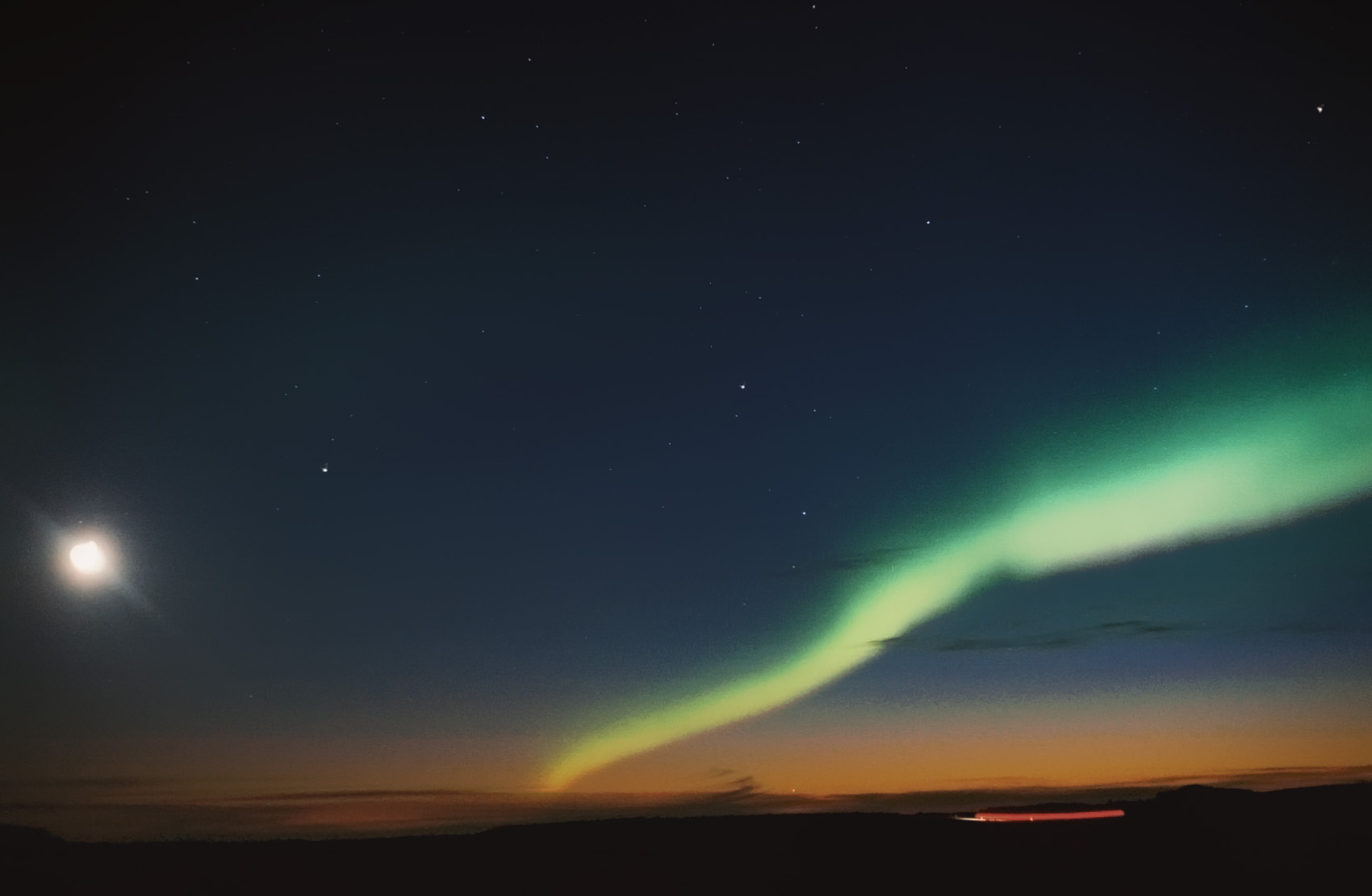
On the night of September 1, 1859, and into the following day, the people of Earth witnessed something extraordinary and, to many, deeply unsettling. Brilliant auroras, the shimmering curtains of colored light normally confined to the far northern and southern skies, blazed across the heavens all the way down to tropical latitudes, appearing in places that had never seen them before. The glow was so intense that people could reportedly read newspapers by its light in the middle of the night, and some, seeing the sky lit up, woke and began their morning routines, convinced that dawn had arrived.
This spectacular sky show was the visible signature of the most powerful geomagnetic storm ever recorded, an event triggered by a colossal eruption on the Sun. Today it’s known as the Carrington Event, named after the astronomer who witnessed its cause, and it remains the benchmark against which all other space weather is measured. In 1859, humanity’s only significant electrical technology was the telegraph, and the storm played havoc with it in dramatic fashion. But that very fact points to the sobering heart of the story: our modern world runs on electricity and electronics in a way the Victorians could scarcely have imagined, and a repeat of the Carrington Event today could pose a serious threat to the technological infrastructure our lives now depend upon. Here is the story of the great solar storm of 1859, and why scientists take the possibility of another one so seriously.
The Man Who Saw It Begin
The event takes its name from Richard Carrington, a British amateur astronomer who happened to be observing the Sun on the morning of September 1, 1859. As was his practice, Carrington was carefully studying and sketching the dark blotches known as sunspots on the Sun’s surface when he witnessed something remarkable: a sudden, intense brightening, a brilliant flash of white light erupting near a large group of sunspots. He was watching, in real time, one of the first solar flares ever documented by a human observer.
What Carrington had seen was an enormous release of energy on the Sun, and it was accompanied by a massive ejection of solar material, a huge cloud of charged particles blasted out into space in what scientists now call a coronal mass ejection. This particular eruption was aimed, as fate would have it, directly at Earth. And it was traveling with unusual speed. Whereas such clouds of solar particles typically take several days to cross the vast distance from the Sun to the Earth, this one made the journey in well under a day, a sign of just how powerful and fast-moving the eruption had been. Roughly seventeen or eighteen hours after Carrington watched the flash, the storm arrived, slamming into the Earth’s magnetic field and setting off the geomagnetic tempest that would light up the skies and wreak havoc on the telegraph.
Like our content? Follow us for more.
When the Telegraph Went Haywire
The effects of the storm on the telegraph system, the cutting-edge communications technology of the day, were dramatic and, at times, alarming. As the geomagnetic storm interacted with the Earth, it induced powerful electrical currents in the long telegraph wires strung across the landscape, which acted as unintended antennas for the storm’s energy. The results ranged from the strange to the frightening.
Telegraph operators reported receiving electric shocks from their equipment, and in at least some cases were knocked back by the jolts. Sparks leapt from the telegraph keys and apparatus, and in a number of stations, the paper tape used to record messages caught fire, sparking small blazes. Perhaps most remarkably, on some telegraph lines, operators discovered that they could disconnect their batteries entirely and still send and receive messages, the wires now carrying the electrical current supplied by the storm itself. For a time, the telegraph ran not on human-generated power but on the raw energy of the geomagnetic storm coursing through the Earth. It was a vivid and unforgettable demonstration of a fundamental fact: a sufficiently powerful solar storm can push electrical current through any long conductor we string across the planet’s surface. In 1859, there was very little such infrastructure to affect. That, of course, is no longer the case.
A World That Now Runs on Electricity
The reason scientists and planners study the Carrington Event so intently is not merely historical curiosity. It’s that the world of today is utterly different from the world of 1859, and in a way that makes us far more vulnerable to a storm of that magnitude. In the mid-nineteenth century, society ran on muscle, steam, and simple machines; the telegraph was the only technology exposed to the storm, and its disruption, while dramatic, was not catastrophic to daily life.
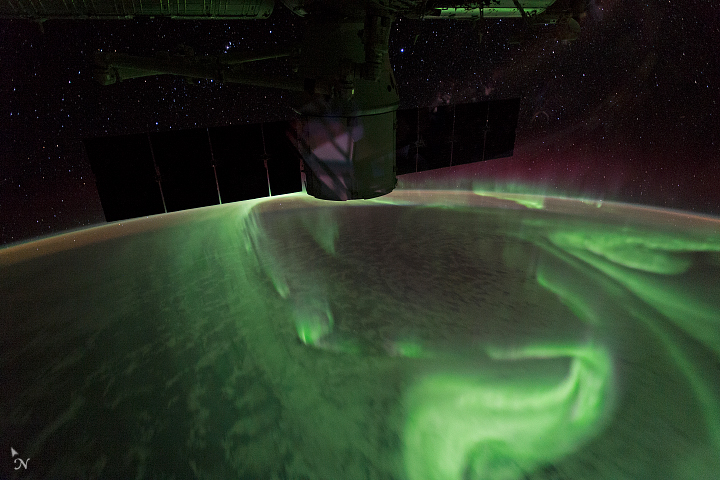
Today, by contrast, virtually every aspect of modern civilization depends on electricity and electronics. Vast power grids span continents, delivering the electricity that runs our homes, businesses, hospitals, and industries. Satellites orbiting the Earth provide navigation, communications, and weather data. Global systems for finance, transportation, water, and communication all rely on a delicate web of electrical and electronic infrastructure. All of this, scientists warn, is potentially vulnerable to the kind of powerful geomagnetic storm that struck in 1859. The long transmission lines of the power grid, like the telegraph wires before them, could act as antennas for storm-induced currents, currents strong enough to overload and damage the critical, hard-to-replace transformers at the heart of the grid. The modern world’s very dependence on the technology that makes it so powerful is also, in the face of extreme space weather, a profound source of fragility.
What a Repeat Could Do
Experts who study space weather have given considerable thought to what a Carrington-scale storm might do if it struck the Earth today, and while the estimates vary and involve real uncertainty, the potential consequences they describe are sobering. A storm of that magnitude could, in the worst-case scenarios, induce currents powerful enough to damage or destroy large numbers of the massive transformers that power grids rely on, potentially causing widespread and long-lasting blackouts across whole regions or continents.
Because these giant transformers are expensive, difficult to manufacture, and slow to replace, some analyses have warned that a truly severe event could leave affected areas without power for an extended period, with cascading effects on everything from water supplies to communications to the economy. Satellites could be damaged or disabled, disrupting navigation systems, communications, and other services that modern life takes for granted. The financial cost of such a disaster has been estimated, in some assessments, to run into the trillions. It’s important to note that experts truly disagree about how severe the effects would actually be, and some believe the worst-case scenarios are overstated; the true impact would depend on many factors, including the storm’s exact characteristics and how well prepared the grid happened to be. But the consensus is clear that a major geomagnetic storm represents a real and significant risk worth taking seriously and preparing for, rather than a threat that can be safely ignored.
Preparing for the Inevitable
The unsettling reality is that a storm on the scale of the Carrington Event is not a matter of if, but of when. Powerful solar storms are a natural feature of our Sun’s behavior, and while a storm as intense as the one in 1859 is relatively rare, occurring perhaps on the order of once in a century or several centuries, the Earth will certainly be struck by another one eventually. Indeed, there have been notable near-misses and smaller but still significant storms in more recent times, including a powerful storm in 1989 that caused a major blackout, and a Carrington-scale eruption in 2012 that narrowly missed the Earth, passing through the planet’s orbit at a time when we were not in the way.
The good news is that awareness of the threat has grown, and scientists and governments have taken steps to understand and prepare for extreme space weather. Satellites now monitor the Sun and can provide some advance warning when a major storm is heading our way, giving grid operators precious time to take protective measures, such as reducing loads to help shield vulnerable equipment. Efforts have been made in some places to make power grids more resilient to geomagnetic disturbances. Preparedness is far from complete, and vulnerabilities remain, but the recognition of the danger is itself an important step. Understanding what happened in 1859, and what a similar event could mean today, is the foundation for building the resilience that could one day spare the modern world from the worst effects of the Sun’s fury.
The Sun’s Warning From the Past
The Carrington Event stands as a powerful reminder that our star, for all the life-giving warmth and light it provides, is also a source of tremendous and occasionally violent energy, capable of reaching across ninety million miles of space to touch the Earth in dramatic ways. In 1859, that touch produced beautiful auroras and a sparking telegraph, a spectacle more wondrous than dangerous. But the same event today would meet a civilization far more intricately wired and far more exposed.
The story of the great solar storm is ultimately a lesson in humility and foresight. It teaches us that the technological marvels we depend upon exist within a larger natural world that does not always cooperate with our assumptions of stability, and that events which seem impossibly rare on the scale of a human lifetime are, on the scale of history and nature, simply a matter of time. By studying the Carrington Event, understanding its causes and effects, and preparing sensibly for its eventual return, we give ourselves the best chance of weathering the next great solar storm when it comes. The sky caught fire once, in 1859, and lit up a world that barely noticed the danger. The challenge now is to make sure that when it happens again, we are ready.
Like our content? Follow us for more.