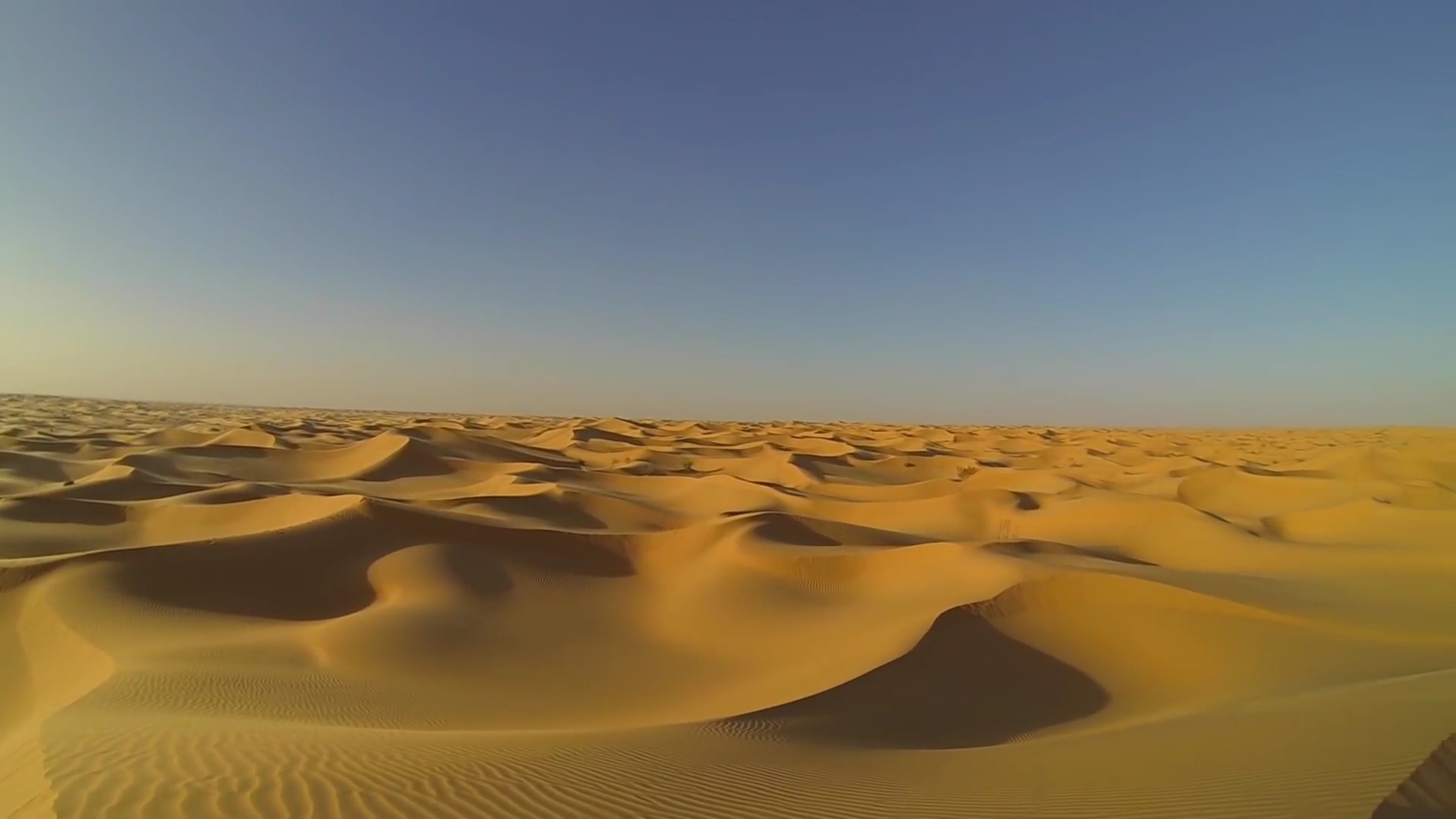
When we picture the Sahara Desert, we imagine the ultimate wasteland: a vast, scorching ocean of sand dunes stretching across North Africa, one of the most hostile and lifeless environments on the planet. It seems like the very definition of a permanent, timeless desert, a place that has always been dry and always will be. But this picture, it turns out, is profoundly mistaken. Just a few thousand years ago, within the span of human civilization, the Sahara was not a desert at all. It was green.
Where there are now endless dunes, there were once rolling grasslands and wooded savannas. Where there is now bone-dry rock, there were rivers, wetlands, and enormous lakes. And where almost nothing lives today, there were hippos wallowing in the water, giraffes browsing the trees, elephants, crocodiles, and herds of grazing animals, along with communities of people who hunted, fished, and herded cattle across a well-watered landscape. This lost world, known to scientists as the Green Sahara, is one of the most astonishing chapters in the recent history of our planet. And perhaps the most remarkable part of the story is that researchers have figured out what caused the Sahara to bloom, and then what caused it to die and turn into the desert we know today. Here is the incredible tale of the green Sahara.
A Lost Green World
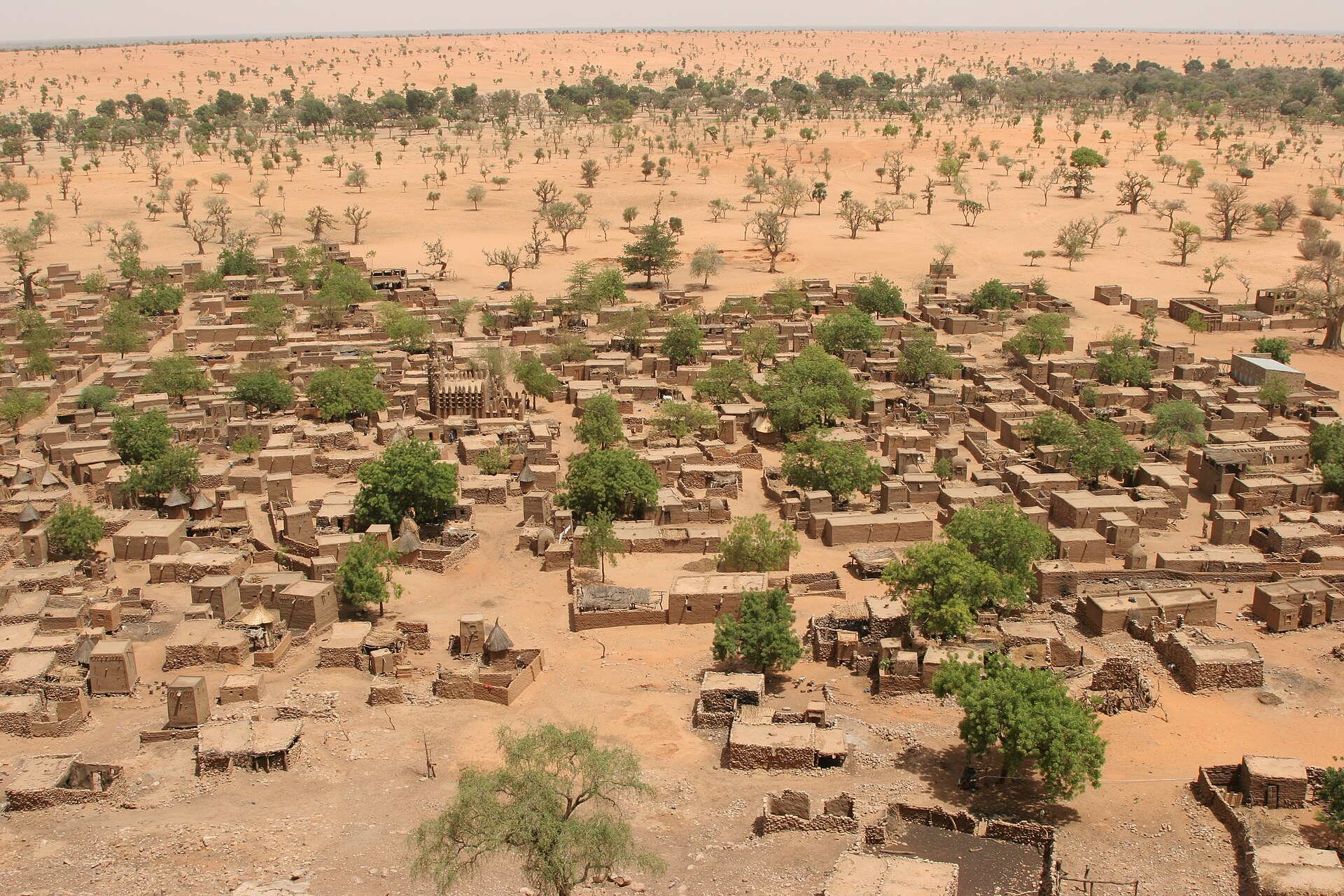
The evidence that the Sahara was once green is overwhelming and, in some cases, hauntingly beautiful. Scattered across what is now barren desert, in places that today receive almost no rain, researchers have found the traces of a vanished, water-rich world. There are the dried-up beds of ancient lakes and the channels of long-gone rivers, preserved in the landscape and detectable through geological study and satellite imagery.
The scale of this lost waterscape is hard to fathom. During its green period, the Sahara held enormous lakes, including one megalake that grew to a size rivaling some of the largest lakes on Earth today, a vast inland sea in a region now defined by its dryness. Around these waters lived an abundance of wildlife more associated today with the savannas of central and southern Africa. Fossils and other remains attest to the presence of hippos, elephants, giraffes, antelope, crocodiles, and many other creatures that could never survive in the modern Sahara. This was a green, living landscape, teeming with animals and plants, where water was plentiful and life flourished across a region that has since become the greatest desert on the planet. The transformation from that world to this one is one of the most dramatic environmental changes in the recent history of the Earth.
Like our content? Follow us for more.
The Art on the Rocks
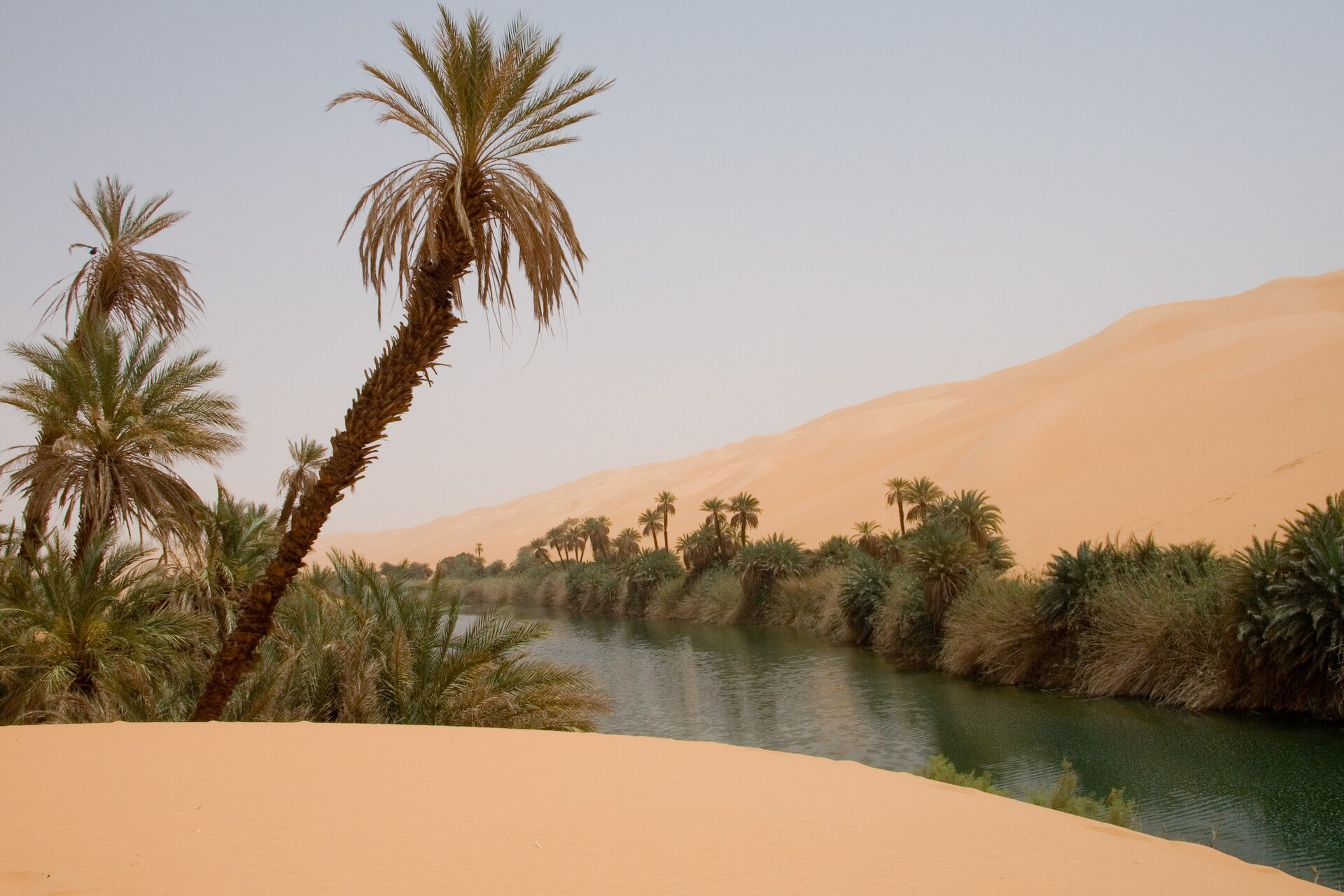
Perhaps the most moving evidence of the green Sahara comes not from geology or fossils, but from art. Across the Sahara, on rock walls and in caves and shelters in places that are now remote and arid, ancient people left behind thousands of paintings and engravings. These rock art images, created by the human beings who lived in the green Sahara, offer an extraordinary window into the world they inhabited.
The art depicts a landscape utterly unlike today’s desert. There are images of the animals these people lived alongside, creatures of a well-watered environment: cattle being herded, along with wildlife that requires abundant water and vegetation. The scenes show hunting, herding, and daily life in a green and fertile land. In one famous location in the mountains of the central Sahara, the rock art is so rich and detailed that it stands as one of the greatest galleries of prehistoric art in the world, a testament to a thriving human culture in a region now almost devoid of life. These paintings are, in a sense, the memories of the green Sahara, preserved on stone long after the lakes dried up and the people departed. They tell us not only that the Sahara was green, but that it was home, a place where people built lives and left their mark. It’s a poignant reminder that within the span of human history, this desert was a cradle of life and culture.
What Made the Desert Bloom
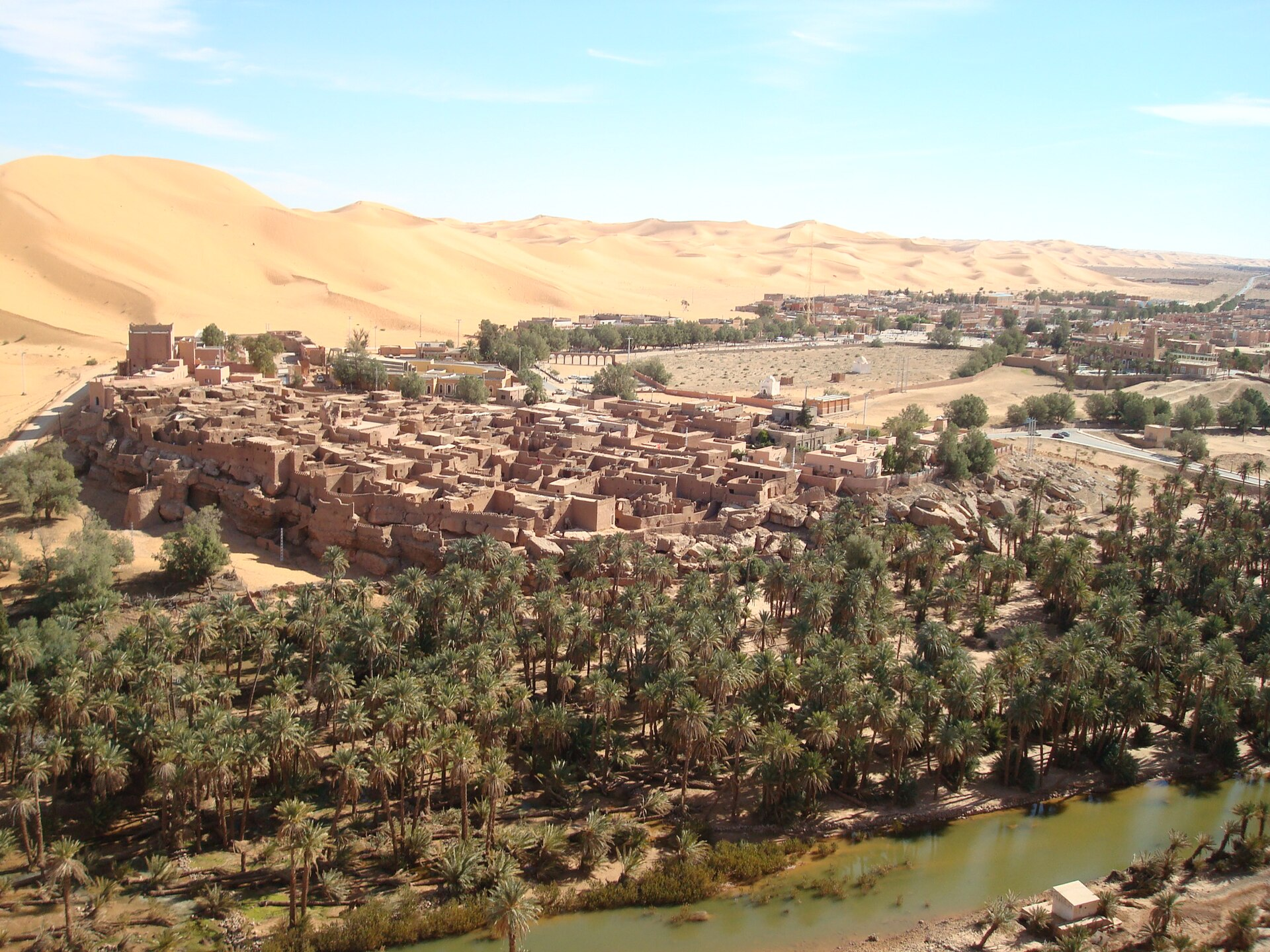
So what caused this remarkable greening? How could the largest desert on Earth have been a lush, well-watered paradise just a few thousand years ago? The answer, worked out by scientists studying the Earth’s climate history, lies in the subtle but powerful influence of our planet’s movements through space.
The Earth does not travel through space in a perfectly fixed way. Over long periods, the way it tilts and wobbles on its axis, and the shape of its orbit, change gradually in slow, regular cycles. These changes in the Earth’s orientation and orbit alter how sunlight is distributed across the planet’s surface over the course of the year, and this in turn can have dramatic effects on climate. In the case of the Sahara, a particular configuration of the Earth’s slow orbital “wobble” caused the Northern Hemisphere to receive more intense summer sunlight during the period of the green Sahara. This increased summer heating strengthened and shifted the seasonal rains, drawing the African monsoon far northward into what is now desert. The result was a dramatic increase in rainfall across the Sahara, enough to fill lakes and rivers, nourish grasslands and woodlands, and transform the region into a green and living landscape. Remarkably, scientists have determined that this was not a one-time event; the Sahara has cycled between green and desert states many times over the ages, driven by these same slow, repeating changes in the Earth’s orbit, greening and drying again and again across immense spans of time.
The Great Drying
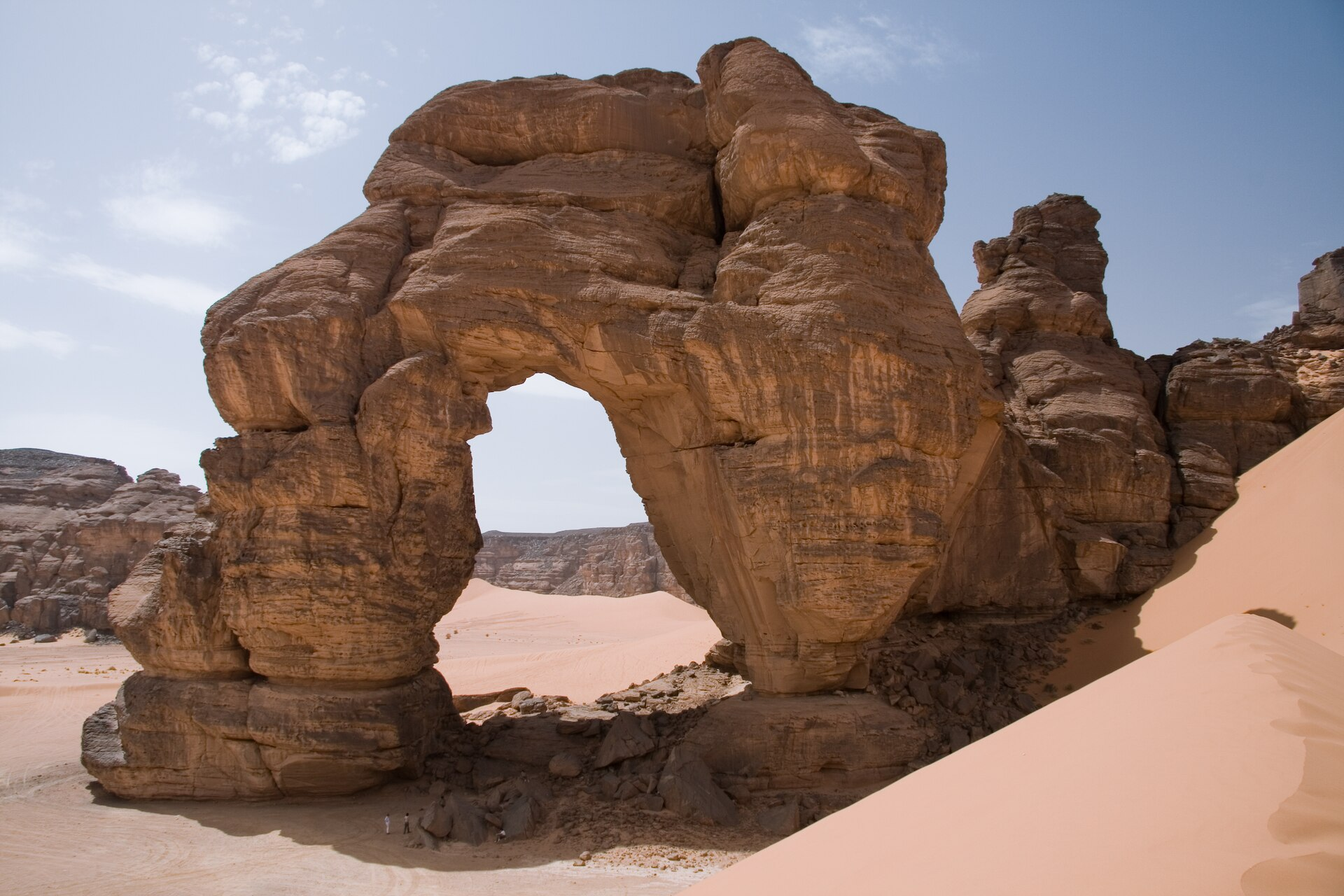
If the green Sahara was created by a shift in the Earth’s orbit that brought the rains, then its demise came when that same slow cycle reversed. As the Earth’s orbital configuration continued its gradual change, the extra summer sunlight in the Northern Hemisphere diminished, the monsoon rains weakened and retreated southward, and the Sahara began to dry out. The green world started to die.
As the rains failed, the lakes and rivers shrank and vanished, the grasslands and woodlands withered, and sand and dust reclaimed the land. This drying may have been accelerated by feedback effects: as vegetation disappeared, the bare ground reflected more sunlight and retained less moisture, which further reduced rainfall, creating a vicious cycle that hastened the transition to desert. Exactly how quickly the green Sahara collapsed into desert is a subject of ongoing scientific study and some debate; certain records suggest the change happened surprisingly fast in some areas, perhaps within a few centuries, while other evidence points to a more gradual drying unfolding at different times in different places over a longer span. What is clear is that, over the course of the transformation, the well-watered paradise gave way to the arid desert, and the Sahara assumed the forbidding character it has today. The green world was gone, buried beneath the sands.
Where the People Went
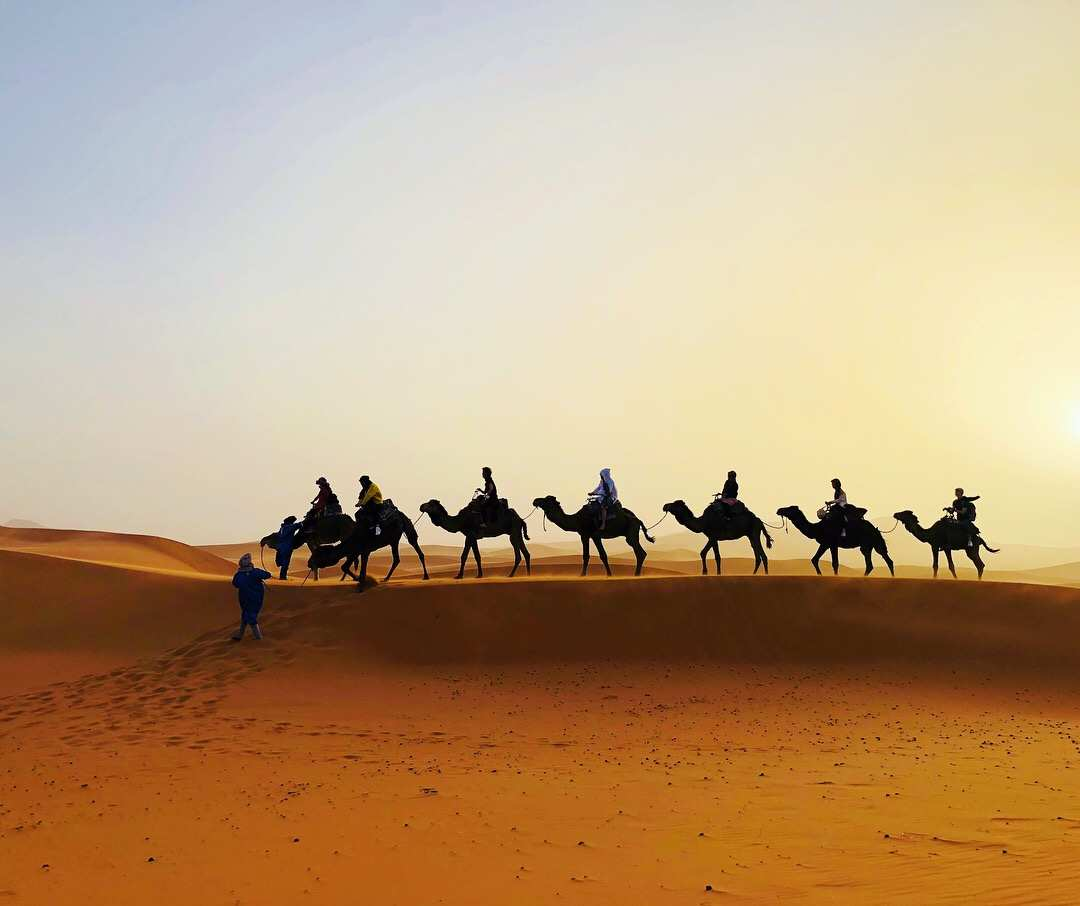
The end of the green Sahara was not just an environmental event; it was a human one. The people who had lived in the green Sahara, herding their cattle and creating their art, could not remain as their world dried out around them. As the lakes disappeared and the land became inhospitable, these populations were forced to move, migrating away from the drying interior in search of water and viable land.
Many researchers believe that this great dispersal had profound consequences for human history. As people left the desiccating Sahara, some are thought to have moved toward the reliable waters of river valleys and other well-watered regions on the desert’s edges. There, concentrated along life-giving rivers, human societies developed agriculture and grew more complex, contributing to the rise of some of the early civilizations of the ancient world. In this way, the drying of the Sahara may have been a powerful force in shaping the course of human development, pushing people together in fertile refuges where the seeds of civilization could take root. The story of the green Sahara, then, is not only about a lost landscape and its vanished wildlife; it’s about the deep and intimate connection between climate, environment, and the human story, and how a shift in the planet’s climate could reshape the destiny of entire peoples.
A Desert That May Bloom Again
Perhaps the most mind-bending implication of the green Sahara is what it suggests about the future. Because the greening and drying of the Sahara have been driven by the slow, cyclical changes in the Earth’s orbit, and because those cycles continue to turn, scientists say that the Sahara is likely to become green again someday, far in the future, when the orbital configuration once more shifts to bring the rains back to North Africa. The desert we think of as permanent is, on the grand scale of time, just one phase in a long, repeating cycle.
Of course, such a transformation would unfold over thousands of years, far beyond the span of a human lifetime, and the modern picture is complicated by other factors influencing the global climate. But the fundamental insight remains astonishing: the Sahara is not a fixed and eternal wasteland, but a landscape that breathes in and out of greenness over the ages, following the slow rhythm of the Earth’s dance through space. The endless dunes we see today are not the desert’s final form, but a temporary state in a cycle that has played out many times before and will play out again. It’s a humbling reminder of how dynamic our planet truly is, and how the ground beneath our feet, even the driest and most desolate ground on Earth, has a history of transformation written into it, and a future of change still to come. The green Sahara was real, it was recent, and one distant day, in its own slow time, it may return.
Like our content? Follow us for more.