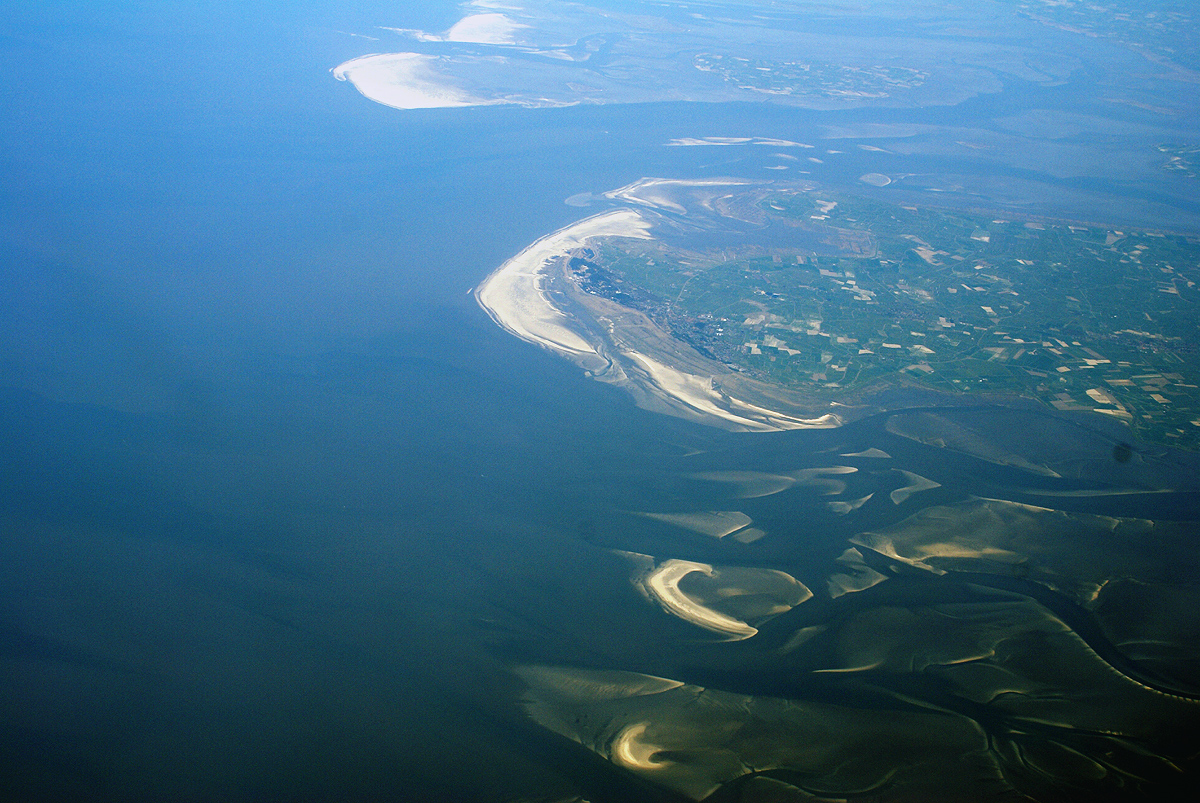
Look at a map of northwestern Europe today, and you’ll see the island of Great Britain separated from the European mainland by the waters of the North Sea and the English Channel. It seems a natural and permanent arrangement, as though Britain has always been an island, cut off from the continent by the sea. But this, too, is a relatively recent state of affairs. For thousands of years, Britain was not an island at all. It was connected to mainland Europe by a broad expanse of dry land, a whole country’s worth of territory that has since vanished beneath the waves.
This lost land is known as Doggerland, and it is one of the most fascinating vanished landscapes in the human story. Far from being a mere land bridge, Doggerland was a vast and rich region in its own right, a fertile world of rolling hills, river valleys, forests, and wetlands where ancient people lived, hunted, and made their homes. Over thousands of years, as the last Ice Age ended and the seas rose, this land was gradually swallowed by the encroaching ocean, until finally it disappeared entirely, leaving Britain an island and Doggerland a sunken realm beneath the North Sea. And its end may have been hastened by a single catastrophic event, a colossal wave that swept across the drowning land. Here is the remarkable story of Doggerland, the lost world beneath the sea.
A World Beneath the Waves
Doggerland once stretched across a huge area of what is now the southern North Sea, connecting the eastern coast of Britain to the shores of what are today the Netherlands, Germany, and Denmark. At its greatest extent, this was no narrow strip of land but a substantial territory, a significant landmass in its own right, filling in much of the sea that now separates Britain from the continent.
Far from being a barren or marginal place, Doggerland was a rich and inviting landscape. As the ice sheets of the last Ice Age retreated and the climate warmed, the region became a temperate world of rivers, lakes, marshes, and forests, with woodlands of oak, elm, and other trees. It was, by the standards of the time, prime territory, abundant in the resources that mattered to the people of the age: fish and shellfish in the waters, birds in the wetlands, and game in the forests and on the plains. Some researchers have suggested that this resource-rich environment may have been one of the most desirable places to live in all of prehistoric Europe, a fertile heartland drawing people to settle and thrive. Beneath the modern North Sea, then, lies not just a submerged plain, but the remains of a lost living world, one that was, for a time, a center of human life.
Like our content? Follow us for more.
The People Who Lived There
Doggerland was home to human beings. During the period after the last Ice Age, groups of hunter-gatherers of the era known as the Mesolithic inhabited this rich landscape, drawn by its abundance of food and resources. They lived off the land and water, hunting the animals of the forests and plains, fishing the rivers and coasts, and gathering the wild foods the region offered in such plenty.
For these people, Doggerland was not a bridge to somewhere else; it was home, the center of their world. They would have known its rivers and hills, its hunting grounds and fishing spots, its seasons and its landmarks. Evidence of their presence has been recovered from the seafloor, often dredged up by fishing boats or gathered during scientific surveys: worked flint tools, the bones of the animals they hunted, and other traces of human activity, remnants of lives lived on land that is now deep underwater. Some researchers think that the richness of Doggerland’s environment may have allowed its inhabitants to live in a more settled way than many hunter-gatherer groups of the period. These were real communities of people, living out their lives on the plains and along the rivers of a land that would, over generations, slowly disappear from beneath them, forcing them to retreat before the advancing sea.
The Rising Sea
The disappearance of Doggerland was set in motion by the end of the last Ice Age. During the Ice Age, enormous quantities of the Earth’s water were locked up in vast ice sheets, and as a result, sea levels around the world were much lower than they are today; it was this lower sea level that left Doggerland high and dry, a walkable expanse connecting Britain to Europe. But as the world warmed and the great ice sheets melted, all that water was released back into the oceans, and sea levels began to rise, slowly but relentlessly, over thousands of years.
For Doggerland, this rising sea was a slow-motion catastrophe. As the waters climbed, the land was gradually inundated, the coastlines creeping inward year by year, generation by generation. The lowest-lying areas were flooded first, turning to marsh and then to sea, while the higher ground held out longer. Over the centuries, the vast territory of Doggerland was steadily reduced, its rivers drowned, its forests submerged, its plains swallowed by the growing ocean. The people and animals that lived there would have been pushed back continually, retreating toward the shrinking areas of dry land as their world contracted around them. It was an inexorable process, the sea reclaiming the land that the ice had once made available, and it was carrying Doggerland toward its final disappearance. But before the end came, the drowning land may have been struck by a sudden and violent blow.
The Great Wave
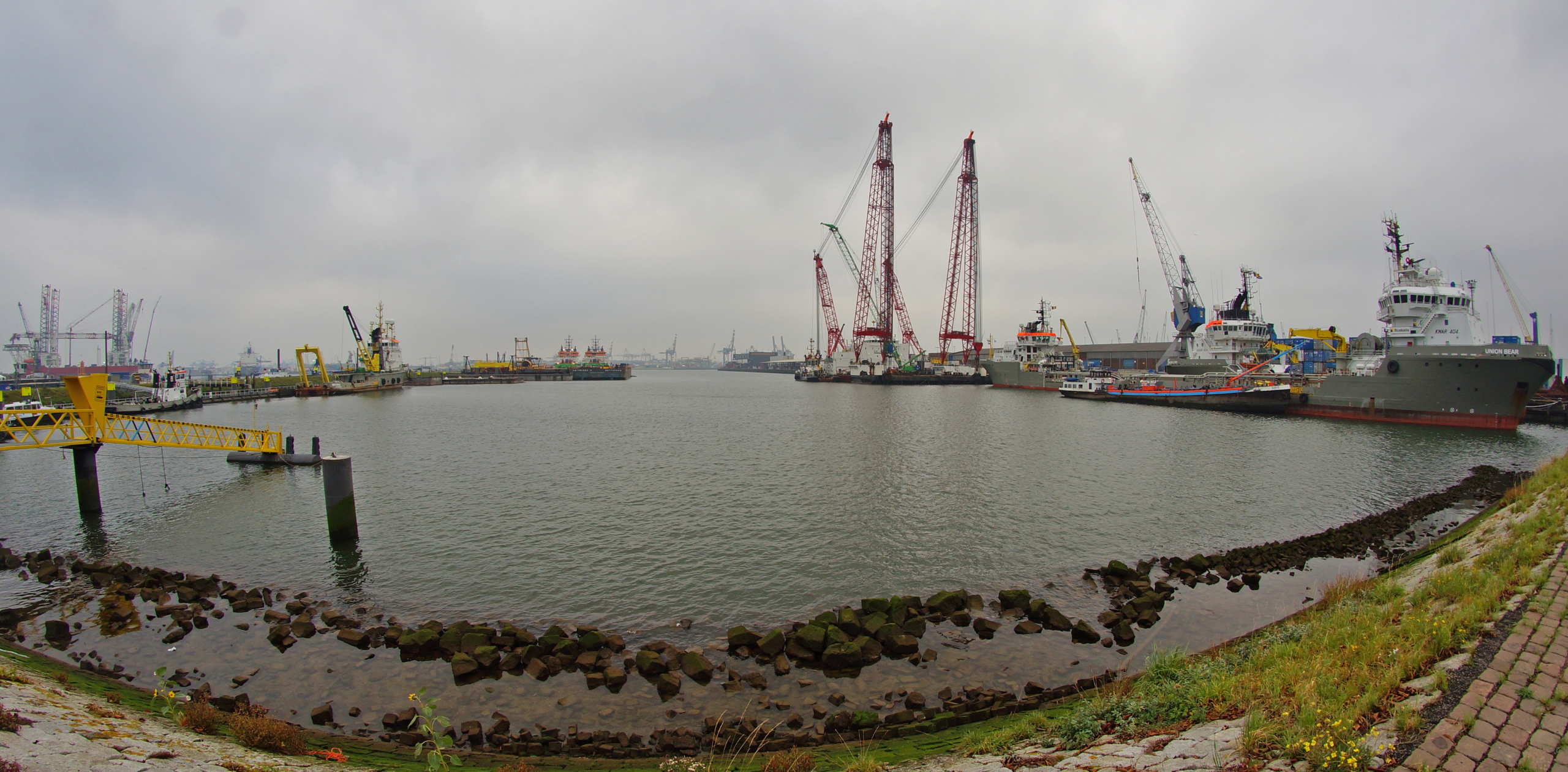
Around the time that Doggerland was in its final stages of submergence, a catastrophic event occurred that may have played a decisive role in its fate. Off the coast of what is now Norway, a massive underwater landslide took place, an enormous collapse of a section of the seabed on a truly gigantic scale. This submarine landslide, known to scientists as the Storegga Slide, displaced a colossal volume of water and triggered a devastating tsunami that swept across the North Sea.
The resulting waves would have been enormous, inundating coastlines around the North Atlantic and North Sea, and sedimentary traces left by this ancient tsunami have been discovered across a wide region, from Scotland to Scandinavia. For whatever remained of Doggerland and any people still living on its low-lying shores, such a tsunami would have been catastrophic, flooding the land and likely causing significant loss of life among coastal communities. For a long time, scientists thought this great wave might have been the final blow that finished off Doggerland once and for all, drowning the last of the land in a single terrible event. More recent research, however, suggests a more nuanced picture: while the tsunami was certainly a catastrophe, some parts of Doggerland may have survived it, persisting as scattered low-lying islands for some time afterward before the continued rise of the sea finally claimed them too. Either way, the Storegga tsunami stands as one of the most dramatic natural disasters of prehistoric Europe, a moment of sudden violence in the long, slow drowning of a lost land.
The Final Submergence
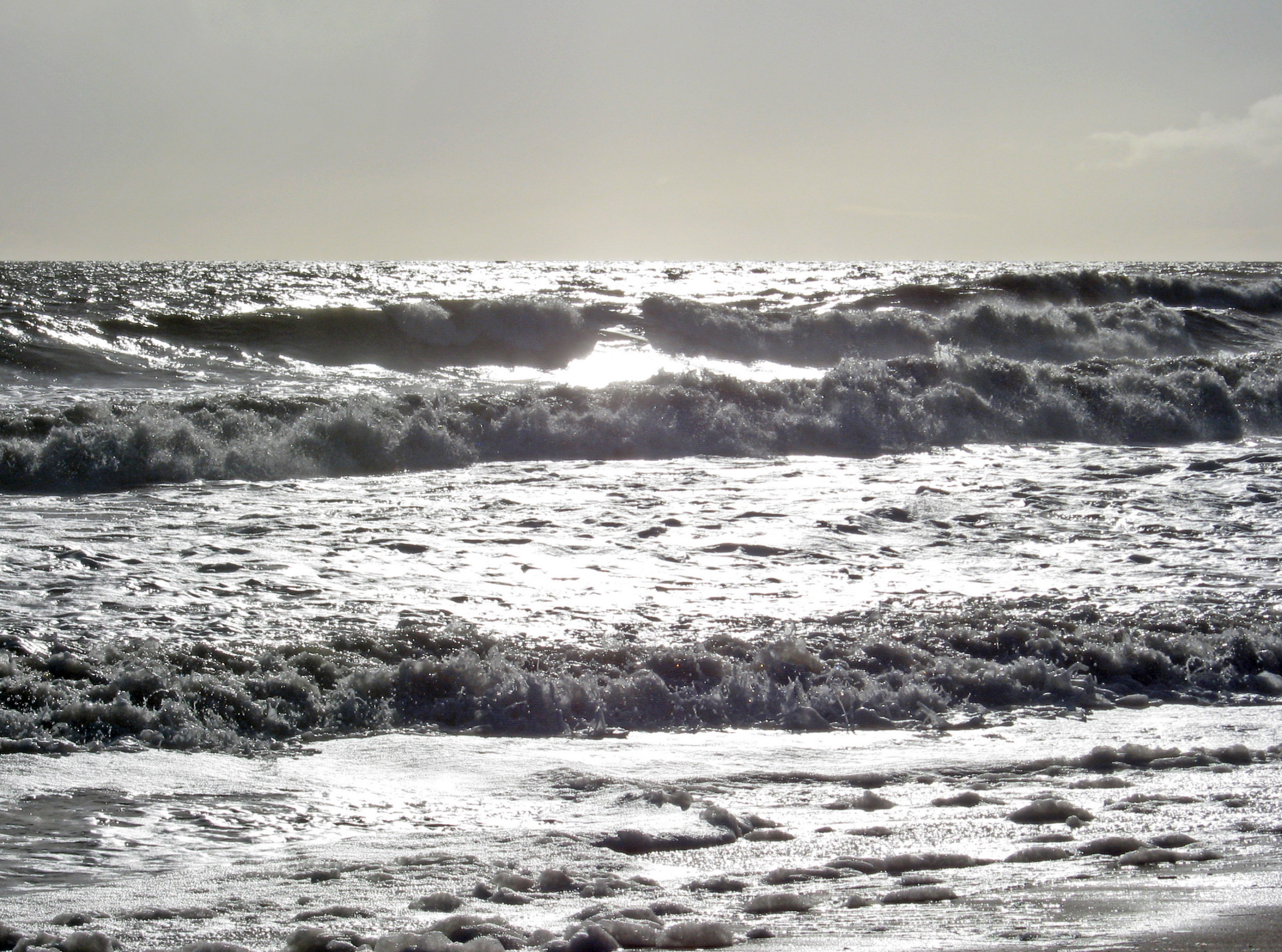
Whether by the gradual rise of the sea, the shock of the great tsunami, or a combination of both, Doggerland’s fate was ultimately sealed. Over time, the last remnants of the once-vast land, reduced perhaps to a scattering of islands, were finally submerged beneath the waves, and Doggerland ceased to exist as dry land. With its disappearance, Britain became the island it is today, cut off from the European mainland by the waters that now covered the sunken realm.
The land that had connected Britain to Europe, that had been home to generations of people and abundant wildlife, was gone, transformed into seabed beneath the North Sea. The rivers, forests, and plains of Doggerland now lay drowned in the cold northern waters, their existence forgotten for thousands of years. Where hunters had once tracked game and families had made their homes, there was now only open water, plied in later ages by ships and fishing boats, most of whose crews had no idea that a lost world lay beneath their keels. Doggerland had become a ghost, a vanished country, its memory erased by the sea that had swallowed it.
Rediscovering a Lost Land
For most of history, Doggerland was completely unknown, its existence unsuspected. But over the past century or so, and especially in recent decades, scientists have been piecing together the story of this lost world, and Doggerland has emerged from the depths of forgotten history. The first clues came from the fishing industry, when trawlers dragging the bottom of the North Sea occasionally brought up ancient bones, tools, and other artifacts, hinting that the seafloor had once been dry, inhabited land.
Since then, dedicated research projects have used advanced technology to map and reconstruct the drowned landscape of Doggerland, analyzing the seabed, sampling ancient sediments, and even recovering traces of the plants and animals that once lived there. Bit by bit, a detailed picture of this lost world has come into focus: its rivers and hills, its forests and coastlines, its climate and its wildlife, and the lives of the people who called it home. The study of Doggerland has become one of the most exciting frontiers in archaeology, a chance to explore an entire vanished landscape hidden beneath the sea. And it carries a resonance for our own time, a powerful reminder that coastlines are not fixed, that seas can rise and land can vanish, and that even a rich and thriving homeland can, over generations, be lost to the water. Doggerland is gone, but its rediscovery has given this drowned world a second life, restoring to memory a lost chapter of the human story that lay hidden beneath the waves for thousands of years.
Like our content? Follow us for more.