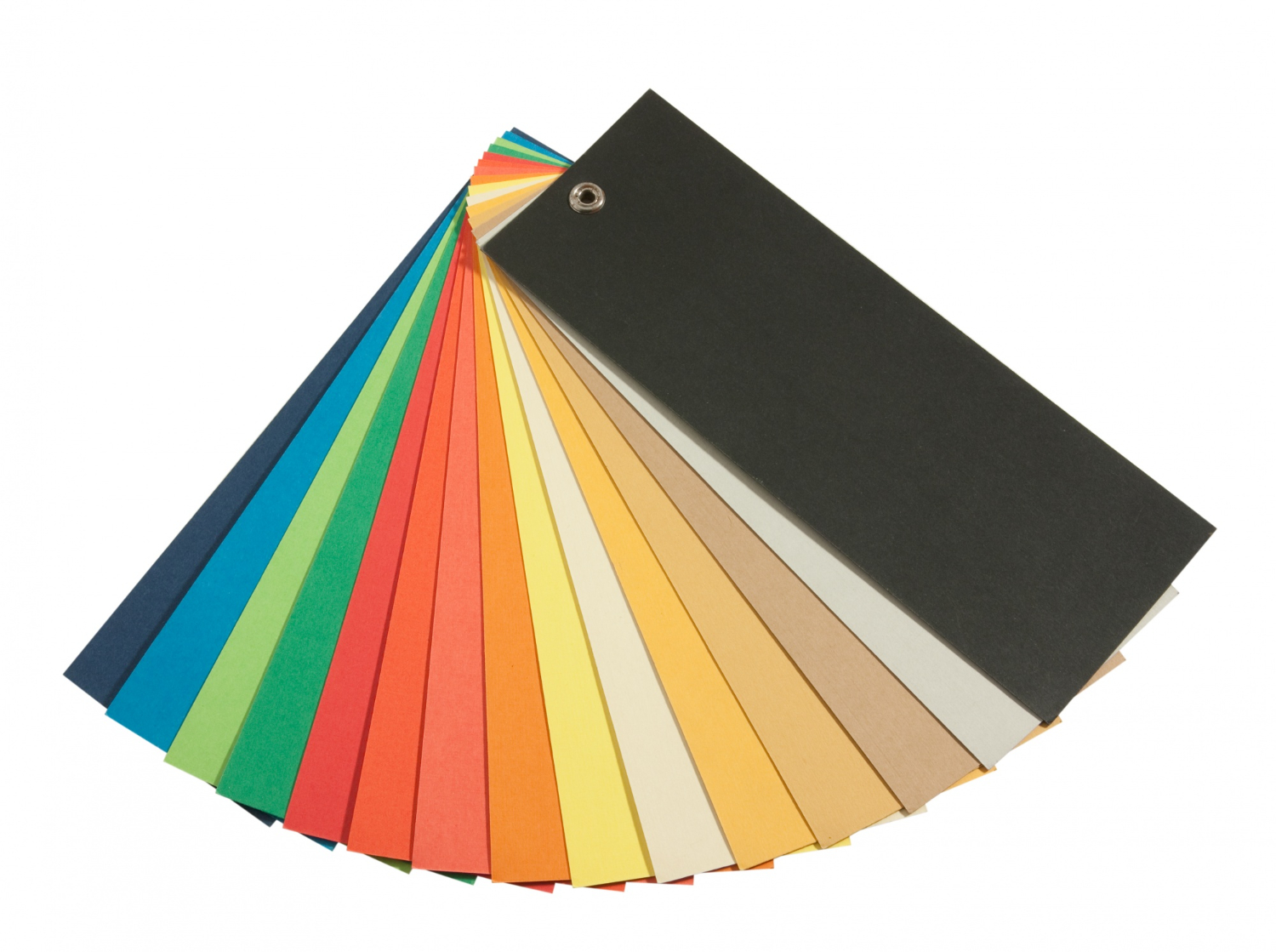
The pattern is consistent: name the colour after the thing, then keep the name long after nobody uses the thing. Here are fifteen.
1. Maroon

From the French for chestnut, describing the deep brownish-red of the nut rather than any pigment or dye.
Food-derived colour names are common and usually describe something everyone had seen. Maroon is the colour name borrowed straight from a nut.
Like our content? Follow us for more.
2. Scarlet

Originally not a colour at all but a type of fine cloth, which was frequently dyed a particular bright red.
The name transferred from the fabric to the shade it was usually produced in. Scarlet is the colour name that began as a description of a textile.
3. Crimson

Traced to a scale insect harvested and crushed to produce a deep red dye, with the word travelling through Arabic and Old Spanish.
The insect origin is shared with several other red dye names. Crimson is the colour name derived from an insect nobody outside dyeing has heard of.
4. Mauve

Named from the French for the mallow flower, and attached to the first widely produced synthetic dye, discovered by accident by a teenage chemistry student in 1856.
That accident launched the synthetic dye industry and made a fortune for its discoverer. Mauve is the colour name that arrived with an entire chemical industry behind it.
5. Lilac and Lavender

Both taken directly from flowering plants, which is the most common route for pale colour names in English.
Plant-derived names dominate the softer end of the spectrum because flowers were the reliable reference. Lilac is the colour name that shows how many shades were borrowed from gardens.
6. Amber

Named for fossilised tree resin, a material traded across Europe for thousands of years and valued long before anyone understood what it was.
The colour word followed the substance rather than the other way round. Amber is the colour name taken from a material that is itself millions of years old.
7. Sepia

From the Greek for cuttlefish, because the pigment was originally made from the ink sac of one.
It survived into photography as the name for a specific tone. Sepia is the colour name taken from a sea creature’s defence mechanism.
8. Ochre

From the Greek for pale yellow, describing a naturally occurring clay pigment used in painting for tens of thousands of years.
It is among the oldest pigments in continuous human use. Ochre is the colour name attached to the earliest paint there is.
9. Cerulean

From the Latin for sky or heaven, applied to a pigment developed in the nineteenth century and adopted by painters for skies specifically.
The word existed long before the pigment and was waiting for something to attach to. Cerulean is the colour name that described a thing before any material could produce it.
10. Burgundy and Claret

Both name a wine region or a style of wine rather than a pigment, describing the colour by pointing at what was in the glass.
Claret in particular was an English term for the wines of Bordeaux long before it described a shade. Burgundy is the colour name that asks you to picture a drink.
11. Russet

Originally a coarse reddish-brown woollen cloth worn by rural workers, cheap enough to be a marker of status by its absence of dye.
The colour name survives while the fabric is long gone, and it also attached itself to a variety of apple. Russet is the colour name that started as the cloth of people who could not afford colour.
12. Fuchsia

Named after a flowering plant, which was itself named after a sixteenth-century German botanist.
So the colour is named after a plant named after a person, at two removes. Fuchsia is the colour name that passes through a plant to reach a surname.
14. Teal

Named after a small duck with a distinctive band of blue-green on its head and wing.
Bird-derived colour names are less common than plant ones but follow exactly the same logic of pointing at a familiar thing. Teal is the colour name that requires you to have seen a particular duck.
15. Beige and Ecru

Both originally described undyed, unbleached natural fabric rather than a colour, and drifted into use as shades.
Their vagueness as colour terms reflects that they were never precise to begin with. Beige is the colour name that started as a description of cloth nobody had processed.
Named After the Nearest Available Thing
Almost none of these was coined as a colour. Each names a mineral, an insect, a plant, a fabric, a drink or a trade route, and the colour meaning arrived afterwards and outlasted the original.
The pattern says something about how language handles colour generally. There is no natural vocabulary for shades, so every culture borrowed from the objects it had, which is why colour words are among the most revealing fossils in any language.
Like our content? Follow us for more.