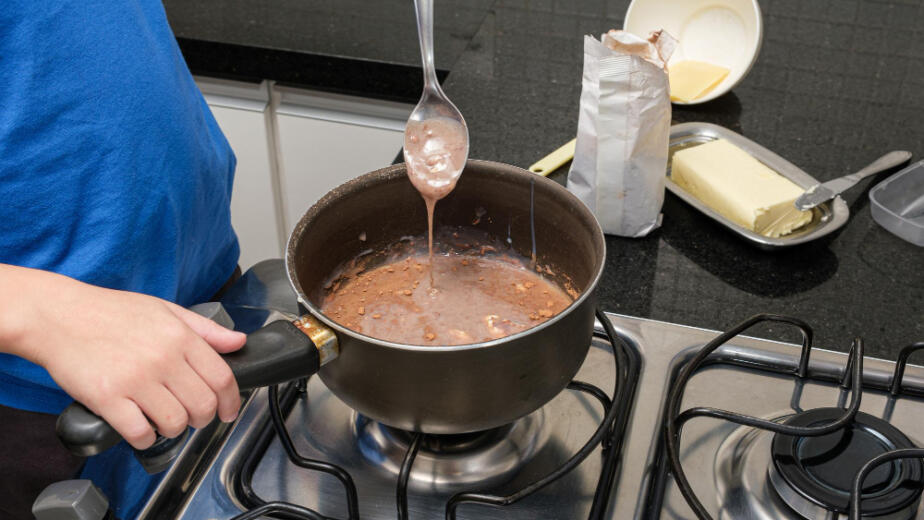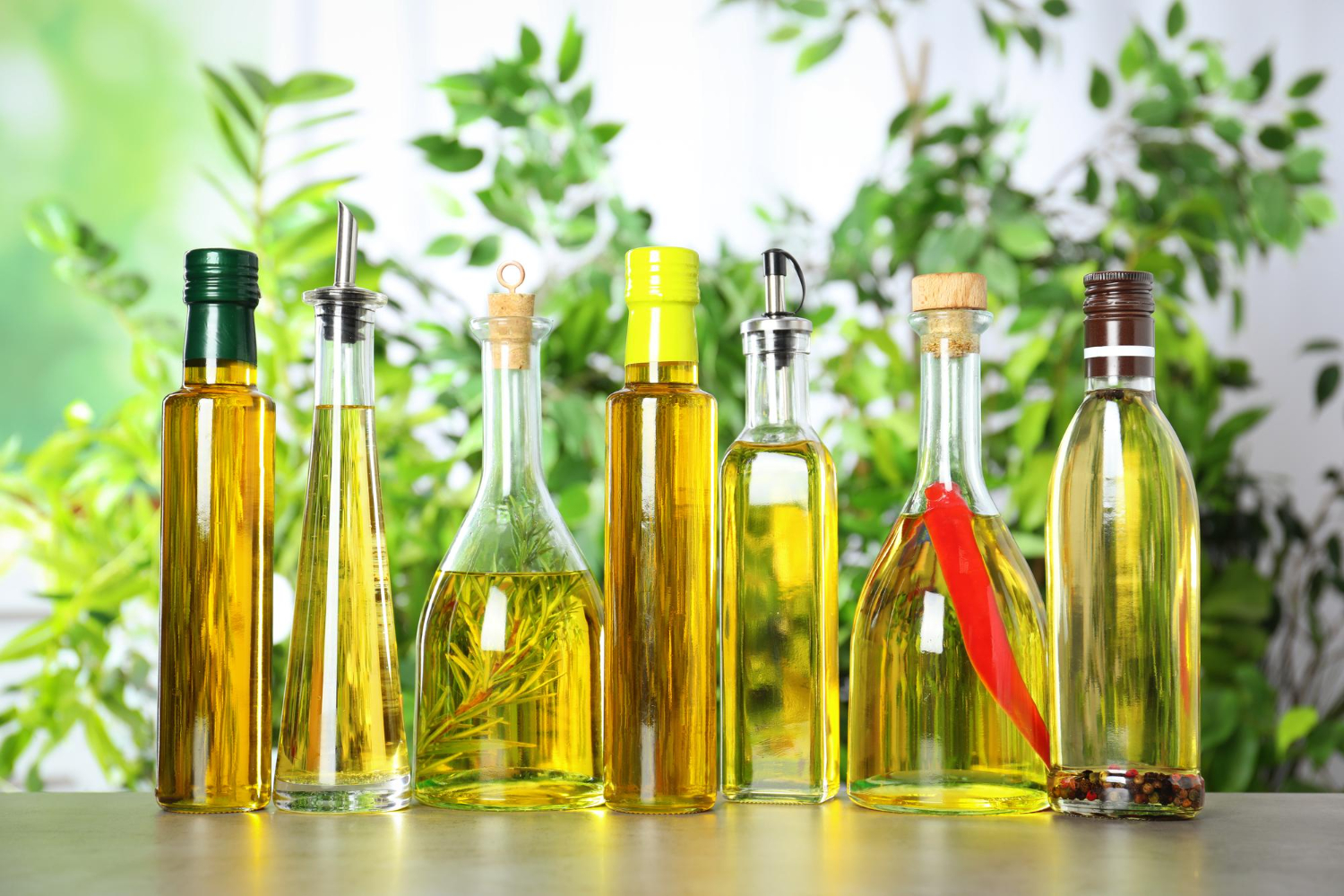
Two properties do most of the work: how hot a fat can get before it degrades, and how much flavour it brings. Everything below is a different combination of those two.
1. Extra Virgin Olive Oil
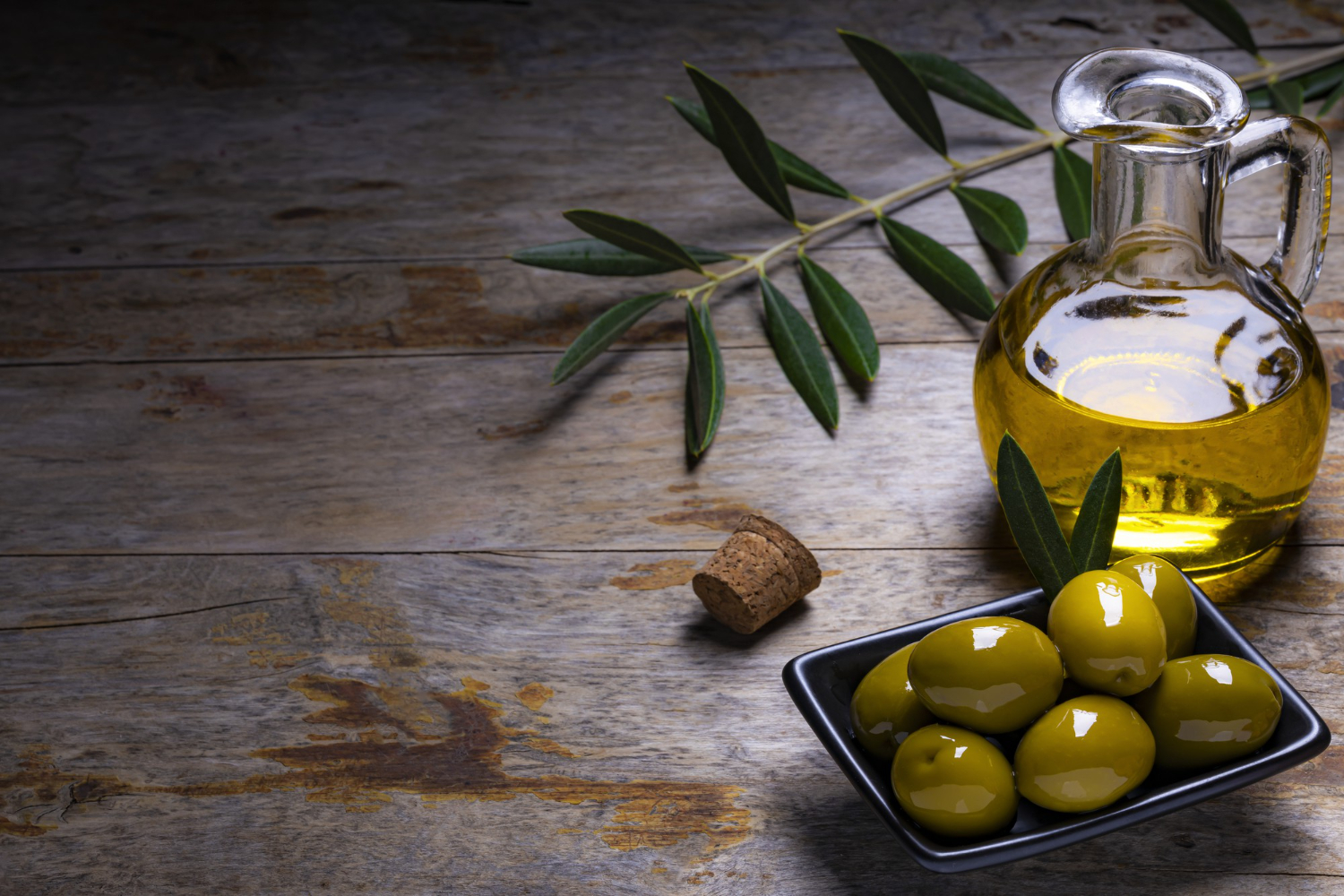
Strongly flavoured and best used where that flavour is meant to be tasted – dressings, finishing, gentle cooking and anything served at room temperature.
It degrades at higher temperatures than lower-grade oils tolerate, so it is a poor choice for hard frying and an excellent one for almost everything else. Extra virgin olive oil is the cooking fat bought for its flavour rather than its heat tolerance.
Like our content? Follow us for more.
2. Refined or Light Olive Oil
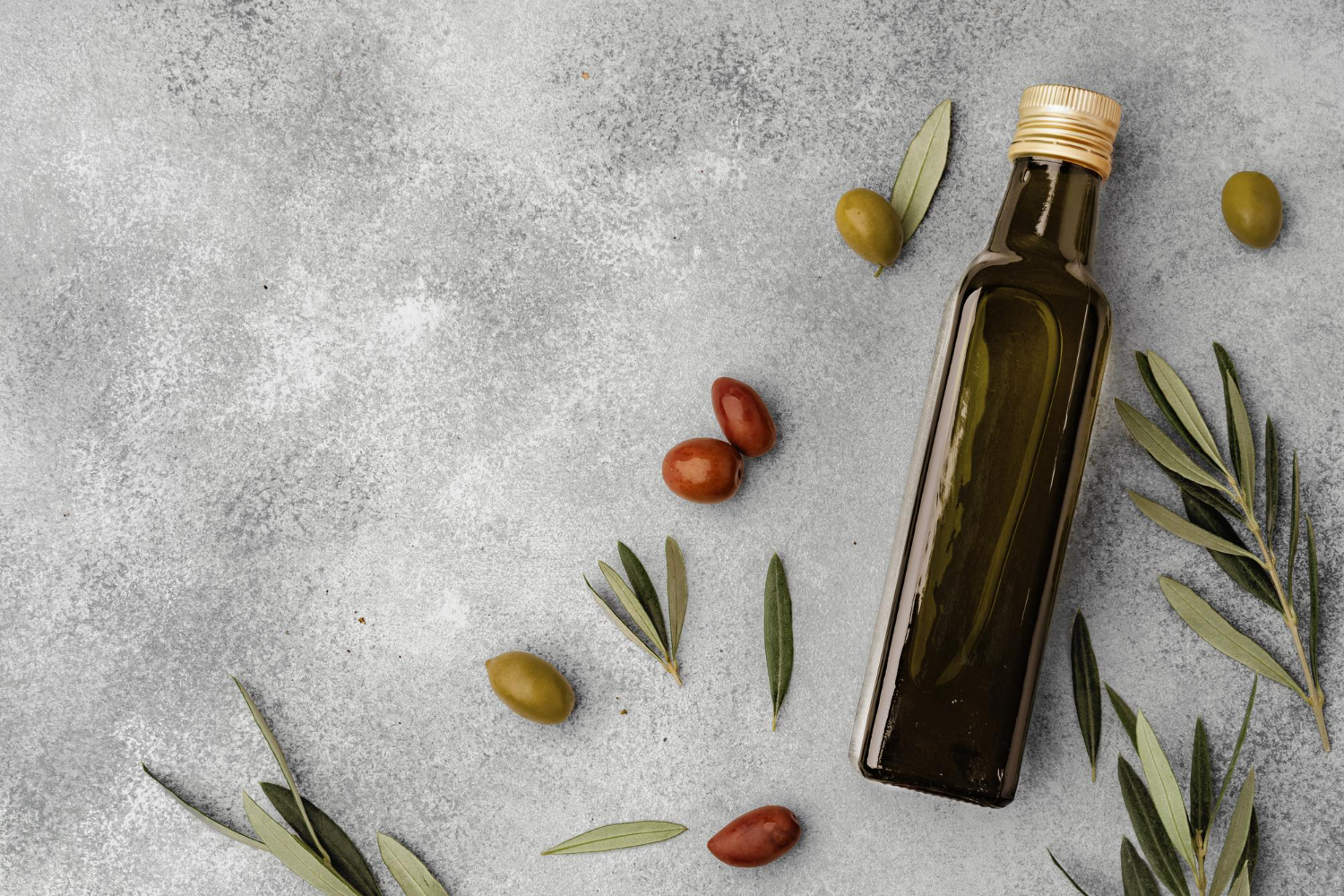
The same plant, processed to remove most of the flavour and raise the temperature it tolerates, which makes it usable for frying.
It is not a lesser product so much as a different tool, and the word light refers to flavour and colour rather than calories. Refined olive oil is the cooking fat people mistake for a diet version.
3. Butter
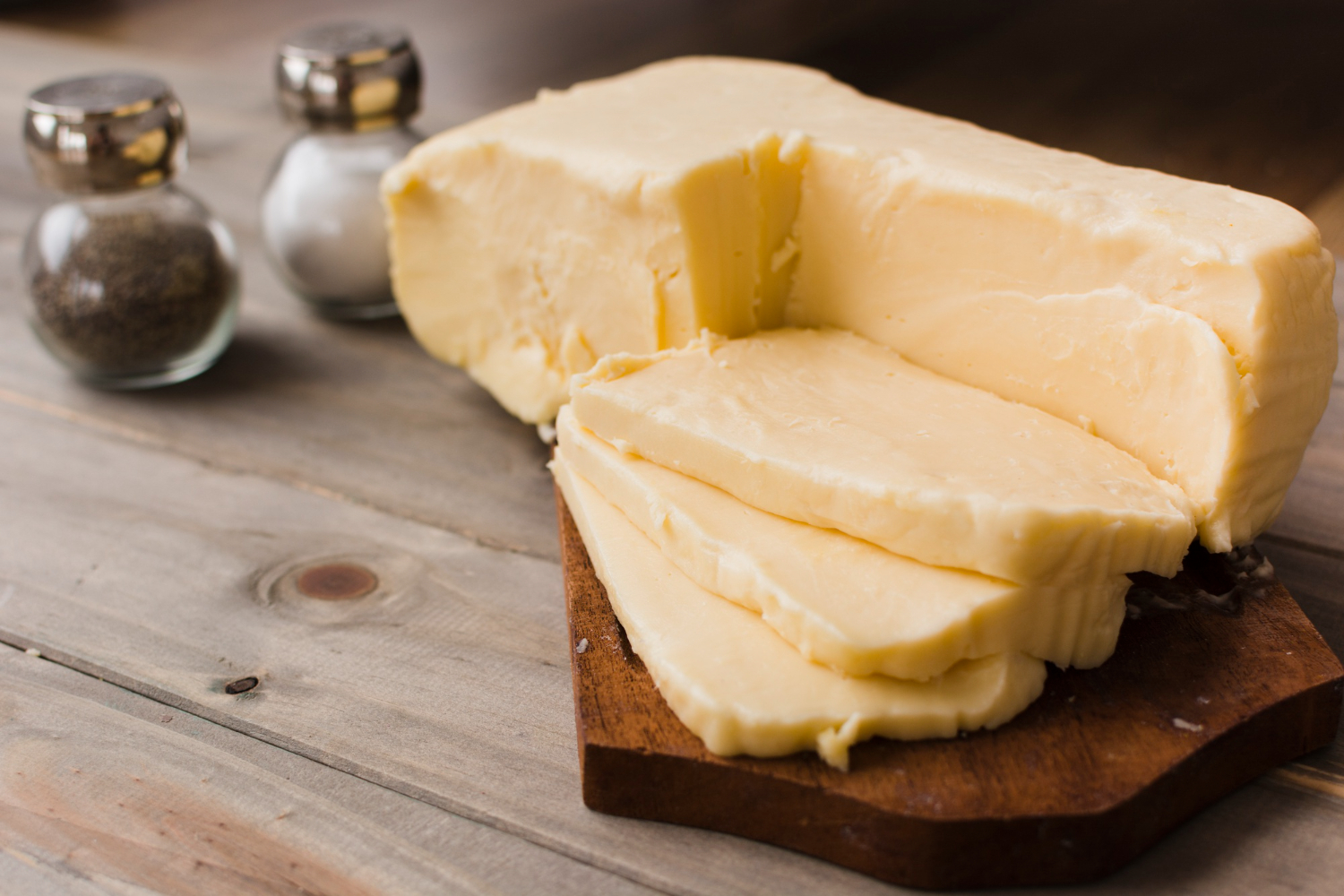
Contributes flavour nothing else replicates, but contains milk solids and water, which is why it browns and then burns at a temperature well below most oils.
Adding a little neutral oil to the pan raises the working temperature without losing the taste. Butter is the cooking fat that browns beautifully and then very suddenly does not.
4. Clarified Butter and Ghee
Butter with the water and milk solids removed, which raises its heat tolerance substantially while keeping most of the flavour.
Ghee is cooked further, giving a nuttier taste and a long shelf life without refrigeration. Clarified butter is the cooking fat that solves butter’s only real weakness.
5. Neutral Seedoils
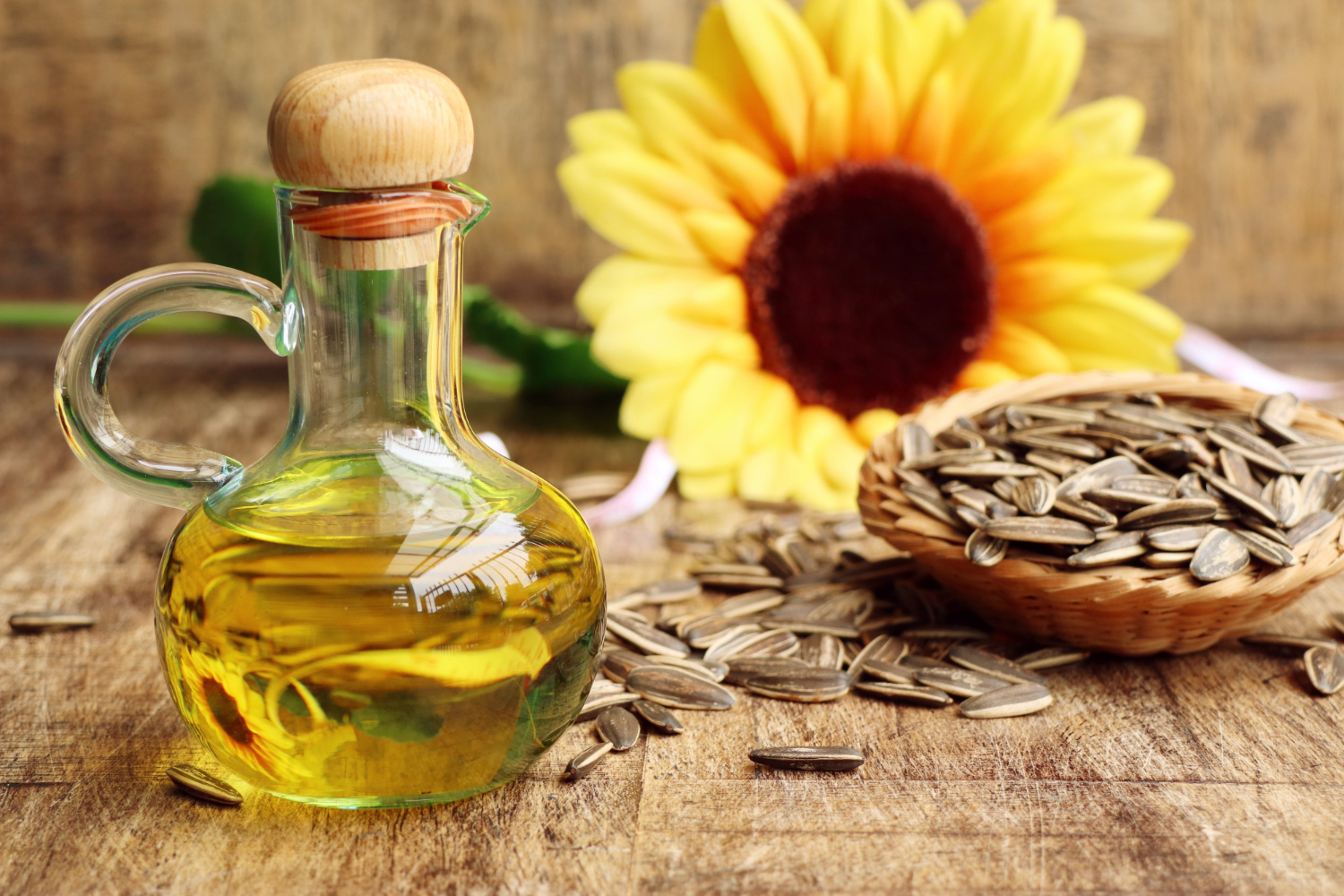
Sunflower, rapeseed, groundnut and similar oils contribute almost no flavour and tolerate high temperatures, which is exactly what deep frying requires.
Their virtue is absence: nothing they add competes with the food. Neutral oils are the cooking fats chosen for what they do not bring.
6. Sesame Oil
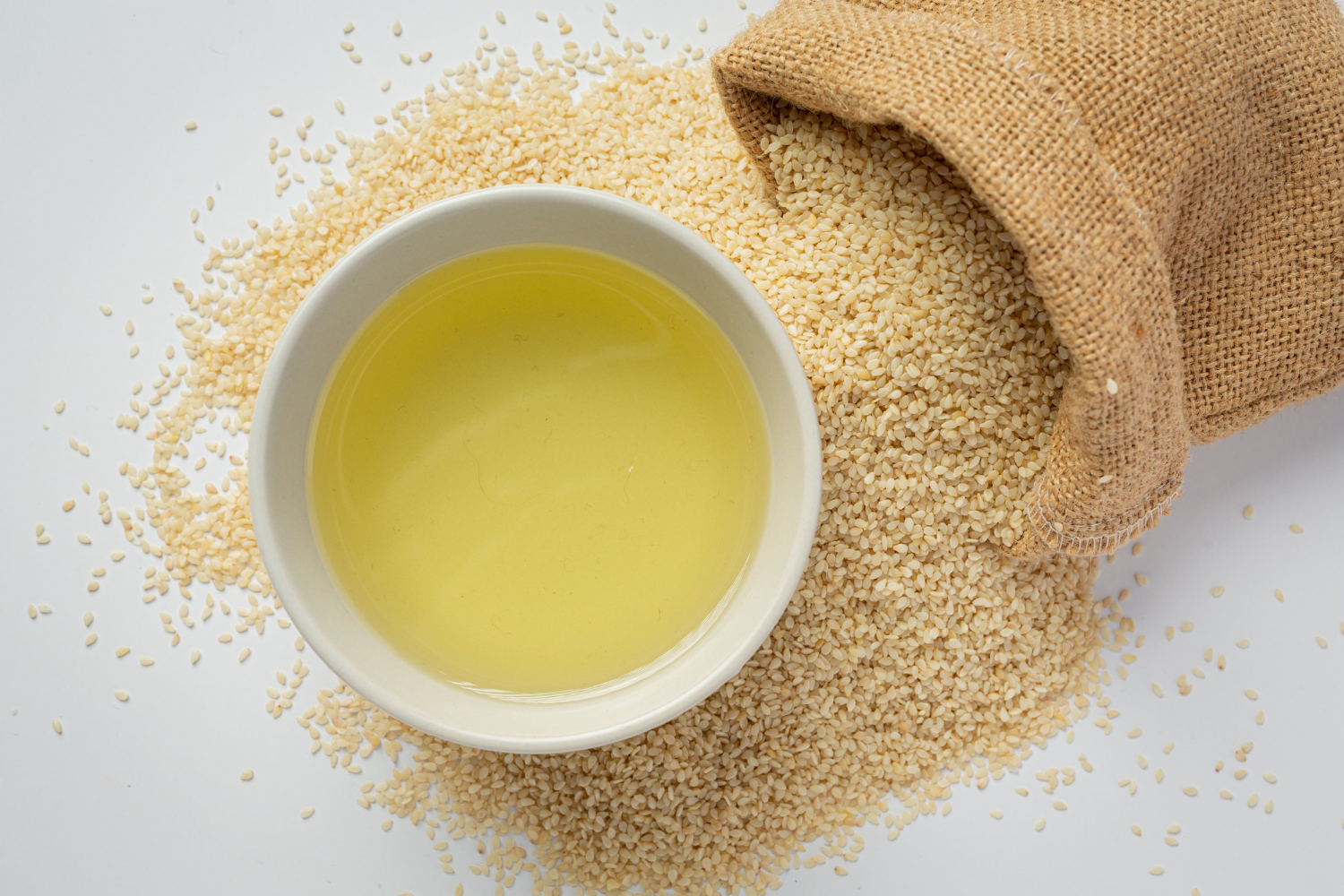
Toasted sesame oil is a seasoning rather than a cooking medium, added at the end in small quantities because heat destroys what it is there for.
Untoasted sesame oil is a different product entirely and can be cooked with. Toasted sesame oil is the cooking fat that should usually go in last.
7. Coconut Oil
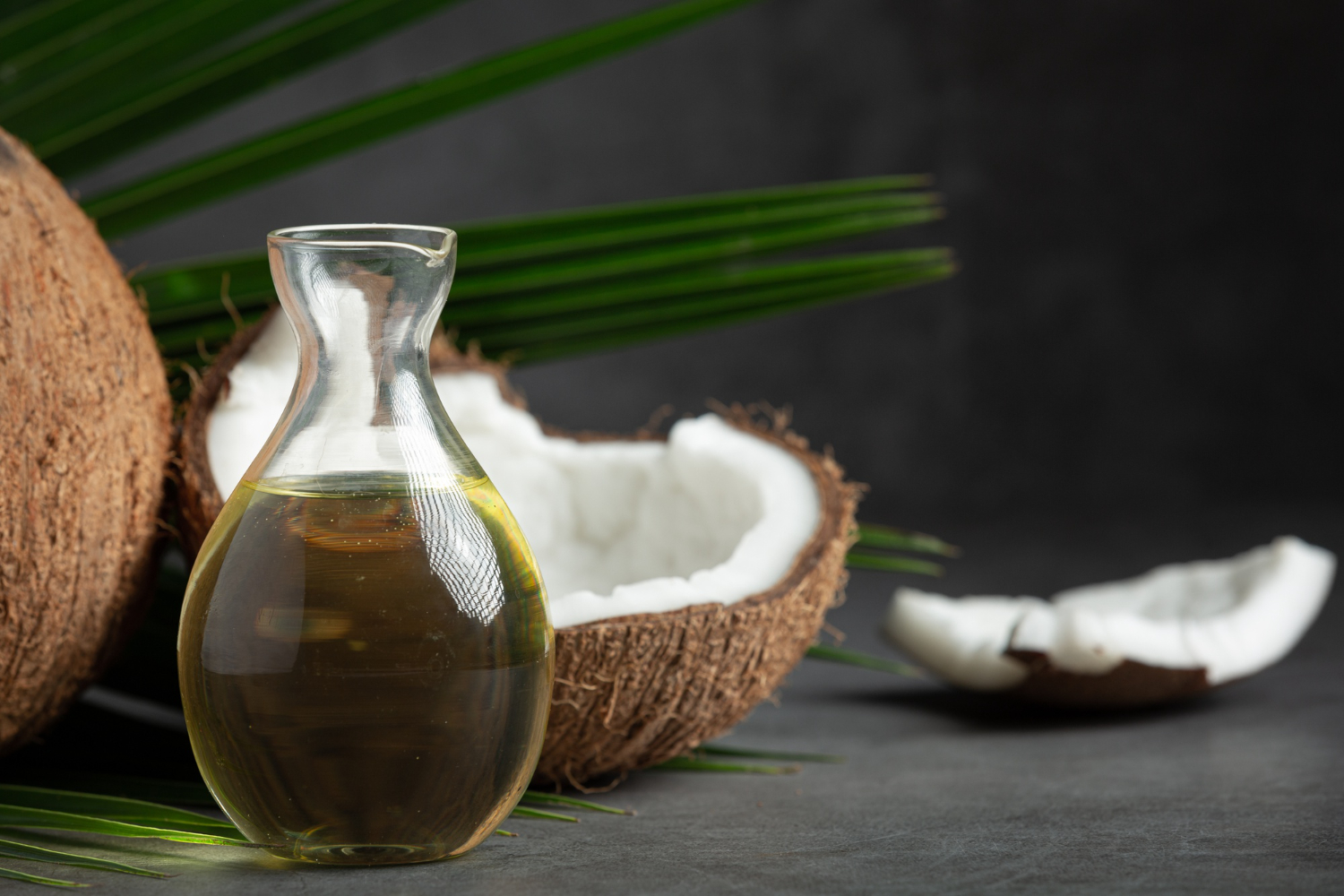
Solid at room temperature in most climates, with a distinct flavour in unrefined form and almost none when refined.
It suits the cuisines it comes from and sits oddly in others, which is worth considering before substituting it into everything. Coconut oil is the cooking fat whose flavour has to be wanted rather than tolerated.
8. Lard and Pork Fat
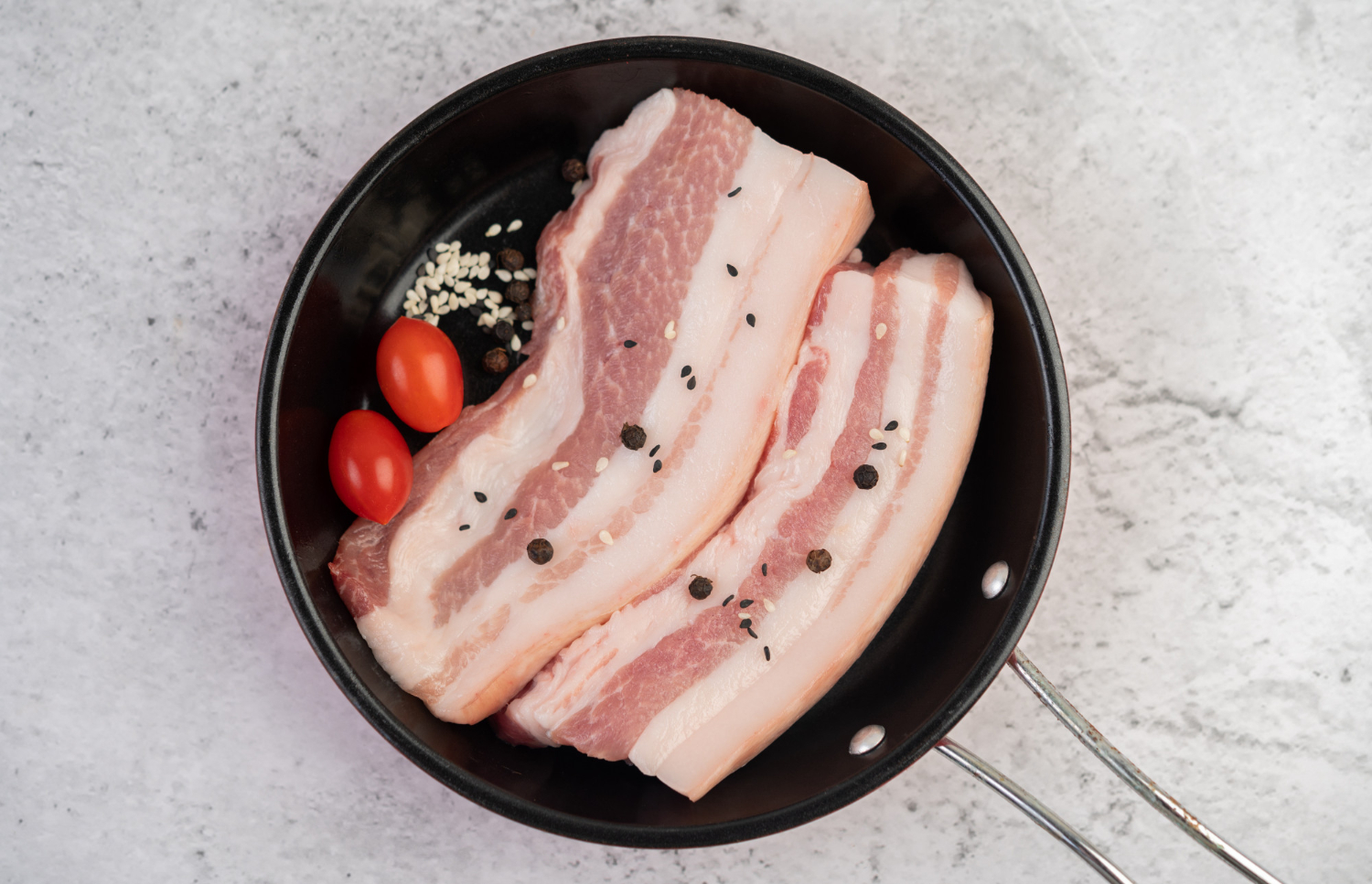
Renders clean, tolerates high heat, and produces pastry with a flakiness that butter alone struggles to match.
It was the standard cooking fat across much of Europe and the Americas for centuries before being displaced. Lard is the cooking fat that fell out of fashion for reasons that had little to do with how it performs.
9. Beef Dripping and Tallow
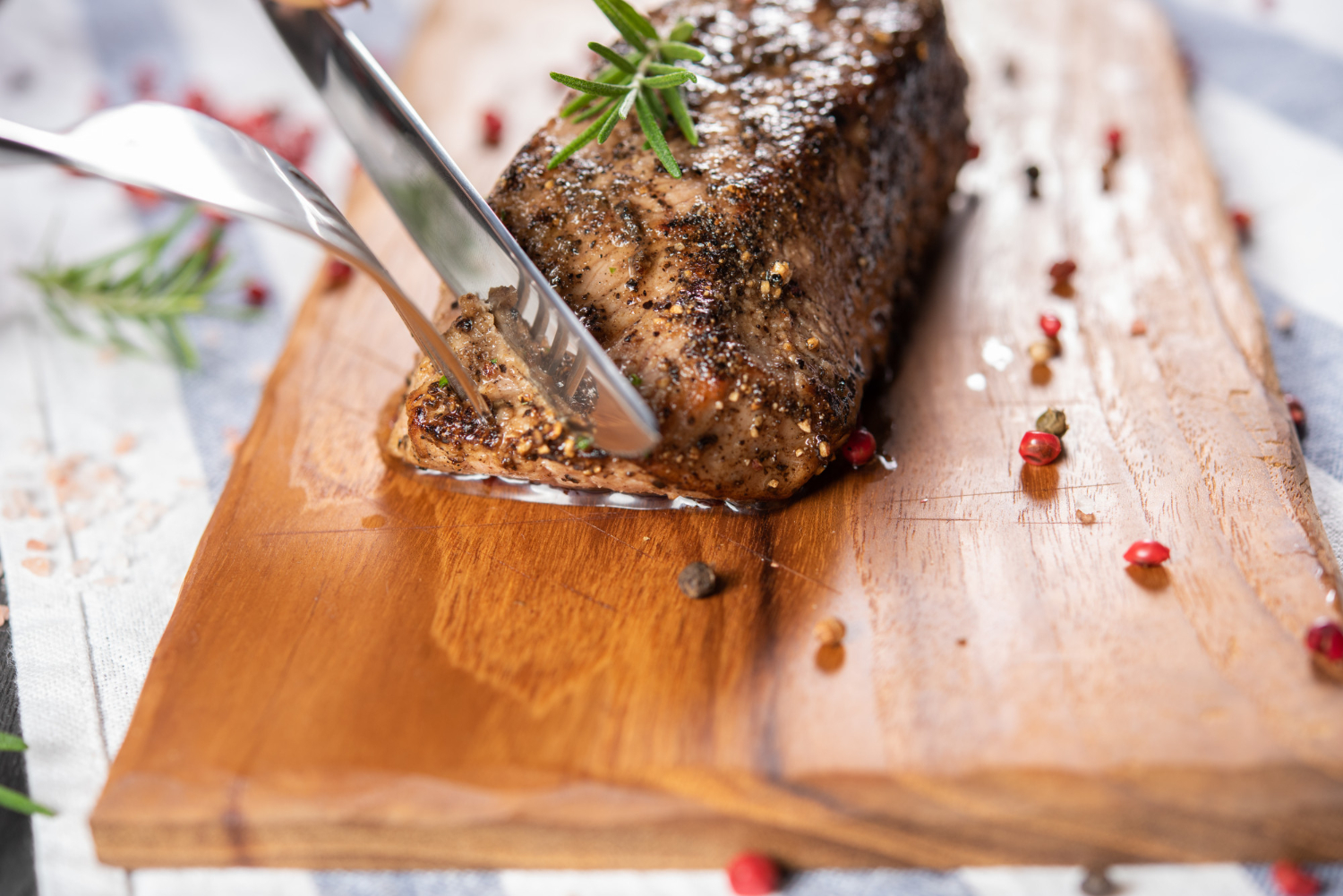
Strongly flavoured, very stable at high temperatures, and traditionally the fat behind properly cooked roast potatoes and chips.
It sets hard when cold and is scraped from a roasting tin rather than bought. Beef dripping is the cooking fat that arrives as a by-product of something else.
10. Duck and Goose Fat
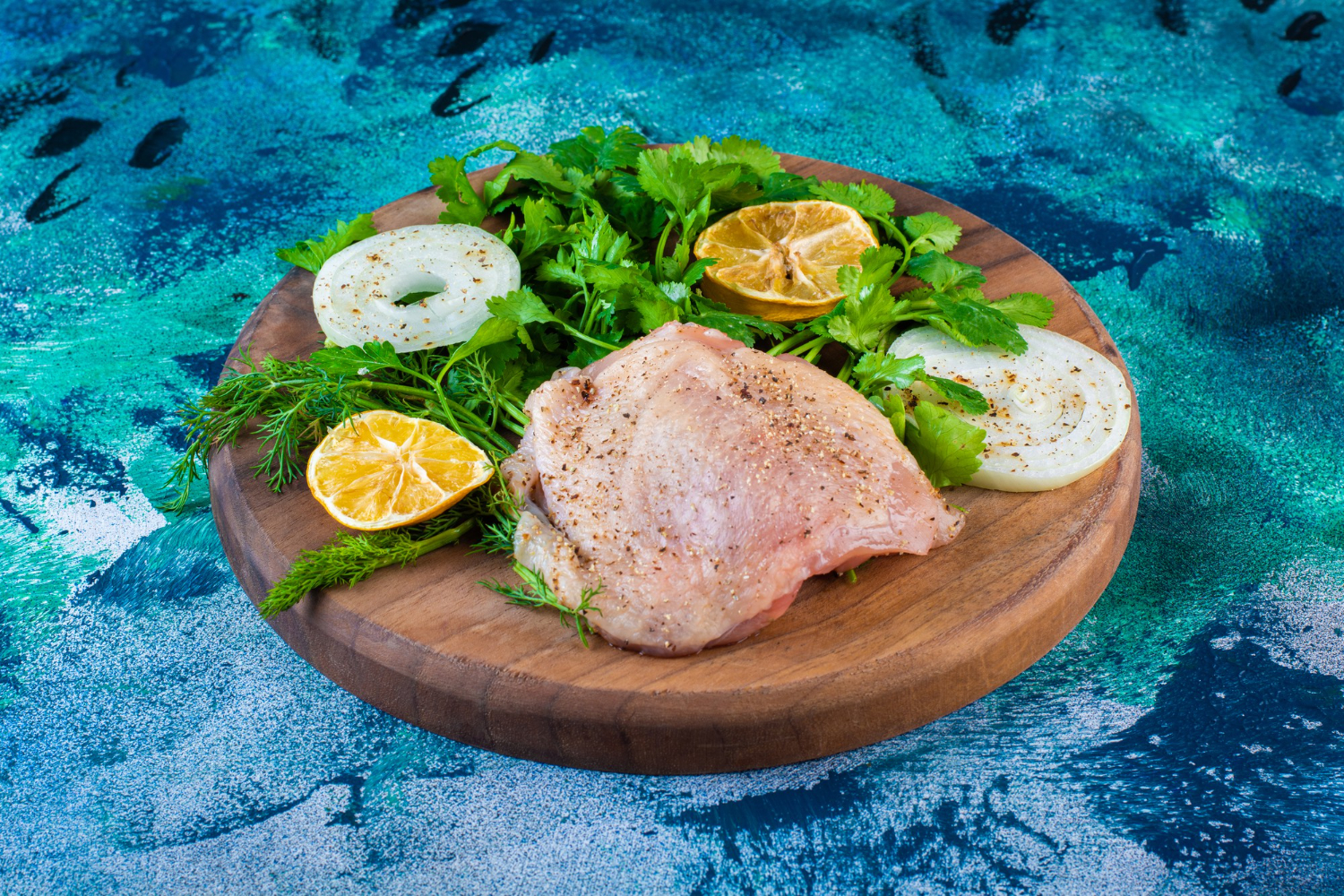
Rendered from the bird, tolerant of high heat, and prized specifically for roasting potatoes to a texture other fats do not achieve.
A jar keeps for a long time and is reused several times. Duck fat is the cooking fat kept in a jar and treated as an ingredient in its own right.
11. Cold-Pressed Nut and Seed Oils
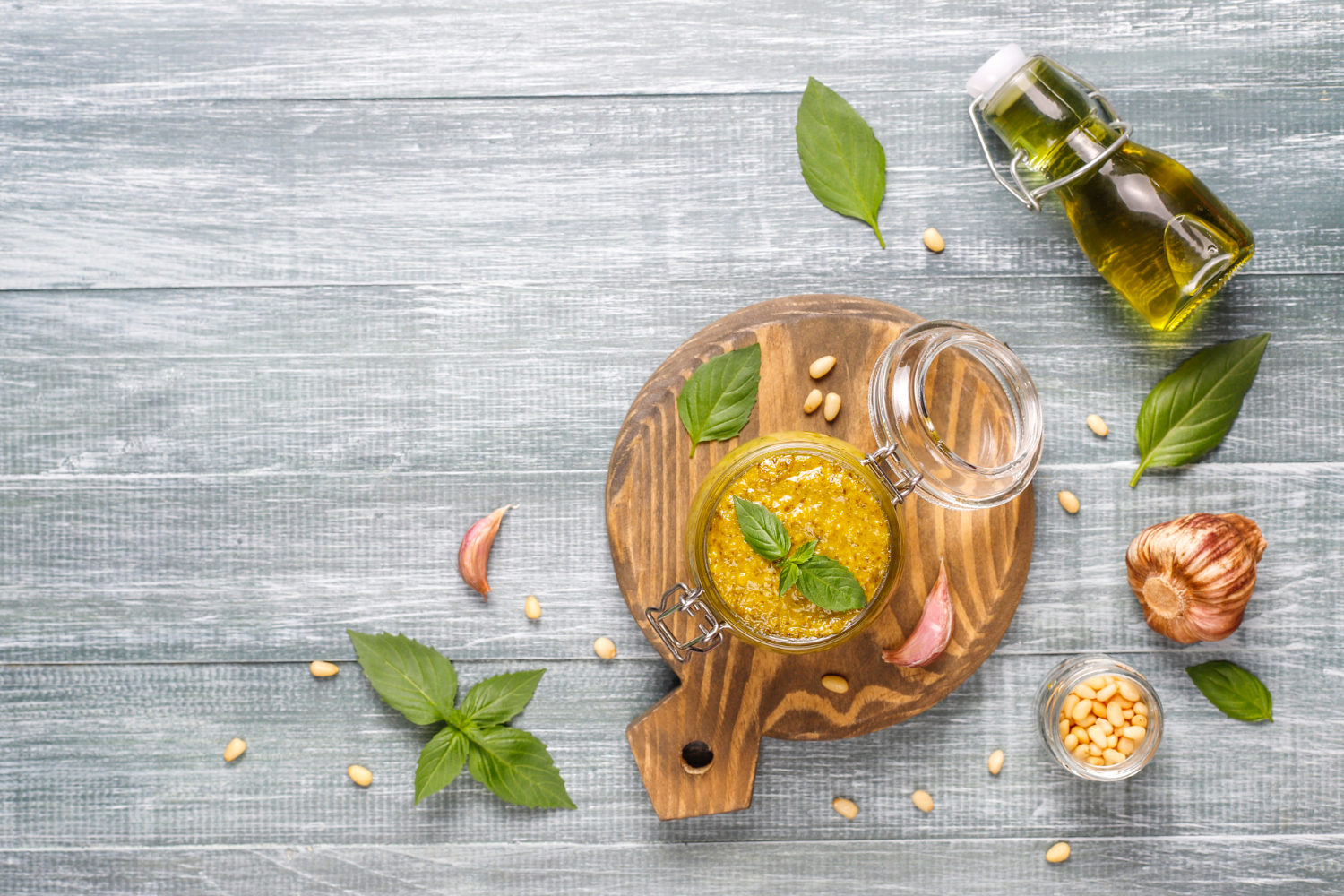
Walnut, hazelnut, pumpkin seed and similar oils are intensely flavoured, expensive, and degrade quickly with heat or light.
They belong in dressings and as finishing oils, and they should be bought in small bottles and kept in the dark. Cold-pressed nut oils are the cooking fats that should never see a hot pan.
12. The Fat Already in the Pan
Fat rendered from bacon, sausages or a roast is free, strongly flavoured and frequently better than anything you would have added.
Cooking the next component in it is the oldest efficiency in any kitchen. The fat already in the pan is the cooking fat most people pour away.
Heat Tolerance and Flavour
Every choice above comes down to two questions: how hot does this need to get, and do I want to taste the fat. Answer those and the right one is usually obvious.
The most common kitchen error is using an expensive, strongly flavoured fat for a job that needs heat tolerance, and a neutral one where the flavour was the point. Keep one good flavoured oil, one neutral oil and some butter, and almost everything is covered without a shelf full of bottles.
Like our content? Follow us for more.