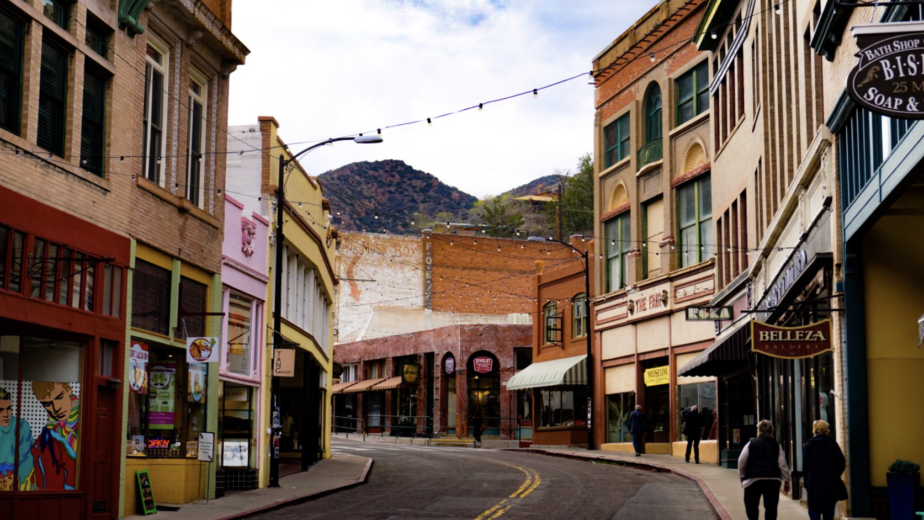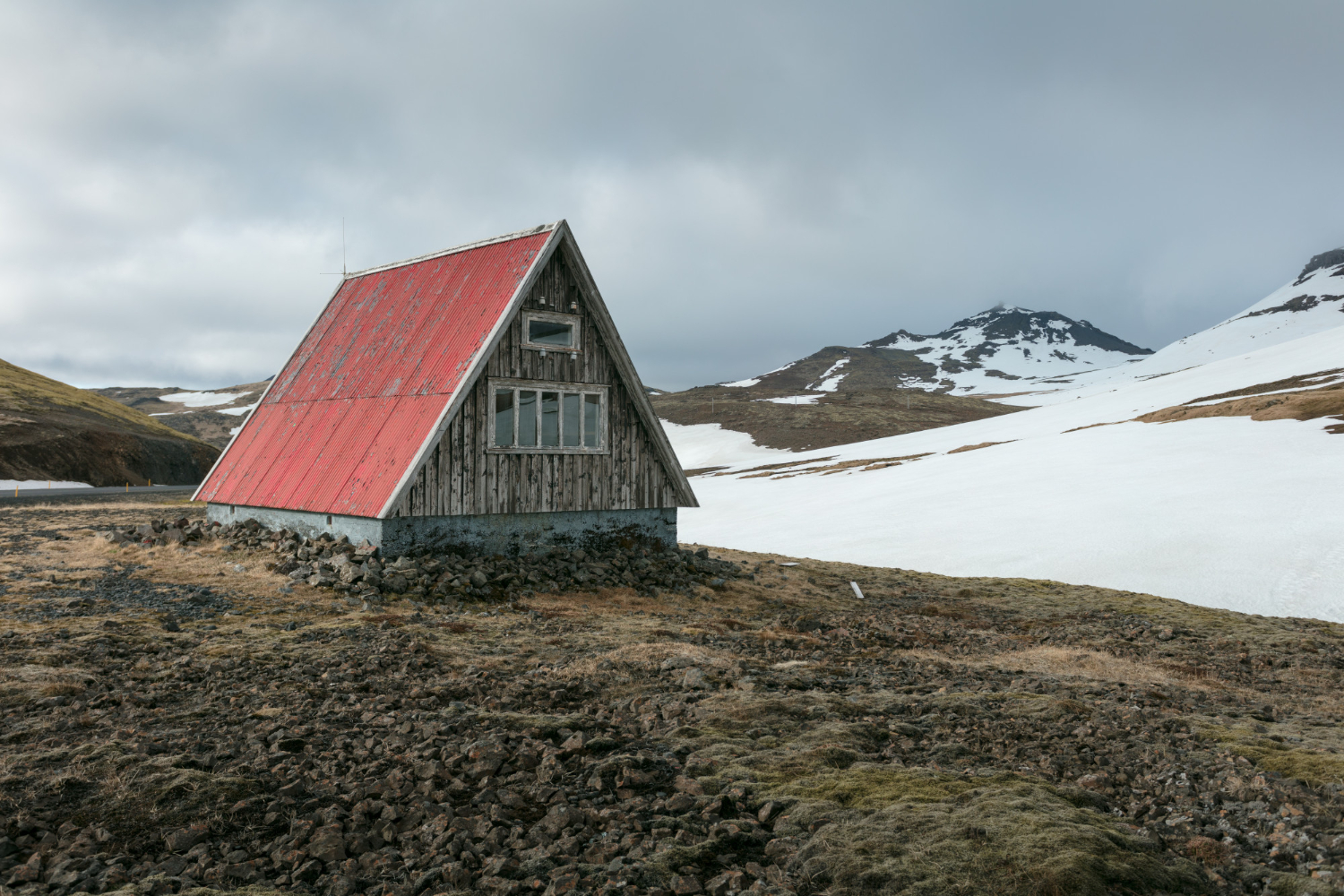
These are not hotels and not bothies. They are staffed, supplied, frequently by helicopter, and run on a set of shared conventions that are the same across most of Europe. Here are fifteen worth walking to.
1. The Alpine Club Huts of Austria and Germany
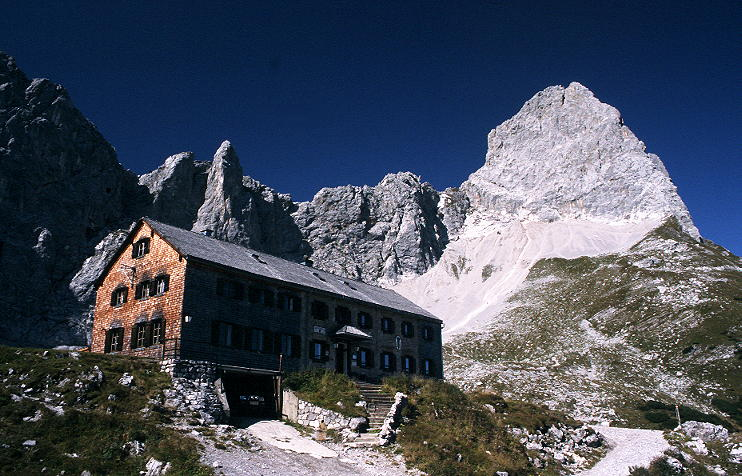
A network of several hundred huts run by alpine associations, graded by facilities, from staffed lodges with hot meals to simple unstaffed shelters.
Membership of an affiliated club reduces the overnight rate substantially and is worth arranging before a trip. The alpine club huts are the mountain refuges that operate as a coordinated network rather than as individual businesses.
Like our content? Follow us for more.
2. Refuges of the Tour du Mont Blanc
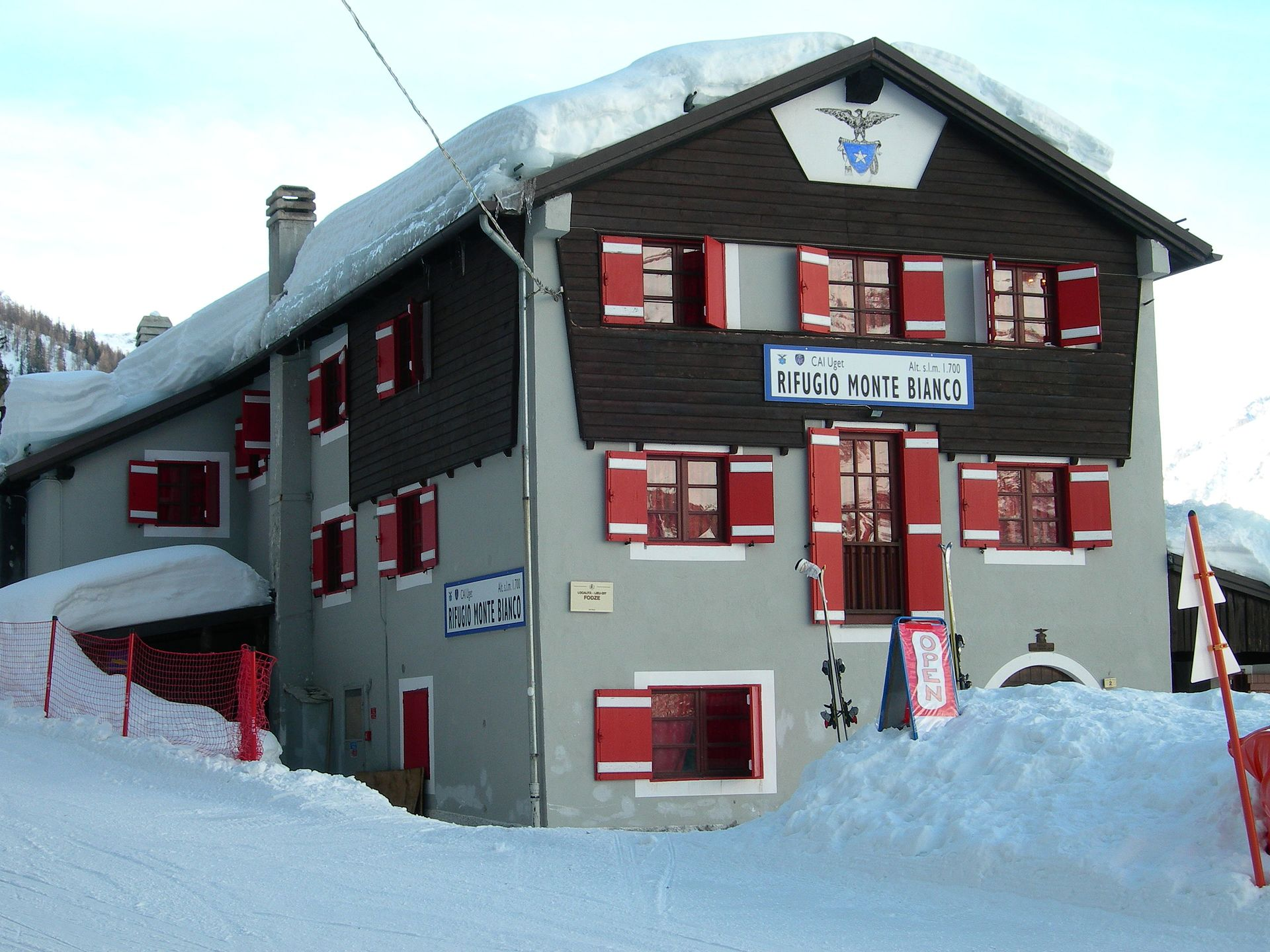
A chain of staffed refuges spaced a day’s walk apart around the massif, allowing a multi-day circuit carrying only a light pack.
They fill months ahead in summer, and booking is effectively compulsory. The Mont Blanc refuges are the mountain huts that make a famous circuit accessible to ordinary walkers.
3. Rifugi of the Dolomites, Italy
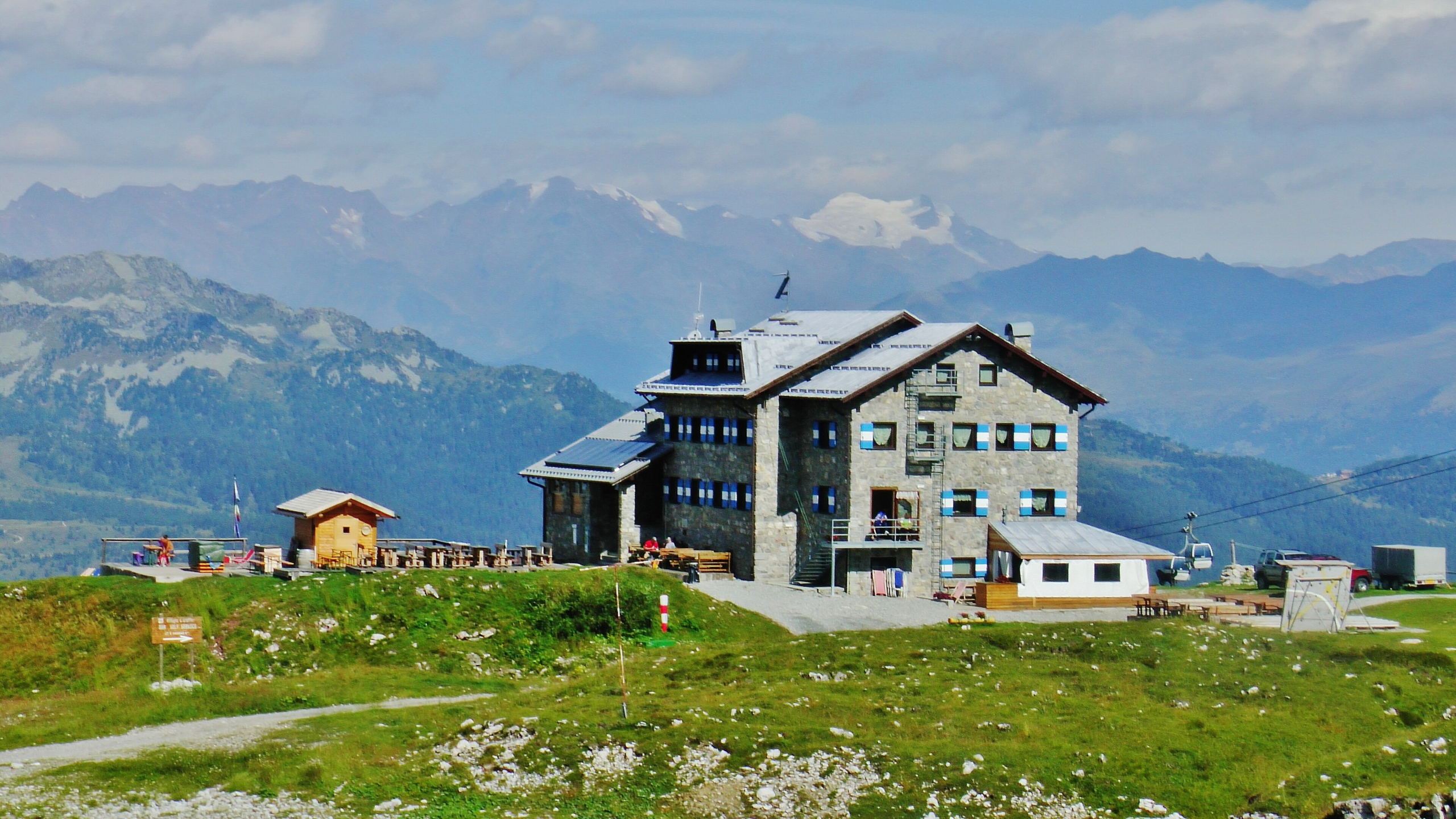
Italian mountain refuges are known for serving good food, with several reachable by cable car as well as on foot.
The combination of high ground and a proper plate of pasta is the reason many people walk there. The Dolomite rifugi are the mountain huts where the catering is a reason to go.
4. Norwegian Trekking Association Cabins
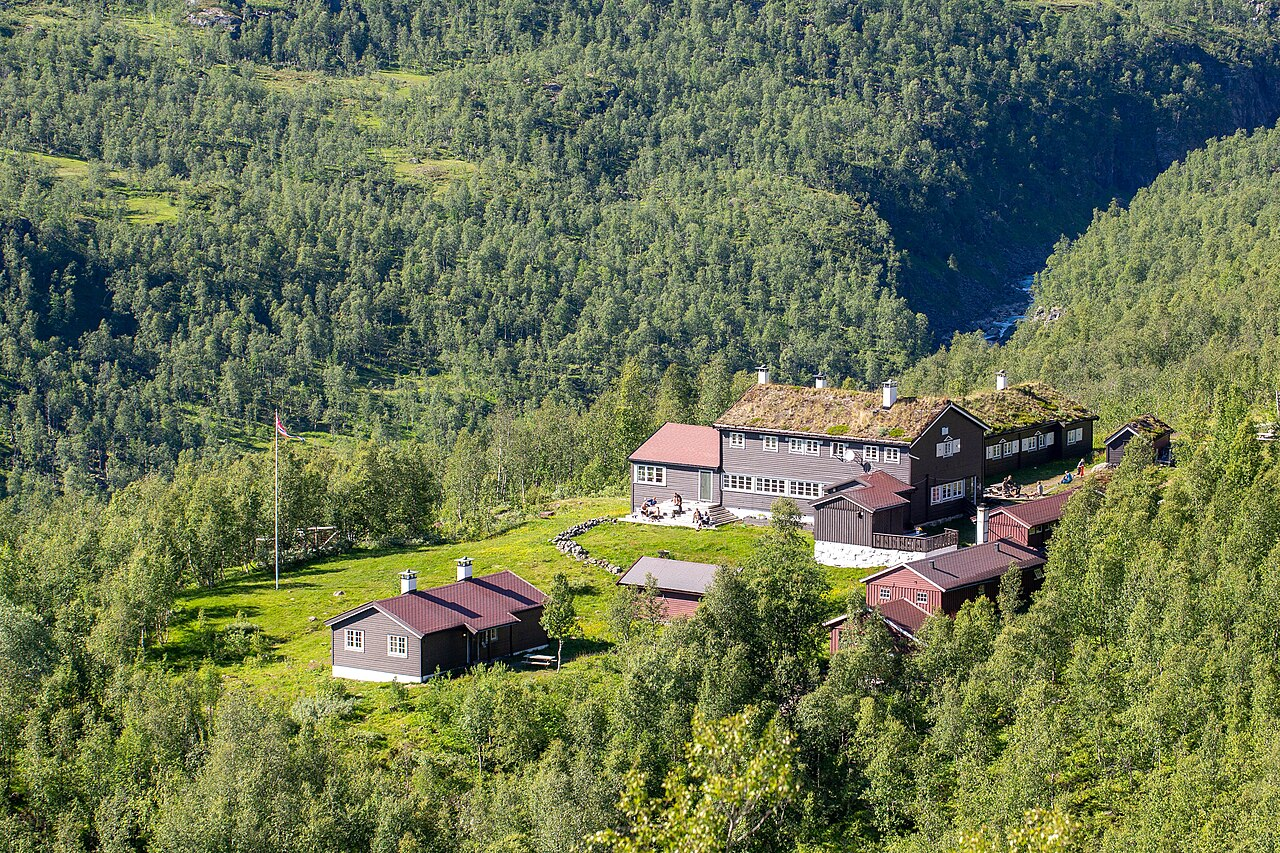
A very large network across Norway, including self-service cabins stocked with food that walkers pay for on an honesty system.
Some are unstaffed and locked with a standard key issued to members. The Norwegian cabins are the mountain huts run substantially on trust.
5. Scottish Bothies
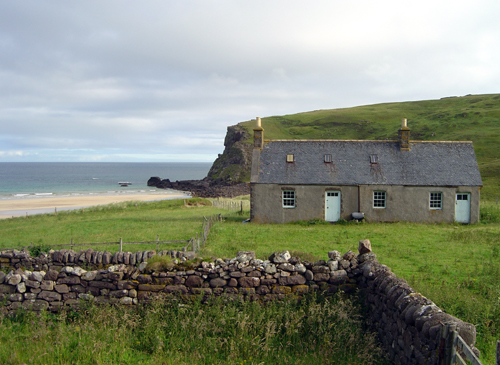
Simple unlocked stone shelters maintained by volunteers, with no staff, no booking, no supplies and no charge.
They operate on an established code about leaving them as you found them and sharing space with whoever arrives. Bothies are the mountain shelters with no reservation system at all.
6. Huts of the New Zealand Backcountry
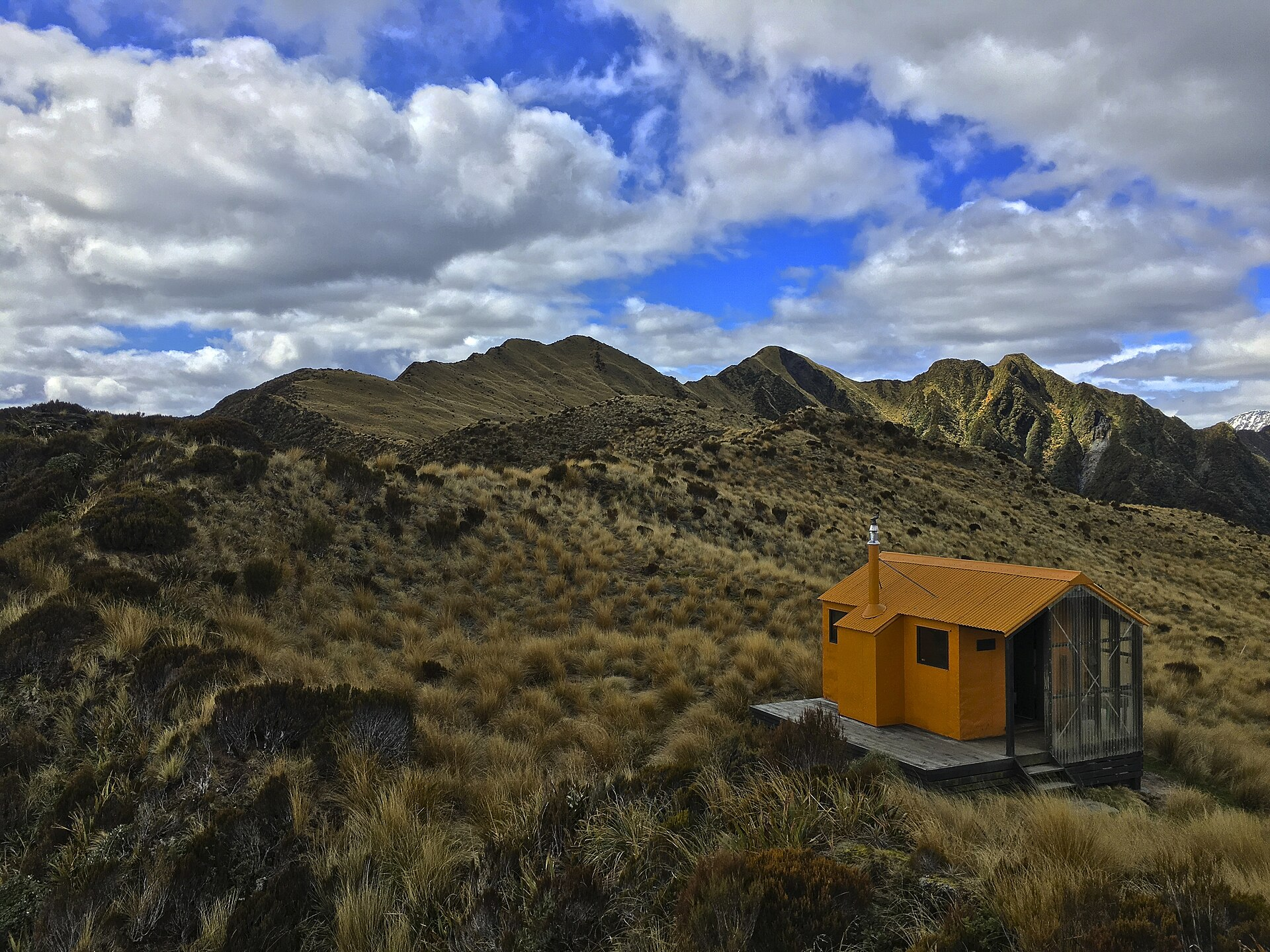
A national network of several hundred huts across the country, categorised by facilities, some requiring tickets or passes.
Great Walk huts book out far ahead while backcountry huts are usually first come, first served. The New Zealand huts are the mountain shelters organised as a national system.
7. Cabanes and Refuges of the Pyrenees
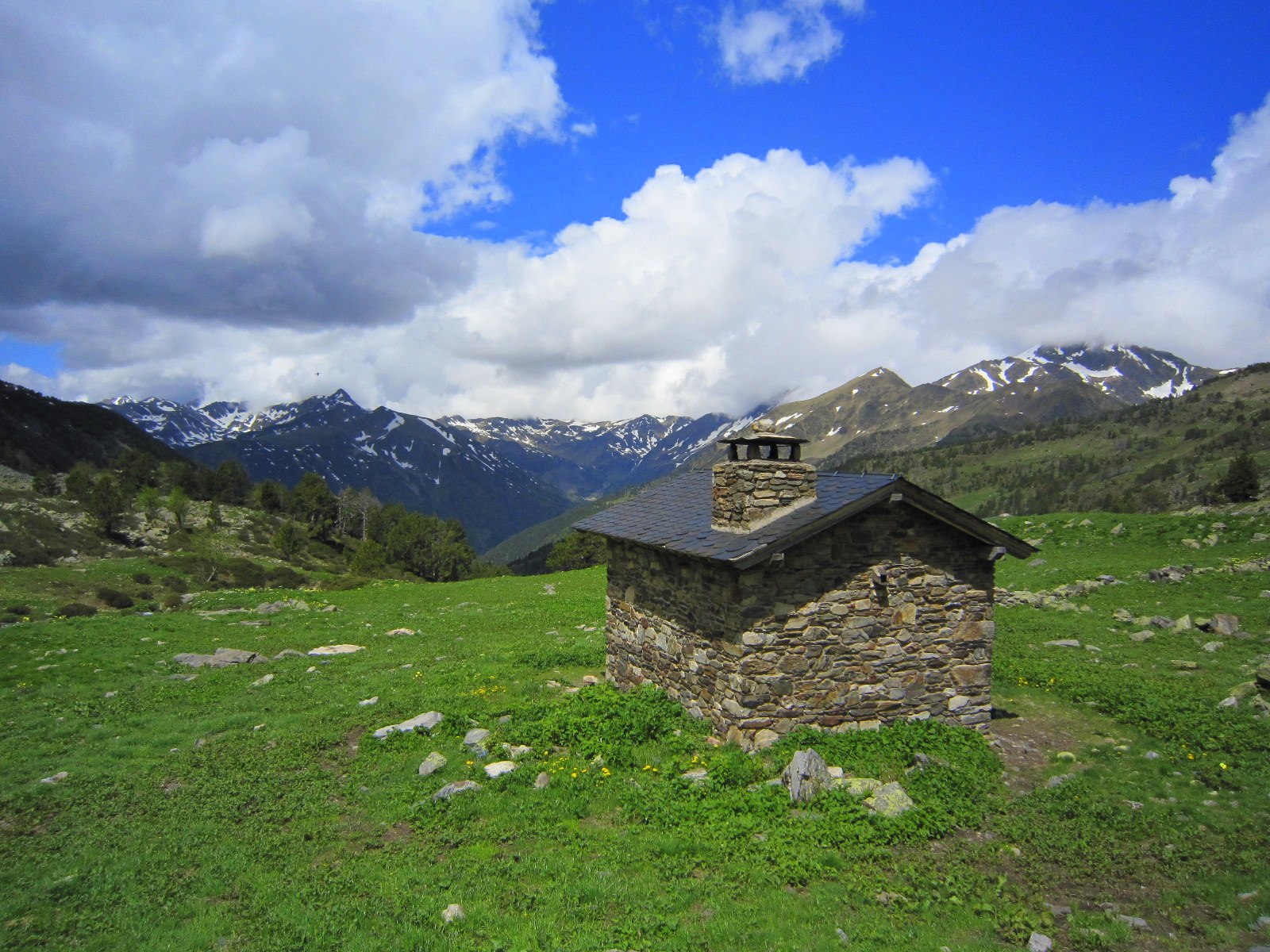
Staffed refuges along the range on both sides of the border, plus unstaffed shelters at higher and remoter points.
Cross-border routes mean walkers frequently sleep in two countries in three days. The Pyrenean refuges are the mountain huts that straddle a frontier.
8. Swiss SAC Huts
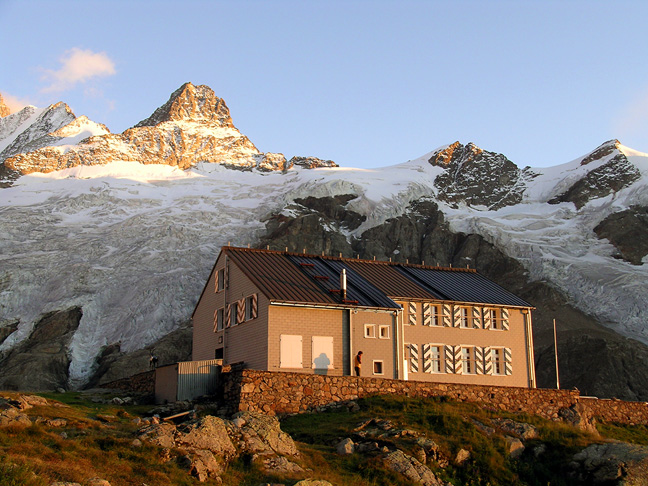
Huts run by the Swiss alpine club, including several at very high altitude serving as bases for glacier routes.
Some are positioned where the approach itself requires proper mountaineering rather than walking. The Swiss huts are the mountain refuges where the building marks the end of the walking and the start of something else.
9. The Refugios of Patagonia
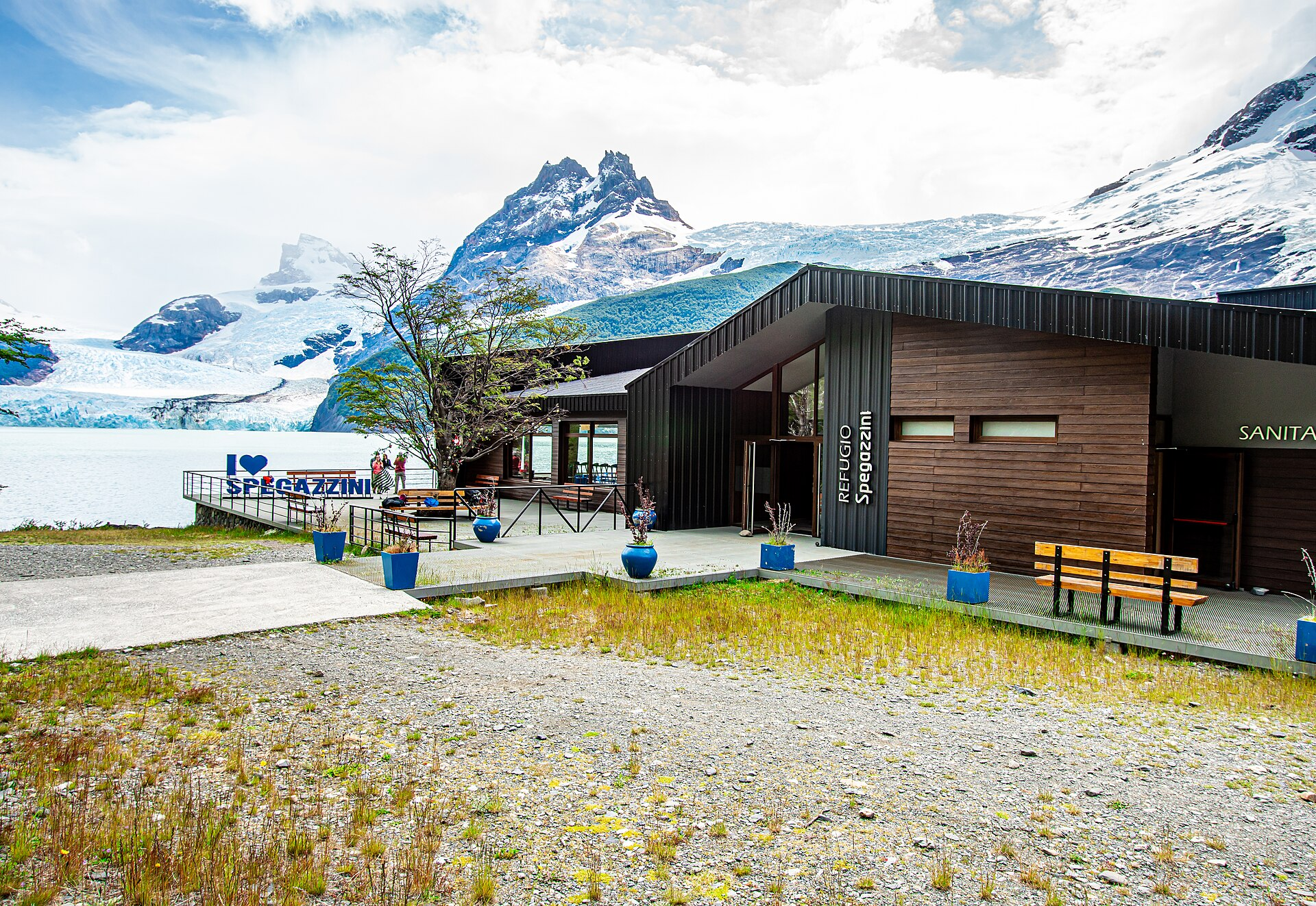
Staffed refuges within the Patagonian national parks, spaced along established circuits and supplied by boat and on foot.
Weather is the dominant variable and routes close regularly. The Patagonian refugios are the mountain huts where the forecast decides everything.
10. Japanese Mountain Huts
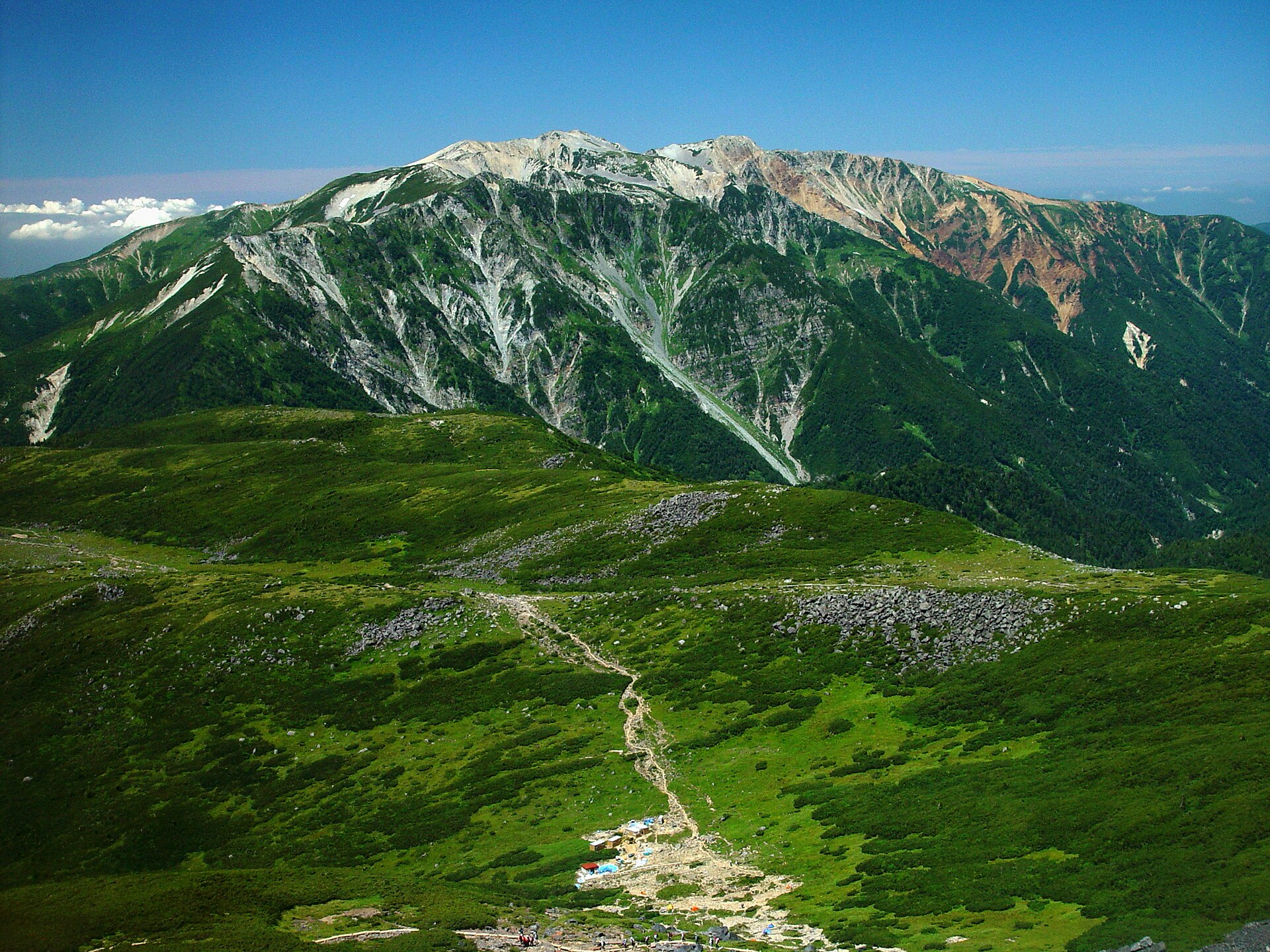
Huts along the ridges of the Japanese Alps and on major peaks, frequently large, with set meal times and a short summer season.
Sleeping arrangements can be substantially more communal than European walkers expect. The Japanese huts are the mountain refuges with the shortest operating season on this list.
11. Hutten of the Slovenian Julian Alps
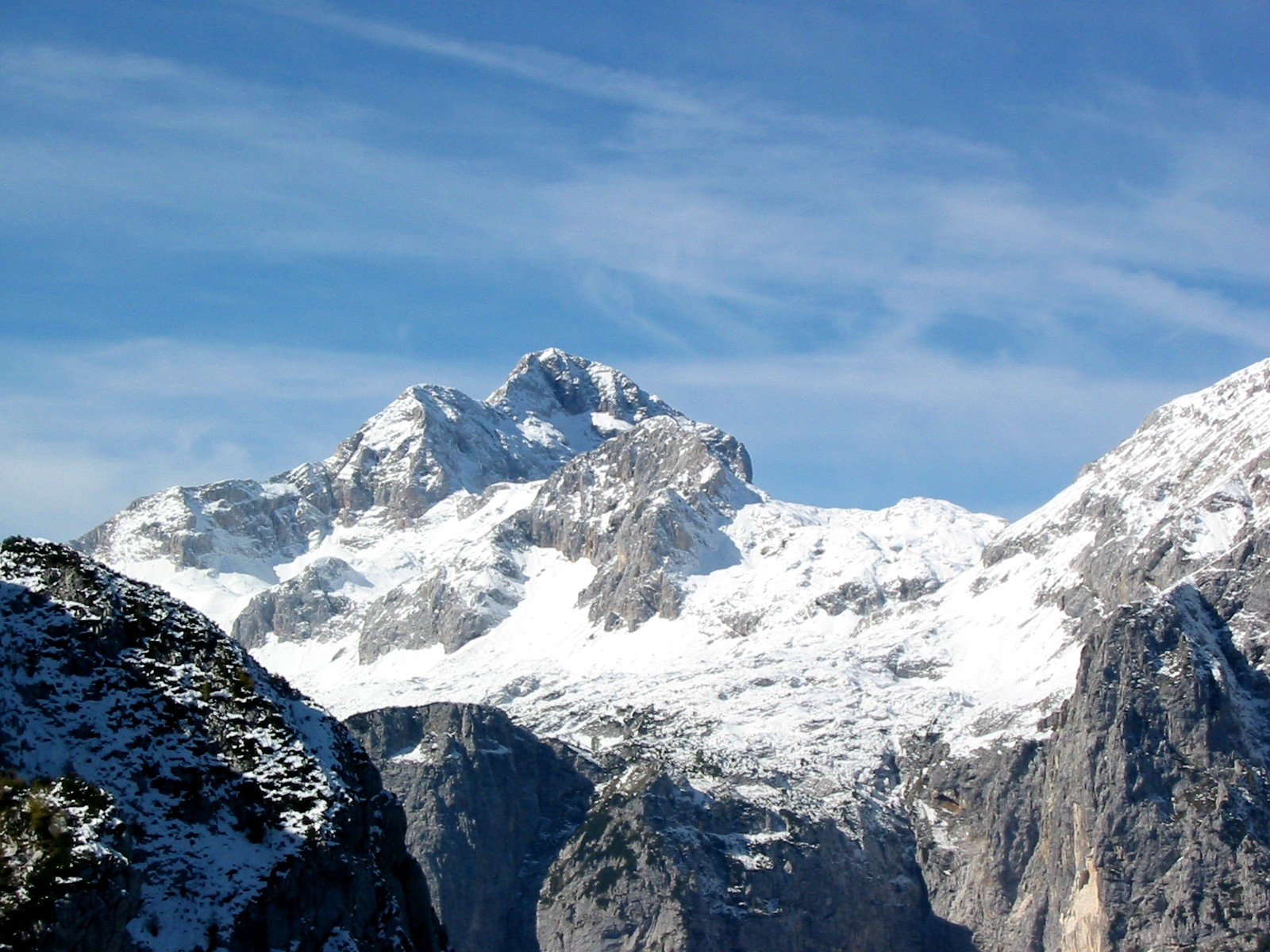
A dense network of huts across a small mountain range, making multi-day routes possible in a compact area.
Prices are generally lower than in neighbouring countries. The Slovenian huts are the mountain refuges that pack a full network into a small massif.
12. Ethiopian and East African Trekking Huts
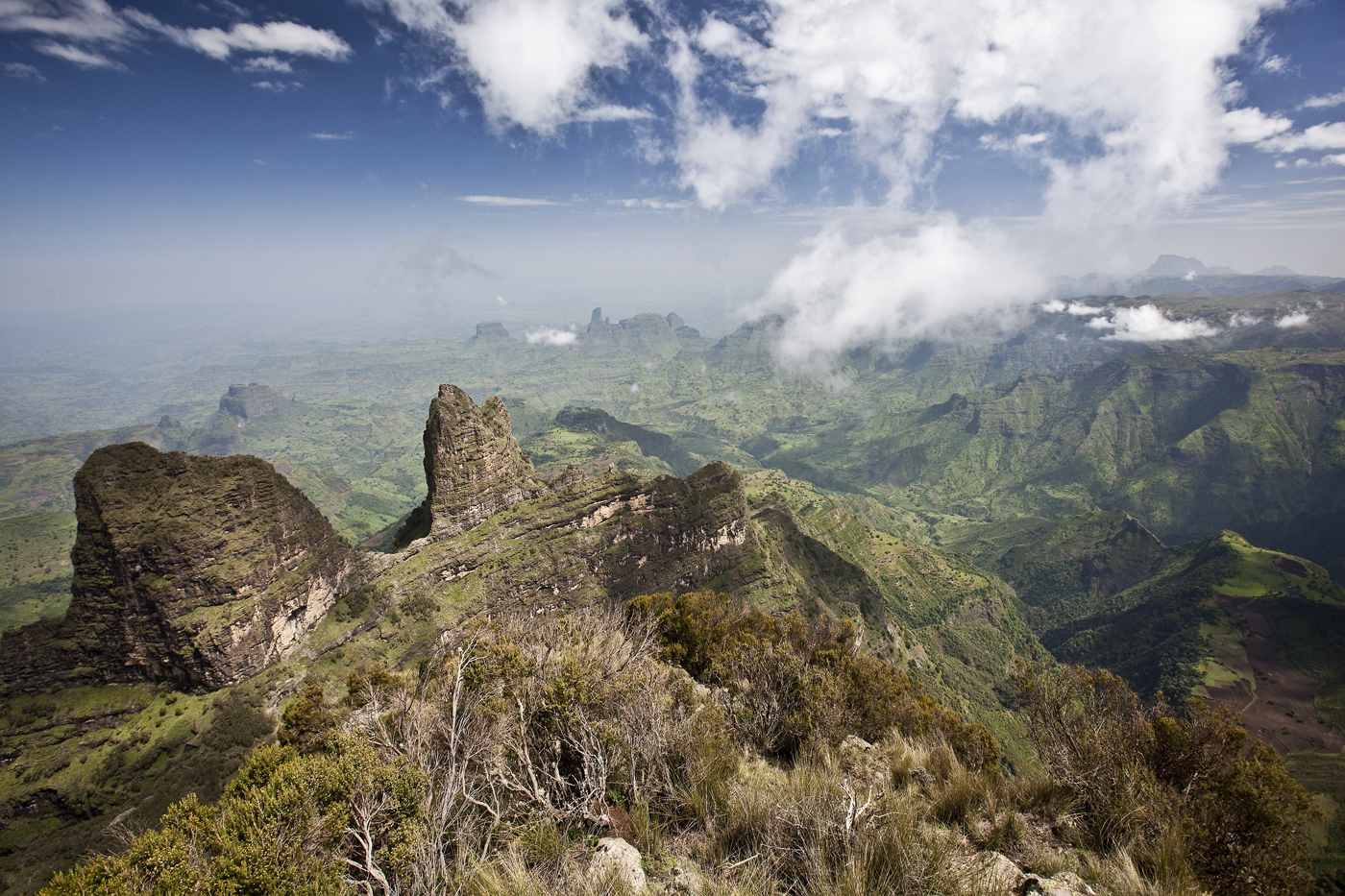
Simple huts on high walking routes in the Ethiopian highlands and on East African peaks, at altitudes well above most European refuges.
Acclimatisation matters far more here than fitness, and guides are commonly required. These are the mountain huts where altitude is the governing consideration.
14. The Refuges of Corsica
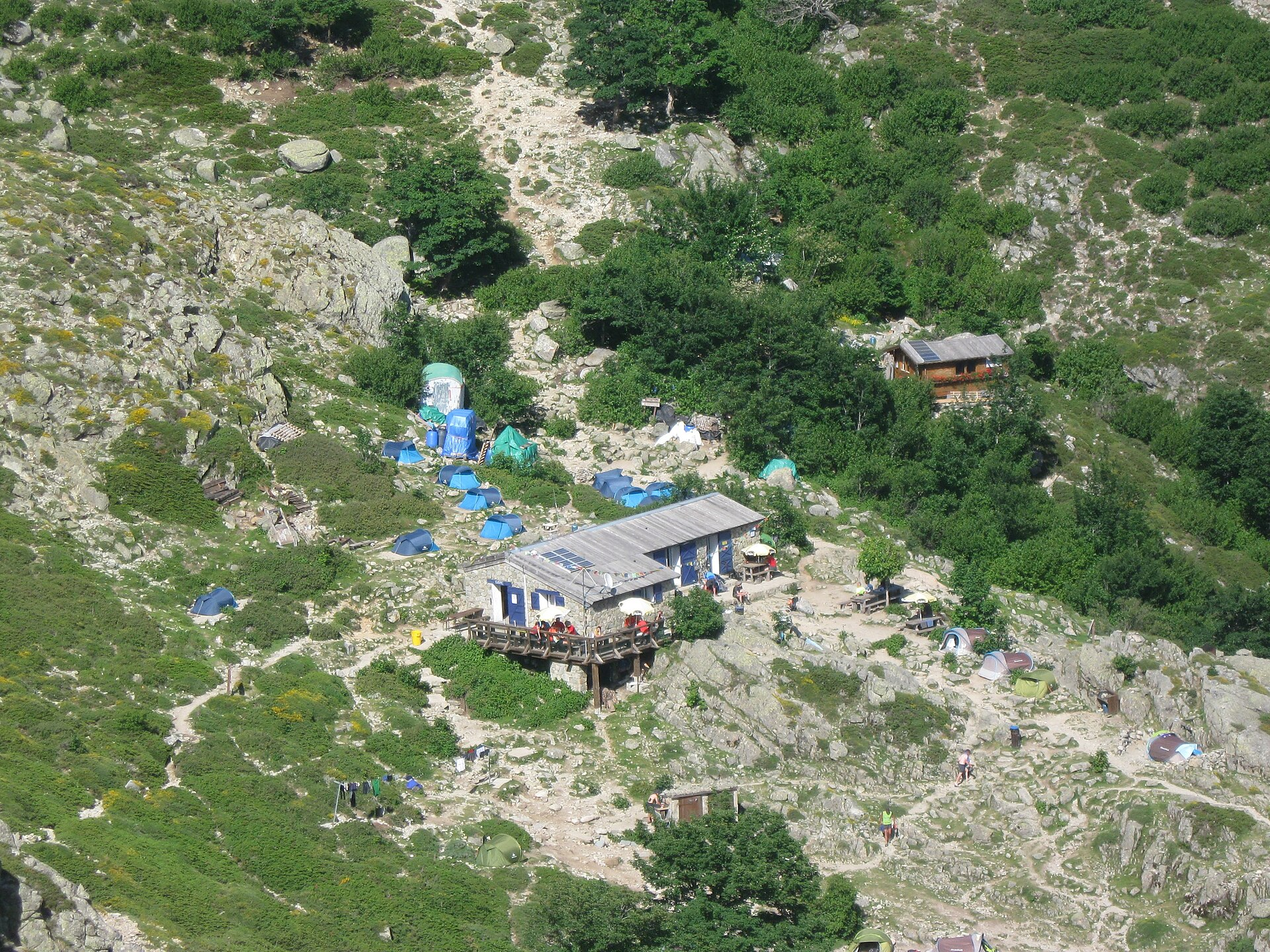
Huts along a demanding long-distance route across the island, some staffed and some basic, spaced along a route with a serious reputation.
Water availability between huts is a real planning factor. The Corsican refuges are the mountain huts on a route walkers train for.
15. Icelandic Highland Huts
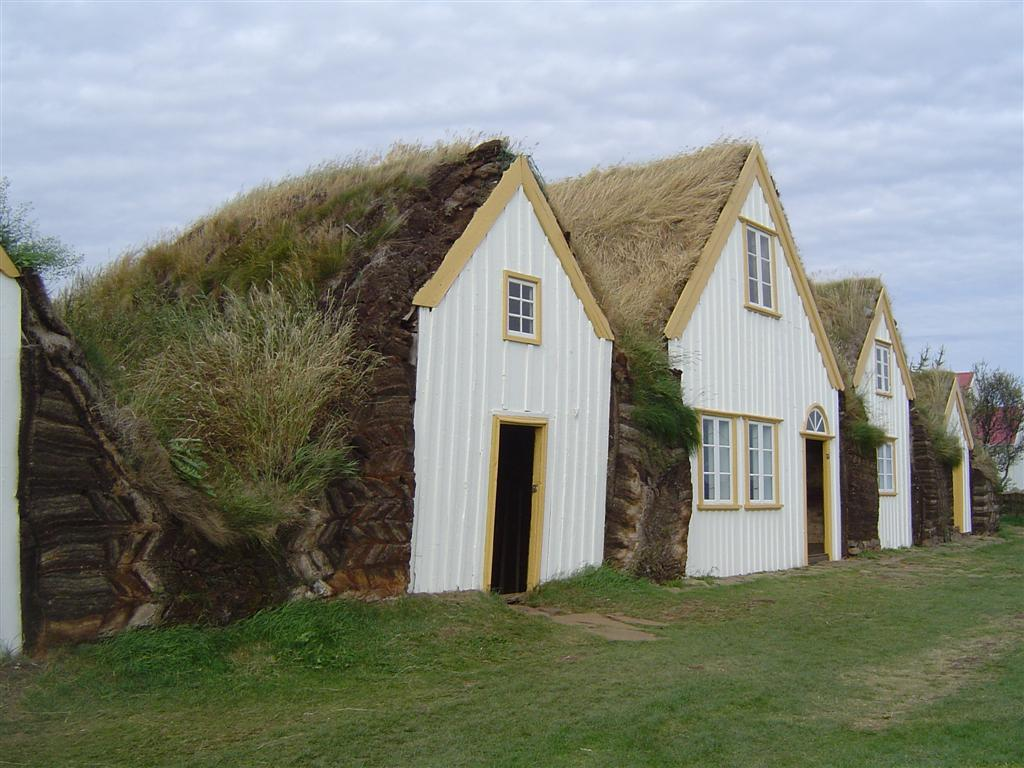
Huts in the interior, staffed only in a short summer window, on routes crossing volcanic desert with no shelter between them.
Outside the season the interior is effectively closed. The Icelandic huts are the mountain shelters with the narrowest window of use.
A Bed, a Meal and a Long Way Down
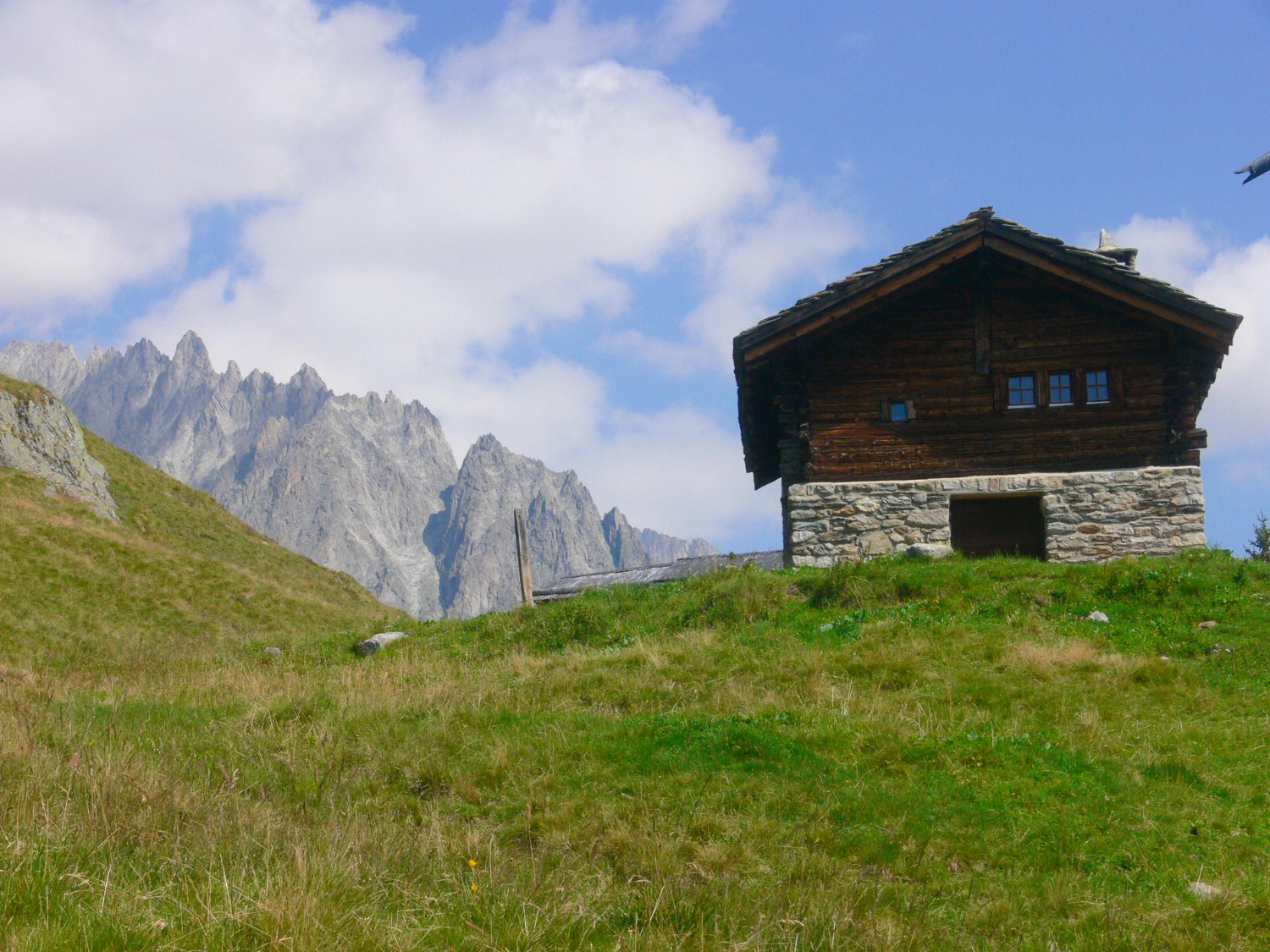
What the hut system does is remove the tent, the stove and several kilograms of food from the pack, which is the difference between a multi-day mountain route being an expedition and being a holiday.
This is the one list in this batch where the practical notes matter more than the destinations. Mountain walking carries real risk, conditions change quickly, and huts are not a substitute for preparation. Book ahead where booking exists, check the season and the weather, tell someone your route, carry what the local authority recommends, and turn back when conditions say so. Where guides or permits are required, use them.
Like our content? Follow us for more.