

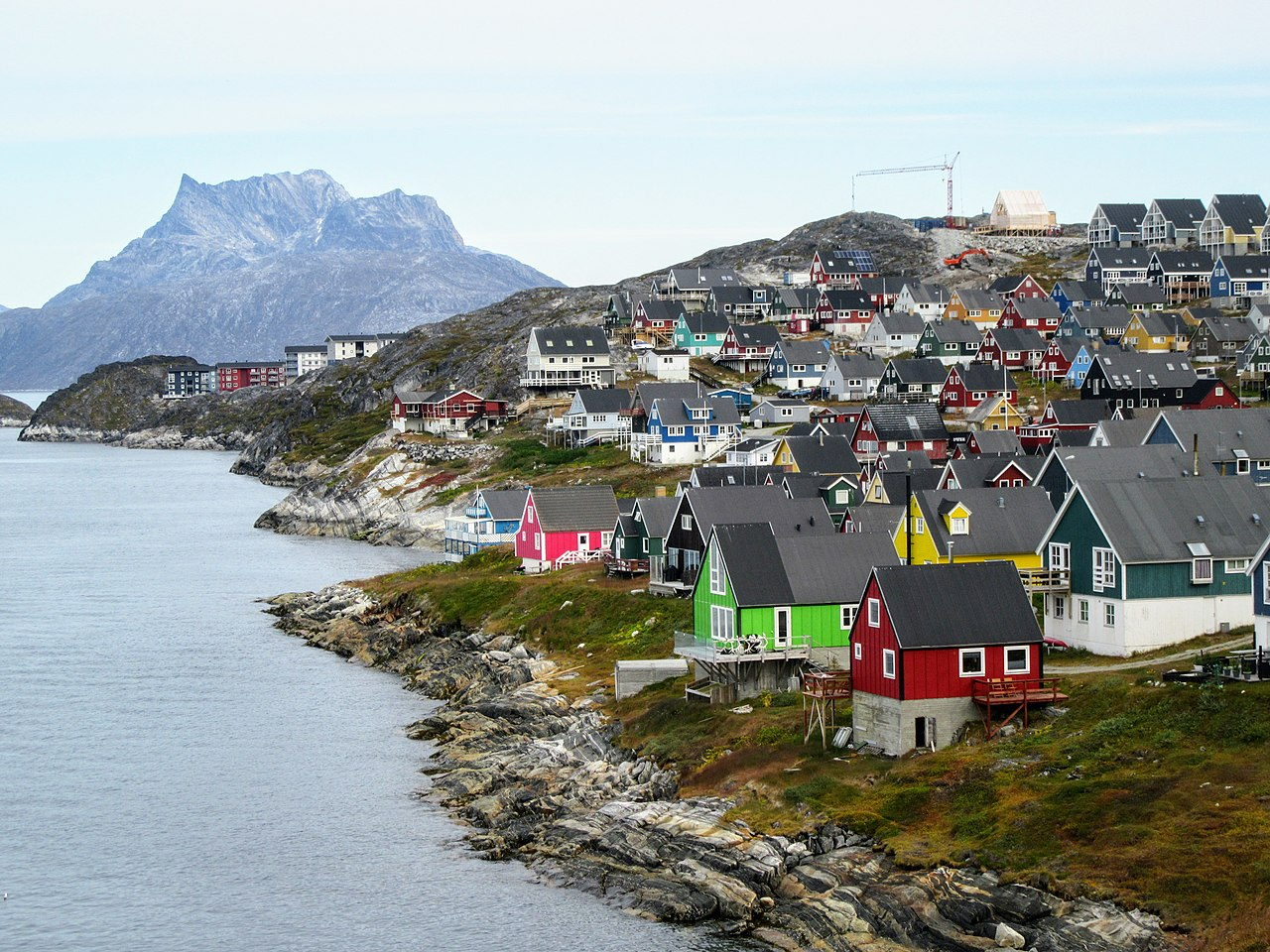
Greenland is the world’s largest island, a vast expanse of ice, fjords, and tiny colorful towns scattered along a rugged coast. But what is it actually like to live there? Beyond the dramatic scenery, daily life in Greenland holds surprises that catch most outsiders off guard, from the fact that you can’t drive between towns to a language where a single word can carry the meaning of an entire sentence. It’s a place where icebergs drift past living-room windows, where there are no international fast-food chains, and where community ties run deep. Here’s a look at some of the most unexpected things about living in Greenland, according to the locals who call this remarkable Arctic island home.
A note: this is a general, respectful look at everyday life drawn from local accounts and reporting. Greenland is a real home to tens of thousands of people, not just a remote curiosity, and experiences vary from town to town. Here’s what surprises newcomers most.
You Can’t Drive Between Towns
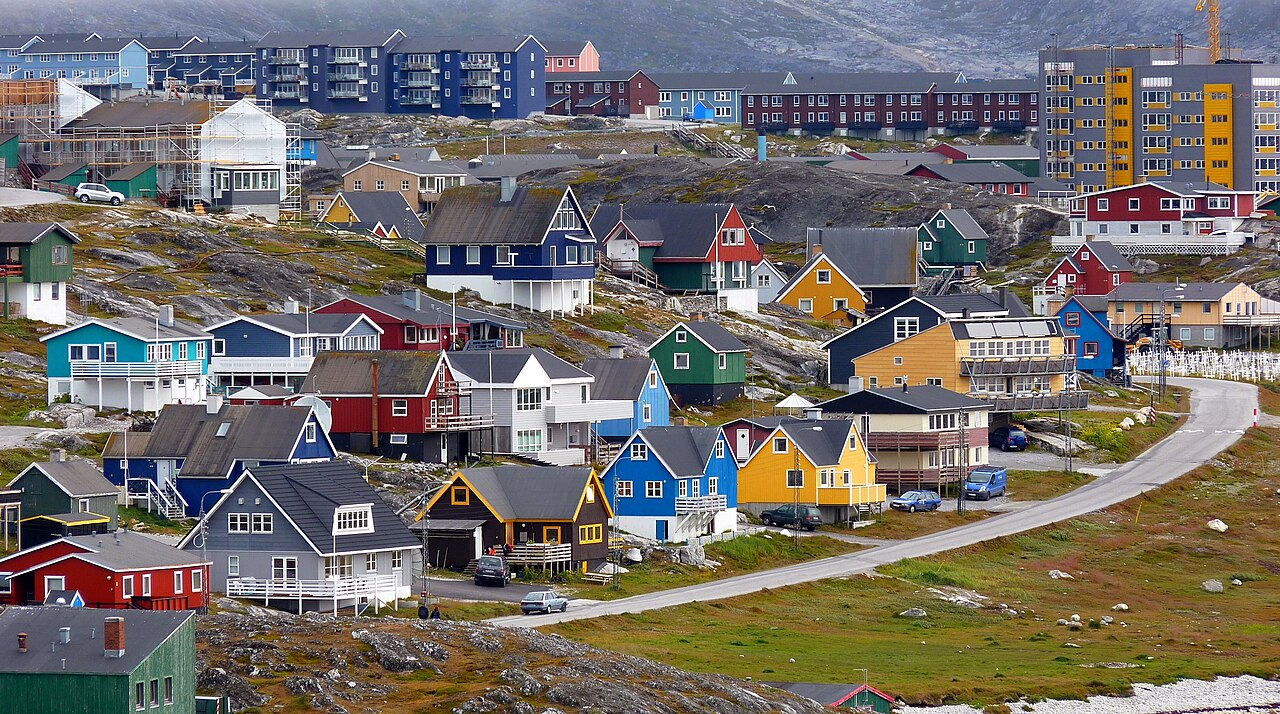
Perhaps the most surprising fact for outsiders is that Greenland has no road network connecting its towns. The island’s rugged terrain, mountains, and deep fjords make building highways between settlements impractical, so there are simply no roads linking one town to the next. To travel between communities, residents rely on boats, planes, helicopters, and, in winter, snowmobiles or dog sleds. Every trip between towns becomes a genuine logistical undertaking, planned around weather and schedules. It’s a reality that reshapes the whole rhythm of life, making travel deliberate and often expensive. For anyone used to hopping in a car for a road trip, the idea of a country with no intercity roads is one of Greenland’s most startling features.
But You Often Don’t Need a Car at All
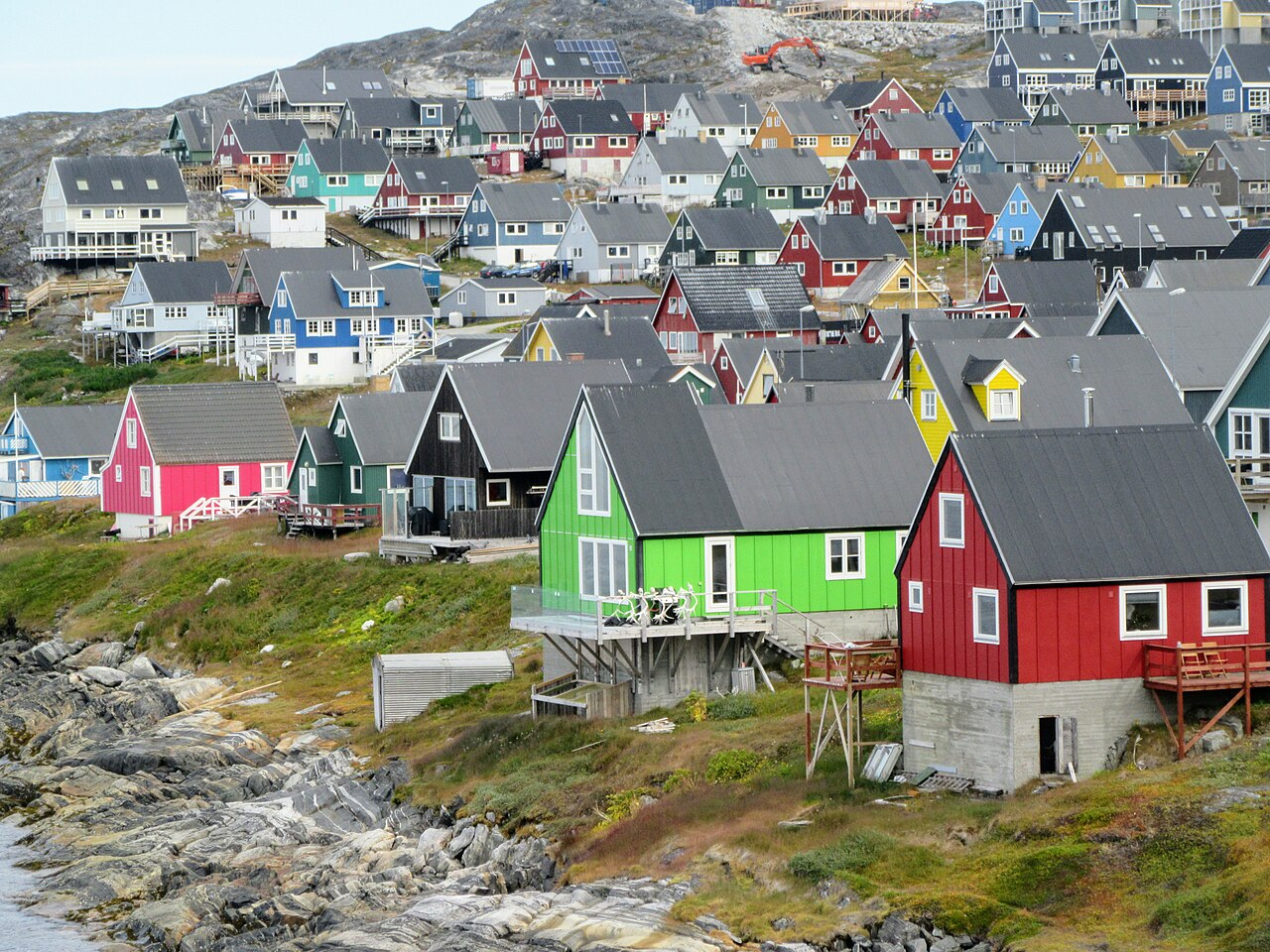
The flip side of having no roads between towns is that within them, a car is frequently unnecessary. Greenlandic towns tend to be small and compact, with the distances contained inside the town rather than stretching between destinations. Locals report that you can get almost anywhere within a town in just minutes, and a short bus ride might loop around an entire community in well under half an hour. Walking and biking are practical, healthy ways to get around day to day. So while the lack of intercity roads can feel limiting, daily life within a Greenlandic town is refreshingly walkable. It’s a curious contradiction: a place where you can’t drive to the next town, yet rarely need to drive at all.
Almost All the Food Is Imported
Greenland’s Arctic climate makes large-scale agriculture nearly impossible, which means most food has to be imported, largely shipped or flown in from Denmark. As a result, grocery prices can be high, and the supply chain depends heavily on the weather and shipping schedules. Yet visitors are often surprised by how well-stocked the supermarkets in a town like Nuuk actually are, with produce sections featuring items like avocados and mangoes that have traveled a very long way. Alongside the imported goods, there’s a thriving local food culture: hunters and fishermen often sell fresh fish, shrimp, and musk ox meat right outside the supermarkets. This blend of expensive imported staples and fresh local catch defines how Greenlanders eat, balancing global supply chains with age-old traditions of hunting and fishing.
No International Fast-Food Chains
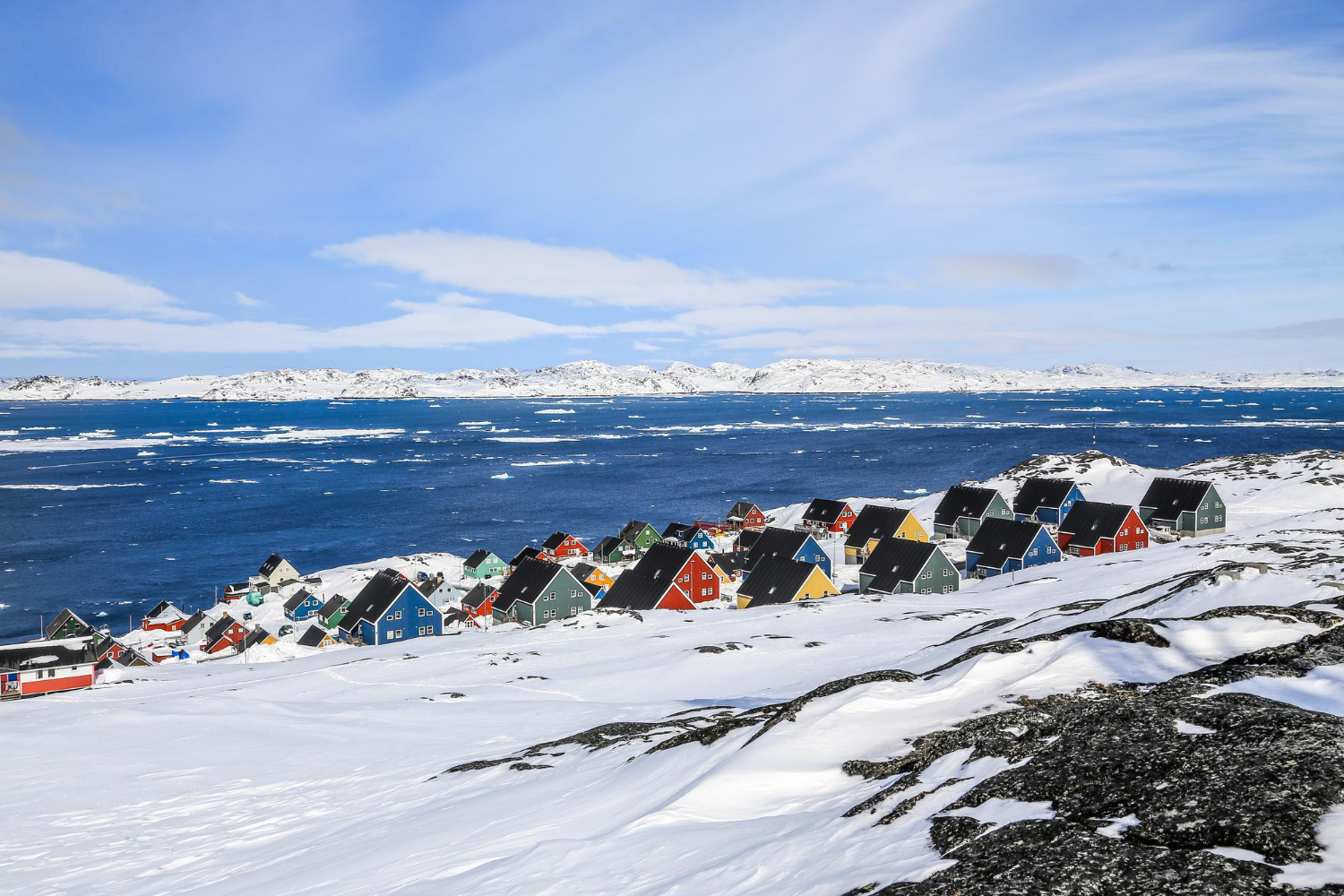
Here’s one that surprises many: Greenland has no major international fast-food chains. You won’t find the familiar golden arches or global coffee giants anywhere on the island, according to locals, a striking absence in a world where such brands seem to reach nearly everywhere. For a place without these ubiquitous chains, though, Greenland offers something many wealthier nations don’t: residents benefit from free public health care and free education. The contrast is telling. While the island lacks some of the commercial conveniences outsiders take for granted, it provides robust social services to its people. The absence of fast food also means local cafés, bakeries, and home cooking play a central role in daily life, giving the food culture a distinctly local, un-globalized character.
A Language Where One Word Is a Sentence
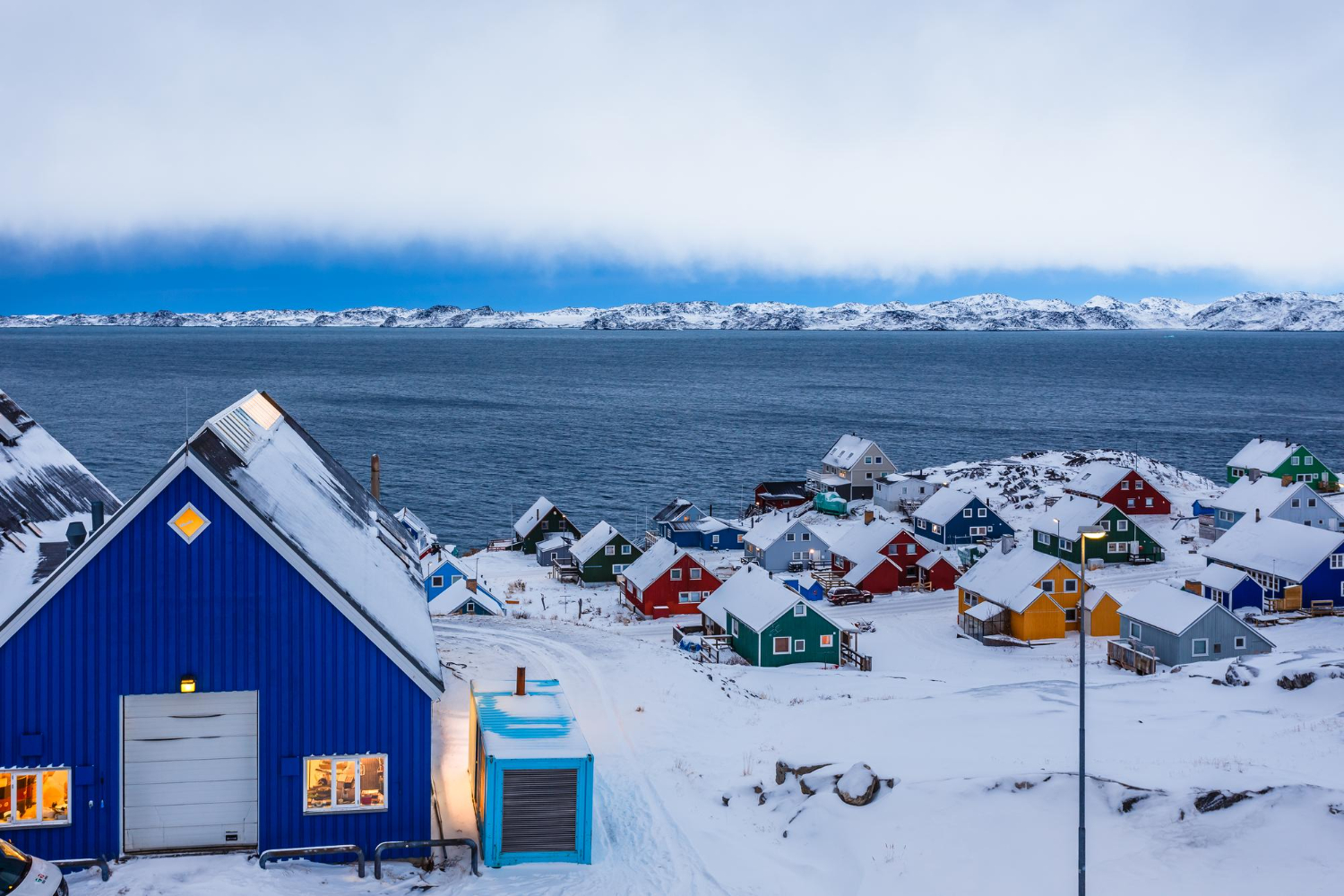
Greenland’s primary language, Greenlandic, is genuinely extraordinary from a linguistic standpoint. It is polysynthetic, meaning a single long word can express the meaning of an entire sentence by stacking together roots and suffixes. A concept that takes several words in English might be conveyed in one elaborate Greenlandic word. Greenlandic, also called Kalaallisut, is the language of everyday life, education, and communication, while Danish is widely used and taught, and English is increasingly spoken, especially among younger generations. This multilingual reality reflects Greenland’s history and its connections to the wider world. For language enthusiasts, the polysynthetic structure is one of the island’s most fascinating features, a window into a way of describing the world that’s strikingly different from English.
Nature Is Right Outside the Window
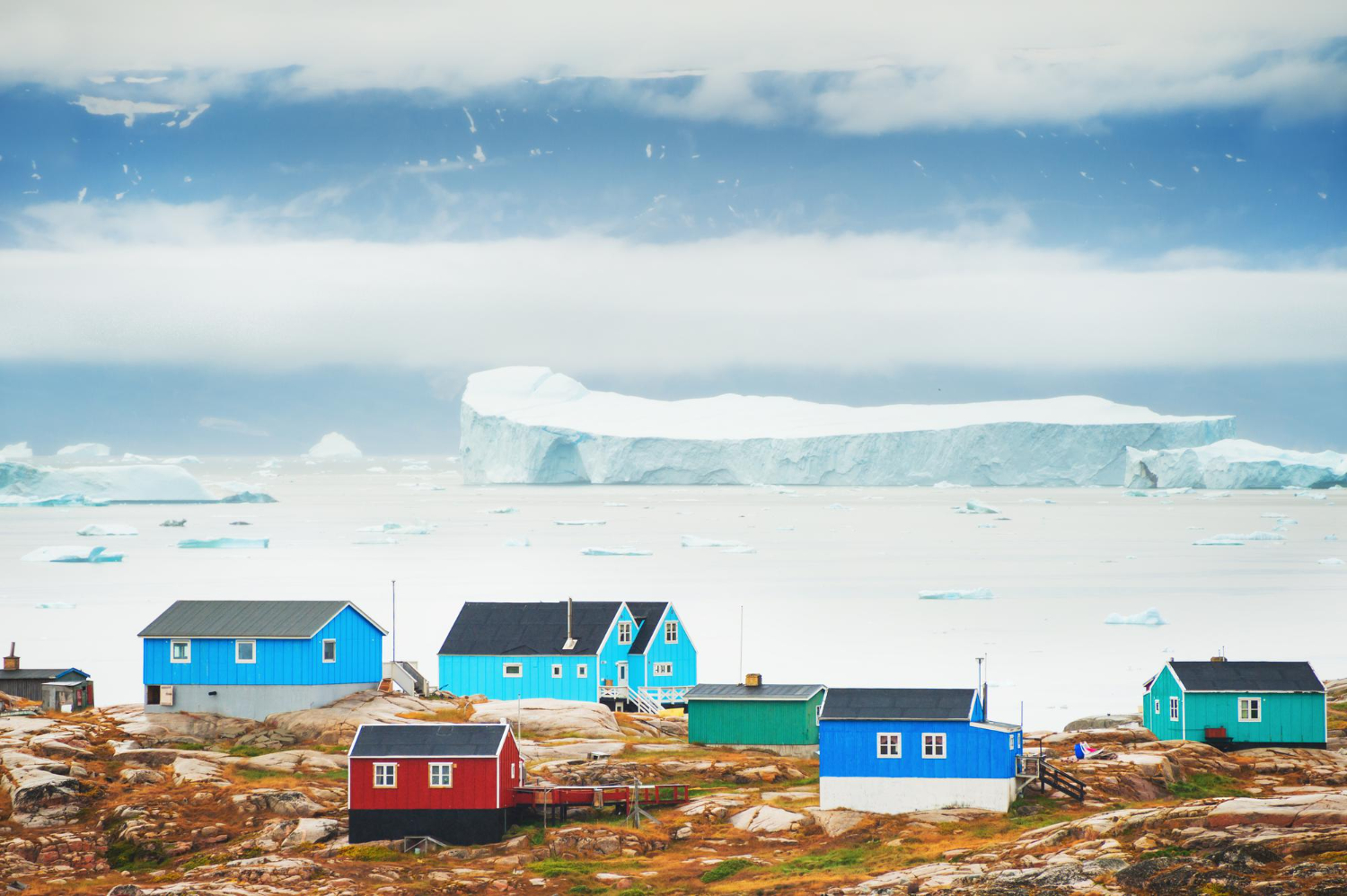
In Greenland, dramatic nature isn’t a destination you travel to; it’s the backdrop of daily life. For people living in coastal towns, massive icebergs drifting past the living-room window are an ordinary sight rather than a rare spectacle. Residents can often spot whales offshore or hear the deep crack of shifting ice without leaving home. This intimate, constant proximity to raw Arctic nature is a defining feature of Greenlandic life and a core part of the island’s identity. Few places on earth offer such an immediate, everyday connection to the natural world on this scale. For locals, it’s simply normal; for visitors, the sight of an iceberg the size of a building floating past a neighborhood is the kind of thing that stops you in your tracks.
Endless Light and Long Darkness
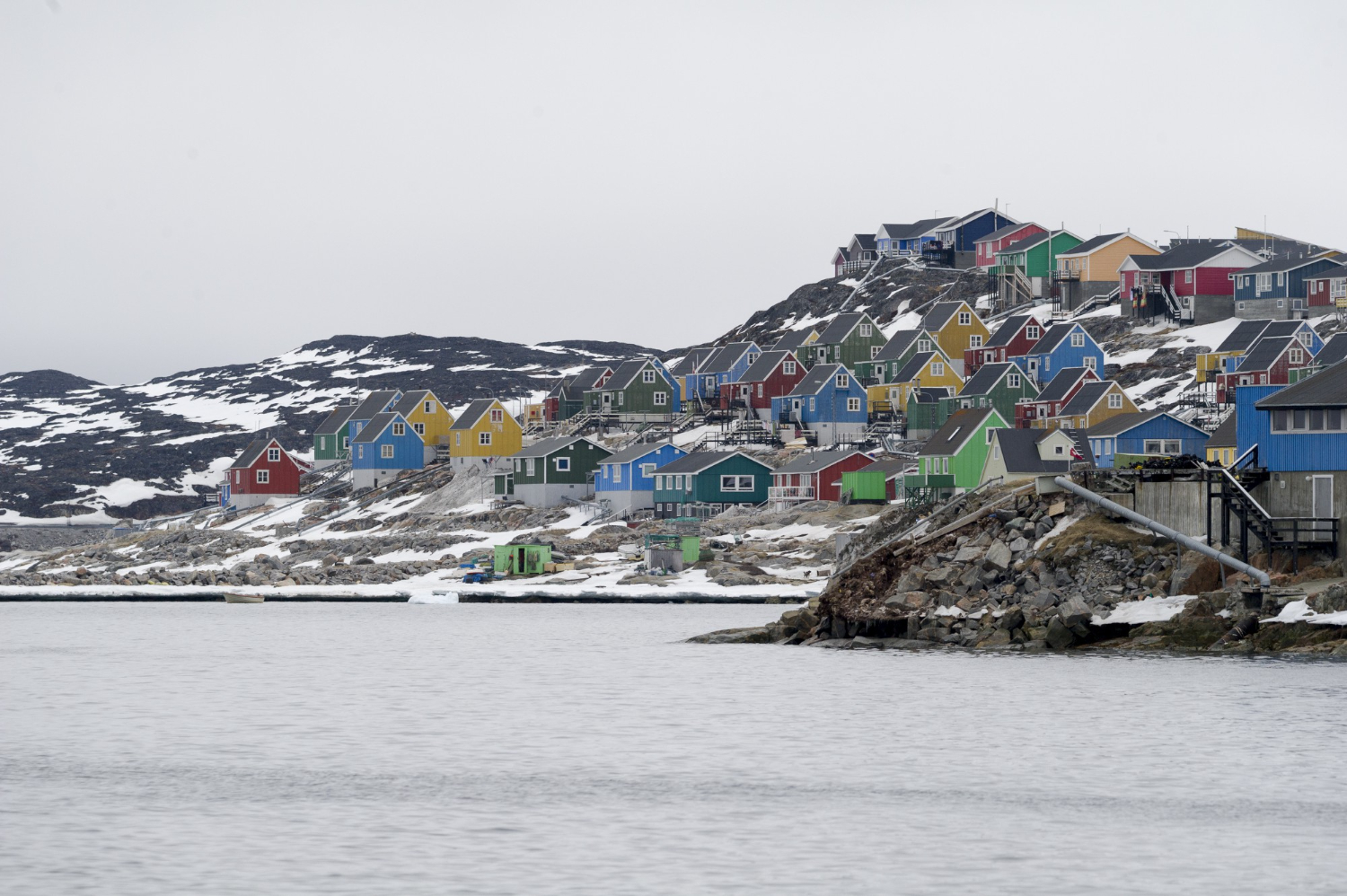
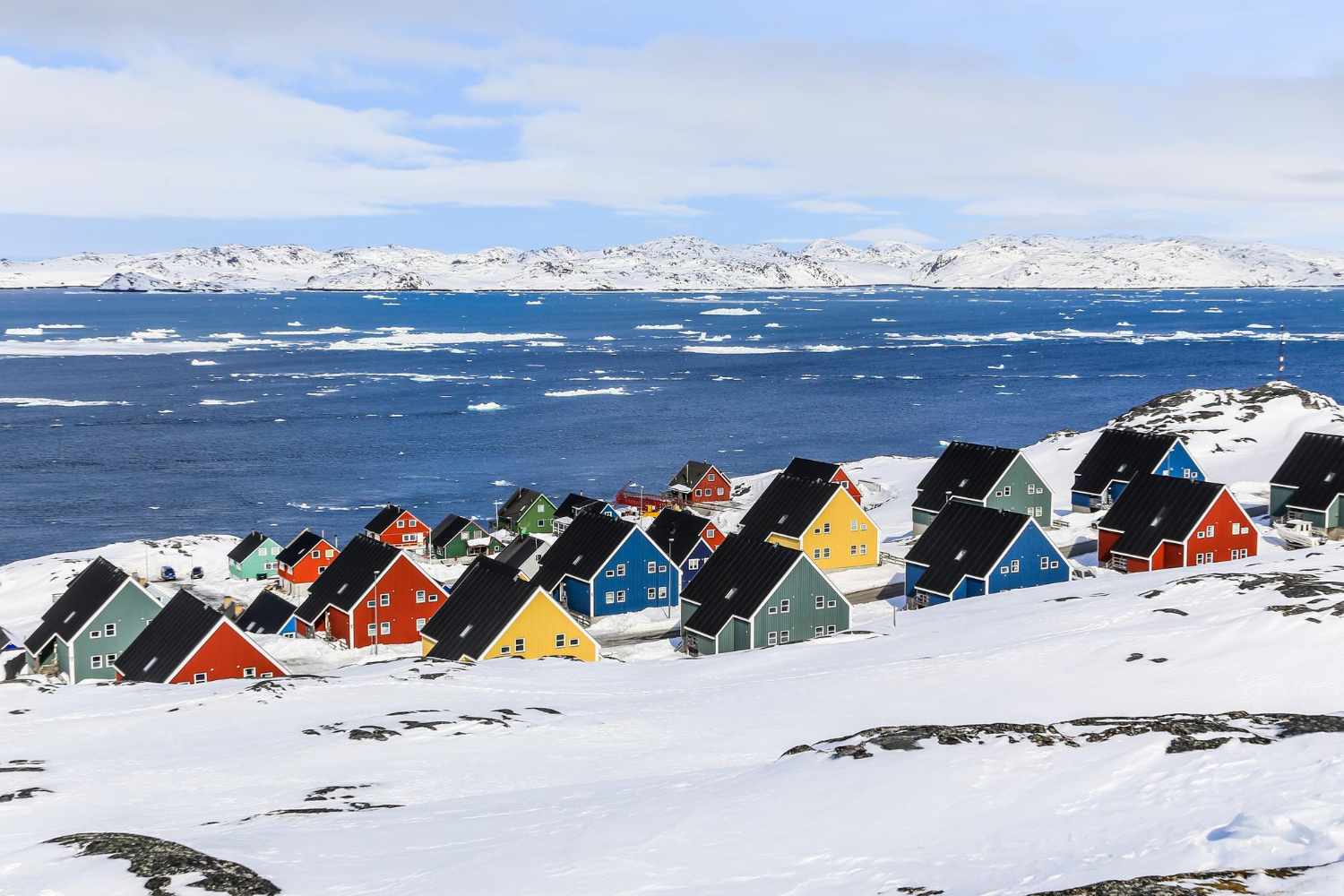
Life in Greenland is governed by extremes of light. In summer, much of the island experiences near-constant daylight, with the sun barely setting and bright “nights” that can make sleep a challenge and turn midnight into a fine time for a walk. In winter, the pattern reverses into long stretches of darkness, with the sun making only a brief appearance or, in the far north, not rising for weeks. This dramatic swing shapes everything from sleep and mood to social life and work, and residents adapt their routines around it. The long winter darkness is also prime time for the Northern Lights, which dance across the sky in spectacular displays. Adjusting to this rhythm of endless light and deep darkness is one of the biggest adjustments for anyone settling in Greenland.
Close-Knit, Trusting Communities
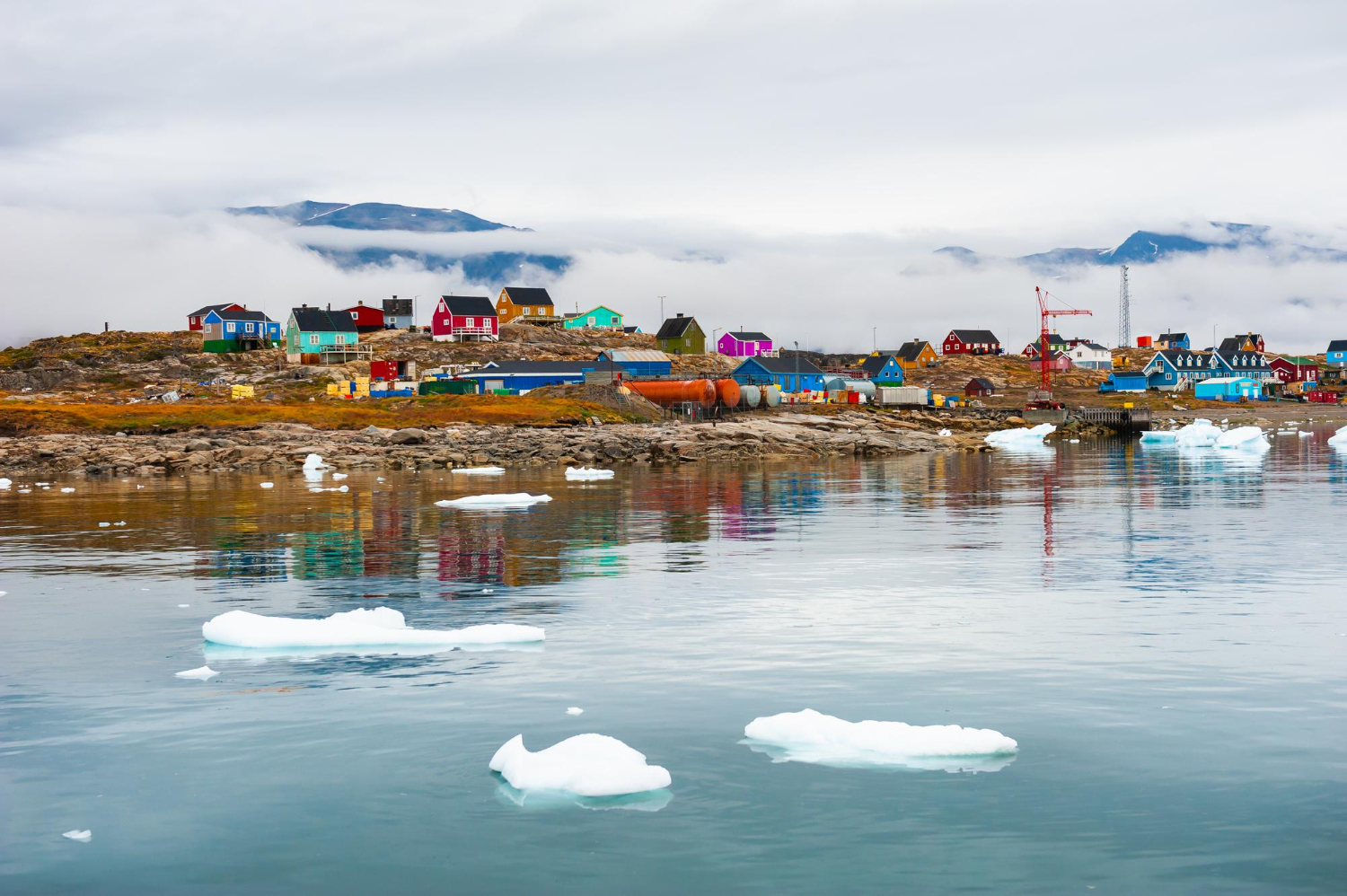
For all its remoteness, Greenland is known for the strength of its communities. Towns are small and tight-knit, and social connection is a cherished part of life. One beloved tradition is the “kaffemik,” an open-house gathering centered on coffee and cake to mark birthdays, milestones, and special occasions, where the door is open and guests come and go. This warmth extends to a general sense of safety and trust; in some communities, doors are reportedly left unlocked. The slower pace, the emphasis on relationships, and the shared experience of living in a demanding environment foster a powerful sense of belonging. Locals often say that despite the isolation and the high cost of living, it’s this community, along with the safety and the spectacular surroundings, that makes Greenland feel like home.
A Modern Life in an Ancient Landscape
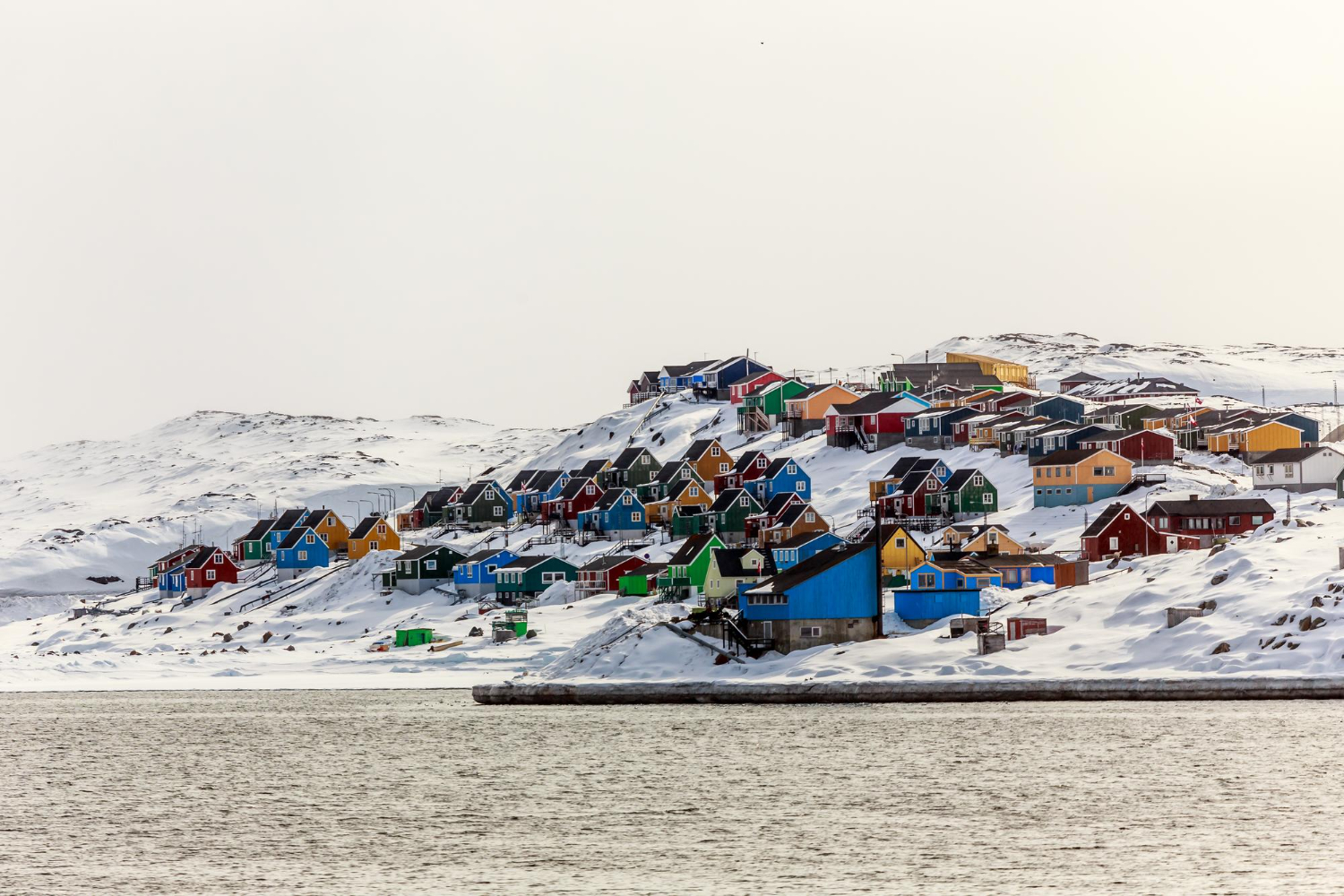
It would be a mistake to imagine Greenland as frozen in time. Modern Greenland is a blend of ancient tradition and Scandinavian modernity, where you might see a fisherman in a traditional anorak checking a smartphone. The capital, Nuuk, is growing quickly, with new suburbs, work opportunities drawing people from abroad, and an expanding, cosmopolitan feel, locals even note with pride the arrival of a few traffic lights. Traditional practices like kayaking and drum dancing remain woven into cultural celebrations, even as daily life embraces modern conveniences and technology. This coexistence of the old and the new is one of the most compelling aspects of contemporary Greenlandic life. The island manages to honor its deep Inuit heritage while steadily building a modern, connected society in one of the most challenging environments on earth.
A Singular Place to Call Home
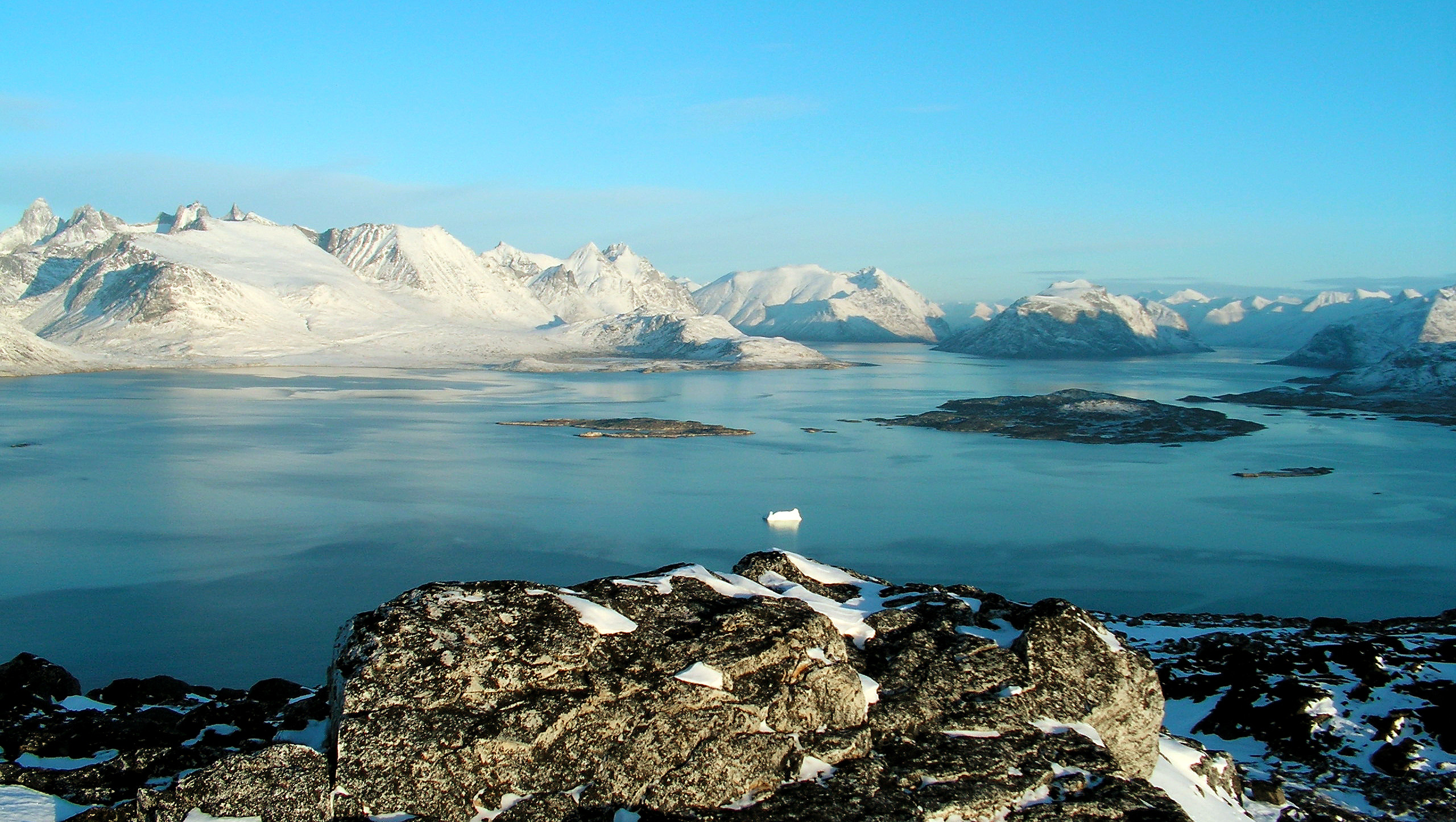
Living in Greenland means embracing a life unlike almost anywhere else: a place with no roads between towns but walkable communities, where food arrives by ship yet hunters sell fresh catch at the door, where a single word can be a sentence and an iceberg can be a neighbor. It’s a life shaped by extremes of light and weather, sustained by tight-knit communities and deep traditions, and increasingly touched by modern, global influences. The challenges are real, from high prices to profound isolation, but so are the rewards: safety, belonging, and a daily connection to some of the most spectacular nature on the planet. For the people who call it home, Greenland isn’t a remote curiosity but a singular, deeply meaningful place to live.
