

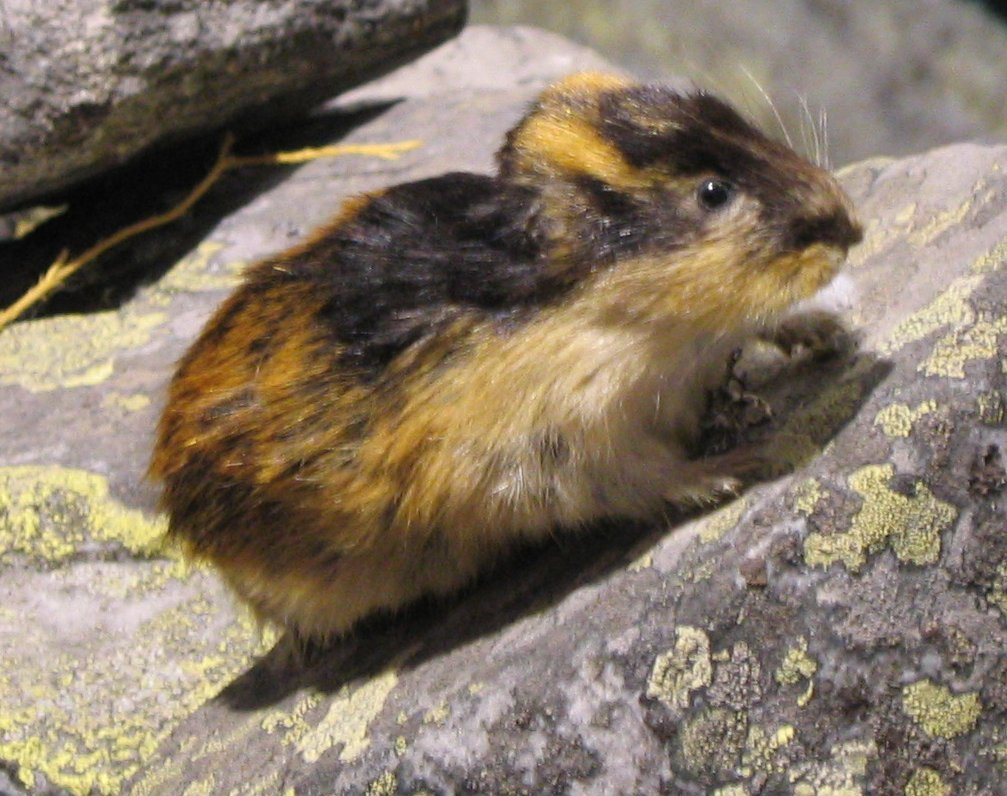
You’ve almost certainly heard the idea, and probably used it as a metaphor: lemmings, those small Arctic rodents, are famous for supposedly committing mass suicide, blindly following one another off cliffs and into the sea to their deaths in periodic fits of self-destruction. The image is so well established that “lemming” has become shorthand for anyone who mindlessly follows the crowd, even over the edge of disaster. It’s one of those “facts” about the natural world that nearly everyone seems to know.
There’s just one problem: it isn’t true. Lemmings do not commit mass suicide. They do not deliberately hurl themselves off cliffs in droves, and they have no mysterious compulsion to destroy themselves to control their population. The whole notion is a myth, one of the most widespread and enduring misconceptions about animal behavior. And the story of how this myth became lodged so firmly in the popular imagination is truly fascinating, because it points to a specific and rather troubling source: a celebrated nature documentary from the late 1950s that, in order to depict the “mass suicide” it described, actually staged the whole thing, with real lemmings deliberately driven to their deaths for the cameras. Here is the truth about lemmings, and the tale of how the myth was made.
The Myth We All Know

The lemming mass-suicide legend goes something like this: every so often, when their numbers grow too large, lemmings are seized by a collective, instinctive urge to reduce their population, and so vast throngs of them march to the edge of a cliff and fling themselves off, plunging into the sea below to drown. It’s depicted as a kind of deliberate, programmed self-sacrifice, an eerie and dramatic instance of mindless herd behavior in the animal kingdom, with the lemmings marching to their doom as if under a spell.
This vivid picture has been repeated endlessly for decades, in casual conversation, in popular culture, and even, at times, in supposedly educational contexts. It has given us the metaphor of the “lemming,” the follower who blindly does what everyone else is doing, straight over a cliff if that’s where the crowd is headed. The image is striking and memorable, which is part of why it has spread so successfully and proven so hard to dislodge. But like many striking and memorable “facts,” it wilts under scrutiny. When scientists actually study lemmings and their behavior, they find no evidence of any such deliberate mass suicide. The dramatic legend, it turns out, is not a description of real lemming behavior at all, but a distortion, one that was amplified and cemented in the public mind by a particular and rather notorious piece of filmmaking.
Like our content? Follow us for more.
What Lemmings Actually Do
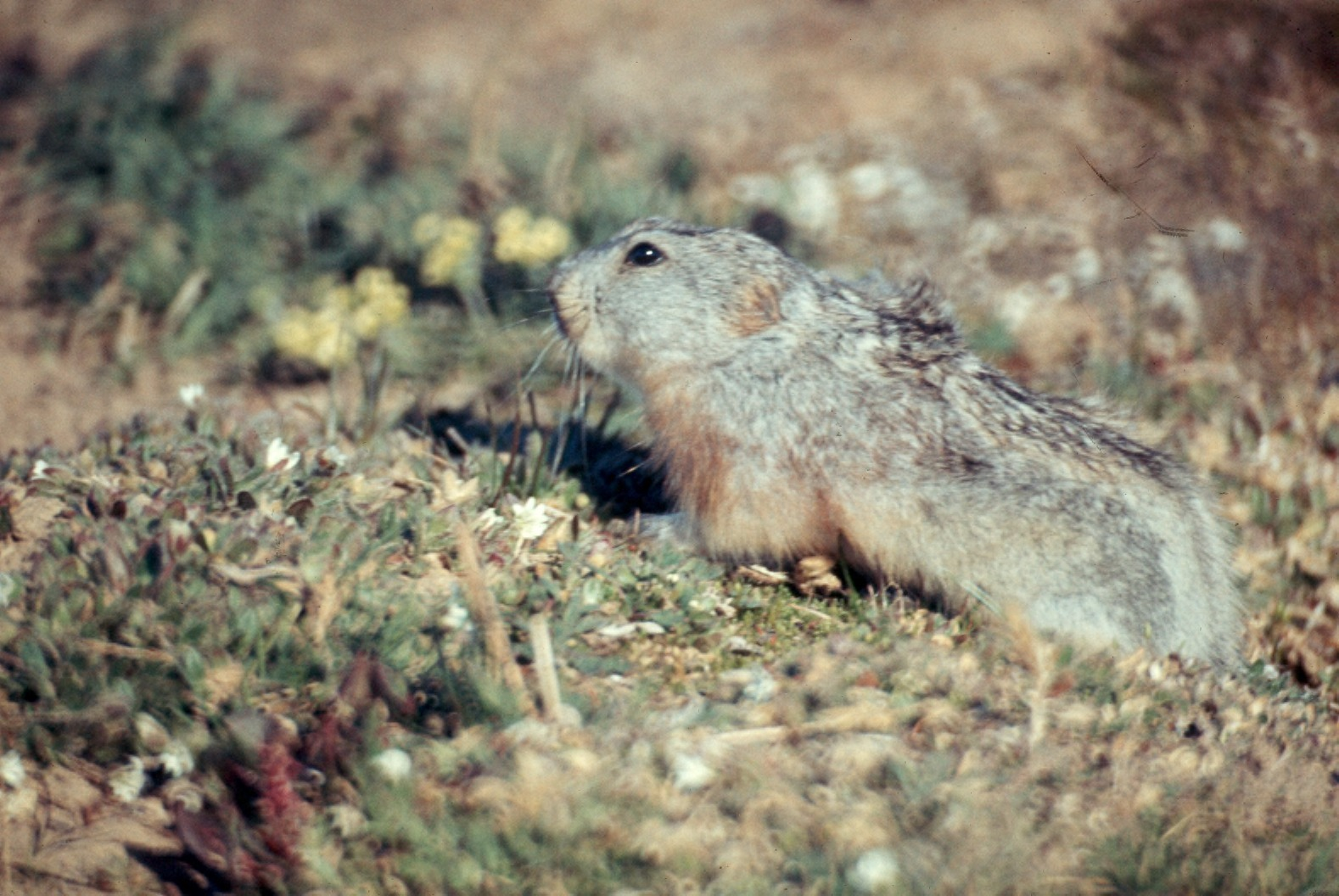
So if lemmings don’t commit mass suicide, what’s the reality behind the myth? Like many enduring misconceptions, this one contains a small kernel of truth that got wildly exaggerated. The reality involves the natural population dynamics of lemmings, which do exhibit some really interesting and dramatic behavior, just not deliberate self-destruction.
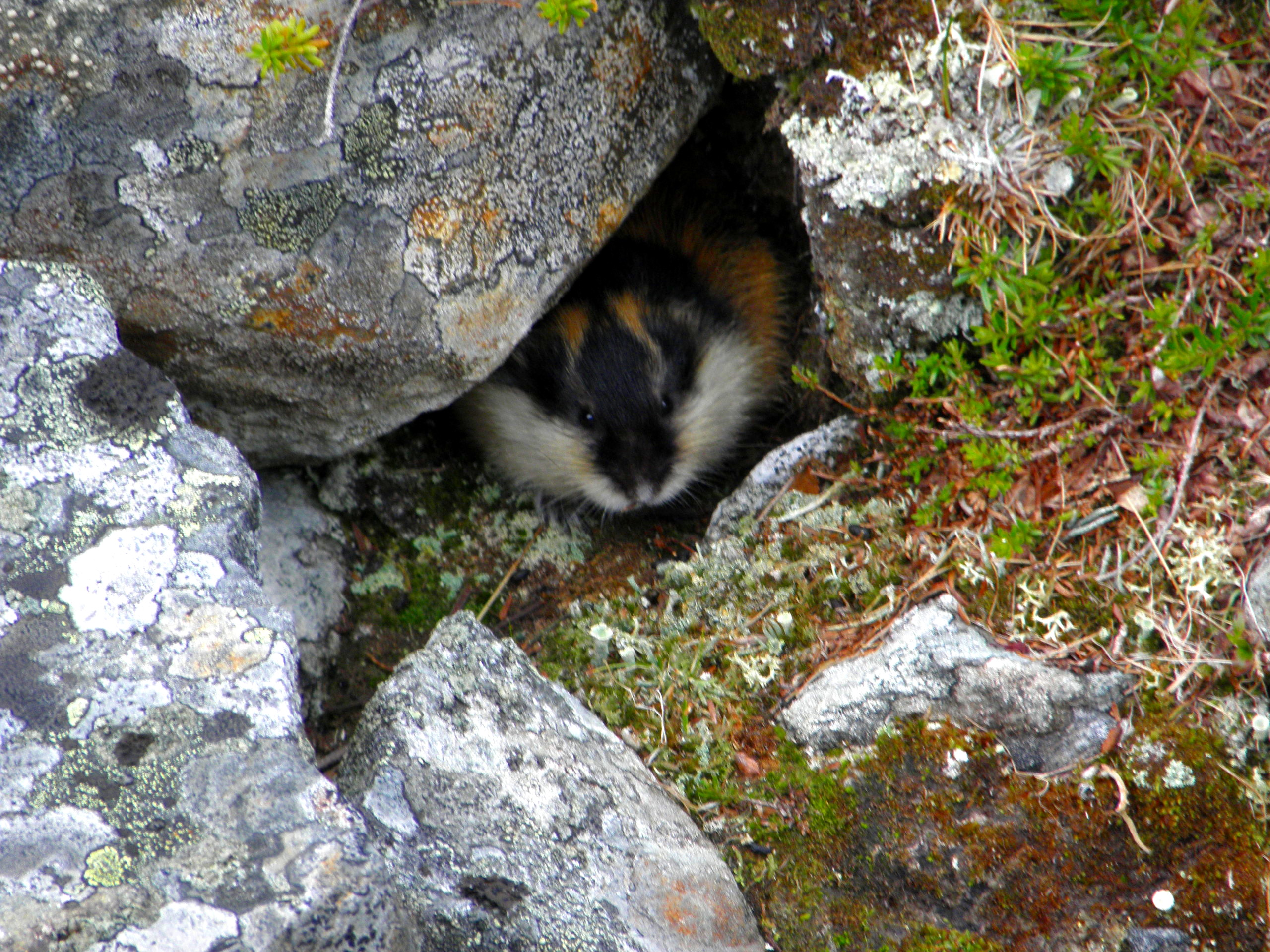
Lemmings are known for their boom-and-bust population cycles. Under favorable conditions, their numbers can grow explosively, leading to periods of very high population density. When an area becomes overcrowded, some lemmings respond by dispersing, migrating outward in search of less crowded territory and new resources, a natural and sensible response to overpopulation. During these mass movements, large numbers of lemmings may travel across the landscape, and here is where accidents happen. As the migrating lemmings venture into unfamiliar terrain, some of them may come to bodies of water, rivers or lakes, and attempt to cross them in their quest to reach new territory, and in doing so, some drown. Others, in the crush and movement of a mass dispersal through unfamiliar ground, may fall from ledges or cliffs accidentally. These deaths are real, but they are accidental, the unfortunate byproduct of large numbers of animals migrating through unfamiliar and sometimes hazardous terrain, not a deliberate, willed march to a watery grave. Dispersal and accidental death during migration is a far cry from the myth of instinctive, purposeful mass suicide. Early observers, seeing large numbers of lemmings on the move and some of them dying by drowning, may have misinterpreted what they were seeing and helped give rise to the suicide legend, embellishing a kernel of truth into a dramatic and false story.
The Film That Faked It
While the seeds of the lemming-suicide idea existed before the twentieth century, the myth was firmly cemented in modern popular culture by a single, highly influential source: an acclaimed nature documentary released in the late 1950s by a major American film studio, as part of a celebrated series of wildlife films. This documentary included a now-infamous segment depicting the supposed mass suicide of lemmings, showing the little animals plunging off a cliff into the water, accompanied by dramatic narration describing their strange compulsion to march to their deaths. The film was a great success, even winning a major award, and its vivid portrayal of lemming suicide reached a huge audience and lodged the myth firmly in the public consciousness.
The problem is that the scene was staged. The lemmings in the film did not spontaneously fling themselves off a cliff, because lemmings don’t do that. Instead, according to later investigations into how the footage was made, the filmmakers created the illusion through a combination of deception and, disturbingly, the deliberate killing of the animals. Reportedly, the sequence was filmed far from the lemmings’ natural coastal Arctic habitat, in a landlocked location where the animals aren’t even native, using a relatively small number of lemmings that had been brought in for the purpose. To create the impression of a vast migrating horde, the filmmakers are said to have used camera tricks and editing, including filming the animals on a turning platform to make a handful of lemmings look like a teeming multitude. And to produce the climactic “suicide” plunge, the lemmings were reportedly driven or thrown off a cliff into the water, where they fell and drowned. In other words, the famous footage of lemmings committing mass suicide was not a record of natural behavior at all, but a fabricated scene in which real animals were deliberately sent to their deaths to fake a phenomenon that doesn’t actually occur.
How the Truth Came Out
For years after the documentary’s release, its dramatic lemming footage was widely accepted as a real depiction of nature, and the mass-suicide myth flourished, bolstered by the apparent authority of an award-winning film. The staged nature of the scene was not widely known, and the public had little reason to doubt what they had seen on screen. The myth, powerfully reinforced by the film, became entrenched as accepted “fact.”
The truth about how the footage was created eventually came to light through later investigative work, decades after the film was made, when journalists looked into the methods behind the documentary and exposed the staging and the killing of the animals. This investigation revealed the disturbing reality behind the famous scene and made clear that the lemming suicide it depicted had been manufactured. But by the time the truth emerged, the myth was already deeply established in popular culture, and correcting it has proven difficult. Even after it became known that the footage was faked and that lemmings don’t actually behave this way, the vivid image and the catchy metaphor persisted, continuing to circulate long after they had been debunked. It’s a striking example of how a compelling but false image, once it takes hold, can be remarkably resistant to correction, outliving the revelation of its own falsehood.
Why the Myth Endures
The persistence of the lemming-suicide myth, even in the face of debunking, is itself revealing. Part of the reason it endures is simply that it makes for such a vivid and useful image. The idea of creatures blindly following one another to their doom is a powerful metaphor, and it has become a convenient way to describe mindless conformity or herd behavior in people. That metaphorical usefulness gives the myth a life of its own, independent of whether it’s biologically accurate; people keep invoking lemmings as a symbol regardless of the facts about real lemmings.
There’s also the sheer power of vivid imagery, especially imagery delivered by a trusted and acclaimed source. The documentary footage was dramatic and convincing, and it was presented as authoritative nature filmmaking, so it made a deep and lasting impression that mere factual corrections have struggled to erase. This whole episode carries a couple of worthwhile lessons. One is a reminder to be skeptical of “facts” that everyone accepts but few have actually examined, and to remember that even authoritative-seeming sources can spread misinformation, sometimes deliberately. Another is an appreciation for the real behavior of lemmings, which is fascinating in its own right, those dramatic population booms and mass dispersals, without any need for the invented drama of deliberate suicide. The real natural world is remarkable enough without embellishment. So the next time you hear someone describe people mindlessly following the crowd as “lemmings,” you’ll know the truth: the little Arctic rodents were framed, victims of a myth built on a faked film, and they never marched off those cliffs at all.
Like our content? Follow us for more.
