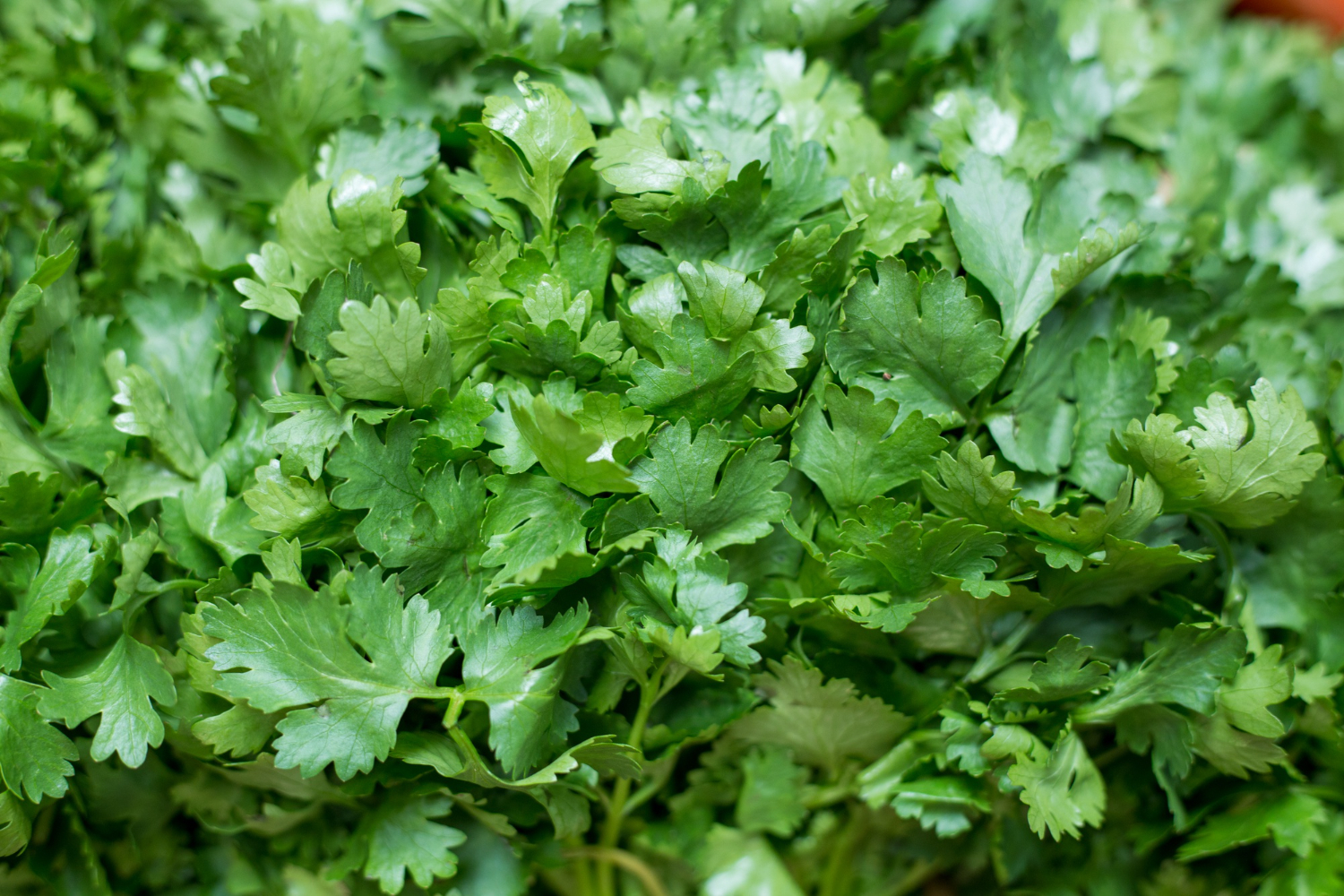
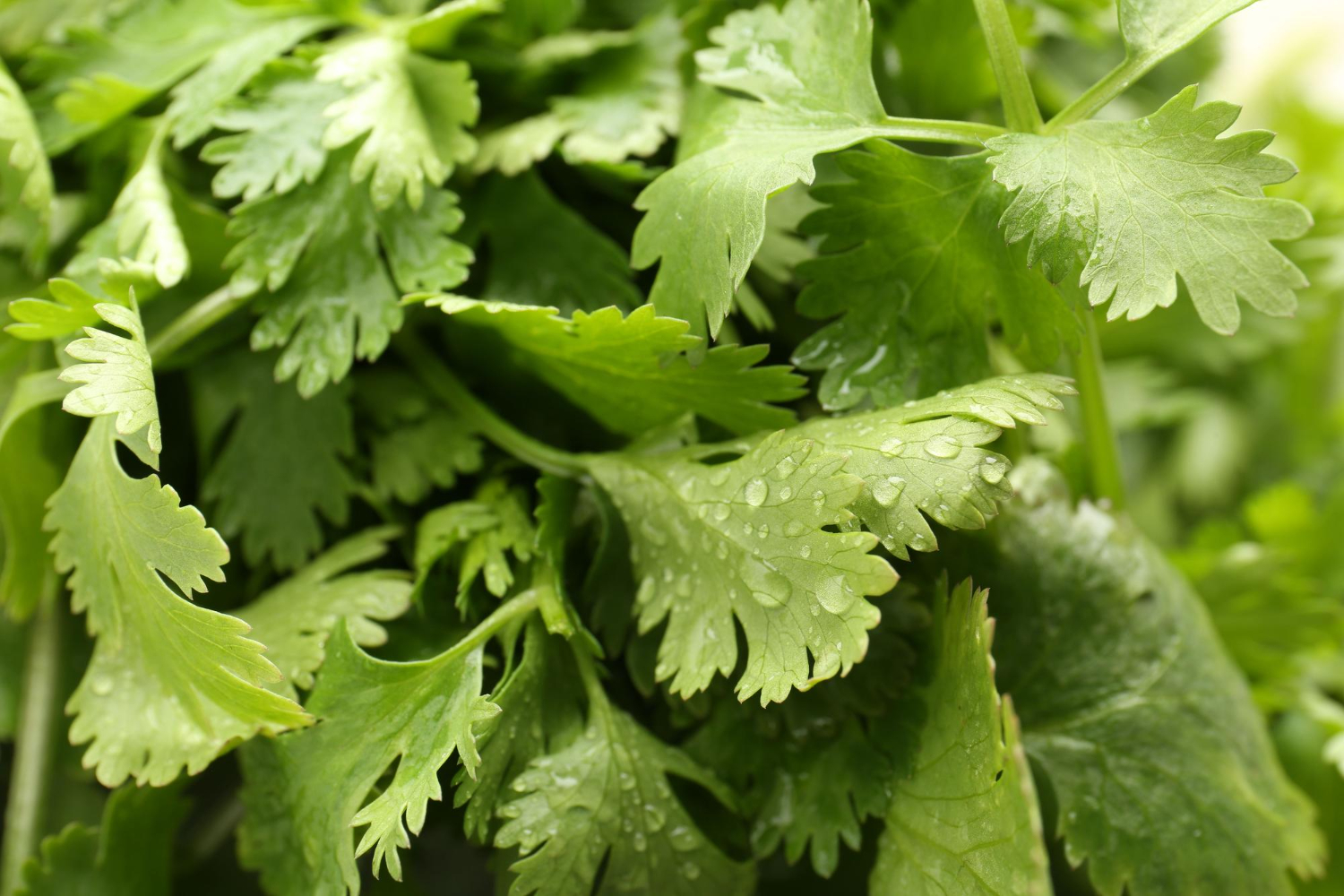
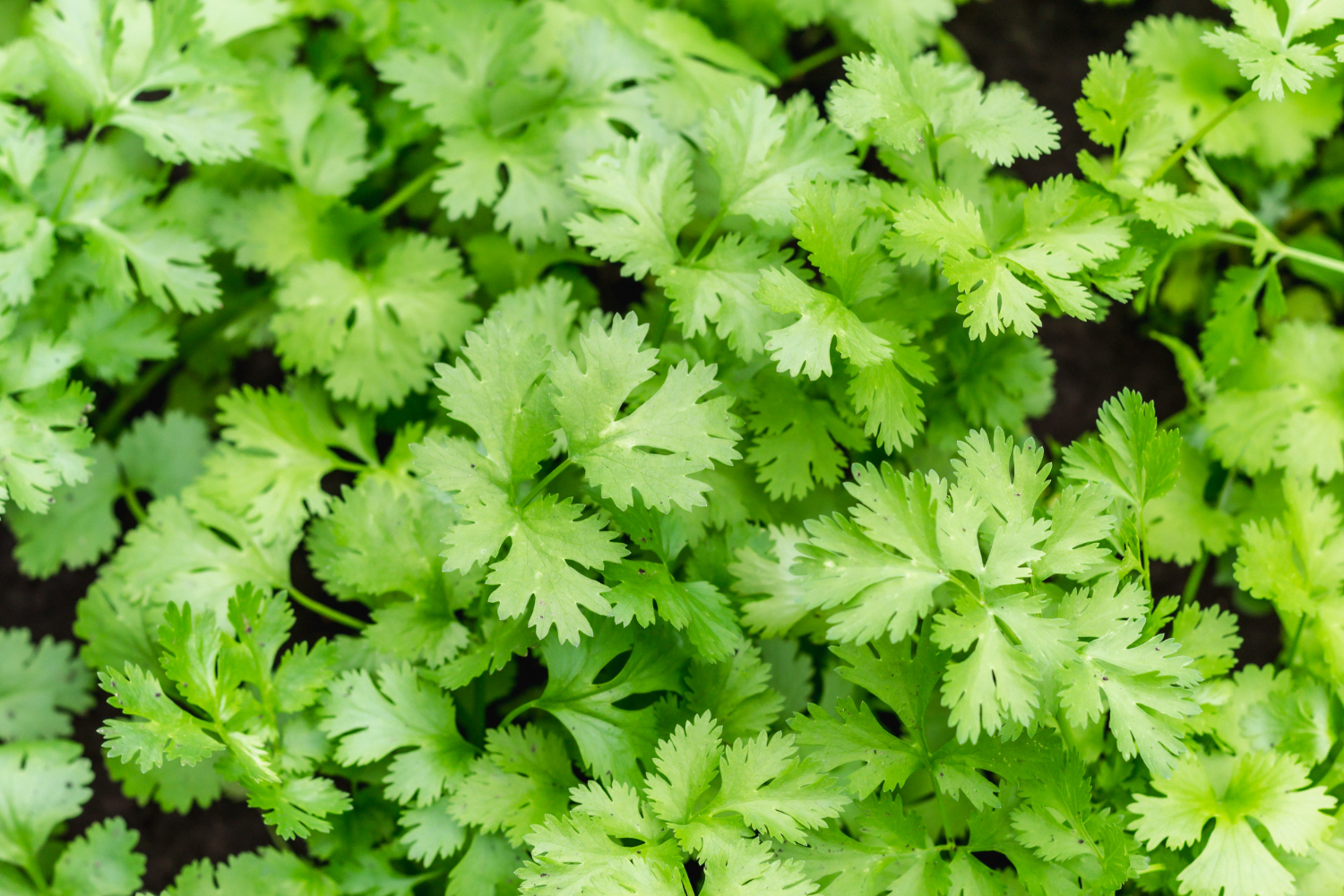
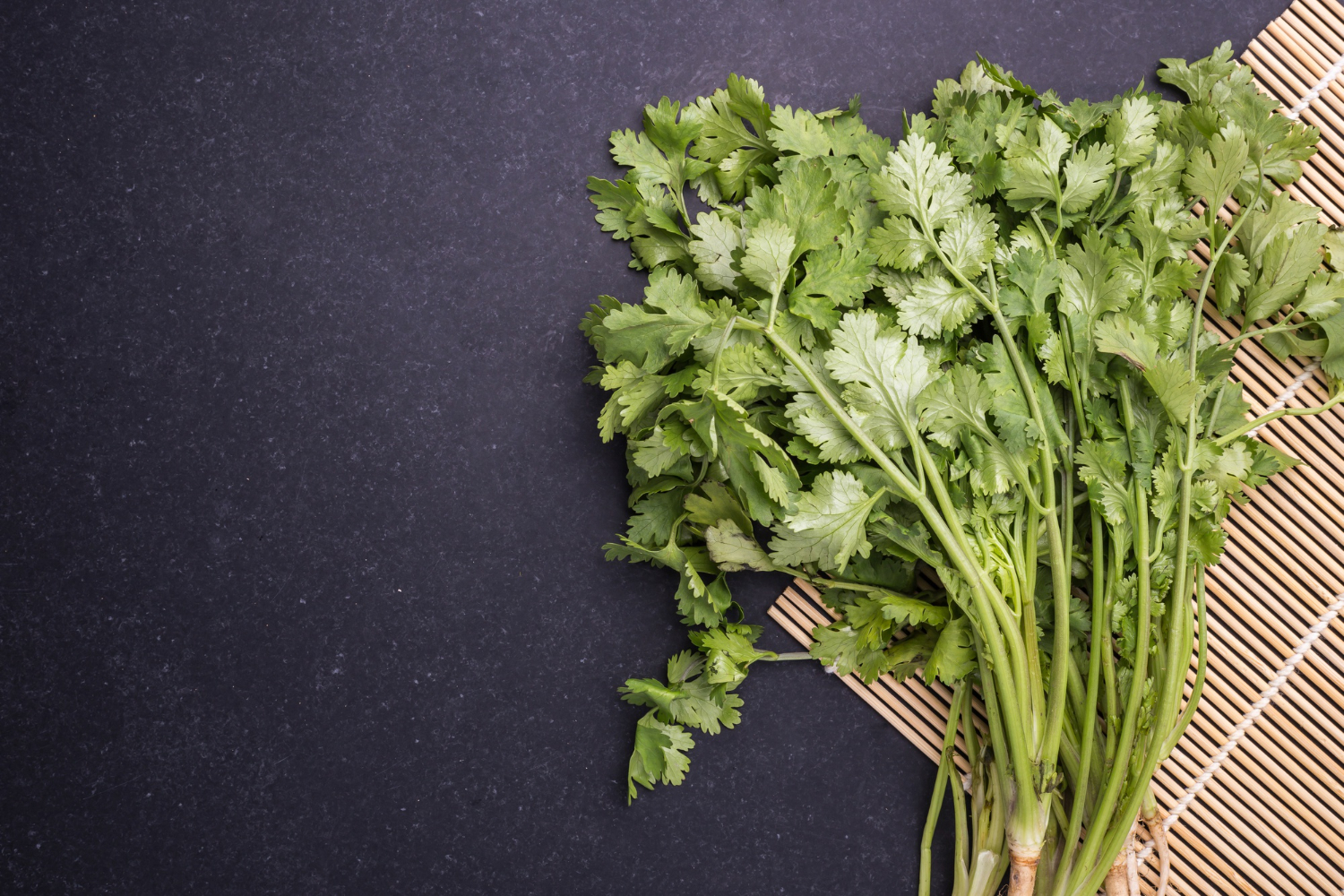
Few foods generate as much passionate disagreement as a handful of green leaves. Cilantro, known as fresh coriander in much of the world, is a staple of Mexican, Indian, Thai, Vietnamese, Middle Eastern, and Latin American cooking, sprinkled over tacos, stirred into chutneys, piled onto noodle soups. For a great many people it tastes bright, fresh, faintly citrusy, and it lifts a dish in a way nothing else quite does.
For a substantial minority, it tastes like soap. Not similar to soap, not vaguely soapy in some abstract way, but distinctly and unpleasantly of detergent, sometimes described as tasting of dirt, mold, or crushed bugs. People in this camp are not exaggerating for effect and are not simply picky eaters; the reaction is immediate, involuntary, and strong enough that a small garnish can make a whole dish inedible to them. The disagreement is so complete that each side tends to suspect the other of some kind of performance.
It turns out both sides are describing their experience accurately, because they are not having the same experience. Over the past couple of decades, geneticists have traced this divide, at least partly, to inherited differences in how people perceive a specific group of aroma chemicals. Here is what science actually knows about the great cilantro divide.
The Chemistry Behind the Soap
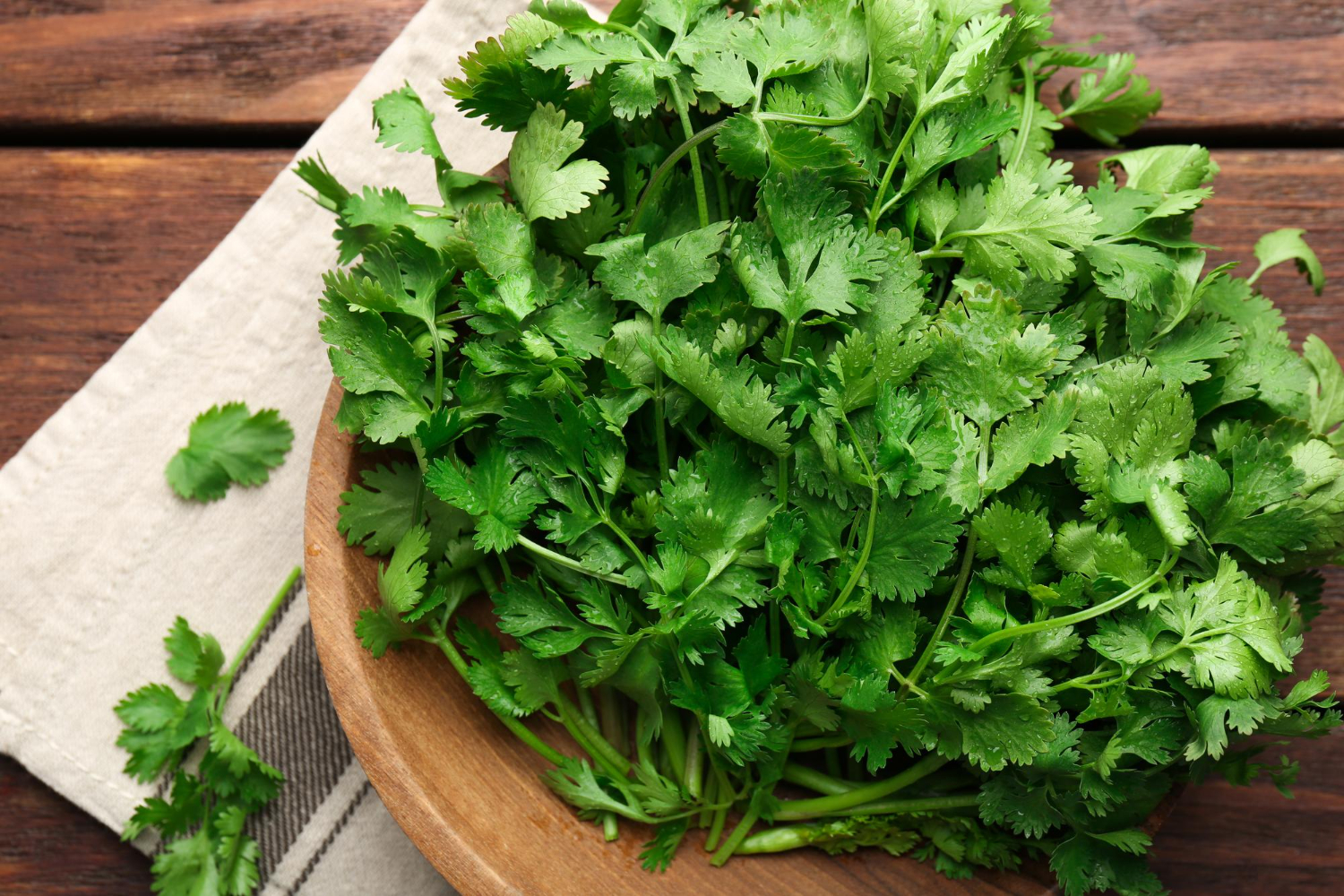
Start with the herb itself, because the soap comparison is not arbitrary or imagined. Cilantro’s characteristic aroma comes largely from a family of organic compounds called aldehydes. These are the molecules doing most of the work when you crush a leaf and smell that distinctive scent.
The relevant fact is what else contains aldehydes. Some aldehydes are byproducts of soap manufacturing, generated during the process in which fats are broken down with alkaline lye. Others occur in the defensive secretions certain insects release, which is precisely why some people reach for the words “buggy” or “like stink bugs” when they try to describe the taste. One aldehyde in particular that features prominently in cilantro’s aroma, known as (E)-2-decenal, is also a major component of the defensive chemicals produced by stink bugs. So the people describing cilantro as tasting of soap and crushed insects are not making a random or fanciful association. They are identifying, with reasonable accuracy, a real chemical overlap. The interesting question is not why cilantro smells a bit like soap to some people. It is why it does not smell that way to everyone.
Like our content? Follow us for more.
What “Taste” Really Means Here
Part of the answer lies in a point that is easy to overlook: most of what we call taste is actually smell. The tongue registers a small set of basic sensations, but the rich, specific flavors we experience come overwhelmingly from aroma molecules reaching receptors in the nose, both through the nostrils and from the back of the mouth as we chew. Change how someone perceives an aroma and you change how the food tastes to them, completely.
Those aroma receptors are proteins called olfactory receptors, biological sensors that detect specific chemicals floating in the air or released from food. Humans have a large family of genes coding for these receptors, and, importantly, these genes vary substantially from person to person. Two people can be equipped with meaningfully different detection hardware, and there is no way for either of them to know it, because each experiences their own perception as simply the way the thing smells. This is the mechanism through which a genetic difference can produce a total disagreement about a plate of food, with neither party being wrong about their own experience. And cilantro turned out to be an unusually clean example of it.
The Study That Found the Spot
The most-cited work on this came from a large-scale genetic analysis published in 2012. Researchers conducted what is known as a genome-wide association study, an approach that scans across the entire genome of a large group of people looking for genetic variants that correlate with a particular trait. The trait in this case was simple: does cilantro taste soapy to you?
The scale was substantial. The analysis covered more than fourteen thousand participants who reported whether cilantro tasted soapy, and the finding was then checked against a separate group of nearly twelve thousand people who reported whether they liked cilantro. The study identified a single genetic variant significantly associated with detecting the soapy taste, and confirmed it in the second group. That variant sits within a cluster of olfactory receptor genes on chromosome 11. Among the genes in that cluster is one called OR6A2, which codes for a receptor known to bind strongly to several of the aldehydes responsible for cilantro’s characteristic odor.
That is a satisfying result: a specific location, a specific gene, a specific class of molecules, and a plausible mechanism connecting them. It is the finding behind every headline you have seen about the “cilantro gene,” and it is truly solid work. But the researchers themselves flagged something important in the same paper, and it tends to get left out of the headlines.
Why It’s Not Simply “One Gene”
The complication is this: the study also estimated how much of the variation in cilantro perception those common genetic variants actually accounted for, and the answer was not much. The heritability tagged by the common variants examined was low, on the order of a few percent. In other words, the gene cluster is real and the association is real, but it explains only a small slice of why any given person does or does not taste soap.
This is why careful sources are consistent in saying there is no single “cilantro aversion gene.” Later work has implicated additional olfactory receptor genes in the same neighborhood, and possibly taste-related genes involved in perceiving bitterness and pungency, suggesting the trait arises from a combination of variants rather than one switch. Complicating matters further, some study participants who did not carry the flagged variant still reported cilantro tasting soapy, which points to additional genetic or non-genetic factors at work. Twin studies support a real hereditary component: identical twins, who share essentially all their DNA, agree with each other about cilantro far more often than fraternal twins, who share about half. In one such study, geneticists surveyed several hundred twins about whether they found fresh chopped cilantro pleasant. The upshot is that cilantro aversion is at least partly genetic, arising from a cluster of scent-receptor genes rather than a single one, with plenty still unexplained. Which is a less tidy story than “there’s a gene for it,” but a more honest one.
Culture Counts Too
Genetics is clearly not the whole picture, and the strongest hint of that comes from looking at how the trait is distributed around the world. Reported rates of cilantro aversion vary substantially between populations. Estimates range from roughly three percent to around twenty percent depending on the group surveyed, with one frequently cited figure putting it somewhere between four and fourteen percent of the world’s population.
The pattern in those numbers is telling. Aversion is reported far less frequently in populations whose cuisines make heavy use of the herb, and more frequently among people of European descent, where cilantro has historically been less central to cooking. Some surveys have also found women slightly more likely than men to report the soapy perception. It is difficult to disentangle how much of this reflects underlying genetic differences between populations and how much reflects familiarity, since growing up eating something from early childhood shapes how you interpret its flavor. Both are probably at work. The practical implication, encouragingly, is that dislike may not be permanent: there is some evidence that repeated exposure in small amounts can help the brain reinterpret the flavor over time, filing it as food rather than as detergent.
What to Do If You’re on the Soap Side
If cilantro tastes like soap to you, the first and most useful thing to know is that you are not imagining it and you are not being difficult, and it is entirely reasonable to say so at a dinner table rather than choking it down politely.
Beyond that, a couple of approaches are worth knowing. One is a preparation trick: crushing or finely chopping cilantro leaves and mixing them thoroughly into a dish, rather than eating them whole as a garnish, appears to accelerate the breakdown of the aldehydes responsible for the soapy perception, which can soften the effect substantially. Grinding the herb into a sauce or paste works on the same principle. The other approach is simple substitution. Flat-leaf parsley is the usual recommendation, offering a similar fresh green note without the offending compounds, and Thai basil, mint, or a squeeze of lime can each fill the role cilantro plays in a dish depending on what you are cooking.
There is something appealing about the whole cilantro business. It is one of the few cases where a common, everyday disagreement turns out to have a traceable biological basis, and where the honest answer is that both parties are perceiving reality correctly through slightly different equipment. Most arguments about taste are unresolvable matters of preference. This one is a real difference in perception, written partly into the genes that build the sensors in your nose. So the next time the table divides over a scattering of green leaves, you can settle it without anyone having to be wrong: you are, in a real and measurable sense, not eating the same thing.
Like our content? Follow us for more.