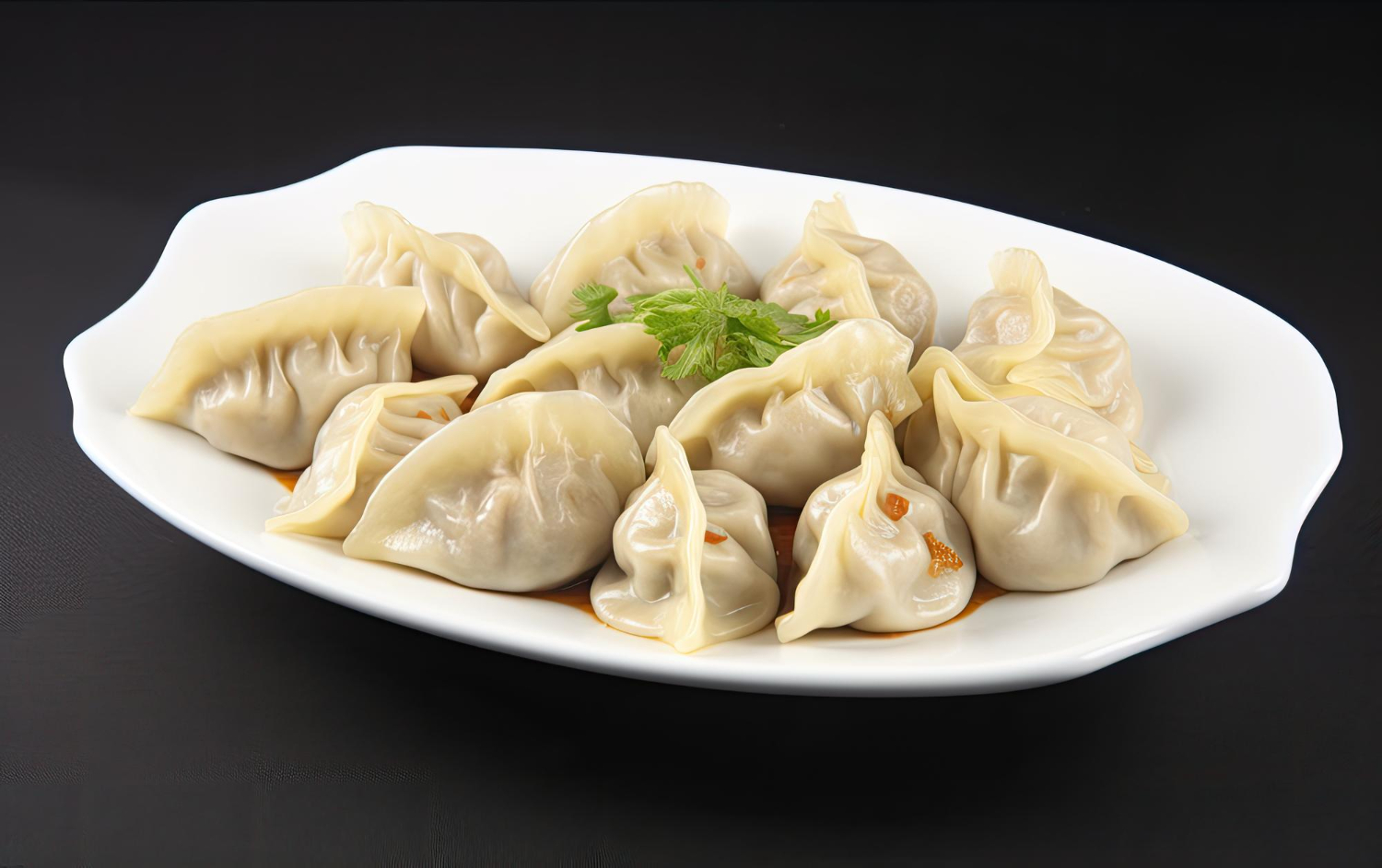
Dumplings are one of those inventions that keep appearing in unrelated places, because the underlying idea is so sound: dough stretches expensive filling, seals in moisture, and travels well. Here are fifteen from around the world, each with its own logic.
1. Xiao Long Bao — China
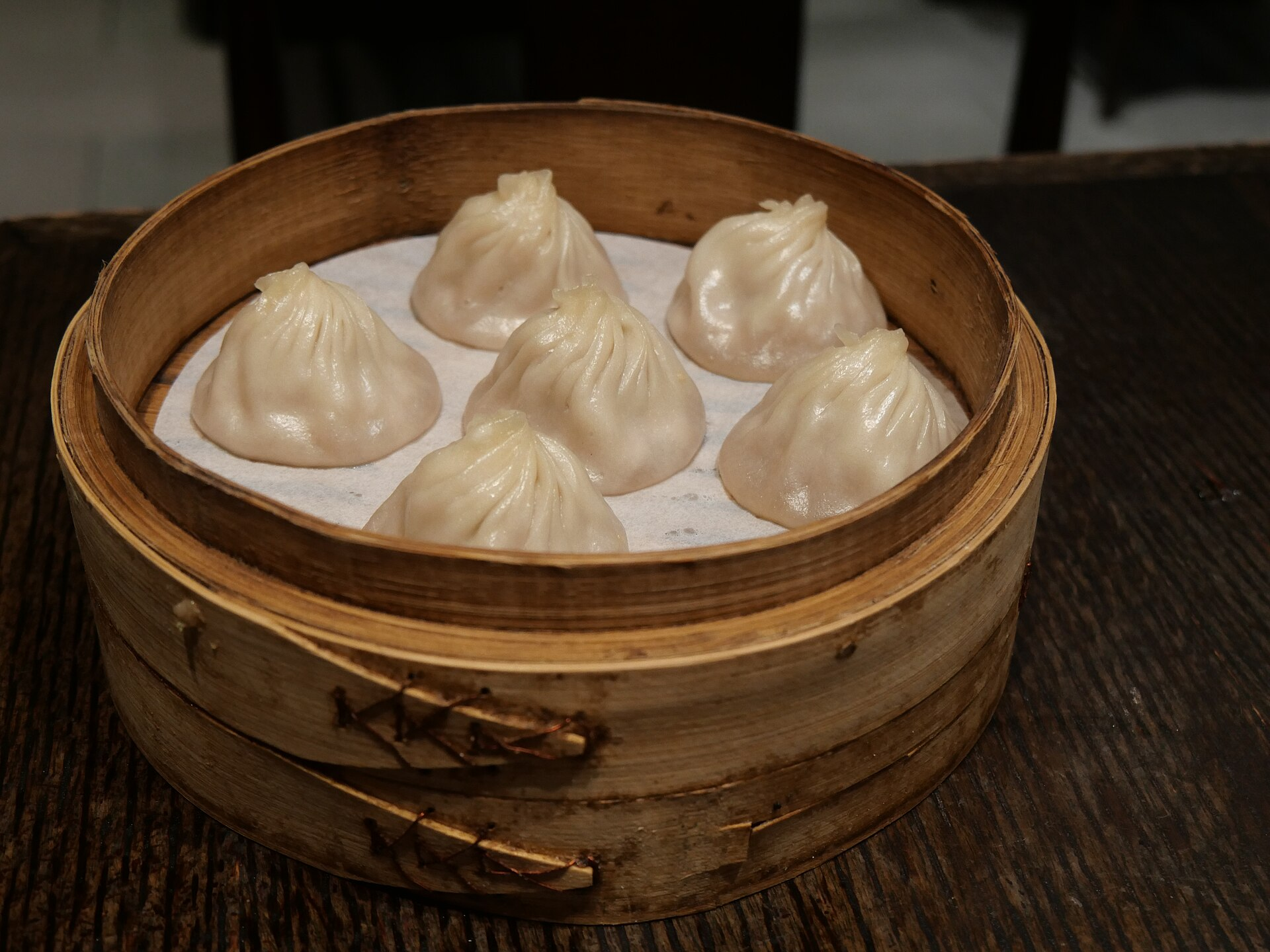
These delicate soup dumplings hold hot broth alongside a pork filling, sealed inside a thin pleated wrapper. The broth is the trick.
Cooks fold gelled stock into the filling; when steamed, it melts into liquid, which is why eating one requires care and a spoon. The pleating is a craft in itself. Xiao long bao are the dumplings that turned technical precision into a spectator sport.
Like our content? Follow us for more.
2. Pierogi — Poland
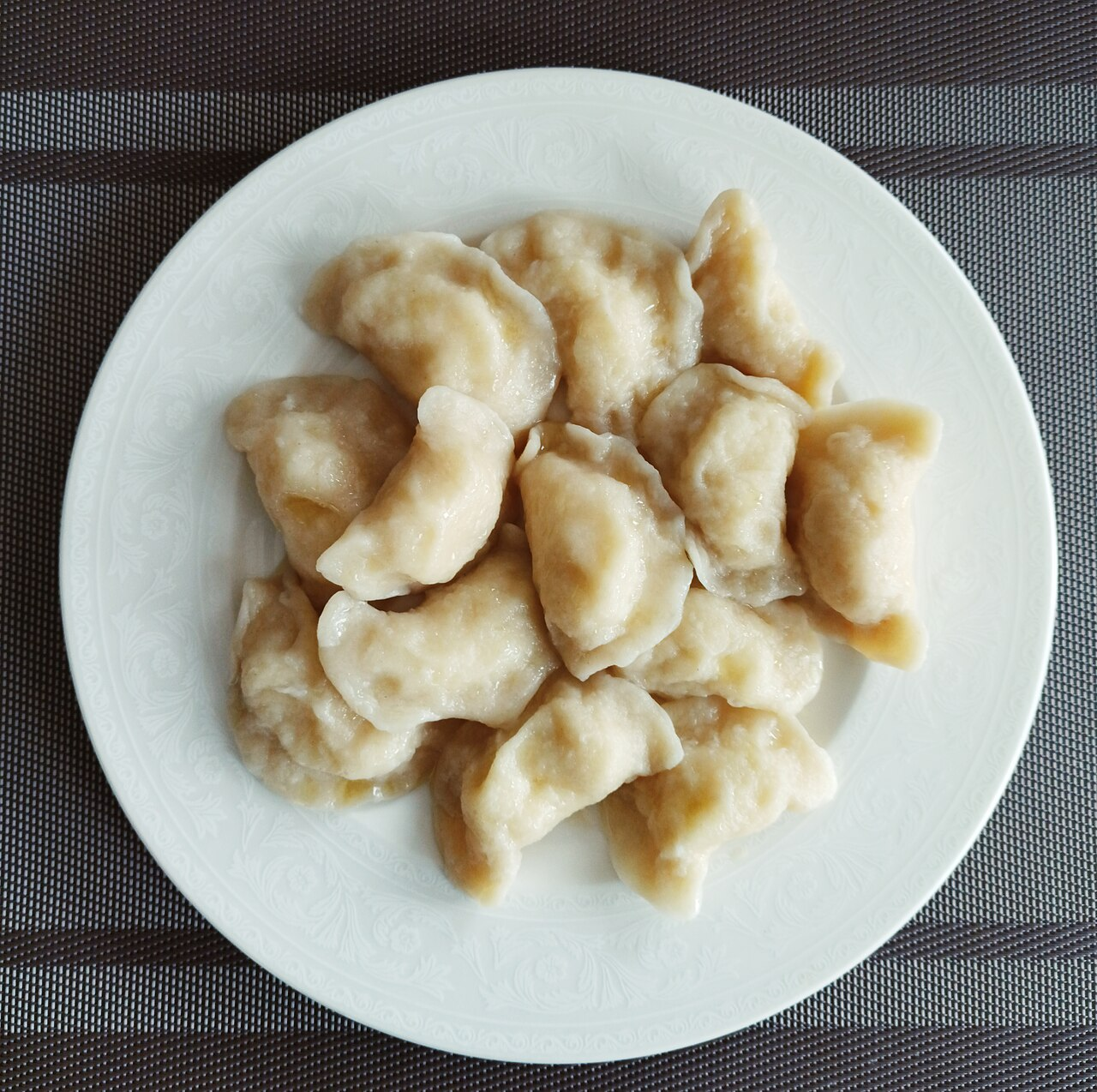
Half-moon dumplings filled with potato and cheese, sauerkraut, mushroom, or fruit, boiled and often finished in butter with onions. Simple and enormously comforting.
The potato-and-cheese version is the most familiar abroad, but sweet ones filled with berries are a summer tradition. They freeze beautifully. Pierogi are the dumplings that prove butter and onions can elevate almost anything.
3. Momo — Nepal and Tibet
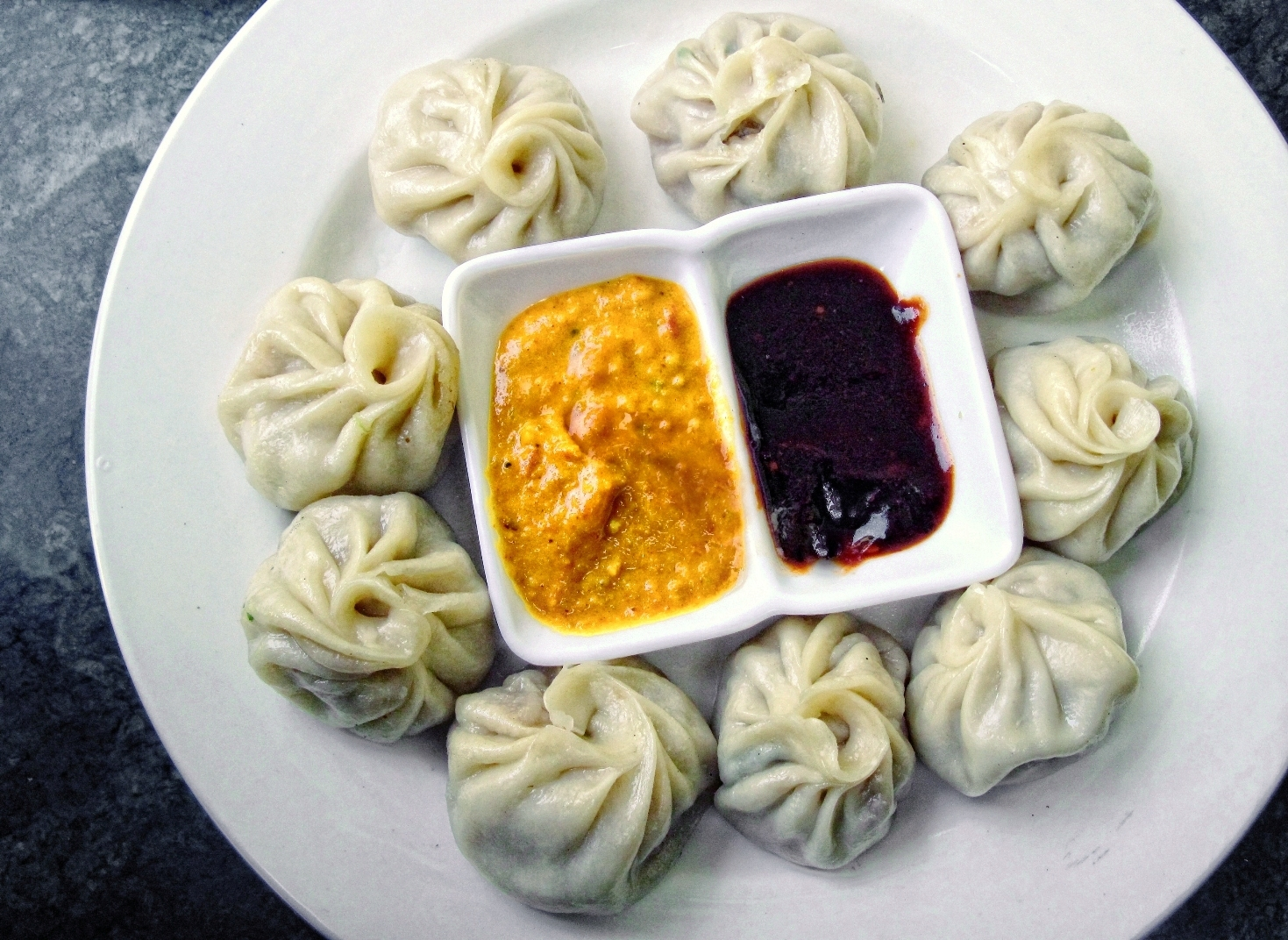
Steamed parcels of minced meat or vegetables, served with a tomato-and-chili dipping sauce. They are Himalayan street food at its best.
The dough is thicker than Chinese wrappers and the seasoning leans toward ginger, garlic, and coriander. The accompanying sauce is not optional. Momo are the dumplings that fuel an entire region’s snacking.
4. Ravioli — Italy
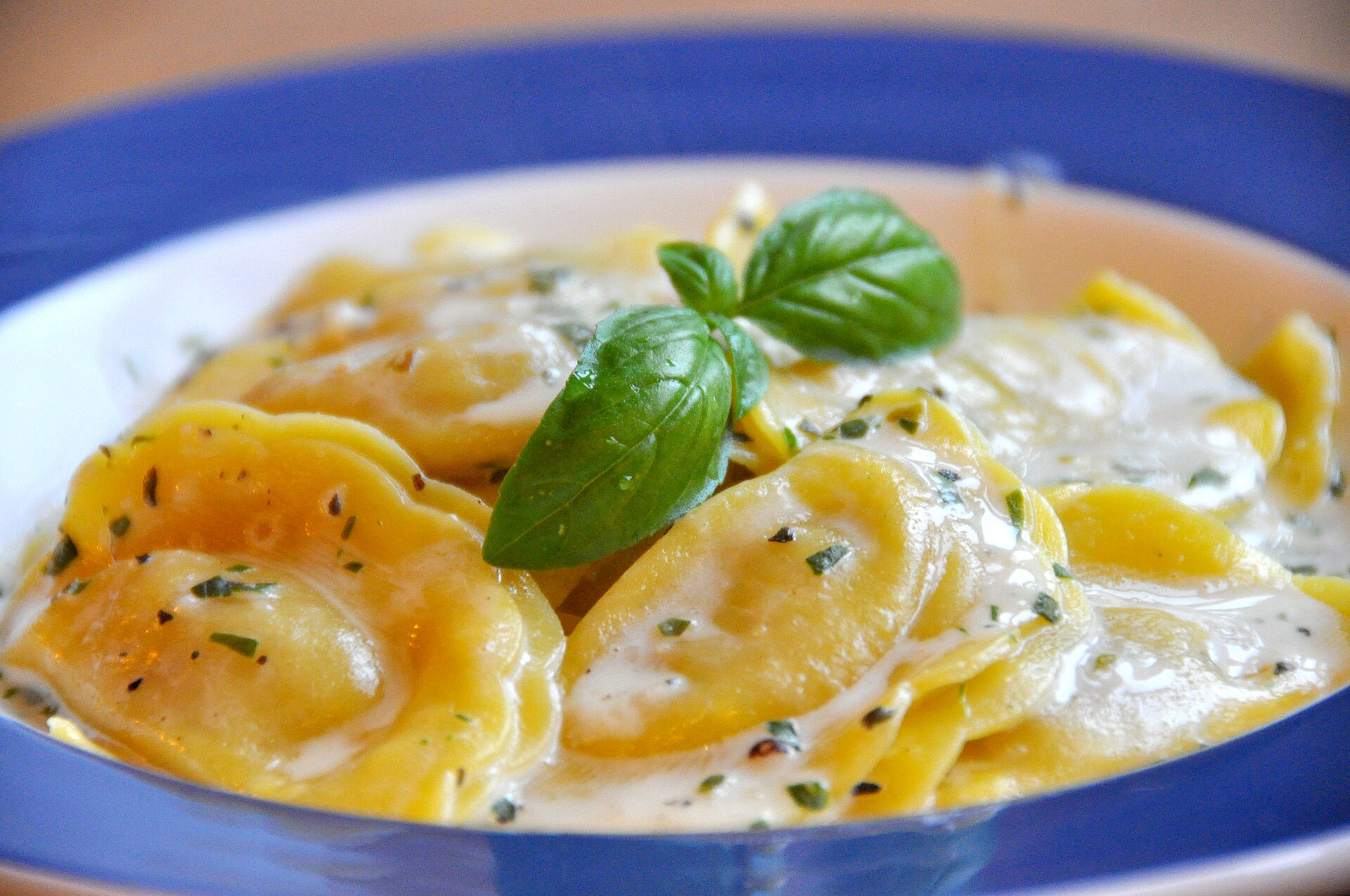
Pasta squares sealed around cheese, meat, or vegetable fillings, dressed simply so the filling can speak. Restraint is the principle.
Regional versions vary enormously, from spinach and ricotta to pumpkin with amaretti in the north, and the sauce is usually little more than butter and sage. Thin pasta matters. Ravioli are the dumplings that Italy refined into an art of proportion.
5. Empanada — Latin America and Spain
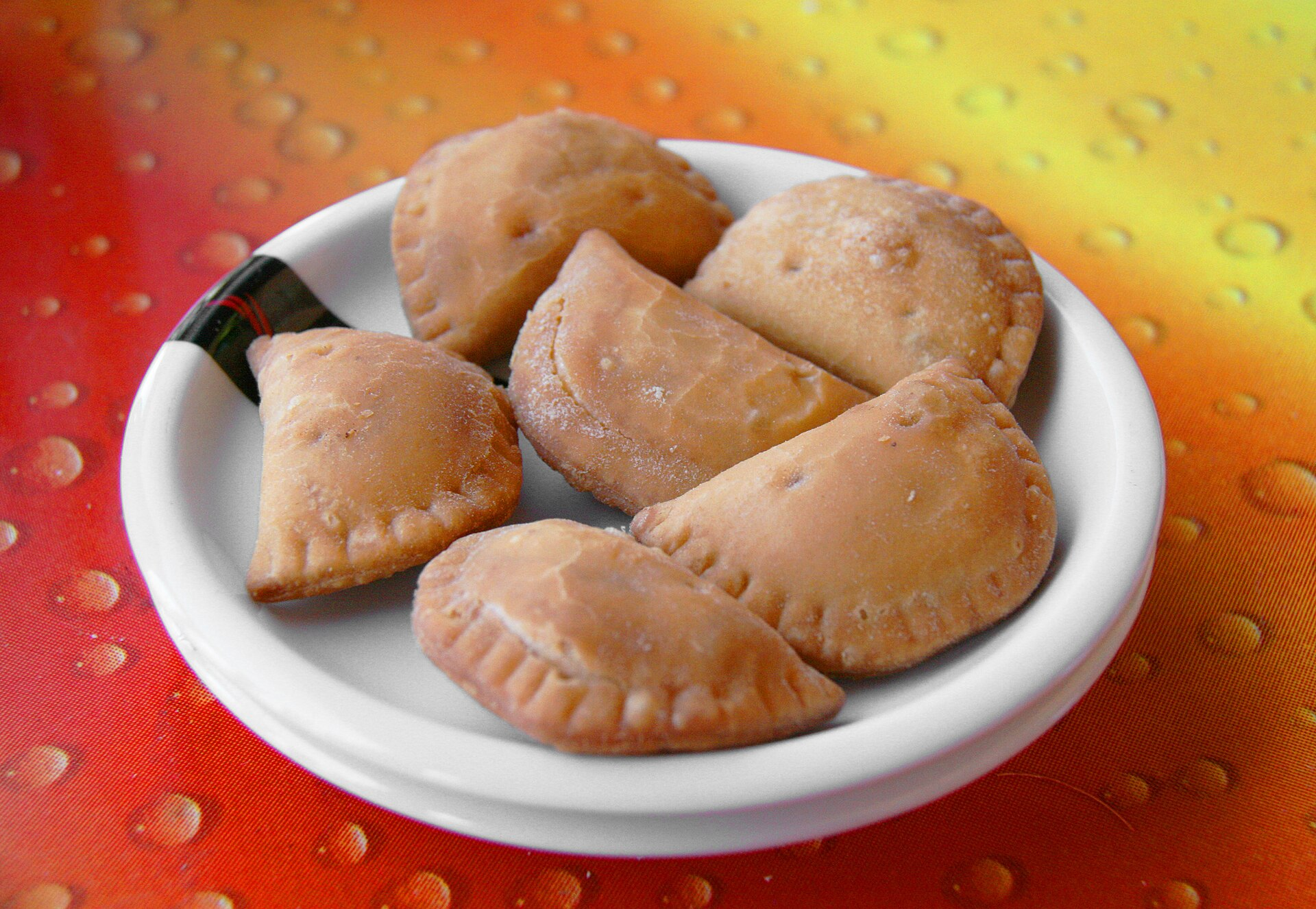
Pastry turnovers baked or fried around savory fillings, with recipes differing sharply by country and region. The crimped edge is a signature.
Argentine versions often hold spiced beef with olive and egg; Chilean ones run larger; Colombian versions frequently use a corn dough. Every country claims the best. Empanadas are the dumplings that traveled furthest and adapted most.
6. Khinkali — Georgia
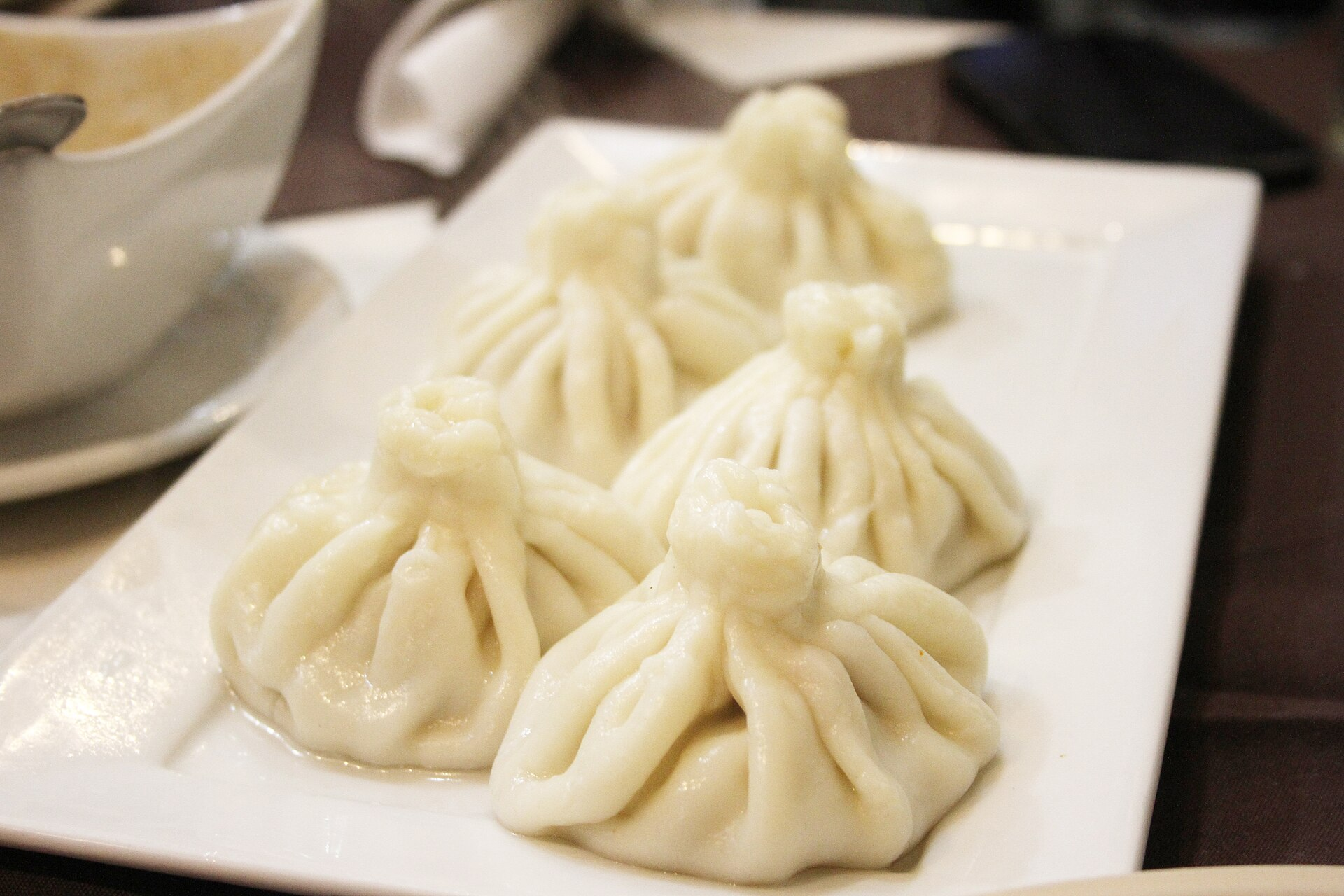
Large, twisted-top dumplings filled with spiced meat and broth, eaten by hand. The knot at the top is a handle, not a snack.
You hold the twist, bite carefully, drink the broth, then eat the rest and leave the doughy top behind. Tradition says you count them. Khinkali are the dumplings with their own etiquette and a built-in way to keep score.
7. Gyoza — Japan
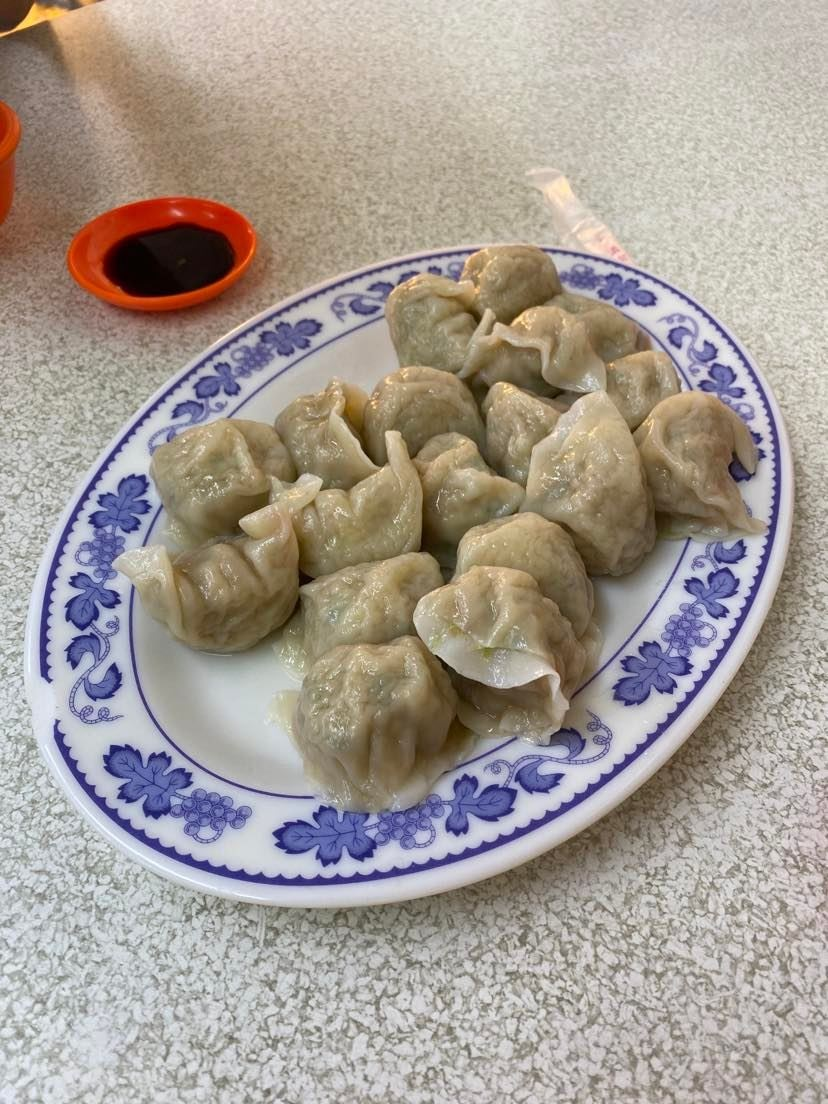
Thin-skinned crescents, usually pork and cabbage, pan-fried on one side then steamed so they finish crisp underneath and tender above. The texture contrast is the point.
Adapted from Chinese jiaozi, gyoza developed a thinner wrapper and a heavier garlic note. The lacy crisp base is prized. Gyoza are the dumplings that made a cooking technique into the whole appeal.
8. Manti — Turkey and Central Asia
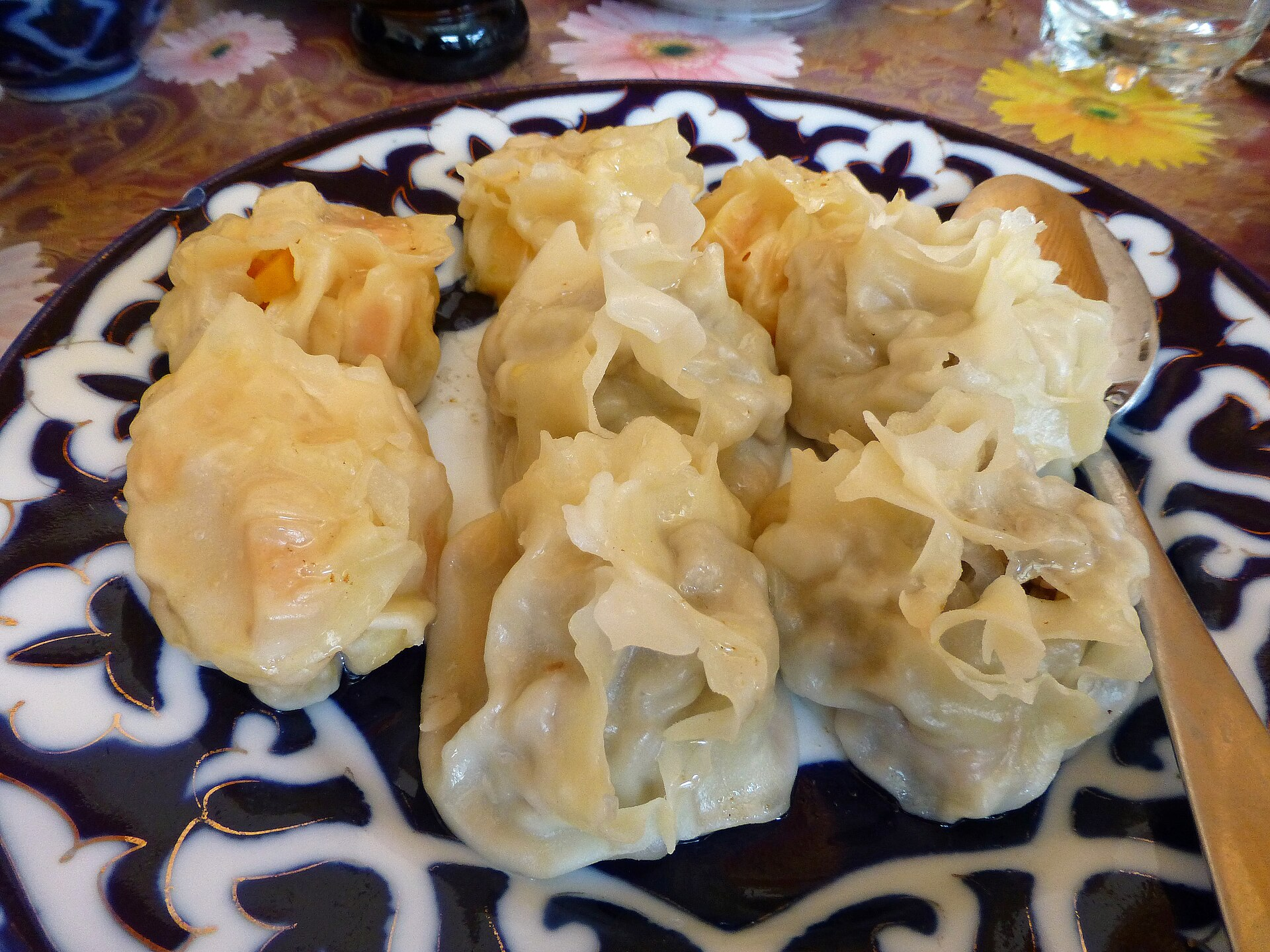
Tiny meat-filled parcels served under garlicky yogurt with melted butter and often sumac or dried mint. The sauce carries the dish.
Turkish versions are famously small, sometimes made so tiny that dozens fit on a spoon, which is a point of pride among cooks. Assembly takes hours. Manti are the dumplings that reward patience with something unlike anything else.
9. Samosa — India and Beyond
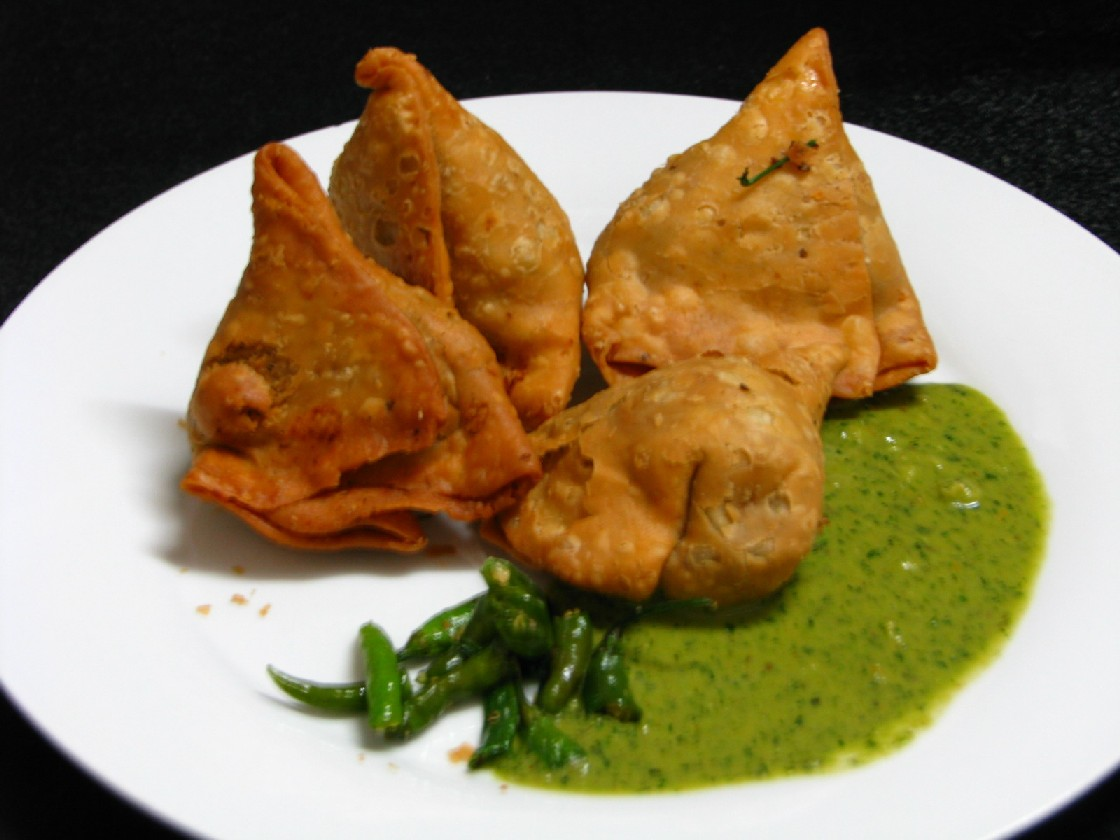
Fried pastry triangles filled with spiced potato and peas, or minced meat, eaten with chutney. Their reach is enormous.
Versions appear across South Asia, the Middle East, and East Africa, with the pastry and spicing shifting at every stop. They are excellent at room temperature. Samosas are the dumplings most likely to be found in a paper bag on a street corner somewhere.
10. Pelmeni — Russia and Siberia
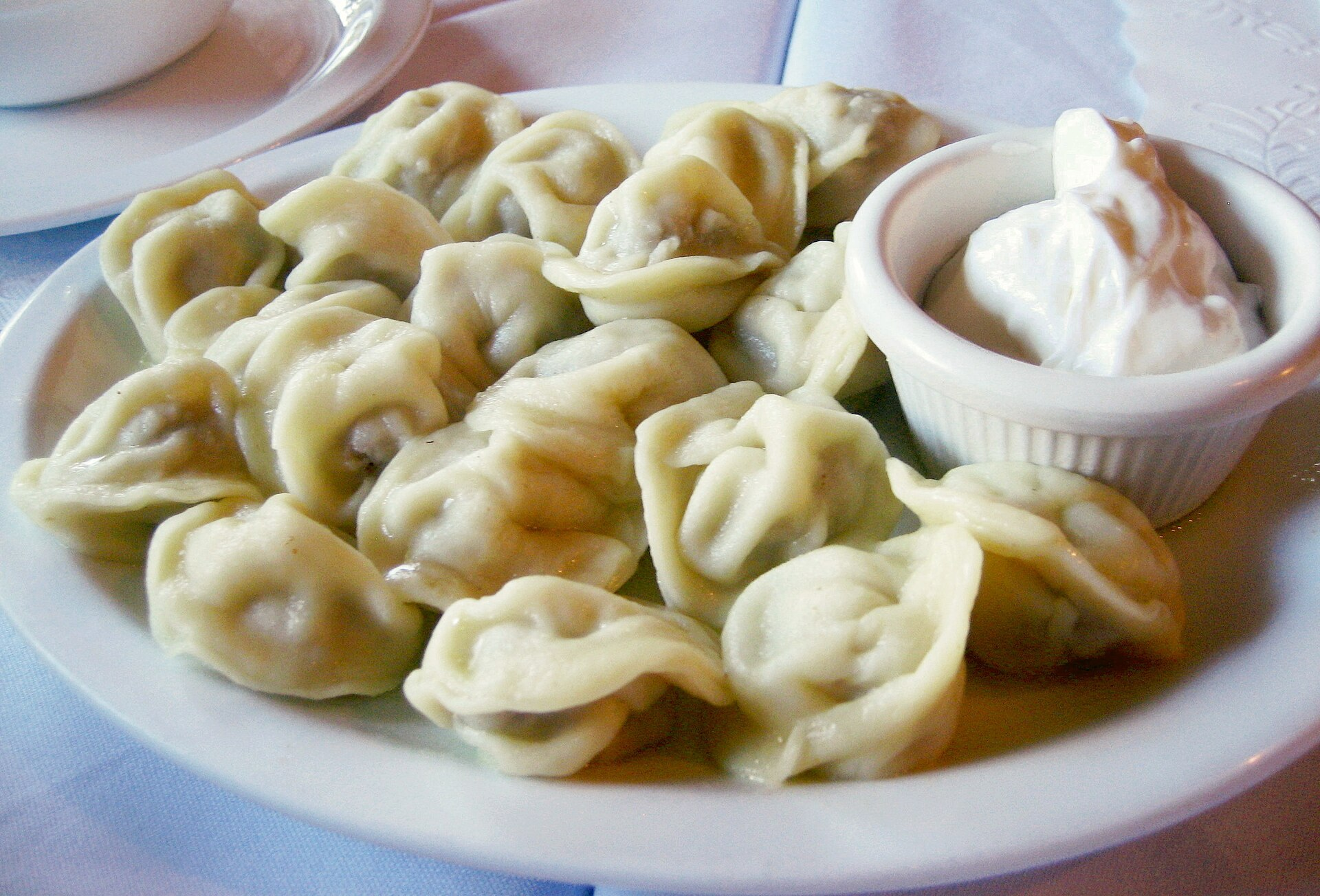
Small, round, meat-filled dumplings boiled and served with sour cream, butter, or vinegar. Cold weather is the context.
They were historically made in large batches and frozen outdoors, which made them ideal winter food long before freezers existed. The wrappers are thin. Pelmeni are the dumplings engineered for a long winter.
11. Har Gow — China
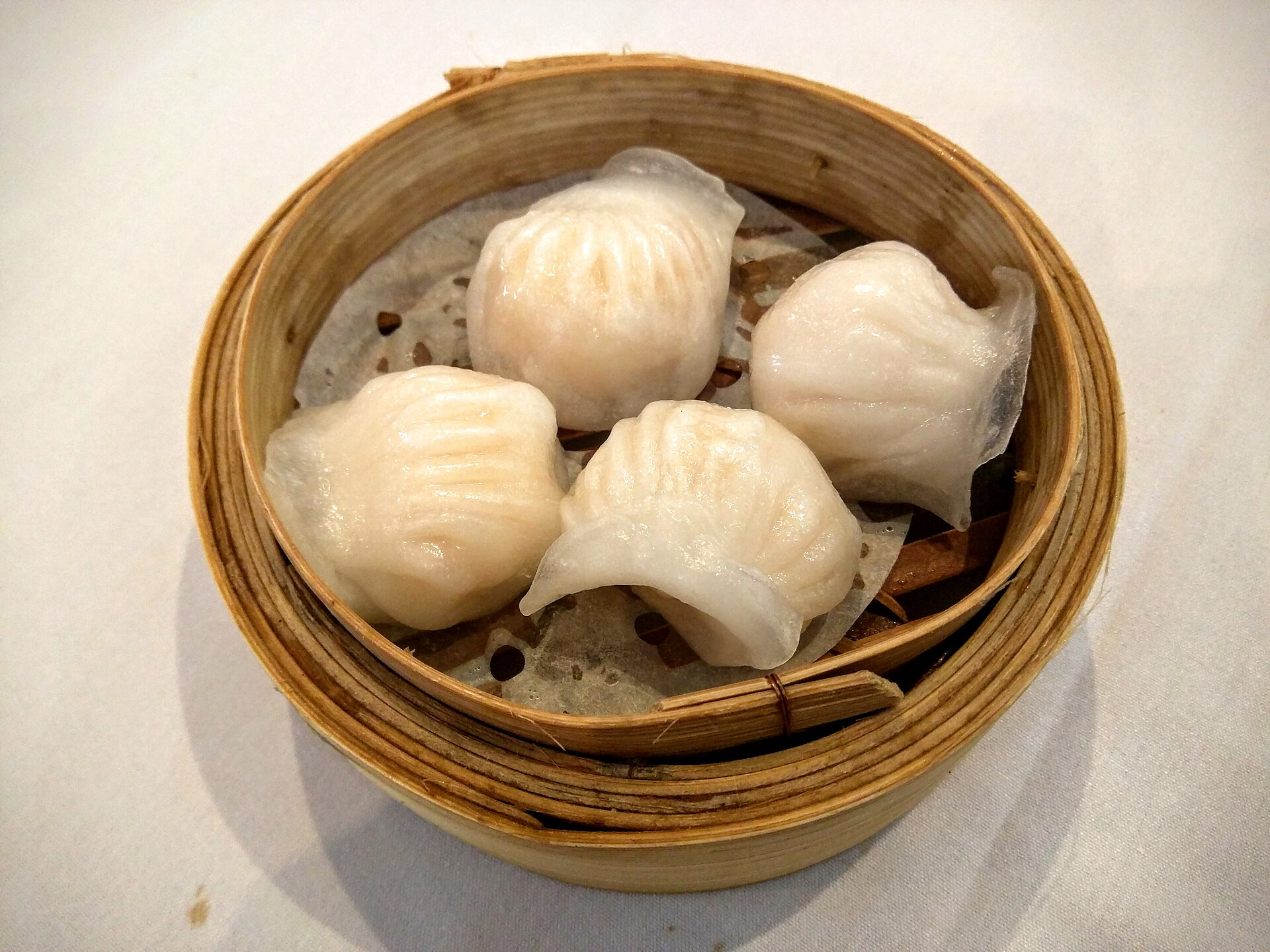
Translucent shrimp dumplings with a pleated wrapper made from wheat starch, a fixture of dim sum. The skin is the test of a kitchen.
Done properly, the wrapper is thin enough to show the pink shrimp through it, holds together when lifted, and has a slight chew. It is notoriously hard. Har gow are the dumplings by which serious dim sum kitchens are judged.
12. Fufu-Style Dumplings — West Africa
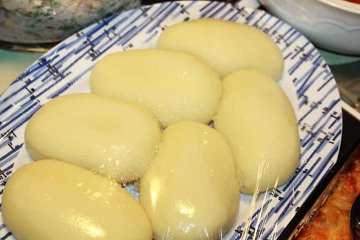
Various West African cuisines serve soft dough dumplings alongside stews and soups, made from ingredients such as cassava, plantain, or grains. They are the vehicle, not the star.
Torn by hand and used to scoop, they carry the sauce and provide substance, which is a different job from a filled dumpling entirely. Texture is everything. These are the dumplings built to be eaten with your hands.
14. Kreplach — Jewish Cuisine
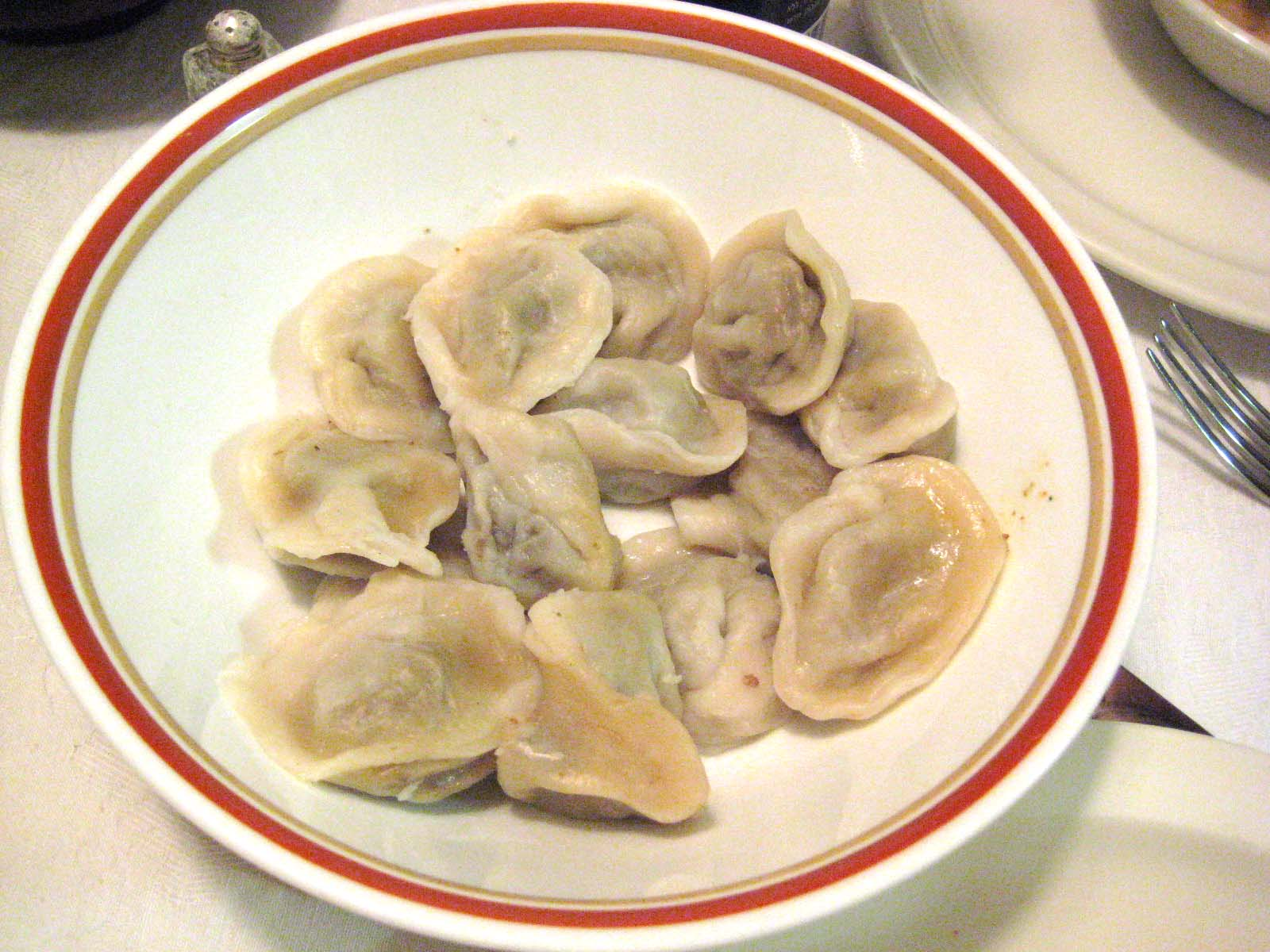
Small filled dumplings, often with meat or potato, traditionally served in broth. They appear at particular points in the calendar.
Comparable to other Eastern European filled dumplings but with their own customs attached, they are folded into triangles or squares depending on tradition. Homemade is standard. Kreplach are the dumplings tied most closely to a calendar of occasions.
15. Modak — India
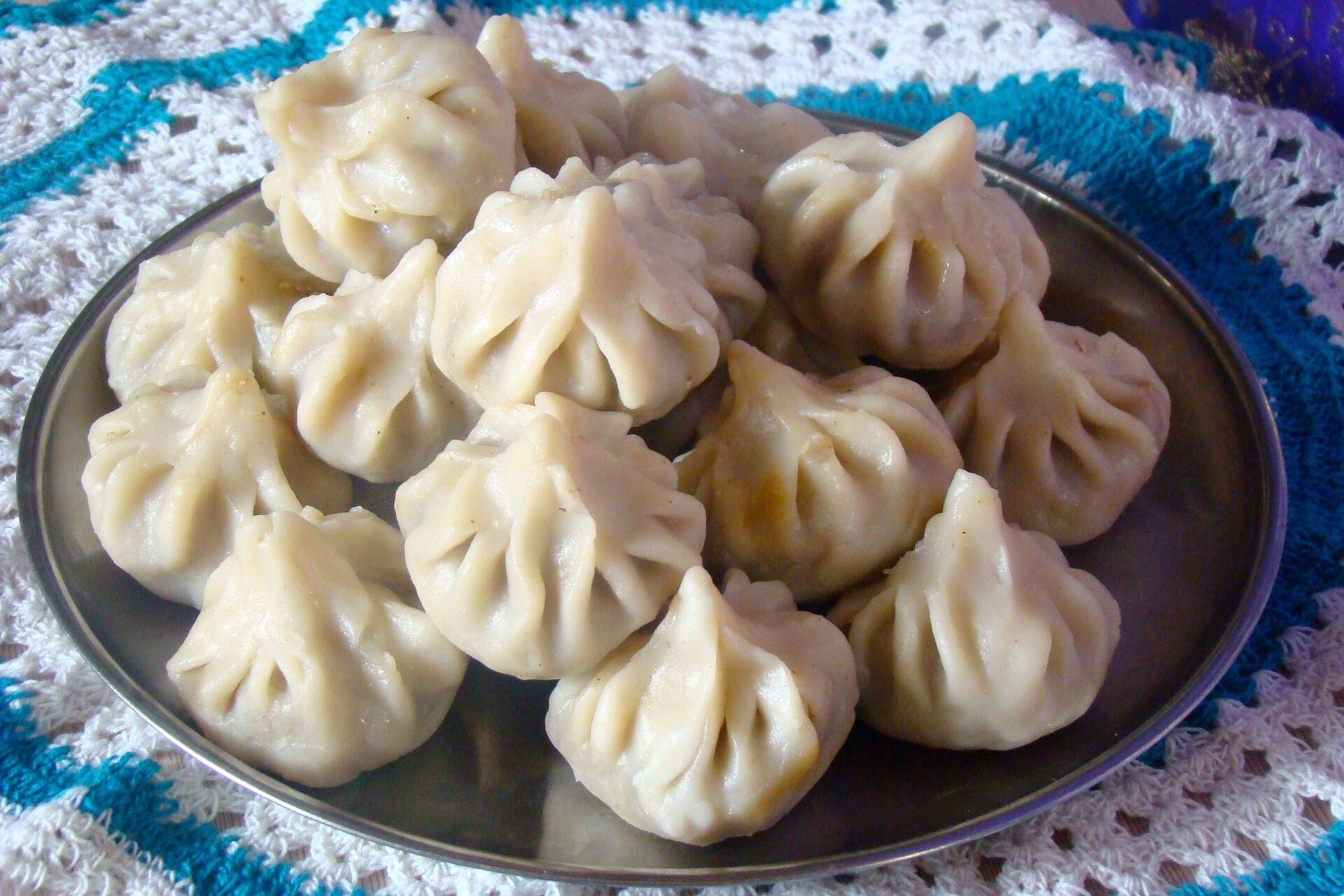
Sweet dumplings filled with coconut and jaggery, steamed or fried, associated particularly with festival offerings. They are pleated into a distinctive peak.
The sweet filling and delicate rice-flour shell make them unlike most savory dumplings, and shaping them well takes practice. They are made in large batches. Modak are the dumplings that show the form works just as well for sweets.
16. Bao — China
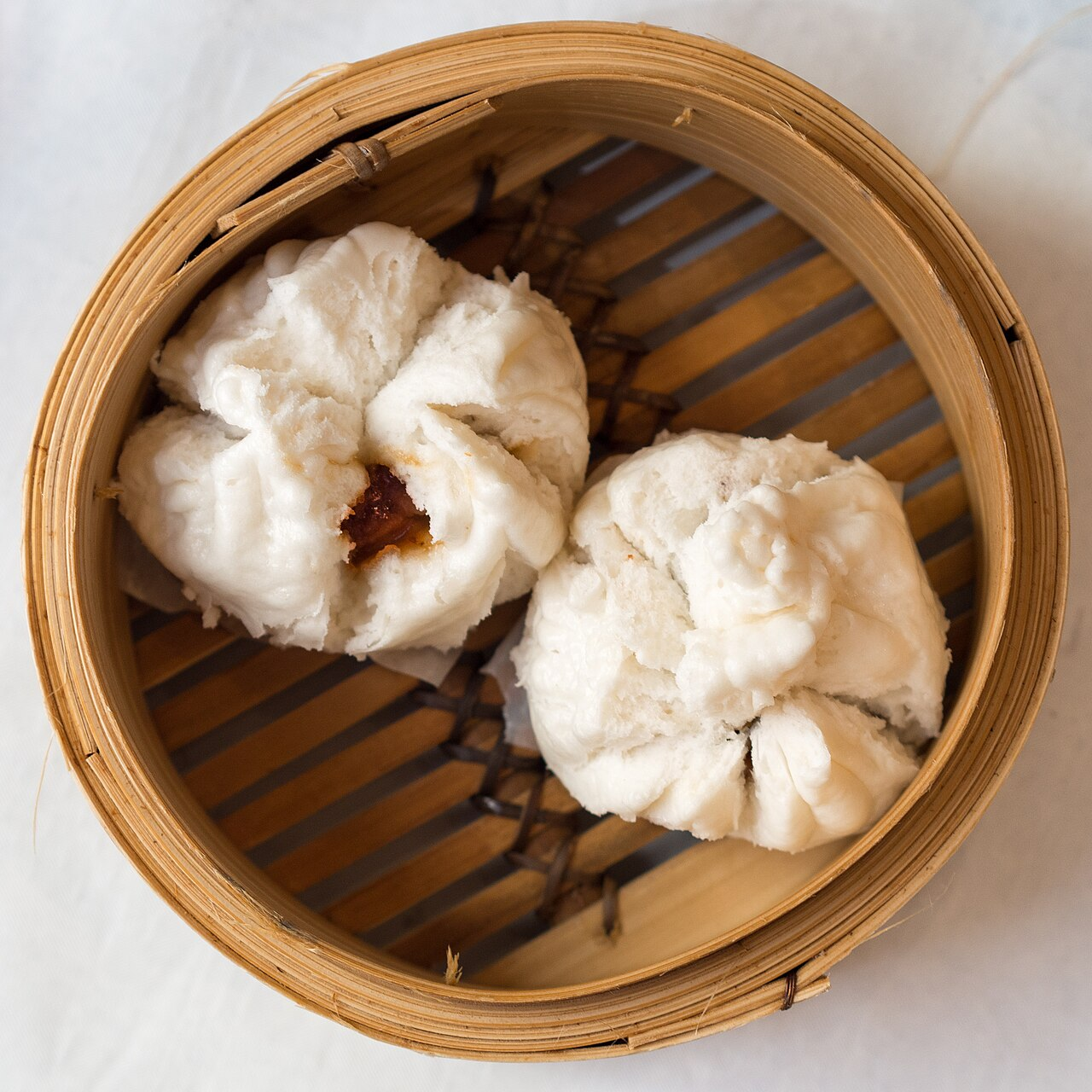
Soft, fluffy steamed buns wrapped around fillings from barbecue pork to custard. The dough is leavened, which changes everything.
Where most dumplings use unleavened wrappers, bao are pillowy and substantial, closer to bread than pasta, and just as at home at breakfast as at dinner. They reheat well. Bao are the dumplings that took the concept in a completely different direction.
One Idea, Everywhere
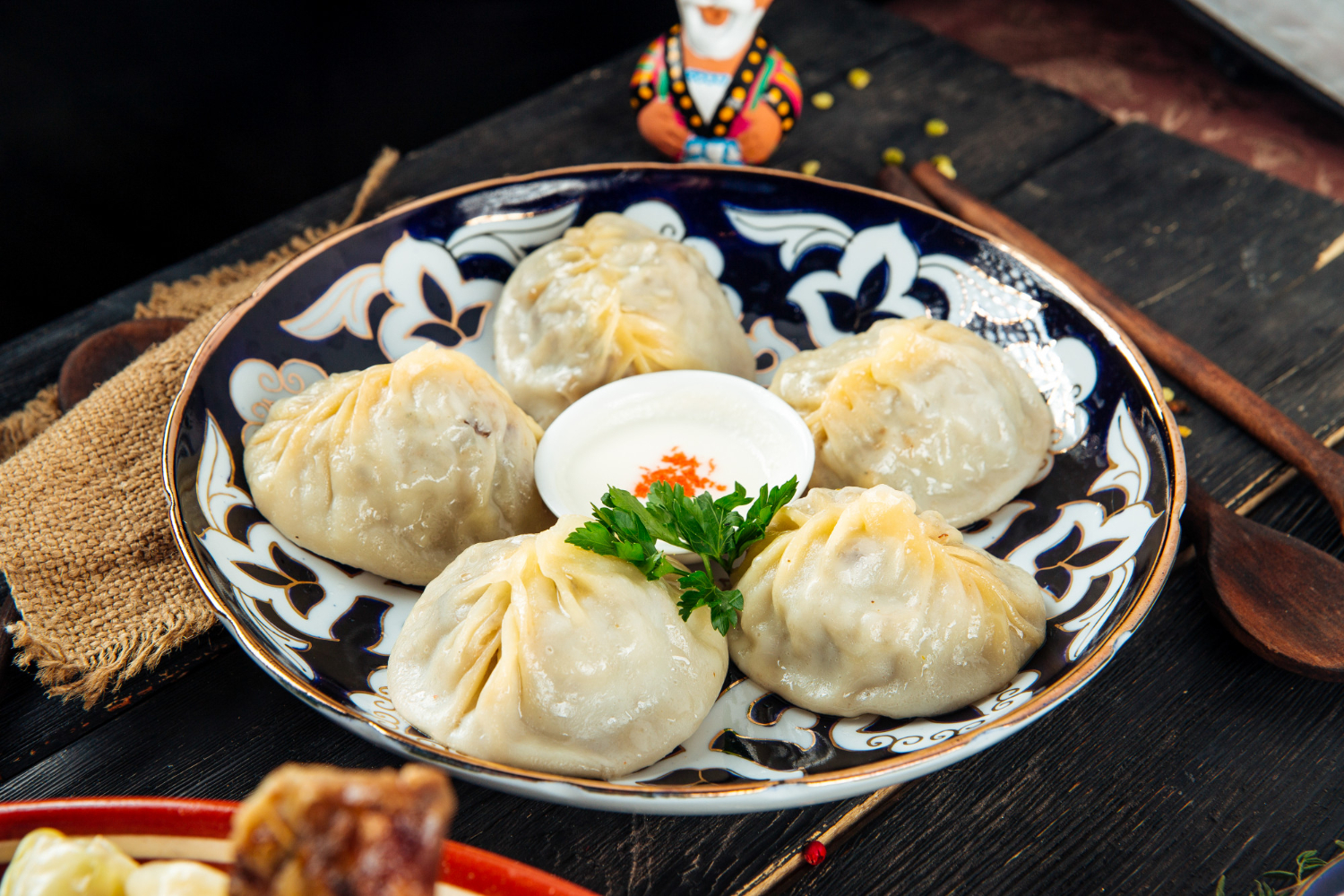
What links these is not a shared origin but a shared solution. Dough plus filling stretches scarce ingredients, seals in flavor, and survives a journey, which is why cooks who never met each other arrived at the same answer.
Most of these are within reach of a home cook, and the folding is far more forgiving than it looks. Pick whichever sounds least like something you have made before and start there. Half the world’s kitchens have been working on this problem for centuries, and they have left excellent instructions.
Like our content? Follow us for more.