
No word is truly untranslatable — you can always explain it in a sentence. What these words offer is compression: a single term for something English needs a paragraph to describe. Here are fourteen of the most useful.
1. Waldeinsamkeit — German
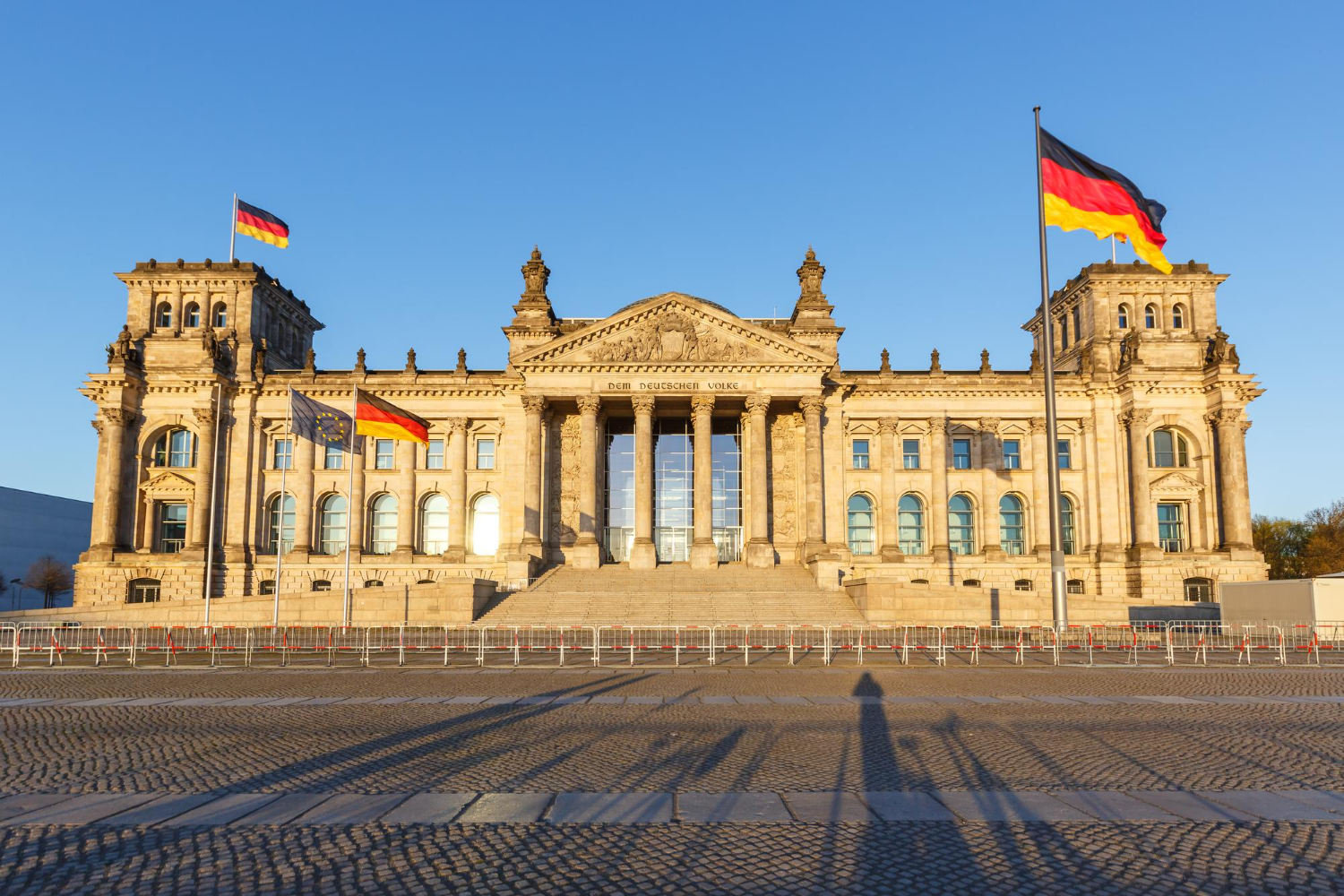
Roughly, the feeling of being alone in a forest, and the particular contentment that goes with it. It compounds the words for forest and solitude.
The point is not simply that you are in woods by yourself; it is the specific quality of that solitude, which is restorative rather than lonely. German assembles words like this readily. Waldeinsamkeit is the word English needs for a feeling most people have had and cannot name.
Like our content? Follow us for more.
2. Hygge — Danish
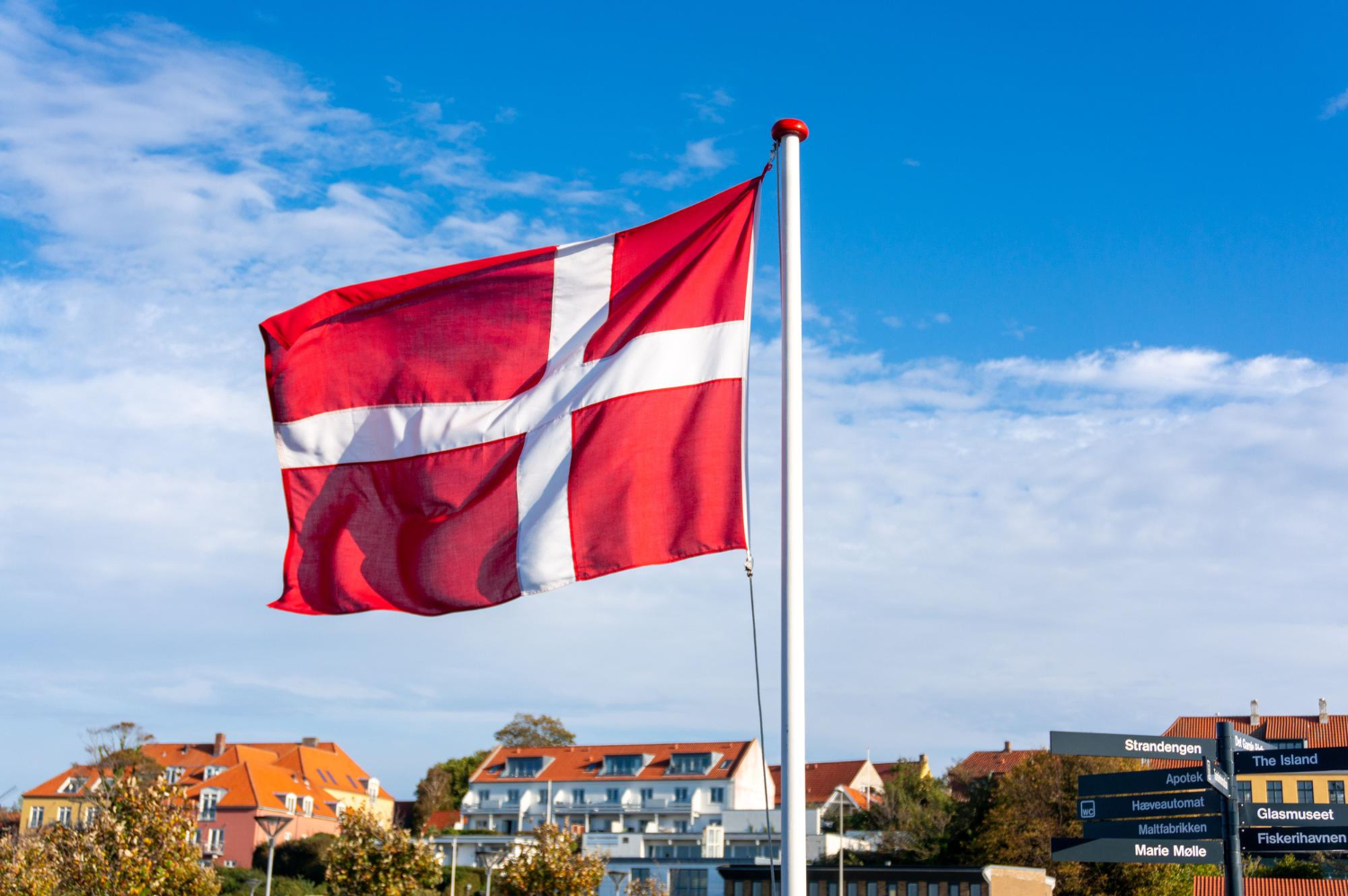
Widely borrowed already, and usually flattened into candles and blankets. The actual sense is closer to a quality of cosy contentment produced by company, warmth and low stakes.
It describes an atmosphere rather than an object, which is why it resists the lifestyle-product treatment it has received abroad. Hygge is the word English borrowed and immediately misunderstood.
3. Sobremesa — Spanish
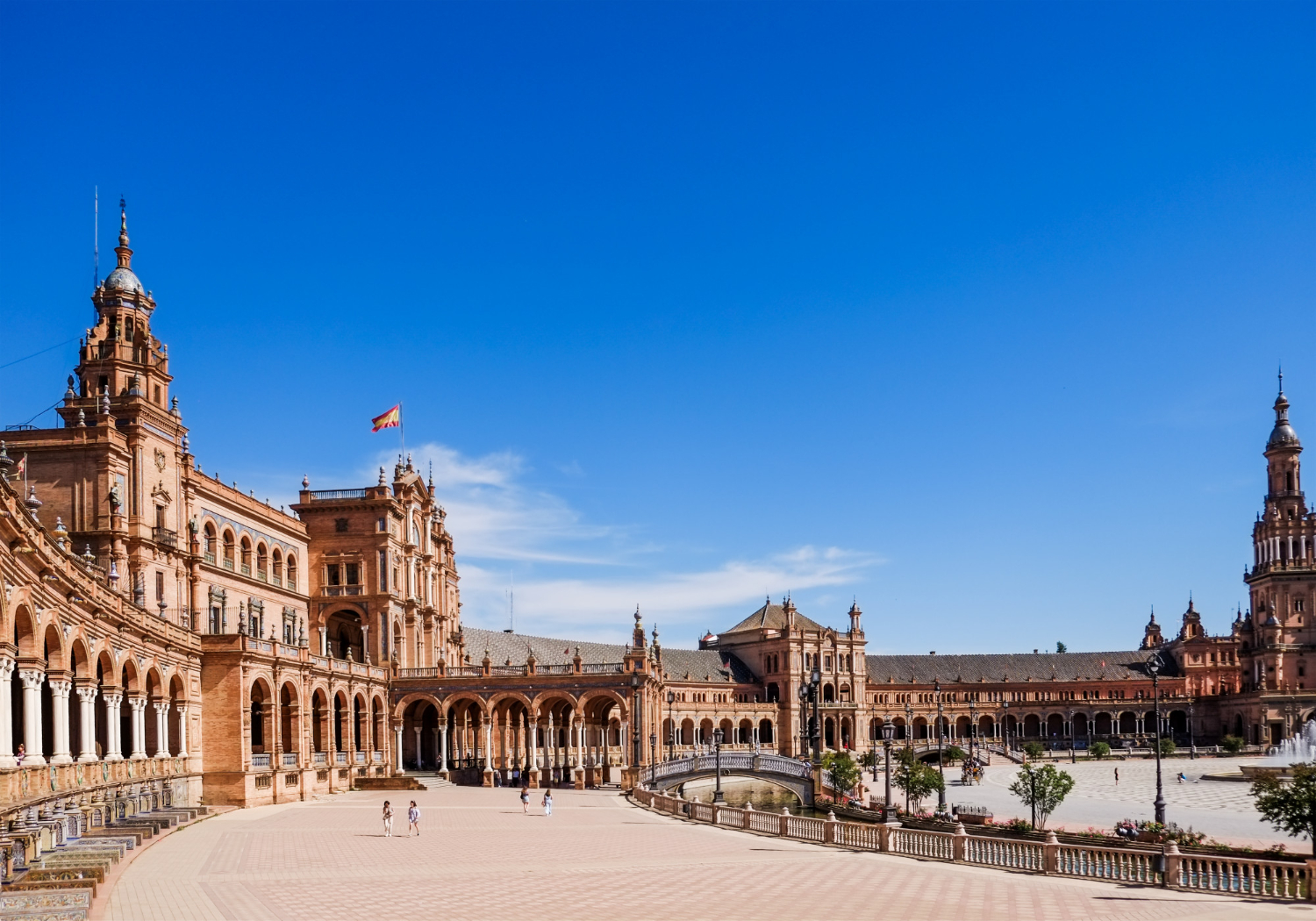
The time spent at the table after the meal has finished, talking, when nobody is eating and nobody is leaving. It is a distinct social period with its own name.
English has no term for it, which is arguably why English-speaking cultures are worse at doing it. The food is over; the meal is not. Sobremesa is the word for the part of dinner that English does not acknowledge exists.
4. Ubuntu — Nguni Bantu languages

Often rendered as the idea that a person is a person through other people — a conception of humanity as something realised in relationship rather than in isolation.
It is a substantial philosophical concept rather than a mood word, and the short glosses inevitably lose a great deal of it. Ubuntu is the word on this list carrying the most philosophy per syllable.
5. Komorebi — Japanese
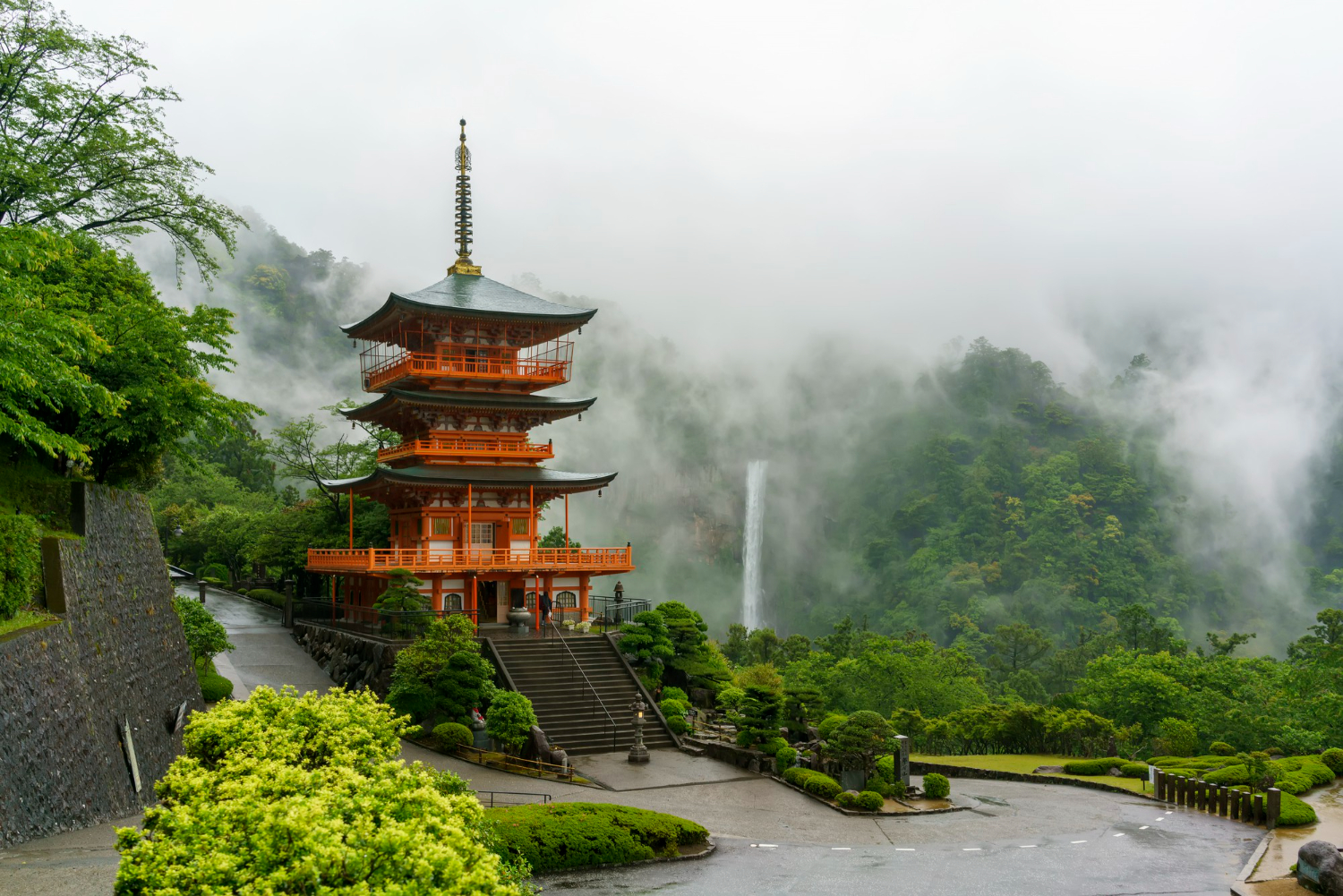
The light that filters through leaves — dappled sunlight falling through a canopy, including the shifting patterns it makes on the ground.
It names something everyone has looked at and nobody in English has a word for, which is a fairly good test of a useful term. Komorebi is the word for the thing you photograph badly every summer.
6. Saudade — Portuguese
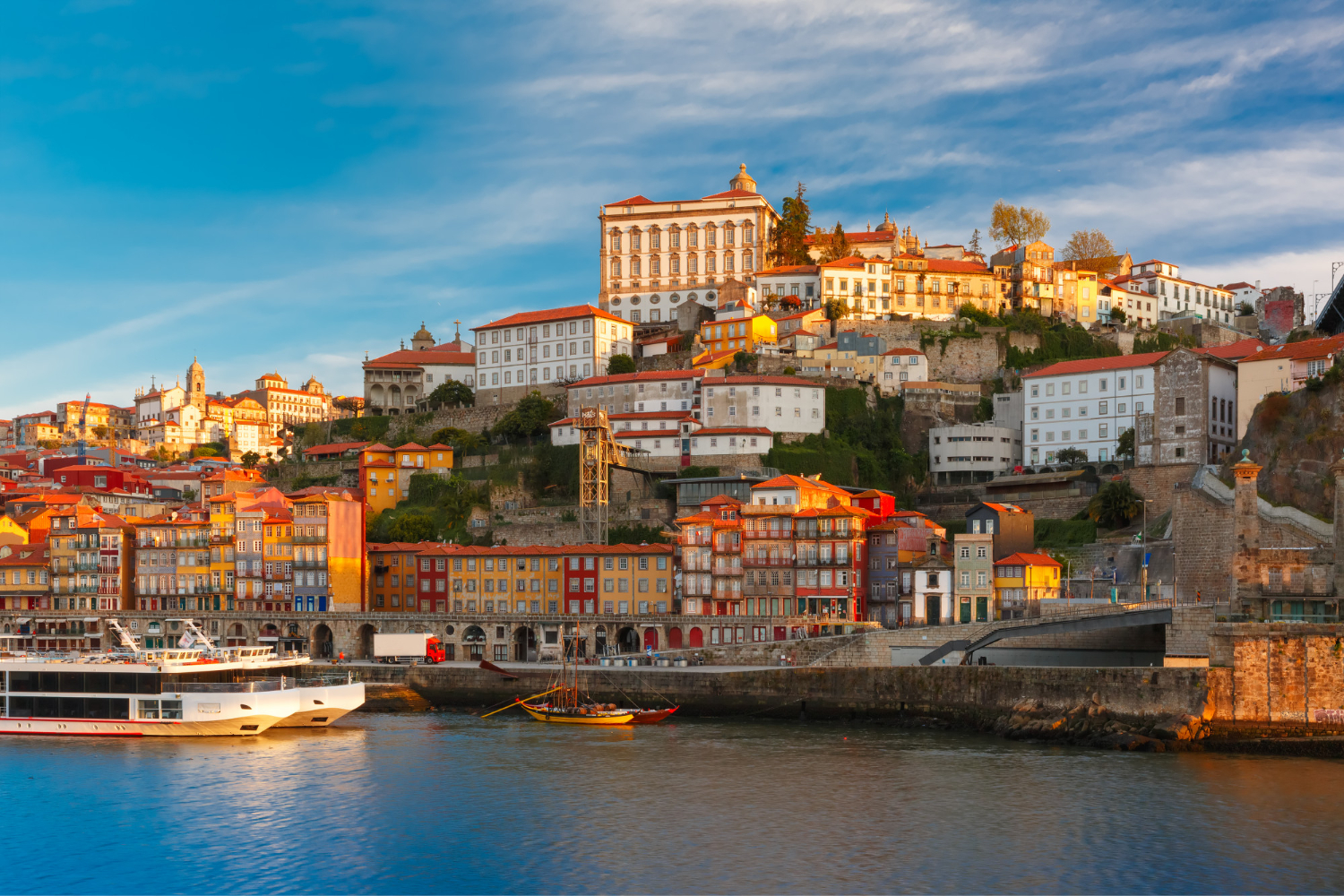
A longing for something or someone absent, carrying both the sadness of the absence and a certain pleasure in the memory. It can be directed at people, places or times.
It is central to Portuguese and Brazilian cultural expression, particularly in music, and translations into nostalgia or longing lose the doubled quality. Saudade is the word that makes missing something into its own emotion.
7. Gezelligheid — Dutch
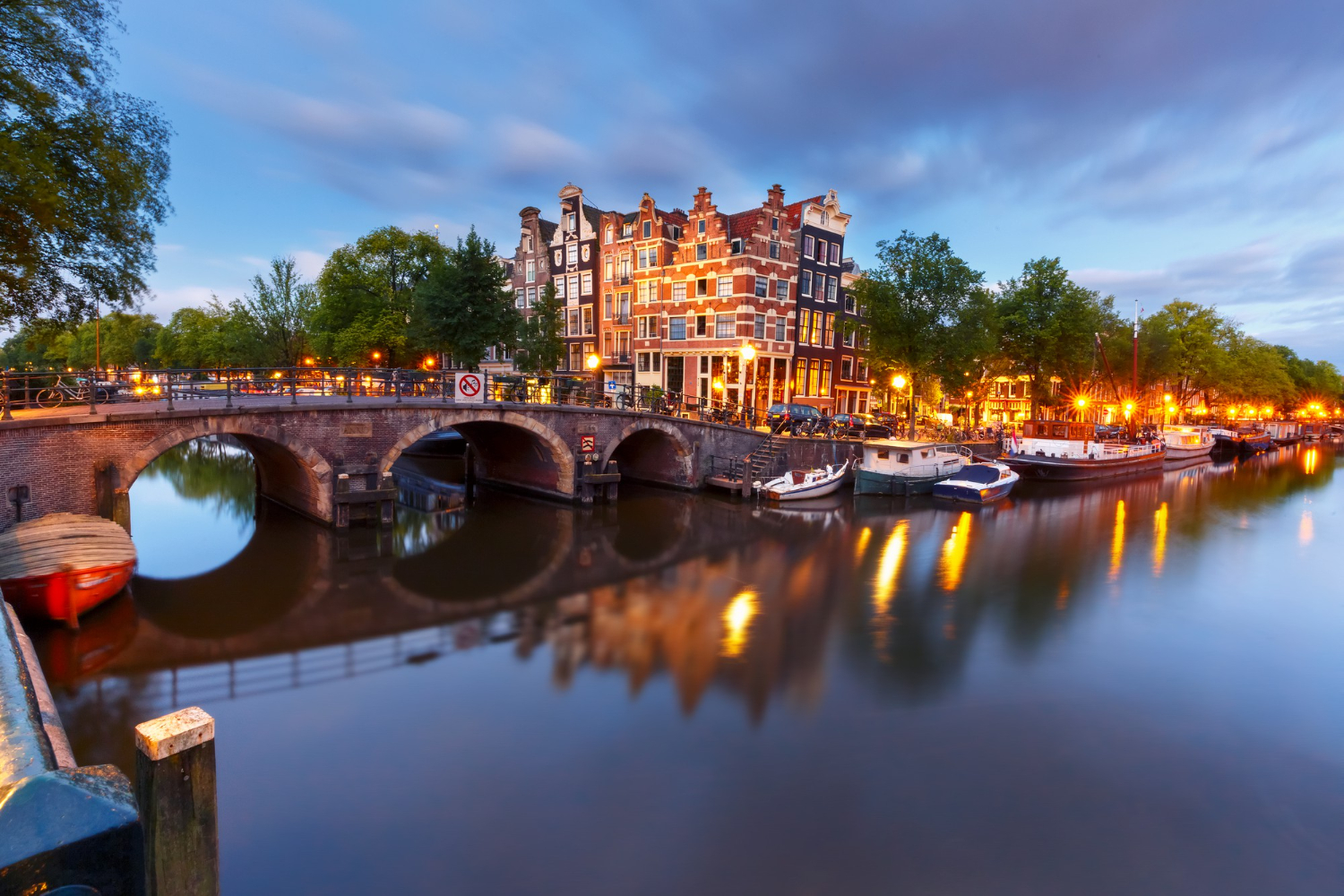
Related to hygge but broader: a warmth and conviviality that can apply to a room, an evening, a group of people or a general atmosphere.
The Dutch use it constantly and consider it fairly untranslatable, which is usually a sign that a concept is doing real work in a culture. Gezelligheid is the word for an atmosphere English can only describe by listing its ingredients.
8. Schadenfreude — German
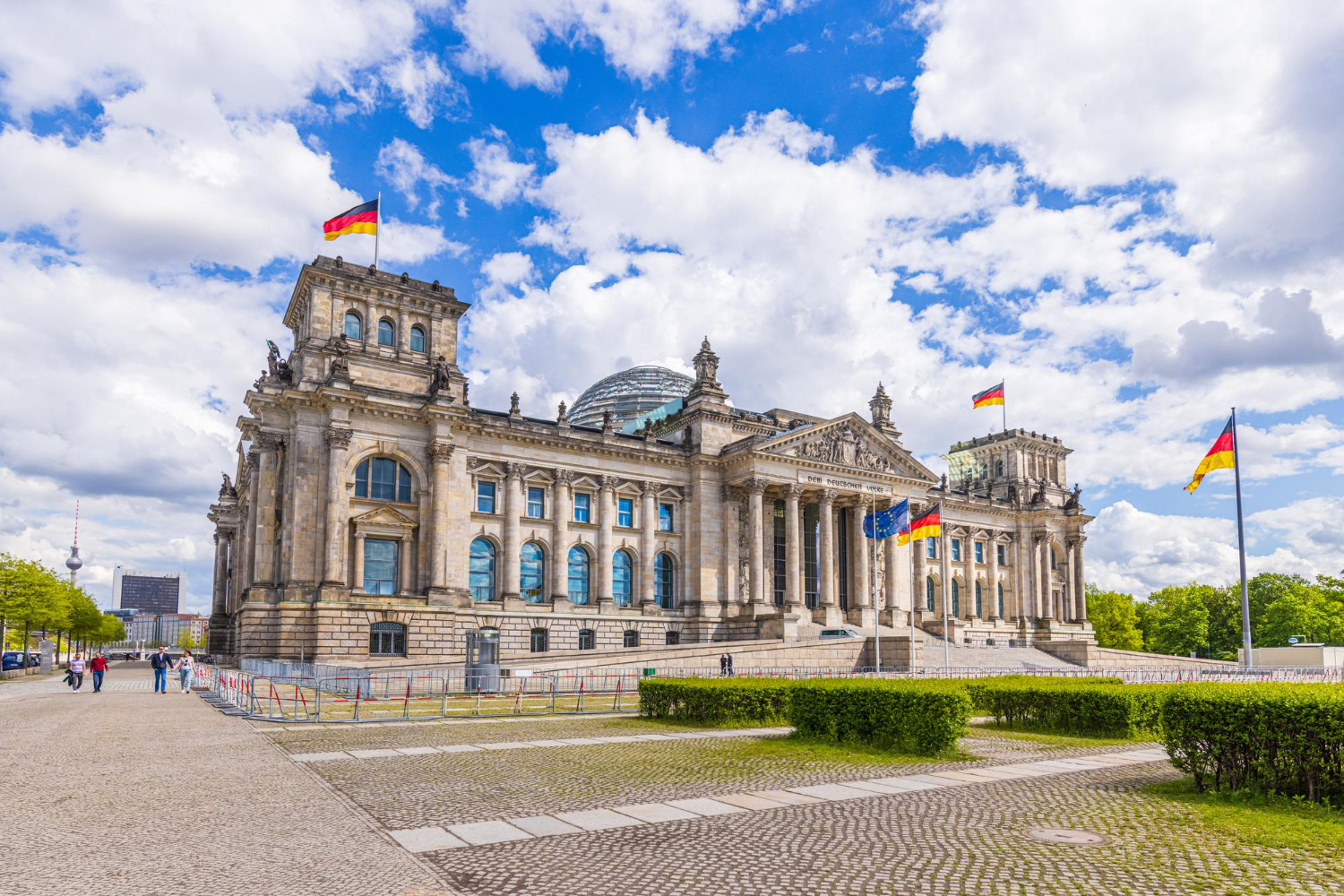
Pleasure derived from another’s misfortune. English borrowed it wholesale because English needed it and had nothing.
It is the clearest proof of the general principle: when a gap is obvious enough, the borrowing happens without anyone deciding. Schadenfreude is the word English already took because the gap was too useful to leave.
9. Tsundoku — Japanese
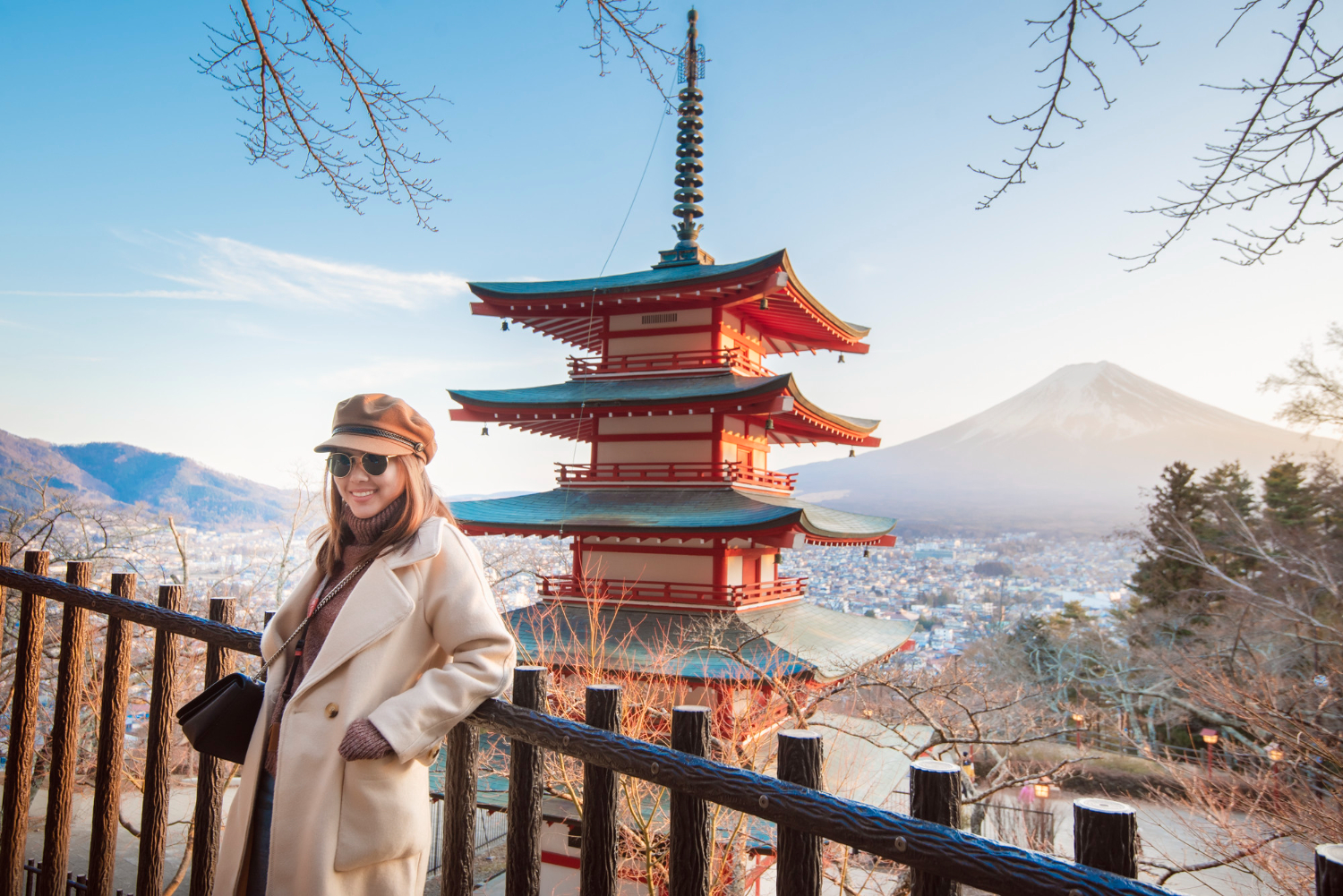
Acquiring books and letting them pile up unread. It combines the sense of piling things up with reading.
It is affectionate rather than critical, which is the important nuance — it names a habit rather than a failing. Anyone with a bedside stack understands immediately. Tsundoku is the word that describes a large proportion of everyone’s bookshelf.
10. Fika — Swedish
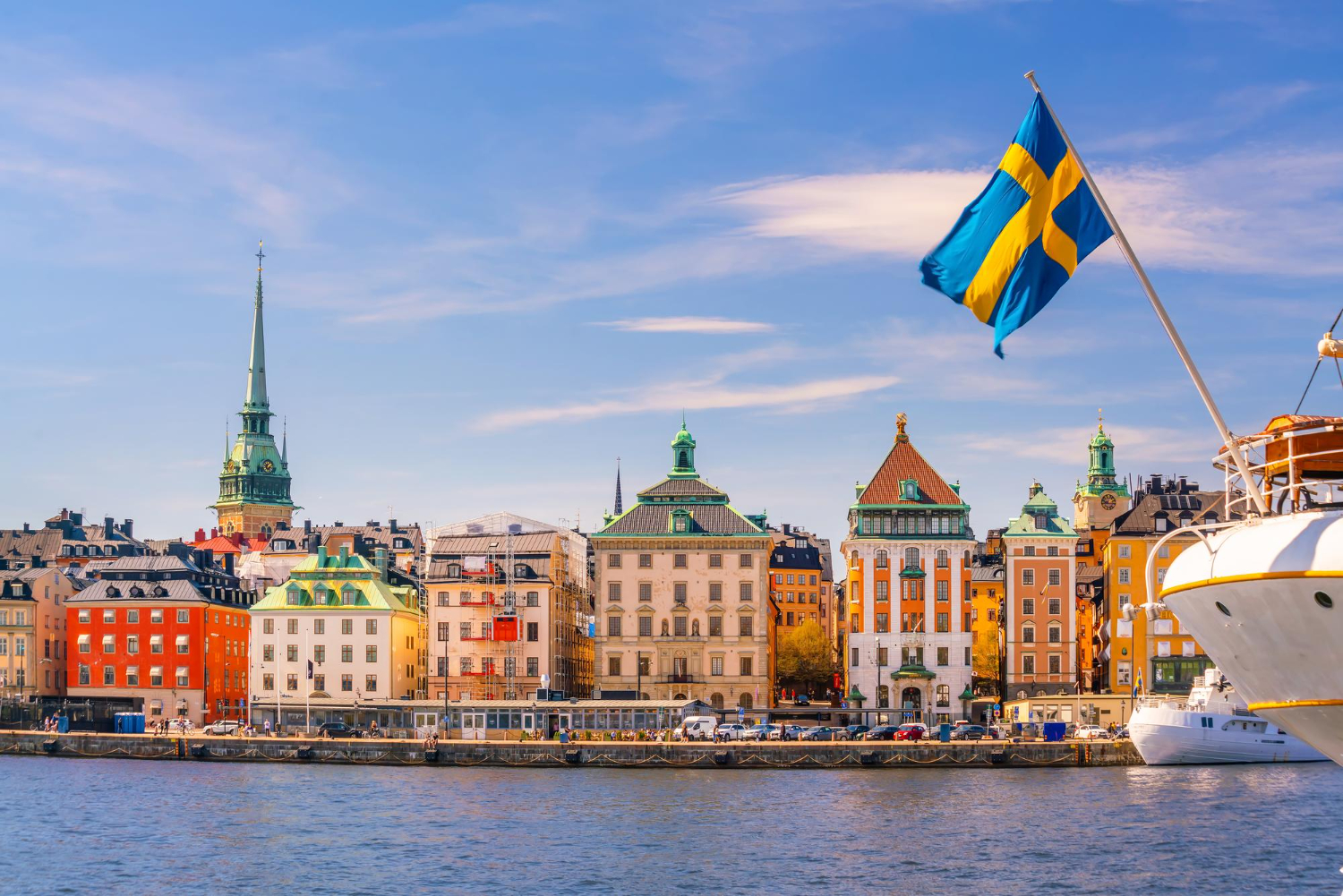
A coffee break taken seriously: a pause with coffee and usually something sweet, treated as a real social institution rather than a snatched moment.
In Swedish workplaces it is a scheduled and protected part of the day, which is the part English-speaking offices tend to miss when they borrow the word. Fika is the word for a break English treats as optional and Swedish treats as structural.
11. Utepils — Norwegian
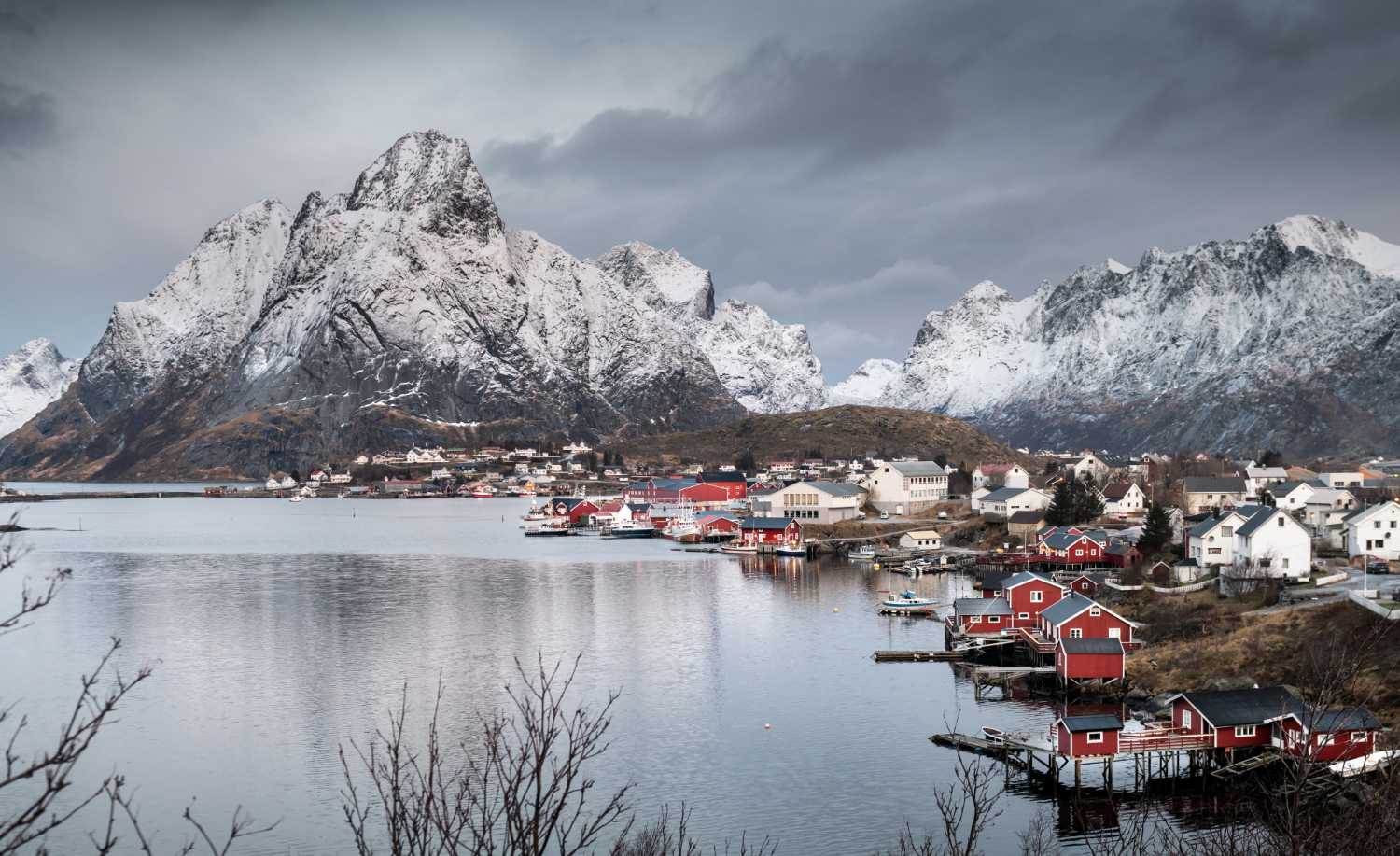
The first beer drunk outdoors on a sunny day, typically after a long winter. It names a specific annual moment rather than a drink.
The precision is the appeal: not any outdoor drink, but that one, with all the seasonal relief attached. Utepils is the word for a moment northern countries needed to name and southern ones never did.
12. Meraki — Greek

Doing something with soul, creativity and love — putting a part of yourself into the work, whether cooking, building or writing.
It describes the quality of attention brought to a task rather than the task or its result, which is a distinction English handles clumsily. Meraki is the word for the difference between doing something and doing it properly.
14. Iktsuarpok — Inuit languages

The feeling of anticipation that makes you keep going outside to check whether someone is arriving.
It is oddly specific and instantly recognisable to anyone who has waited for a guest, a delivery or a lift. The behaviour is universal; the word is not. Iktsuarpok is the word for something you have definitely done and never named.
15. Wabi-Sabi — Japanese
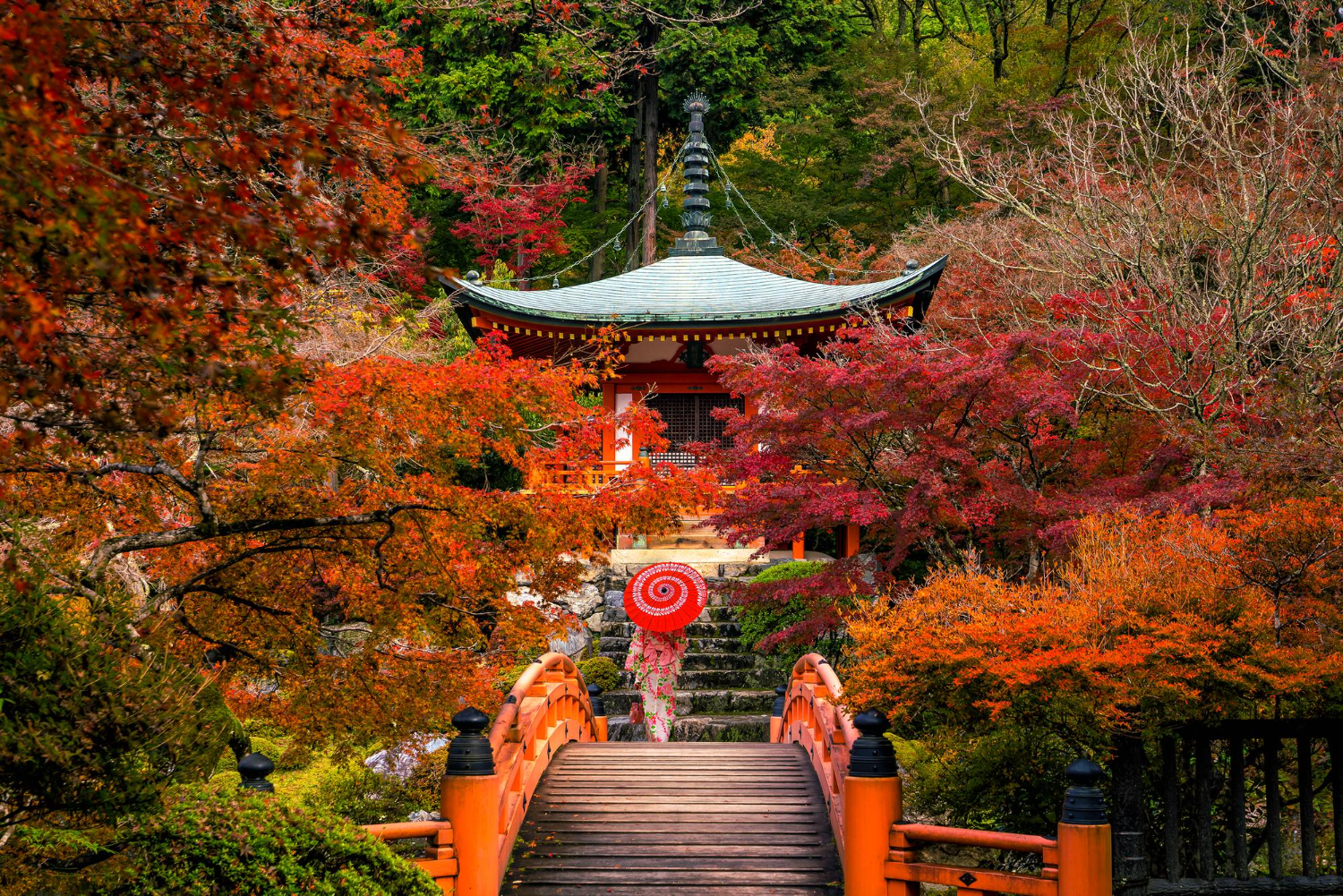
An aesthetic sensibility finding beauty in imperfection, impermanence and incompleteness — the cracked bowl, the weathered wood, the thing that shows its age.
It is a whole philosophy of appreciation rather than a style, and it sits almost opposite to conventional Western ideas of the flawless object. Wabi-sabi is the word for finding the chip in the cup to be the best part.
Words Are Built Where They Are Needed

The pattern across this list is that languages develop compact terms for whatever their speakers do, notice or feel often. Nordic languages have words for winter light and outdoor drinking; Japanese has several for kinds of light and attention.
None of these is truly impossible to translate — every one has been explained above in a couple of lines. What they offer is efficiency, and a small reminder that the things you have never had a word for are not necessarily things you have never felt.
Like our content? Follow us for more.