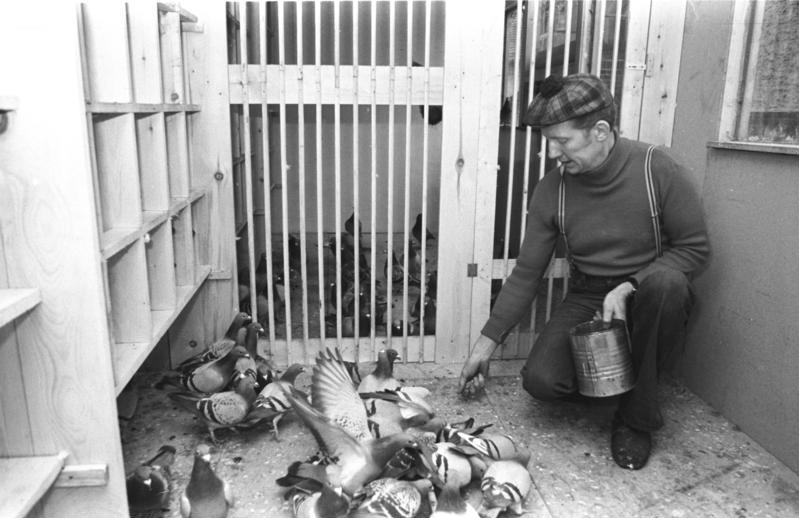
The competitor is driven hundreds of miles away and comes back on its own. Here are twelve.
1. It Was a Properly Organised Sport
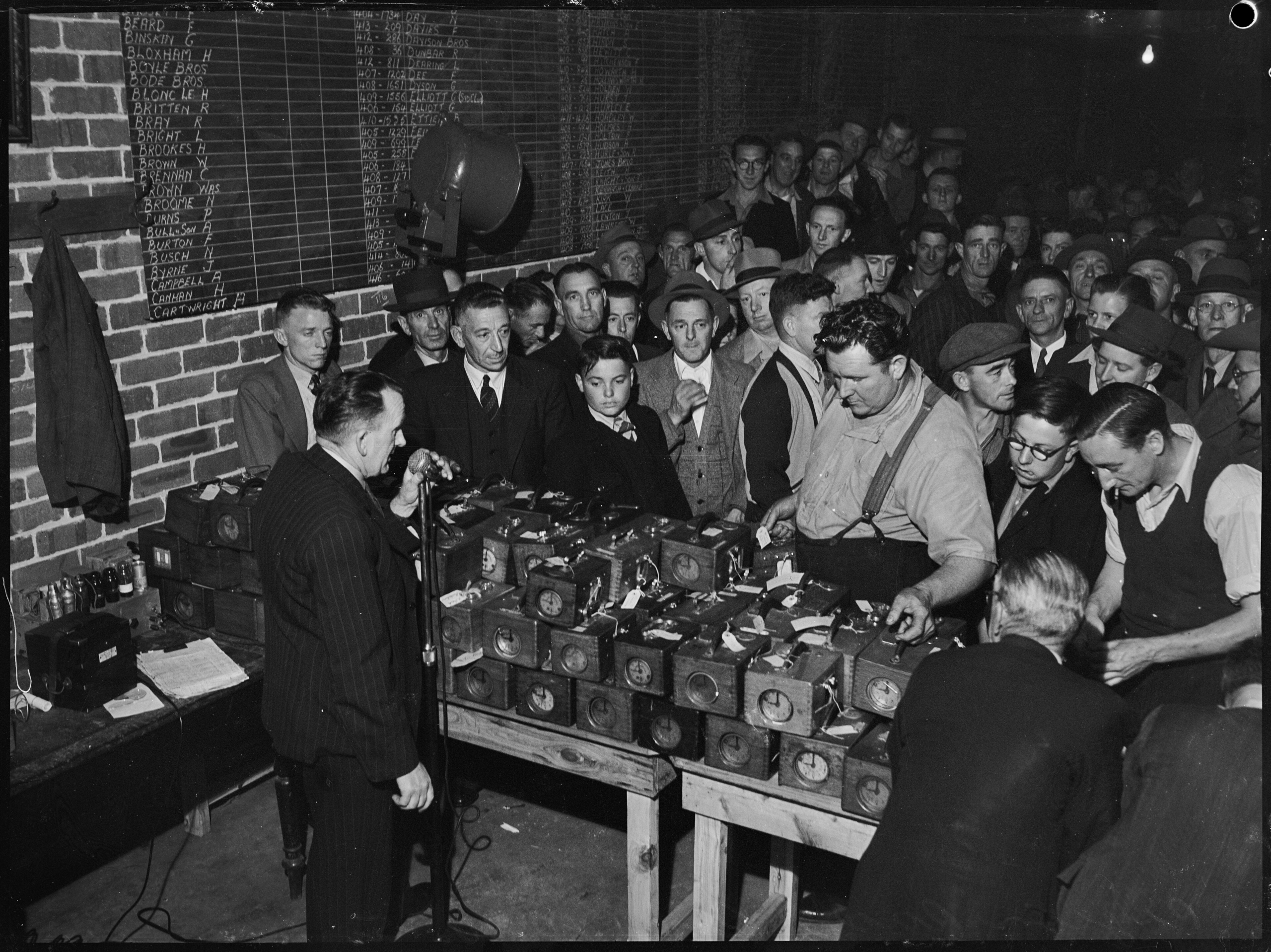
This was not a hobby of keeping birds. It was a competitive sport with clubs, affiliated federations, published results, rule books, officials, trophies and prize money, run to a fixed calendar every season.
Members paid subscriptions, entered specific races, were allocated ring numbers, and were subject to procedures for verifying results that were taken extremely seriously. In the industrial districts where it was strongest, the local club was as formal an institution as any sporting body, and the results in the back of the paper were read closely by a great many people.
Like our content? Follow us for more.
2. The Competitor Finds Its Own Way Home, and That Is the Whole Event
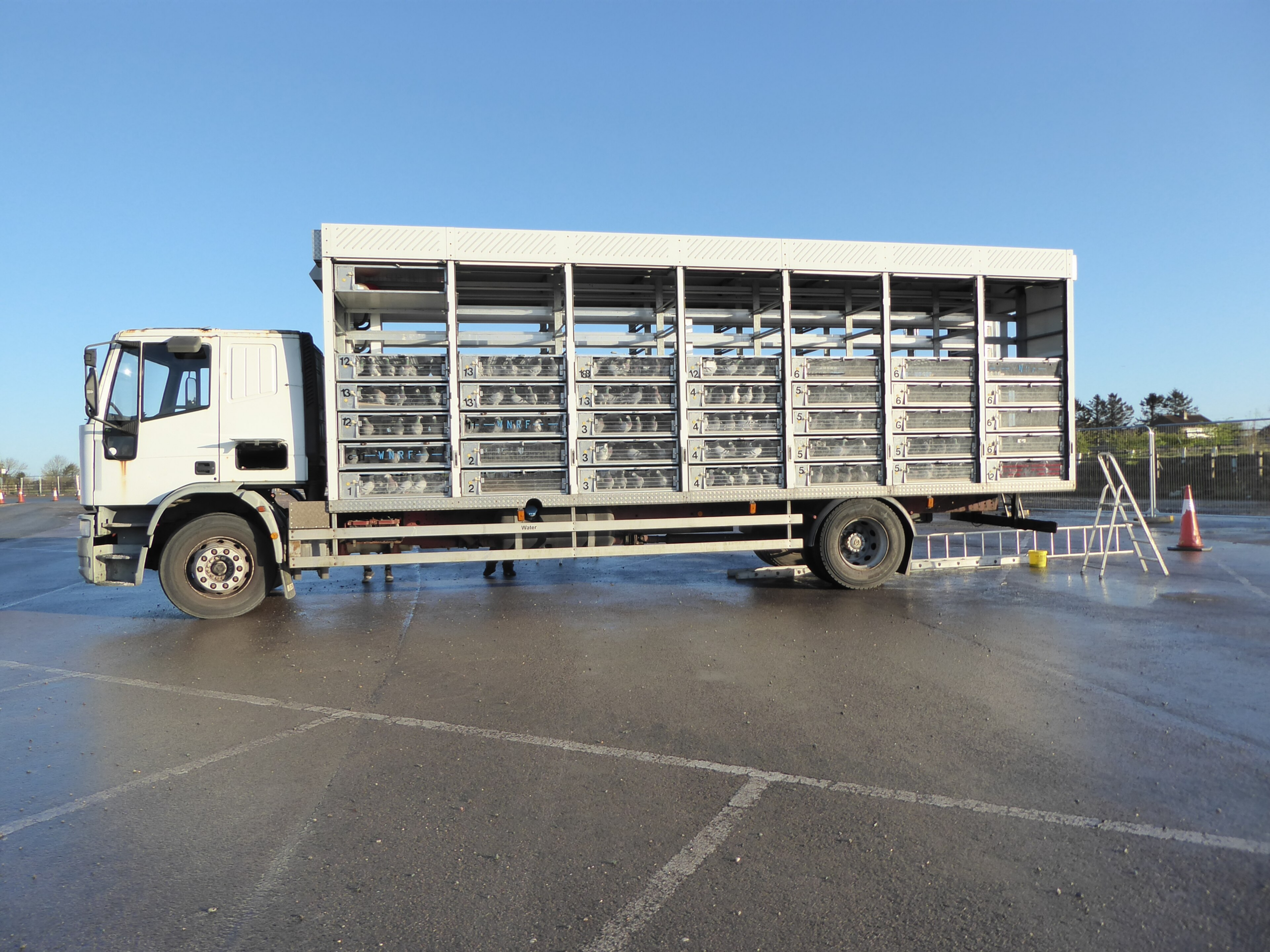
The event is a homing test. Birds are taken away from their own loft to a release point a long distance off, let go, and whichever gets back fastest has won.
Which makes it structurally unlike every other sport. The owner is not present at the start, does not see any of it, and cannot influence anything once the bird is out of the basket. There is no course to follow, no route anybody prescribes and no way to observe what happens in between. The competition consists entirely of an animal’s own decision-making over several hours, judged on arrival.
3. Which Means the Race Runs Backwards
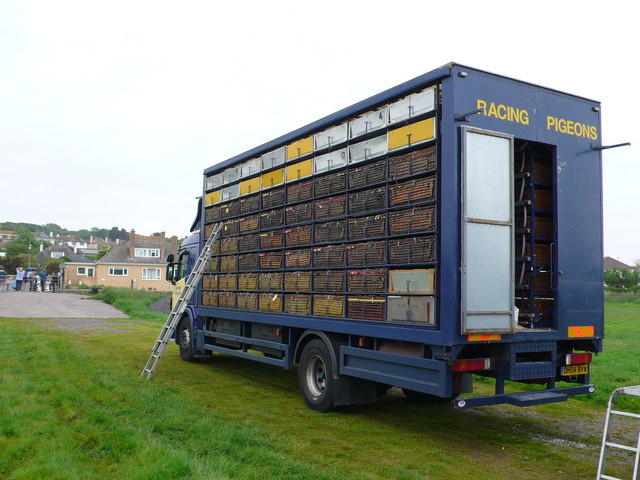
Everything about the logistics is inverted. The birds are collected days in advance, marked, basketed, loaded onto a transporter and driven away from the finish line, which is the thing nobody present will see.
They are then held, fed and watered at the release point until conditions are right, and liberated. The owners are at home, hundreds of miles away, standing in the yard looking at the sky. A race is therefore an event with a crowd at the finish and nobody at the start, which is the reverse of every other competition anybody can name.
4. They Are All Released at Once, and the Clock Starts Then

Liberation is a single moment. Several thousand birds from many different lofts are released together from one place at one time, and the official liberation time is the start for every competitor simultaneously.
The sight is the one part of the proceedings outsiders tend to have seen: the baskets opening and a very large number of birds leaving at once in a rising column before the group breaks up and individuals head off in slightly different directions toward their own homes. From that moment each one is running its own clock against its own distance.
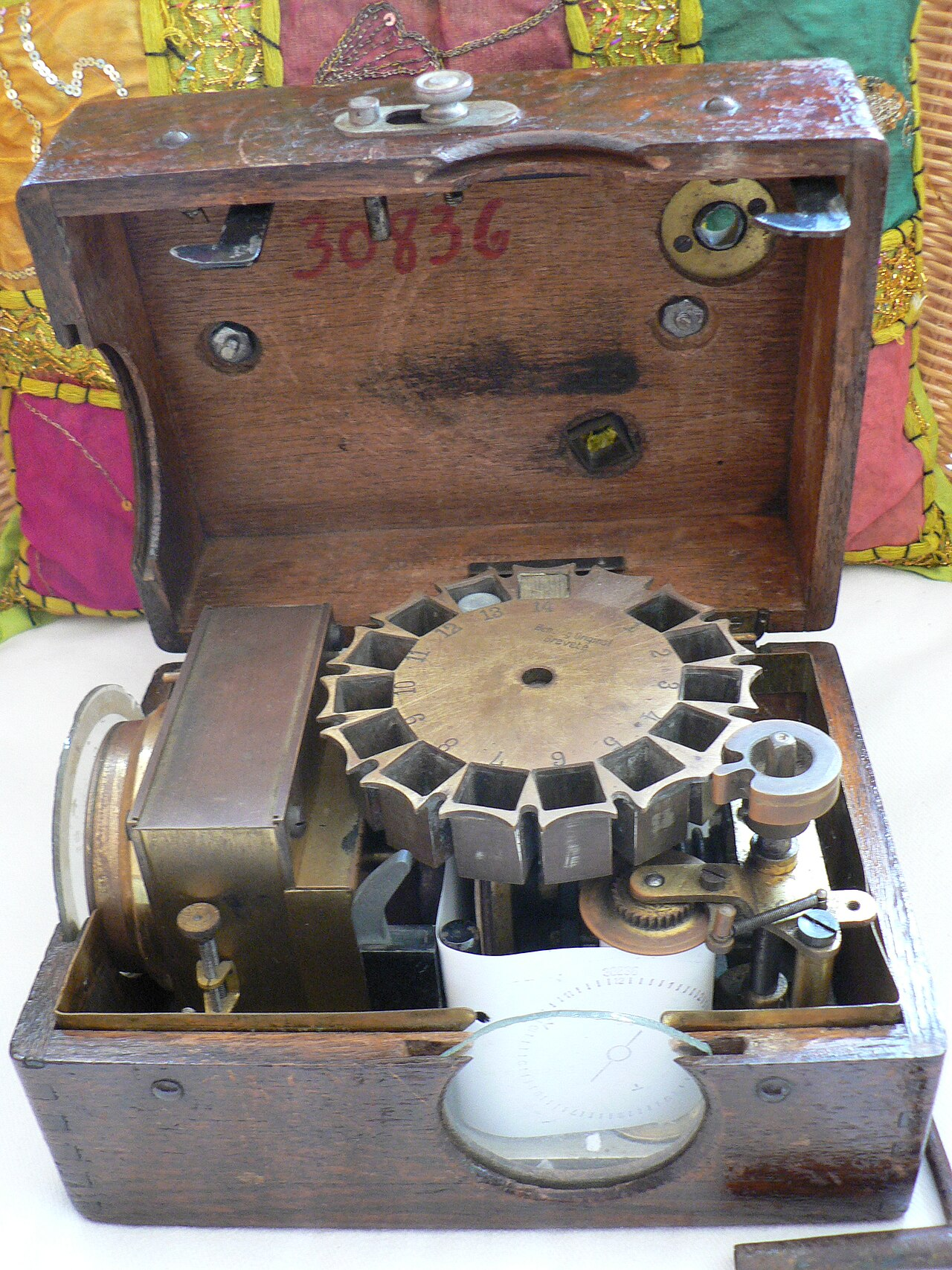
5. The Clock Was Sealed, and the Sealing Was the Serious Part
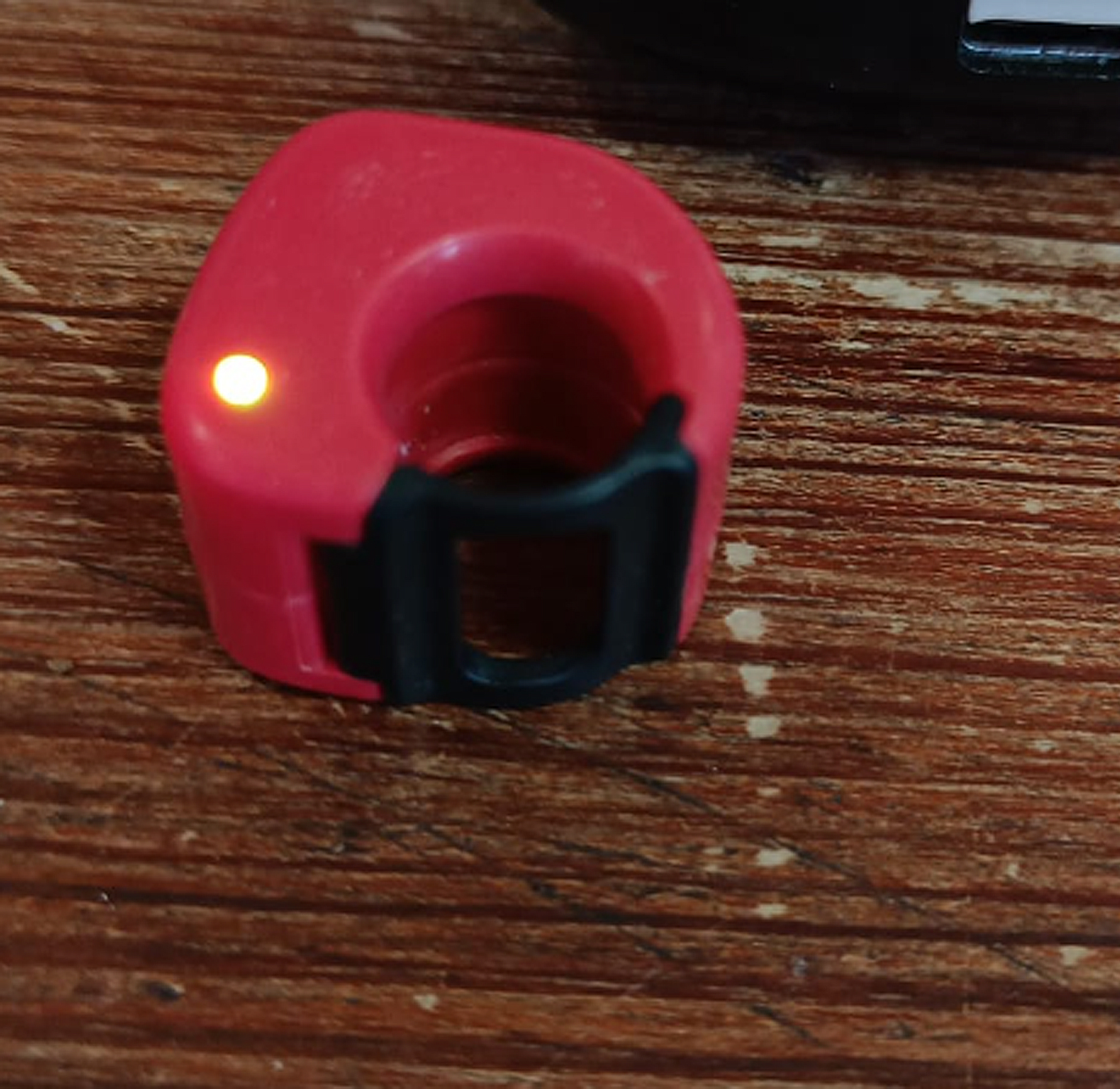
Because the result depends on a time recorded by the competitor’s own owner, alone, in his own yard, with nobody watching, the verification apparatus was elaborate and the sport’s integrity rested on it entirely.
Each member’s clock was set and sealed by officials before the race, in company, and could not be opened without breaking the seal. On arrival the bird’s rubber ring was removed and placed into the clock, which recorded the moment. Clocks were then returned to the club and opened in front of witnesses. The whole procedure existed because the alternative was taking several hundred people’s word for it.
6. The Loft Was Built Facing a Particular Way
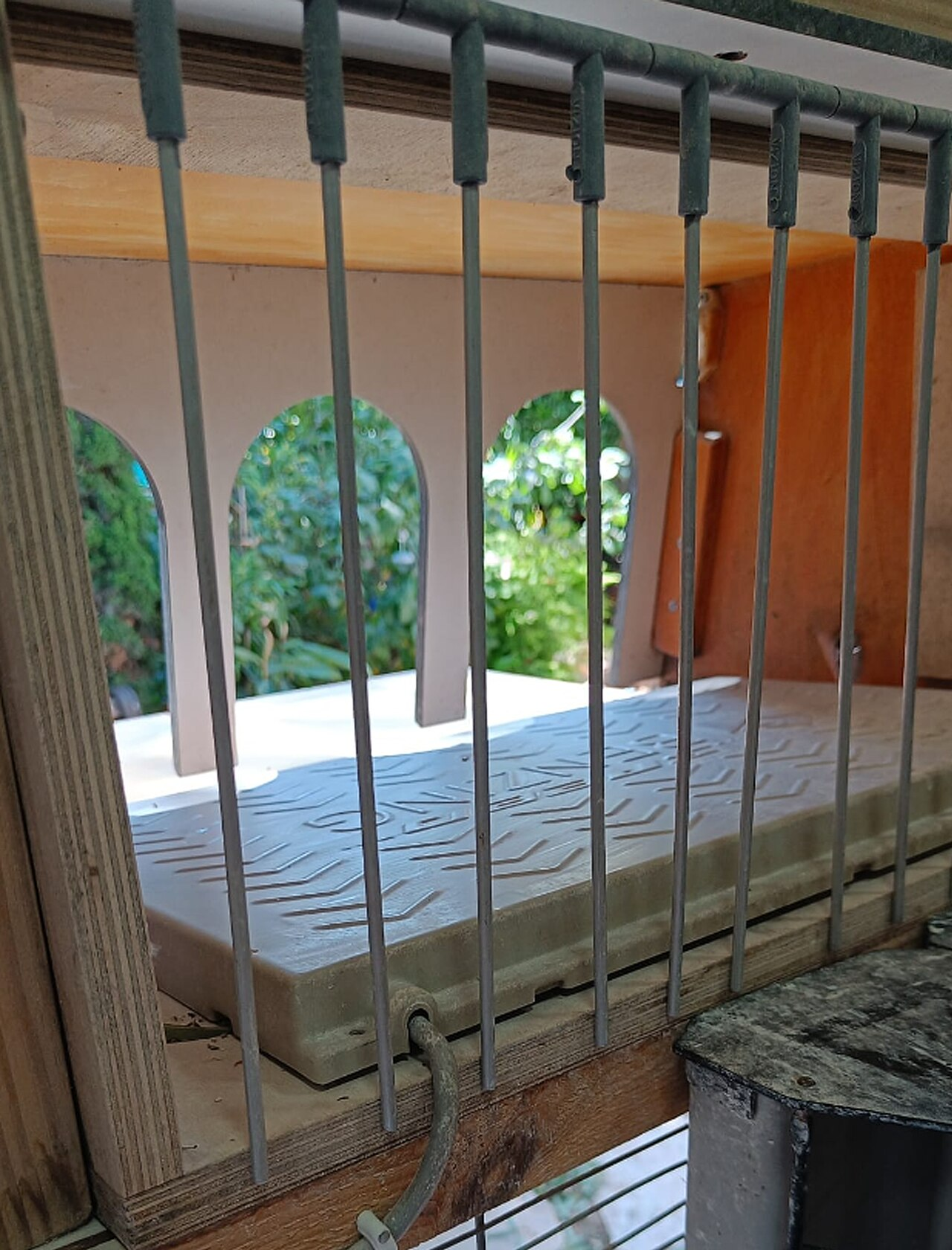
A loft is not a shed with birds in it. Orientation was a considered decision and was discussed at length: away from the prevailing weather, positioned so that the landing board caught the sun and dried quickly, and sited so that returning birds had a clear unobstructed approach.
The reasoning was practical rather than aesthetic. A bird that has flown for six hours and arrives to find the entrance in shadow, in a wind, behind a tree, will circle or settle on the roof instead of going in – and a bird on the roof is not clocked. Several minutes lost at the end of a long race decides results, so the architecture was aimed at getting a tired bird through a small opening without hesitation.
7. The Entrance Only Worked One Way
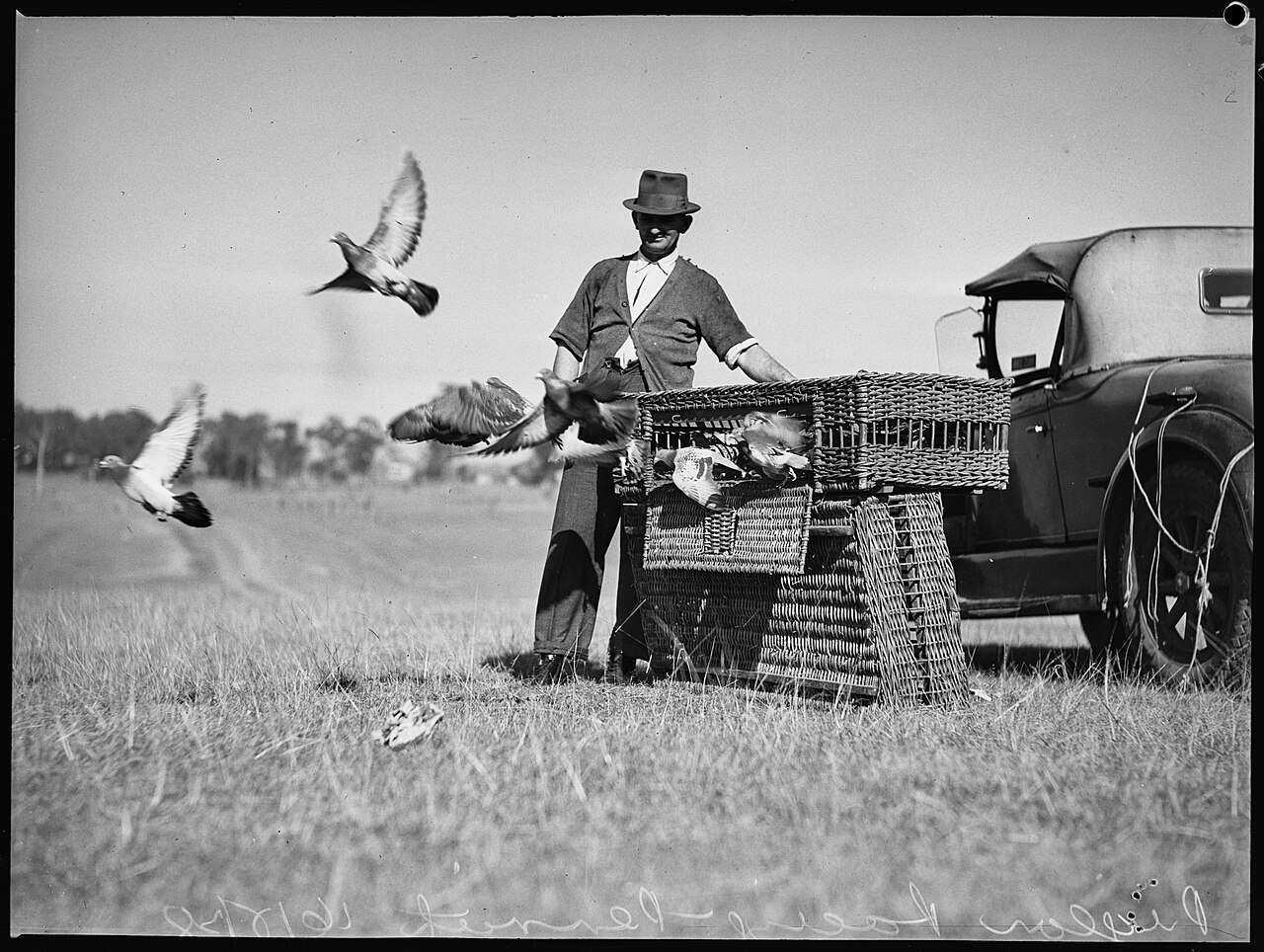
The opening had a row of light wires or sprung flaps hanging in it, which a bird could push through from outside and could not push back out from within.
Which solved the central problem of the whole arrangement: the loft had to be open for arrivals at an unpredictable moment and closed for everything else. A one-way entrance meant the owner did not have to stand there, and a bird arriving while nobody was watching was still inside and still recorded. Training birds to use it readily was a substantial part of preparing them.
8. The Widowhood System Is Exactly What It Sounds Like
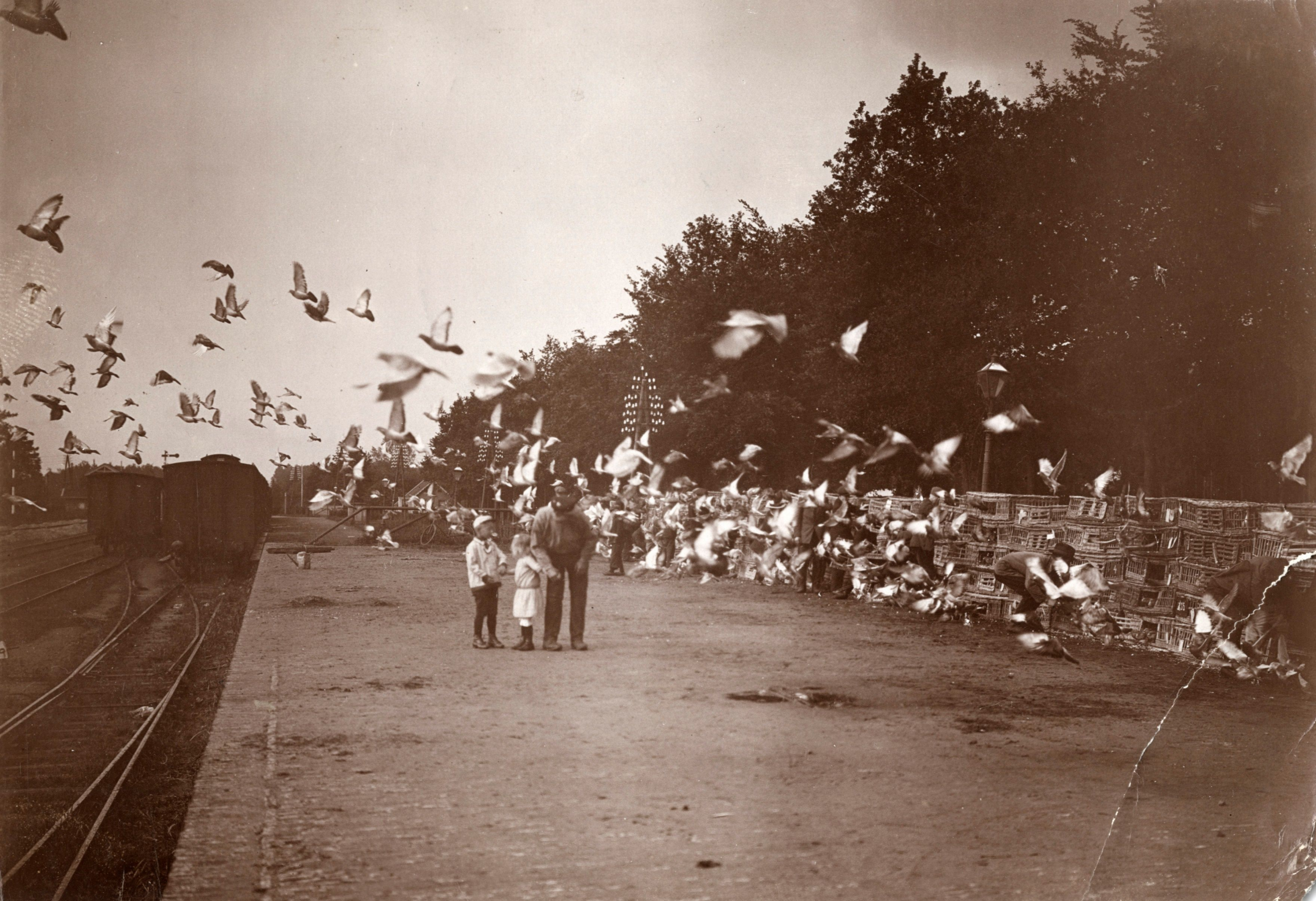
The standard method of motivating birds was to separate pairs and send one of them to the race, so that the bird was flying home to a mate it had been kept from.
It is called widowhood and it works, consistently and measurably. The timing of the separation, the length of it and what the bird is shown immediately before basketing were all managed deliberately, and successful fanciers discussed it in considerable detail. The sport’s central technique, in other words, is the manipulation of an animal’s attachment to another animal, which is a thing worth stating plainly.
9. You Could Tell a Good Bird by Handling It
Assessment was done by hand rather than by eye. A bird was lifted, turned over, and read through the fingers: the depth and firmness of the breast muscle, the condition of the keel, the set of the wing, the way the feathers felt under the thumb.
Experienced fanciers describe being able to tell whether a bird was in form from a few seconds of handling, and they describe the feel they were looking for in terms that sound mystical and were entirely practical. It was a skill acquired over years and it could not be taught in words, which is why so much of the sport’s knowledge was passed on by somebody putting a bird into somebody else’s hands.
10. The Birds Were Not Pets and Were Not Named

A racing pigeon was identified by the number on a ring fitted to its leg within days of hatching, and that number was its identity for life – in the records, in the results and in conversation.
They were not household animals, were not handled affectionately and did not come indoors. A loft of sixty birds was a working team, assessed on performance and culled accordingly, and most of them were referred to by number or by their parentage rather than by any name. The exceptions were the exceptional ones, which acquired names after they had won something.
11. It Was Overwhelmingly a Working Man’s Sport, for Practical Reasons

The sport’s strongholds were mining villages, mill towns and industrial districts, and the reasons were structural rather than cultural.
It required a small yard and a shed rather than land, land being the barrier to most animal sports. Running costs were low and spread across a season. It fitted shift work, because the demanding part is early morning and evening. And it offered an entirely legitimate route to winning money and local standing to people with no other access to either. A terraced house with a few feet of yard was sufficient qualification, which was true of almost nothing else.
12. It Never Ended, and the Money Is Now Extraordinary

The sport declined in its traditional heartlands as the industries that supported it closed and as back yards became gardens, and it is far smaller in those places than it was.
But it did not disappear. It grew substantially elsewhere, and a market developed for top breeding birds at prices that would astonish anybody who remembers it as a man in a flat cap in a back lane. Individual birds have sold at auction for sums running into seven figures, bought by buyers thousands of miles away for breeding rather than racing. The bird in the shed behind the terrace and the bird in the million-pound auction catalogue are the same animal doing the same thing.
A Sport With a Crowd at the Finish and Nobody at the Start

An organised competition with federations and prize money, a competitor released hundreds of miles away that makes its own way back, several thousand birds liberated in one moment, clocks sealed in front of officials, a loft oriented so a tired bird goes straight in, and an entrance that works in one direction only.
The fifth item is the one that shows how seriously it was all taken. The result of a race depends on a time written down by the competitor’s own owner, standing alone in his own back yard, with nobody there to see it. So the clocks were set and sealed by officials before the race in front of witnesses, could not be opened without breaking the seal, and were returned to the club to be opened in company. An entire verification apparatus existed because the alternative was taking several hundred people’s word for it.
Like our content? Follow us for more.