

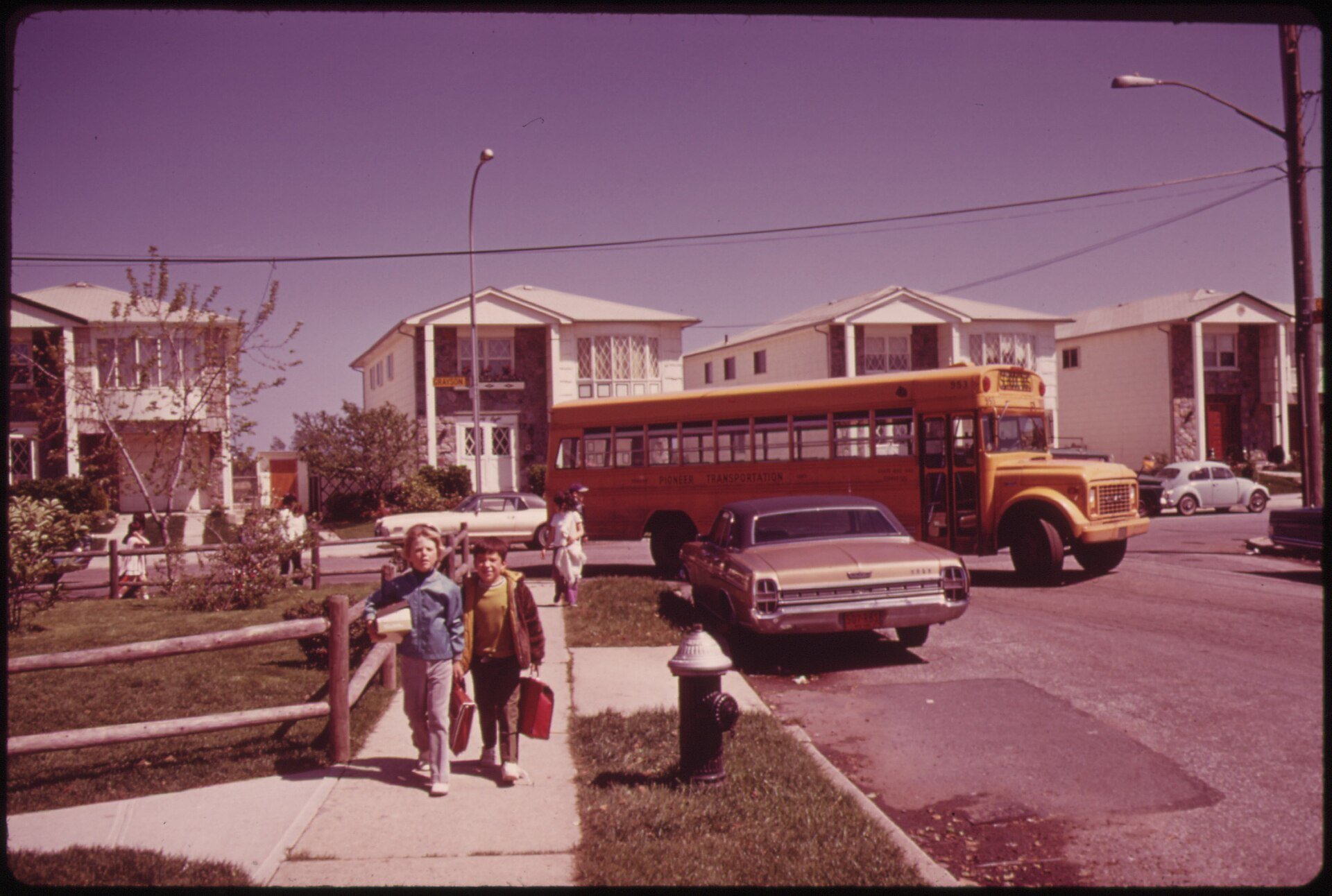
Ask anybody why children stopped walking to school and you will get the same answer within about four seconds. It is not safe anymore. Somebody will mention a case they remember from the news. Somebody else will say that the world has changed.
The answer is wrong, and what makes it interesting is not that people are mistaken about danger. It is that the real cause was a series of decisions nobody experienced as a decision at all, taken by people who were not thinking about walking, and that by the time anybody noticed, the thing had already become impossible for reasons that had nothing to do with who was on the sidewalk.
The Number Itself, and Why It Is Worth Trusting
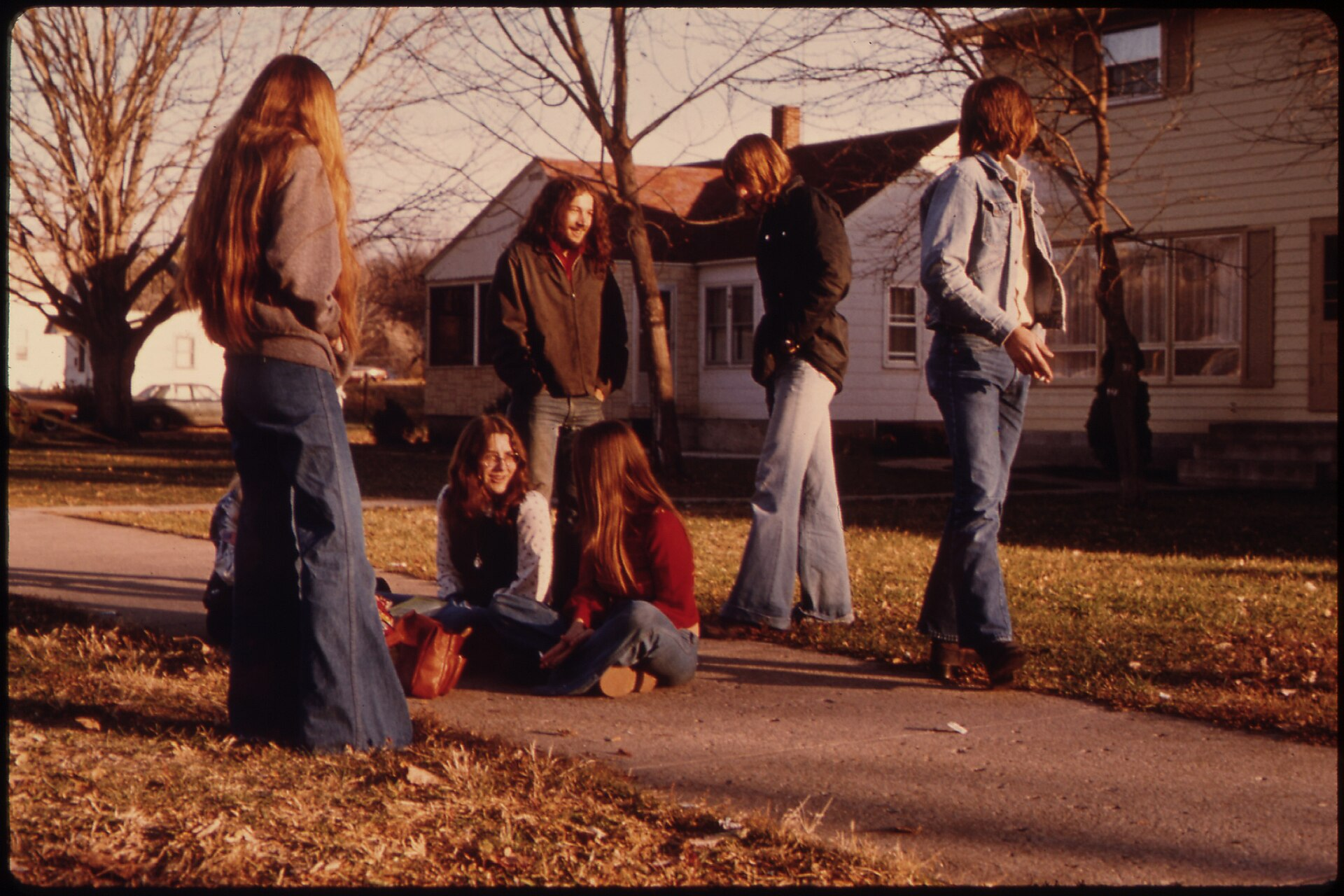
The scale of the change is not in dispute. Surveys of how American children got to school in the late 1960s put the proportion walking or cycling at around half for children living within a reasonable distance, and considerably higher in older neighborhoods and small towns. By the turn of the century the same question produced a figure in the low teens, and it has not recovered since.
That is not a drift. It is one of the largest changes in ordinary daily behavior recorded in American life, and it happened inside a single lifetime. A grandmother who walked a mile each way without comment has a grandchild for whom the same trip is treated as an eccentric choice requiring explanation.
And the first thing to notice is that the collapse does not line up with the crime statistics at all. Violent crime in the United States rose through the 1970s and 1980s and then fell steeply from the early 1990s onward, reaching levels not seen in decades. Walking to school did not recover when crime fell. It kept declining. Whatever was driving it was not tracking danger.
Like our content? Follow us for more.
The Thing That Actually Changed: Where the Schools Were
Here is the cause that explains more of the decline than any other single factor, and it is almost never mentioned, because it is architectural rather than dramatic.
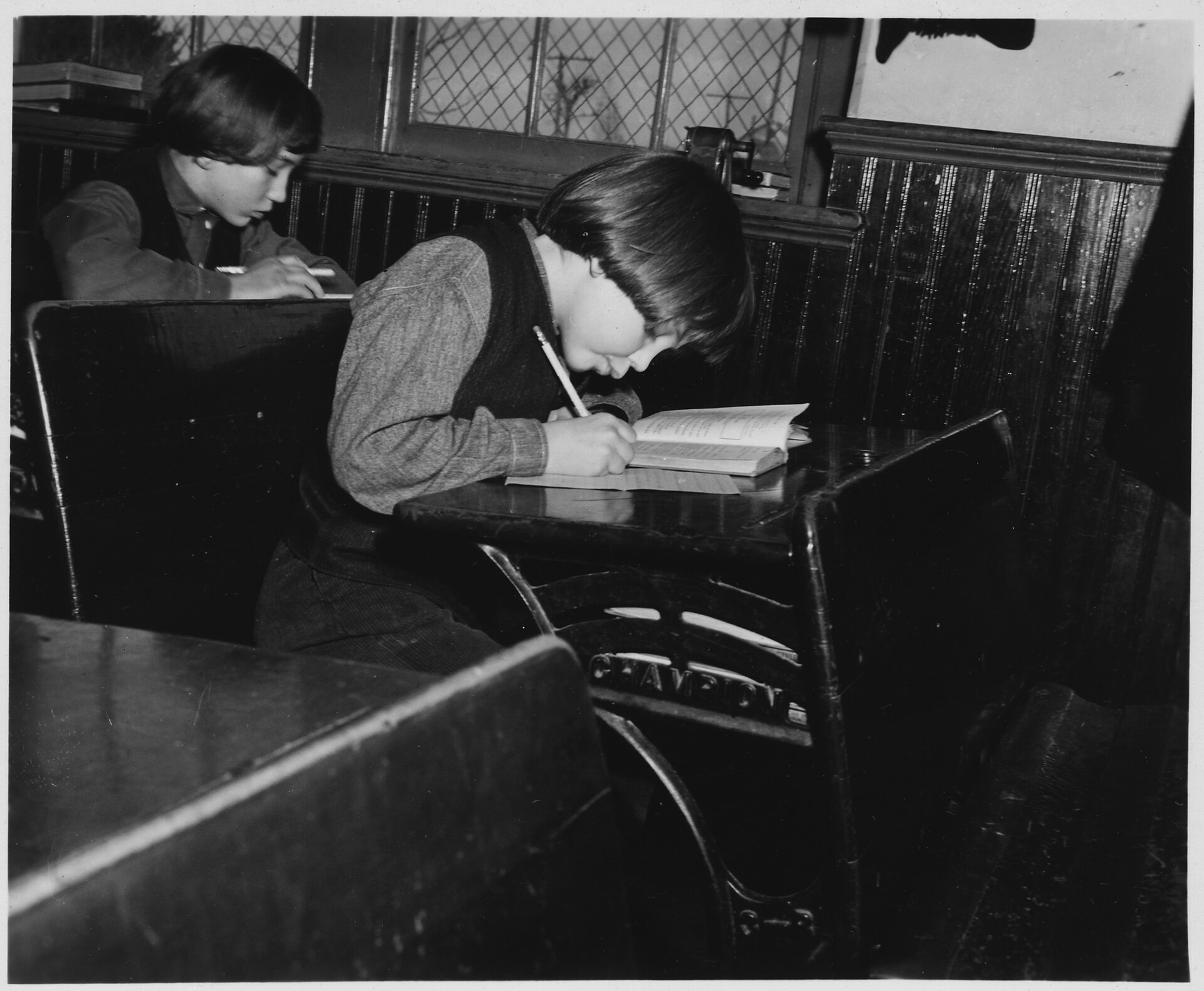
The United States consolidated its schools. In the first half of the twentieth century American education was delivered through an enormous number of very small schools – tens of thousands of one-room and few-room schoolhouses, each serving the children who could reach it on foot. Over the following decades those were closed and merged, deliberately, as a matter of policy, on the reasoning that larger schools could offer laboratories, libraries, gymnasiums, specialist teachers and a broader curriculum that a two-room building never could.
That reasoning was sound and the result was a school system with a fraction of the number of buildings serving many times the number of pupils each. A larger school needs a larger catchment. A larger catchment means most of the children in it live further away than a child can walk.
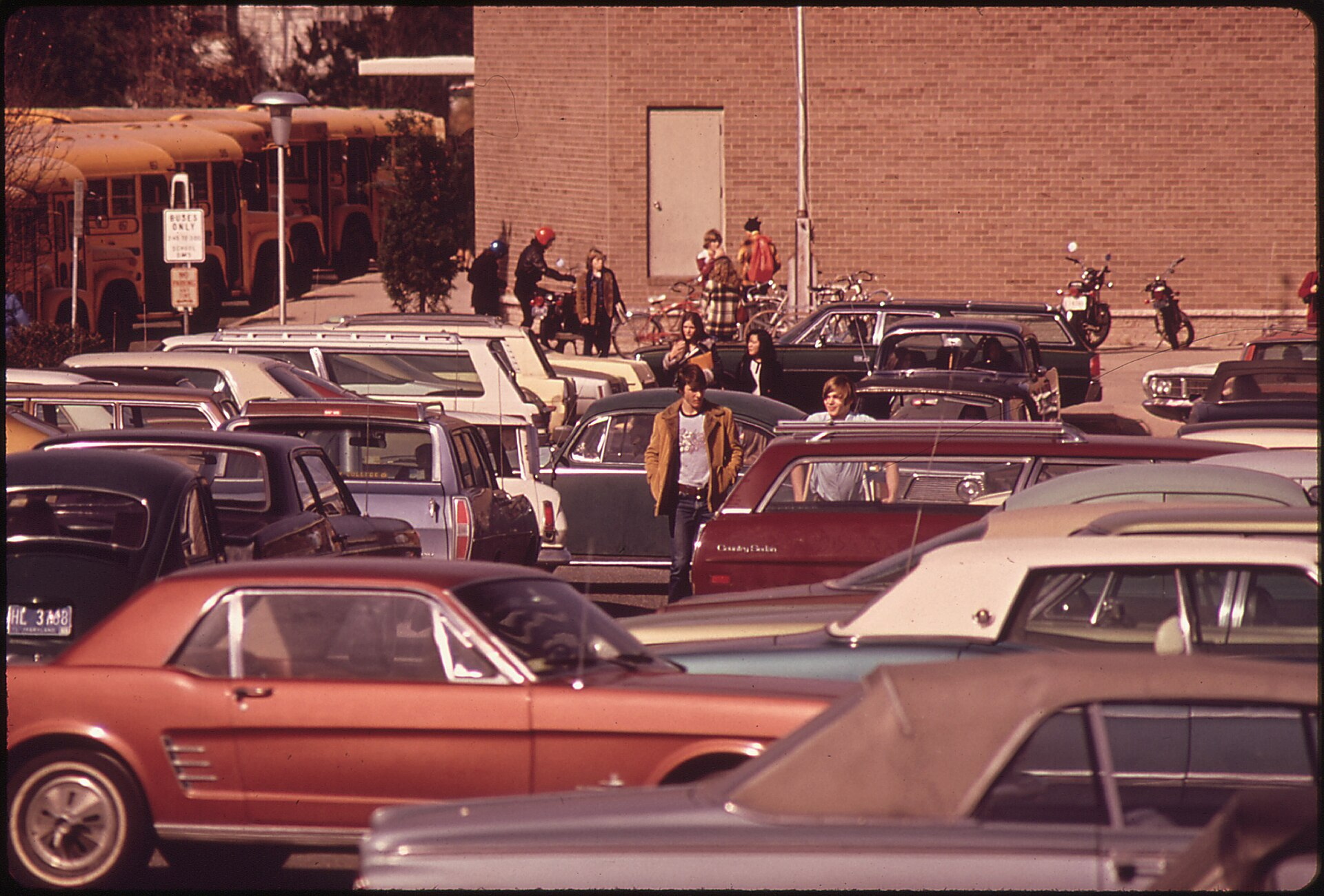
And the new buildings went where the land was cheap and the parcel was large enough: on the edge of town, on an arterial road, surrounded by parking. The old school had been in the middle of the neighborhood because that was the only place it could be. The new one was on the bypass because that was the only place with forty acres.
Once the school is four miles away across a highway, no amount of neighborhood safety will put a child on the sidewalk. The trip is simply not walkable. That is not a parenting decision. It is a site plan.
The Second Cause: The Shape of the Neighborhood
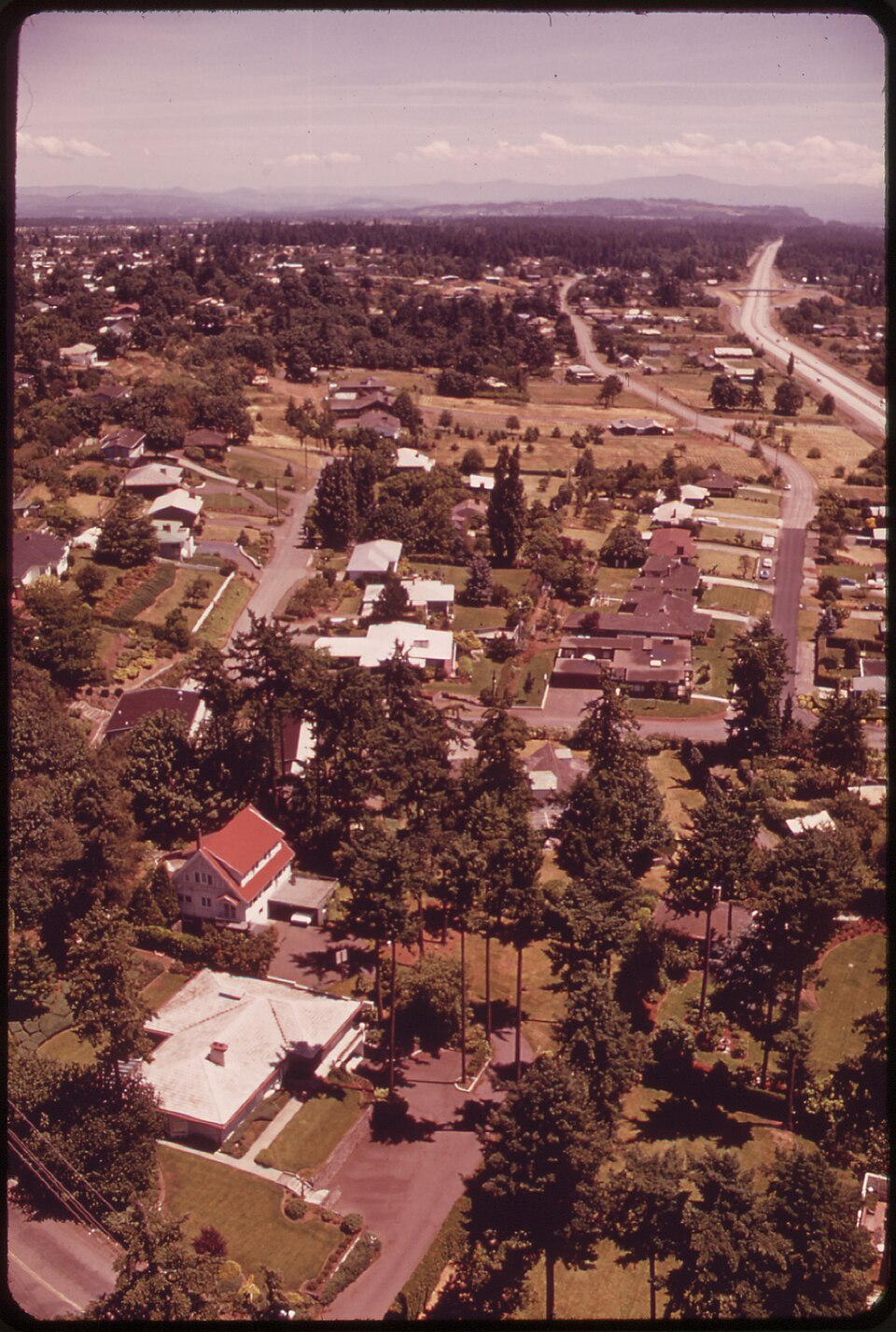
The houses moved too, and they moved into a street pattern that is actively hostile to walking.
Pre-war American development was mostly laid out on a grid. A grid has a useful property: the distance you walk is close to the distance as the crow flies, because there is almost always a route going roughly where you want to go. Postwar suburban development abandoned the grid in favor of curving streets, loops and cul-de-sacs feeding onto a small number of collector roads.
That layout is pleasant to live on and quiet to sleep in, and it is catastrophic for pedestrians. Two houses can be four hundred feet apart and a mile apart by road, because the only connection between their streets is back out to the arterial and around. A child who could see the school from an upstairs window might have no legal walking route to it shorter than two miles.
Add to that the fact that sidewalks were frequently left out entirely. In a neighborhood designed around the assumption that every household has a car, a sidewalk reads as an unnecessary expense, and in thousands of subdivisions built from the 1950s onward it was simply not built. A parent looking at a route with no sidewalk, no crossing and a forty-five mile an hour speed limit is not being anxious. They are reading the road correctly.
The Third Cause: The School Bus Became the Default
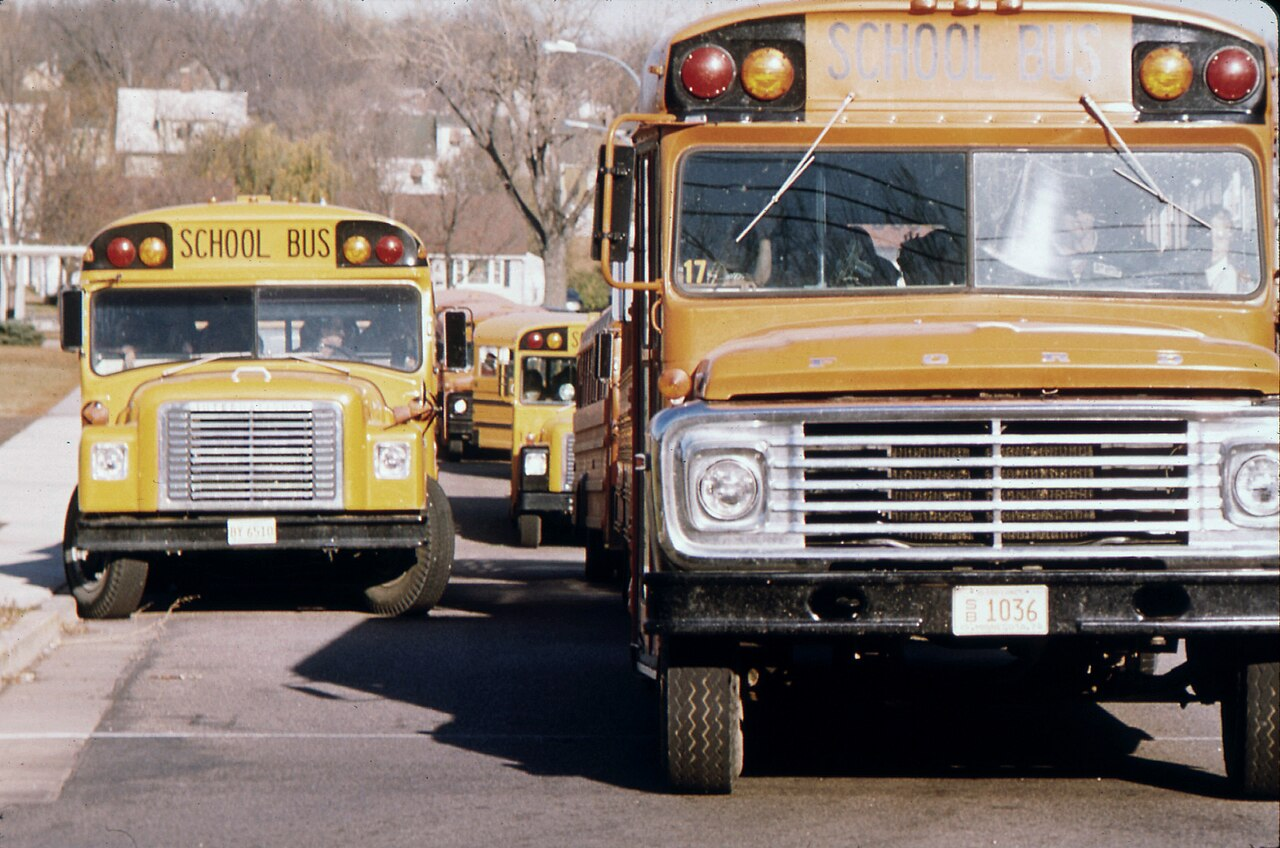
The consolidation that moved the schools made a bus system mandatory, and once the bus exists it absorbs the walking trip whether or not the walk was possible.
This is the part that compounds. A district that buses most of its pupils draws its catchment boundaries around bus routes. It schedules start times around bus cycles, often very early, so that one set of vehicles can run elementary, middle and high school runs in sequence. It builds a loop and a holding lane at the front of the building for buses, and a separate loop for parents, and the pedestrian approach – if it exists at all – ends up as a gap in a fence behind the dumpsters.
The bus is also the mechanism by which the remaining walkers get squeezed out. Districts set a walk-zone radius inside which no bus is provided. Families inside that radius who do not want their child walking drive instead, which puts a line of several hundred idling cars across the only pedestrian approach to the building twice a day. The most dangerous place for a child on foot anywhere in the trip is now the school’s own entrance, and it is dangerous because of other parents doing drop-off.
That is a real feedback loop. Driving your child to school makes walking to school more dangerous, which produces more driving.
Where the Fear Actually Comes In
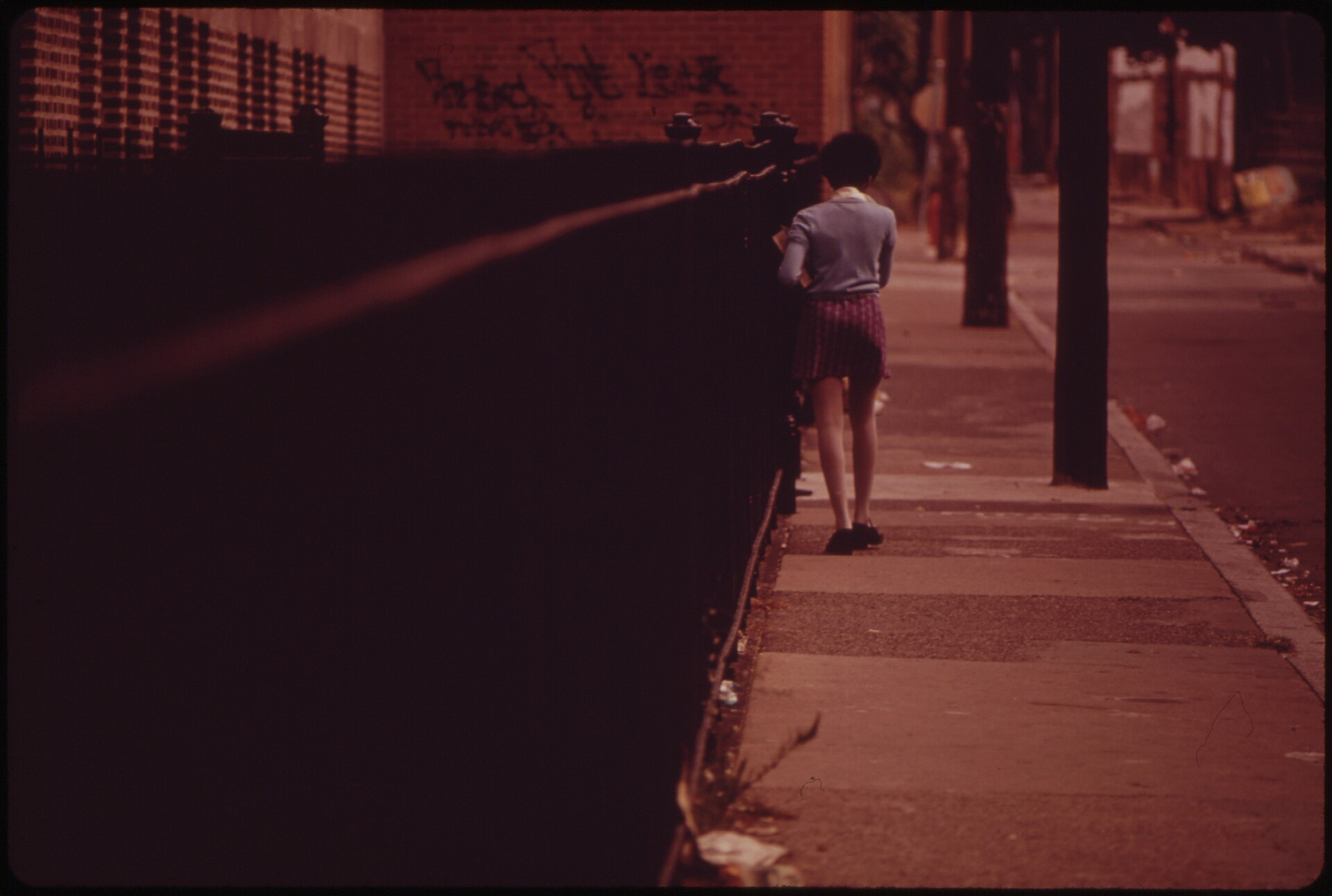
None of this means fear played no part. It did, and it is worth being precise about how.
A small number of extremely widely covered child abduction cases in the late 1970s and 1980s changed the texture of American parenting permanently. The milk carton campaigns, the fingerprinting drives, the stranger-danger curriculum in schools and the arrival of twenty-four hour cable news coverage together produced a national impression of risk that was enormously larger than the underlying rate. Abduction of a child by a stranger was, and remained, one of the rarest events that can happen to a family.
But the effect of that fear was not primarily to stop children walking. The walk was already becoming impossible for the structural reasons above. What the fear did was remove the social permission to send a child out alone, so that the handful of families who still could walk mostly stopped, and, decisively, so that nobody pushed back when the next school was sited on a highway with no sidewalk.
Fear changed what parents were willing to defend. Geography had already changed what there was to defend.
The Liability Layer
There is one more cause, and it is the least visible of all because it operates through paperwork.
As districts consolidated and bus fleets grew, responsibility for a child’s journey became a formal legal question rather than an informal one. A district that transports a child has assumed a duty toward that child. A district that has a child walking along a road with no sidewalk has a different and less comfortable exposure. The institutional incentive, once lawyers are in the room, runs in exactly one direction: get the children into vehicles the district controls, or into vehicles their parents control, and off the shoulder of the road.
You can see the result in the rules. Policies that forbid pupils below a certain grade from leaving on foot without a signed adult. Gates that are locked on the pedestrian side. Crossing guard positions eliminated for cost and never restored, which converts a formerly supervised crossing into an unsupervised one and gives every parent on that street a concrete new reason to drive.
None of those decisions was made by somebody who wanted fewer children walking. Each was a reasonable local response to a liability question. Together they built a system in which walking is the option that requires a waiver.
What the Reversal Attempts Have Found
Since the early 2000s a considerable amount of effort has gone into getting American children walking again, through sidewalk construction, crossing improvements, walking school buses where an adult escorts a group along a fixed route, and campaigns tied to a designated walk-to-school day.
The results are instructive. Where the physical problem is fixable – a missing sidewalk, a crossing without a signal, a gap in a fence – the interventions work, and walking rates in those specific catchments rise measurably. Where the problem is that the school is five miles away on the other side of an interstate, nothing works, because nothing can.
That split is the clearest evidence for which cause was decisive. Campaigns aimed at parental fear produce small, temporary effects. Capital spending aimed at the route produces durable ones, in the places where a route exists at all. The constraint is physical.
The Honest Summary
So the answer to why American children stopped walking to school is not that the world got more dangerous. It is that the schools moved to the edge of town, the houses were laid out in loops with no through routes and frequently no sidewalks, a bus system was built to bridge the resulting distance and then became the default, and a liability logic quietly made walking the exceptional choice requiring permission. A wave of unrepresentative but unforgettable news coverage then removed the social will to object to any of it.
What makes this worth knowing is the direction it points. If children stopped walking because parents became fearful, then the fix is reassurance, and reassurance is cheap. If they stopped because of where the buildings are and how the streets connect, then the fix is concrete and right-of-way and thirty years, and it has to be fought for one intersection at a time.
The generation that walked a mile each way did not have more courage than their grandchildren’s parents. They had a school at the end of the street, a sidewalk to get there on, and a grid that let them turn left.
Like our content? Follow us for more.

