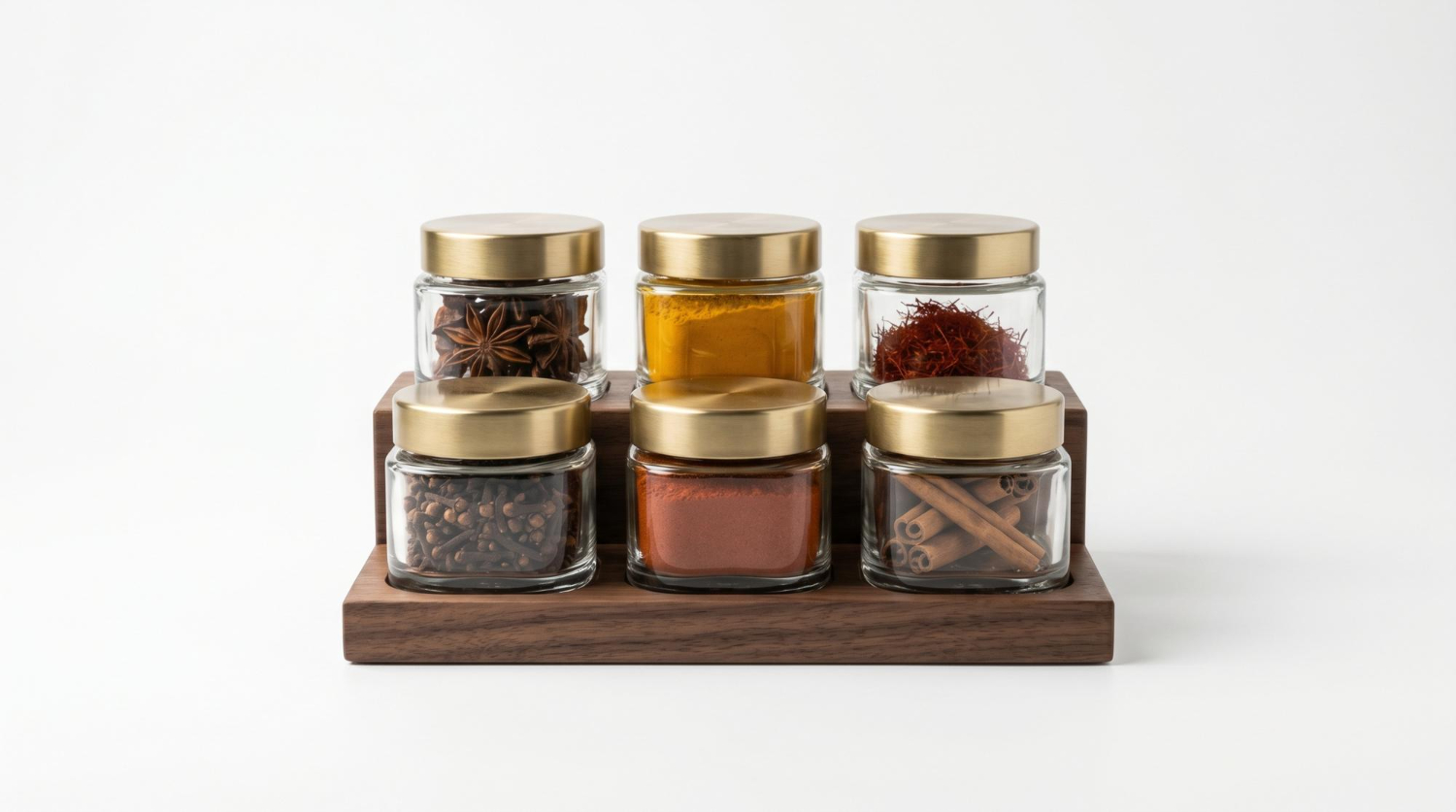
A spice blend is a solved problem: someone worked out the proportions long ago and the recipe stuck. Here are twelve from around the world, what goes into them, and what they are meant to do.
1. Garam Masala — North India
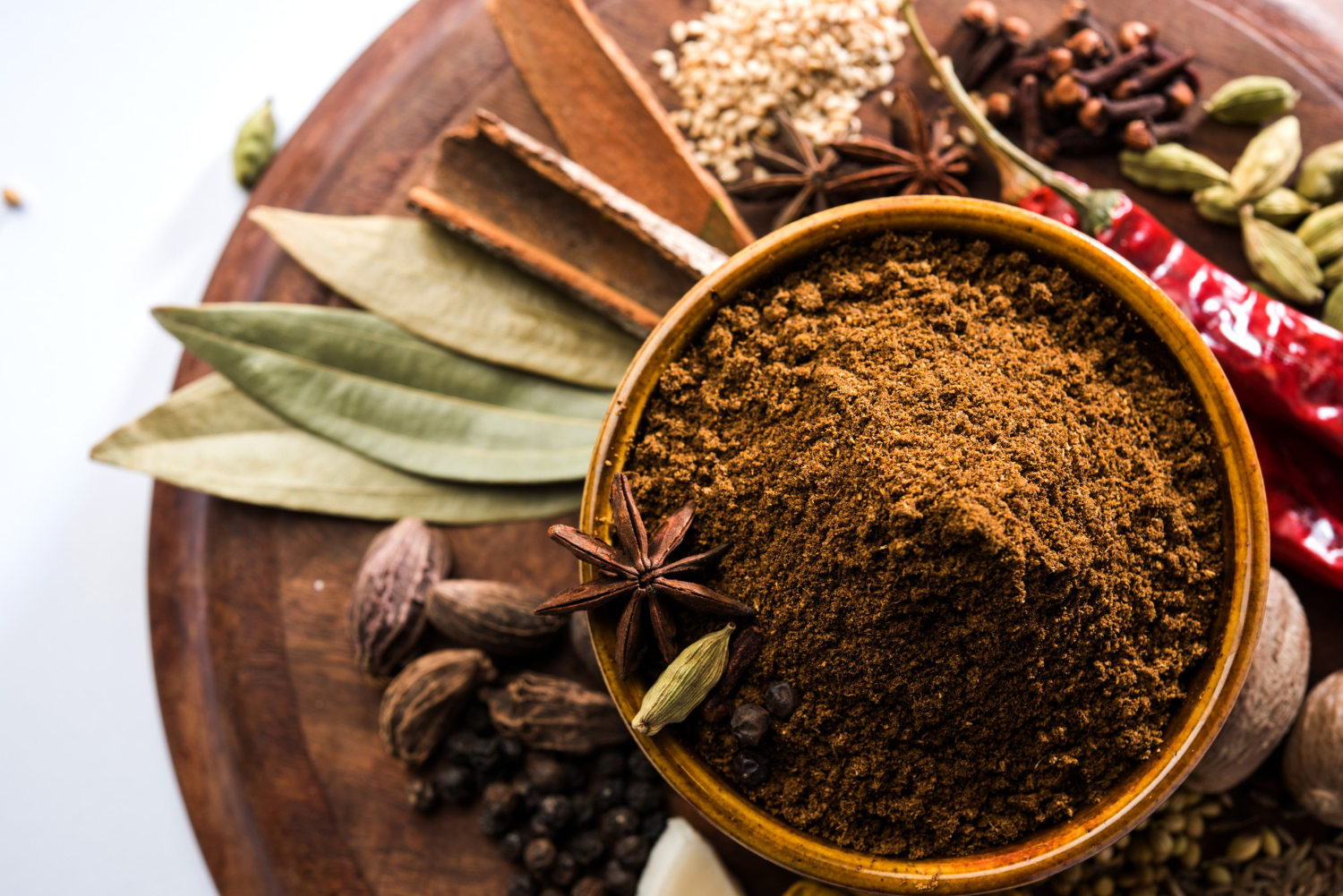
A warming blend, typically built on cardamom, cinnamon, cloves, cumin, coriander and black pepper, with proportions varying by region and household.
The name refers to warming rather than heat in the chilli sense, and it is usually added near the end of cooking so the aromatics are not driven off. It is a finishing blend. Garam masala is the spice blend that goes in last rather than first.
Like our content? Follow us for more.
2. Ras el Hanout — North Africa
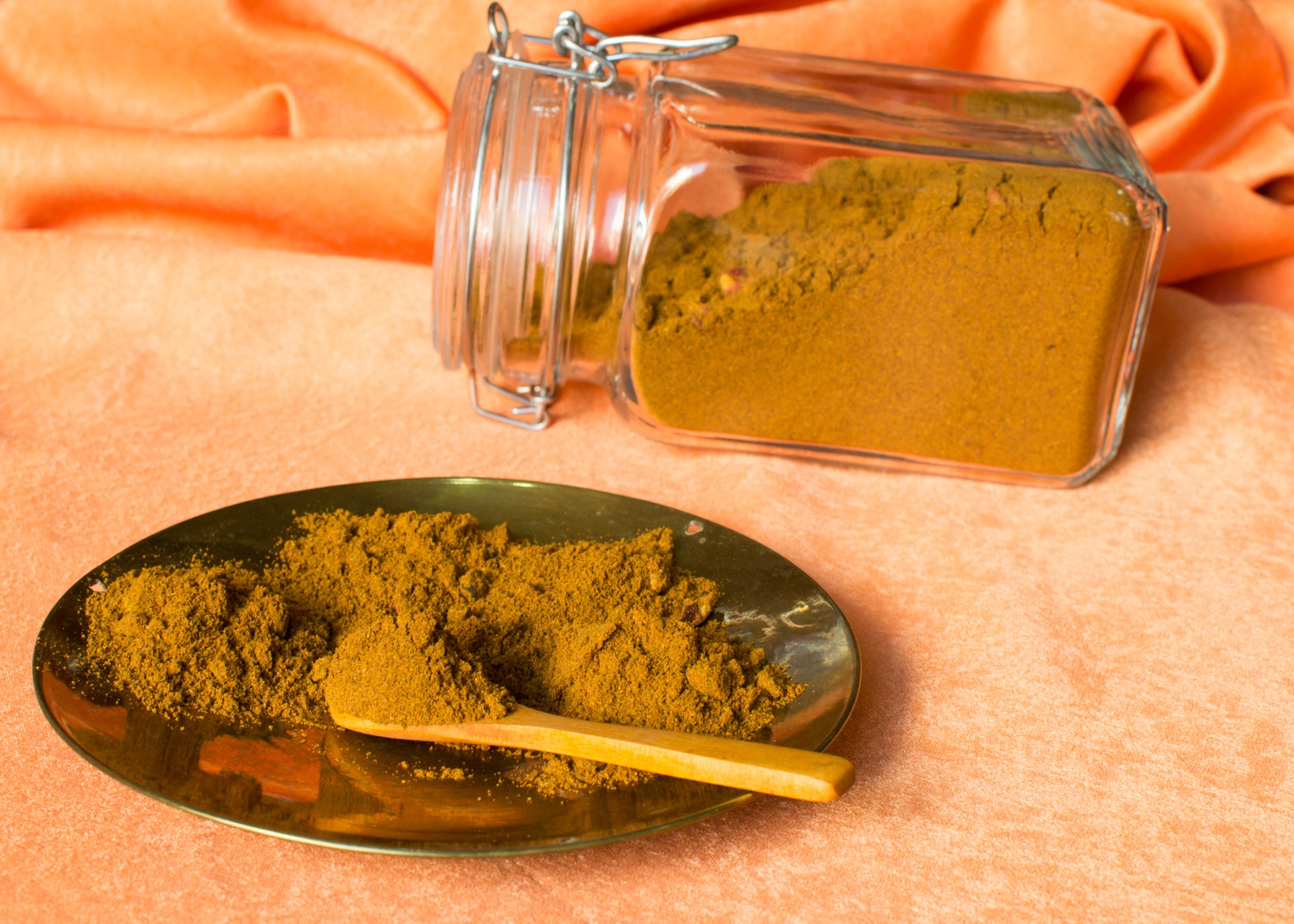
The name translates roughly as head of the shop, meaning the best a merchant has, and blends can run to a dozen spices or many more.
Common components include cumin, coriander, cinnamon, ginger, turmeric, pepper and dried rose or lavender, and every seller’s version differs. It suits slow-cooked dishes. Ras el hanout is the spice blend that was never meant to have a fixed recipe.
3. Za’atar — Levant
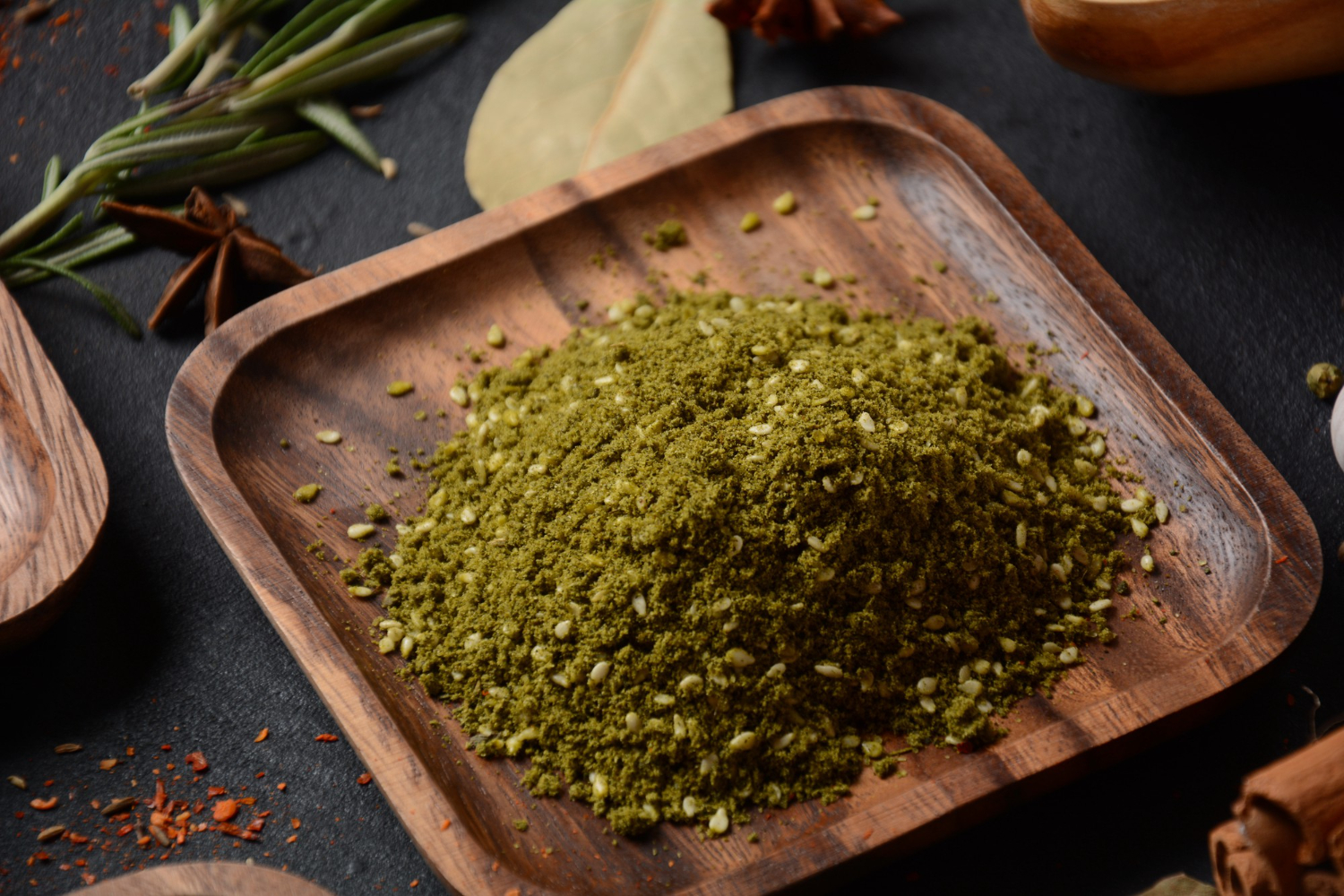
A mix of dried wild thyme or oregano, toasted sesame seeds, sumac and salt, tart and herbal rather than hot.
It is eaten as much as it is cooked with — stirred into olive oil for dipping bread, scattered over labneh, or baked onto flatbread. Sumac supplies the sourness. Za’atar is the spice blend you are as likely to dip into as to cook with.
4. Chinese Five-Spice — China
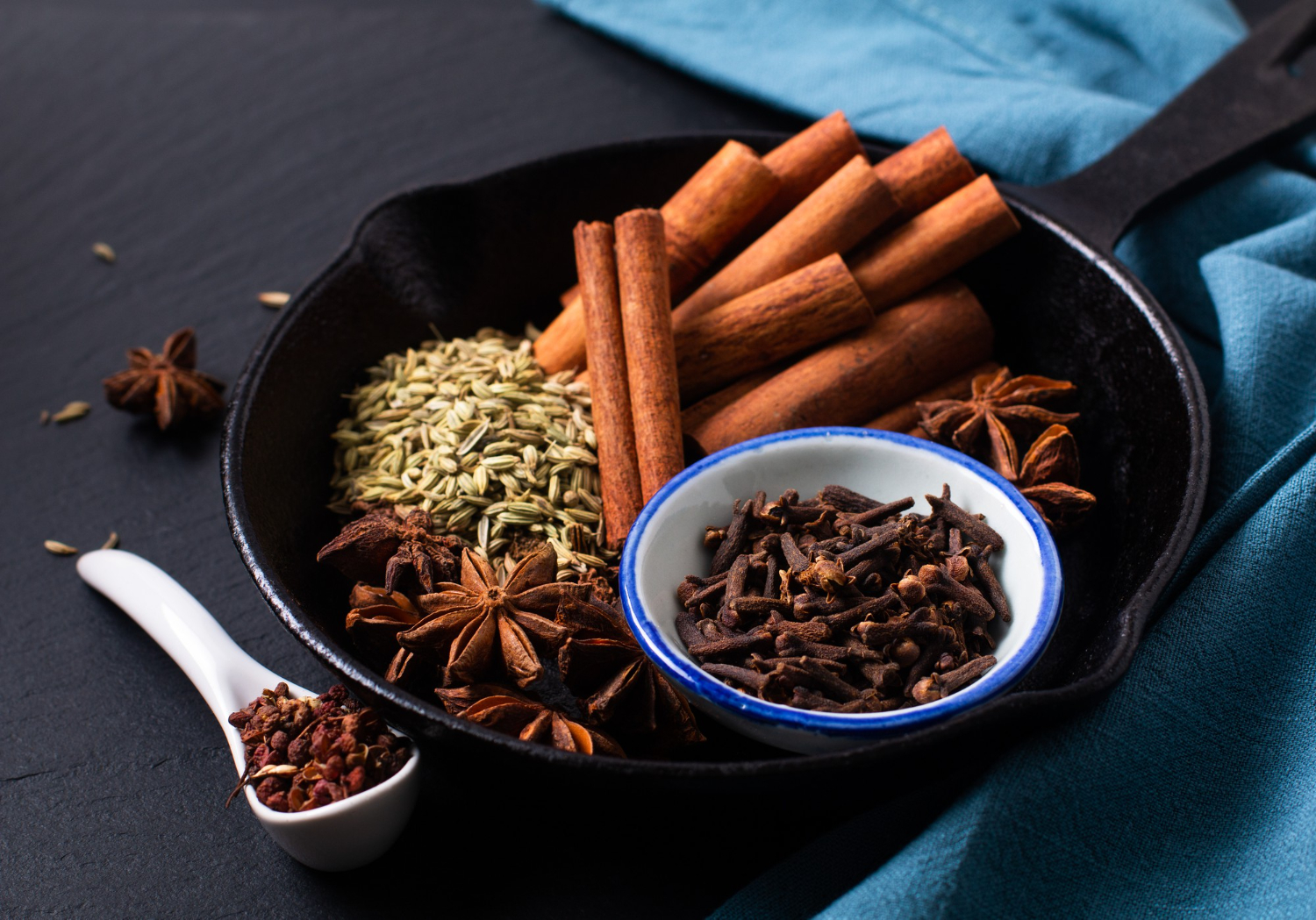
Star anise, cloves, Chinese cinnamon, Sichuan pepper and fennel seed, balanced to hit several taste sensations at once.
It is potent and easy to overuse; a small quantity transforms roasted and braised meat, particularly pork and duck. Star anise dominates if unchecked. Five-spice is the spice blend that needs a lighter hand than most people give it.
5. Berbere — Ethiopia and Eritrea
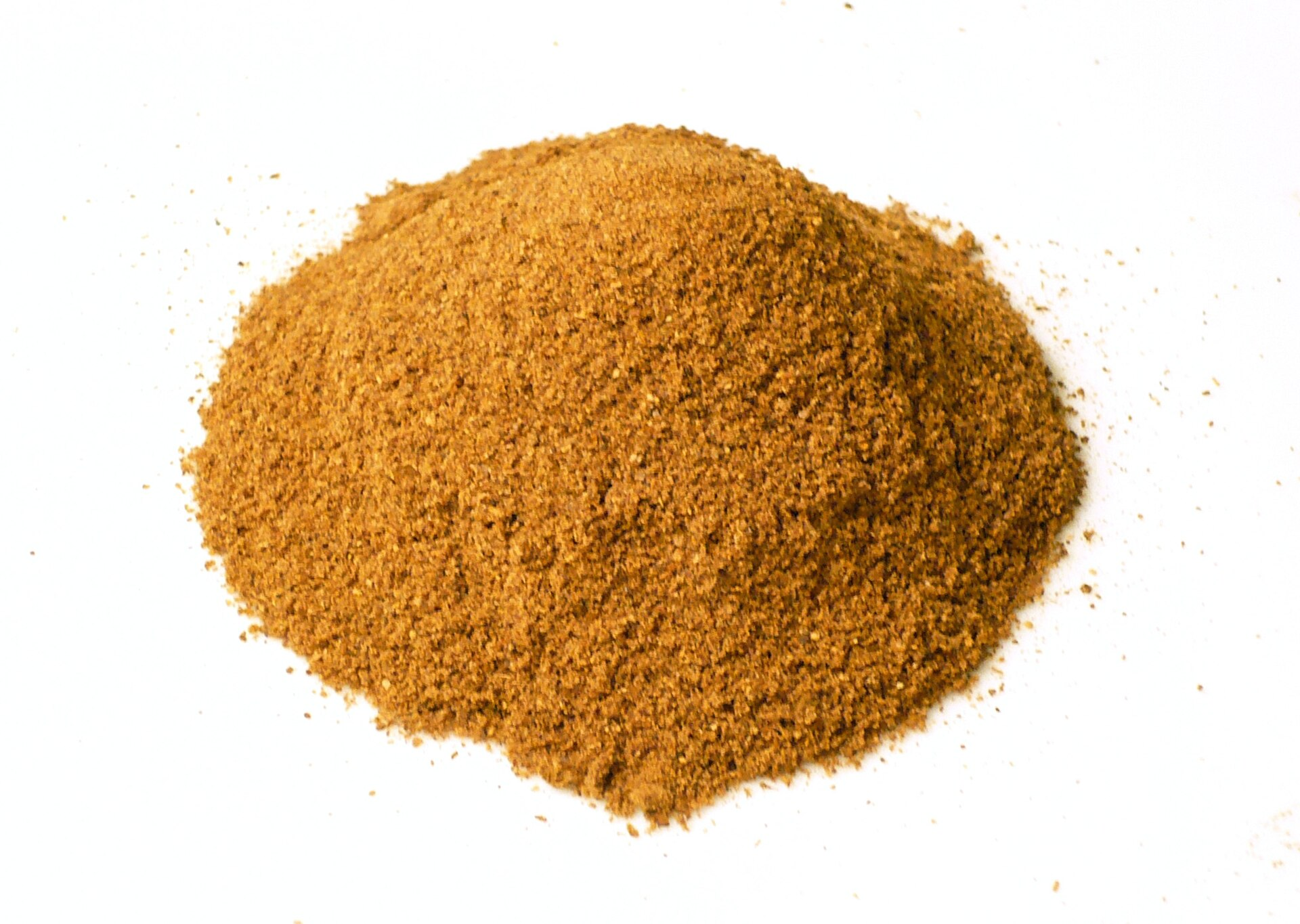
A deep red blend built on dried chillies with garlic, ginger, fenugreek, korarima and a range of warm spices, both hot and aromatic.
It is the backbone of many stews, where it is cooked into a spiced butter or oil base rather than sprinkled on. Fenugreek gives it its distinctive edge. Berbere is the spice blend that carries an entire national cuisine.
6. Herbes de Provence — Southern France
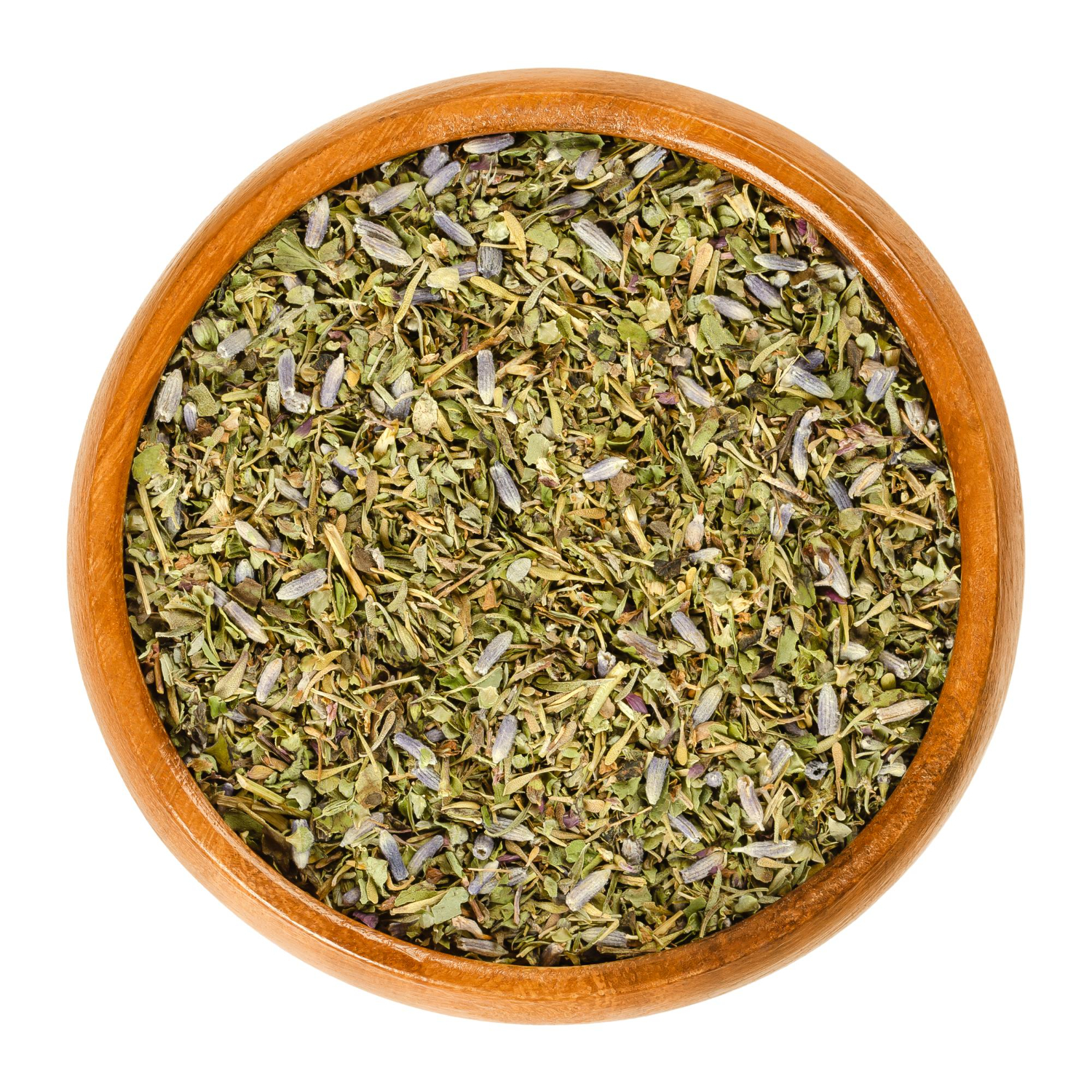
Dried thyme, rosemary, savory, marjoram and oregano, sometimes with lavender in versions aimed at export markets.
The lavender is the contested part; many traditional blends omit it entirely. It is used for grilled meat, roasted vegetables and stews. Herbes de Provence is the spice blend where the most famous ingredient may not belong in it.
7. Baharat — Middle East
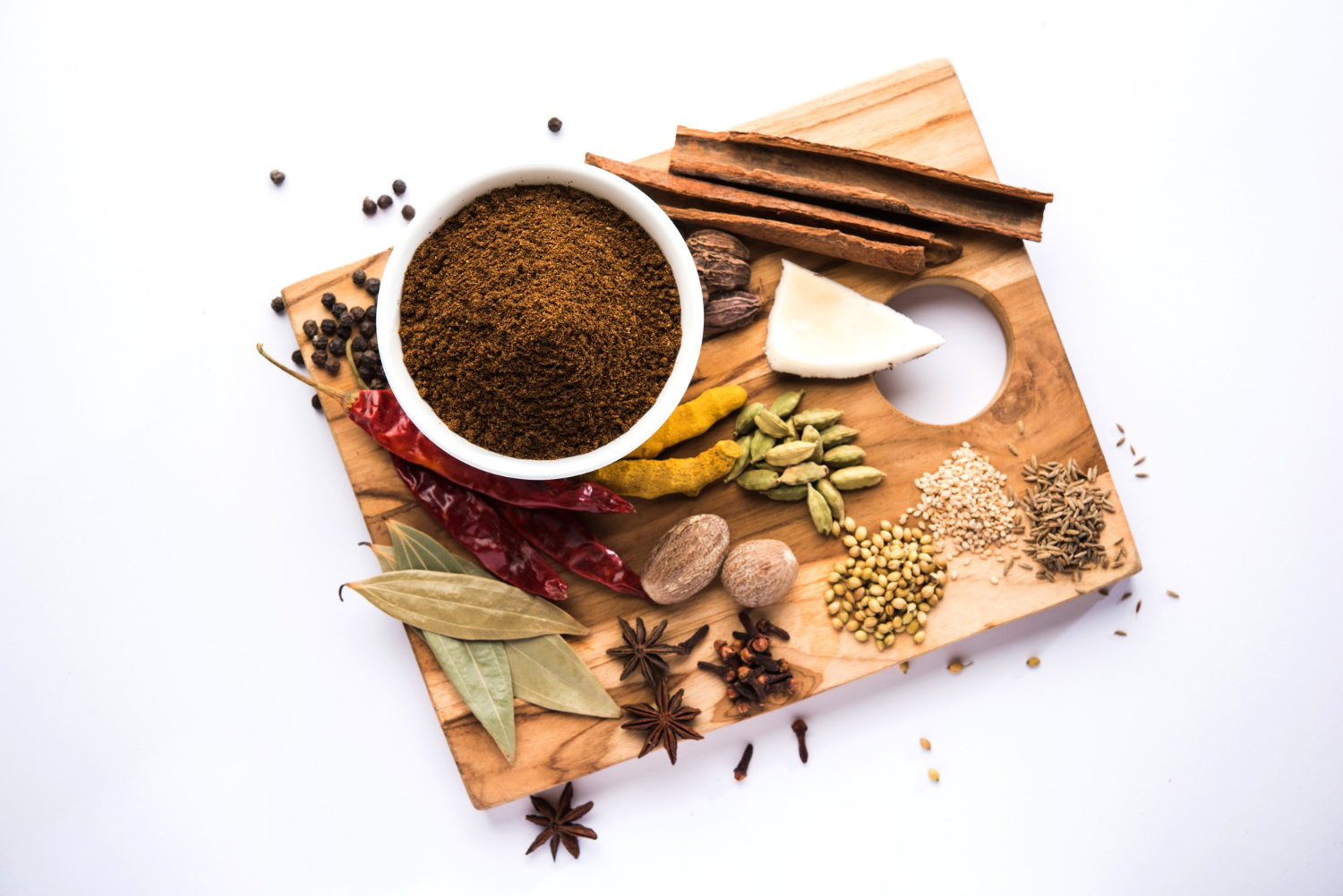
A warm all-purpose blend, commonly black pepper, cumin, coriander, cinnamon, cloves, cardamom, nutmeg and paprika, with regional variations.
It is versatile rather than specialised, used in meat dishes, rice, soups and stuffed vegetables across a wide area. The name simply means spices. Baharat is the spice blend that functions as a default seasoning across a whole region.
8. Shichimi Togarashi — Japan
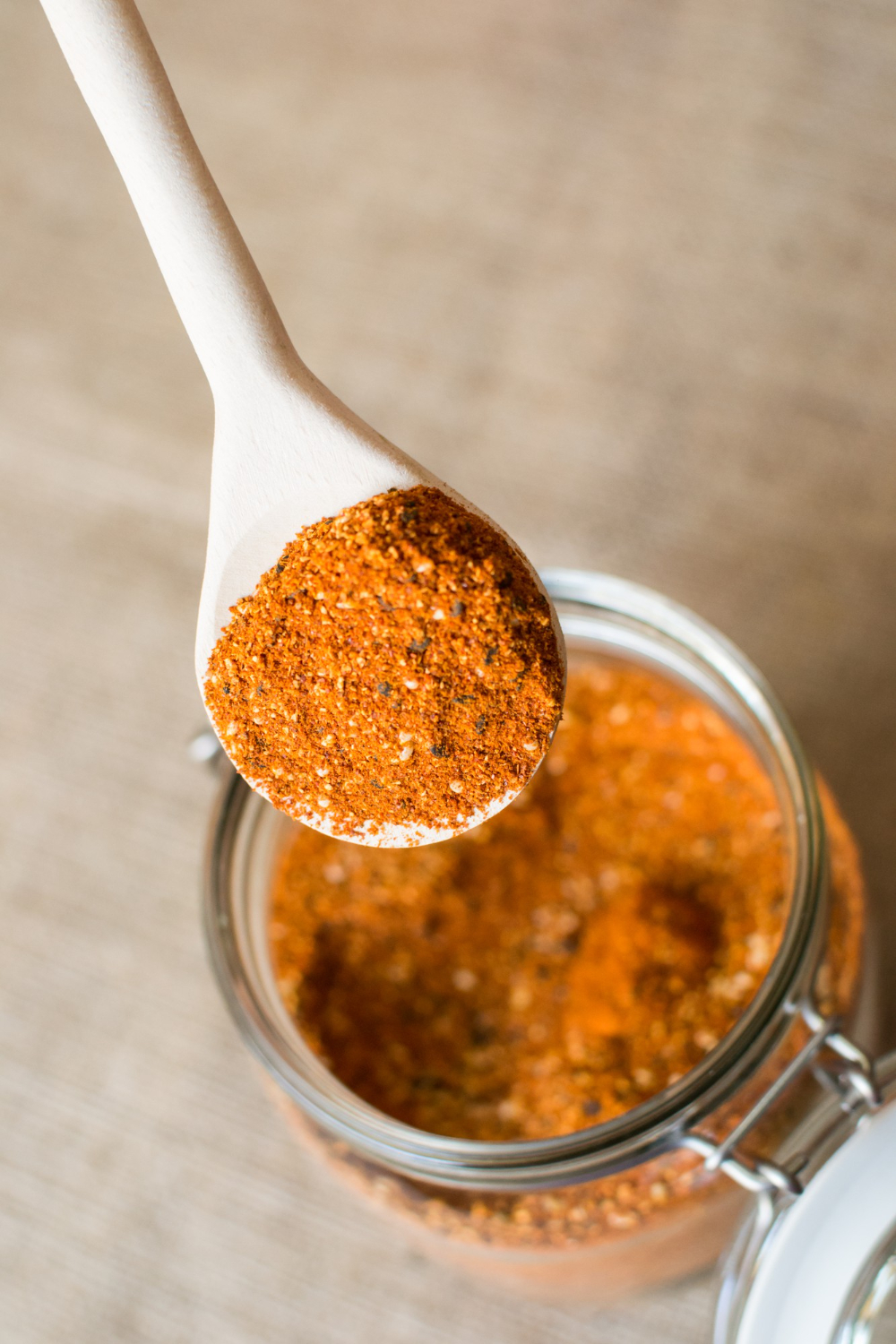
A seven-ingredient blend typically combining chilli, sansho pepper, dried citrus peel, sesame seeds, ginger, nori and hemp or poppy seed.
It is a table condiment rather than a cooking spice, shaken over noodles, soups and grilled dishes at the point of eating. The citrus peel is what distinguishes it. Shichimi togarashi is the spice blend that lives on the table rather than in the cupboard.
9. Cajun and Creole Blends — Louisiana
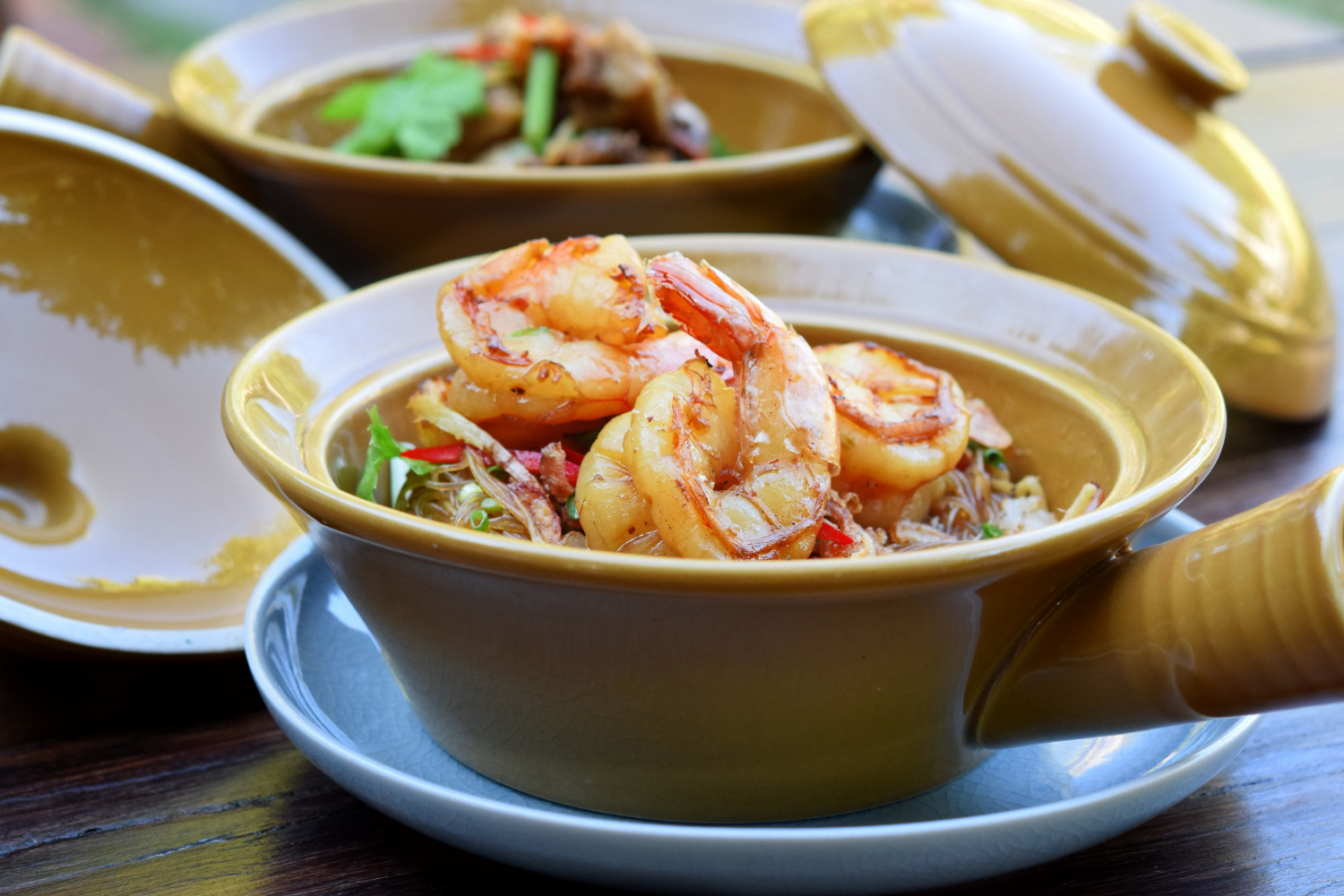
Paprika, cayenne, garlic and onion powder, black and white pepper, and dried herbs including thyme and oregano, in varying proportions.
The two traditions differ, with Creole blends generally leaning more herbal and Cajun more peppery, though usage is inconsistent. Both are rubbed and stirred in. Cajun seasoning is the spice blend that built an American regional cuisine on Caribbean and French foundations.
10. Panch Phoron — Eastern India and Bangladesh
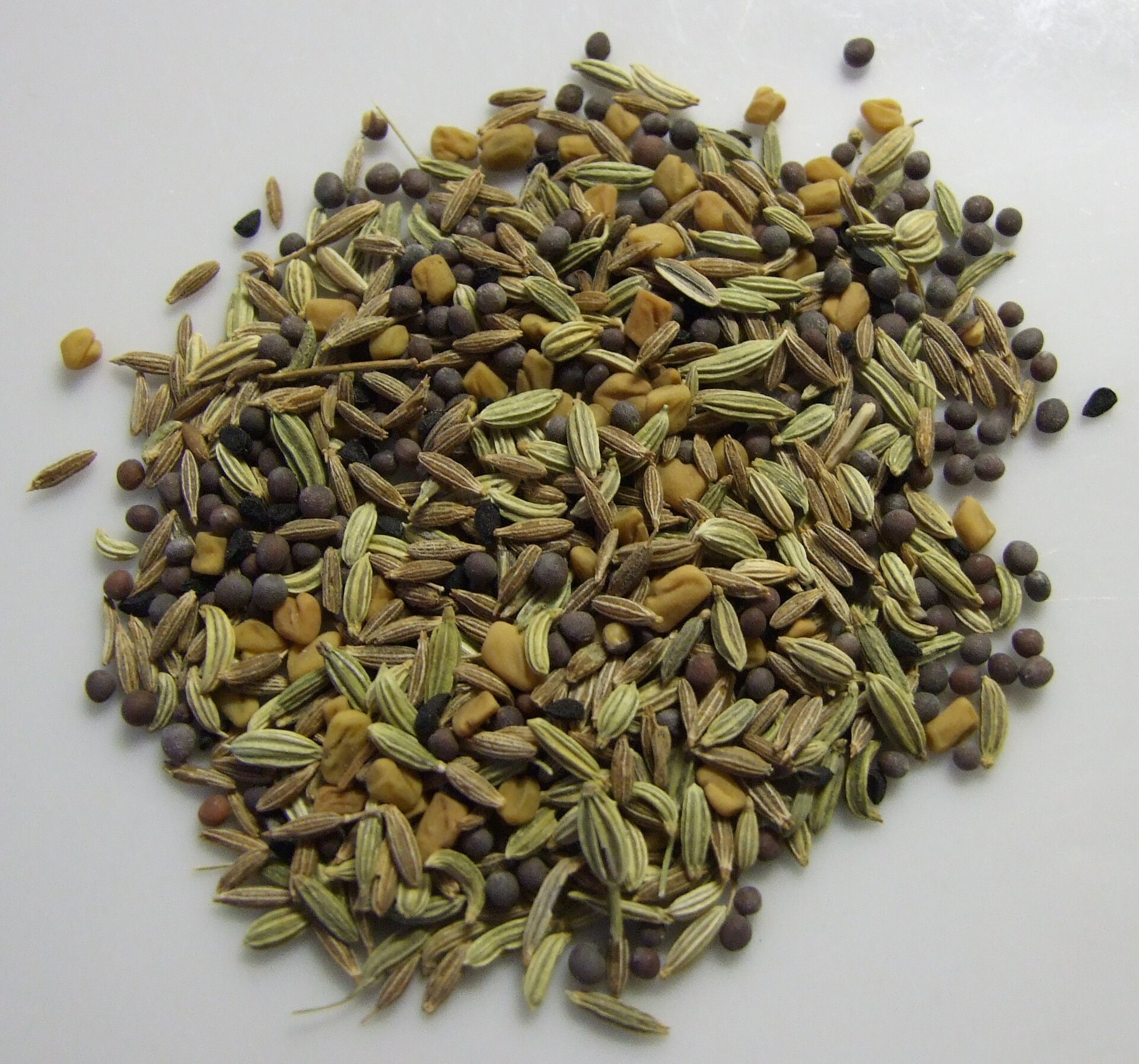
Five whole seeds in equal measure — fenugreek, nigella, cumin, black mustard and fennel — used whole rather than ground.
The seeds are bloomed in hot oil at the start of cooking so they pop and release their aromatics into the fat. Grinding it defeats the purpose. Panch phoron is the spice blend that only works if you leave the seeds intact.
11. Adobo — Latin America and the Philippines
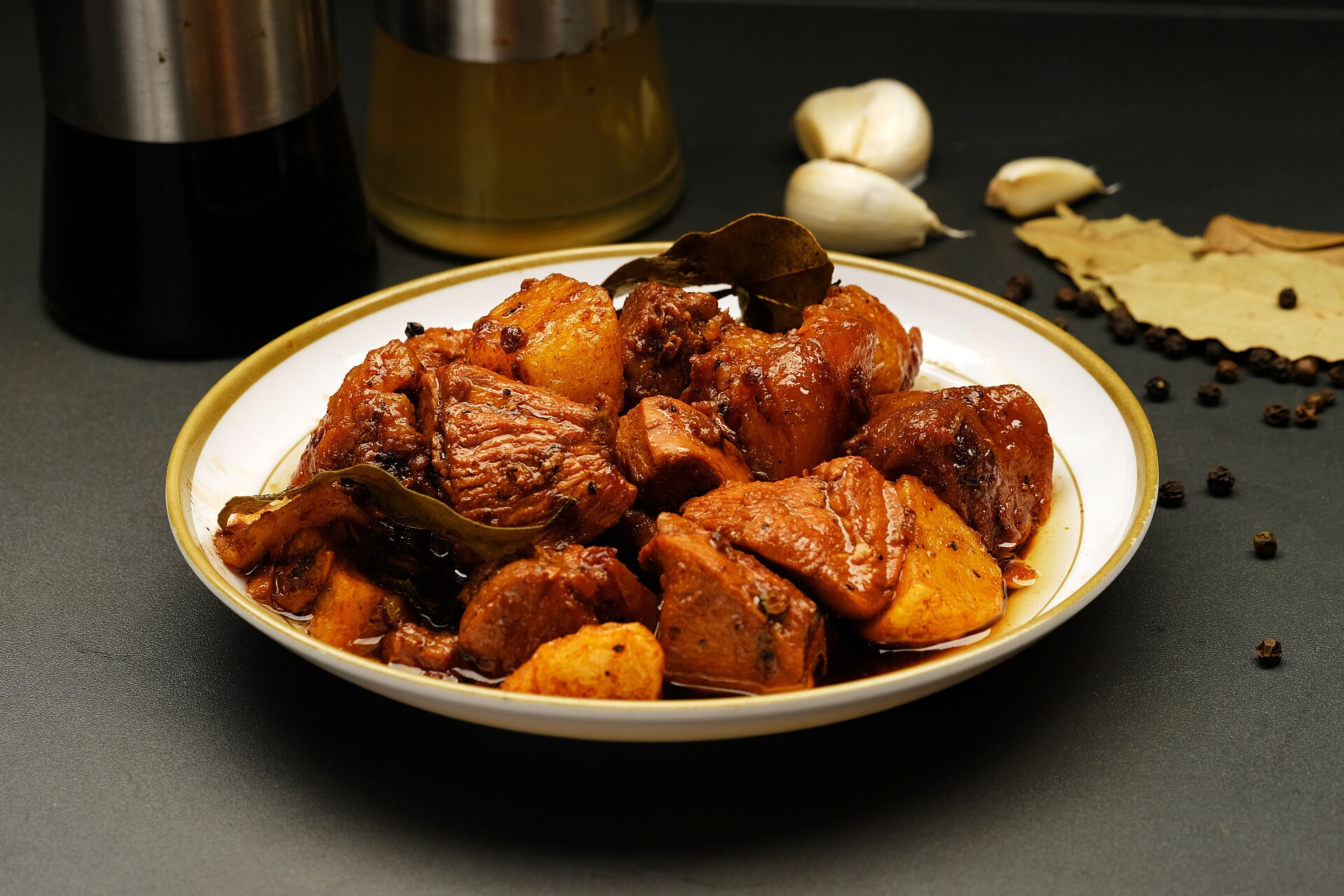
The word covers both a seasoning blend and a cooking method, and the meaning shifts by country.
Latin American dry adobo typically combines garlic powder, oregano, salt, pepper and turmeric, while Filipino adobo refers to a vinegar-and-soy braise rather than a spice mix. Context matters. Adobo is the spice blend whose name means two quite different things.
12. Curry Powder — Britain, by way of India
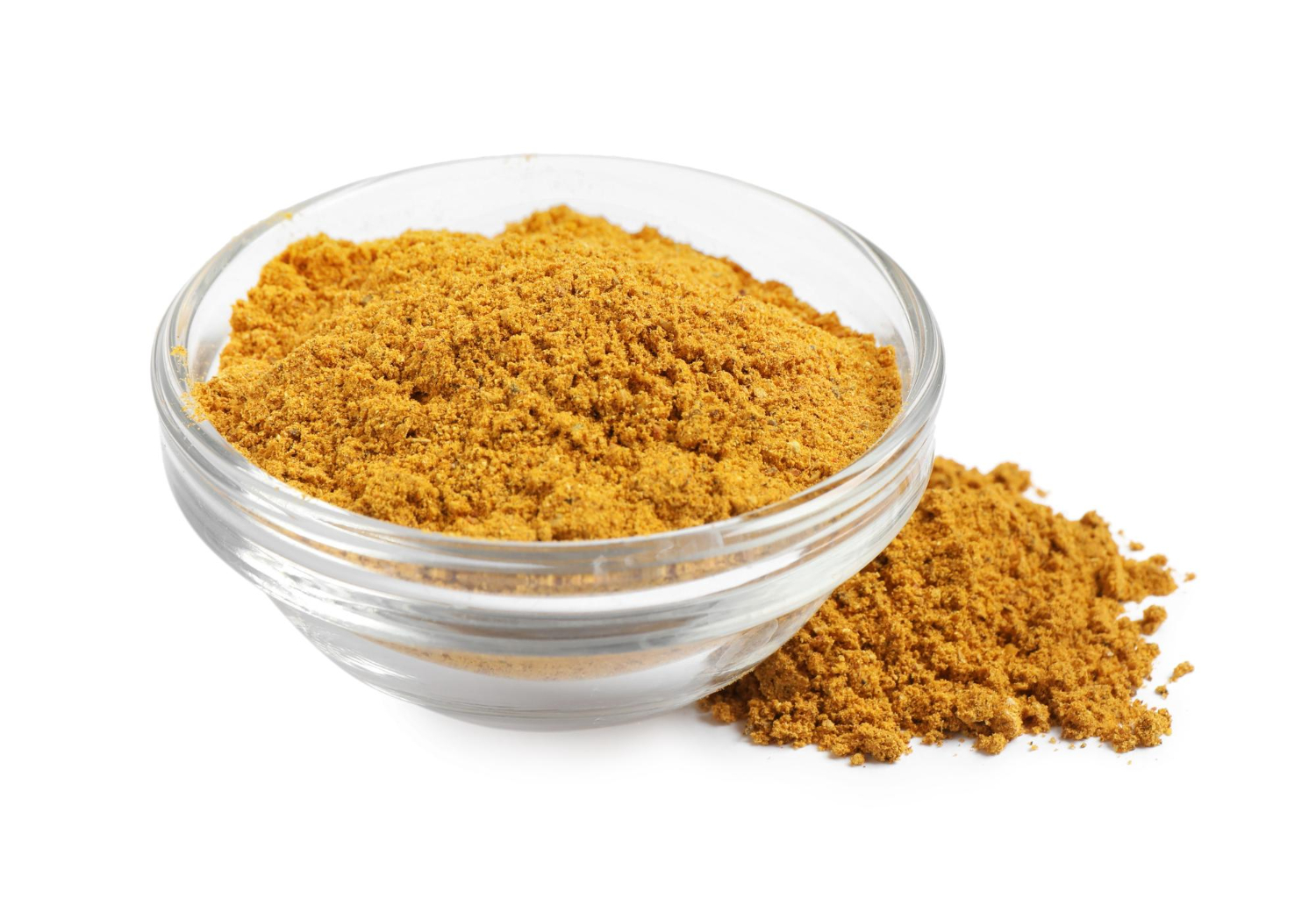
A British commercial invention rather than an Indian one, standardising a fixed blend of turmeric, coriander, cumin, fenugreek and chilli for export.
Indian cooking uses spices assembled per dish rather than a single all-purpose powder, which is why the product is largely absent from Indian kitchens. It has its own history. Curry powder is the spice blend that says more about British trade than about Indian cooking.
Twelve Jars Instead of Forty
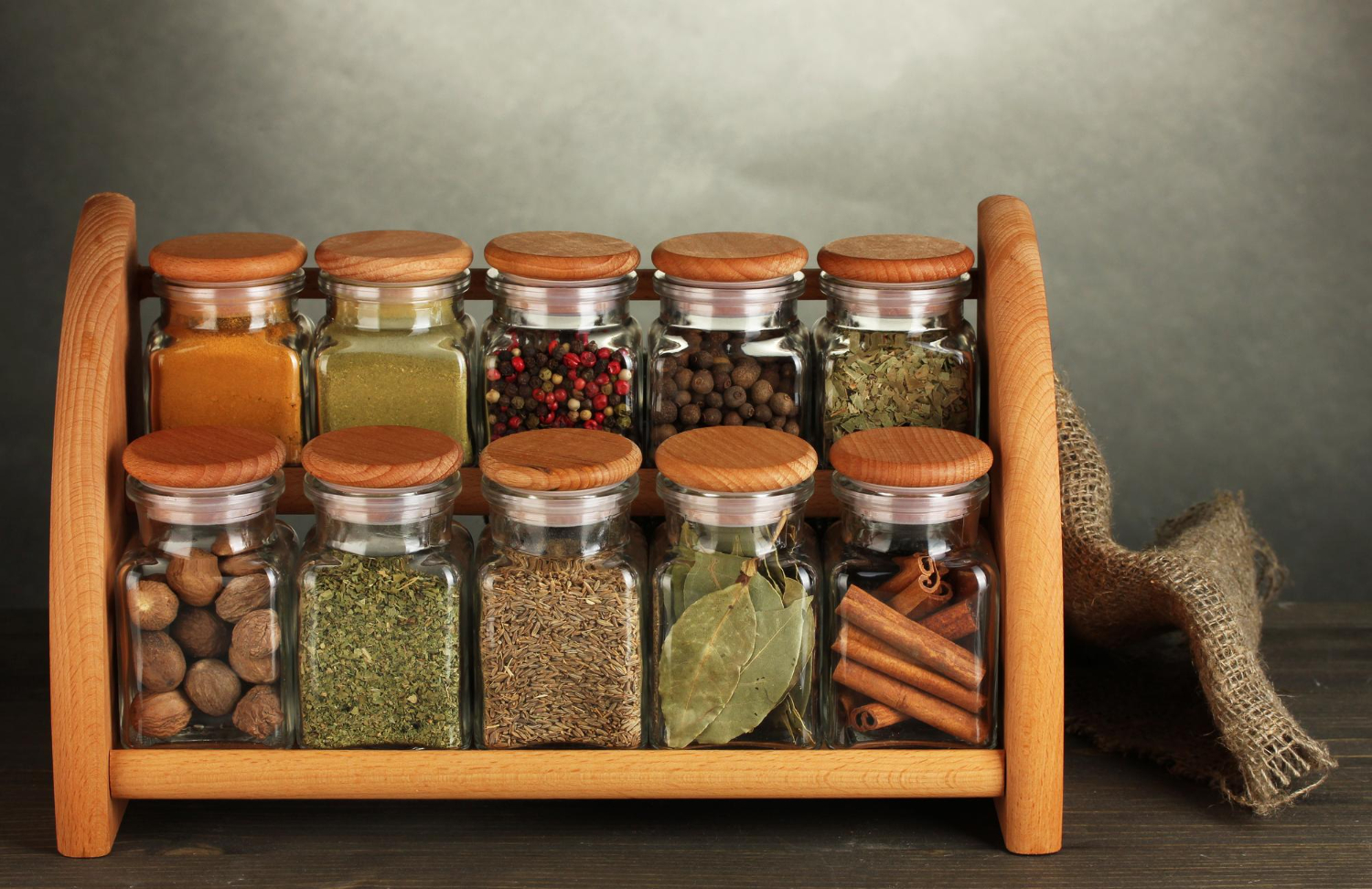
What these have in common is that each one encodes a set of decisions somebody else already made — which spices belong together, in what proportion, for which kind of dish.
Buying whole spices and toasting and grinding them yourself makes a real difference, since ground spices lose their aromatics within months. But even from a jar, these twelve cover an enormous amount of ground, and each one is a shortcut to a cuisine rather than a single dish.
Like our content? Follow us for more.