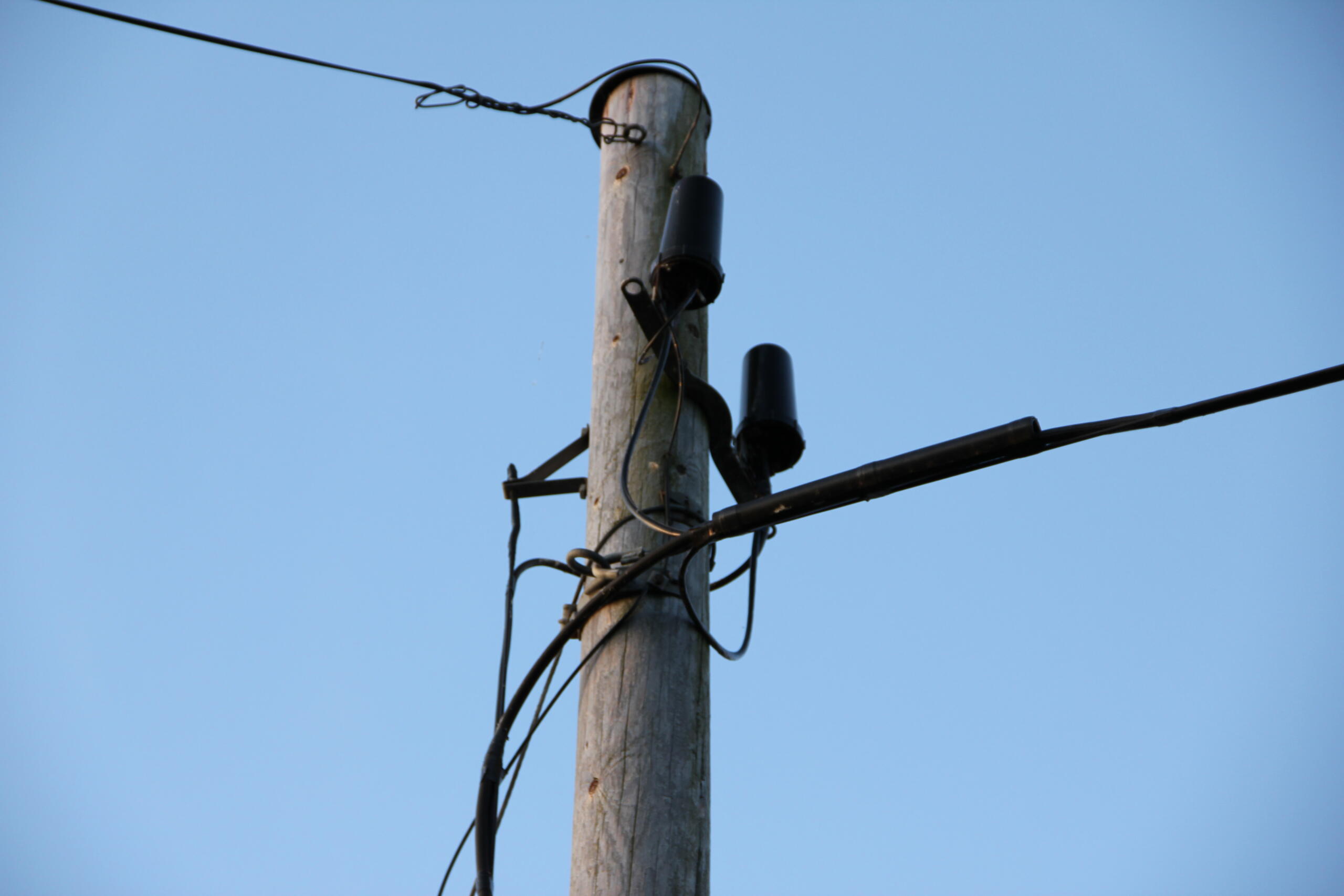
The thing modern listeners find hardest to accept is that this was not a cheap tier of service for people who could not afford better. In enormous areas of the United States it was the only service available, from the only company that would build there, and a household on a shared line was not being short-changed. It was being connected at all.
The arrangement produced a set of social conventions so specific that people who lived under them can still recite the rules, and an engineering trick that is quietly elegant.
The Economics That Made It Inevitable

The reason shared lines existed is a problem in the shape of the country.
A telephone network is mostly wire. The switching equipment at the exchange is expensive but it is shared across every subscriber connected to it. The wire, by contrast, is bought by the mile, and it serves whoever happens to live along it.
In a city, a mile of cable passes several hundred potential subscribers, so the cost per connection is small and giving everybody their own pair is straightforward. In open country a mile of line might pass two households. The cost of reaching a farm five miles from the nearest pole was, in the early decades of the telephone, far more than any single farm would pay.
There are only three ways out of that. Do not build the line, which is what happened in a great many places for a long time. Subsidise it, which came much later. Or put several households on the same pair of wires and divide the cost between them.
That is the whole explanation. A party line is not a degraded product. It is a cost-sharing arrangement that made rural telephone service possible at all, and the number of households on a line was a direct function of how thinly settled the area was – a few in a village, a dozen or more at the far end of a rural route.
Like our content? Follow us for more.
How One Line Rang the Right House
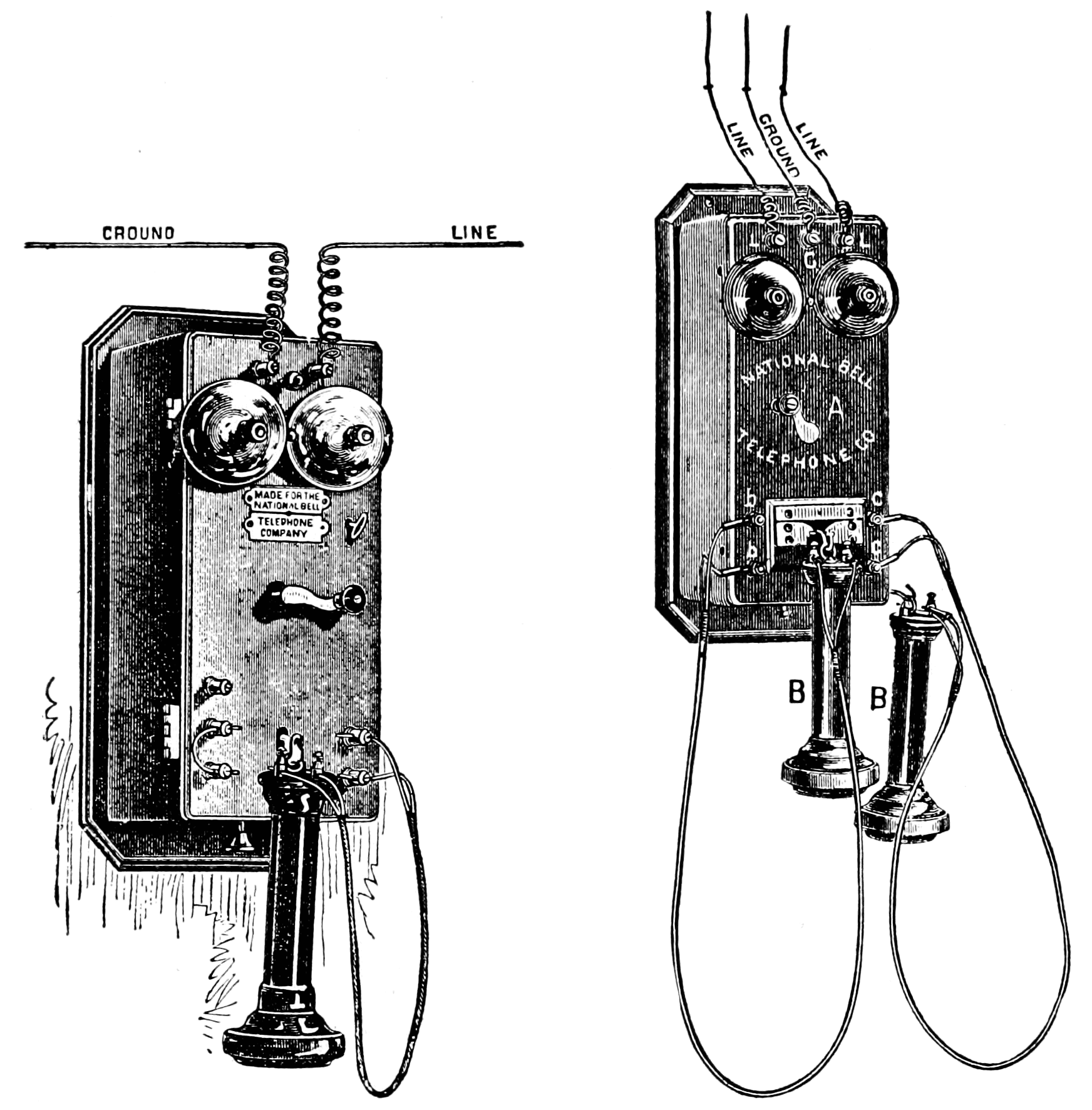
The clever part is the signalling, because a single pair of wires has to be able to ring one household without ringing the others.
The simplest method, and the one most people remember, is coded ringing. The exchange sends a distinctive pattern – one long, two shorts, three shorts, a long and a short – and every bell on the line rings it. Each household learns its own pattern and answers only to that.
That is a shared broadcast with a human address filter, and it works because a pattern of rings is easy to learn and hard to mistake. It is also why everybody on the line knew exactly how often each of their neighbours was being called, and by extension roughly what was going on in their lives.
More sophisticated arrangements existed. Divided ringing used the fact that a two-wire circuit has two sides, so a bell could be connected between one wire and earth rather than across both, letting the exchange ring a subset of the line. Combined with different ringing frequencies, this allowed selective ringing in which only the called party’s bell sounded at all.
Selective ringing was better and it cost more, in equipment at the exchange and in the subscriber’s instrument. So the cheaper coded ringing persisted in exactly the places where cost was the reason the line was shared in the first place, which meant the households with the least privacy were the ones who had it longest.
The Etiquette, Which Was Real and Enforced
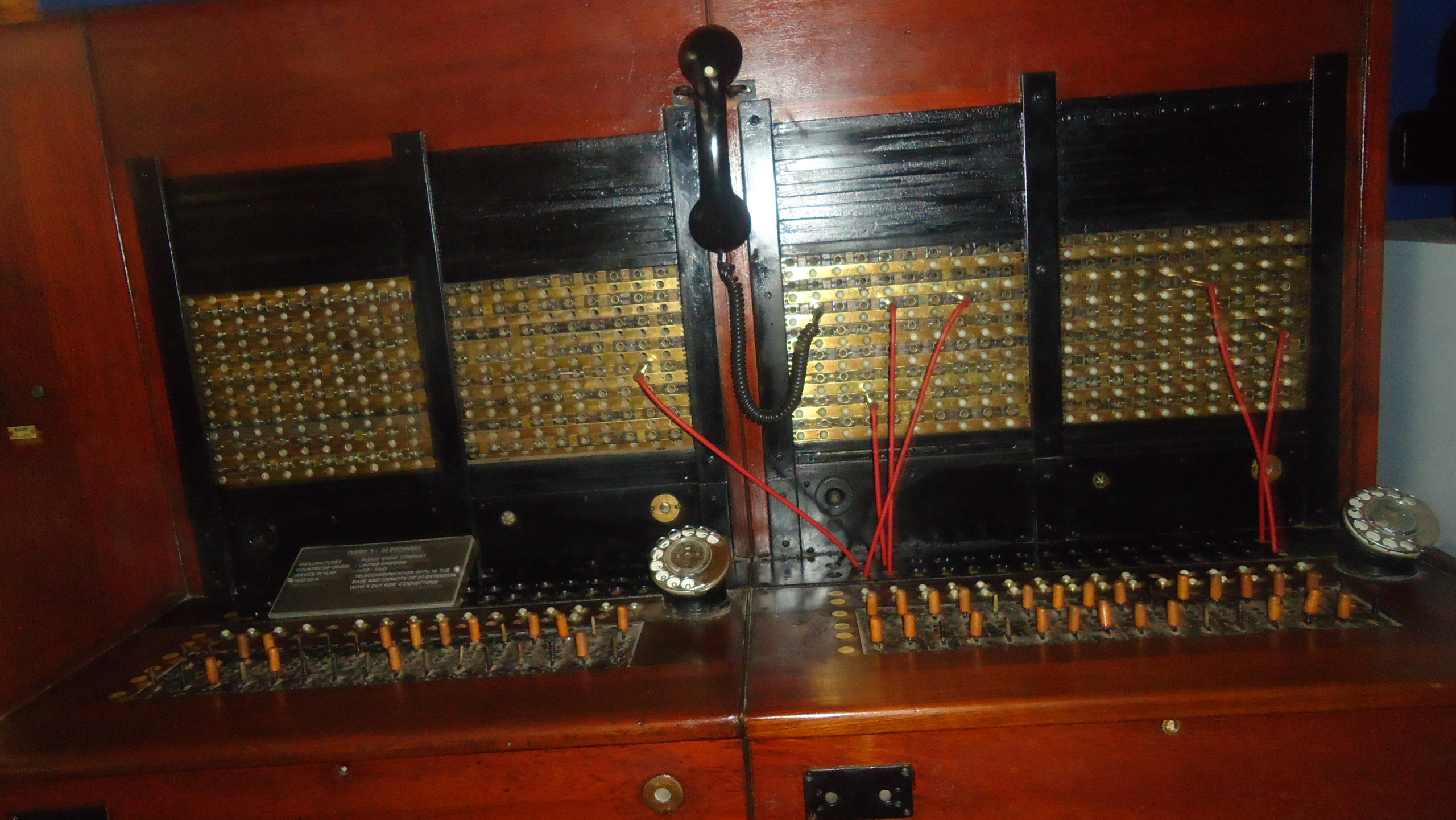
Because the line was a commons, a set of rules grew up around it, and they were understood as obligations rather than suggestions.
You listened before dialling, to check the line was free. You kept calls short, because somebody else might be waiting. You did not stay on during the evening, which was when everybody wanted it. You hung up immediately if you lifted the receiver onto a conversation. And in an emergency you were entitled to interrupt, which everybody accepted – a request to clear the line for a doctor was complied with without argument.
Enforcement was entirely social and it was effective, because the people enforcing it were the people you saw at church and at the grain elevator. A household that monopolised the line acquired a reputation, and in a small community that was a real cost.
The companies tried to help with technology where they could, and the thing they could not fix was the obvious one. Anybody on the line could listen to anybody else’s call, silently, for as long as they liked. There was no technical barrier whatsoever, and the only protection was that doing it was considered contemptible.
What People Actually Did With It

The listening is the part that gets remembered as a scandal, and the more interesting history is what the line was used for deliberately.
A shared line is a broadcast medium, and rural communities used it as one. Lifting the receiver and sounding a general ring was a recognised way of alerting everybody at once, and it was used for exactly the things you would expect: a fire, a lost child, a stranger on the road, a storm coming, a death.
It also carried news, weather and gossip as a matter of routine, and in a number of places the arrangement was semi-formal, with a particular household or the exchange operator acting as a relay point.
And the operator deserves a paragraph of her own. In a small rural exchange the operator knew every subscriber, knew who was away, knew which doctor was on call and knew where somebody could be reached. She placed calls, took messages, woke people, summoned help and in a real emergency rang every bell on every line. That function disappeared entirely with automatic switching, and what replaced it was not a worse version of the same service. It was no version of it.
What It Did to How People Spoke
A line that several households could hear changes the content of conversation, and the effect was consistent enough that people who grew up with it describe the same habits.
The first is that nothing private was said on the telephone. Money, illness, family disagreements, anything to do with a will or a court matter, anything about a neighbour – none of it went on the line. Those conversations happened in person, which meant the telephone was used for arranging to have the conversation rather than for having it. A call was a summons, not a discussion.
The second is that people developed a compressed way of talking. Calls were kept short because somebody might be waiting, so the greeting was minimal, the business came immediately, and the goodbye was abrupt by modern standards. Anybody who has listened to an older rural relative conduct a telephone call in about eleven seconds has heard the residue of a party line.
The third is the use of circumlocution. Where something delicate did have to be conveyed, it was conveyed by implication – a reference both parties would understand and a listener probably would not. That is a skill, it was widely held, and it exists in every community where a channel is known to be shared.
And the fourth is the one people mention most fondly. Because the line was audible, a call was semi-public, and a certain amount of what would now be private conversation was conducted in the knowledge that it was partly a performance. People were more careful, more formal and in some accounts considerably more polite on the telephone than they were face to face.
Why It Lasted So Long and Then Vanished
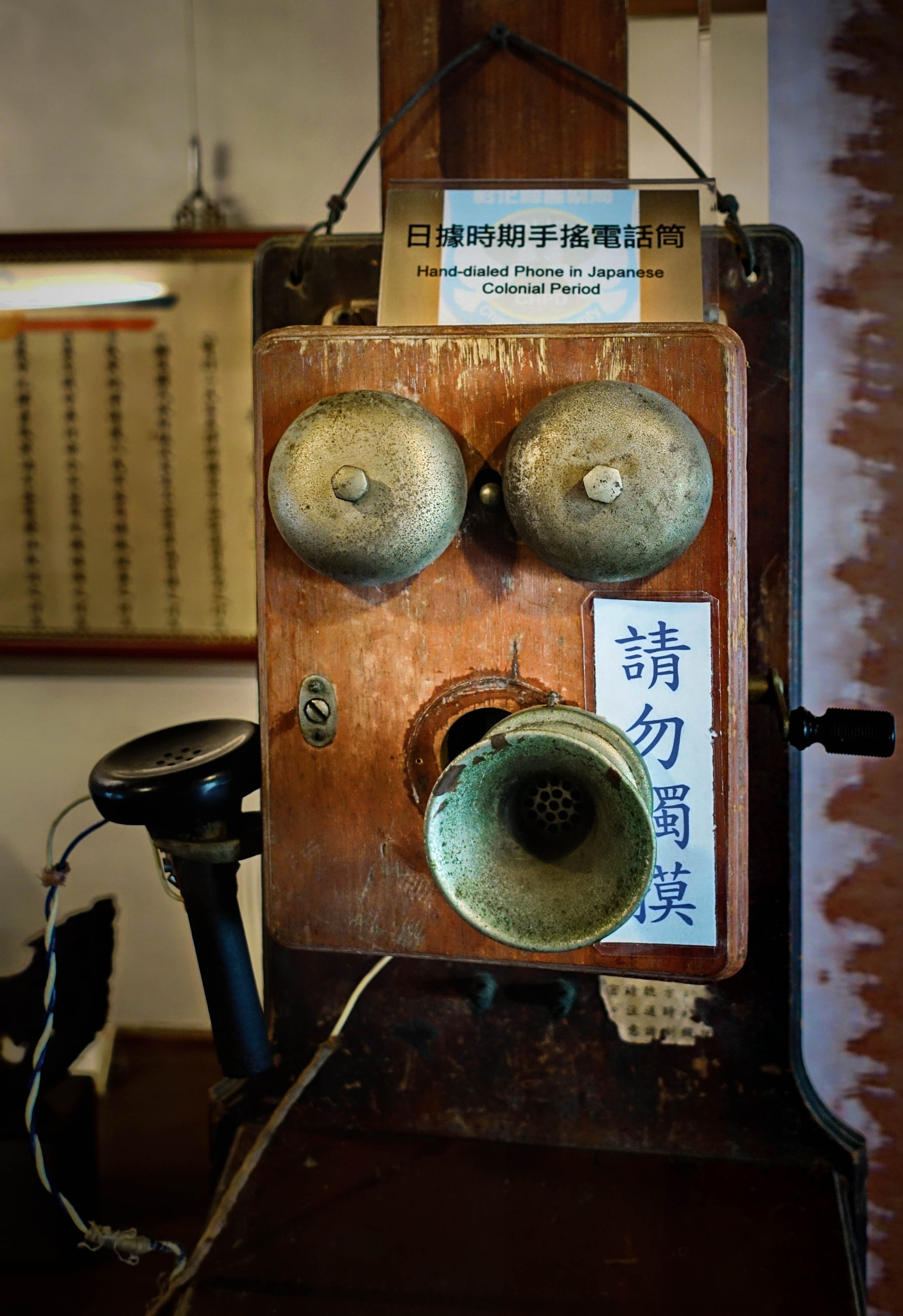
Party lines persisted in the United States far longer than most people assume – into the 1970s in many rural areas, and in isolated pockets considerably beyond that.
Three things ended them.
The first was the economics of the wire itself. Cable became cheaper, carrier systems allowed multiple conversations to share one physical pair electronically rather than socially, and the cost of giving every household its own circuit fell to the point where the saving from sharing stopped mattering.
The second was a deliberate policy of extending comparable service to rural areas, through lending programmes and cooperative companies formed specifically to build lines where no commercial operator would. A great deal of rural America was wired by cooperatives owned by their own subscribers, which is why the service pattern varies so sharply from county to county.
The third was that everything added to the telephone afterwards assumes a private line. Direct dialling, itemised billing, answering machines, extension phones and eventually every digital service require a circuit belonging to one subscriber. A shared line is incompatible with the modern telephone not because it is old but because every subsequent feature was built on the assumption that the line is yours.
The Honest Summary
The American party line existed because wire is bought by the mile and the countryside is thinly settled, so the only way to connect a farm was to divide the cost of the line between several households.
It worked through coded ringing – a pattern of long and short rings that every bell on the line sounded and every household learned to recognise – which is an elegant solution and also meant no household had any privacy at all. The rules that governed it were social, were strict, and were enforced by the fact that everybody on the line knew everybody else.
And the thing most worth remembering is that the community used the arrangement’s biggest flaw on purpose. A line everybody could hear was the fastest way to tell everybody something, and for a fire or a lost child that was not a defect. It was the only broadcast system a rural county had.
Like our content? Follow us for more.