Almost every bad stay traces back to something checkable that nobody checked. Here are fifteen things worth two minutes each before you book.
1. Where It Actually Is on a Map

Descriptions stretch geography substantially, and a place described as central may be a long walk or a transport connection away from anything.
Open a map, find the exact address, and measure the distance to the places you intend to go. Checking where it actually is on a map is the single most useful thing to do before booking somewhere to stay.
Like our content? Follow us for more.
2. What Is Directly Outside
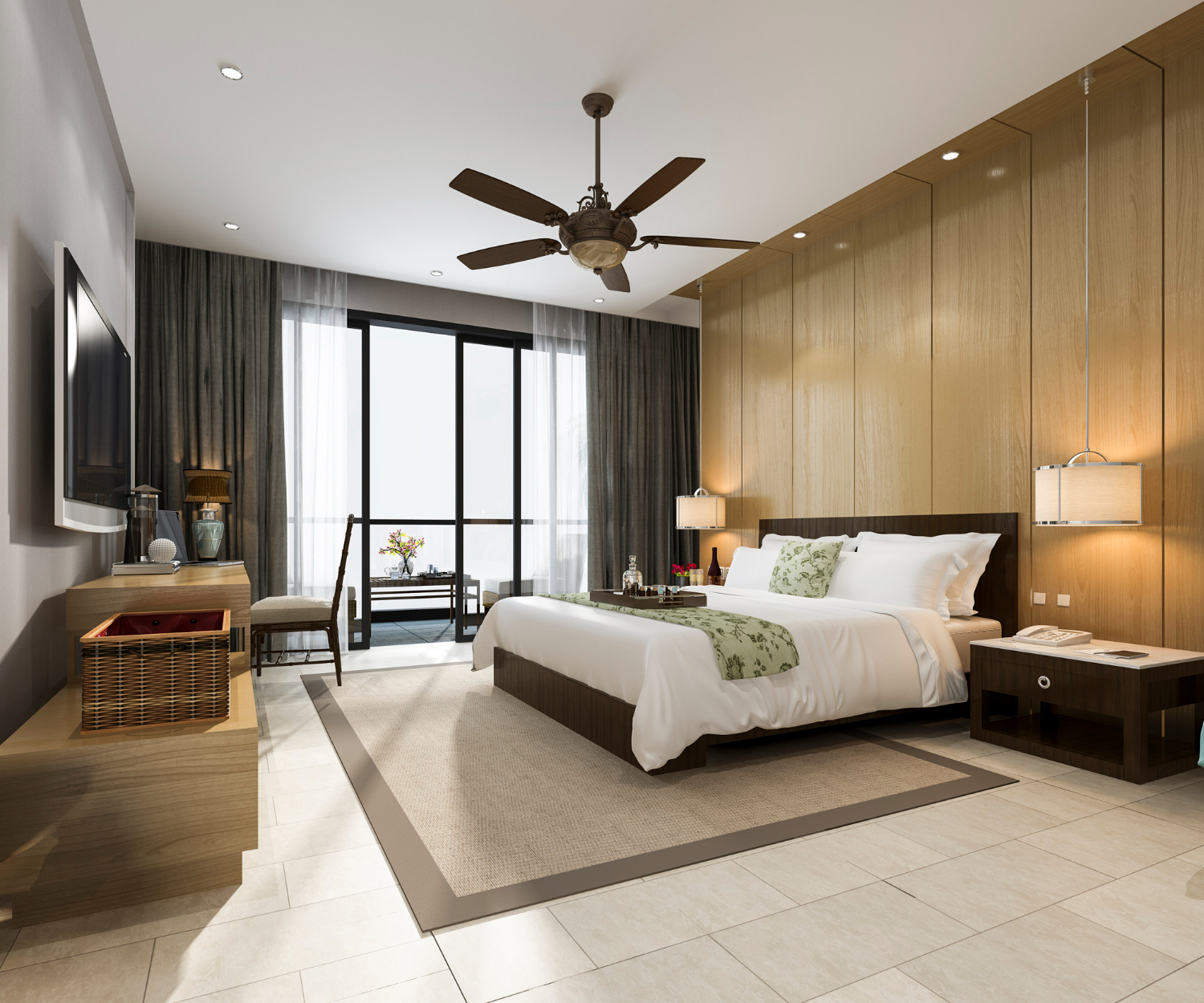
A quiet room can sit above a bar, beside a main road, next to a building site or under a flight path, none of which appears in the photographs.
Street-level imagery and recent reviews mentioning noise will tell you quickly. Checking what is directly outside prevents the most common complaint about accommodation.
3. The Most Recent Reviews Only

Properties change hands, refurbish, decline and improve, so reviews from two years ago describe a different place.
Sort by date and read the last few months, which is where current management, cleanliness and building work will show up. Reading only the most recent reviews is how to get an accurate picture before booking.
4. What the Negative Reviews Actually Say

A pattern in the complaints matters far more than an average score, and a handful of low ratings mentioning the same specific problem is a real signal.
Ignore isolated grievances and look for repetition. Reading what the negative reviews actually say is more informative than any overall rating.
5. Whether the Photographs Are Recent

Rooms are photographed at their best and sometimes years ago, and one flattering angle can conceal a great deal.
Guest-submitted photographs, where available, are substantially more reliable than the listing’s own. Checking whether photographs are recent is a basic defence against a disappointing arrival.
6. The Total Price, Not the Nightly Rate

Cleaning fees, service charges, resort fees, local taxes and booking charges can add substantially to a headline rate.
Take every option through to the final screen before comparing, because the cheapest nightly rate frequently is not the cheapest stay. Checking the total price rather than the nightly rate is where most booking comparisons go wrong.
7. The Cancellation Terms

Flexible and non-refundable rates sit side by side and the difference is easy to miss when the cheaper one is highlighted.
Decide deliberately whether the saving is worth losing the money if plans change. Checking the cancellation terms is the detail that costs the most when overlooked.
8. Check-In and Check-Out Times

Arrival times are frequently later than people assume and departure times earlier, which matters enormously with an early flight or a late arrival.
Confirm whether luggage storage is available outside those hours. Checking the check-in and check-out times prevents the most common logistical problem of a short stay.
9. Whether There Is a Lift

Charming old buildings frequently have several flights of stairs and no lift, which is rarely prominent in a listing.
This matters for heavy luggage, for anyone with mobility needs, and for anyone arriving tired. Checking whether there is a lift is the practical question most often forgotten.
10. How You Actually Get In
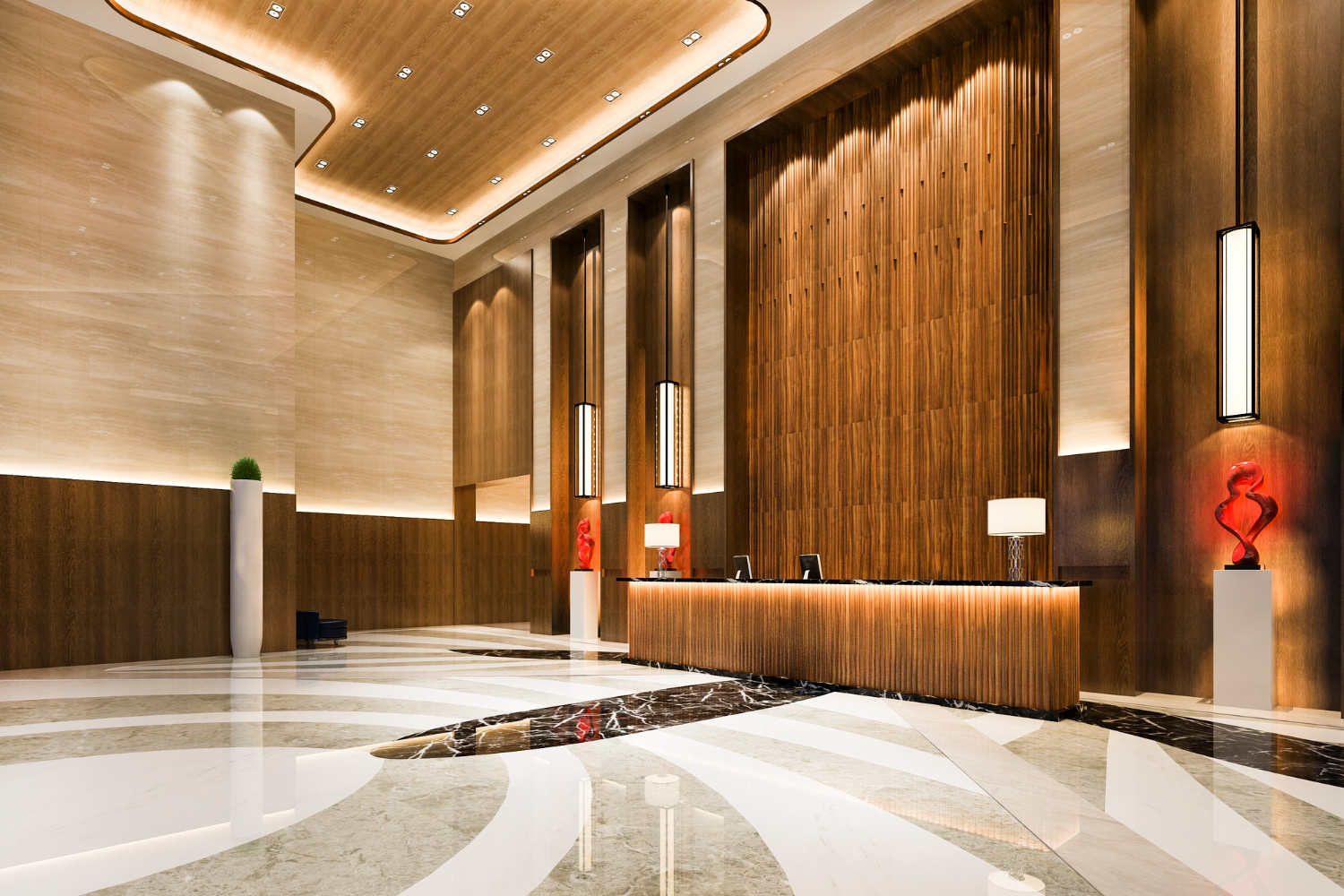
Self-check-in, key boxes, remote hosts and reception hours all determine what happens if you arrive late or your transport is delayed.
Establish the arrangement and get a contact number before you travel. Checking how you actually get in is what stops a delayed arrival becoming a night without a room.
11. What Is Included and What Is Not
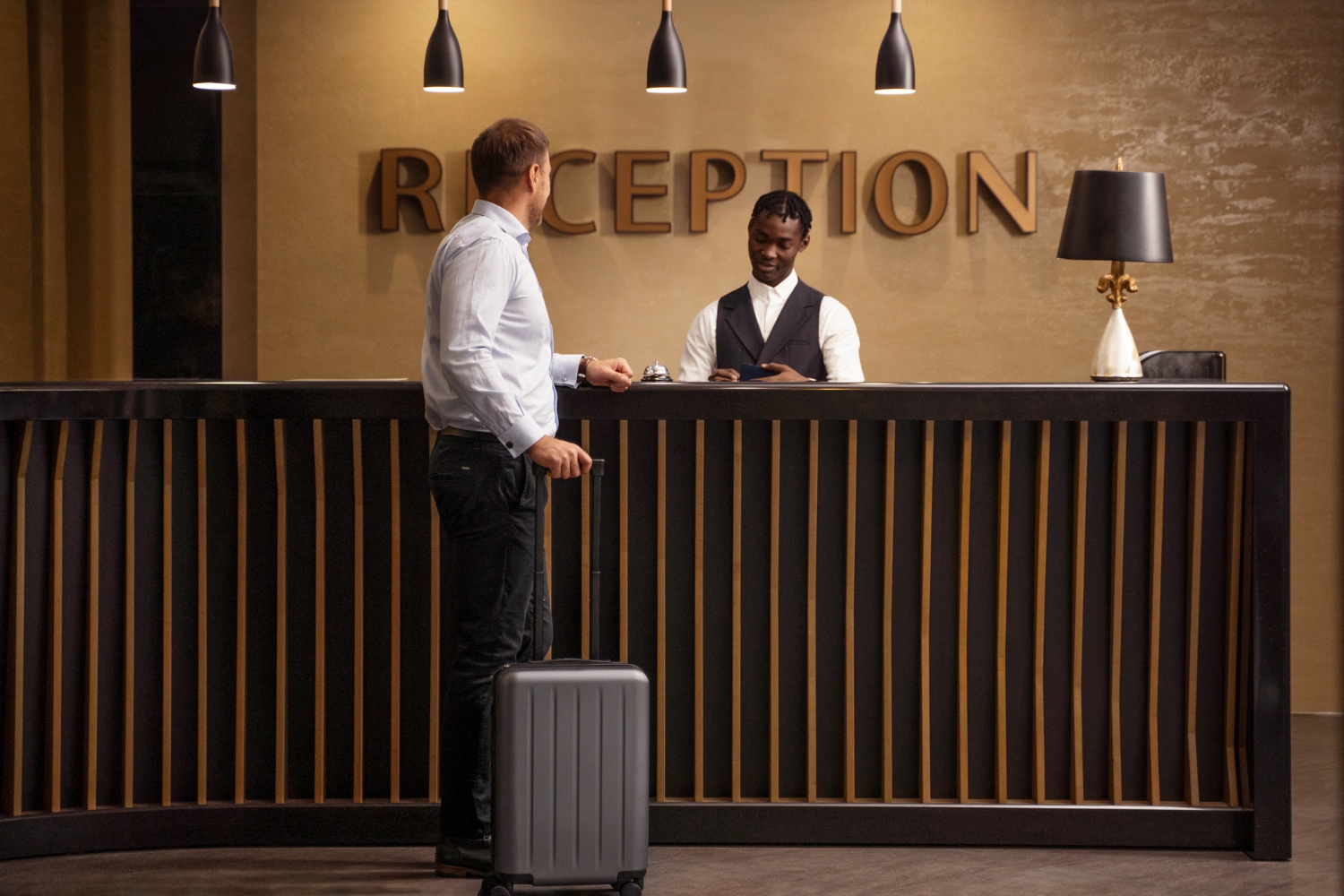
Breakfast, parking, towels, wifi and air conditioning are sometimes included and sometimes charged, and assumptions are expensive.
Read the inclusions rather than inferring them from the price. Checking what is included is where the difference between two similar listings usually lies.
12. Noise From Inside the Building

Thin walls, a busy lobby, a lift shaft, an early breakfast service or a nightclub in the basement are all mentioned in reviews and never in listings.
Search the reviews for the word noise specifically. Checking for noise from inside the building is worth doing even when the location is quiet.
14. Whether the Neighbourhood Suits Your Hours

A district that is lively at midnight is a different proposition for someone with an early start than for someone who wants a late dinner.
Think about when you will actually be there and what you want around you. Checking whether the neighbourhood suits your hours is a question about you rather than about the property.
15. That the Booking Confirmation Says What You Think

Room type, number of guests, dates, bed configuration and any special requests should be checked on the confirmation rather than assumed.
Errors are far easier to fix immediately than at a reception desk in another country. Checking the confirmation is the last step before booking somewhere to stay and the one people skip.
Two Minutes Each

Almost none of this requires expertise. It requires opening a map, sorting reviews by date, reading to the final price screen and looking at the confirmation.
Accommodation is usually the largest single cost of a trip and the thing that most affects how the trip feels, and it is chosen from photographs taken by the seller. Spending twenty minutes on the checks above buys a substantially better chance that the place you arrive at is the place you thought you booked.
Like our content? Follow us for more.