Drive in most of the world and the signs are pictures. A red triangle with a symbol in it warns you about something. A red circle with a line through it forbids something. A blue circle tells you what to do. The shape and the colour carry the grammar, and the symbol inside carries the noun.
Drive in America and the signs talk. They say things in English, in sentences, with verbs. And this is not because nobody thought of symbols – America was one of the countries that worked on the international system and then declined to use it.
How the International System Works
The system most of the world uses is a grammar before it is a vocabulary, and that is the thing worth understanding.
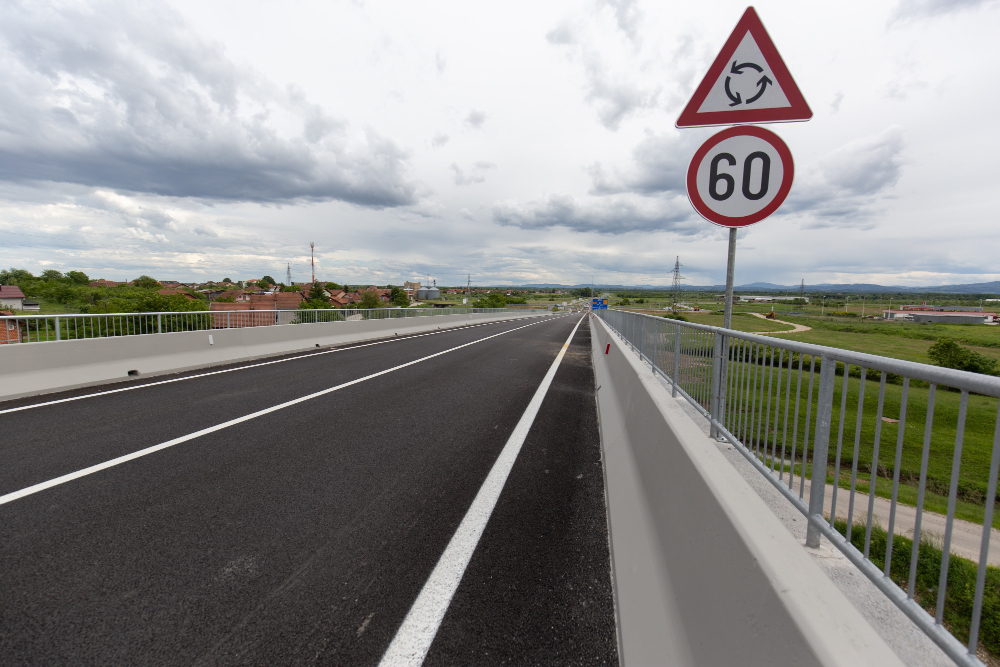
The shape and the border tell you what kind of statement is being made. A triangle with a red border is a warning: something ahead requires attention. A circle with a red border is a prohibition: do not do this. A blue circle is a mandatory instruction: do this. A blue rectangle is information. A diamond or a particular colour marks priority.
Inside that frame sits a pictogram naming the specific thing – a bend, a slope, falling rocks, a level crossing, children, livestock.
So a driver who has learned five shapes and four colours can correctly interpret the category of any sign they have never seen before, and only has to guess at the noun. That is a genuinely powerful property. A Finnish driver in Portugal understands that a sign is a prohibition before working out what is prohibited, and frequently does not need to work it out at all because the pictogram is self-explanatory.
The system was codified by international agreement in the 1960s, built on earlier European conventions, and it spread across Europe, much of Asia, Africa and South America.
Like our content? Follow us for more.
What America Does Instead
The American system is a different design with a different logic, and it is not simply the absence of the other one.
American signs encode category primarily in shape and colour too, and the shapes are genuinely informative: an octagon means stop and nothing else is an octagon, an inverted triangle means yield, a diamond is a warning, a rectangle is regulatory, a pentagon means a school zone, a circle means a railroad crossing ahead, and a crossbuck is the crossing itself.
That shape vocabulary is arguably better than the international one at one specific job: an American driver can identify a stop sign by its outline alone, from behind, in snow, or when the face is obscured, because no other sign is that shape. The international system uses the octagon for stop as well, but far more of its meaning sits in the colour and the pictogram.
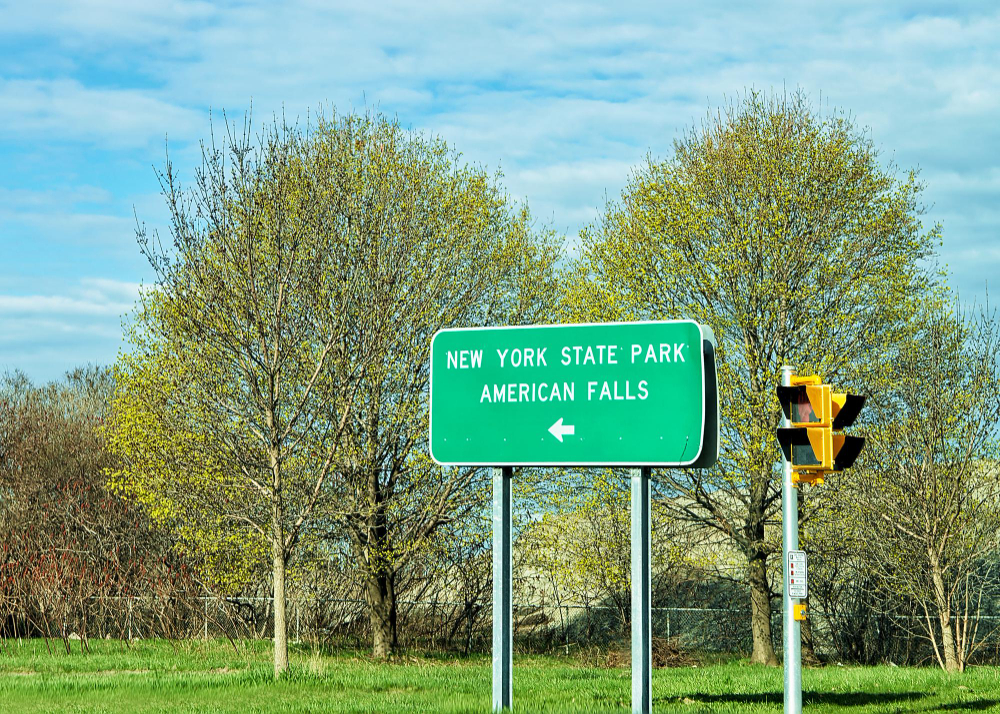
Where the two diverge is inside the frame. The American tradition fills a regulatory sign with text – a legend stating the rule in words – where the international tradition uses a pictogram. And American warning signs frequently carry both a symbol and a word, or a symbol with an explanatory plaque beneath it.
The Argument for Words
It is worth taking the American case seriously, because it is not merely inertia.
The first argument is precision. A sentence can express a conditional that a pictogram cannot. A rule that applies only at certain hours, only to certain vehicles, only in one direction, or only when something else is true is straightforward to write and extremely difficult to draw. American signs carry a great many such rules, and the international system handles them with supplementary plates that are themselves frequently textual.
The second is unambiguity for the population that actually uses the road. A sign in the local language is understood immediately and exactly by a resident, with no learning and no inference, which is the great majority of road users in a very large country where most driving is domestic.
The third is that pictograms have to be taught. A symbol is only self-explanatory in retrospect; a driver who has not seen it before is guessing, and the guess can be wrong in a way that reading a sentence cannot. The international system depends on a population that has been examined on the symbol set, which is a real feature of licensing in the countries that use it.
And the fourth is simply scale and continuity. The American network is enormous, the signage was already installed and standardised nationally, and the drivers were already trained on it.
The Argument Against Words
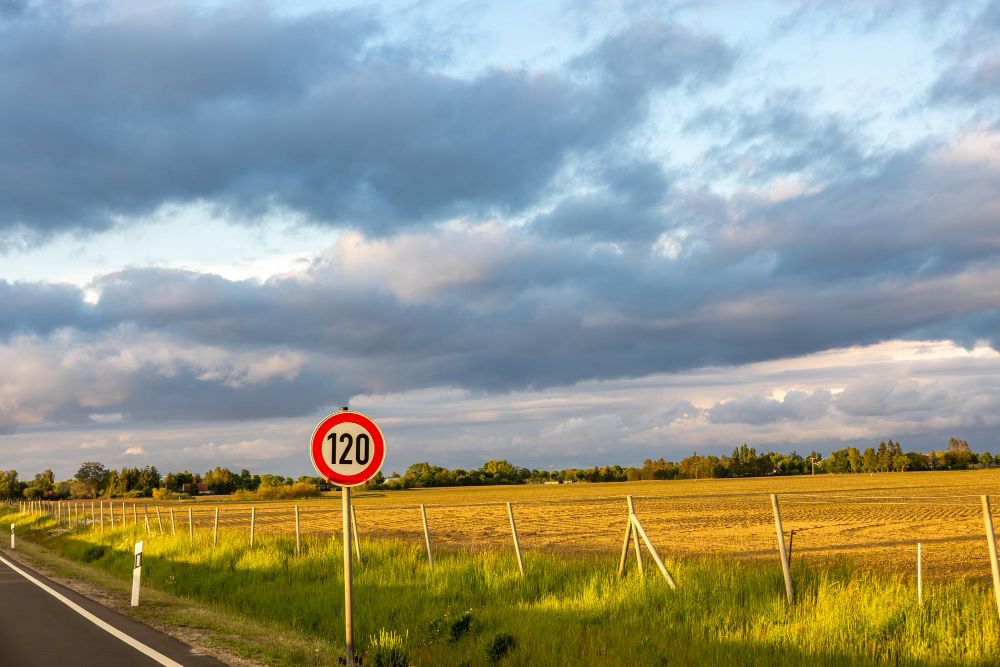
The case for symbols is equally real and it comes down to three things.
Reading takes longer than recognising. A pictogram is identified in a single glance by shape recognition, while a text legend has to be read, which takes measurably longer and requires the eyes to stay on the sign rather than the road. At highway speed that difference is a meaningful number of feet, and it is why even the American system uses symbols for the most time-critical warnings.
Language excludes people. A text sign is illegible to anybody who does not read that language fluently, which in the United States includes visitors, recent arrivals and a non-trivial number of residents. It is also harder for a driver with low literacy or a reading difficulty, who may drive perfectly well.
And symbols survive conditions that text does not. A pictogram remains identifiable when a sign is dirty, faded, partly obscured by snow or seen at an angle, because its overall form is still there. A sentence degrades into illegibility much sooner.
America Has Been Quietly Converting for Fifty Years
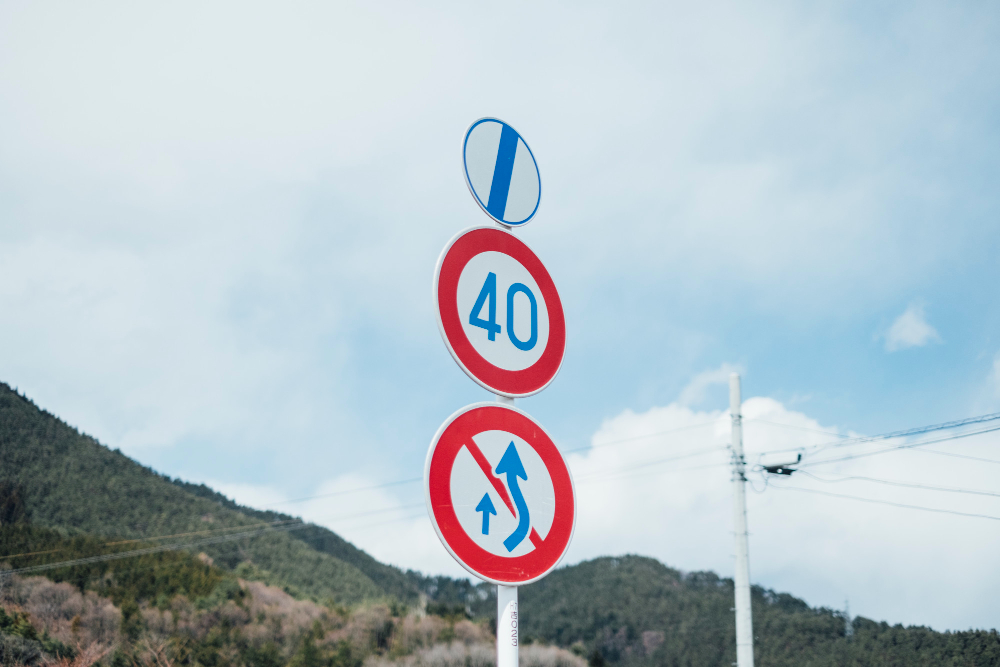
This is the part that is least known, and it changes the whole framing.
The United States has been progressively replacing word legends with symbols for decades, deliberately and by policy. The national signage manual has added symbol versions of a long list of signs, and in many cases the text version has been retired.
The pattern of which ones converted is instructive. Signs where the meaning is a physical situation – a curve, a divided highway beginning or ending, a merge, a pedestrian crossing, a signal ahead, a slippery surface – went to symbols early and completely, because a shape can show a geometry far better than a sentence can describe it. Signs where the meaning is a legal rule with conditions attached have largely stayed textual, because that is what text is good at.
So American signage is converging on a sensible division of labour rather than holding a line: pictures for geometry, words for law. Which is arguably where the international system also ends up once its supplementary plates are counted, since those plates carry the conditions in text.
The remaining visible difference is therefore smaller than it looks and is concentrated in regulatory signs, which is where the conditions live.
The One Place the Difference Is Stark
If you want to see the gap at its widest, look at a sign telling you about parking.
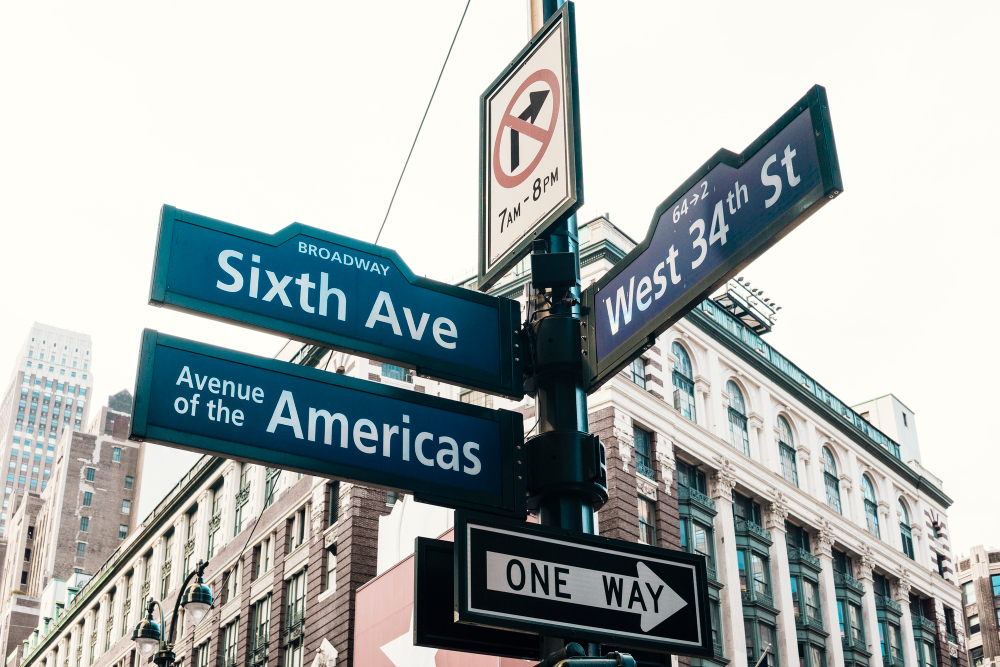
American parking signage is notorious among visitors and among Americans: a stack of four or five rectangular plates on one post, each with a rule, a time range, a day range, an exception and an arrow, requiring a stationary driver to read and reconcile all of them to determine whether they may leave the car.
The international approach uses one symbol and a small number of supplementary plates, and it is better at a glance and worse at expressing genuine complexity – which means in a city with genuinely complex rules it either simplifies the rules or produces a sign nobody can read either.
That is the honest shape of the whole disagreement. The American system is better at saying complicated things and worse at being understood quickly. The international system is better at being understood quickly and worse at saying complicated things. Neither is a mistake, and both are converging toward using each tool for what it does well.
The Honest Summary
Most of the world uses a signed international system in which shape and colour carry the grammar and a pictogram carries the noun, so that a driver who has learned a handful of frames can read a sign they have never seen, in a country whose language they do not speak.
The United States participated in developing that system and did not adopt it, for reasons that are real: text expresses conditional rules that pictures cannot, it is instantly exact for the resident majority, symbols have to be taught before they are obvious, and the American network was already built and its drivers already trained.
The case against is equally real: reading is slower than recognising at speed, language excludes anybody who does not read it, and symbols survive dirt, snow and a bad angle that defeat a sentence.
And the resolution is already happening without anybody announcing it. America has spent fifty years converting its geometry signs to pictures while keeping its legal rules in words, which is roughly what the international system does once you count the text on its supplementary plates. The two are meeting in the middle, and the last visible difference is a post in a city street with five plates on it.
Like our content? Follow us for more.