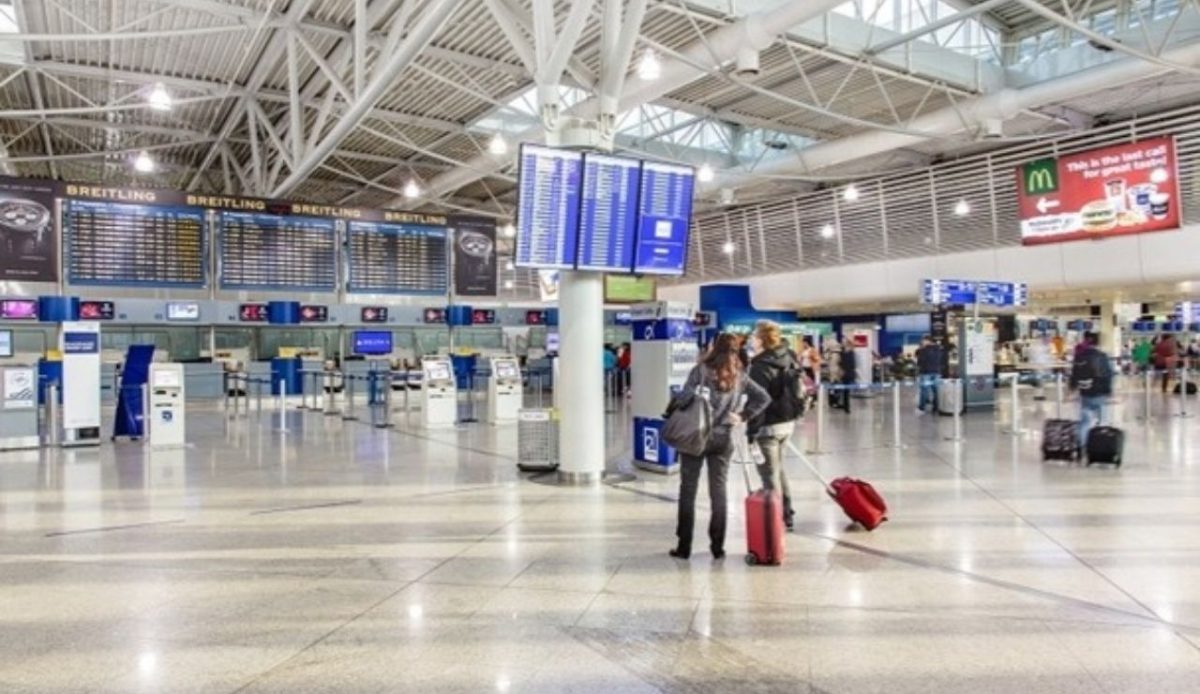
Airports keep getting bigger, and so do the distances travelers cover inside them. What looks manageable on a map often feels very different when you’re dragging a carry-on through endless corridors or racing between concourses. Modern terminals are built for growth, big aircraft, and global connections, but that scale translates into long walks, multiple security points, and the occasional sprint when your gate gets switched at the last minute.
If you’re traveling through any of these major hubs, give yourself extra time, wear comfortable shoes, and be ready for a few thousand steps before takeoff.
1. Dallas–Fort Worth International Airport, USA
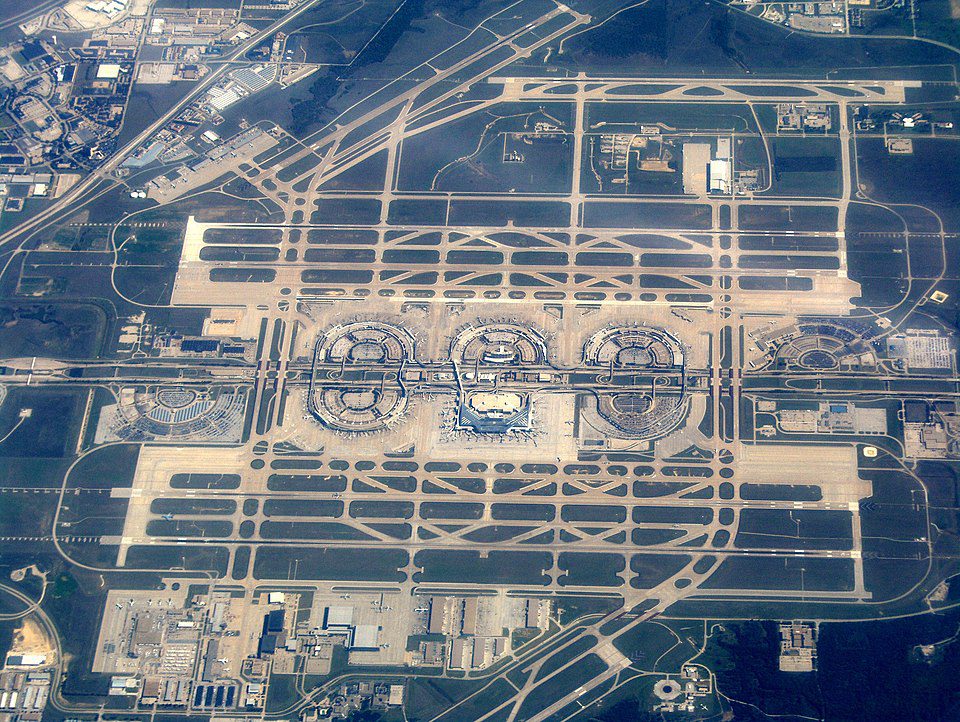
Dallas–Fort Worth feels less like an airport and more like a small city with runways. Spread across more than 27 square miles, it forces travelers to rethink what walking to your gate actually means. Even with the Skylink train looping overhead, some gate-to-gate routes stretch well past the mile mark. Terminals A and E are especially notorious, with long straight corridors that seem to keep going even when you swear you must be close. Anyone connecting through DFW learns quickly that short layovers only work if you’re ready to sprint or jump straight onto the Skylink.
2. Washington Dulles International Airport, USA
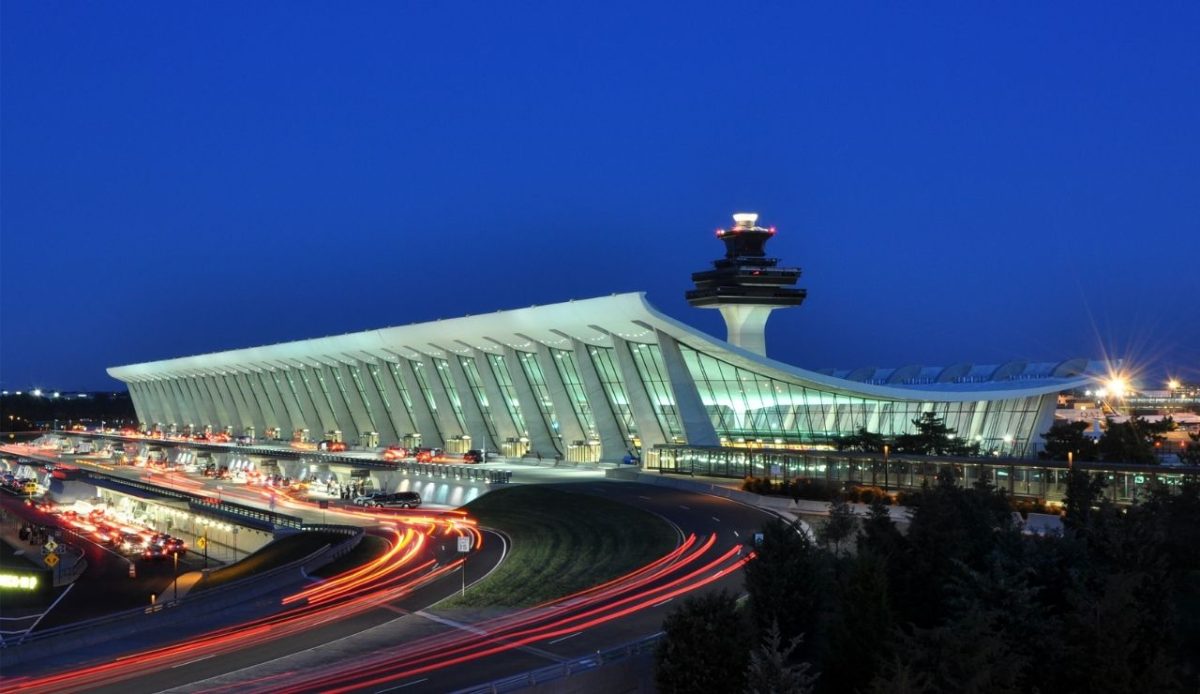
Dulles has the charm of architectural ambition and the reality of long, unavoidable walks. Built in an era that valued open space and wide separation, the airport still reflects that design today. The AeroTrain helps, but anyone heading to Concourses C and D ends up adding thousands of steps to their day. The walk from the central terminal to the far gates often crosses the one-mile mark, especially during peak hours when crowds slow the flow. Dulles rewards early arrivals and comfortable shoes far more than confidence in quick timing.
3. George Bush Intercontinental Airport, Houston, USA
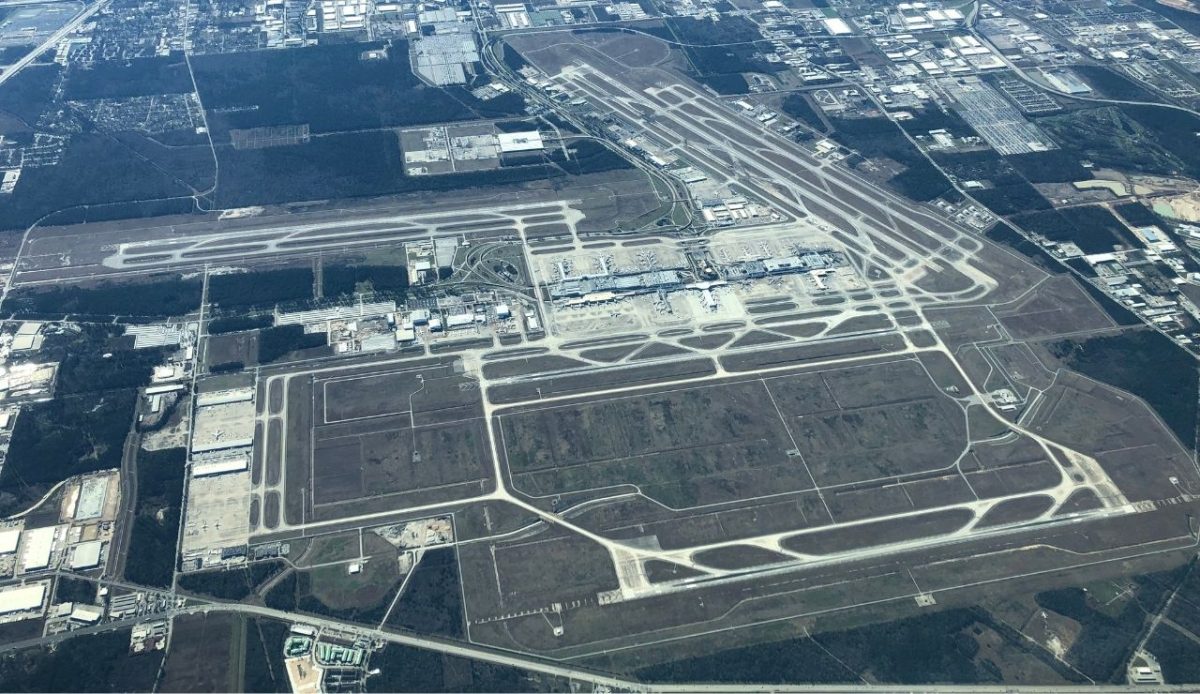
Houston’s main airport is busy, sprawling, and divided into five terminals that don’t exactly sit next to each other. Walking from Terminal A to Terminal E without using the underground train can take more than 20 minutes, and that’s on a good day. The layout works well for handling massive international traffic but not so well for travelers hoping for shortcuts. Wide hallways, long concourses, and steady foot traffic add to the distance. If you’re connecting through Houston, planning ahead is more than a suggestion; it’s survival.
4. Denver International Airport, USA
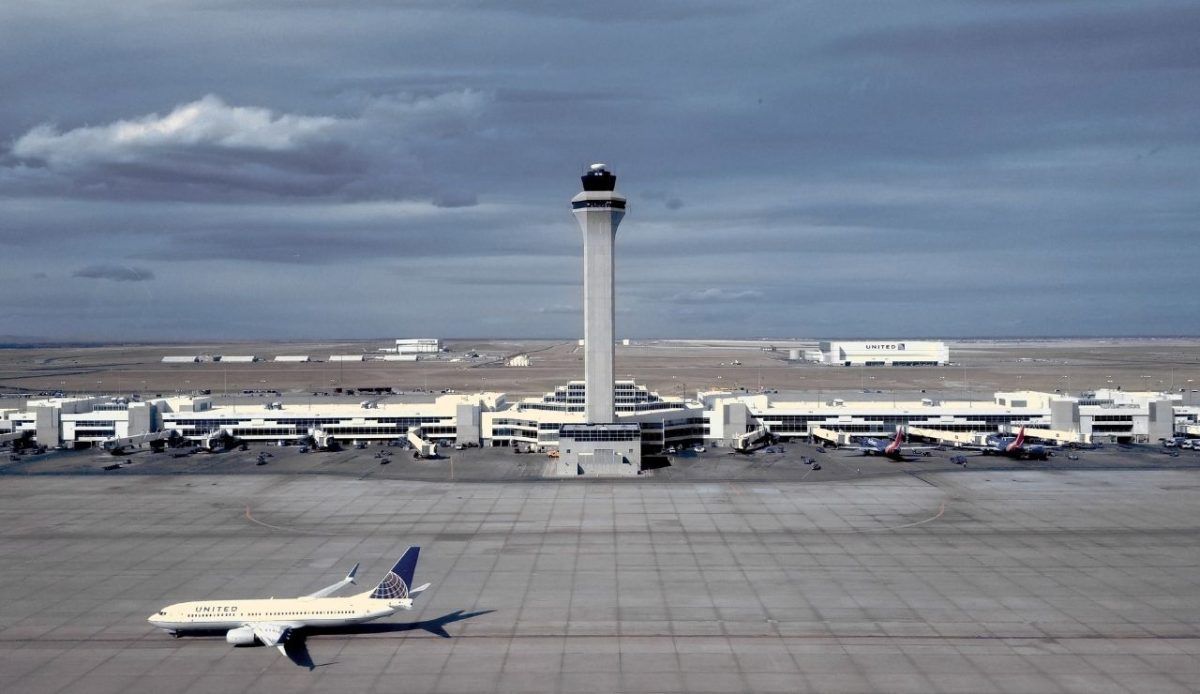
Denver International looks sleek from the outside, but once you’re past security, the miles start adding up. Its concourses were built with expansion in mind, which means gates stretch far apart, especially in Concourse B. Even with the train linking the three main concourses, the internal walks remain long, open, and busy. Denver rewards travelers who give themselves time to wande, not those who think they can cut it close. If your gate is on the far end of B, you’re in for a surprisingly long trek that feels more like a warm-up hike than an airport stroll.
5. John F. Kennedy International Airport, New York, USA
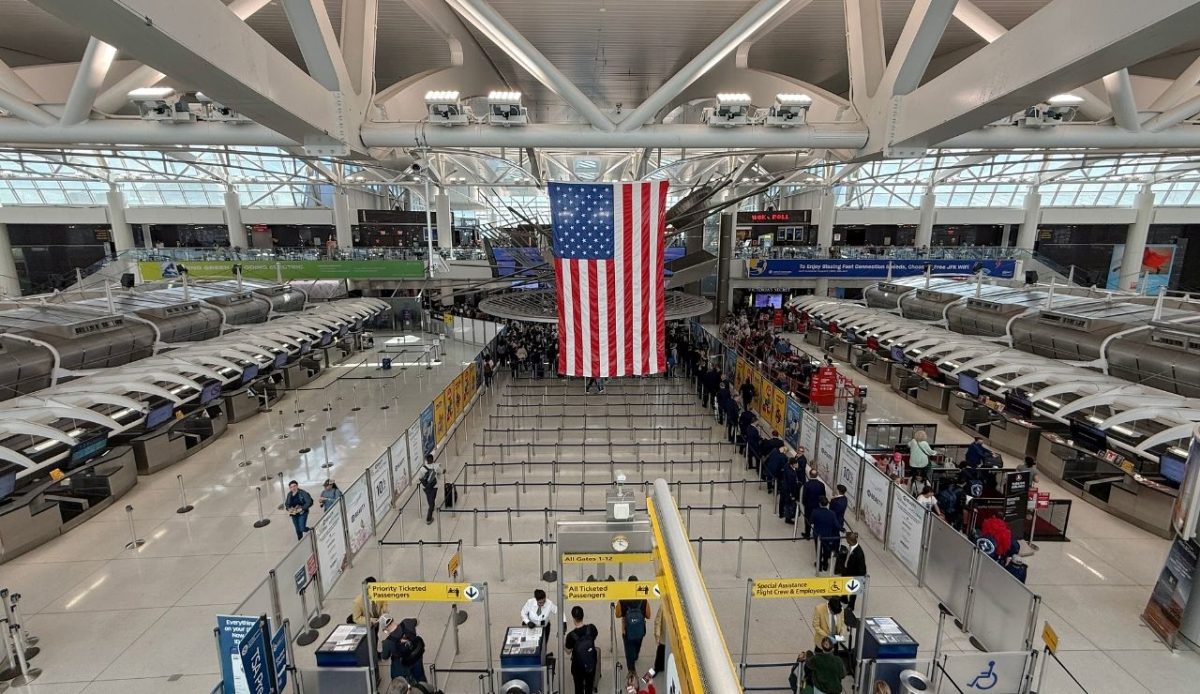
JFK isn’t one massive terminal, it’s a handful of separate worlds stitched together across Queens. That setup makes sense historically, but for travelers, it means long walks and even longer connections. Terminals 4 and 8 are the biggest offenders, with gates tucked so deep into the building that your stride tracker will thank you later. Renovations constantly shift layouts, so the route you mastered last year may feel completely different now. If you’re flying out of JFK, showing up early isn’t about being cautious, it’s about giving yourself enough runway to actually reach your gate.
6. Istanbul Airport, Türkiye
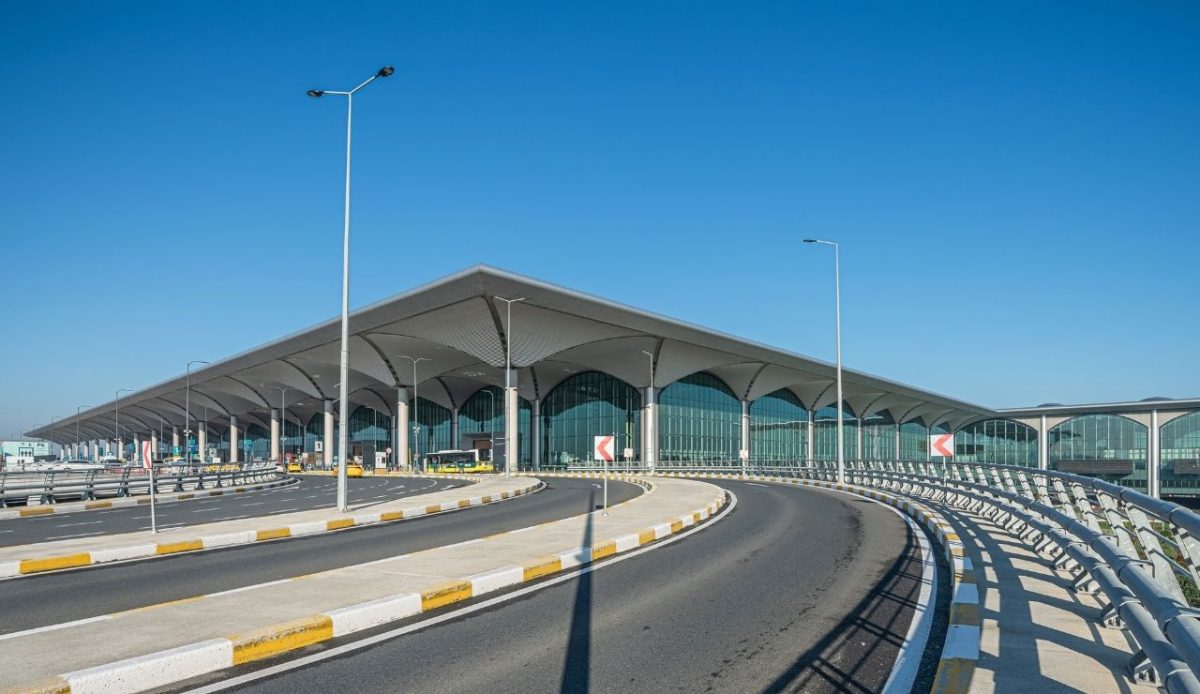
Istanbul’s new airport is enormous — built for the present and the next several decades of global travel. The terminal spans more than 15 million square feet, and walking from one side to the other can take close to half an hour. Moving walkways are everywhere, yet even they can’t shrink the sheer scale of the place. Passport control sits far from many gates, and connecting flights often require a long hike through wide halls that feel endless. The airport handles crowds well, but its size demands planning. Comfortable shoes and extra time aren’t optional here; they’re part of the journey.
7. Hartsfield–Jackson Atlanta International Airport, USA
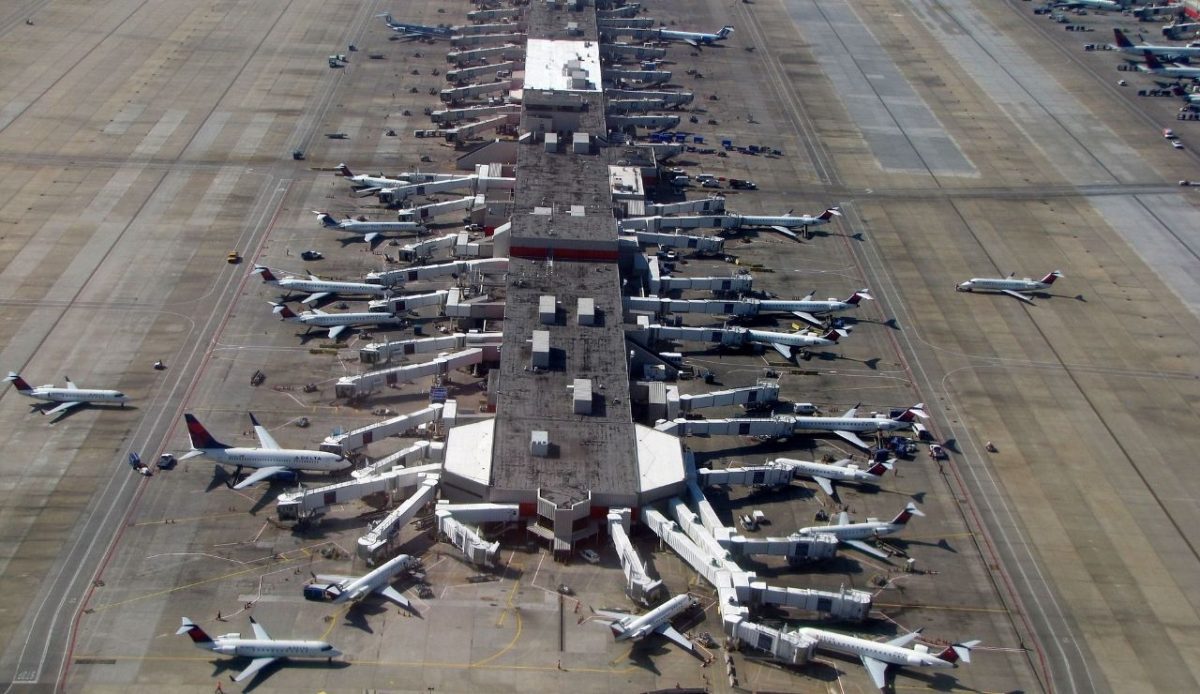
Atlanta is the busiest airport in the world, and it’s built like it. Concourses stretch out in a long line, connected by the Plane Train underground. If you decide to walk instead of taking the train, or if you’re stuck near an escalator jam, you could easily log more than a mile moving between distant concourses. Even short transfers can turn into long treks thanks to crowds and endless corridors. The signage is excellent, but the scale is unforgiving. Comfortable shoes become non-negotiable the moment you step off the plane.
8. Adolfo Suárez Madrid–Barajas Airport, Spain
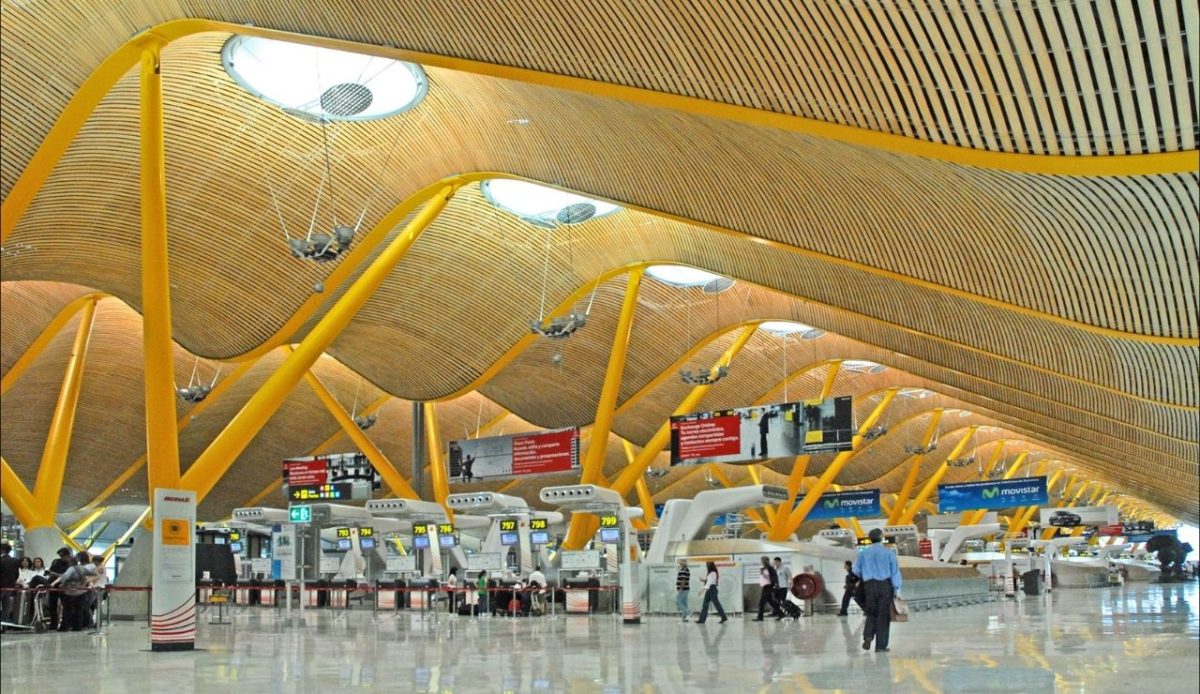
Madrid–Barajas is huge, bright, and airy, and it’s also a full workout in disguise. Terminal 4 alone stretches more than a mile from its entrance to its farthest gate. The automated trains help you hop between buildings, but once you’re inside T4, it’s all legs and determination. Many long-haul flights land here, meaning travelers often face long walks between passport control, security rechecks, and boarding. Because the terminal is designed for scale and efficiency, not compact movement, first-time visitors often underestimate the time they need. Padding your schedule here is always a smart move.
9. Lisbon Portela Airport, Portugal
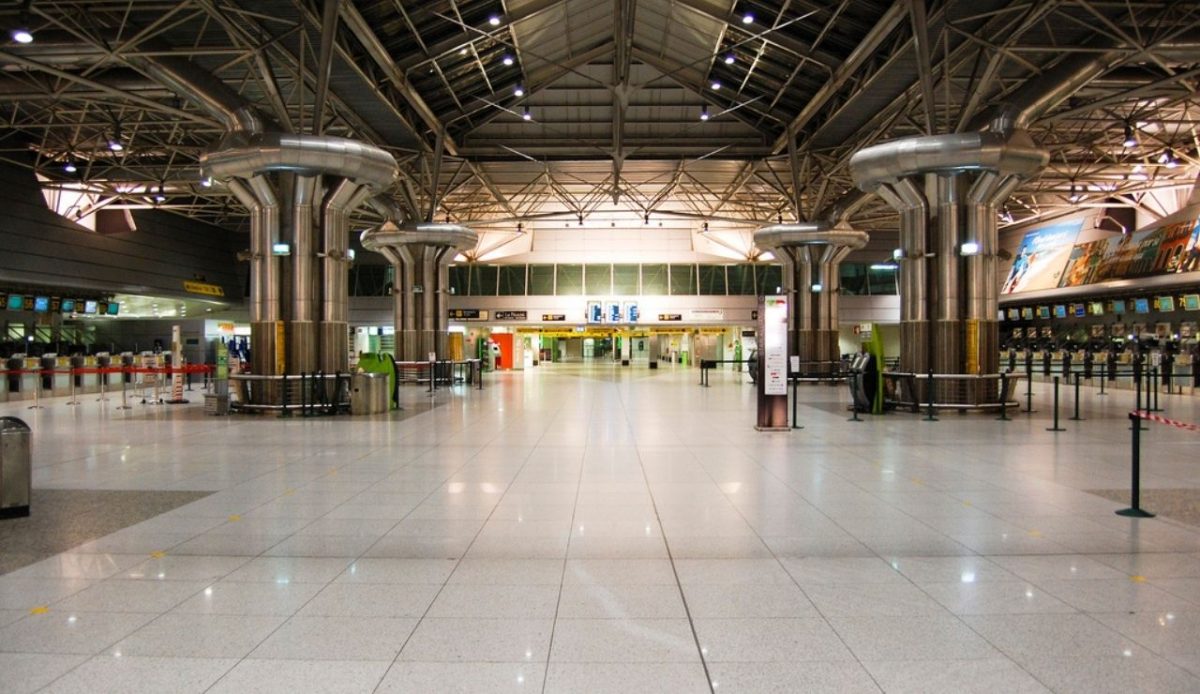
Lisbon’s airport looks modest from the outside, but once you’re in, you realize just how stretched the terminal really is. The Schengen and non-Schengen areas sit at opposite ends of a long, corridor-heavy layout, and shifting between them adds more checkpoints and more walking. Some travelers clock close to a mile from security to the most remote international gates. Add summer crowds and tight passport control lines, and those distances feel even longer. It’s a well-run airport, but the design doesn’t leave much room for shortcuts, so arriving early is the smartest move.
10. Paris Charles de Gaulle Airport, France
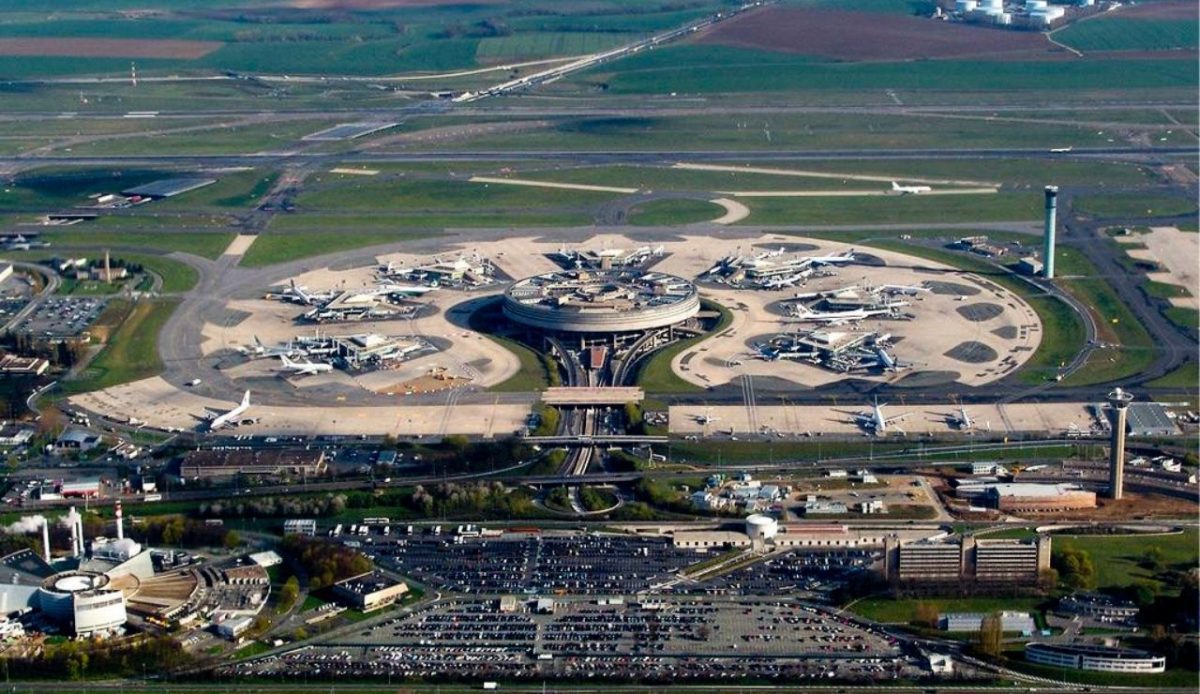
Charles de Gaulle is practically a small city. Terminals sit far apart, and even within a single building, passengers can walk surprisingly long routes to reach satellite gates. Terminal 2 is the biggest culprit. Its split levels, long corridors, and security checkpoints can stretch the journey from check-in to boarding past a mile. Shuttle trains and buses exist, but they don’t eliminate the internal walking required for international transfers. With its size and constant renovation projects, CDG rewards travelers who arrive early and stay alert, getting lost is almost a rite of passage.
11. Frankfurt Airport, Germany
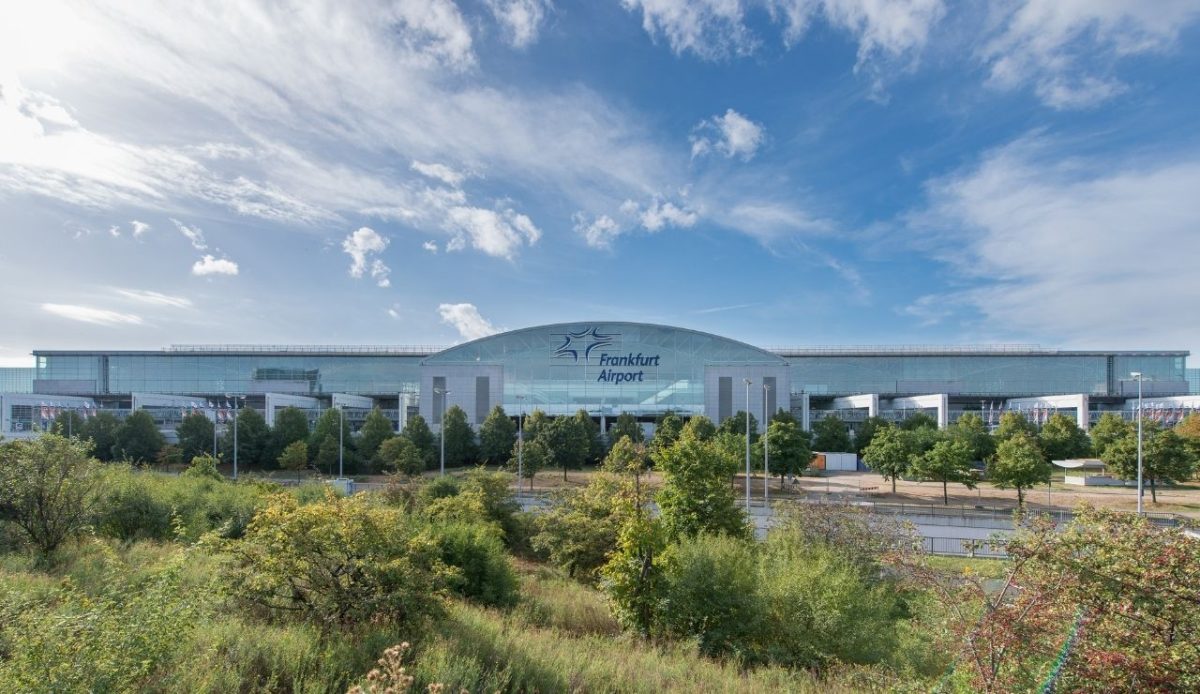
Frankfurt is one of Europe’s busiest hubs, and it feels like it. Terminals 1 and 2 span a massive footprint, divided into Schengen and non-Schengen zones that add extra steps and detours. Even with moving walkways, some routes easily cross the one-mile mark, especially in Terminal 1’s sprawling concourses. The airport runs efficiently, but covering long distances during short connections is tough if you’re dragging luggage or navigating crowds. Frankfurt is the kind of place where you start walking with confidence and eventually check your watch wondering how the gate is still nowhere in sight.
12. London Heathrow Airport, United Kingdom
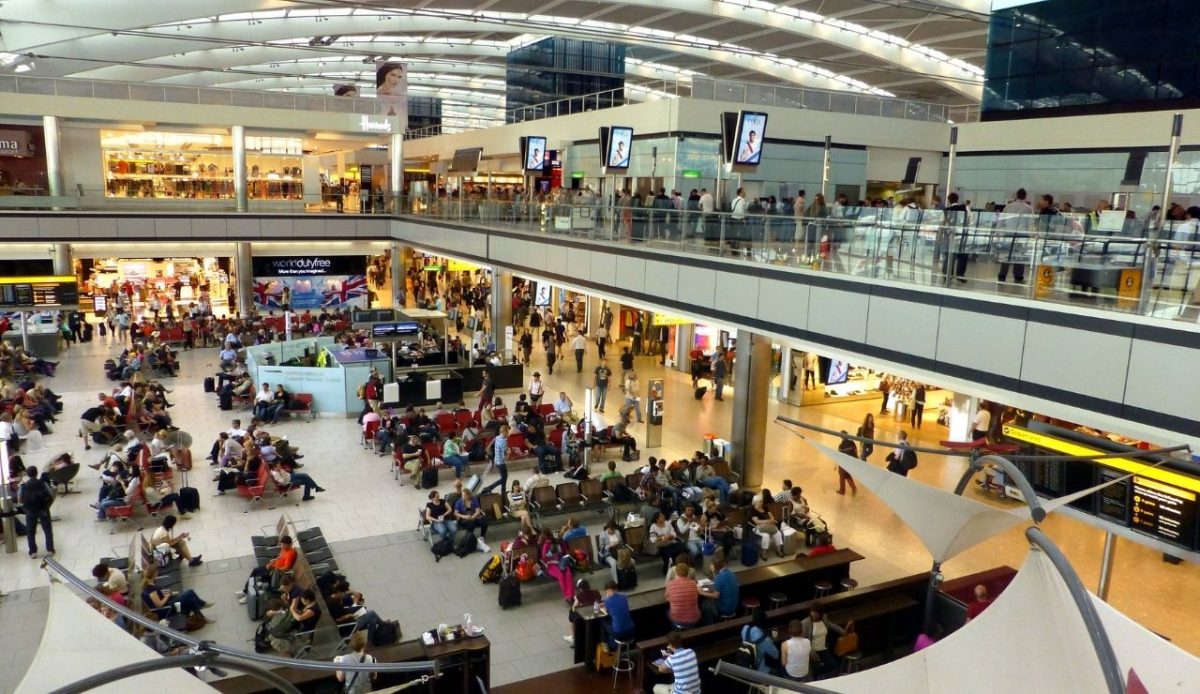
Heathrow treats each terminal like its own airport, and the biggest one, Terminal 5, is notorious for long internal walks. Even if you’re not switching terminals, reaching a distant gate can take 15 to 20 minutes of steady walking. Shuttle trains help with inter-terminal transfers, but inside the buildings, there’s no shortcut besides following the long glass corridors. Expansion projects also mean temporary detours and longer routes. Travelers who cut it close at Heathrow often end up sprinting, and sometimes still miss last call. Padding your arrival time here is always a safe bet.