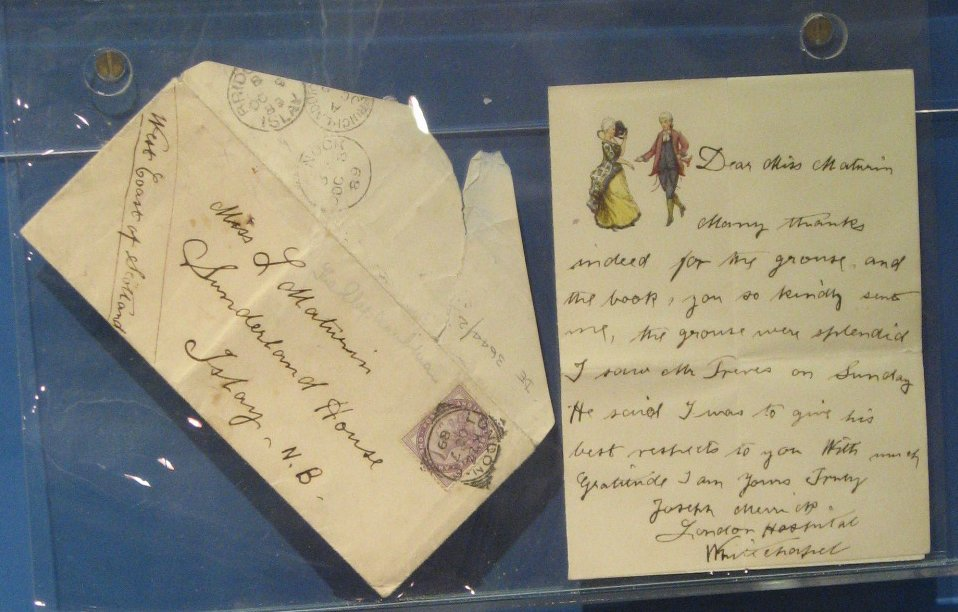
Writing a letter was a physical process with a dozen small stages, and every one of them is remembered by people who did it often. Here are seventeen.
1. Choosing the Paper
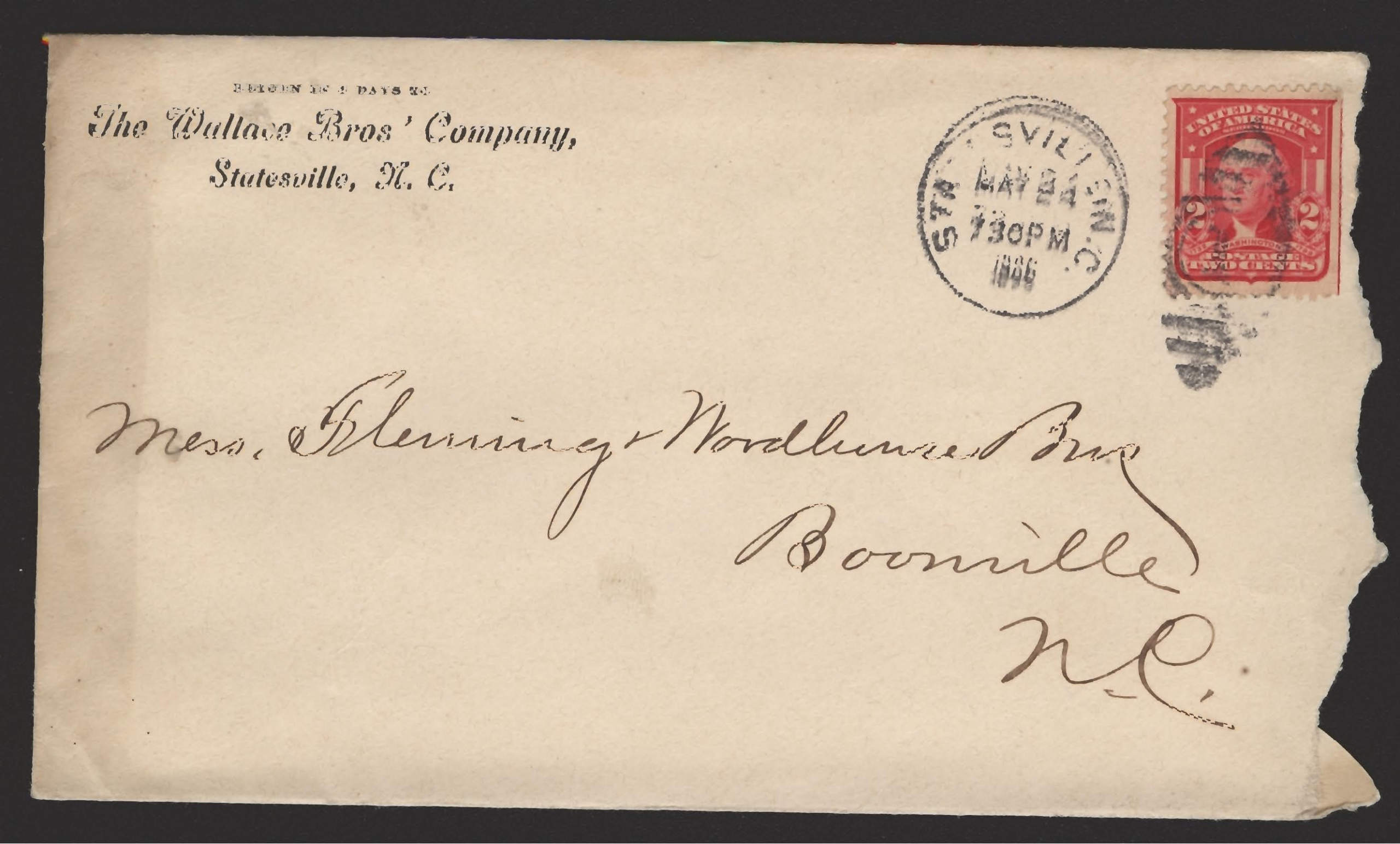
Writing paper was a purchase and a decision, ranging from plain lined pads to thin airmail sheets and matching envelopes kept for occasions.
The paper signalled how seriously you were taking the letter. Choosing the paper was the first decision in writing a letter by hand.
Like our content? Follow us for more.
2. Airmail Paper That Was Almost Transparent
International letters were written on paper so thin it weighed almost nothing, because postage was charged by weight and every gram counted.
You could see the writing through from the other side. Airmail paper is the letter-writing material that made the cost of distance physical.
3. Starting Again Because of One Mistake
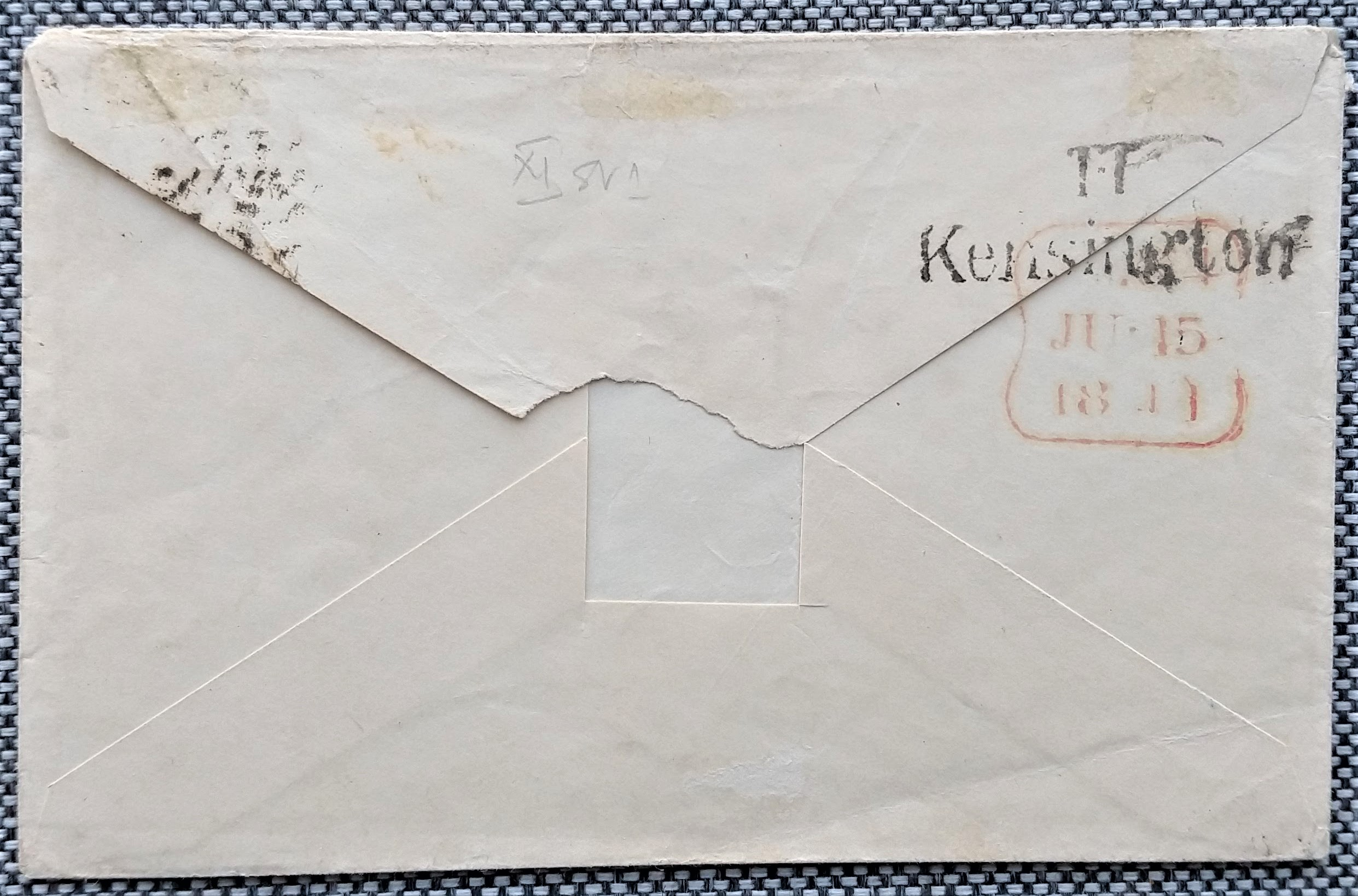
With no way to delete, a badly formed sentence or a blot near the top meant either crossing out or beginning the page again.
Most people restarted at least once for anything important. Starting again because of one mistake is the letter-writing frustration that no keyboard has.
4. Working Out How to Begin
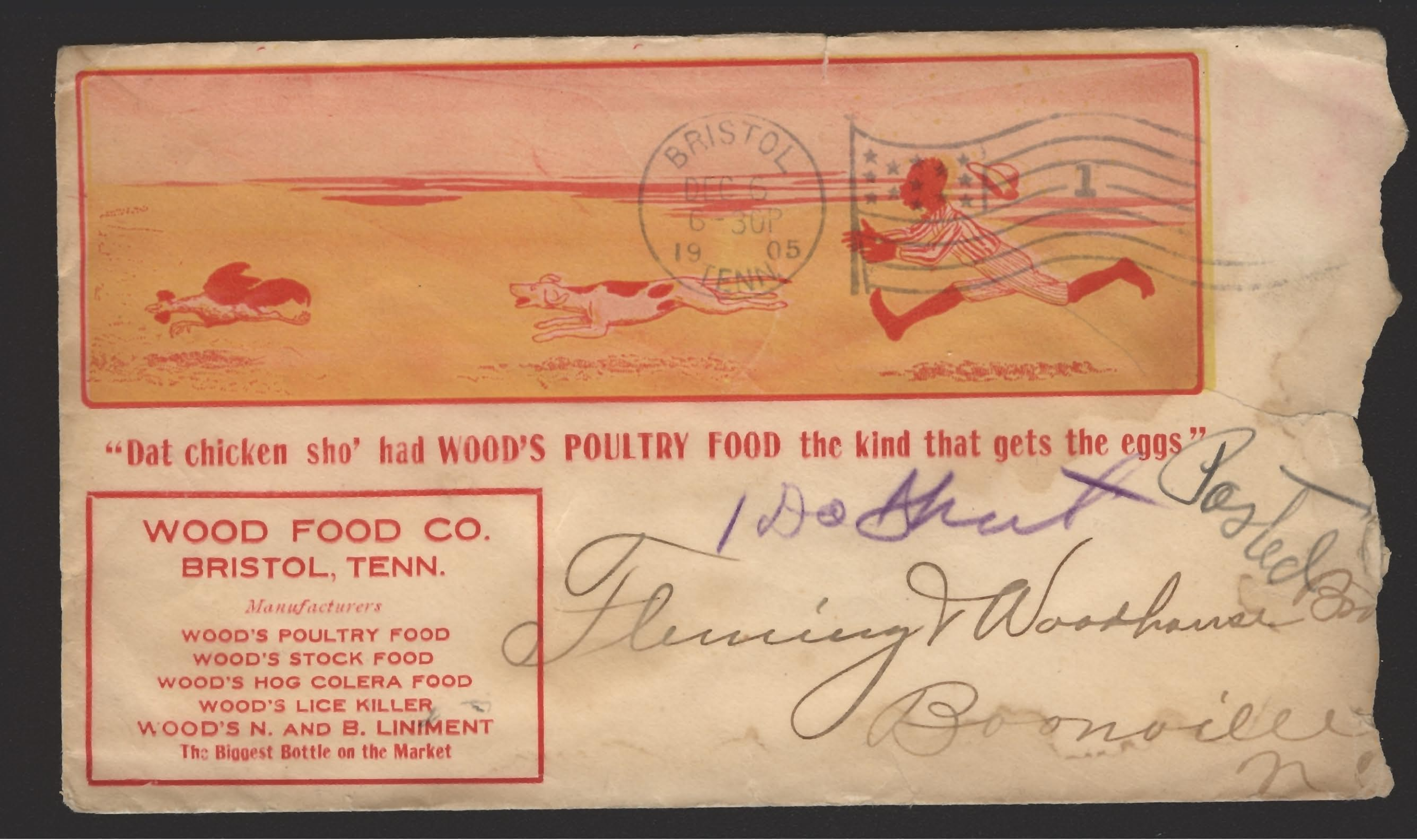
The opening line was disproportionately difficult, and a great many letters started with an apology for not having written sooner.
That apology became almost a standard form. Working out how to begin is the letter-writing hurdle everybody stalled at.
5. Running Out of Space and Writing Sideways
When the page ended before the news did, people wrote up the margins or turned the sheet ninety degrees and continued across their own writing.
Reading the result required rotating the page repeatedly. Writing sideways in the margins is the letter-writing improvisation that produced difficult documents.
6. The Weight of the Envelope
Anything enclosed – a photograph, a clipping, a pressed flower – added weight and therefore cost, so enclosures were considered rather than casual.
People weighed letters at the counter and were told to remove things. The weight of the envelope is the letter-writing constraint that limited what you could send.
7. Licking the Stamp and the Flap
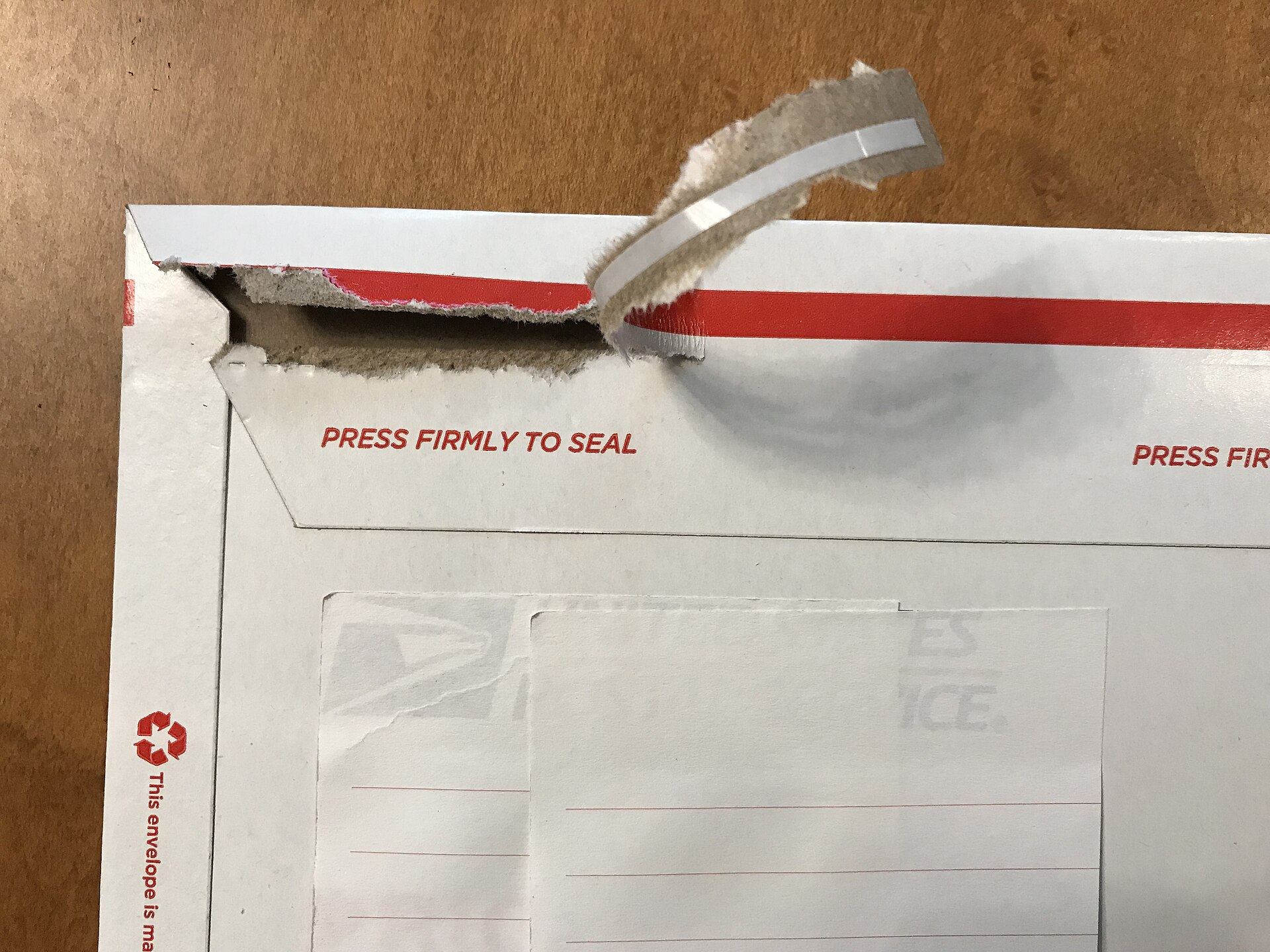
Both required moistening, and the taste of envelope gum is a memory almost everyone who sent post retains.
Some households kept a small sponge in a dish for the purpose. Licking the stamp is the letter-writing sensation people describe most vividly.
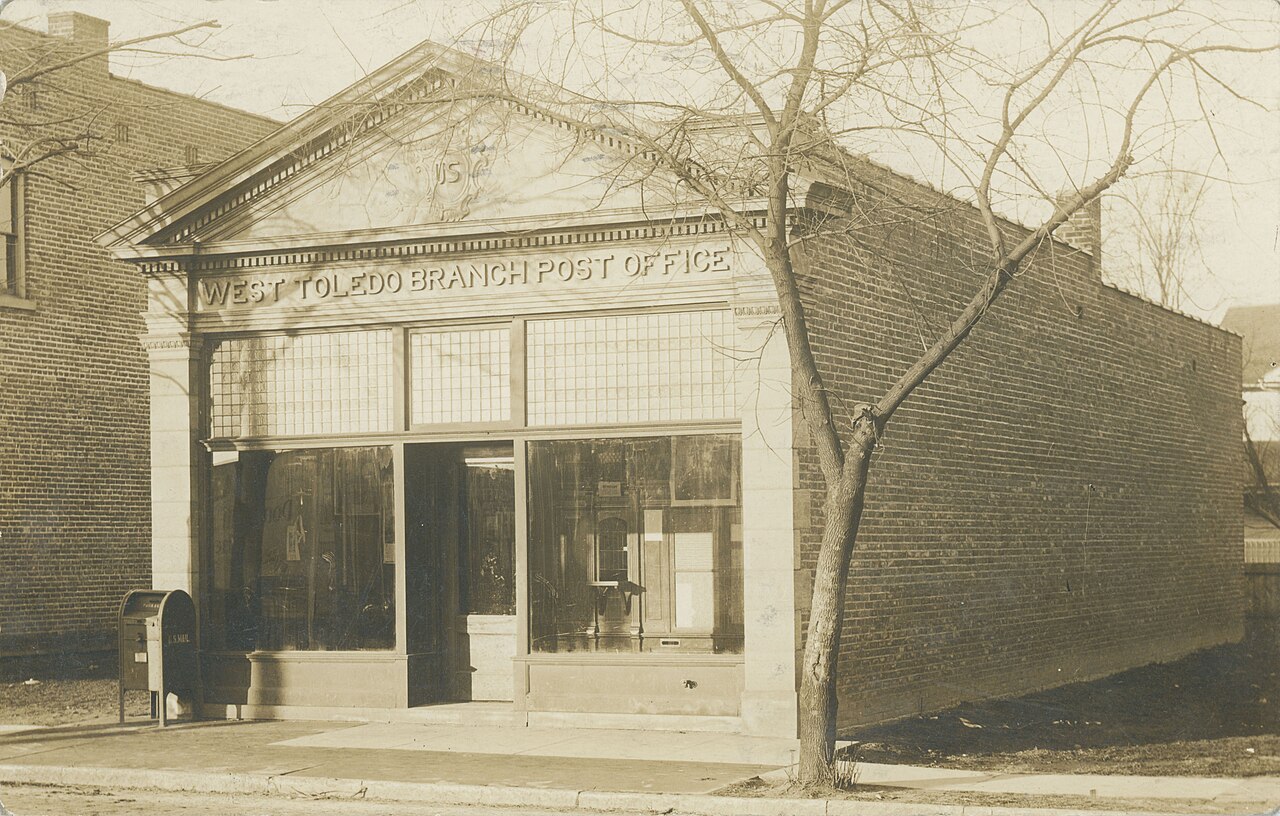
8. The Walk to the Postbox
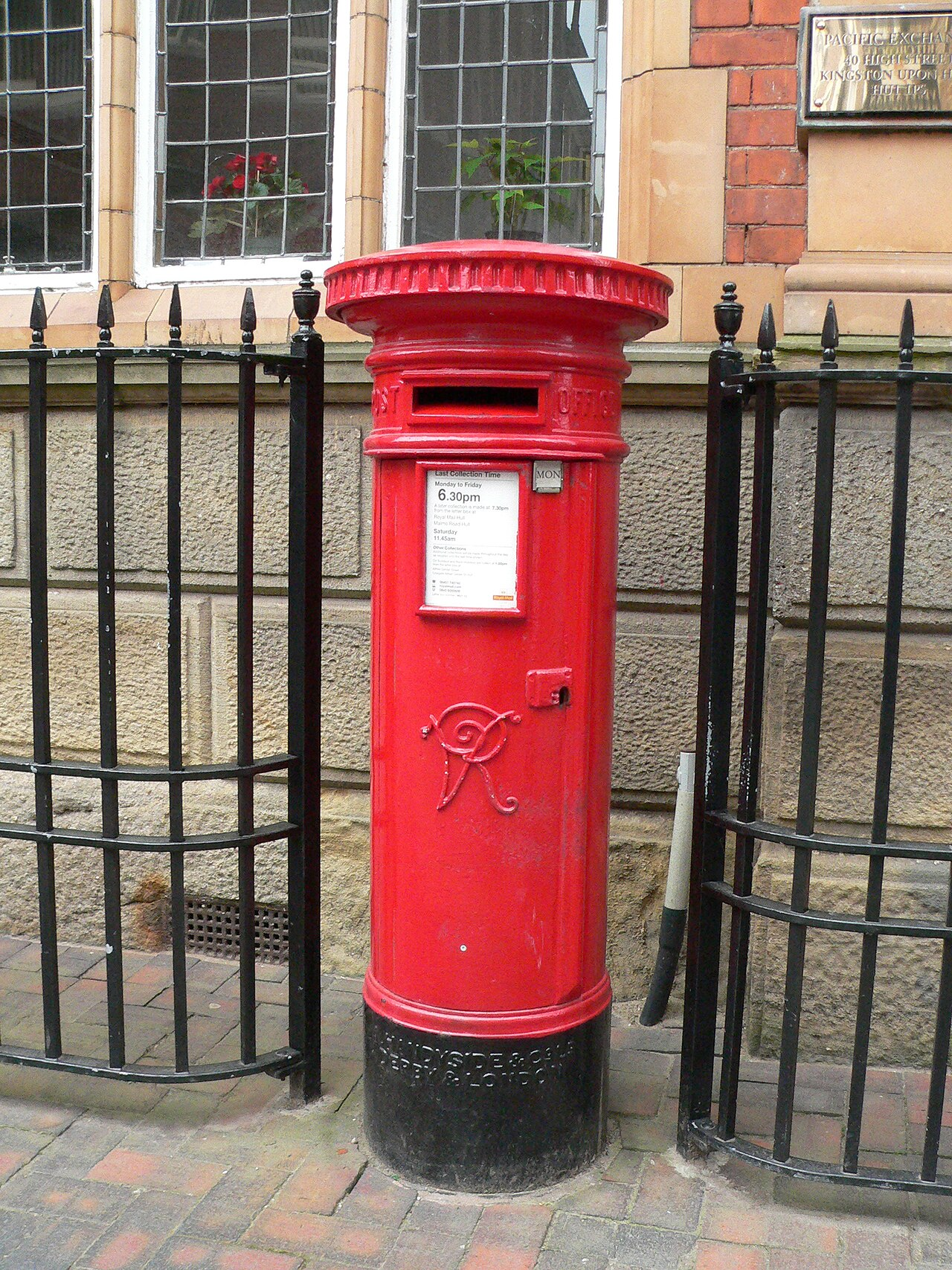
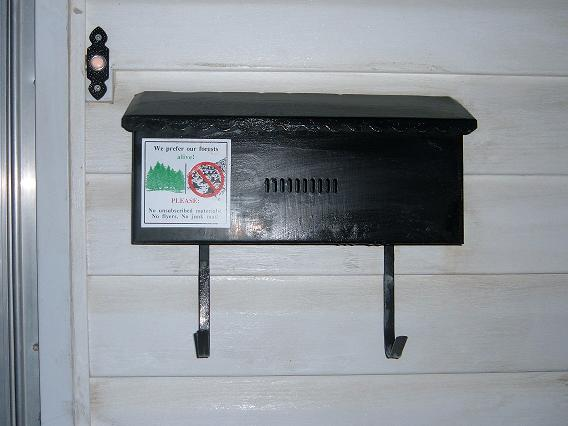
Sending required leaving the house, and the moment of releasing the envelope into the slot was final in a way nothing digital is.
You could not retrieve it, edit it or think better of it. The walk to the postbox is the letter-writing moment of no return.
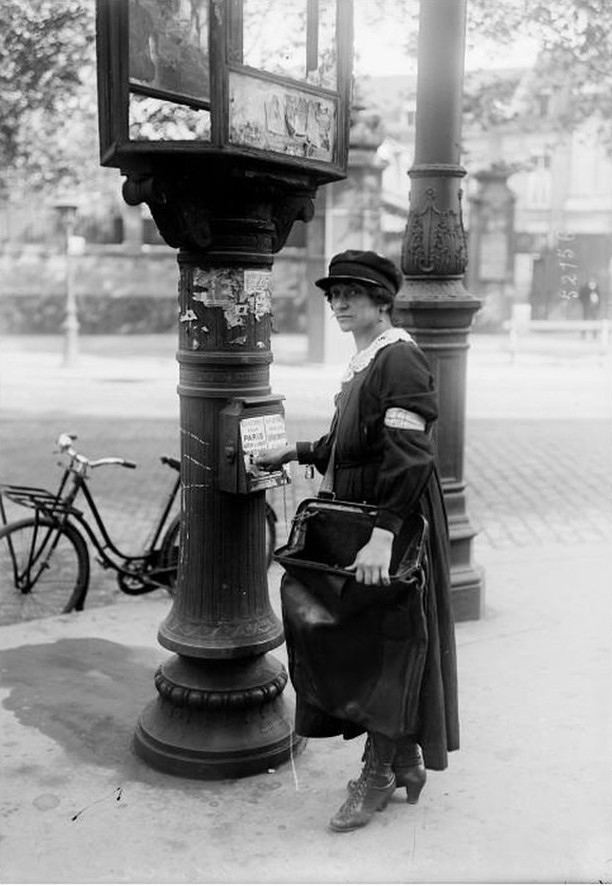
9. Checking the Collection Times
A plate on the box listed when post was collected, and missing the last collection meant your letter sat there for another day.
People truly hurried to make a collection. Checking the collection times is the letter-writing detail that governed how fast anything moved.
10. The Wait
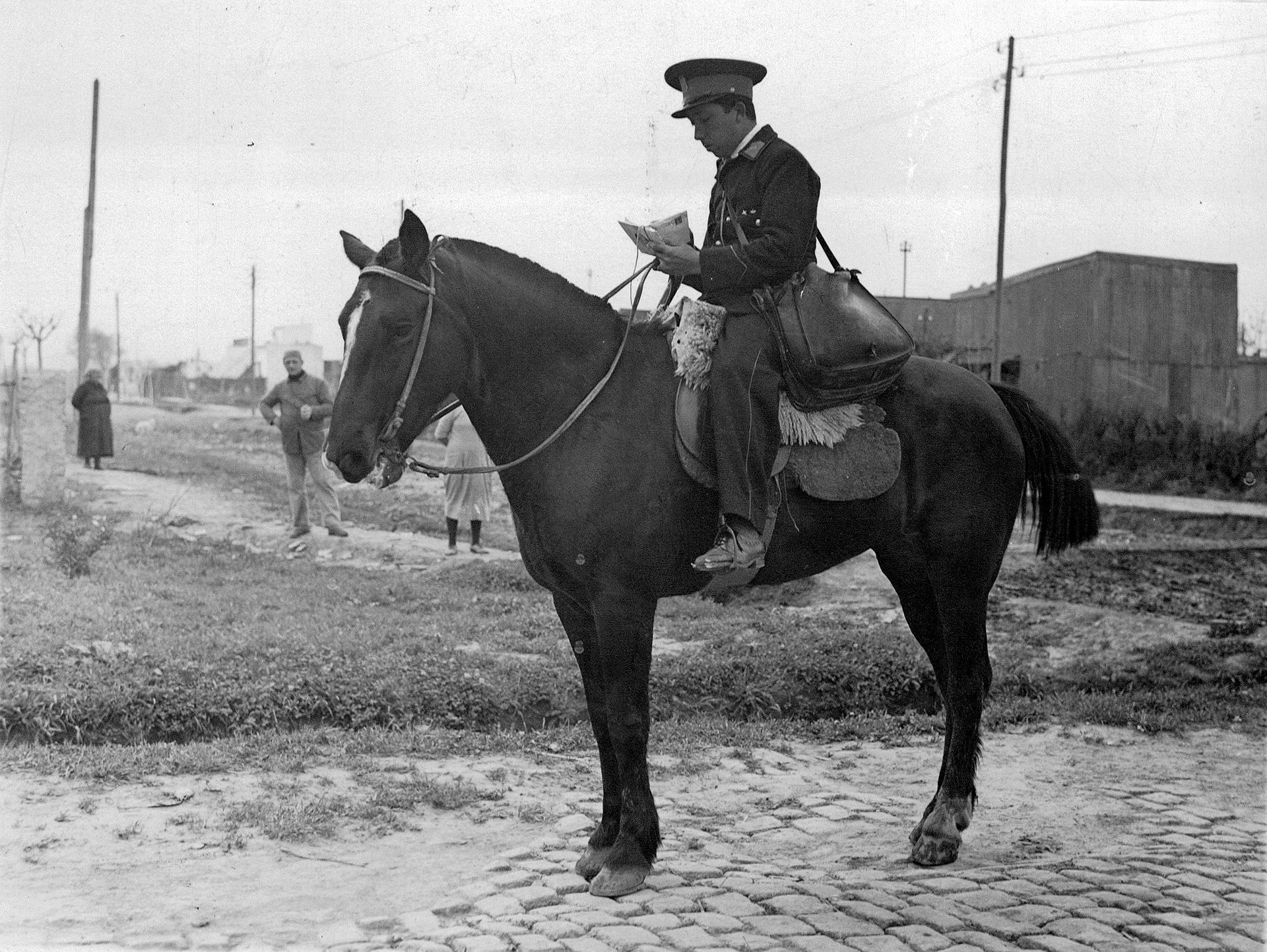
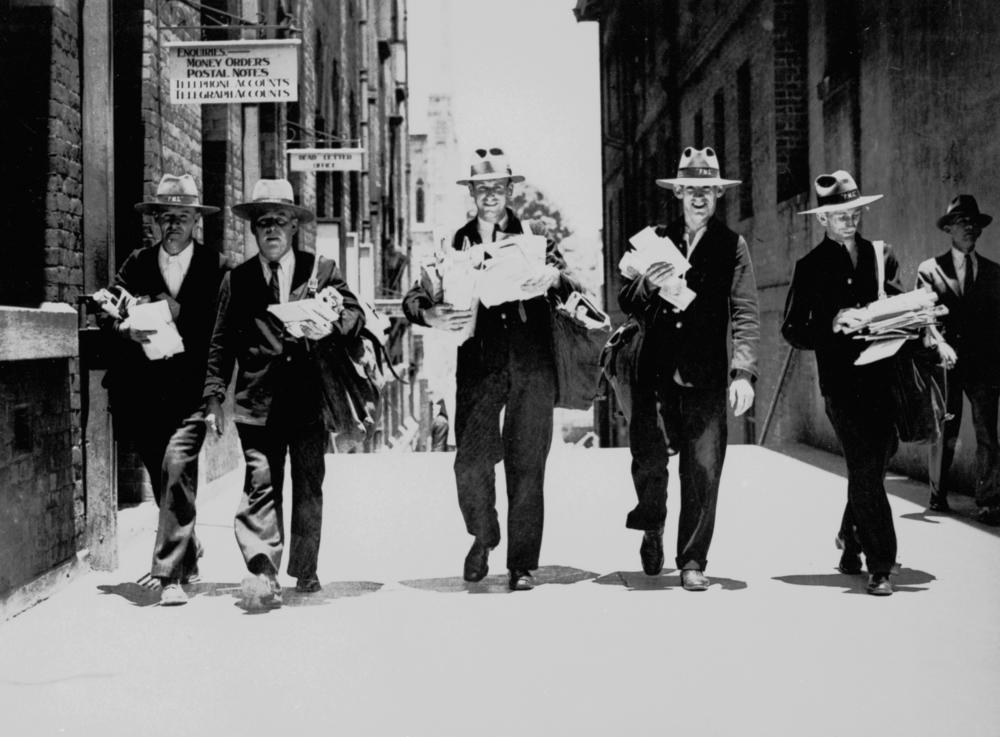
Having sent it, there was nothing to do but wait days or weeks, with no way to know whether it had arrived or been read.
That silence was normal rather than worrying. The wait is the letter-writing condition that has disappeared most completely.
11. Recognising Handwriting on the Doormat
You knew who a letter was from before opening it, purely from the shape of the writing on the envelope.
That recognition was instant and specific. Recognising handwriting is the letter-writing pleasure that no notification replicates.
12. Reading It More Than Once
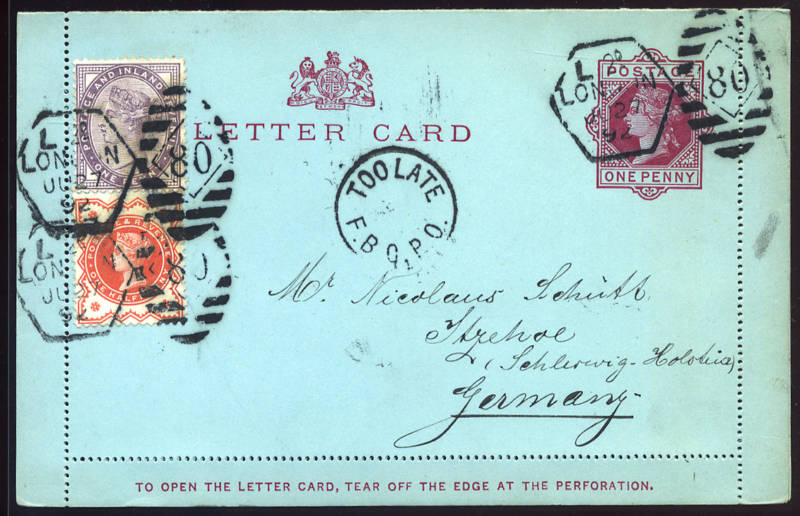
A letter arrived once and could be reread, carried around, and returned to later in the day.
People kept them in pockets and read them repeatedly. Reading it more than once is the letter-writing habit that reflects how rare the arrival was.
14. The Christmas Card Round
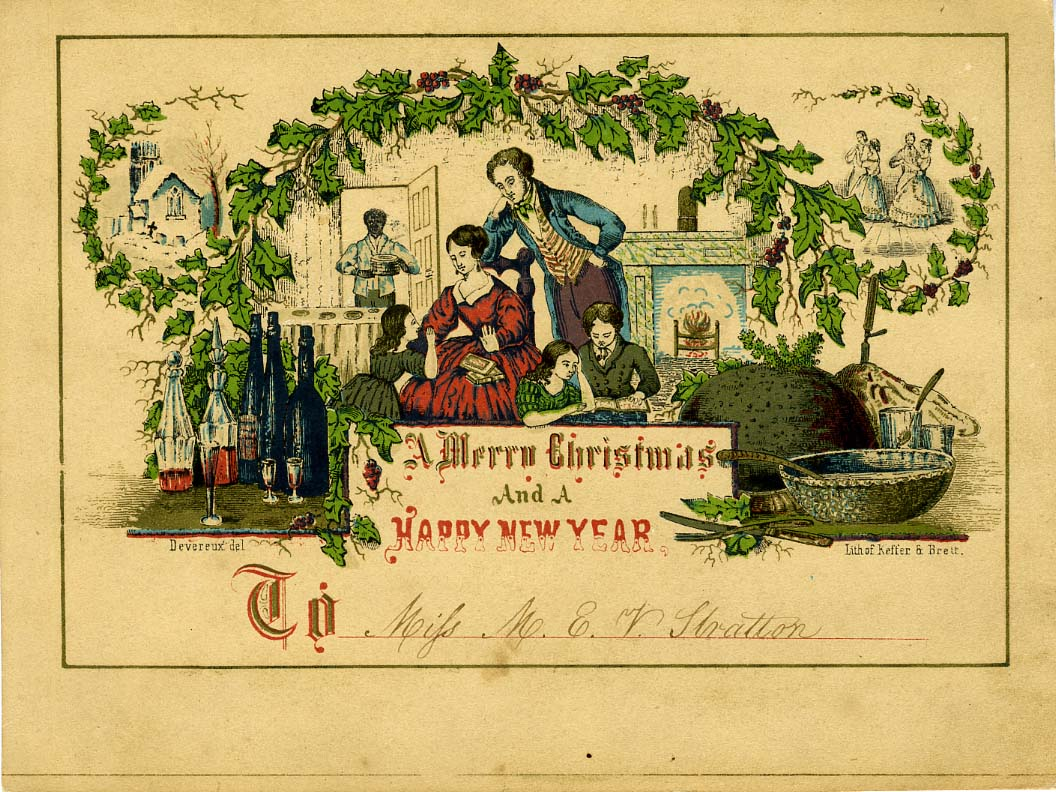
Once a year a household worked through a list, writing the same handful of sentences in dozens of cards, with a running tally of who had sent one first.
Late arrivals from people you had missed triggered an emergency card by return. The Christmas card round is the letter-writing obligation that arrived on a schedule.
15. The Aerogramme
A single sheet that folded to become its own envelope, sold at a fixed international rate, with no enclosures permitted.
You wrote right up to the fold lines and no further. The aerogramme is the letter-writing format designed entirely around postage cost.
16. Keeping Them in a Box
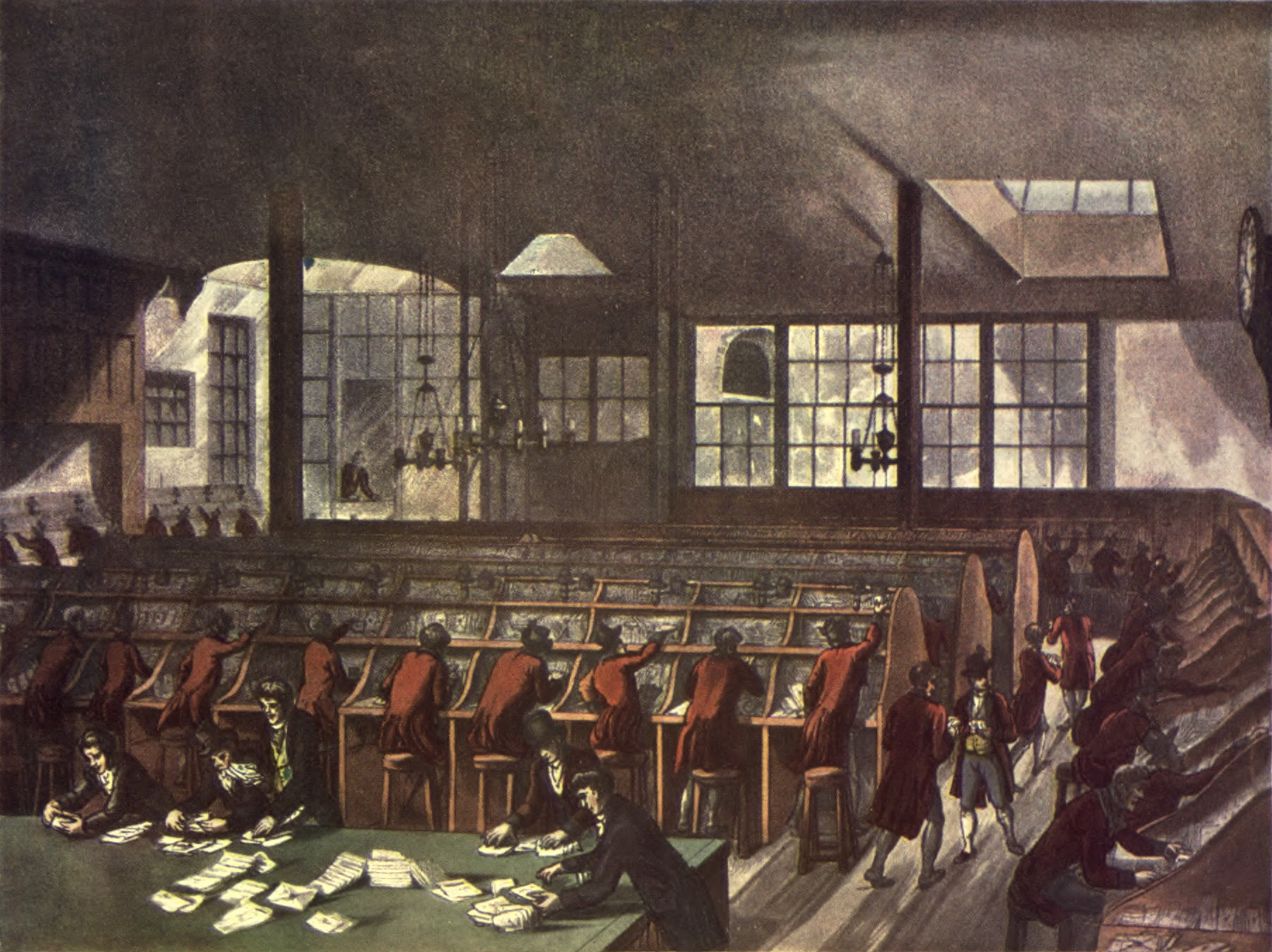
Letters were kept – in shoeboxes, tins, drawers and elastic-banded bundles – because throwing away someone’s handwriting felt wrong.
Most households still have some. Keeping them in a box is the letter-writing legacy that survives in lofts everywhere.
17. Finding Them Decades Later
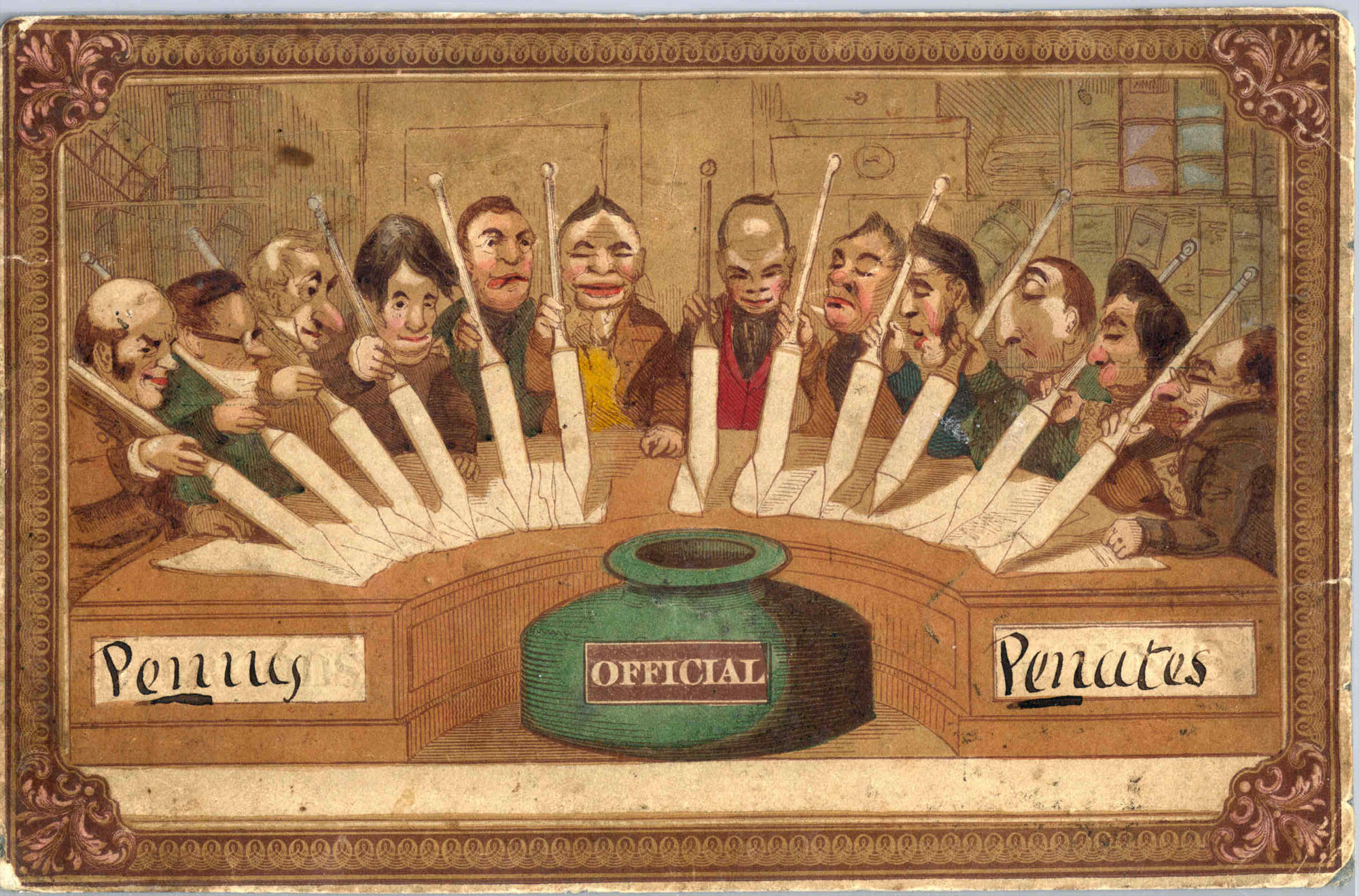
Coming across old correspondence produces a specific effect, because you are reading not only the words but the pressure of the pen and the state of the person writing.
Nothing digital carries that. Finding them decades later is the letter-writing afterlife that gives the whole practice its value.
Paper, Postage and a Long Wait
Writing by hand was slow, effortful, expensive by weight and impossible to undo, and every one of those constraints made people choose their words more carefully than they do now.
Nobody is giving up instant messaging, and the convenience is real. But a letter cost something to send, took days to arrive, could not be retracted and was kept afterwards, and those four facts together produced a kind of writing that almost nobody does any more. If there is anyone you would once have written to, the paper still works.
Like our content? Follow us for more.