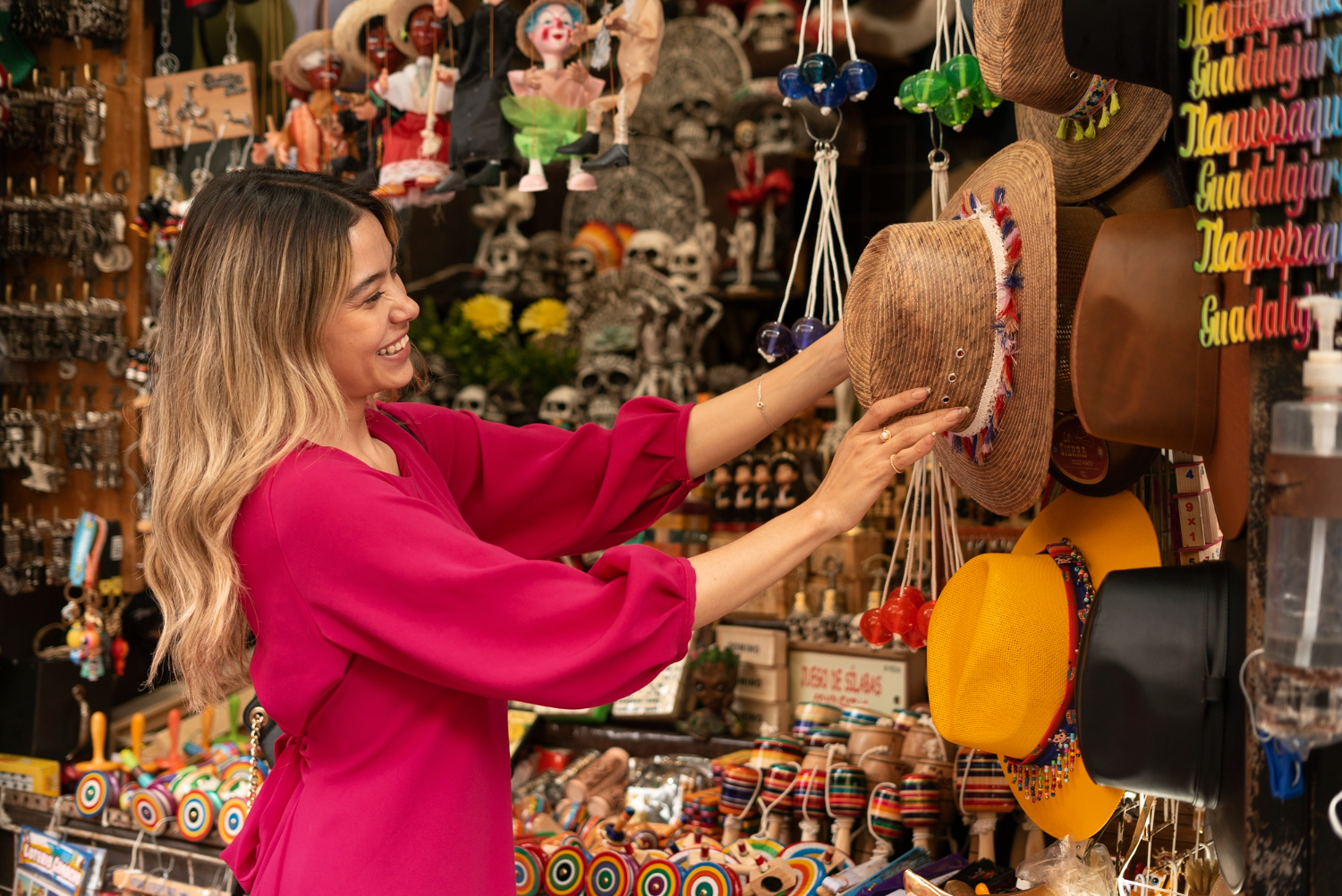
The test is simple: will this be used, worn, eaten or looked at deliberately once it is home. Everything below either passes that test or explains why so much fails it.
1. Buy Something You Will Actually Use
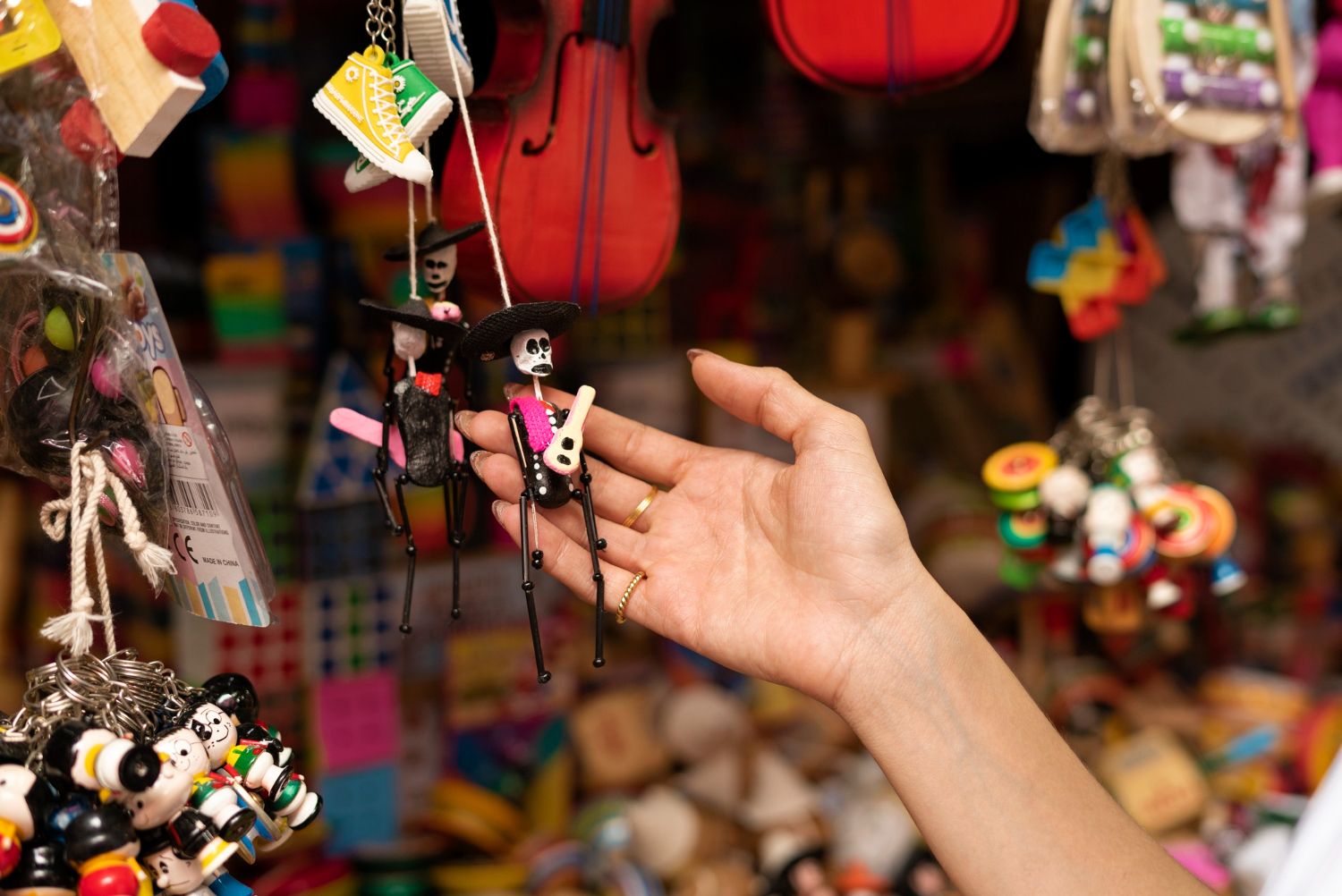
The single reliable filter is whether the object has a function in your ordinary life – a bowl you will eat from, a blanket you will use, a tool you will cook with.
Decorative objects bought abroad rarely find a place at home and end up boxed. Buying something you will use is the souvenir principle that eliminates most bad purchases.
Like our content? Follow us for more.
2. Kitchen Things Travel Well
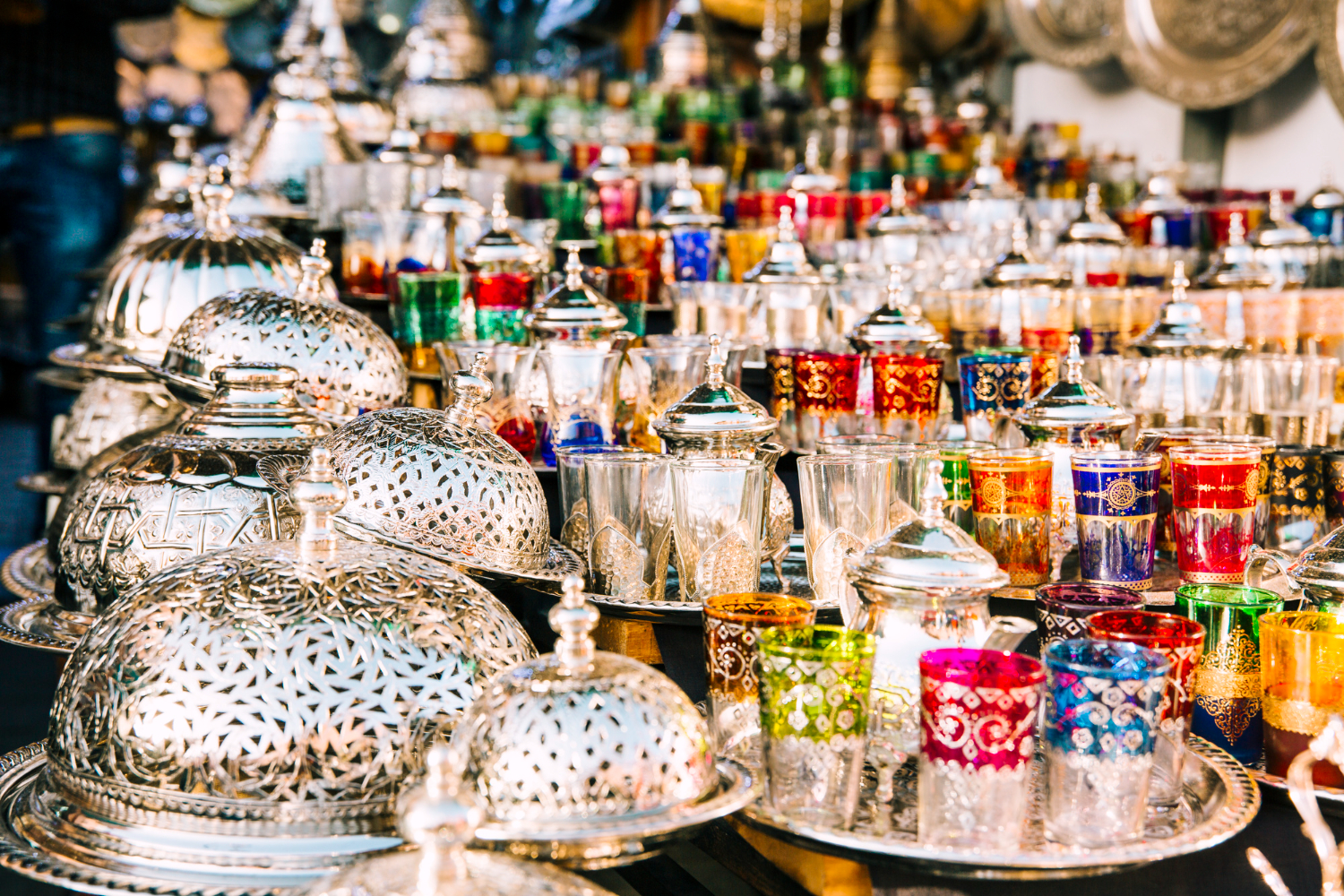
Cookware, ceramics, wooden implements and serving dishes get used constantly and carry the association with them every time.
They are also usually made locally rather than imported for the tourist trade. Kitchen things are the souvenirs most likely to still be in service in ten years.
3. Ingredients Beat Objects
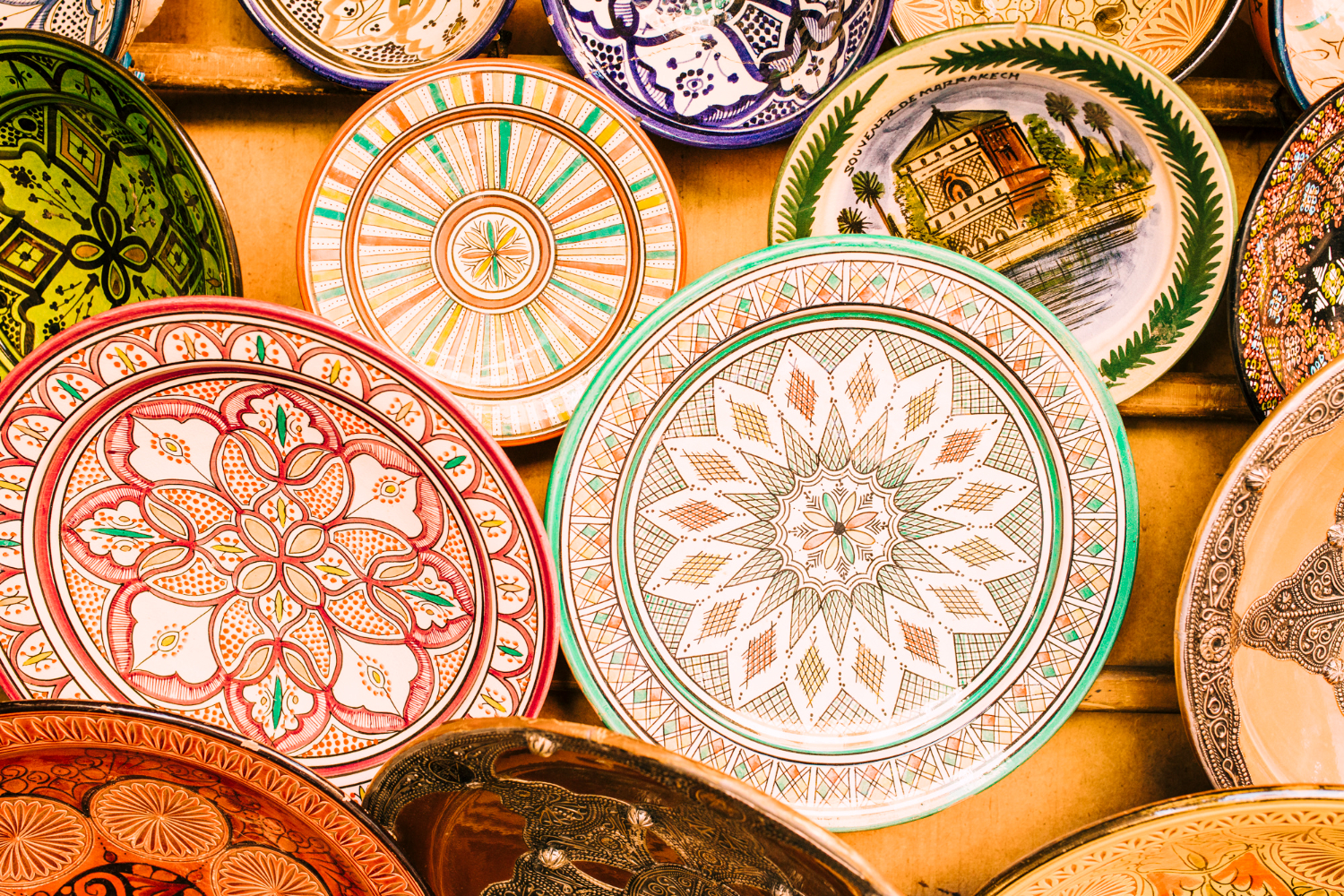
Spices, preserved goods, tea, oil and dried produce are cheap, light, truly local and consumed rather than stored.
Check your own country’s import rules before buying anything agricultural, since restrictions on plant and animal products are strict and vary widely. Ingredients are the souvenirs that get used up rather than accumulated.
4. Textiles Are Usually a Good Bet
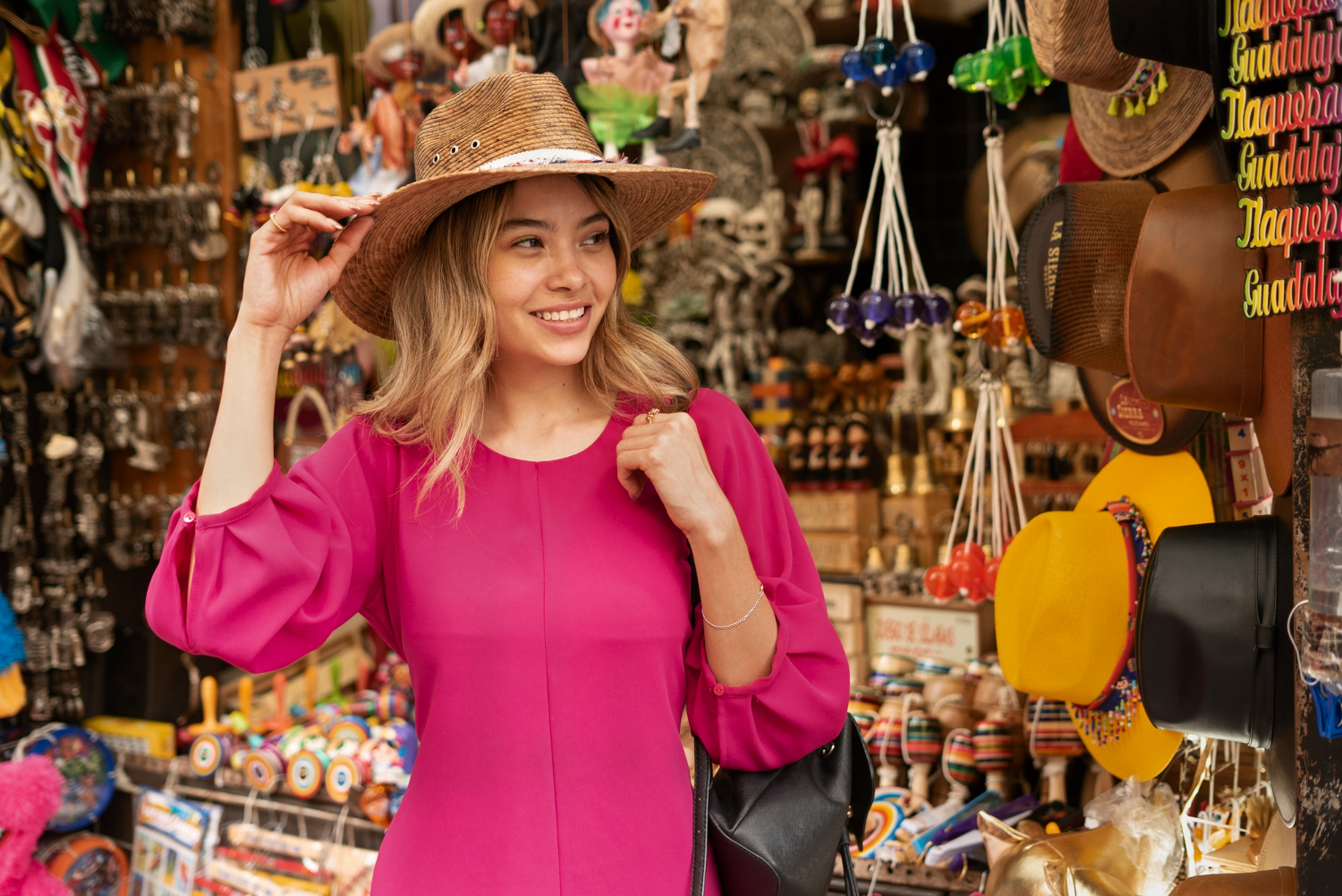
Blankets, scarves, table linen and rugs fold flat, survive luggage, and are made to a real standard in a great many places.
They also age well rather than looking dated. Textiles are the souvenirs that reward buying the better version.
5. Buy Where Things Are Made
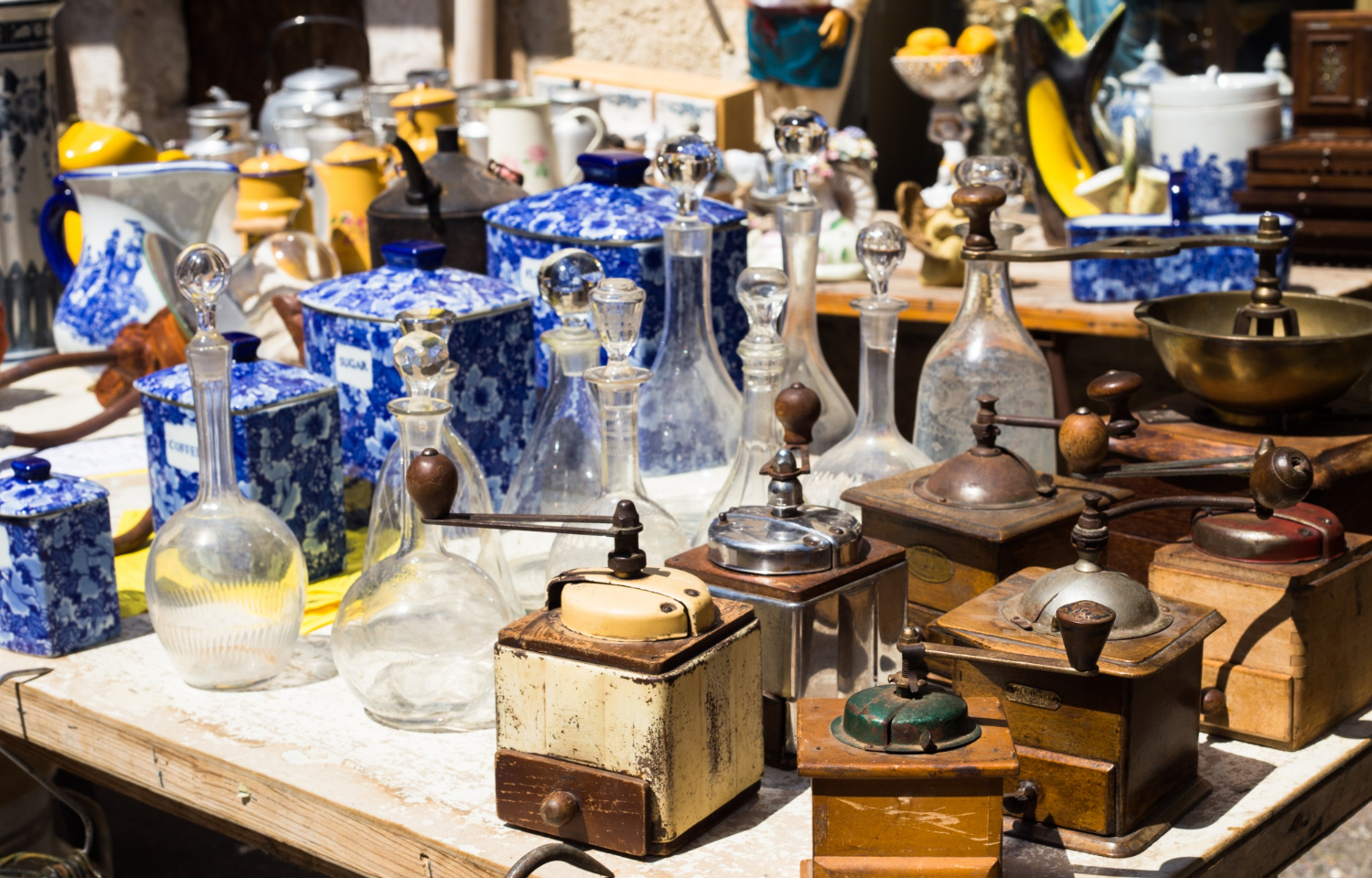
Workshops, studios and markets away from the main sights sell work by the people who produced it, at prices that reflect the making rather than the location.
Asking who made something is the fastest way to find out. Buying where things are made is the souvenir habit that most improves what you come home with.
6. Beware the Shop Nearest the Monument
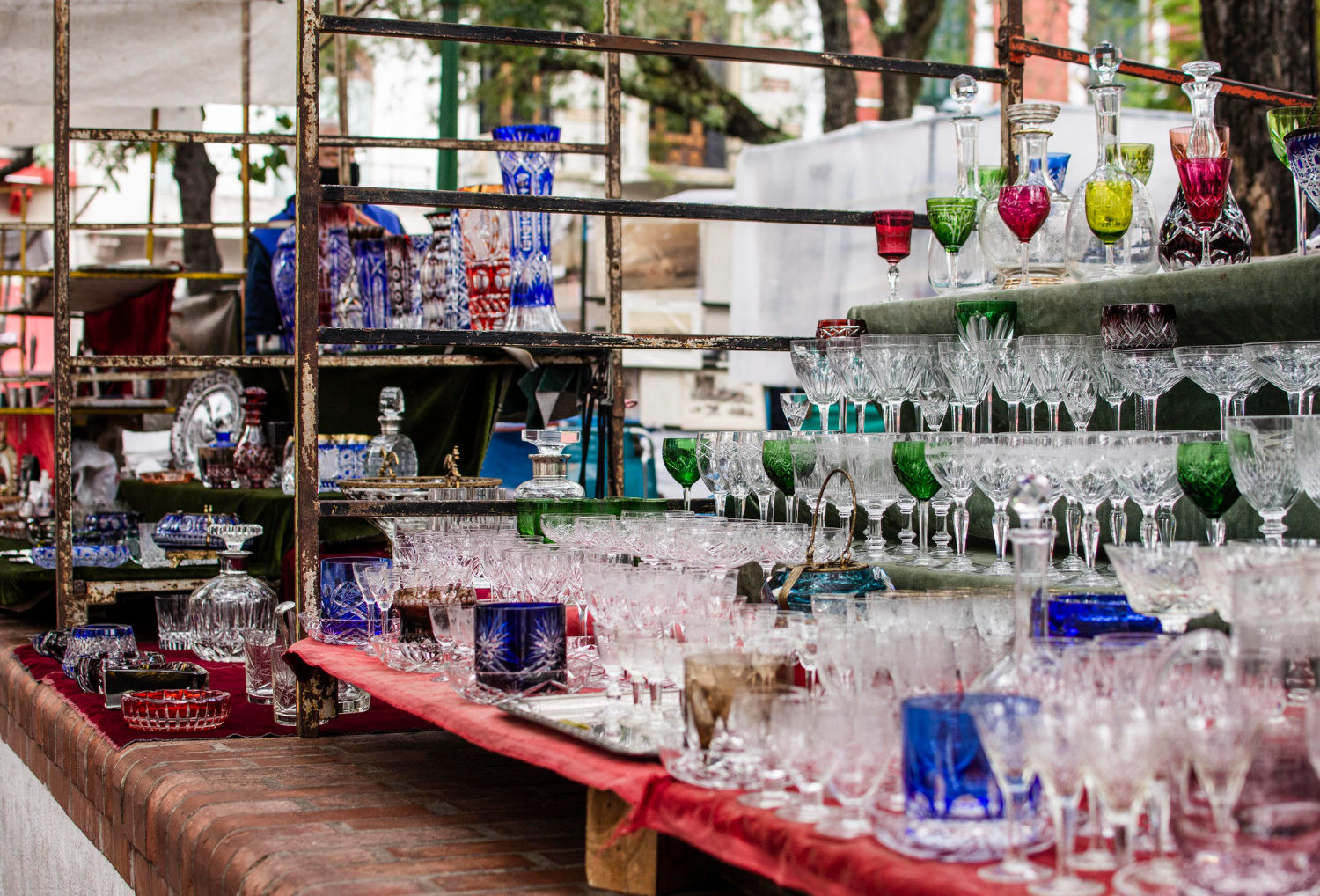
Retail immediately beside a major attraction is priced for people who will never return and stocked with goods that are frequently not local at all.
Walking five minutes changes both the price and the origin. The shop nearest the monument is the souvenir trap that catches the most visitors.
7. Check What It Is Actually Made From
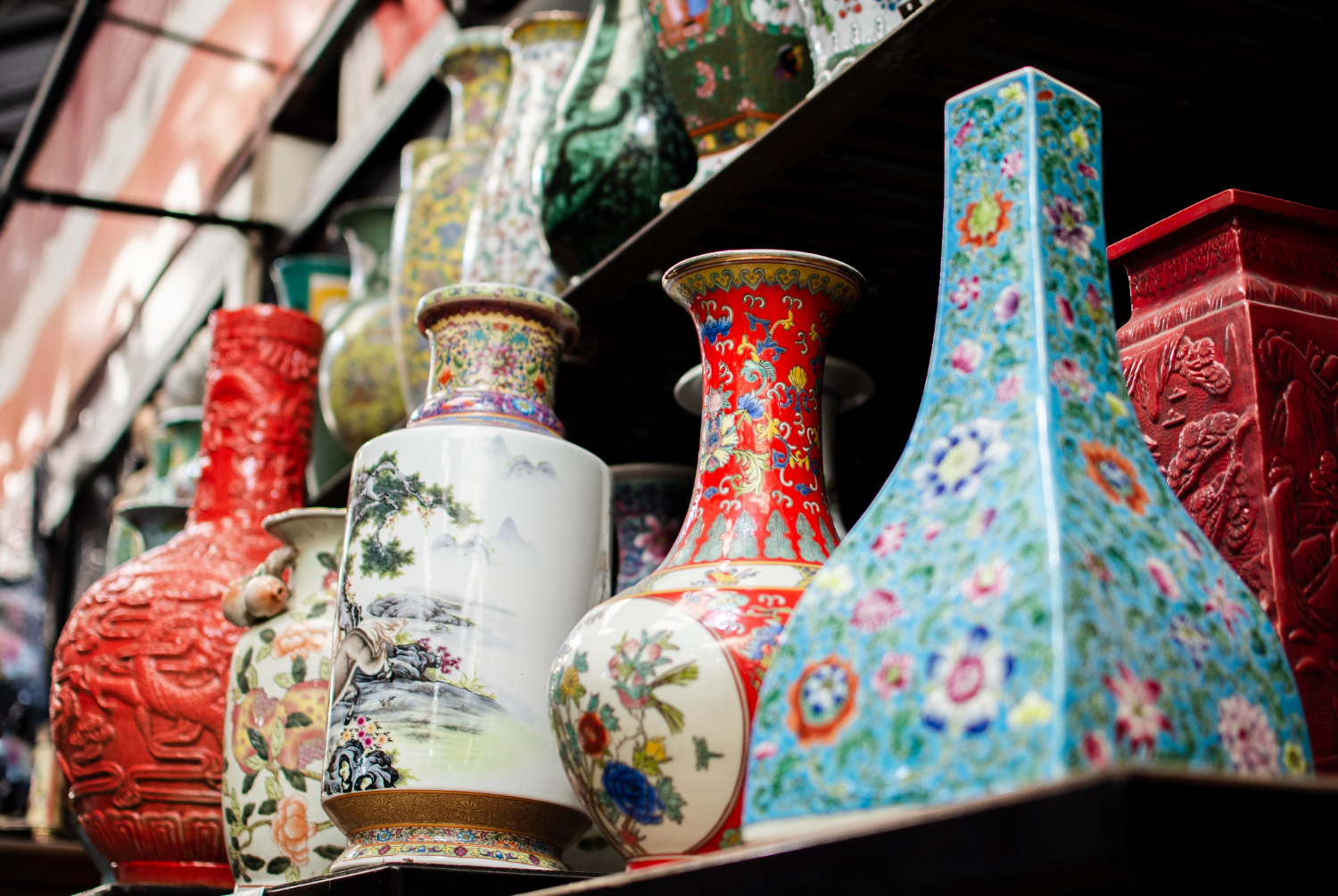
A great many items sold as local crafts are mass-produced elsewhere, and the label or the underside will often tell you.
It is worth thirty seconds of looking. Checking what something is made from is the souvenir precaution that prevents the most common disappointment.
8. Something to Wear Beats Something to Display
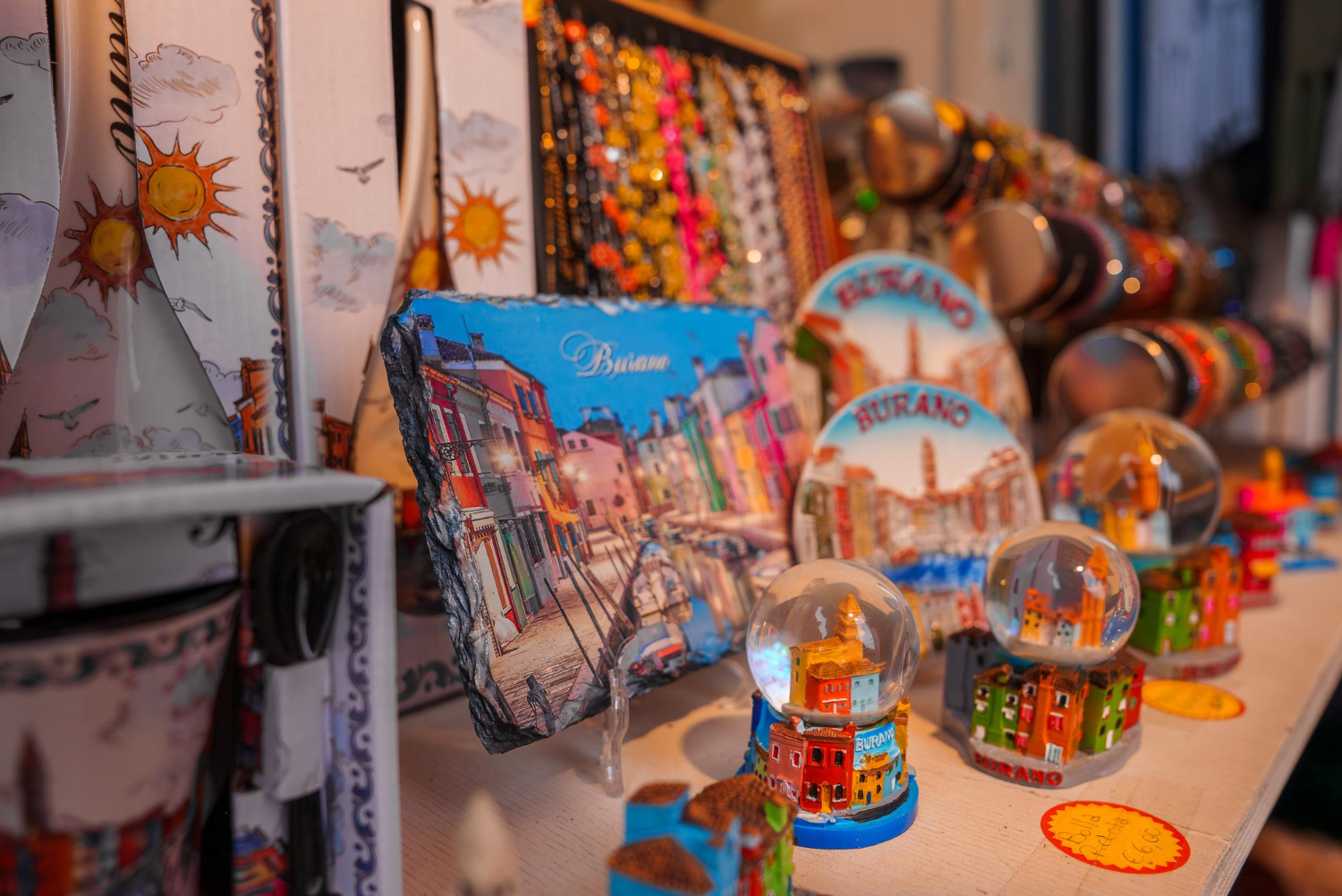
Clothing, jewellery and accessories enter your normal rotation, which means the object continues to be part of your life rather than becoming an ornament.
Choose things you would buy at home rather than things that only make sense on holiday. Something to wear is the souvenir category with the highest survival rate.
9. Consider Weight and Fragility Before You Fall in Love
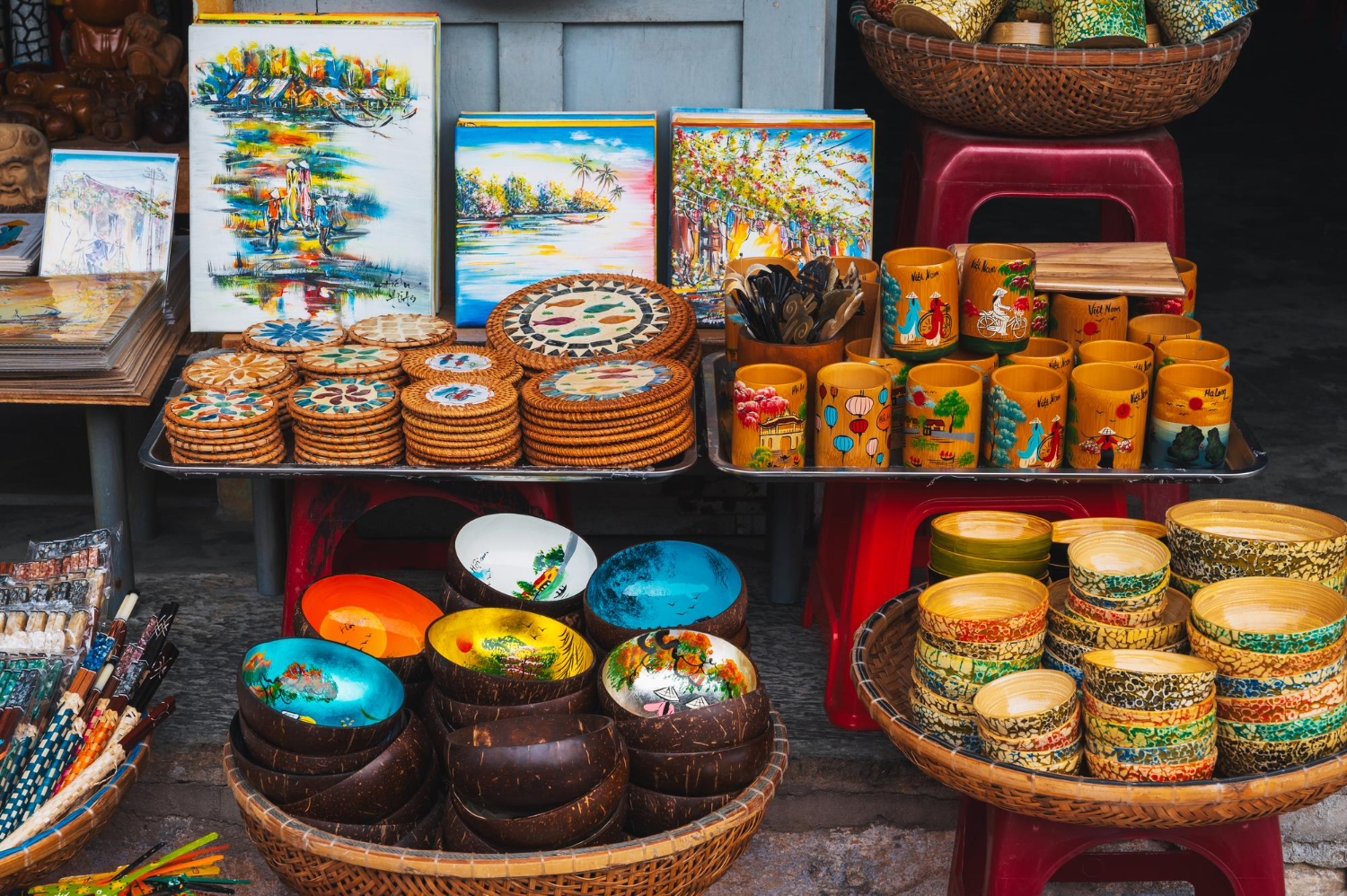
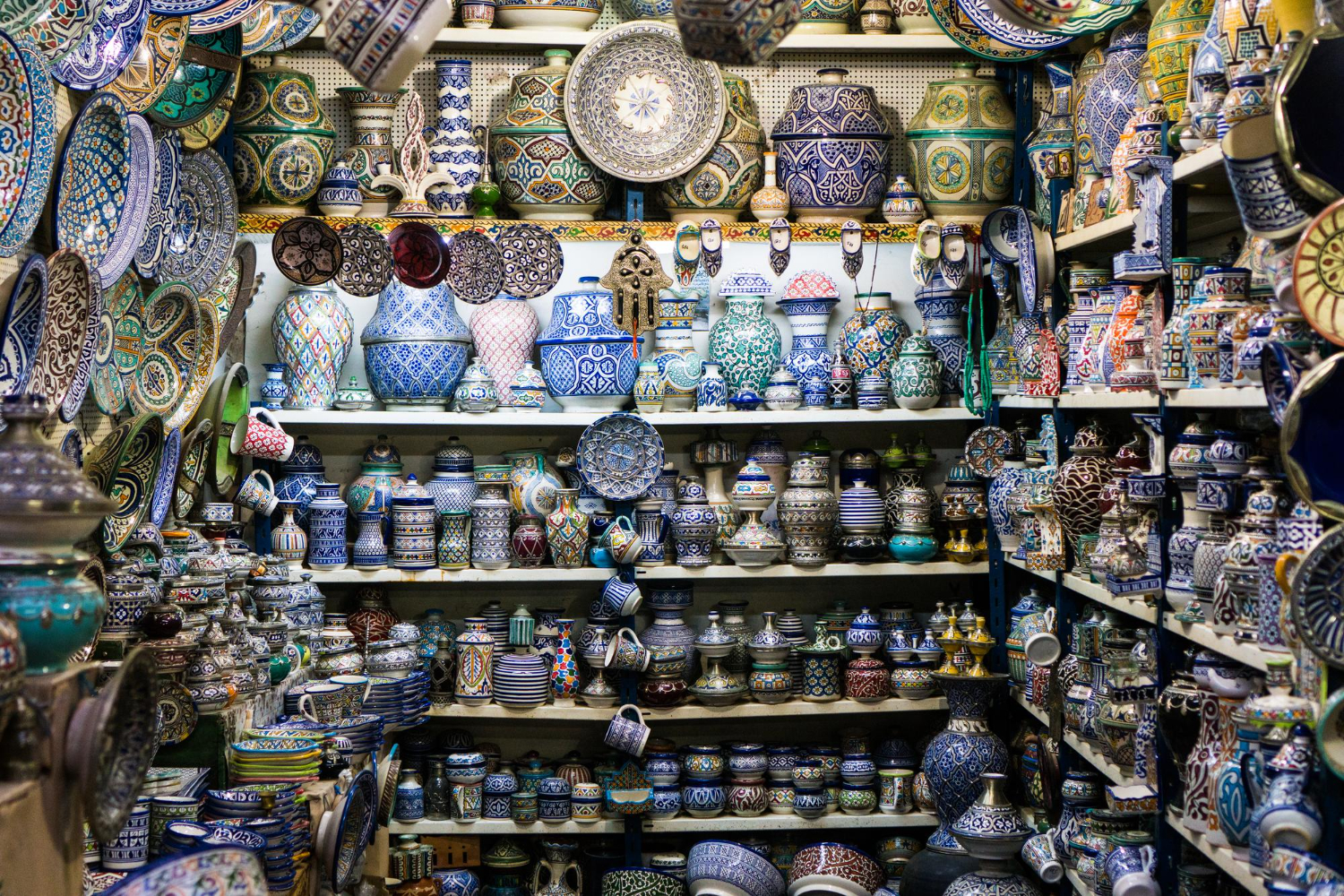
Ceramics, glass and stone are exactly the things you most want and the things least likely to arrive intact in a suitcase.
Hand luggage, purpose-made packing or shipping are the three options, and deciding before you buy avoids a difficult afternoon. Weight and fragility are the souvenir constraints people consider last and should consider first.
10. Avoid Anything Made From Wildlife
Items incorporating shell, coral, ivory, feathers, fur, reptile skin or protected plants are restricted or prohibited across many borders, and rules are enforced.
If in doubt, do not buy it – the object is not worth the problem and frequently should not have been made. Avoiding wildlife products is the souvenir rule with the most serious consequences attached.
11. Photographs and Paper Cost Almost Nothing
Postcards, prints, maps, tickets, local newspapers and pressed items weigh nothing, cost very little and are frequently the things people keep longest.
A framed local map or print does more work in a house than most objects. Paper is the souvenir category with the best ratio of meaning to money.
12. Buy One Thing, Properly
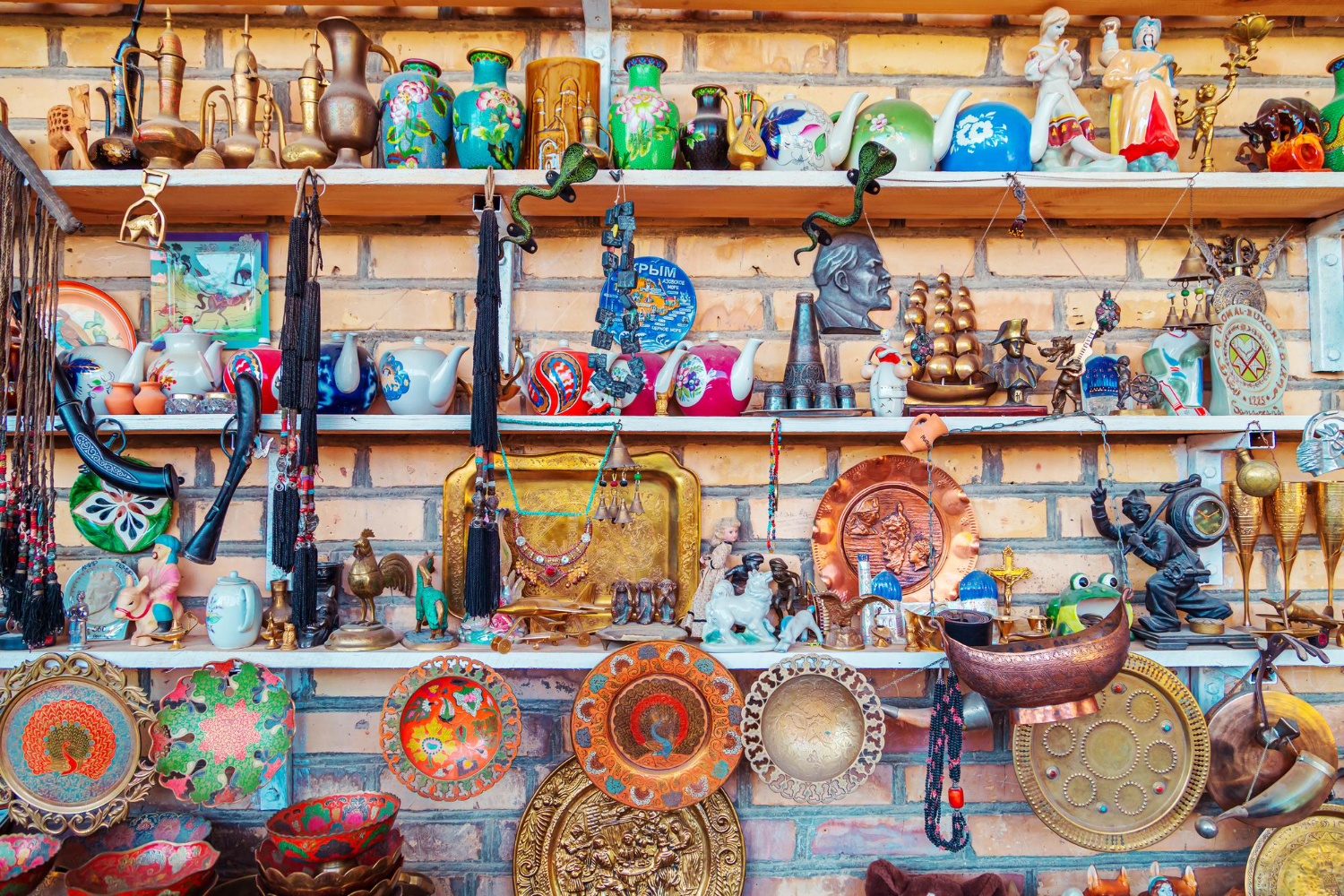
A single considered purchase you saved for and thought about is remembered; six cheap items bought in a rush are not.
Set a budget for one good object and ignore everything else. Buying one thing properly is the souvenir approach that people who travel a lot converge on.
What Survives the Journey Home
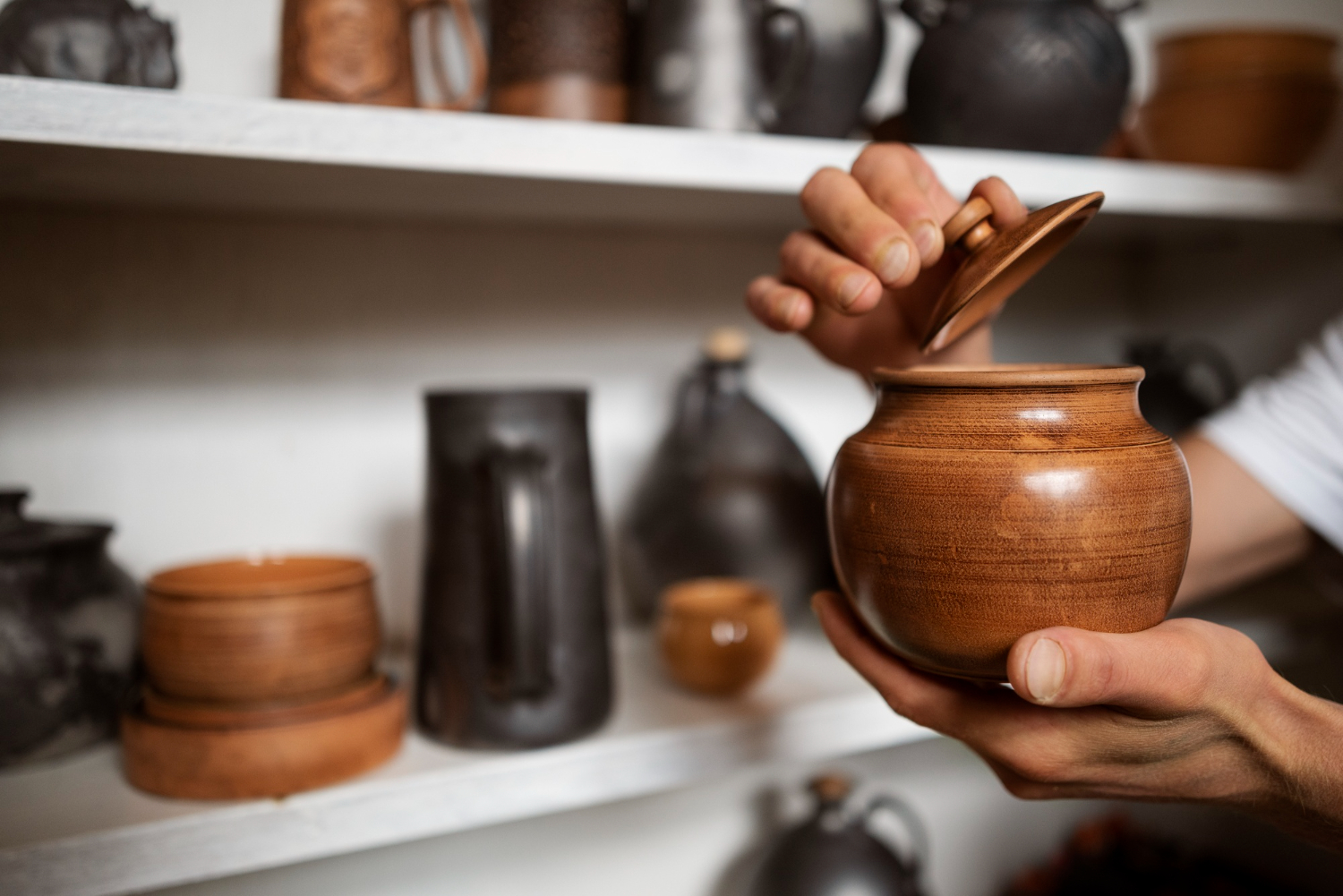
The pattern is consistent: things that are used, worn, eaten or looked at deliberately survive, and things bought to prove you went somewhere do not.
None of this requires spending more. It requires deciding before the last afternoon what you actually want, and buying it somewhere other than the shop with the biggest sign. And check your own customs rules before you buy anything edible, agricultural or made from an animal, because that is the one mistake that costs more than the object.
Like our content? Follow us for more.