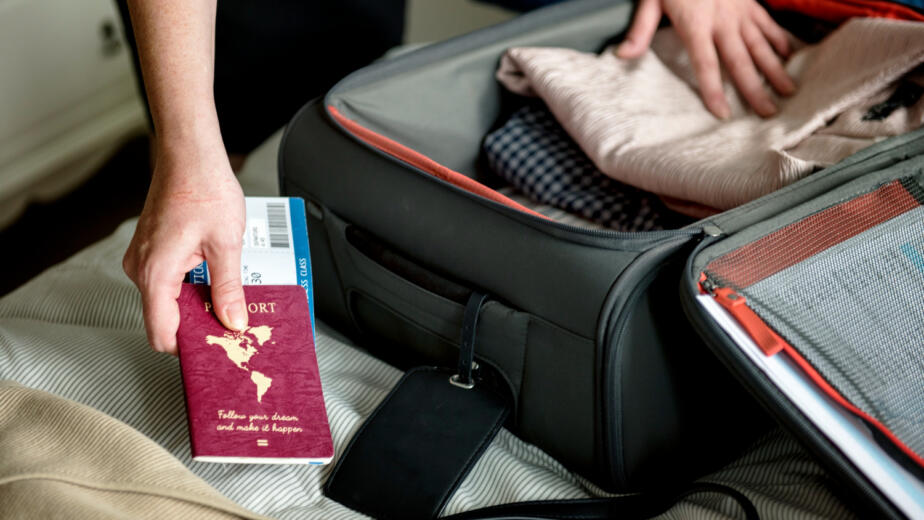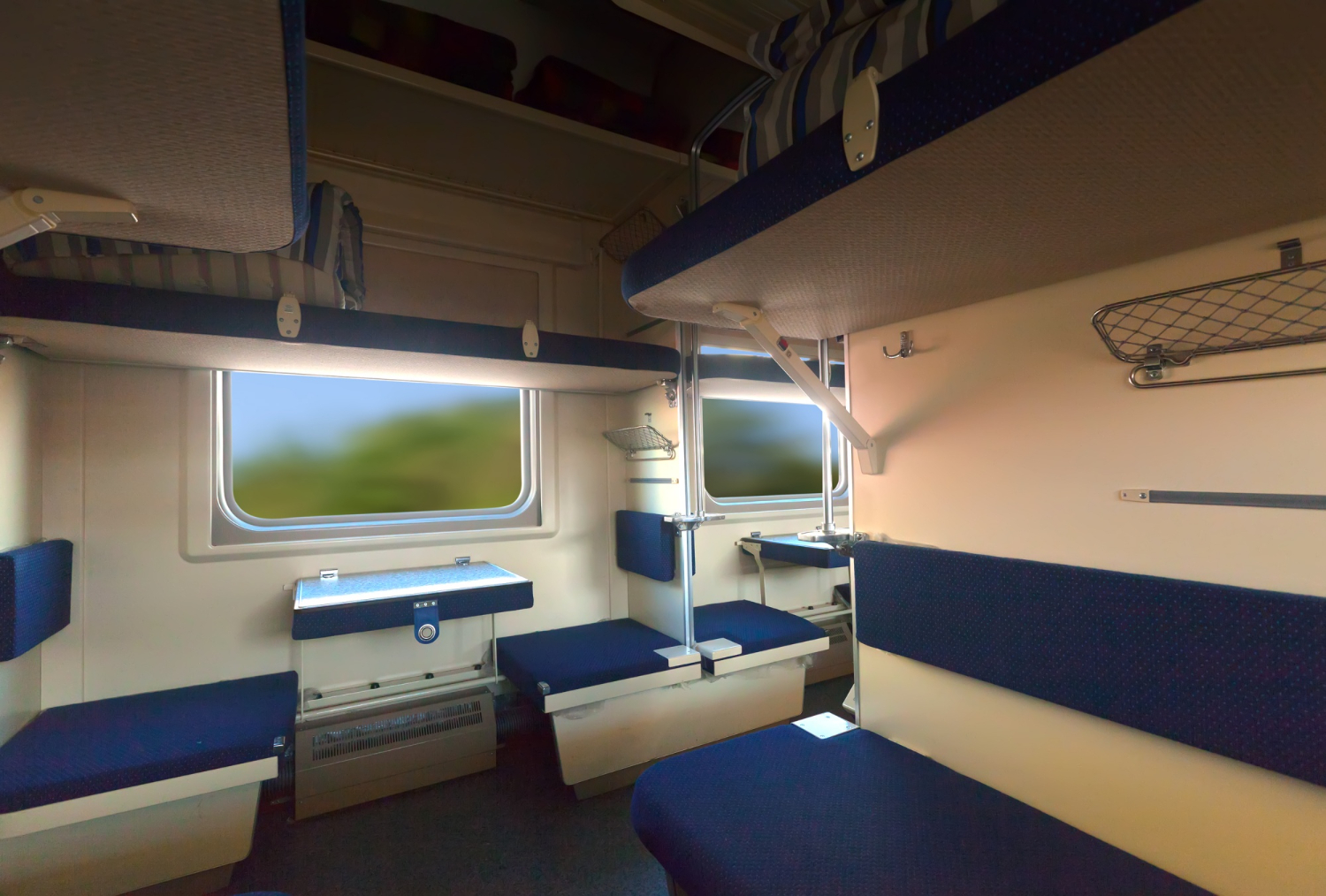
Almost everything below is about managing a small moving room shared with strangers for nine hours. Get these right and it is the best way to travel there is. Here are fifteen.
1. Understand What You Are Actually Booking
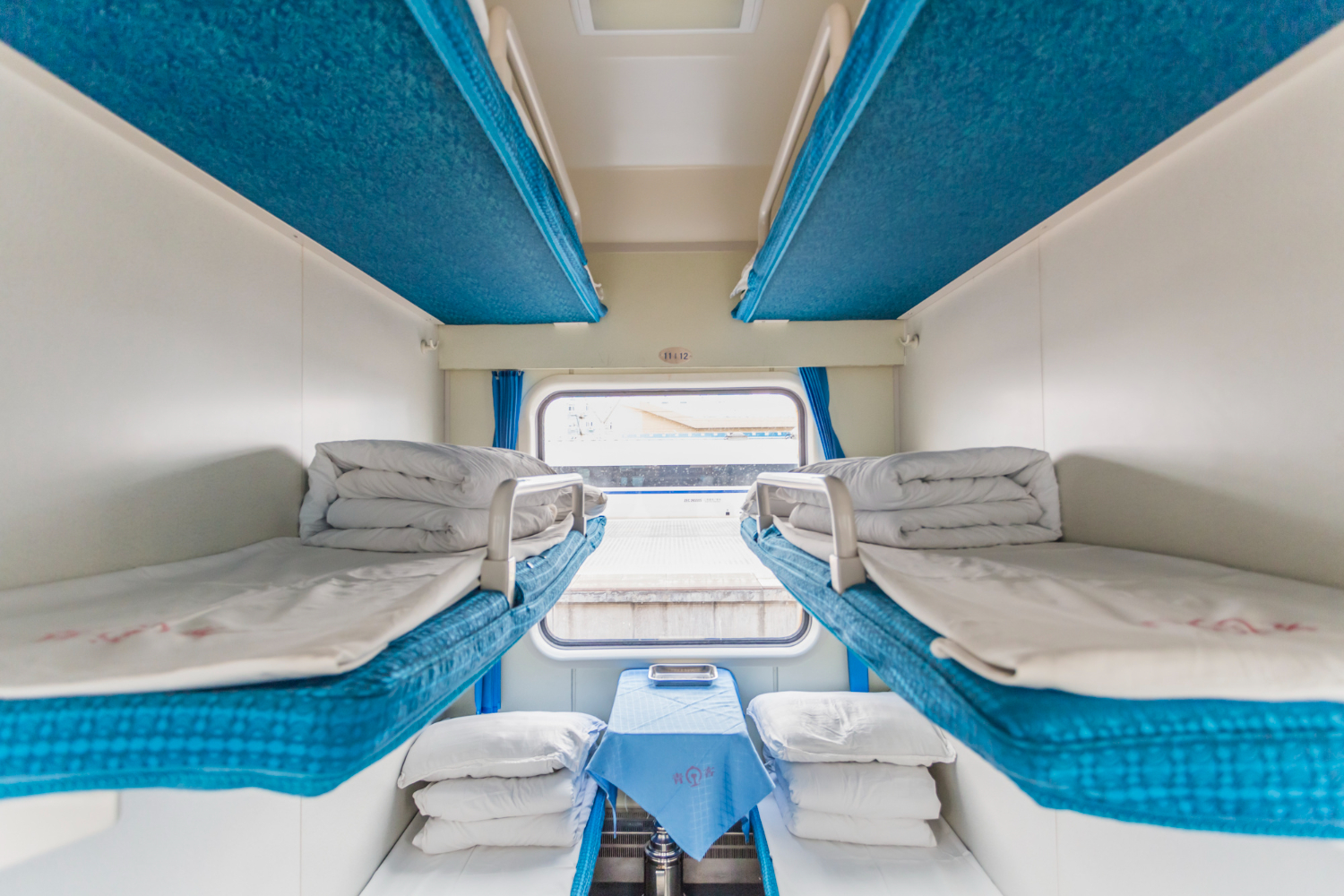
Sleeper accommodation ranges from a reclining seat to an open bunk in a shared carriage to a private compartment with a door that locks, and the words used differ by country.
Read what the fare actually includes rather than assuming from the price. Understanding what you are booking is the overnight train decision everything else follows from.
Like our content? Follow us for more.
2. Lower Bunks Are Better and Cost More
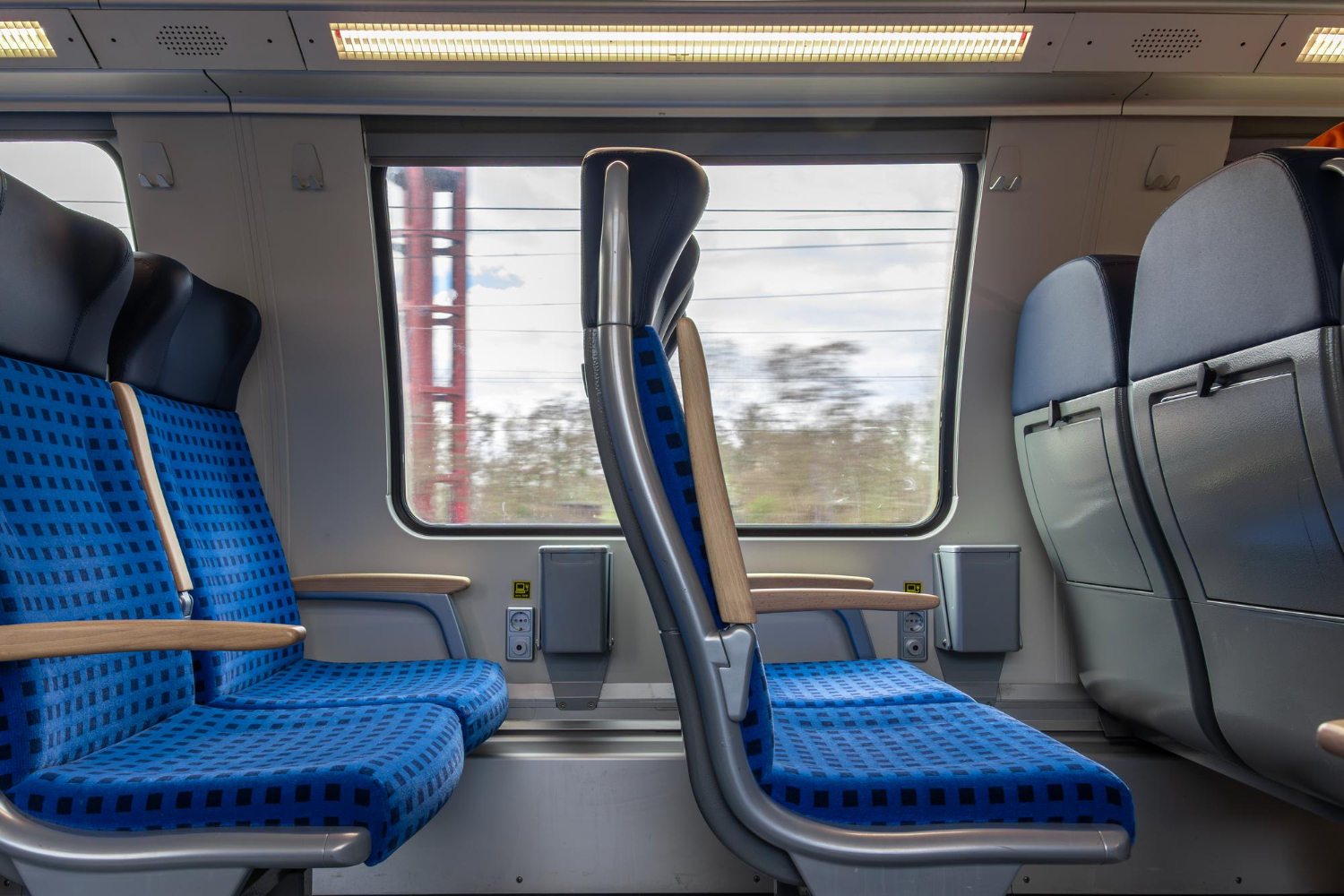
A lower berth gives headroom, a window, somewhere to sit during the evening and no climbing in the dark.
Upper berths are cheaper, warmer, and substantially harder to get into at two in the morning. Choosing the lower bunk is the overnight train upgrade most worth paying for.
3. Bring Everything You Need Within Reach
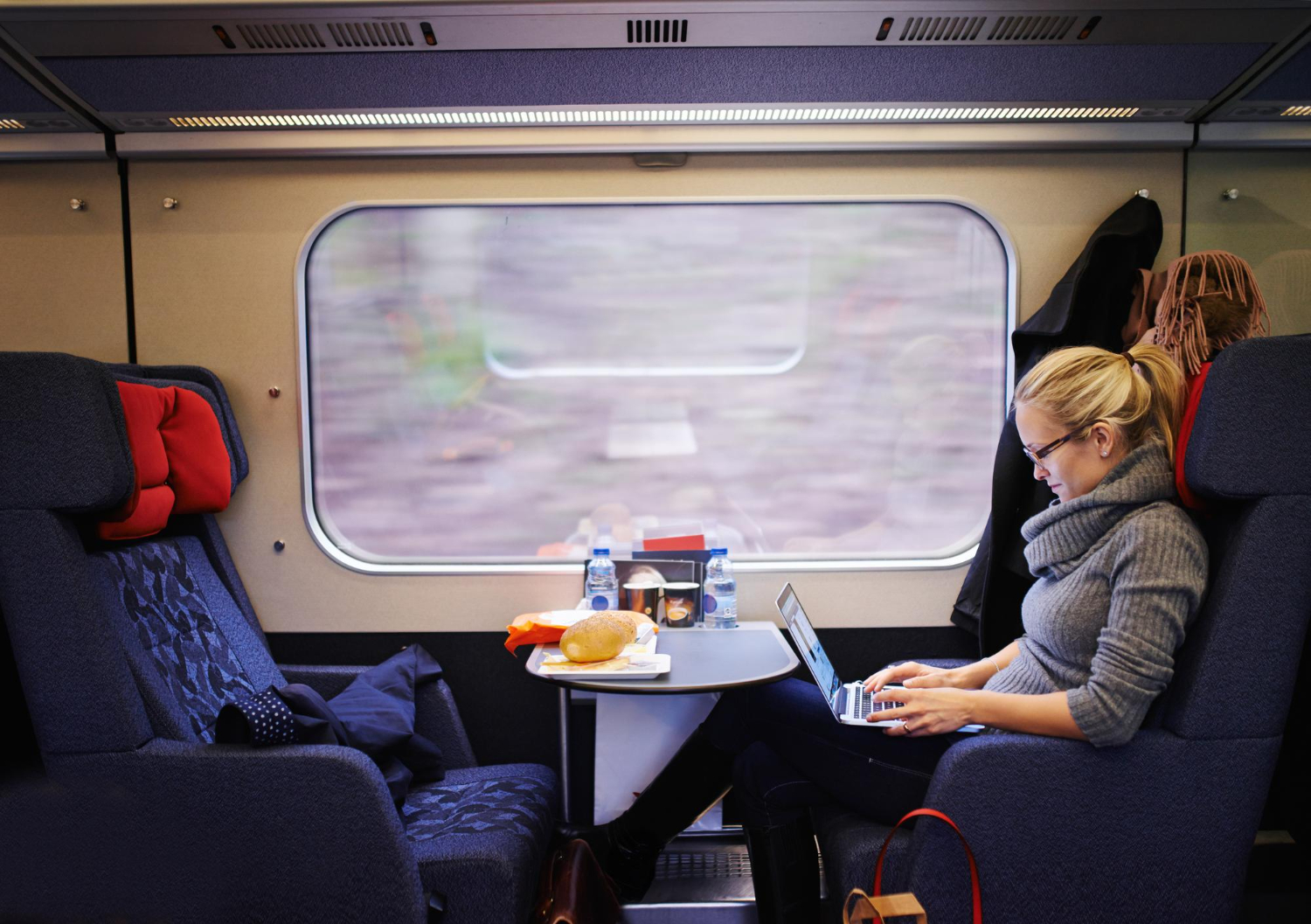
Once the lights are off, digging through a bag on a luggage rack is disruptive to everyone and awkward for you.
A small bag with water, phone, charger, earplugs, medication and a layer, kept on the bunk, solves the whole night. Keeping essentials within reach is the overnight train habit that separates experienced passengers from new ones.
4. Earplugs and an Eye Mask Are Not Optional
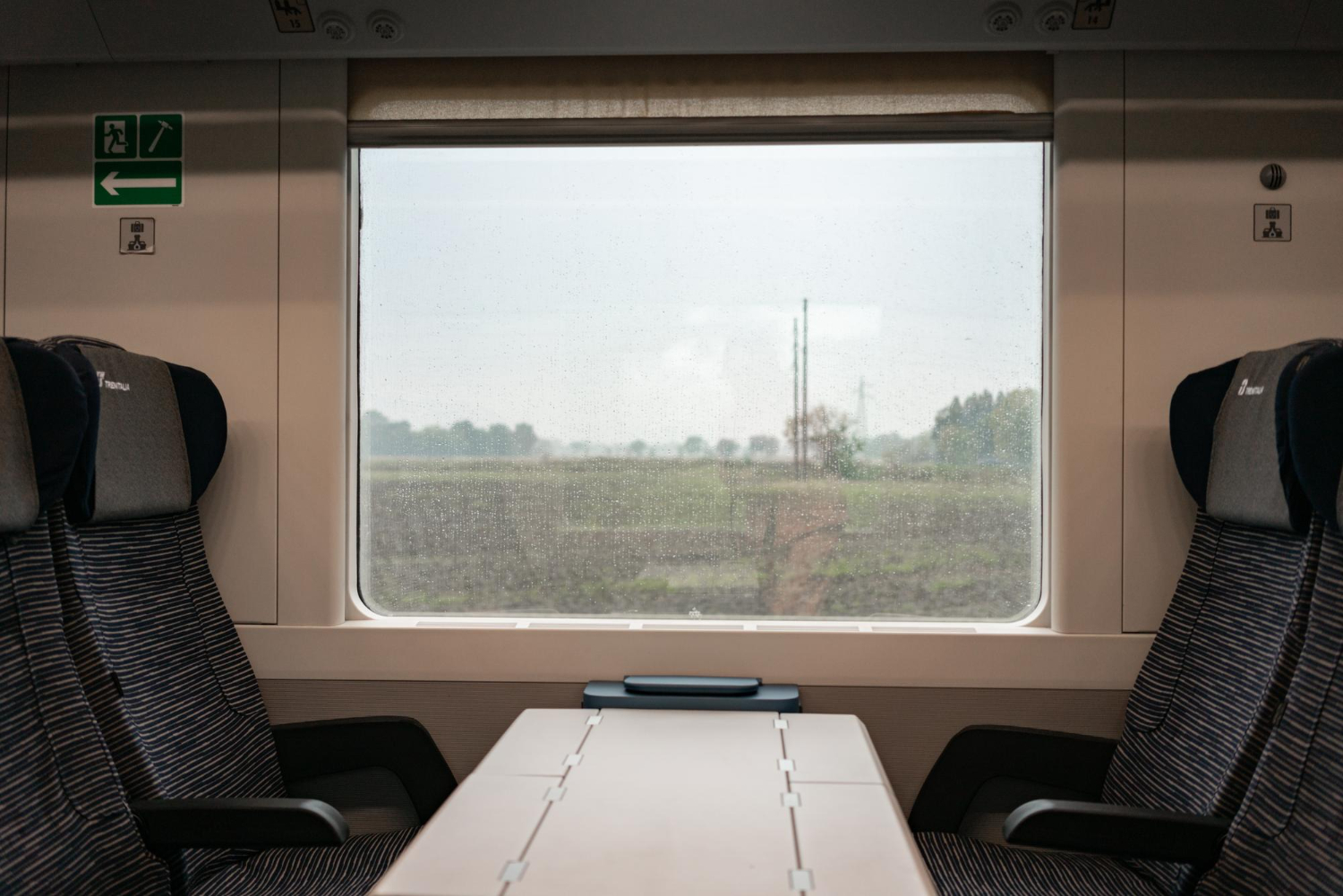
Trains are noisy, corridors are lit, doors open, and other passengers board at three in the morning at stations you will never see.
These two items cost very little and make the difference between sleeping and not. Earplugs and an eye mask are the overnight train equipment nobody regrets packing.
5. Work Out the Temperature Situation Early
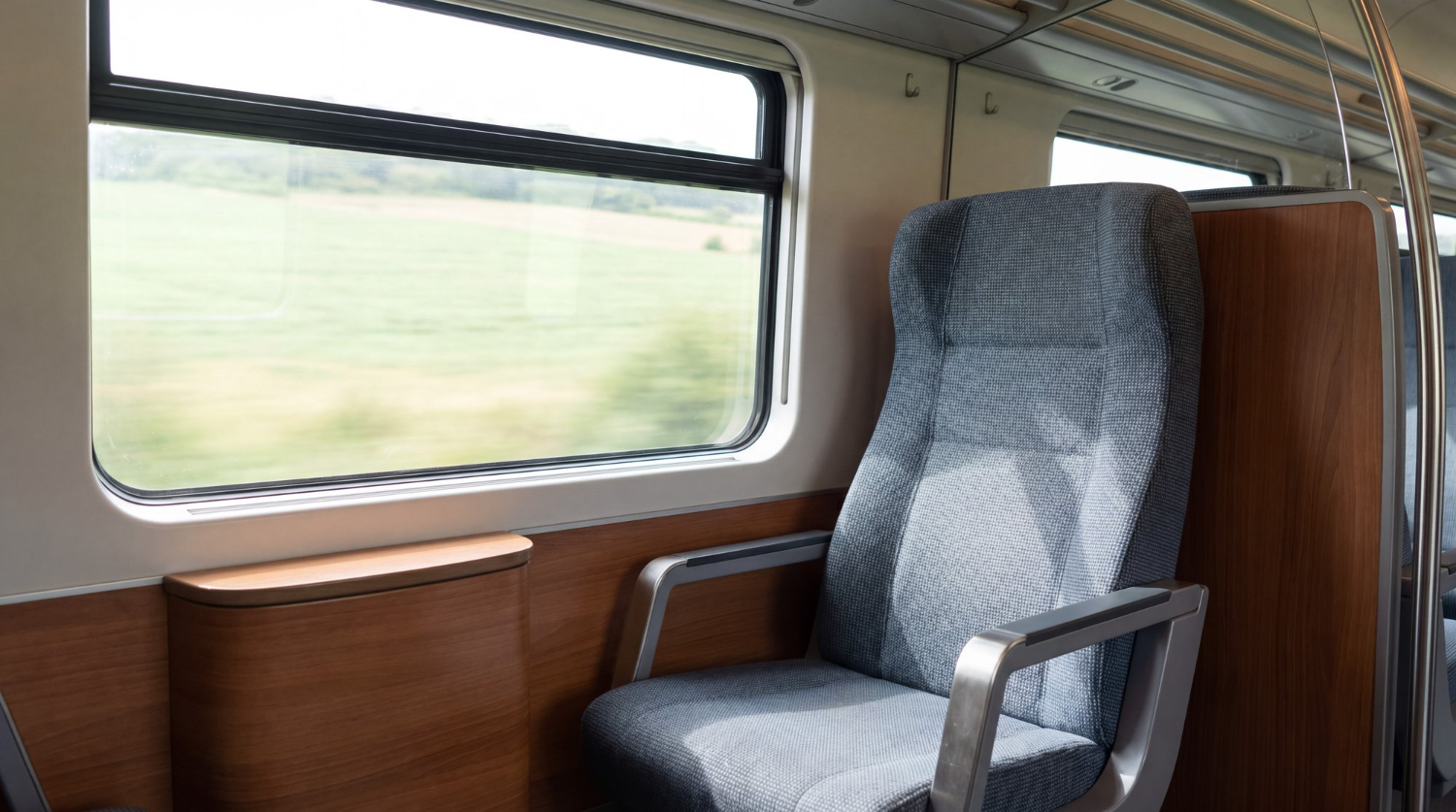
Sleeper carriages run hot or cold with limited individual control, and the setting frequently changes overnight.
A layer you can add and remove beats hoping for the best. Managing the temperature is the overnight train variable most likely to wake you up.
6. Find Out Whether Bedding Is Provided
Some services include sheets, a pillow and a blanket as standard; others charge for them, and some provide nothing at all.
This is worth establishing before boarding rather than at midnight. Checking the bedding is the overnight train detail that varies most between countries.
7. Know Where the Toilet Is Before You Need It

Locate the facilities and note whether they are at one end or both, because finding out at four in the morning in a dark corridor is unpleasant.
Some services have a shower, most do not. Knowing where the toilet is before you need it is basic overnight train orientation.
8. Eat Before You Board or Bring It With You
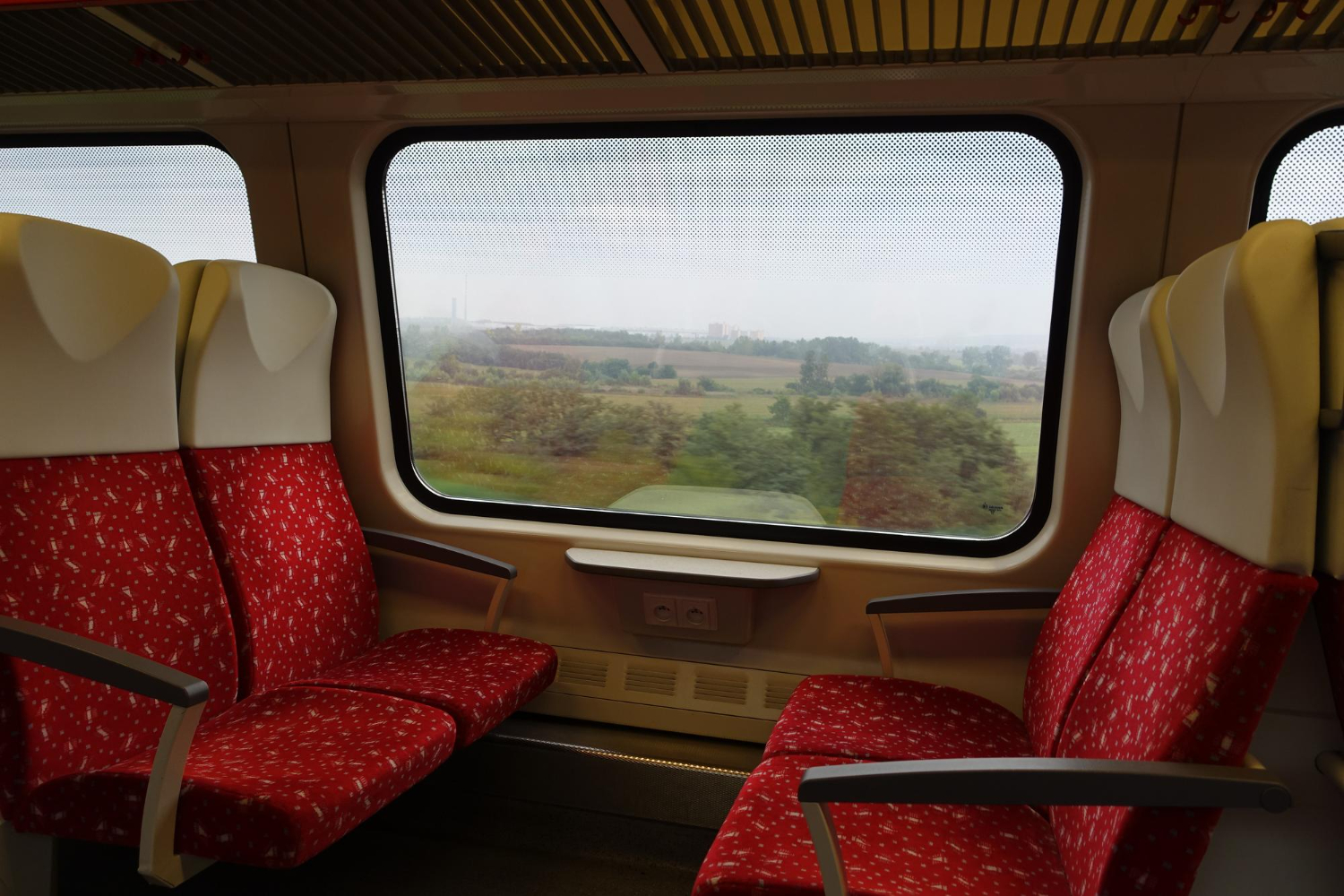
Catering ranges from a full dining car to nothing whatsoever, and services that had a restaurant last year may not this year.
Boarding with food and water removes the entire question. Eating before you board is the overnight train precaution against a menu that does not exist.
9. Talk to Your Compartment or Do Not
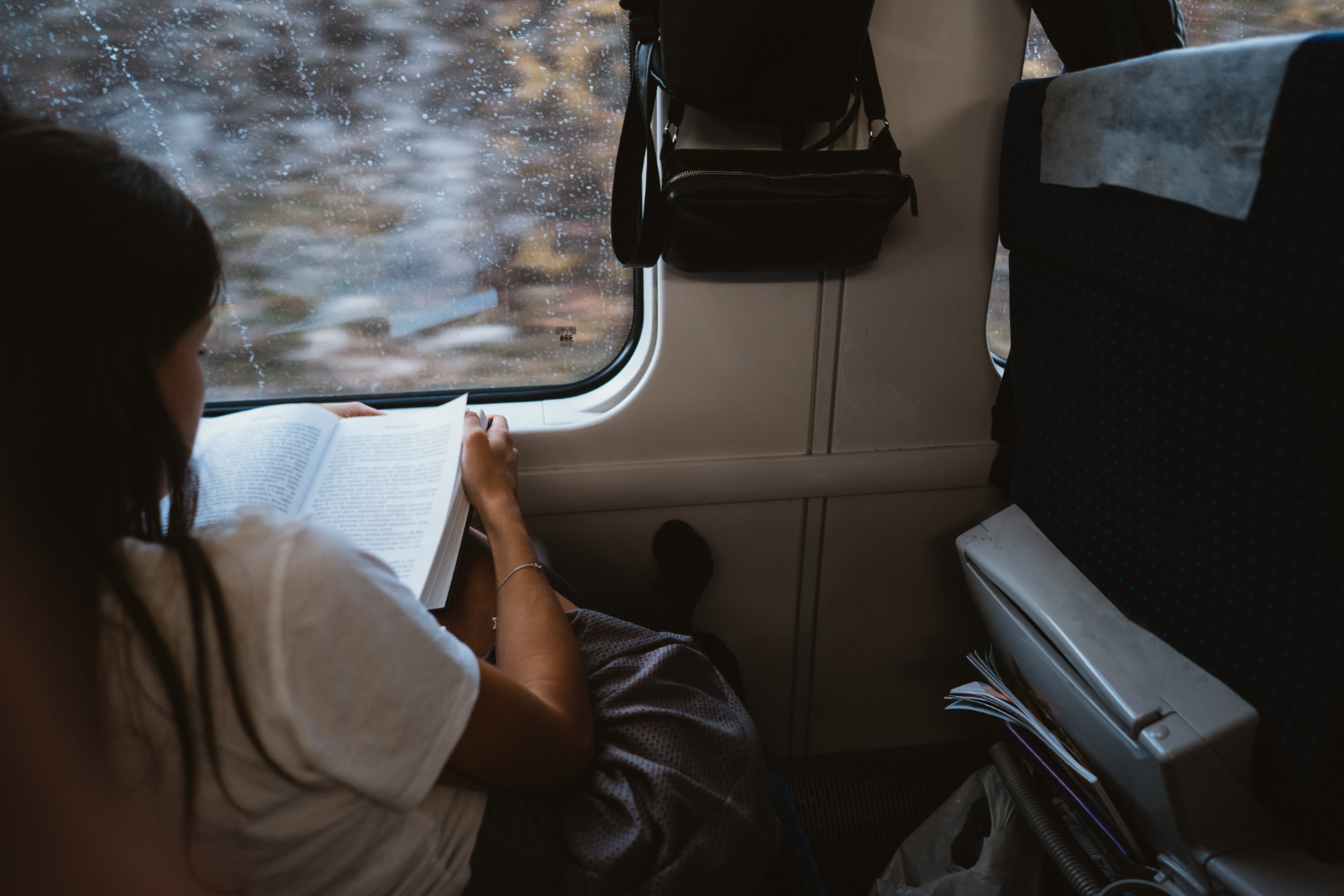
Shared compartments have an unspoken negotiation in the first ten minutes about whether this is a sociable journey or a quiet one.
Both are entirely acceptable and reading which one is happening is the skill. Reading the compartment is the overnight train social task that sets the tone for the night.
10. Secure Your Things Without Being Obvious About It
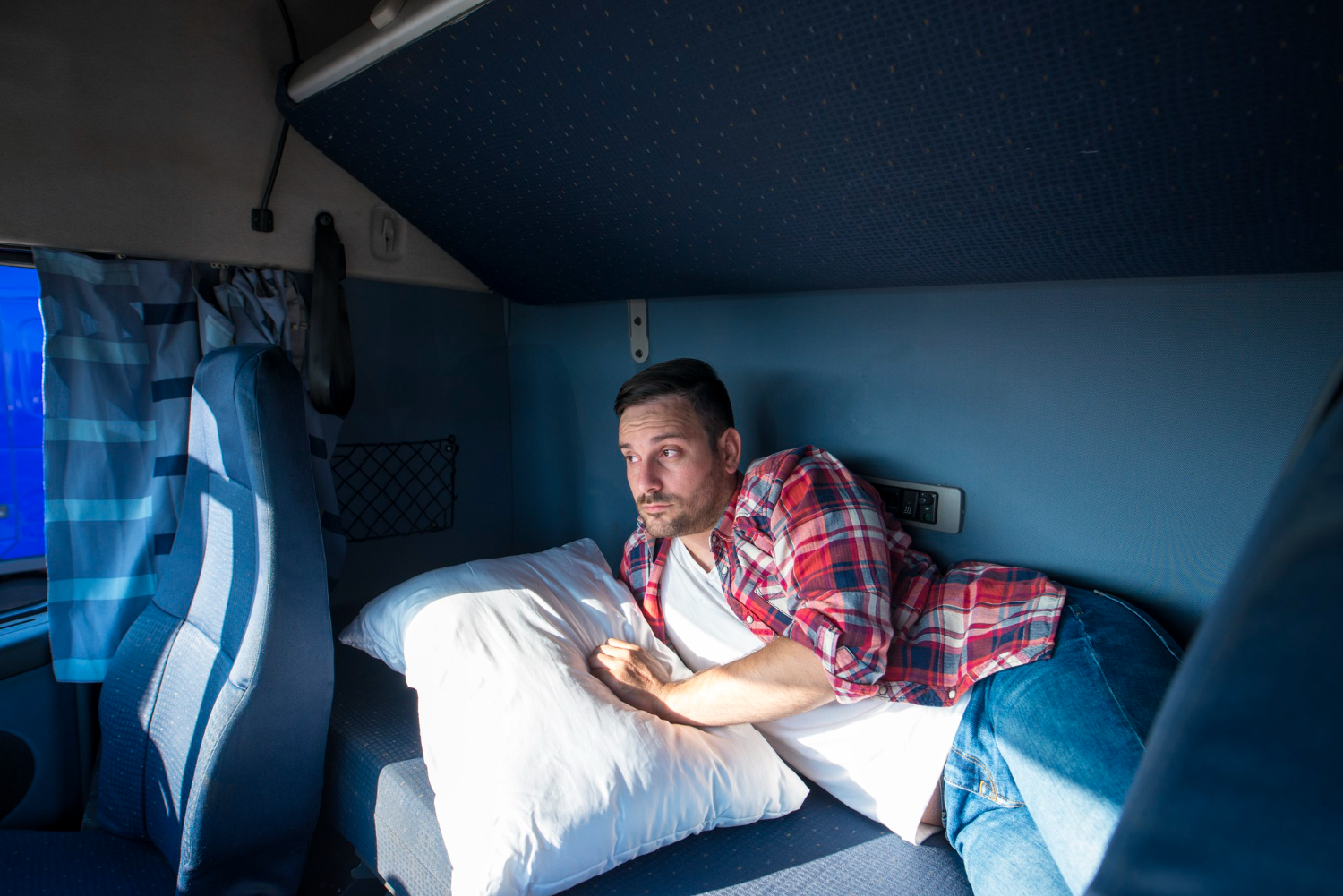
Keep documents and valuables on your person or under your pillow, use the compartment lock if there is one, and put larger bags where they cannot be lifted steadily.
This is ordinary travel sense rather than a comment on any route. Securing your things is the overnight train routine that lets you actually sleep.
11. Expect to Be Woken at the Border
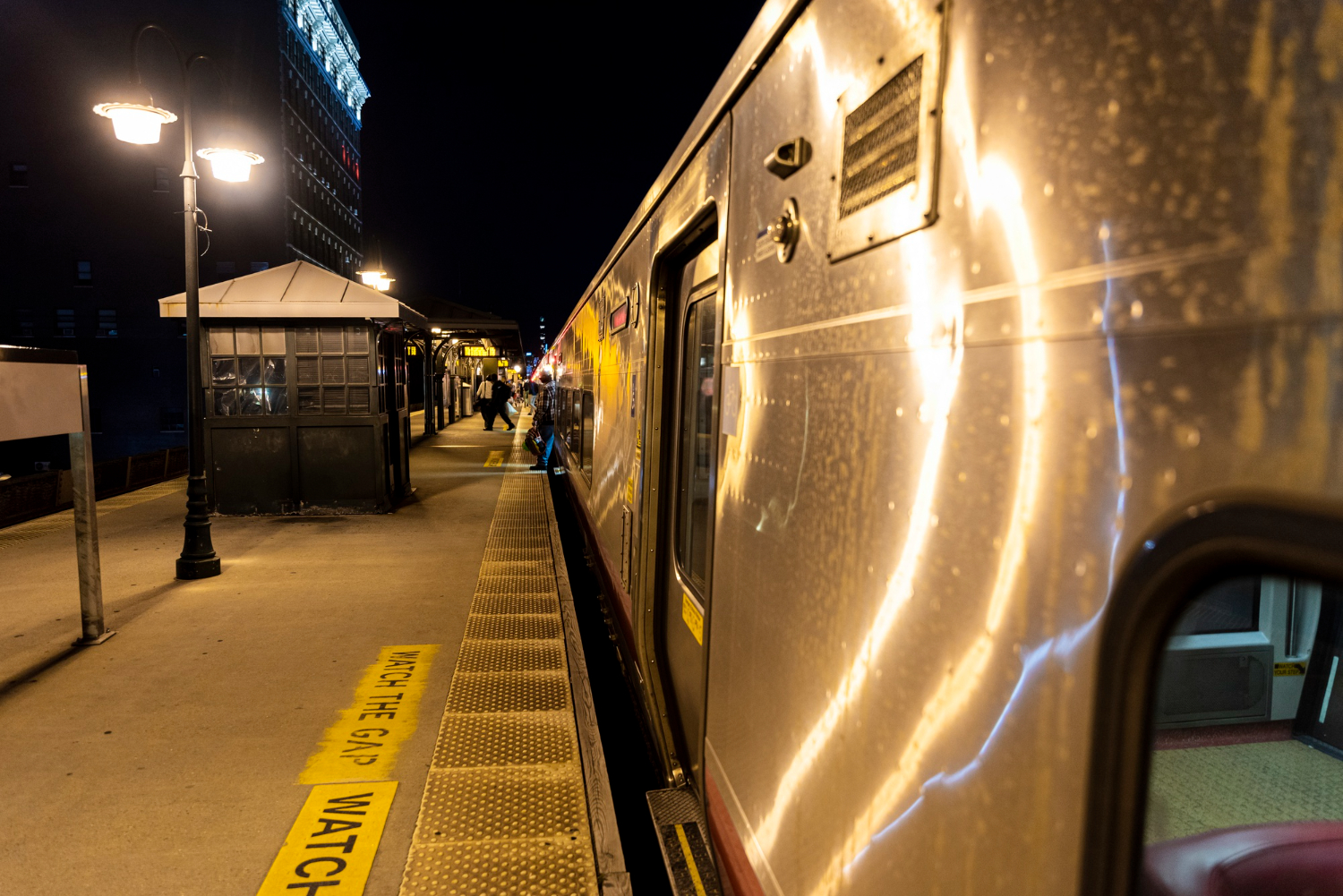
International services frequently involve document checks at unsociable hours, and on some routes the carriages are physically shunted or have their wheels changed.
Knowing it is coming turns an alarming event into an interesting one. Being woken at the border is the overnight train interruption to plan around rather than resist.
12. Set an Alarm for Well Before Arrival
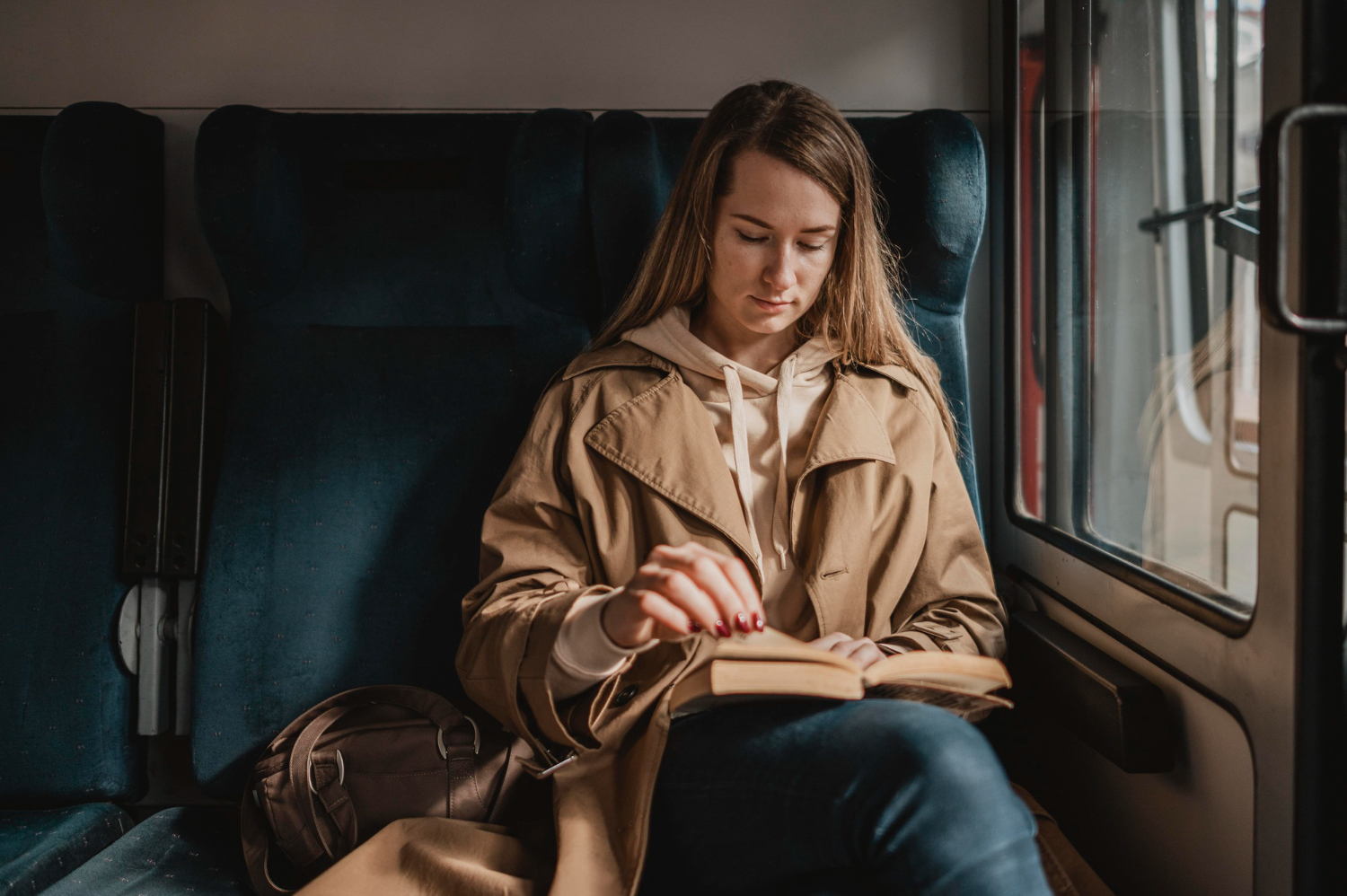
Attendants usually wake passengers, but not always with much notice, and dressing and packing in a narrow bunk takes longer than you think.
Thirty minutes is comfortable and fifteen is not. Setting an early alarm is the overnight train discipline that prevents arriving flustered.
14. Book Earlier Than You Would for Anything Else

Sleeper capacity is small relative to demand, popular routes sell out months ahead, and the cheapest berths go first.
Some services release tickets on a fixed schedule that is worth knowing. Booking early is the overnight train constraint that catches out people used to flying.
15. Check the Service Still Runs
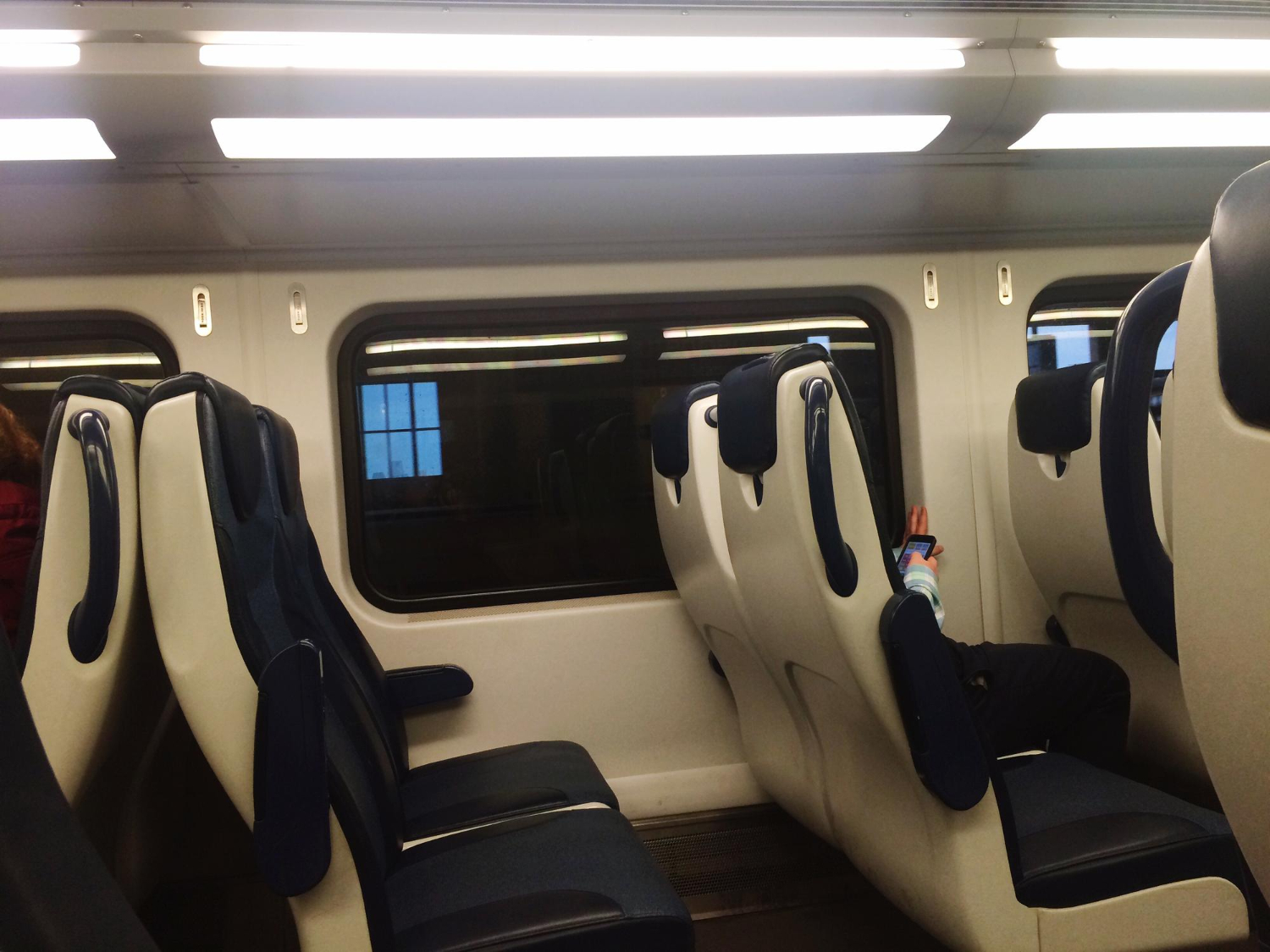
Sleeper routes are withdrawn, reinstated, rerouted and seasonally suspended more than almost any other kind of transport.
Verify current operation directly with the railway rather than relying on any article, including this one. Checking the service still runs is the overnight train step that should come before every other item here.
A Small Moving Room and Nine Hours
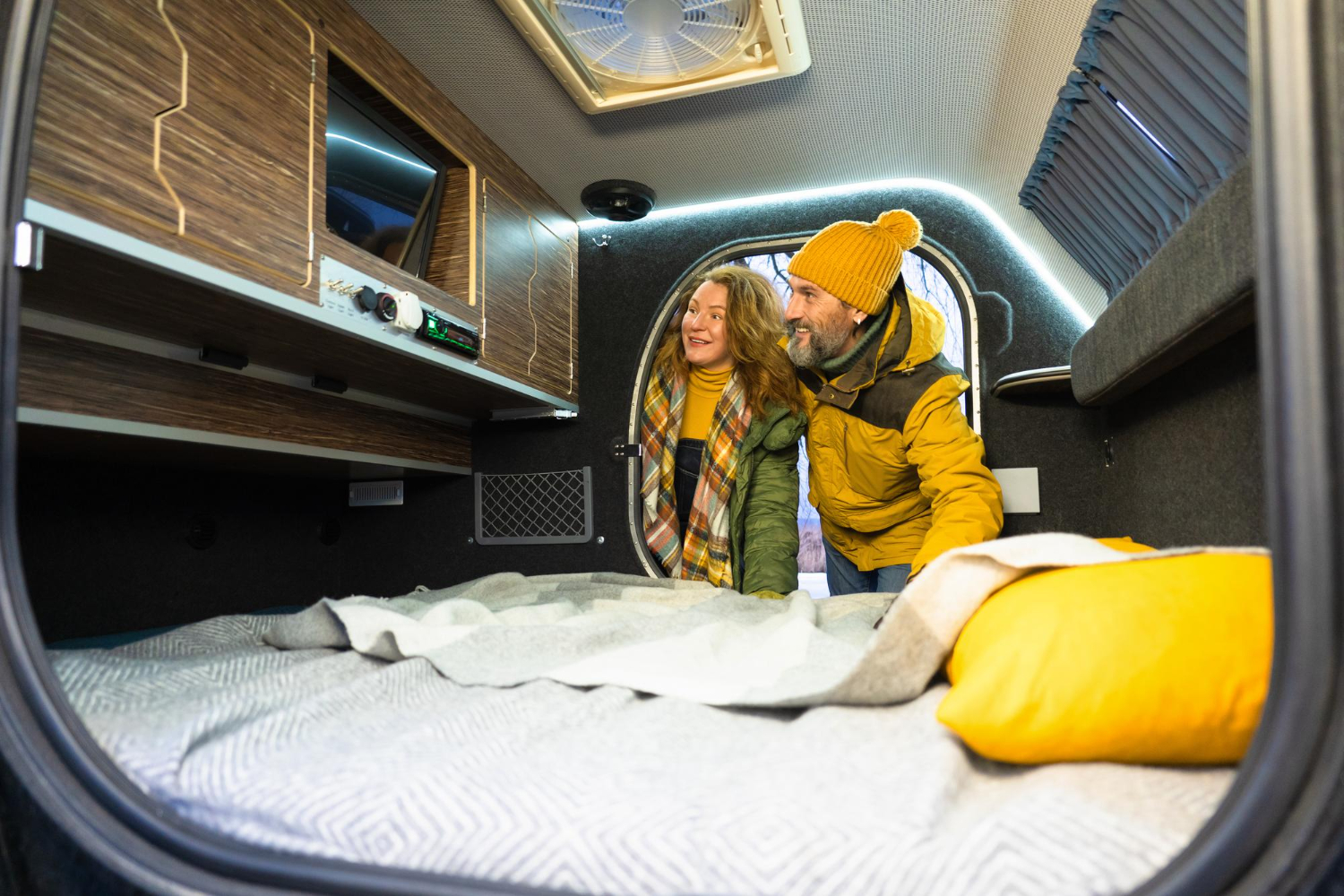
Every item here is about the same thing: you are sleeping in a shared space that is moving, noisy, temperature-variable and stopping periodically, and a little preparation converts that from an ordeal into the best night of the trip.
The reason people keep doing this despite the bunks is straightforward. You go to sleep in one country and wake up in another, having lost no daylight and paid for no hotel, and there is a specific pleasure in raising the blind at six in the morning onto somewhere you have never been. That is worth a slightly poor sleep.
Like our content? Follow us for more.