
None of this is about keeping children occupied. It is about designing the trip differently in the first place, which is where nearly all the difference is made. Here are ten.
1. Plan Fewer Things
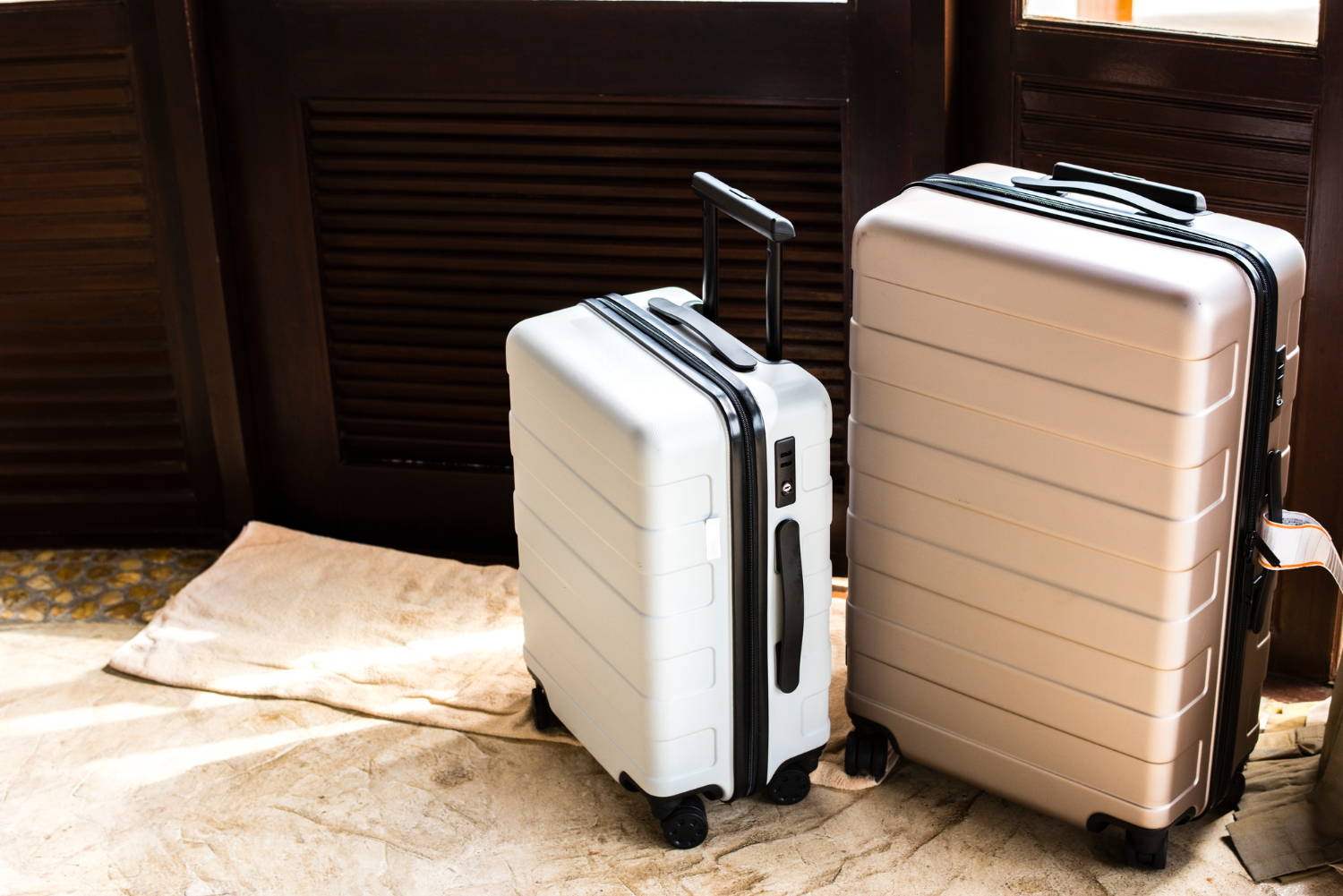
The single largest improvement is doing less. An itinerary with one main thing a day, and time around it, works far better than one with three.
Adults underestimate how long everything takes with a group. Planning fewer things is the change that fixes more than all the others combined.
Like our content? Follow us for more.
2. Let Them Choose Something
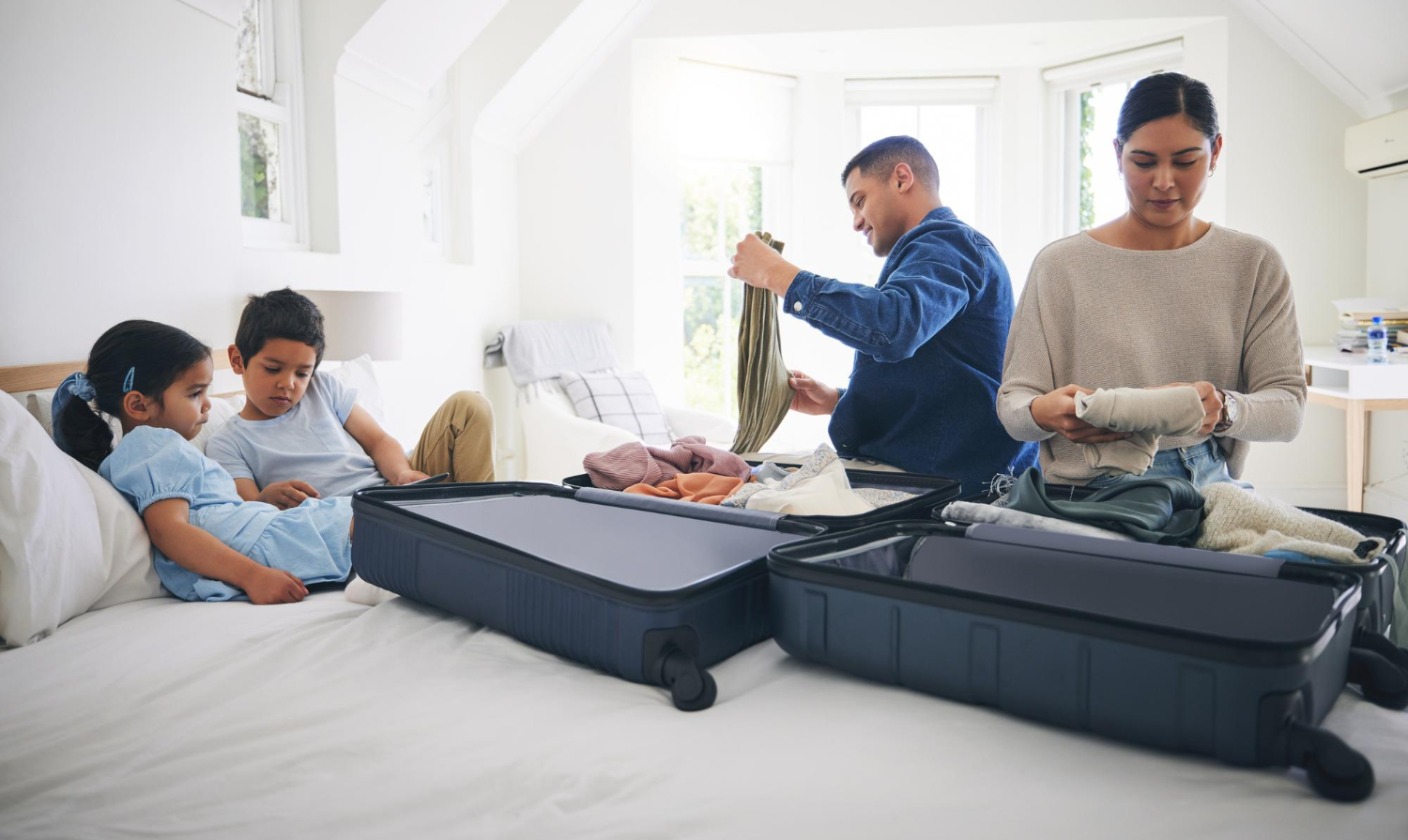
Giving each child one thing on the itinerary that was their decision changes their relationship to the whole trip, because part of it belongs to them.
It need not be expensive or convenient. Letting them choose is the adjustment that turns passengers into participants.
3. Build the Journey Into the Plan
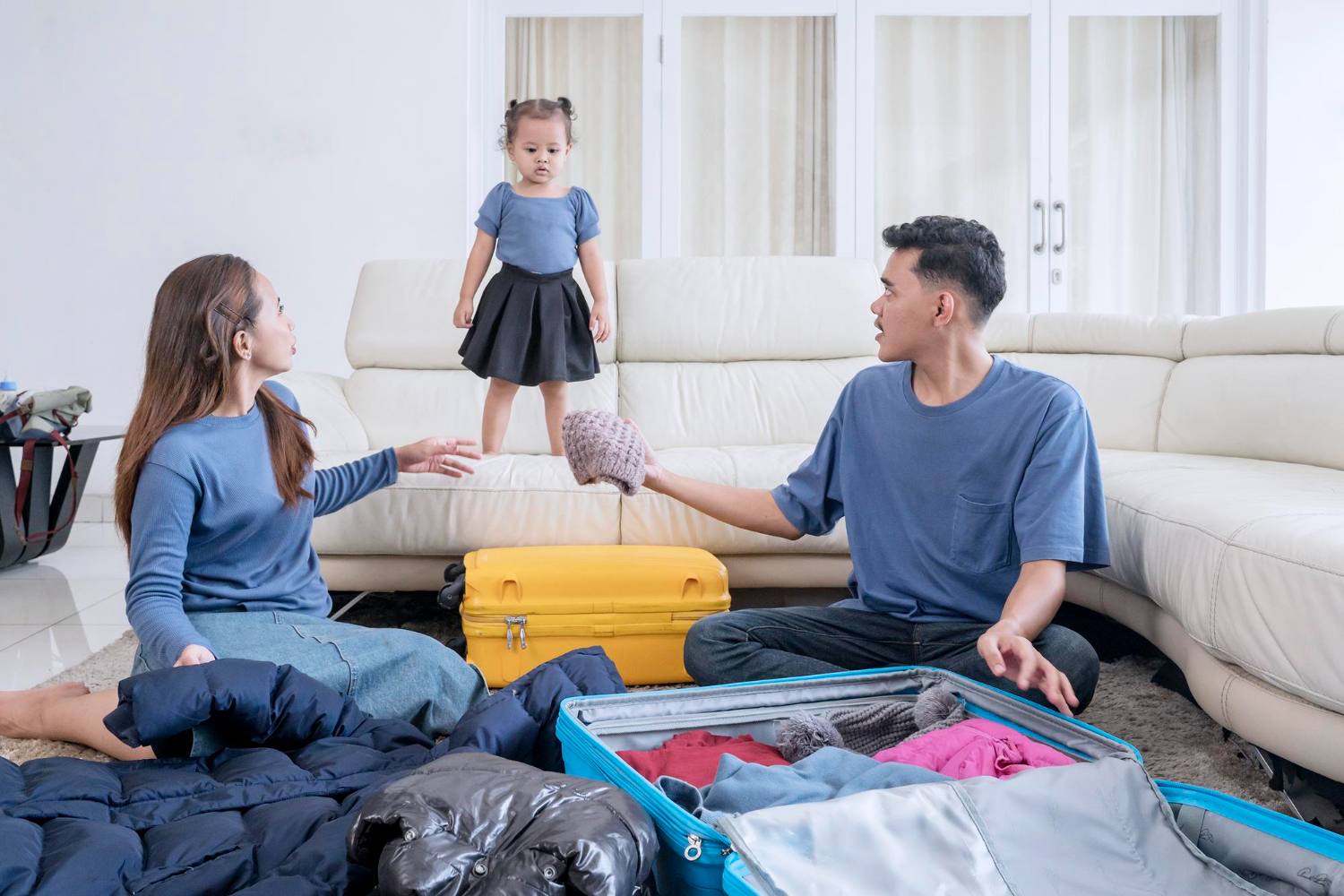
Travel time is part of the trip rather than an interruption to it, and treating a long journey as something to be endured guarantees that it is.
Planning for it produces a better day than pretending it will pass quickly. Counting the journey is the reframing that removes the worst part of most trips.
4. Find Out Where the Open Space Is
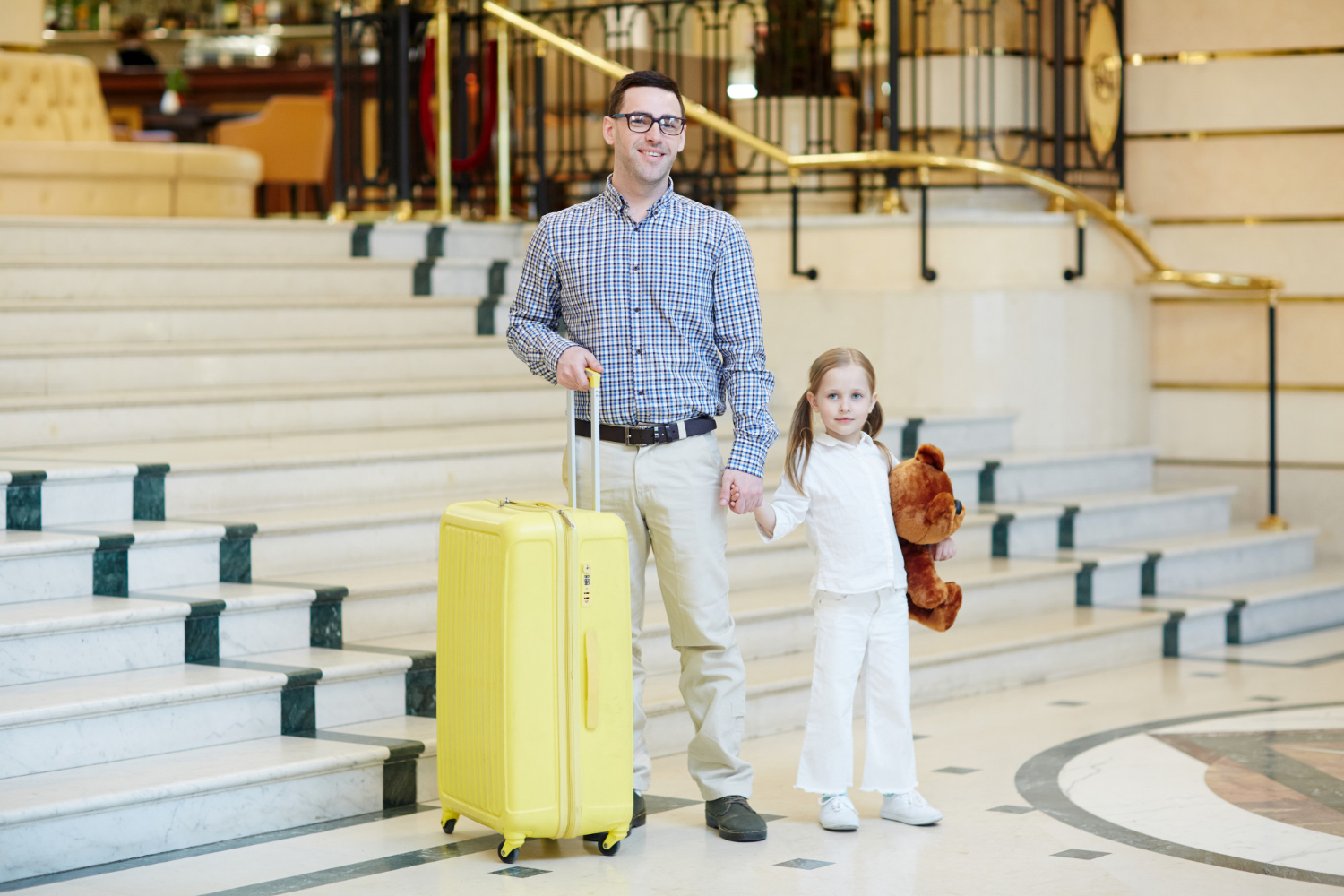
Knowing in advance where there is somewhere to run – a park, a square, a beach, a green space – gives you a release valve within reach of wherever you are.
It is the most useful thing to look up about any destination. Locating open space is the preparation that solves the most common problem.
5. Let Them Carry Their Own Small Bag

A child with their own bag, packed by them within limits, has a degree of control and a set of things they chose.
It also reduces what everybody else is carrying. Their own bag is the arrangement that provides autonomy and lightens the load at once.
6. Eat Earlier Than You Would

Adjusting mealtimes earlier avoids the point at which everybody has become too hungry to make good decisions, which is when most difficult afternoons begin.
It also means quieter restaurants. Eating early is the timing change that prevents rather than manages a problem.
7. Accept That Half the Photographs Will Be of Something Else
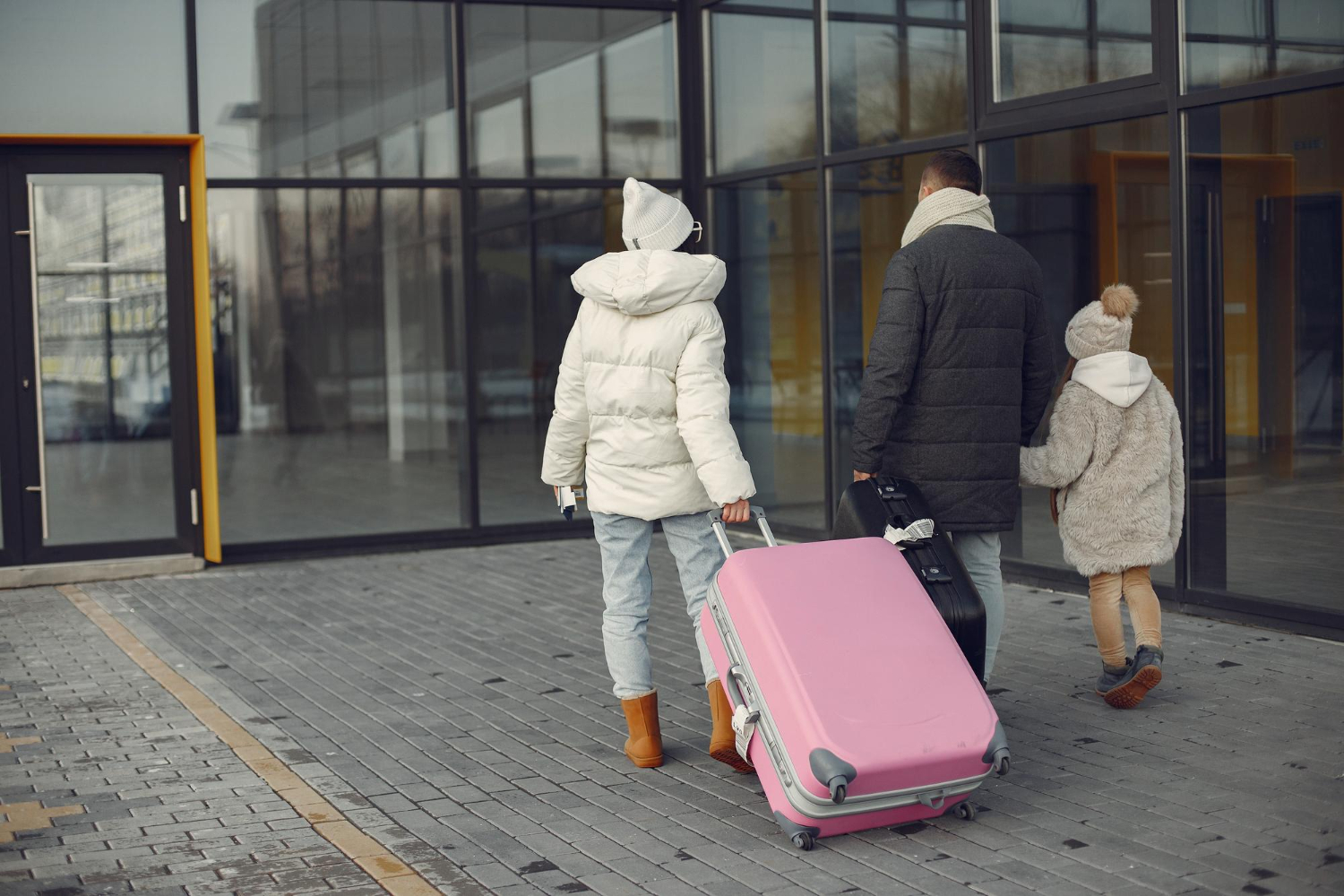
Children are interested in a lift, a cat, a fountain and a drain rather than the monument, and fighting that produces a worse day for everybody.
Some of those turn out to be the best parts. Accepting their interests is the adjustment that changes what the trip is about.
8. Have a Plan for Bad Weather Before You Need One

Knowing one indoor option in advance turns a washed-out day into a different day rather than a lost one.
Looking for it while wet and with a tired group is substantially harder. The indoor fallback is the preparation that costs ten minutes and saves an afternoon.
9. Keep One Thing Constant

A familiar object, a routine, a story or a repeated element at the end of each day gives structure to a trip in which everything else is unfamiliar.
It costs nothing and helps more than it should. One constant is the anchor that makes the unfamiliar manageable.
10. Remember Whose Holiday It Is
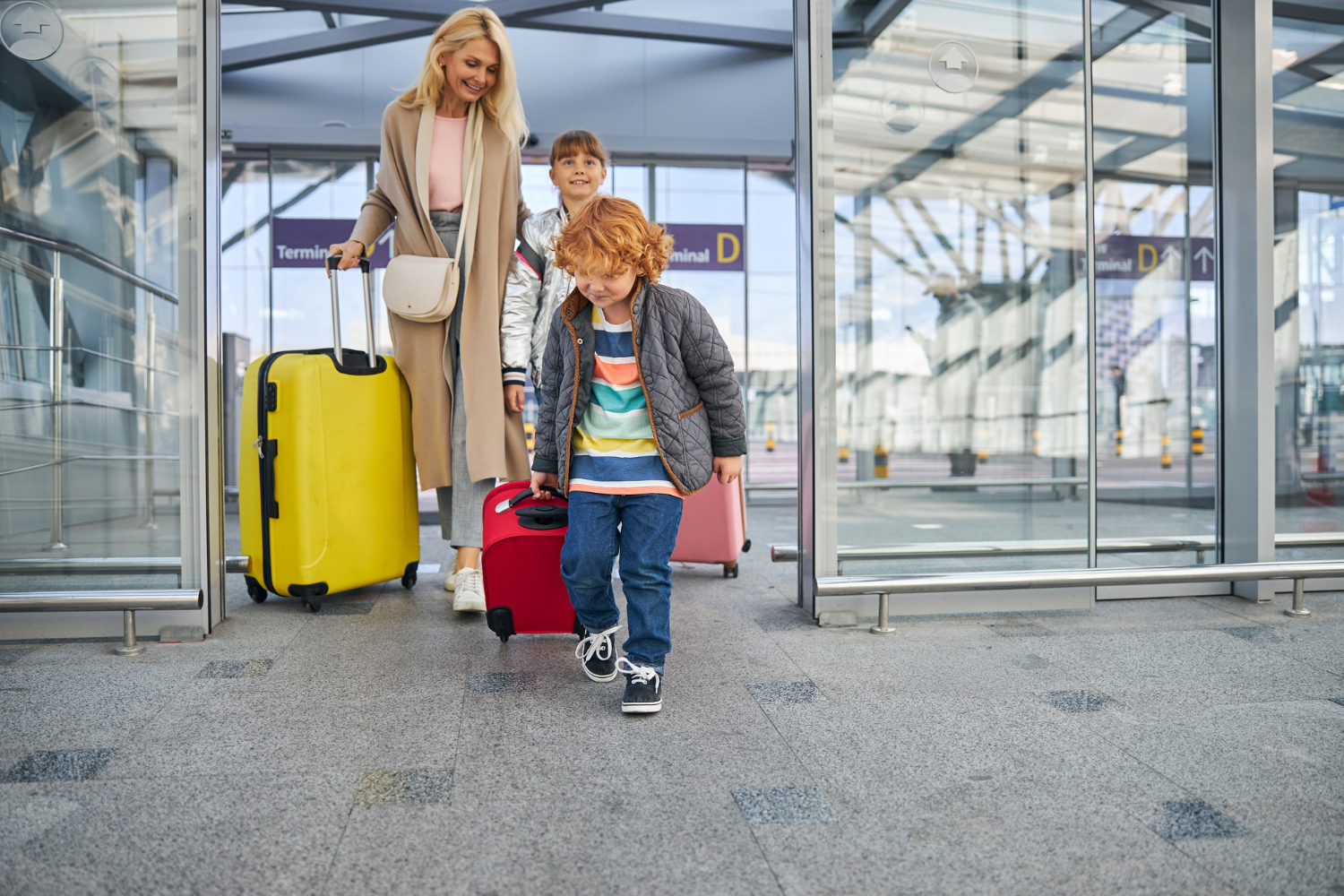
A trip designed entirely around adult interests and endured by children produces the memories you would expect, and one designed with them in it produces different ones.
That is a choice made when the itinerary is written. Designing for everybody is the decision that determines what the trip actually was.
Design the Trip Differently, Not Harder
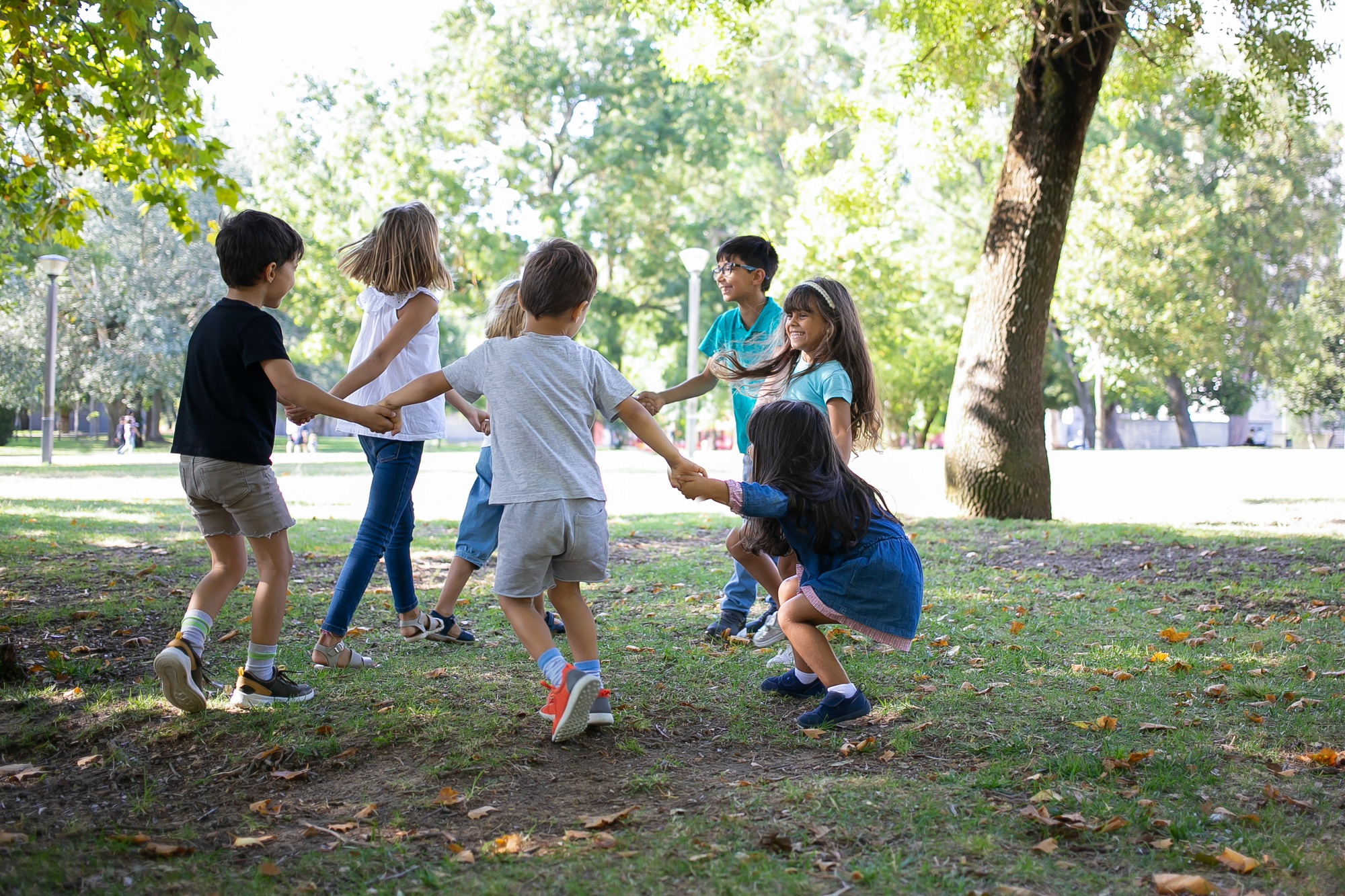
Nearly everything here happens before departure – fewer commitments, journey time counted in, open space located, a wet-weather option identified and something chosen by each child.
One thing to say plainly: this list is about planning rather than about safety, health or anything that depends on your particular children and your particular destination. Those questions have proper sources and this is not one of them. What is offered here is simply the observation that most family-trip friction is designed in at the itinerary stage and can be designed out at the same stage.
Like our content? Follow us for more.