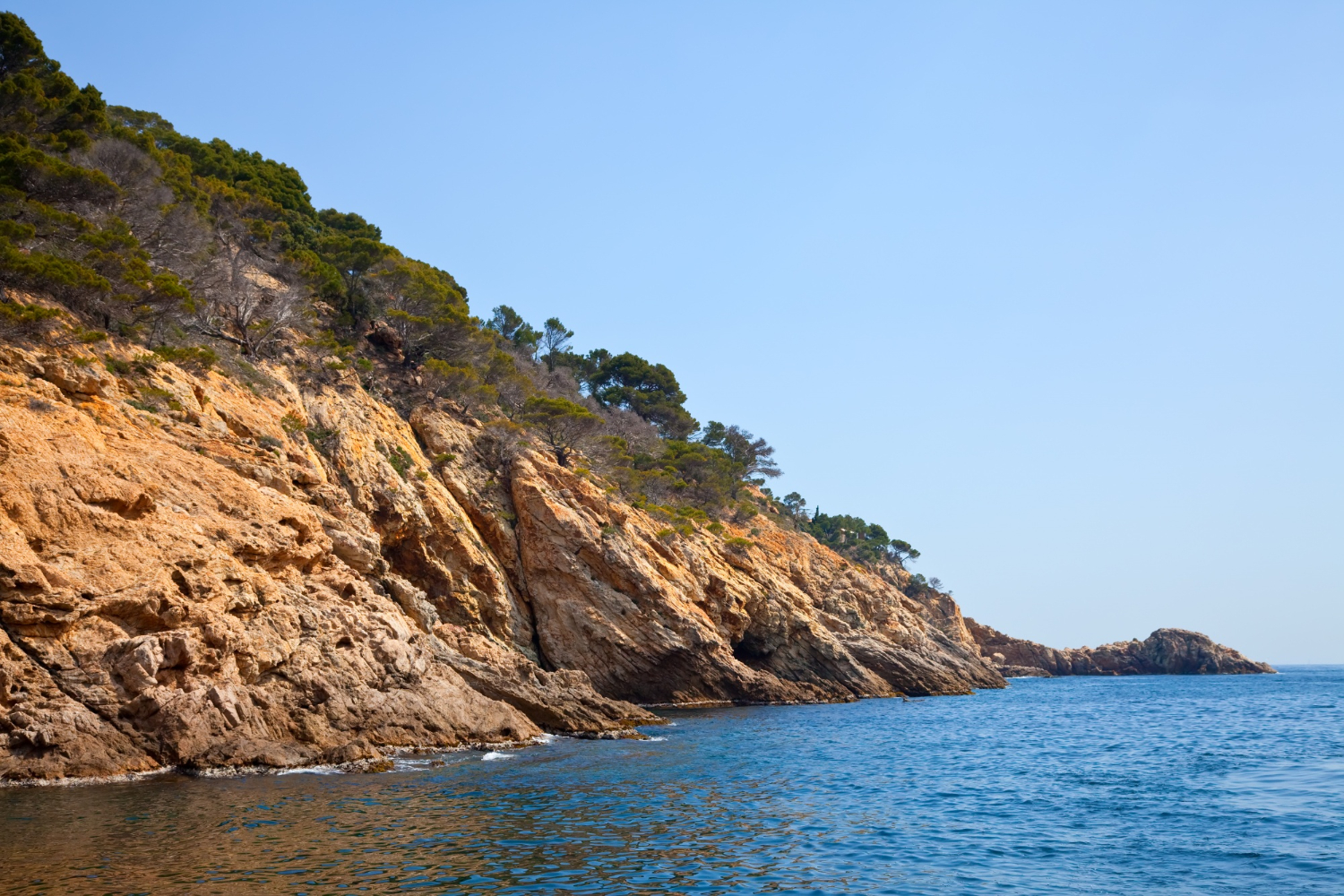
Coastlines are not eroded evenly. The sea attacks everything and removes softer material faster, which is why almost every coast is a sequence of projections and indentations rather than a line. Here are seventeen results.
1. The Bay Between Two Headlands
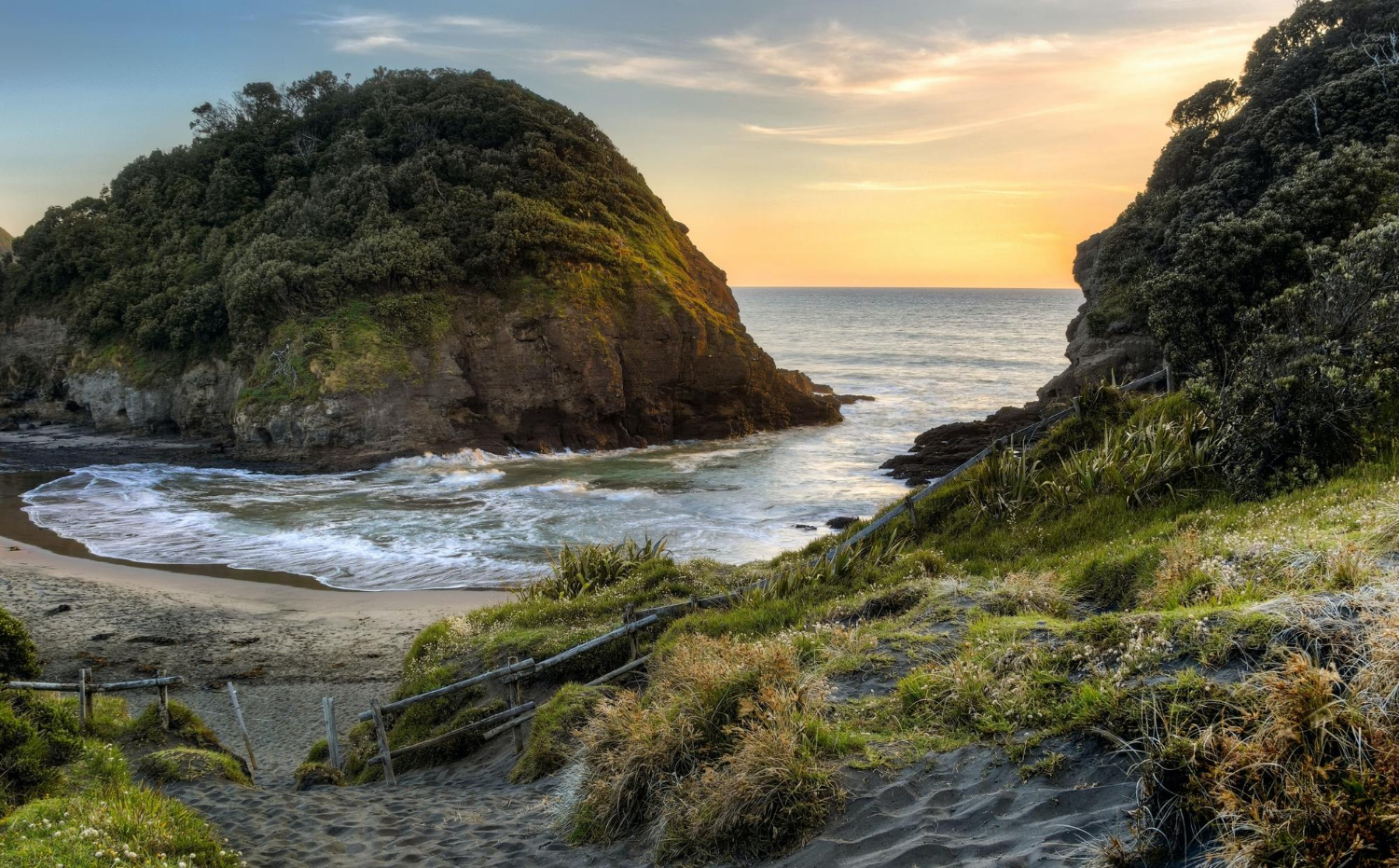
Where bands of hard and soft rock meet the coast, the soft bands are cut back into bays while the hard bands remain as headlands, producing an alternating sequence.
The pattern repeats along the whole coast. The alternating bay is the form that records the geology beneath it.
Like our content? Follow us for more.
2. The Cove With a Narrow Entrance
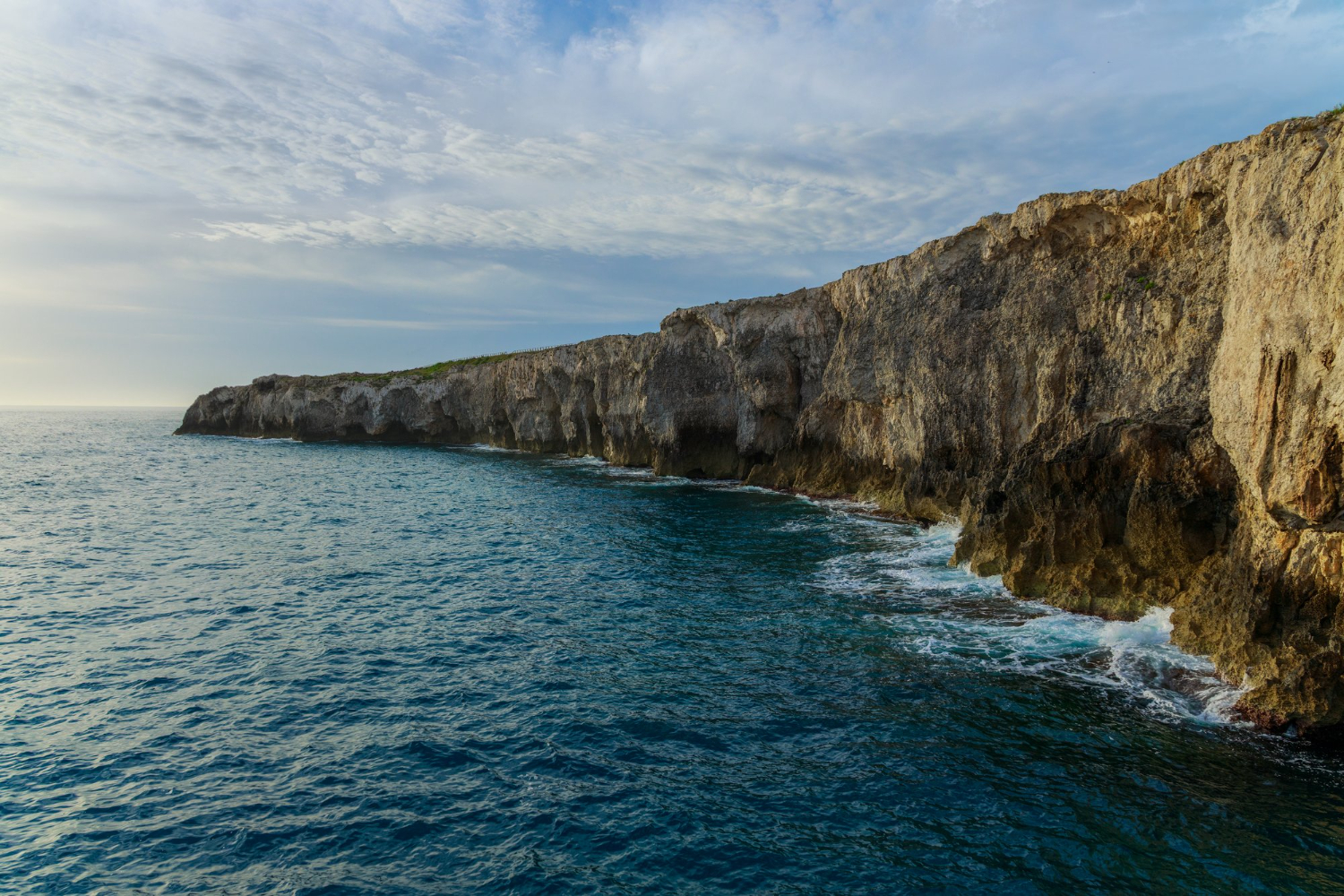
Where a resistant band runs parallel to the coast with softer rock behind it, the sea eventually breaches the outer band and then erodes rapidly sideways into the softer material.
The result is a near-circular inlet with a narrow mouth. The breached cove is the form created by the sea getting through a wall and finding easier ground.
3. The Drowned River Valley
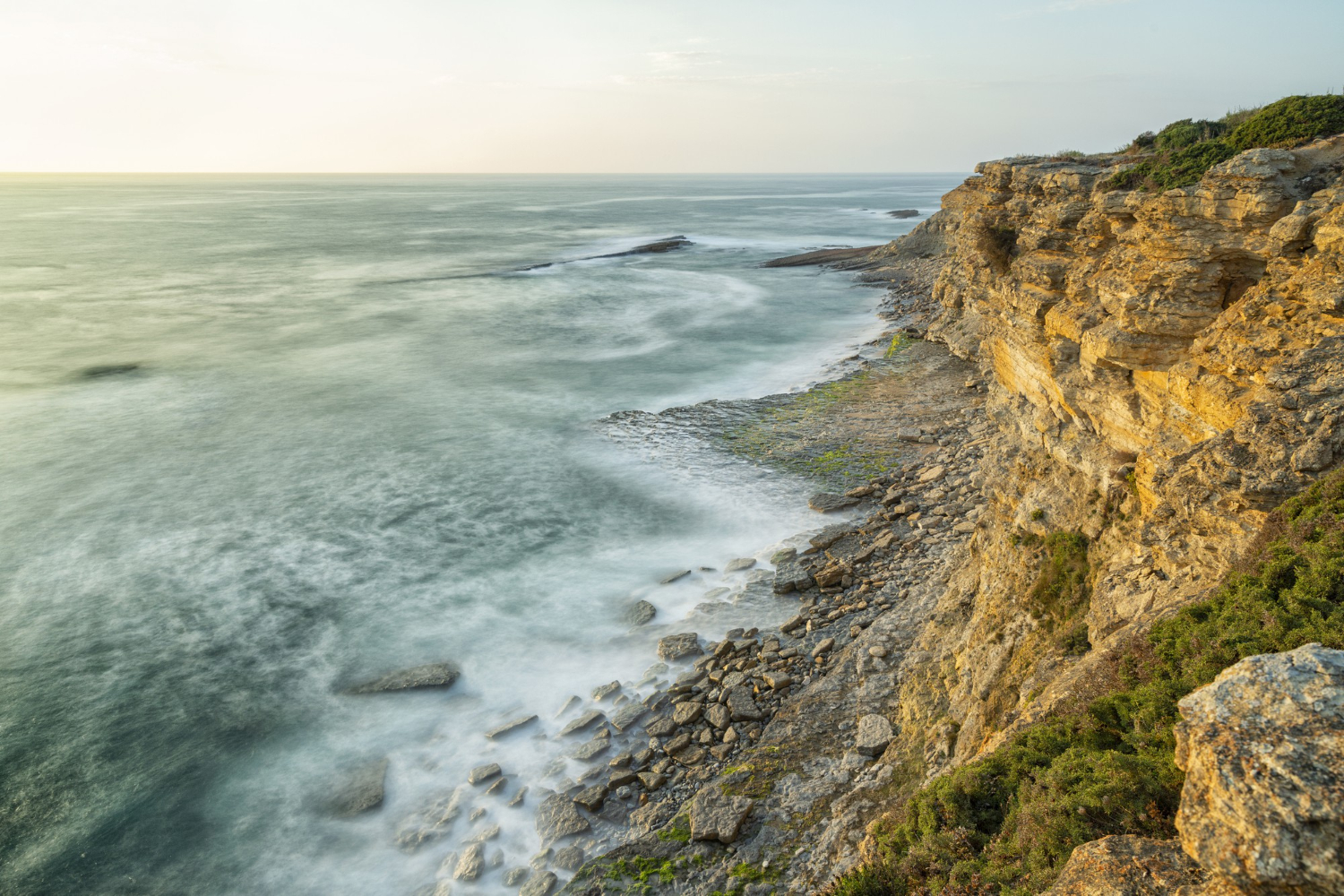
When sea level rises, existing river valleys flood, producing branching inlets with the profile of a river system rather than of anything the sea cut.
The tributary pattern is the giveaway. The drowned valley is the bay that the sea did not make at all.
4. The Bay Shaped by Ice
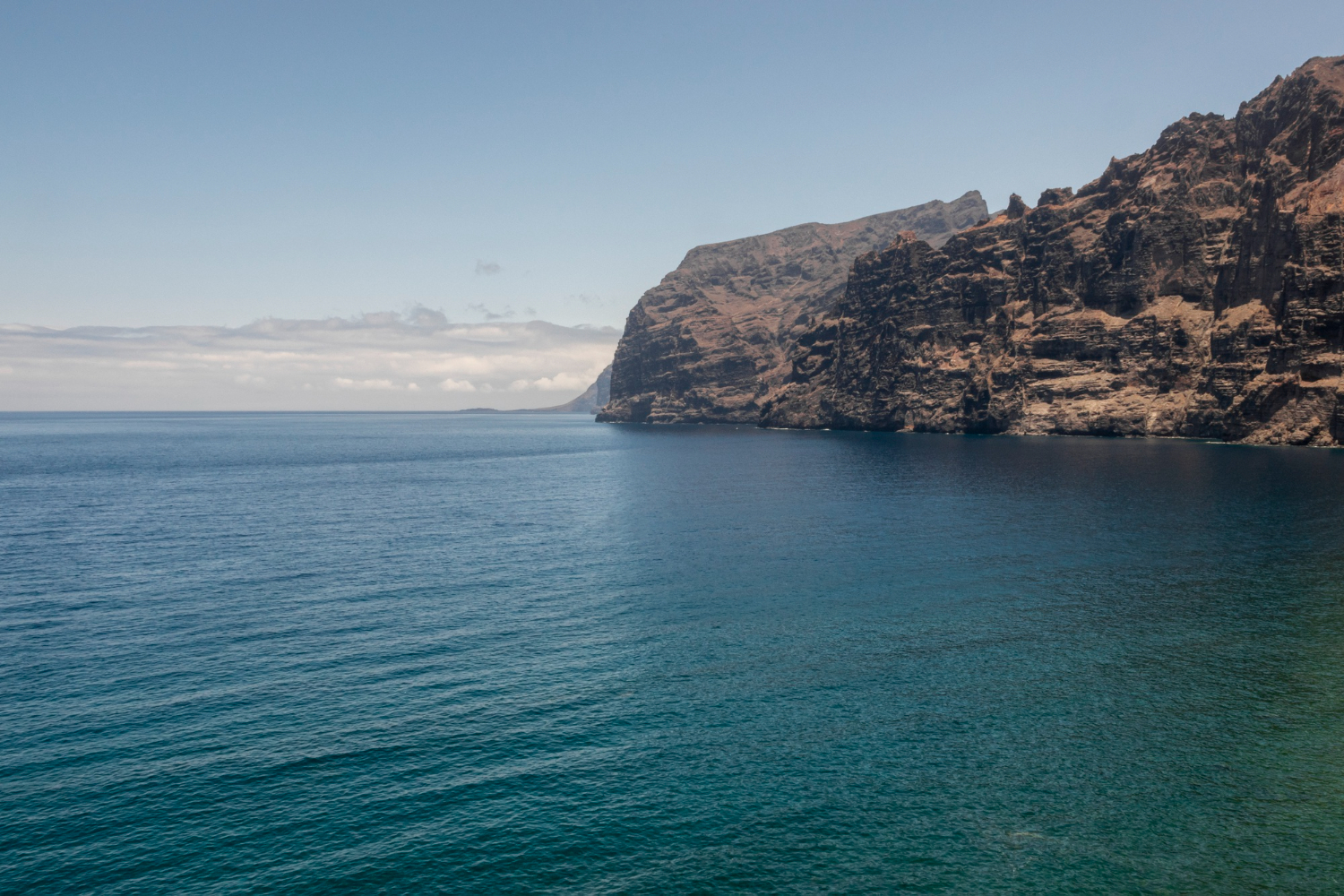
Glacially carved coastal basins have distinctive profiles – deeper in the middle than at the mouth, with steep sides and a rock lip – because ice erodes differently from water.
The cross-section is wrong for a river or for wave action. The glacial bay is the form whose shape records a vanished ice sheet.
5. The Crescent From a Collapse
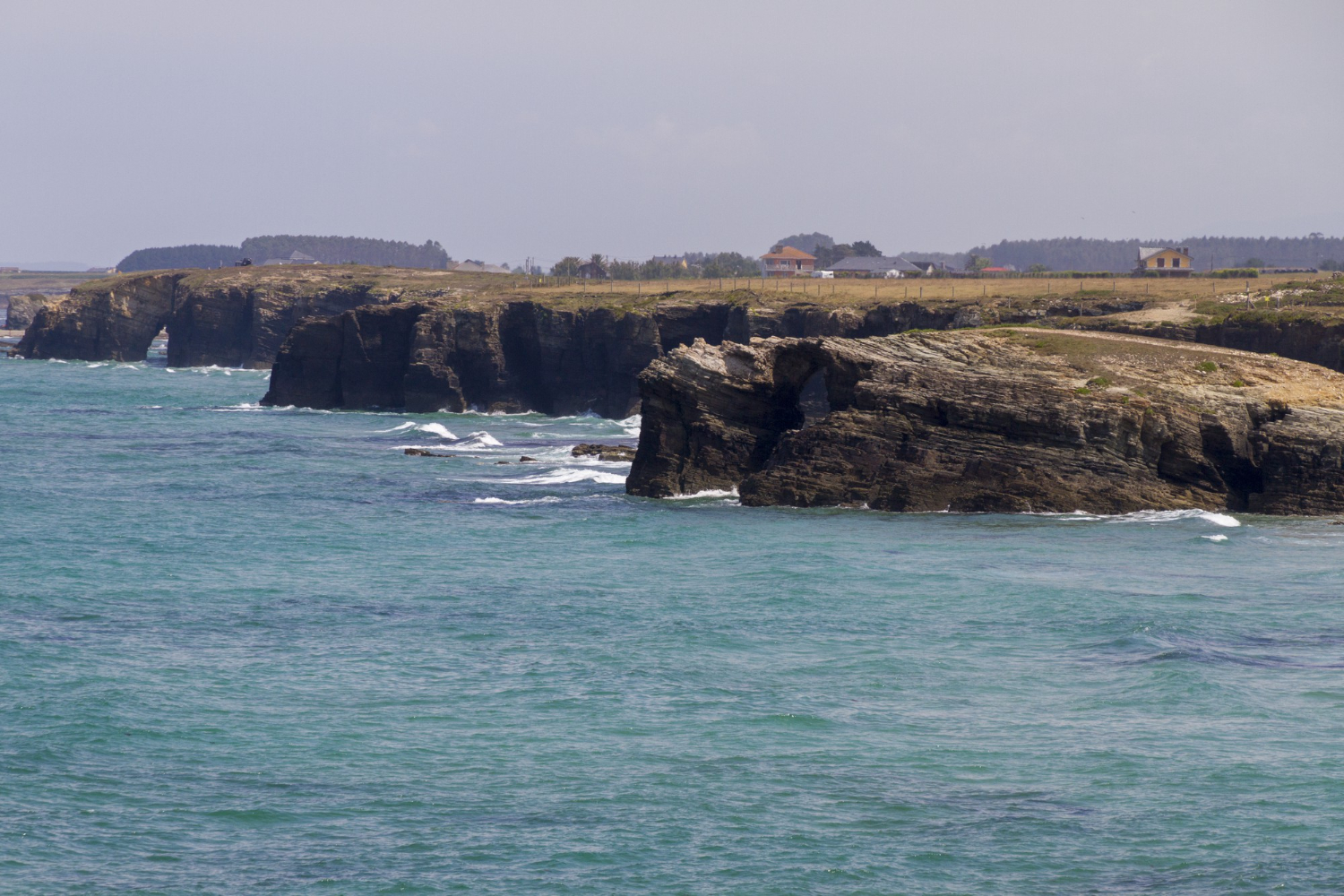
Where part of a volcanic structure has failed, the sea occupies the resulting hollow, producing a strikingly circular or crescent bay with steep walls.
The regularity of the curve is the clue. The collapse bay is the form where the shape came first and the sea moved in afterwards.
6. The Bay That Collects a Beach
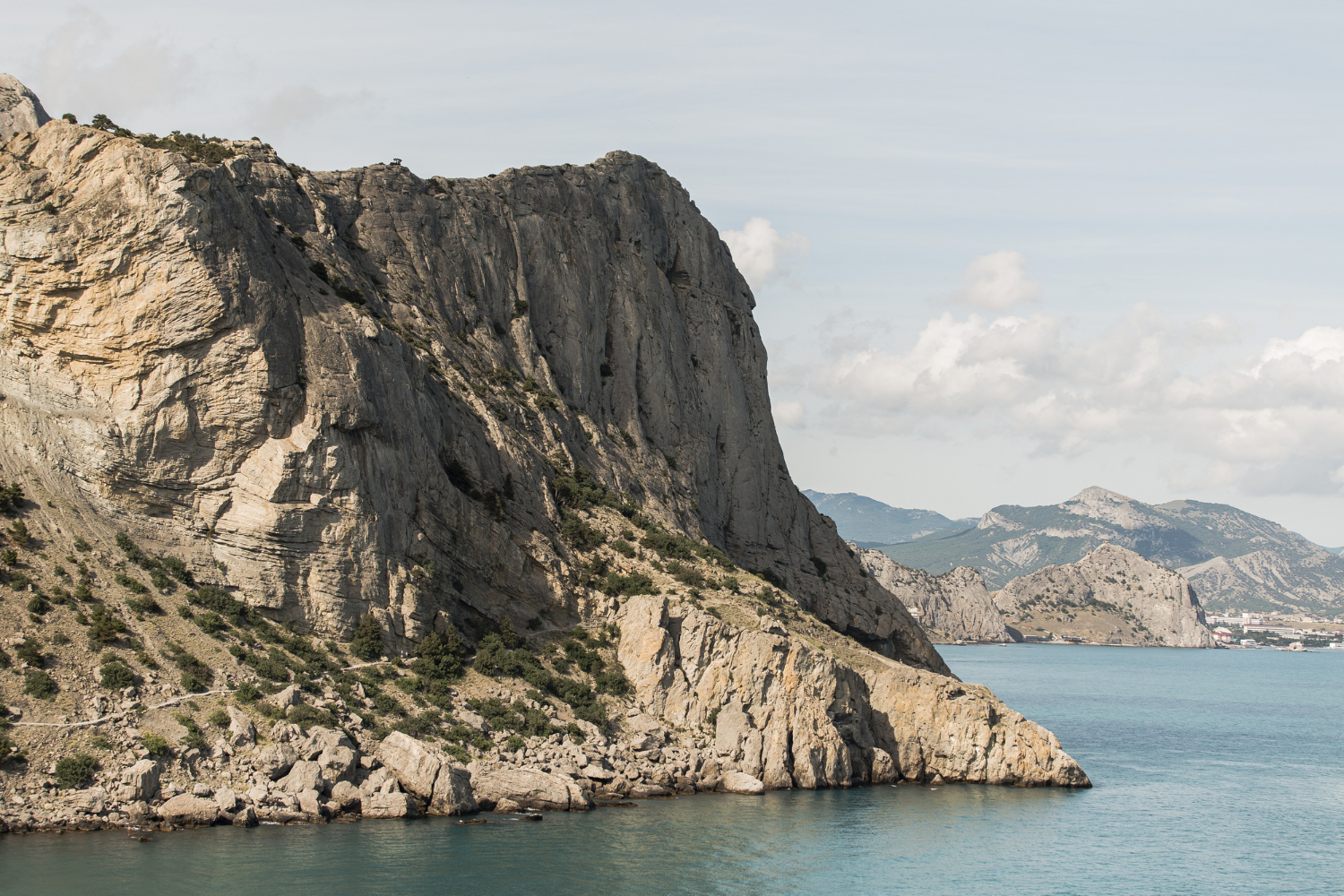
Wave energy concentrates on headlands and disperses in bays, so sediment removed from projections is deposited in the indentations between them.
That is why beaches sit in bays and headlands are bare rock. Beach accumulation is the process that makes bays gentle and headlands severe.
7. The Bay Closed by a Spit
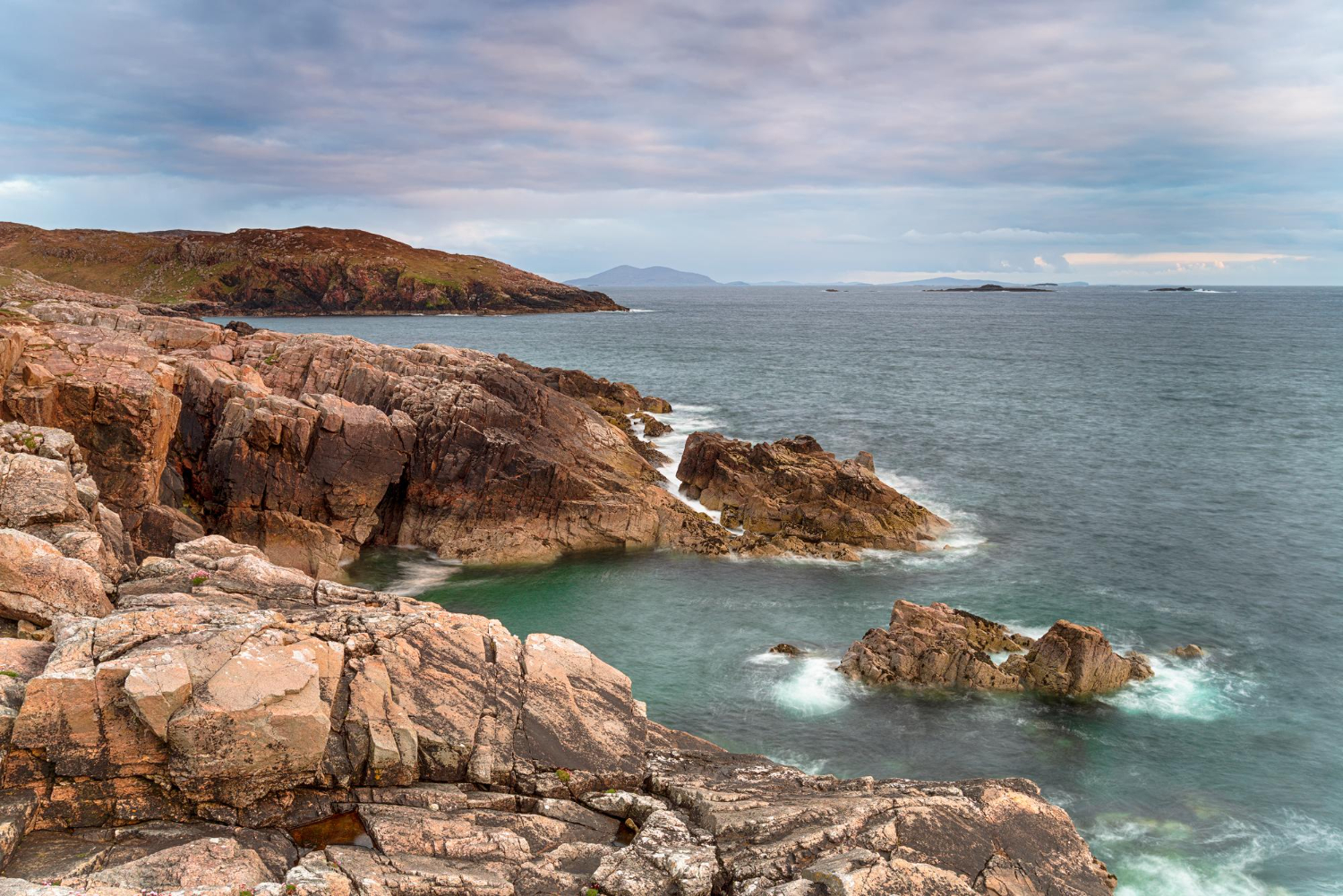
Longshore drift carries sediment along a coast and deposits it across a bay mouth, gradually enclosing the water behind a growing bar.
Eventually the bay becomes a lagoon. The spit-closed bay is the form in the process of being sealed off.
8. The Bay Behind a Barrier Island
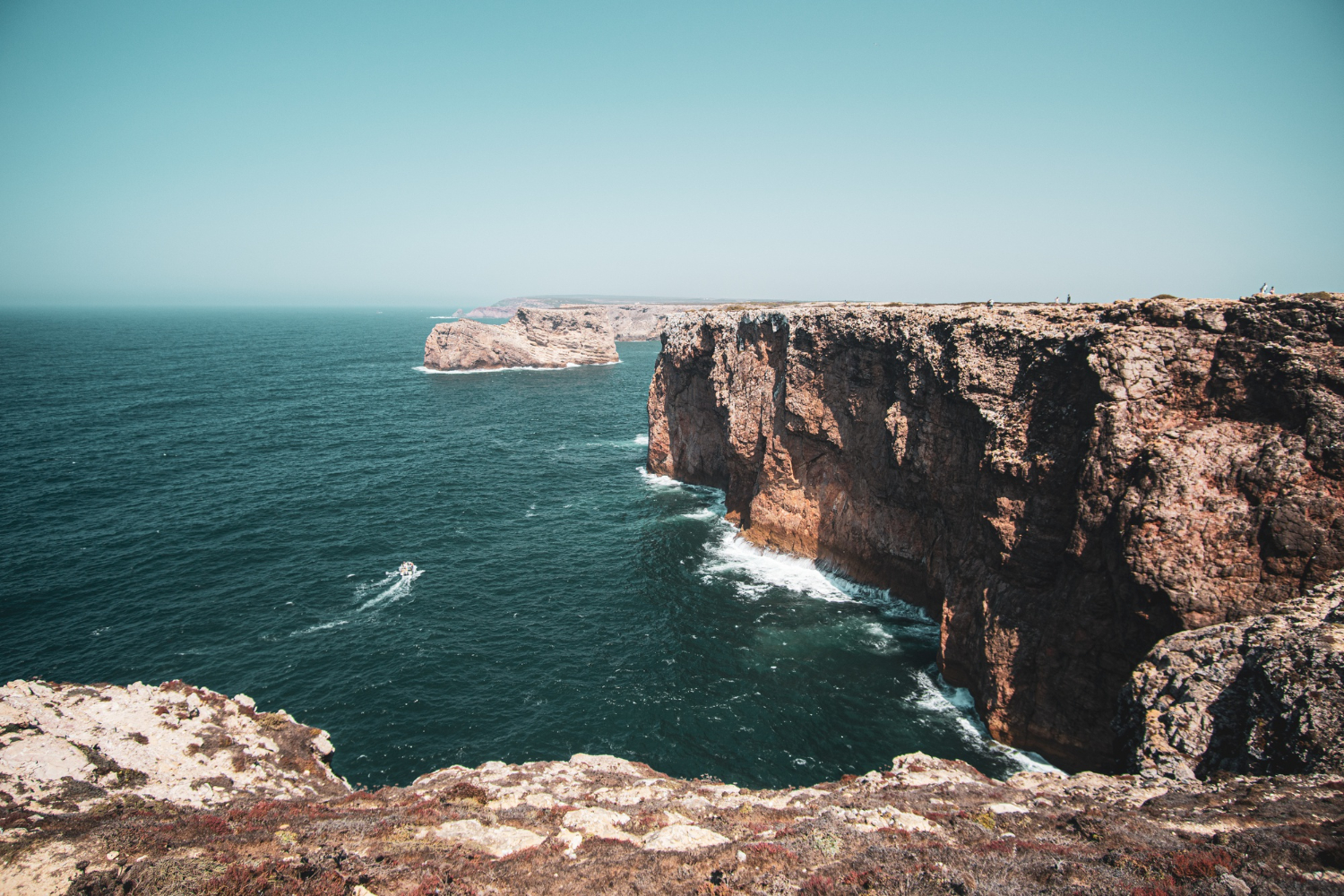
Where offshore bars build into islands, the water between them and the shore becomes a sheltered bay with restricted exchange to the open sea.
The shelter is provided by something detached. The barrier bay is the form protected by land that is not attached to it.
9. The Bay Joined to an Island
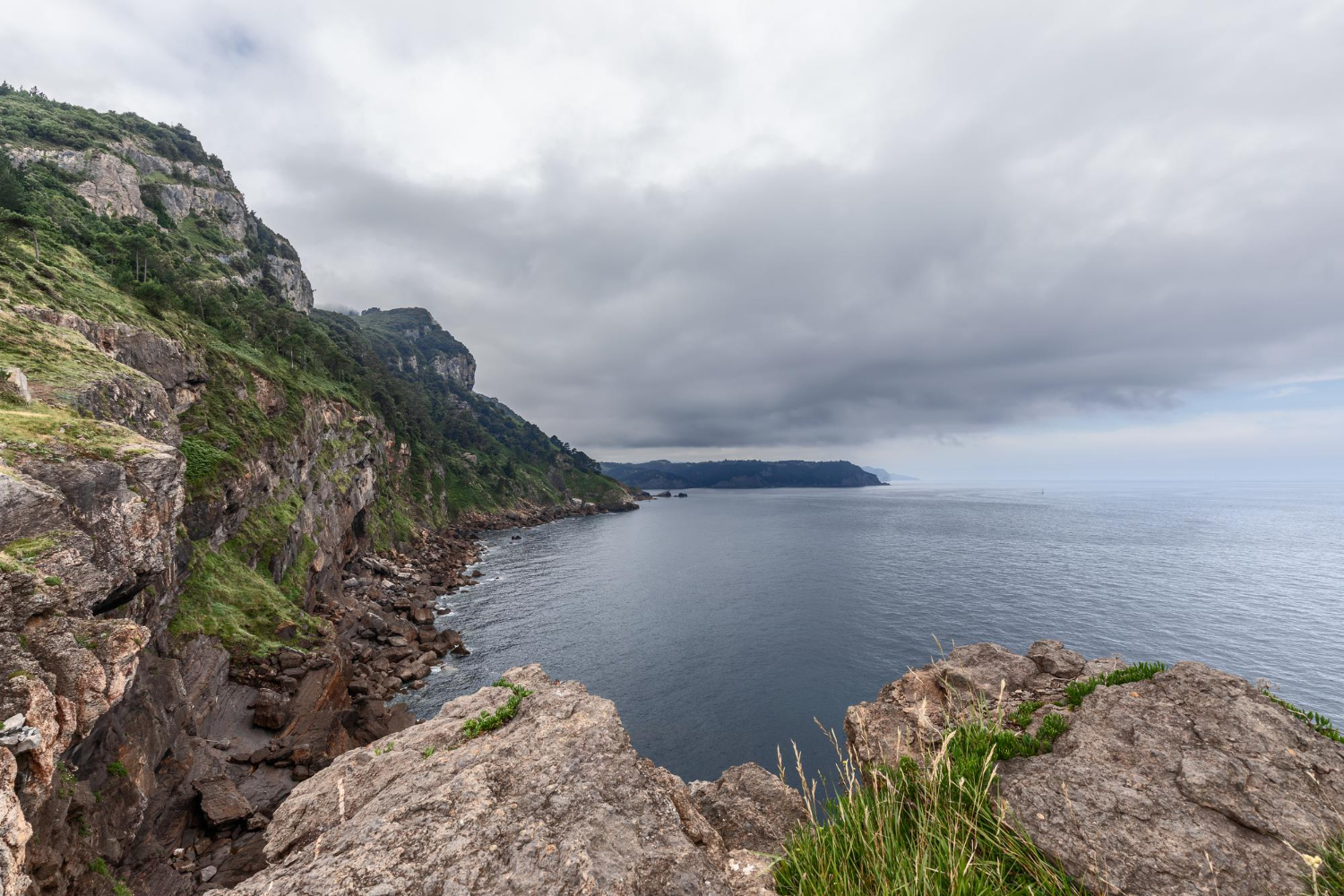
Where a spit builds all the way out to an offshore island, it creates a connection with a bay on either side of it.
The island stops being an island. The tombolo bay is the form defined by a bridge of sand.
10. The Bay With Restricted Circulation
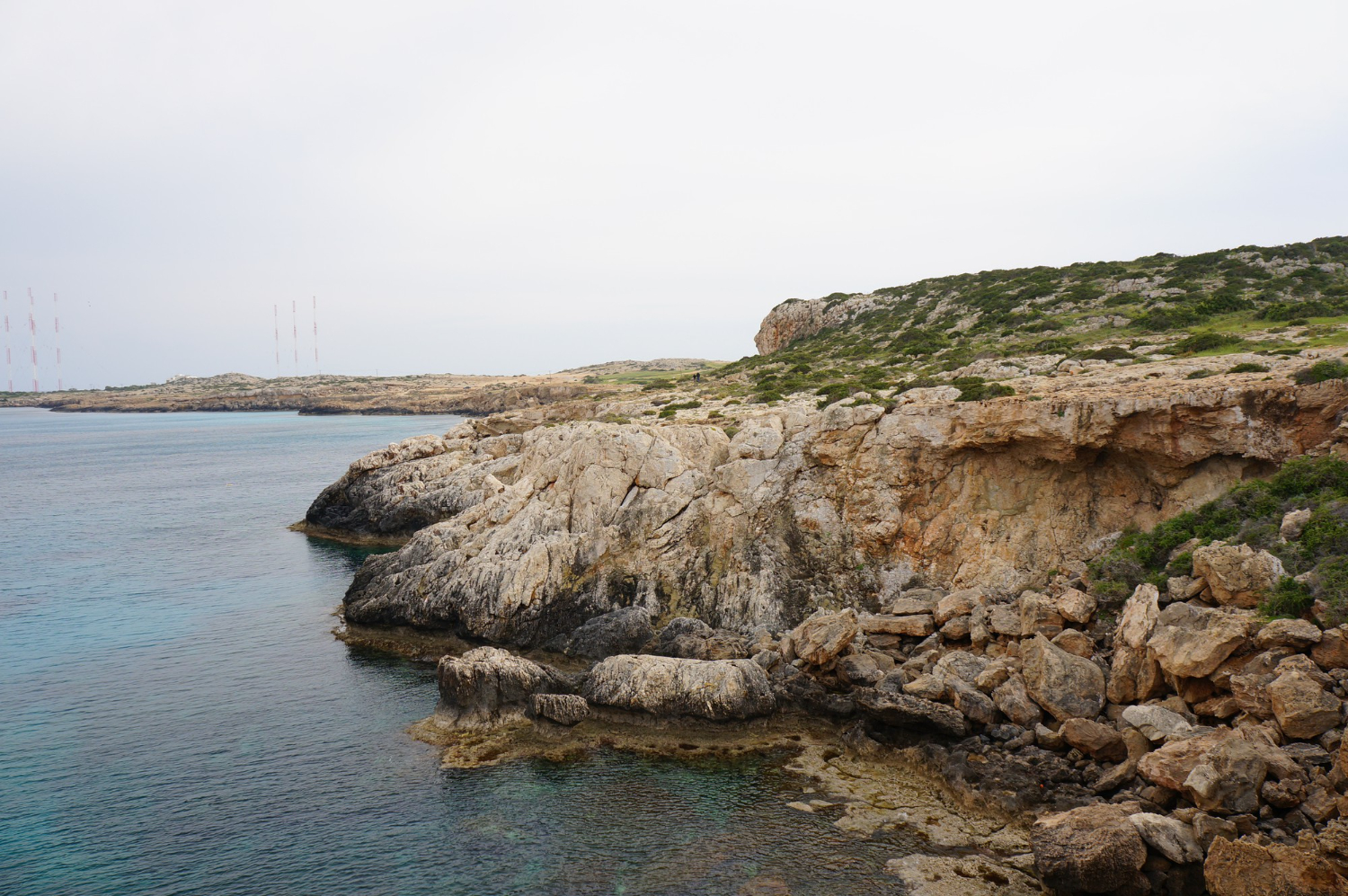
A narrow entrance means water inside exchanges slowly with the open sea, so temperature, salinity and everything else suspended in it behave differently from the coast outside.
That affects what lives there substantially. The enclosed bay is the form with its own water chemistry.
11. The Bay Cut Along a Fault
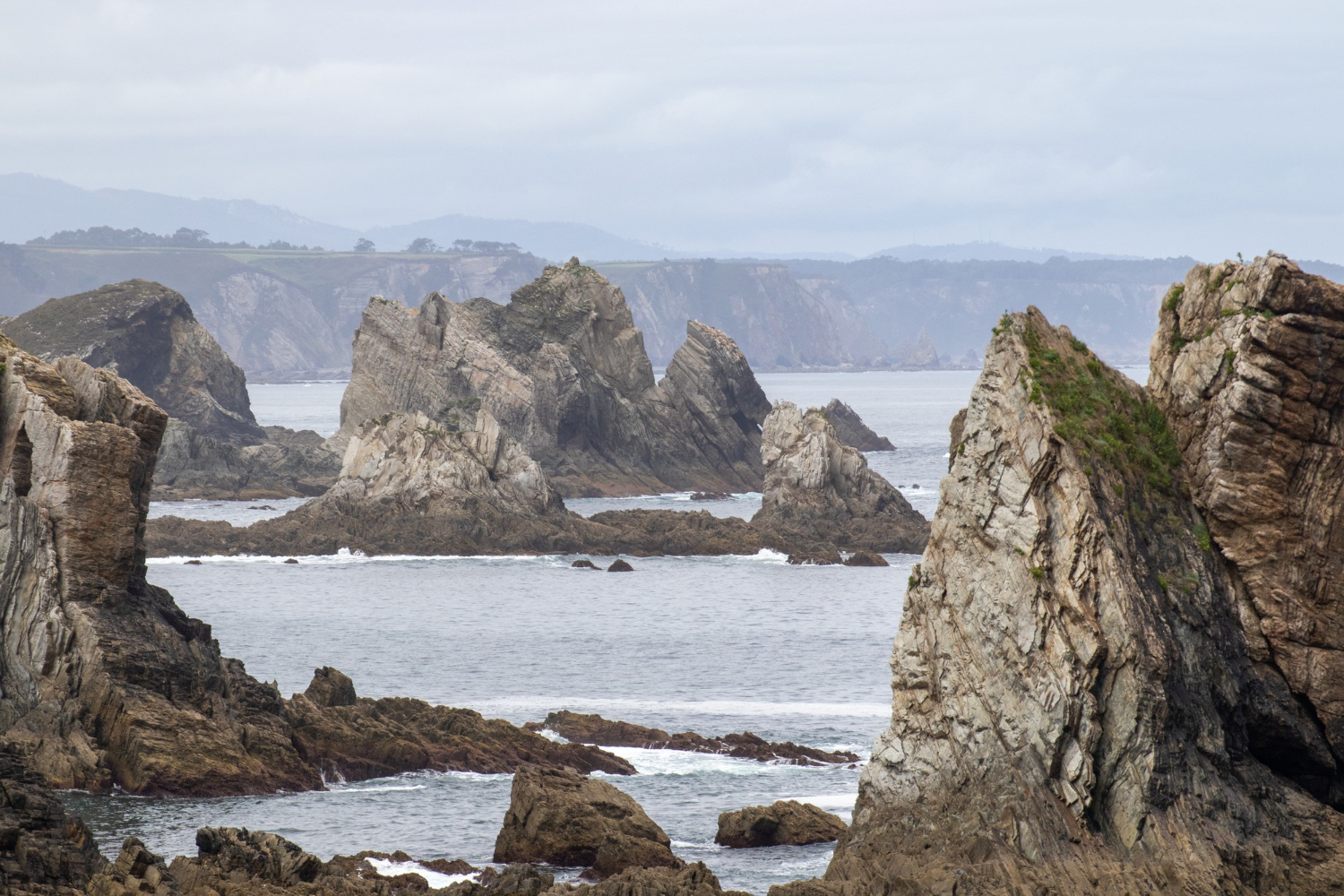
Where a line of weakness reaches the coast, the sea exploits it directly, producing a straight-sided inlet at an angle that has nothing to do with the surrounding rock.
The geometry is too regular for erosion alone. The fault-guided bay is the form whose direction was chosen underground.
12. The Bay That Became a Port
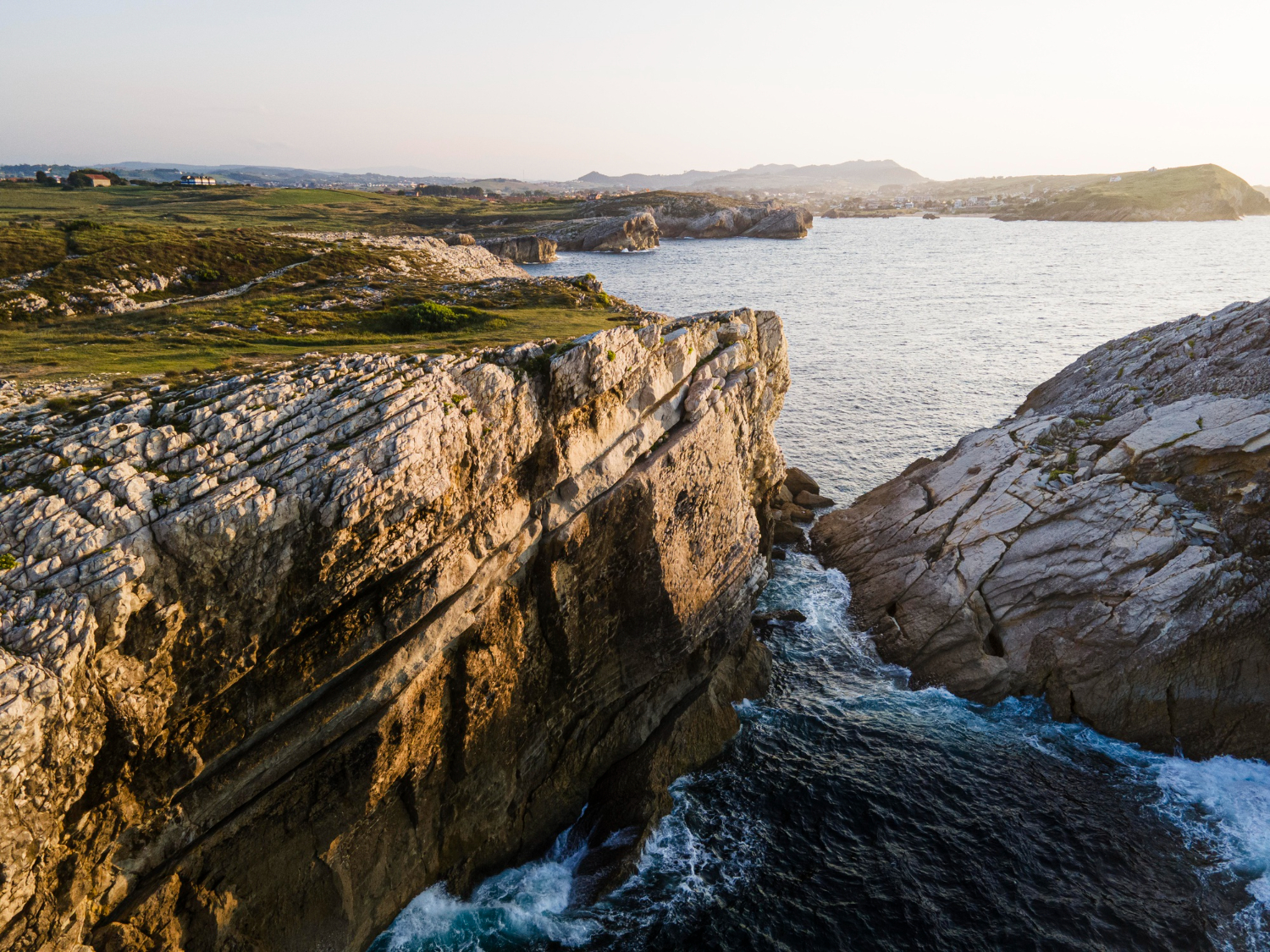
Sheltered water with deep access and a defensible entrance is exactly what a harbour requires, so a great many major settlements sit at the head of one.
The city exists because the bay does. The harbour bay is the form that determined where people built.
13. The Bay With an Enormous Tidal Range
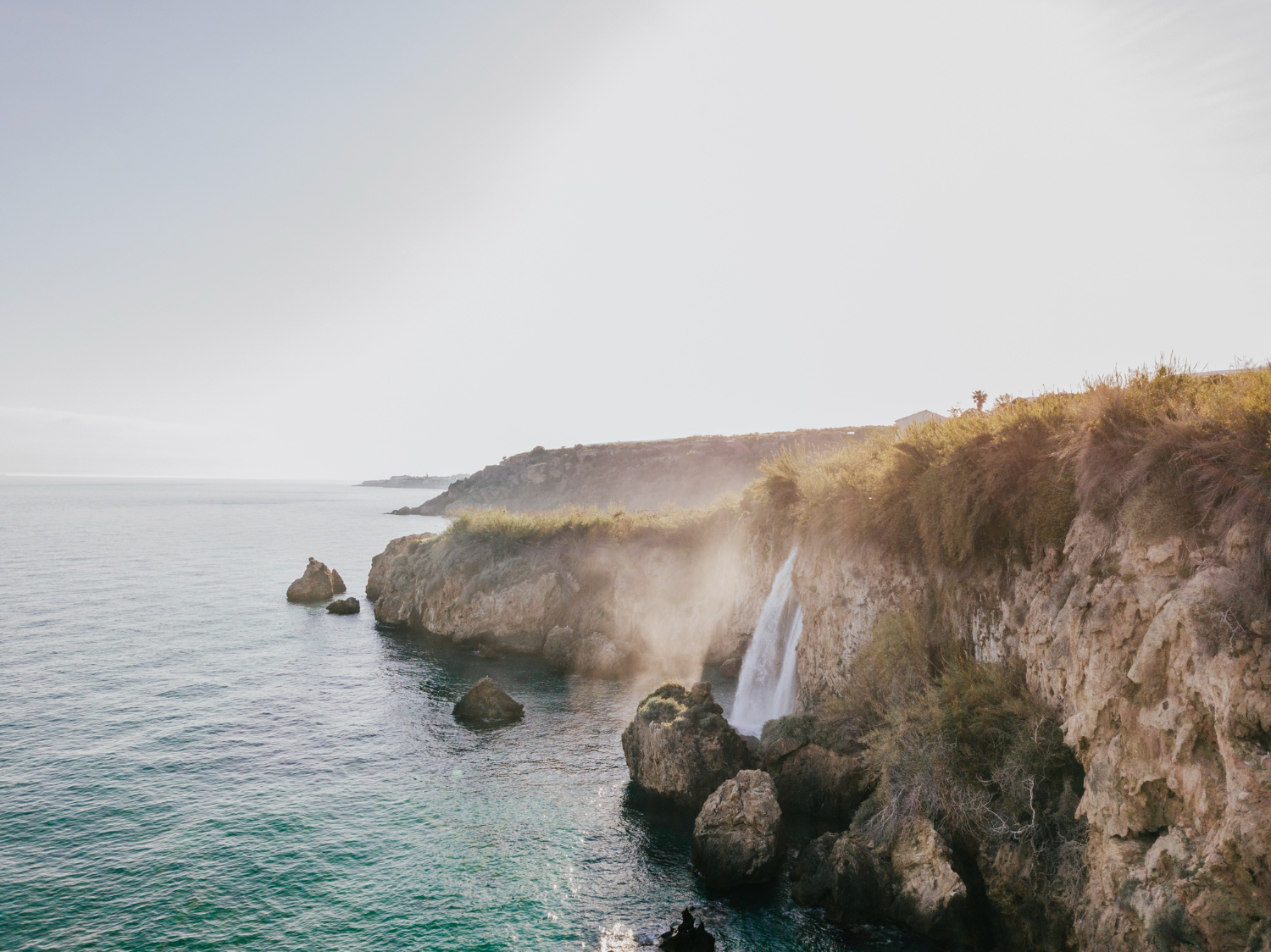
Where a bay length and depth happen to match the tidal rhythm, the water inside rocks in step with the ocean and the range is amplified dramatically.
It requires a coincidence of dimensions. The resonant bay is the form where the tide is many times larger than next door.
14. The Cove You Can Only Reach at Low Water
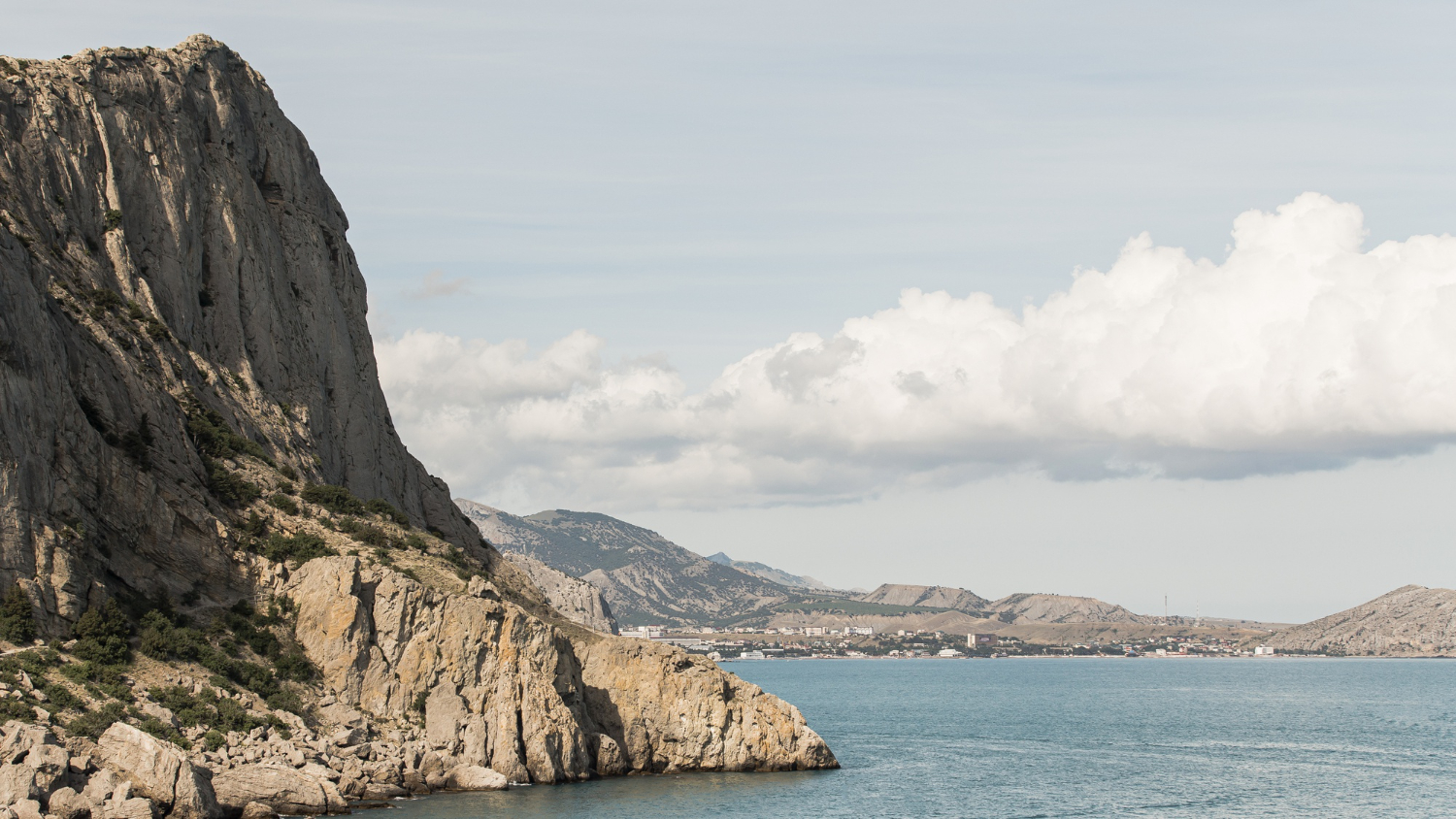
Some inlets are accessible along the shore only when the tide permits, and are cut off entirely for hours at a time.
People are caught out by this regularly. The tidal cove is the form whose accessibility runs on a timetable.
15. The Bay Full of Sediment
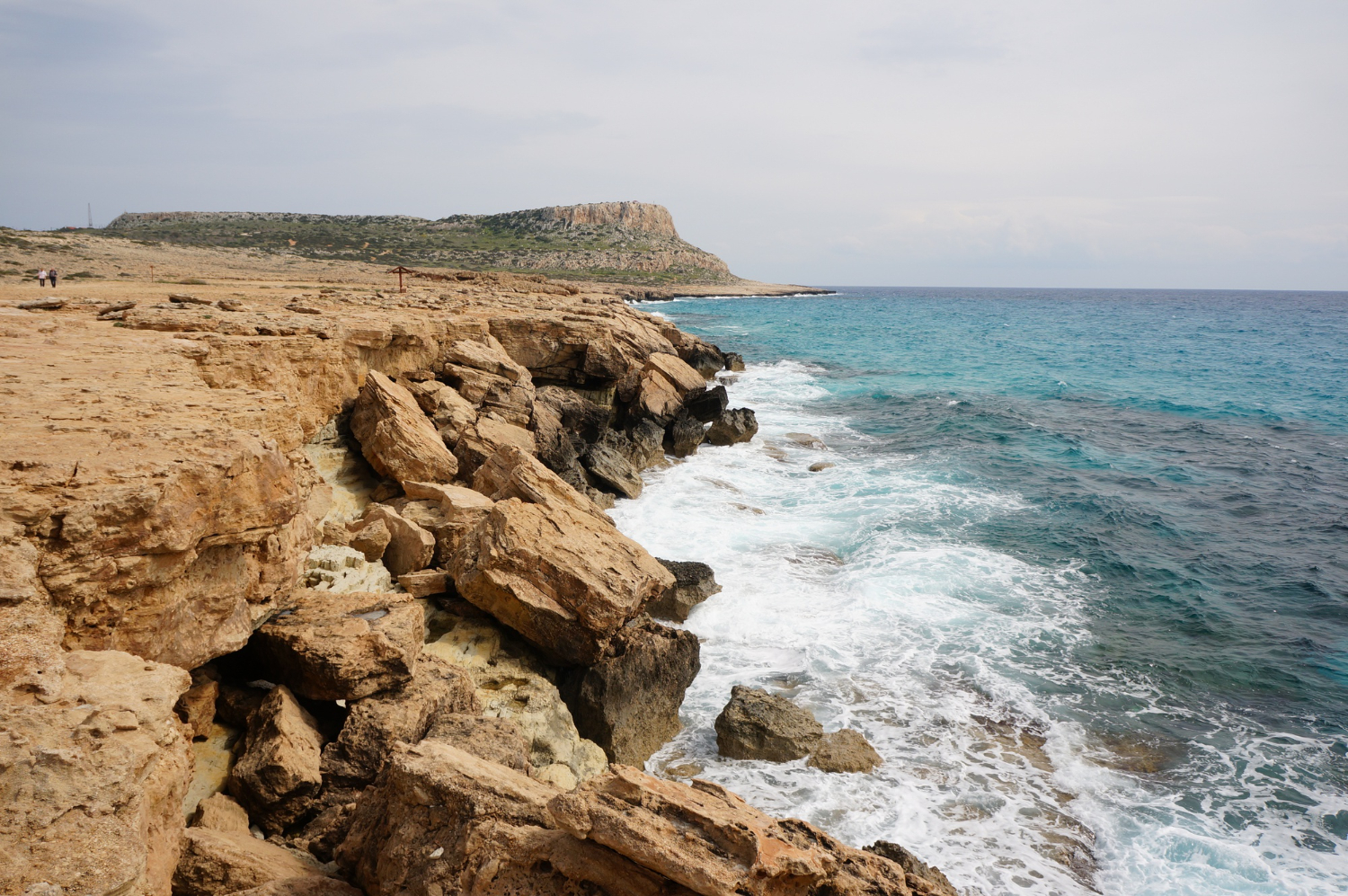
Rivers entering a bay deposit their load where the current slows, so the sheltered water gradually fills, and a deep bay becomes shallow over centuries.
Ports built on them have historically required dredging. The silting bay is the form that is filling itself in.
16. The Cove With Sea Caves Behind It
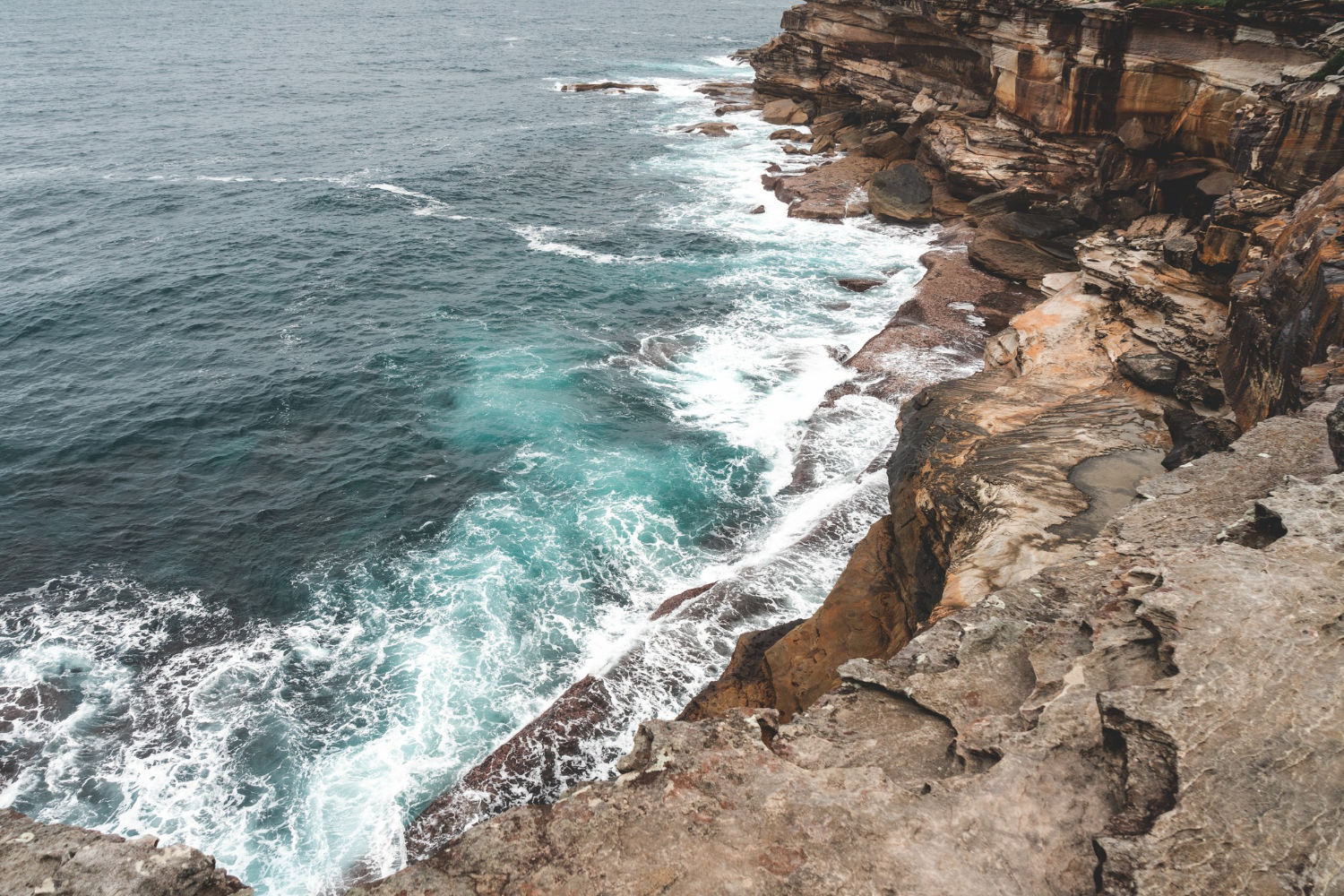
Wave action along joints in a cliff face erodes caves at the back of coves, sometimes connecting to blowholes or collapsing into arches and stacks.
The cove and the caves are the same process at different stages. The cave cove is the form still actively being cut.
17. The Bay That Faces the Wrong Way
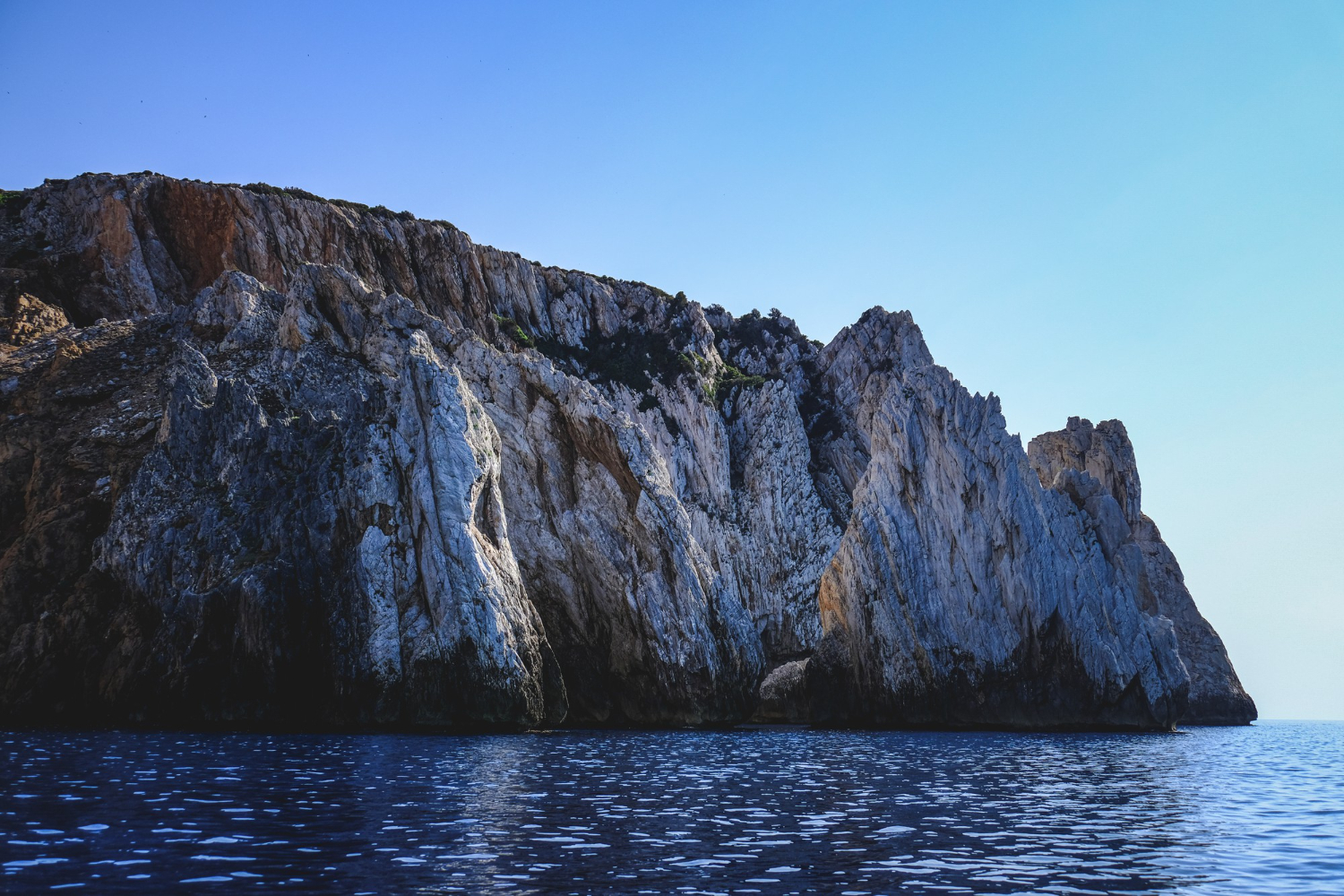
A few bays open away from the prevailing weather, which makes them exceptionally sheltered and explains why one inlet on a coast is calm while its neighbours are not.
Orientation matters more than size. The sheltered bay is the form whose value is entirely a compass direction.
The Sea Removes the Easy Material First
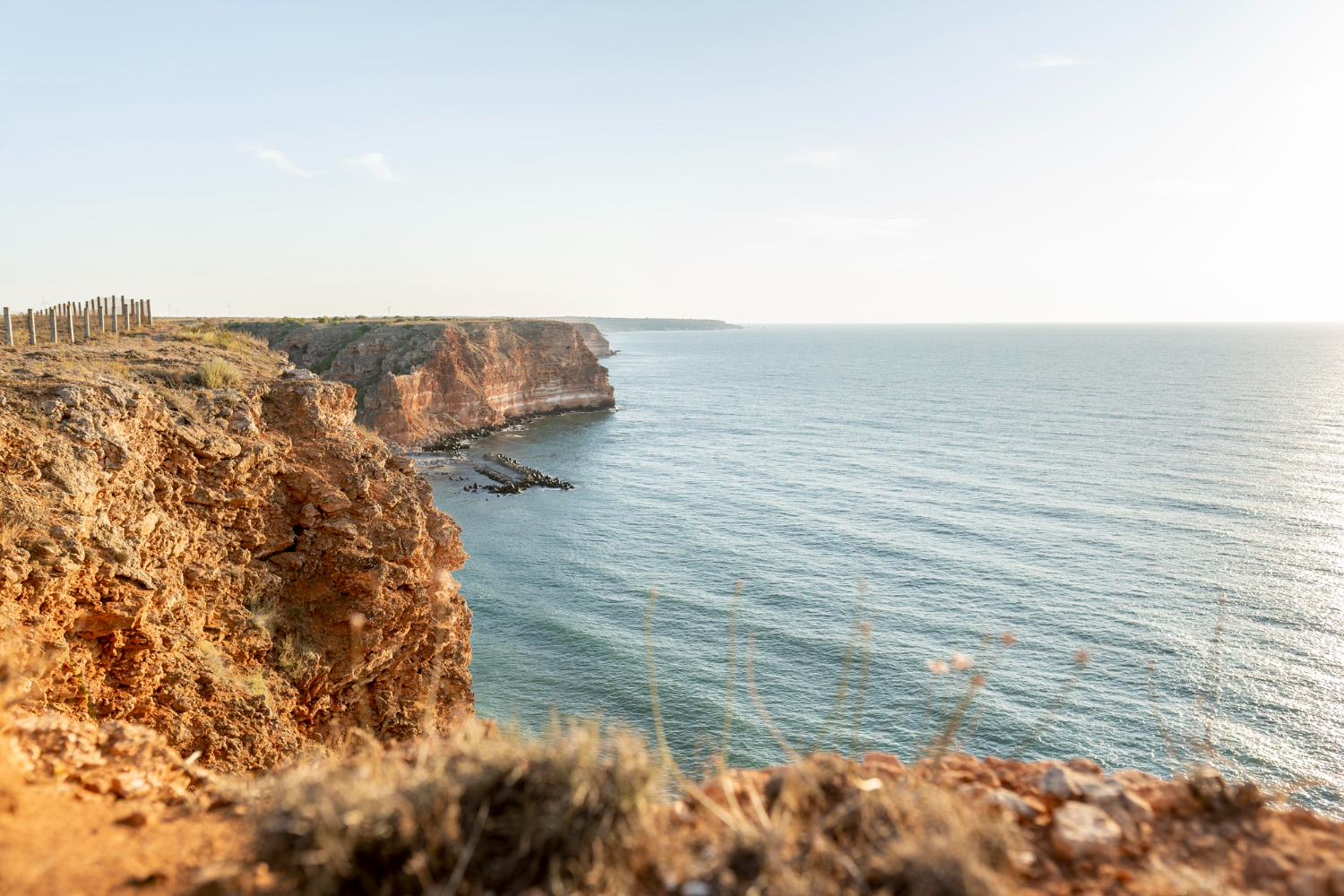
Every form here follows from differential erosion, a change in sea level, or a collapse, and the shape of an inlet is a reasonably reliable guide to which of the three you are looking at.
Practical notes worth taking seriously: coves are precisely the places where people get cut off by a rising tide, bay mouths concentrate currents that are stronger than they look, and cliffs above both are actively eroding rather than stable. Check tide times from an official source before going anywhere along a shoreline, and treat any cove reached along the beach as somewhere with a closing time.
Like our content? Follow us for more.