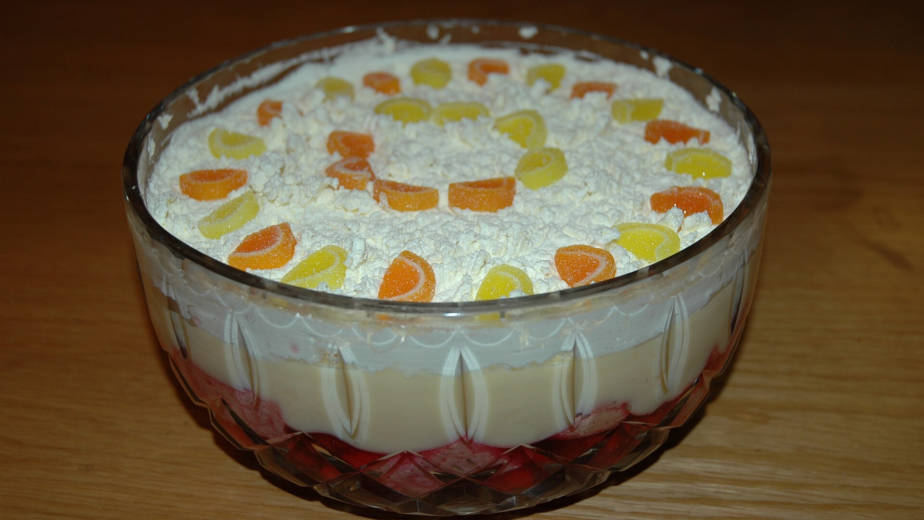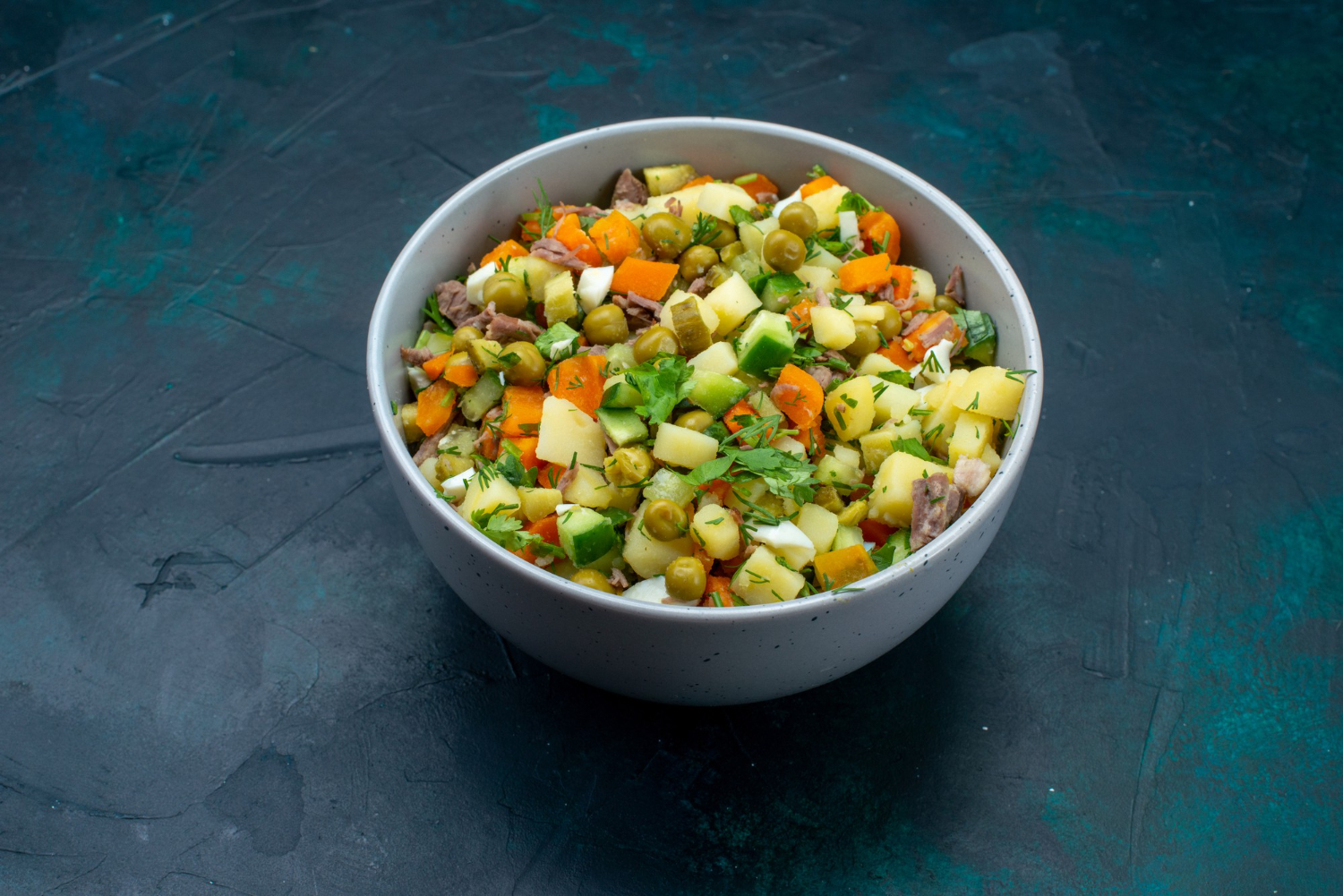
The useful reframing is that cooling is a cooking process rather than the end of one. Several things happen to food after the heat comes off, and a few traditions built entire dishes around them. Here are twelve.
1. Flavours Keep Moving After the Heat Is Off
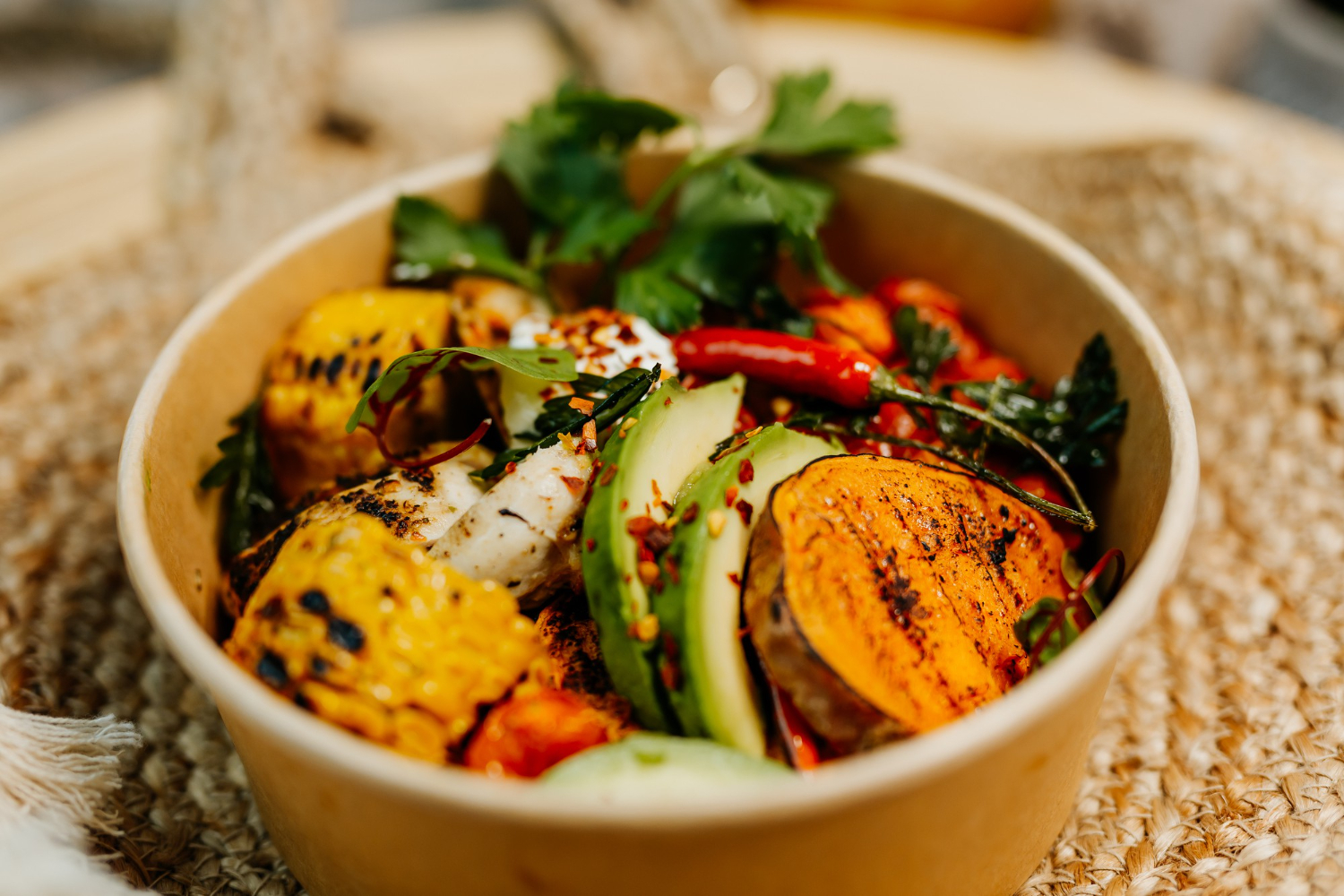
Compounds continue diffusing between ingredients while a dish sits, so components that were distinct at serving become integrated by the following day.
Nothing is added and the result is different. Continued diffusion is the reason a great many dishes are better second time.
Like our content? Follow us for more.
2. Starch Restructures as It Cools
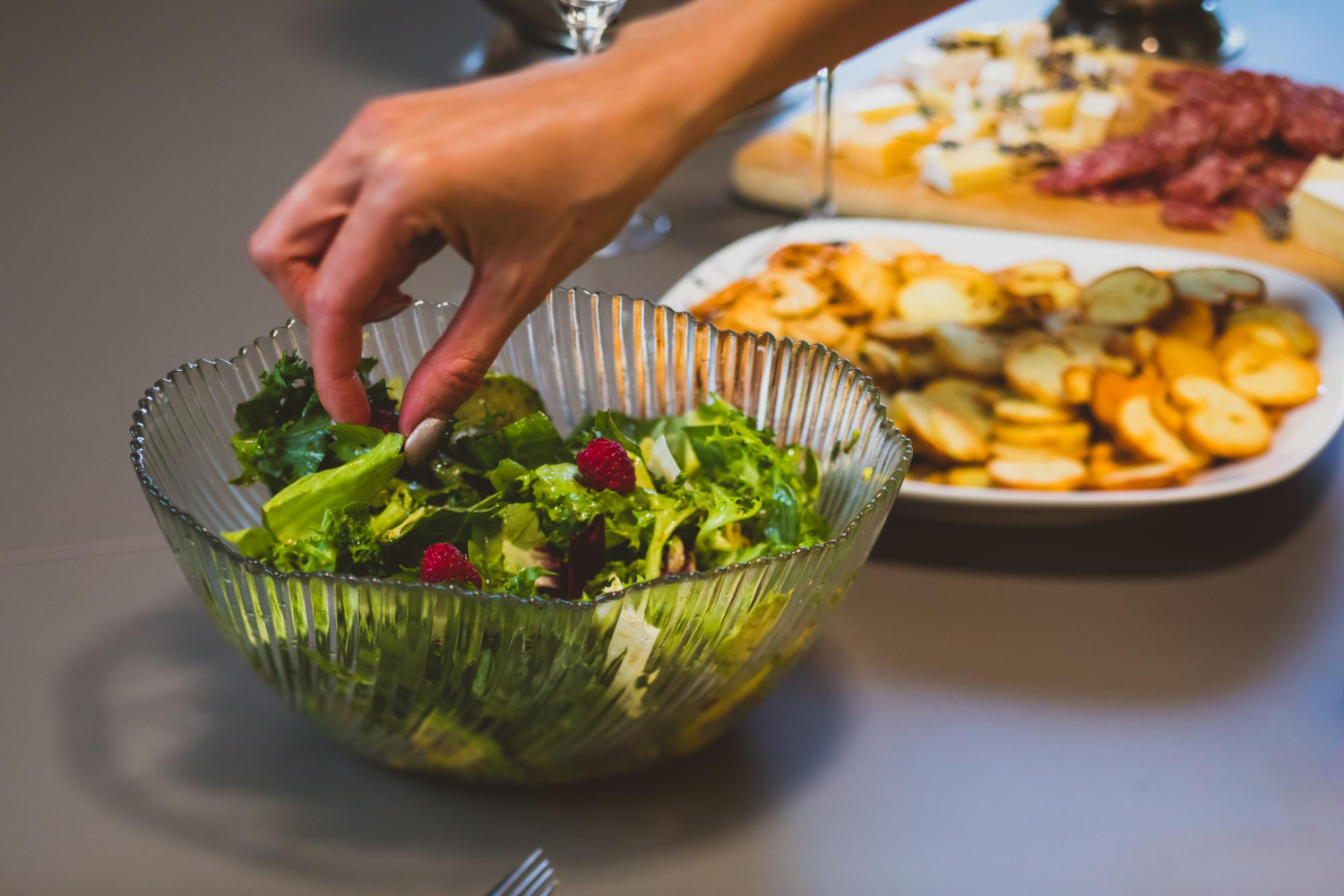
Cooked starch changes structure on cooling, firming and reorganising, which is why cold rice and cold pasta have a texture that freshly cooked versions never have.
It is a physical change rather than drying out. Starch retrogradation is the transformation that makes second-day starch a different ingredient.
3. Which Is Why Cold Rice Fries Properly
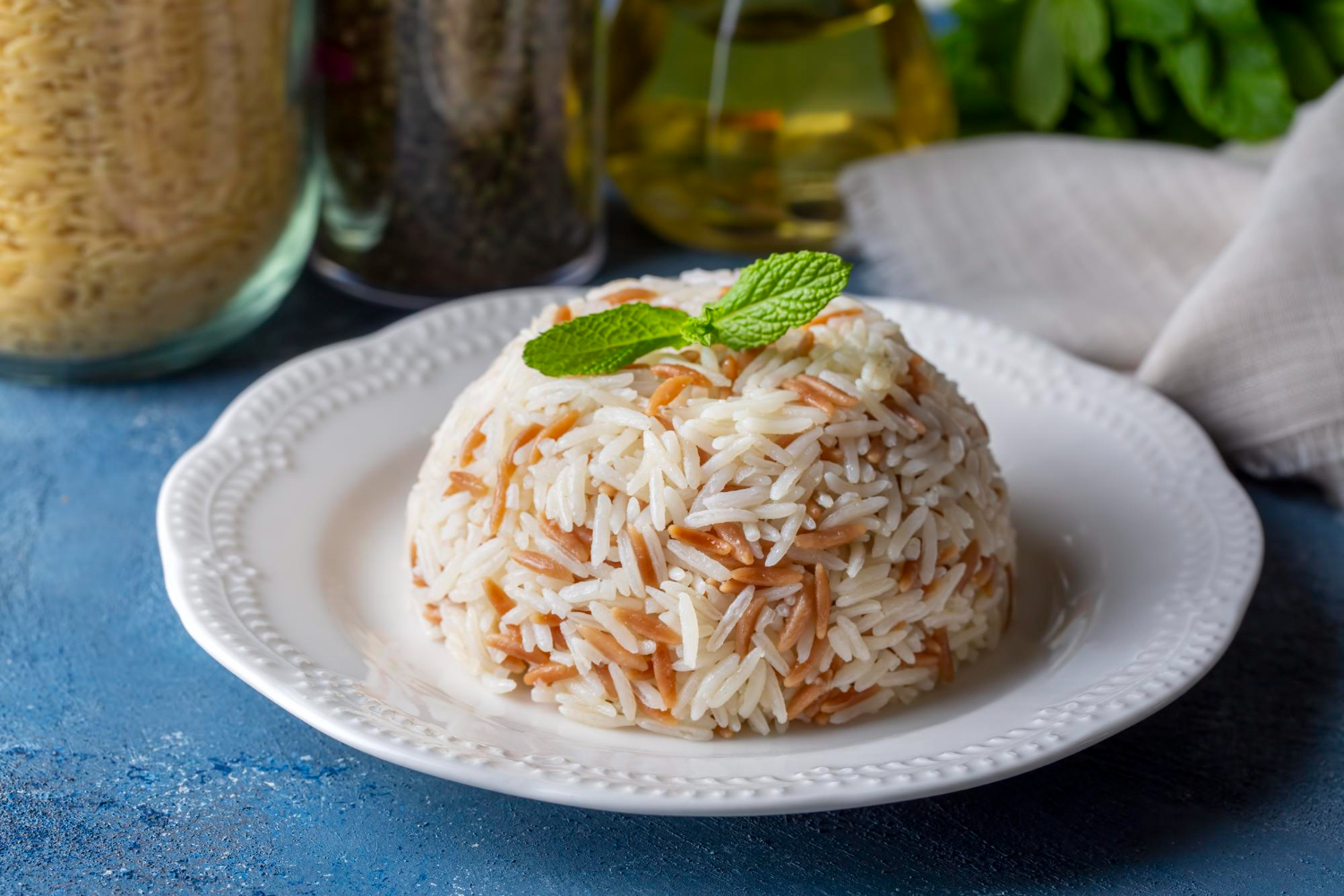
Freshly cooked rice is soft and releases moisture, so it steams and clumps. Cooled rice has firm separate grains that fry rather than stick.
A great many traditions specify day-old rice for exactly this reason. Cooled-grain frying is the technique that requires yesterday.
4. Fat Sets and Can Be Removed or Redistributed
Fat that was liquid and dispersed while hot solidifies on cooling, which allows it to be lifted off entirely or worked back through the dish deliberately.
That is a decision only available the next day. Set fat is the component that becomes controllable once cold.
5. Moisture Evaporates on Standing
A dish left uncovered loses water, which concentrates everything remaining and thickens sauces without any reduction being performed.
Time does what a hot pan would otherwise do. Passive evaporation is the concentration that happens while nobody is cooking.
6. Cold Ingredients Hold Their Shape
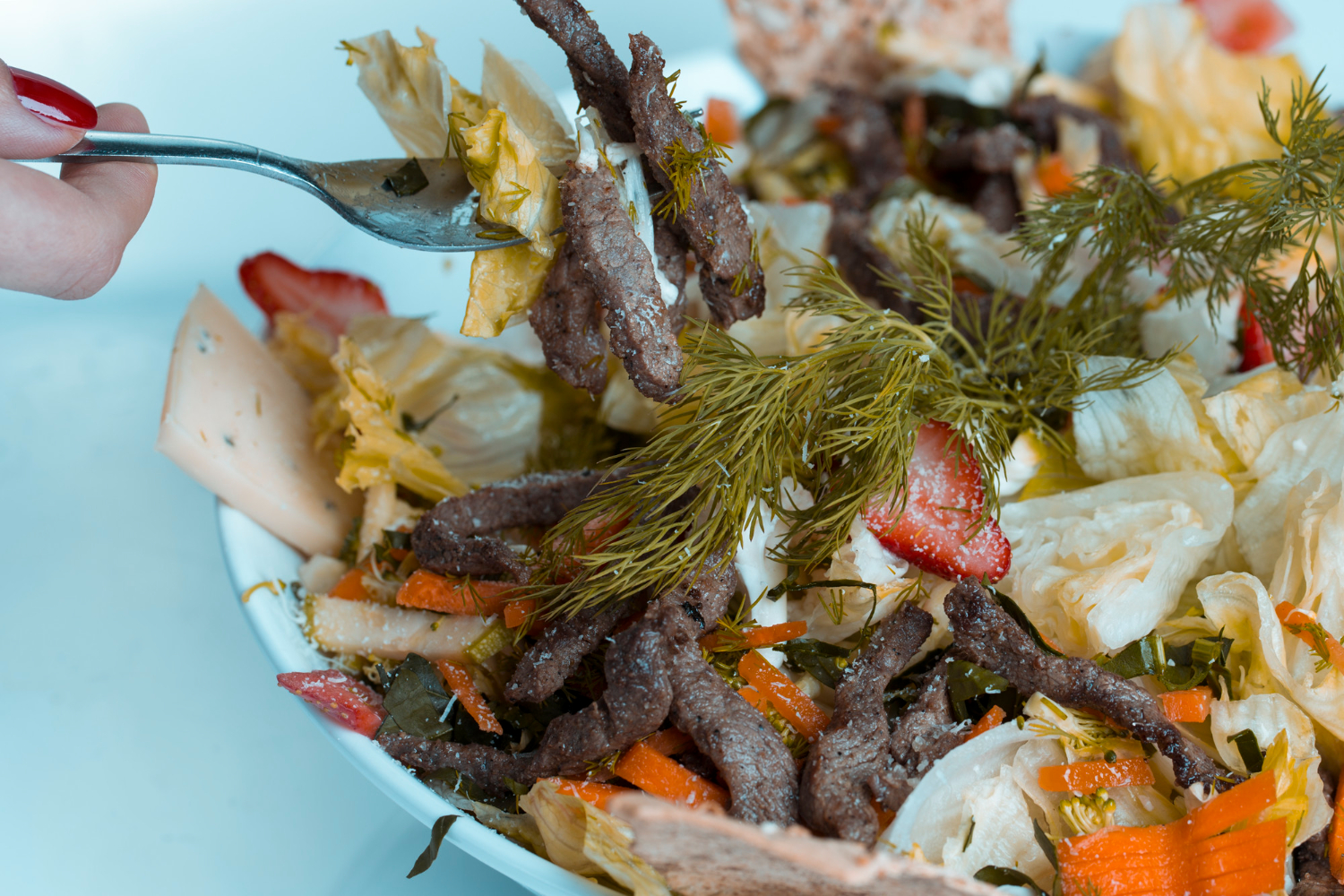
Cooked vegetables, meat and starch are substantially more robust cold than hot, so they can be sliced, diced, formed or layered in ways that would destroy them fresh.
Structural integrity arrives with cooling. Shape retention is the property that makes second-day construction possible.
7. Which Is Why Second-Day Dishes Can Be Fried
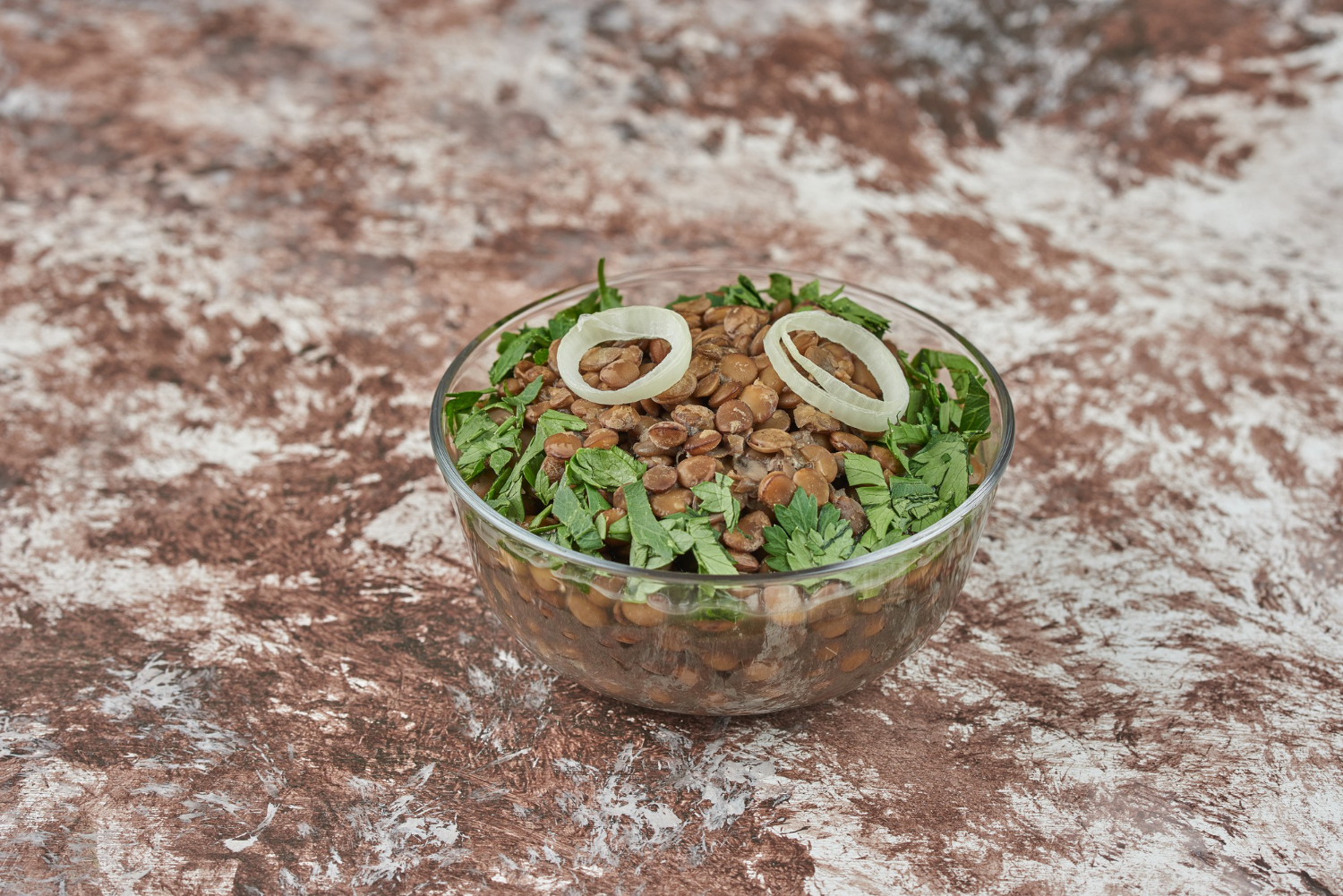
A cold cooked mass holds together well enough to form into cakes, patties or slices and meet a hot pan, developing a crust the original dish could never produce.
Fresh material collapses. Crust formation is the transformation that turns a soft dish into a crisp one.
8. Binding Turns It Into Something Else
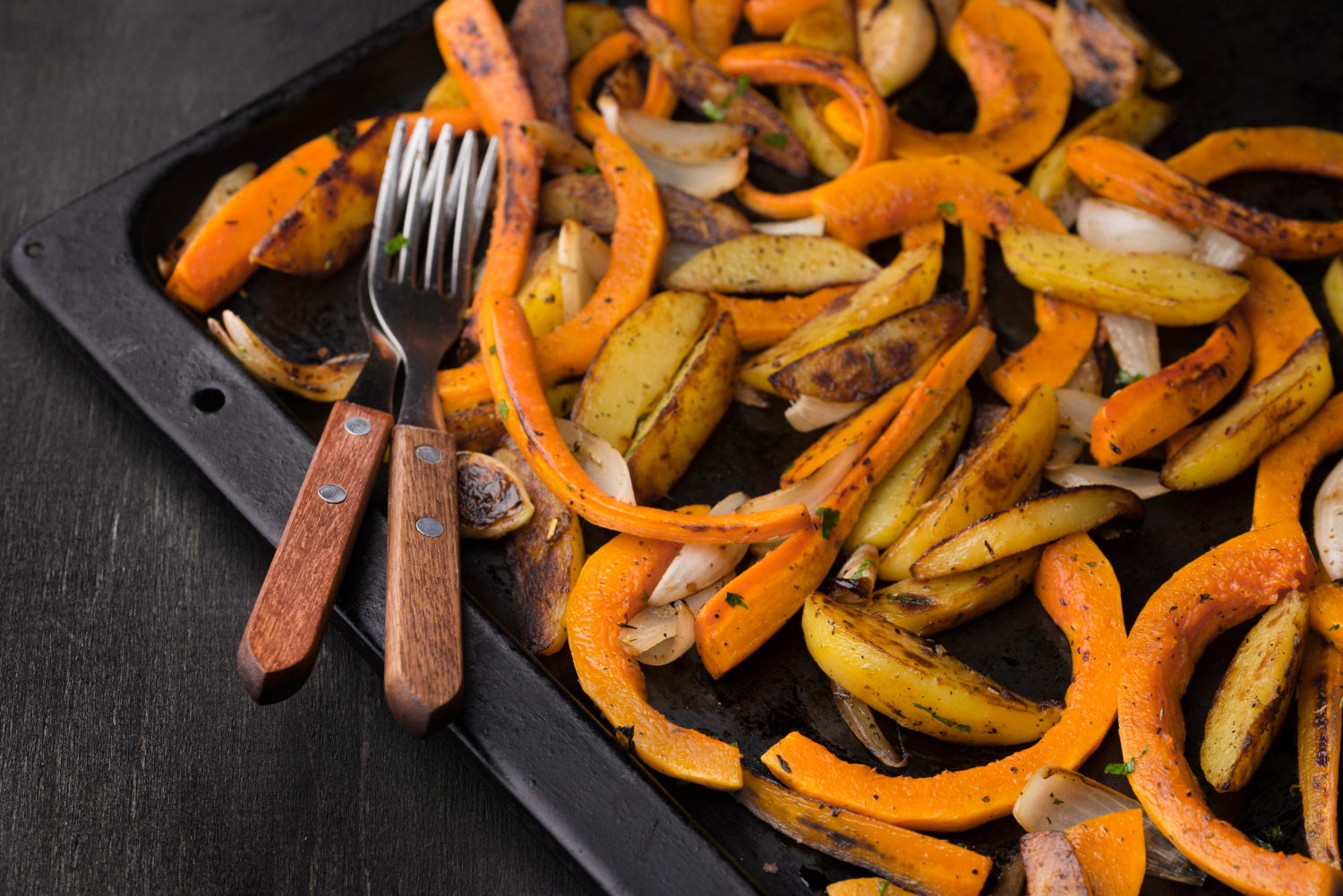
Adding egg, starch or breadcrumb to cold cooked ingredients produces a mixture that sets when cooked, which is a truly different preparation rather than a reheated one.
The binding is what makes it a new dish. Binding cold ingredients is the technique that changes the category.
9. Many Traditional Dishes Are Second-Day by Design
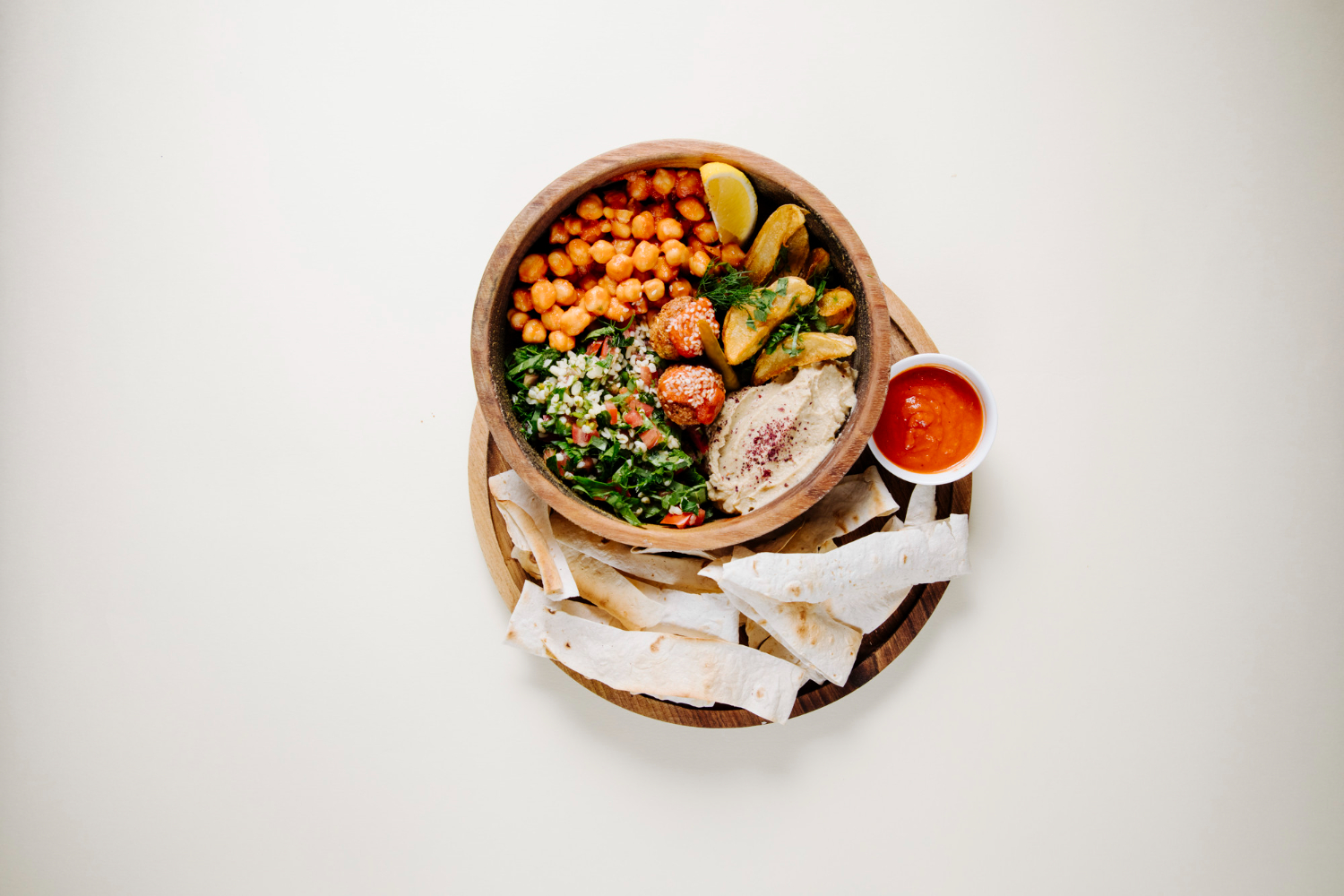
A substantial number of well-known dishes across many cuisines exist specifically as transformations of the previous day cooking and cannot sensibly be made from raw ingredients.
They are recipes for a situation rather than for a shopping list. Designed second-day dishes are the ones that require a first meal.
10. Cooking Extra Is a Technique Rather Than an Accident
Experienced cooks in many traditions deliberately make more than is needed, because the second dish is planned and is frequently the better of the two.
That reframes the whole activity. Planned surplus is the strategy that treats tomorrow as part of today cooking.
11. Some Things Do Not Improve At All
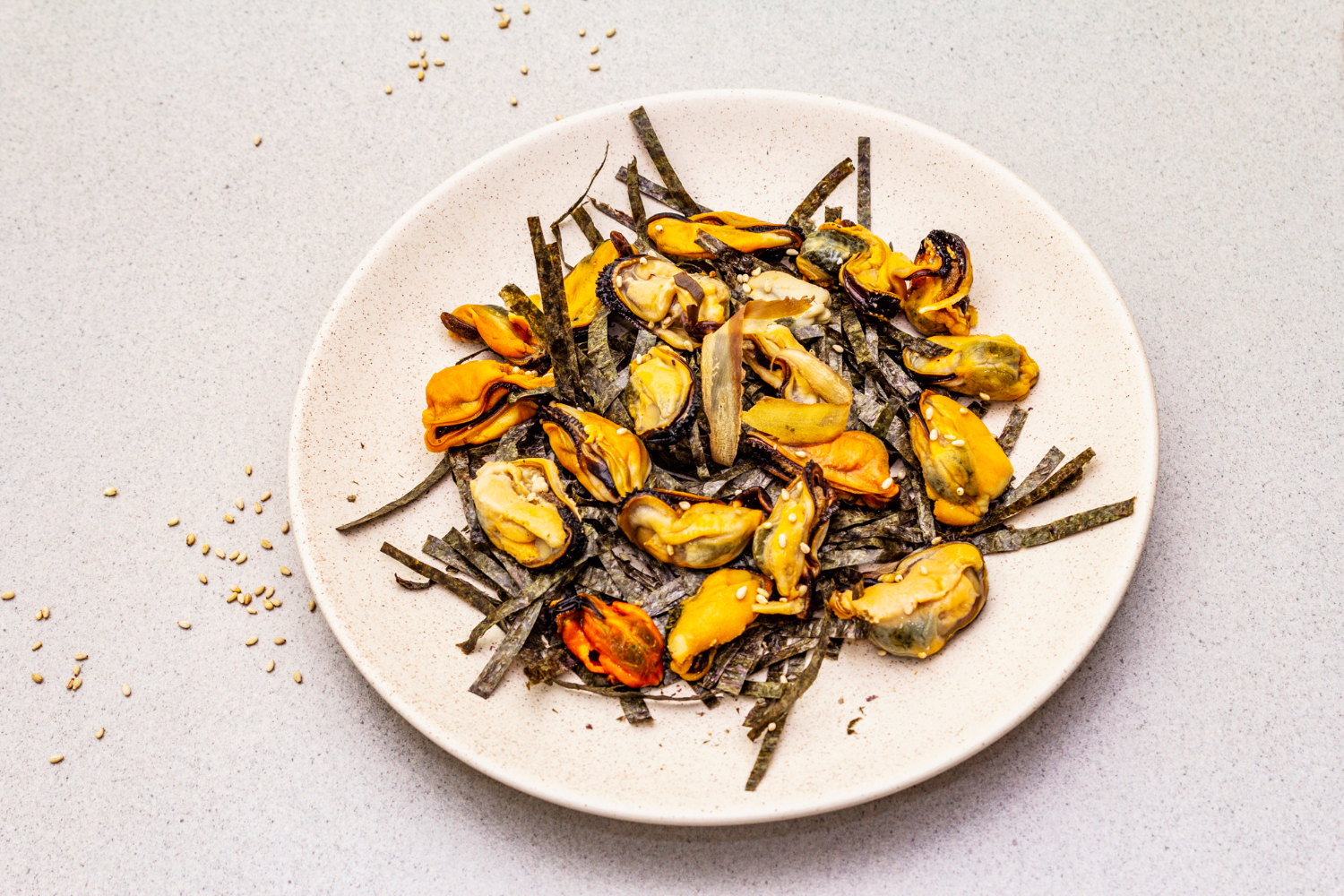
Crisp textures, fresh herbs, delicate fish and anything relying on contrast are diminished rather than transformed, and no amount of time helps.
Knowing which category a dish falls into is the actual skill. The non-improvers are the dishes where the second day is simply worse.
12. The Reheating Method Determines the Result
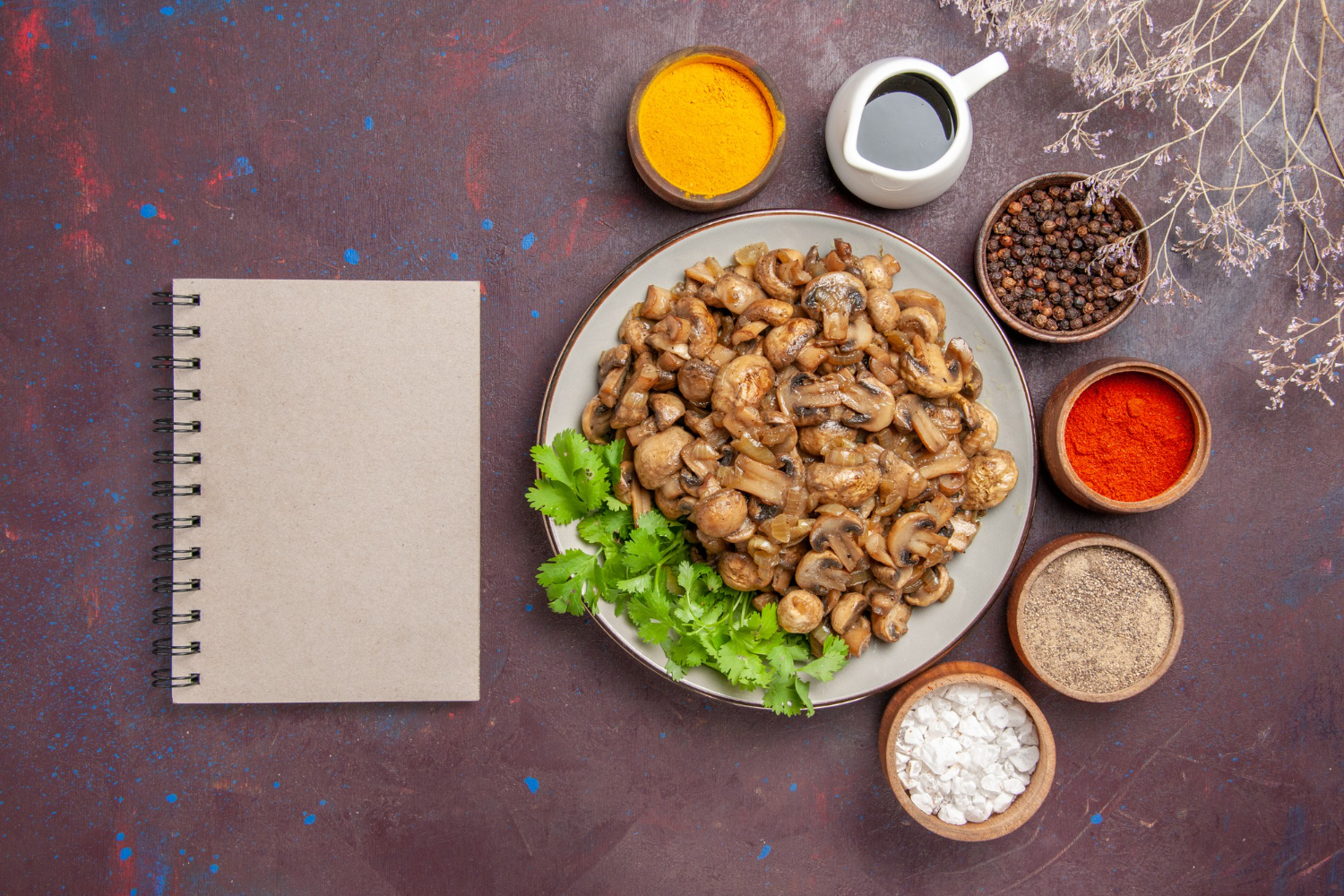
Gentle warming preserves what has developed; aggressive heat undoes it, breaks emulsions and dries things out, so how something is brought back matters as much as what it is.
A dish can be improved overnight and ruined in four minutes. Reheating approach is the final variable that decides whether any of this was worthwhile.
Cooling Is a Cooking Process
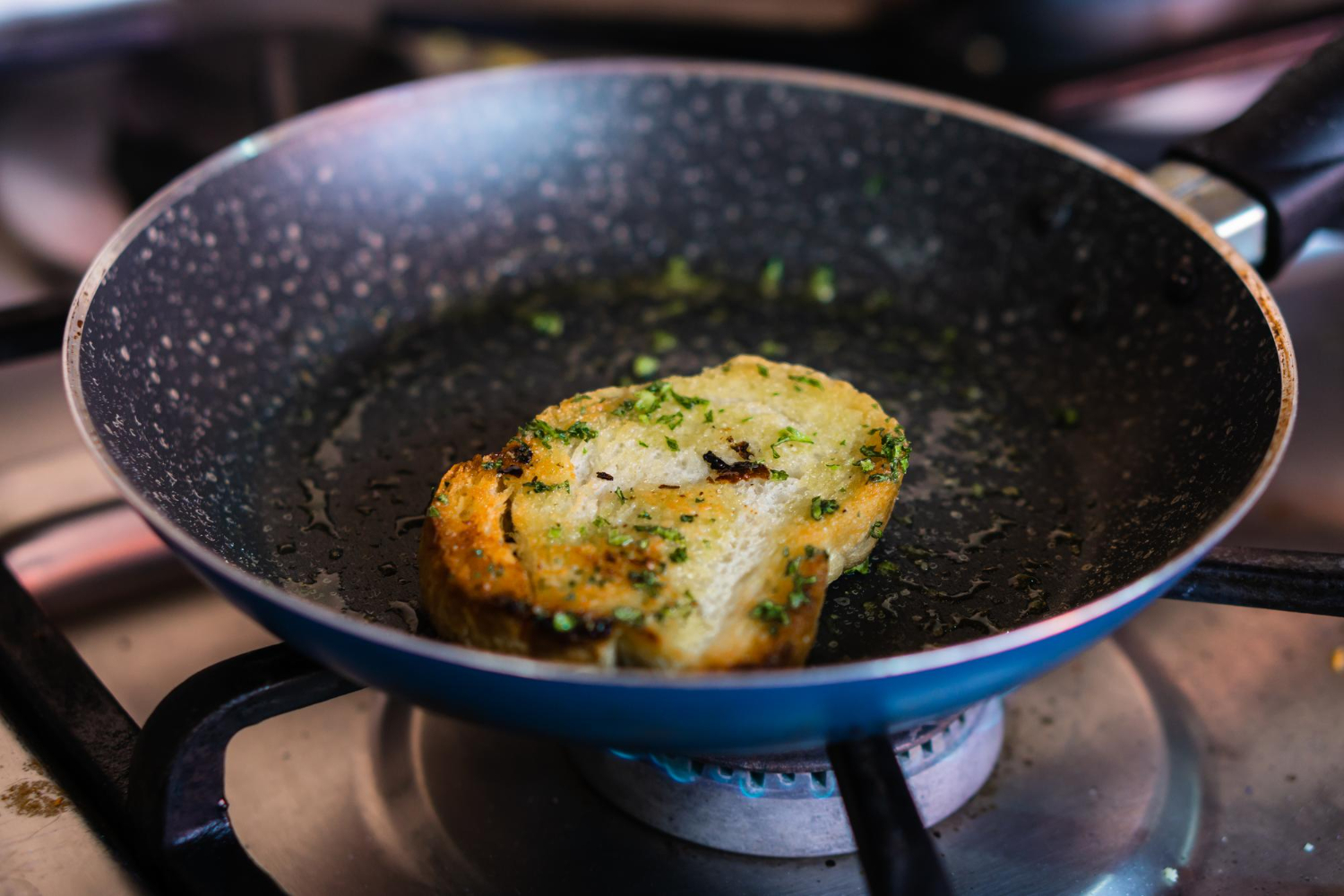
Starch restructures, fat sets, moisture leaves, flavours diffuse and everything firms up – which is why the second-day version is a different dish rather than a diminished one.
One necessary note: everything above concerns culinary transformation and none of it concerns safety. How long cooked food keeps, how it should be cooled and stored, and how it should be reheated are questions with real consequences, they vary by food and by country, and they belong with official food-safety guidance rather than with an article about texture and flavour.
Like our content? Follow us for more.