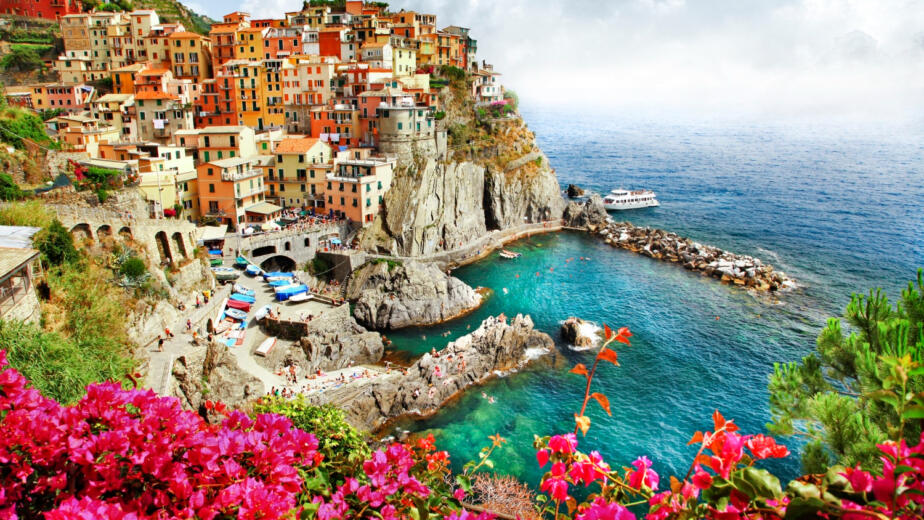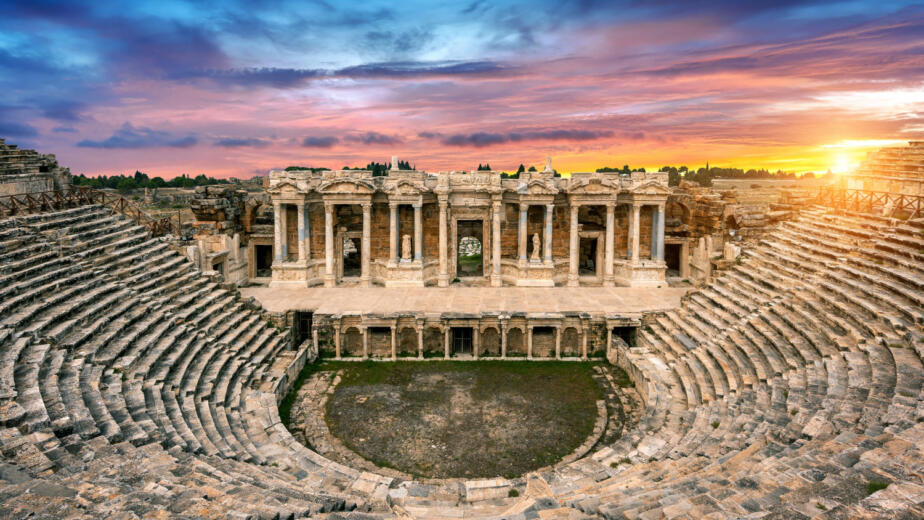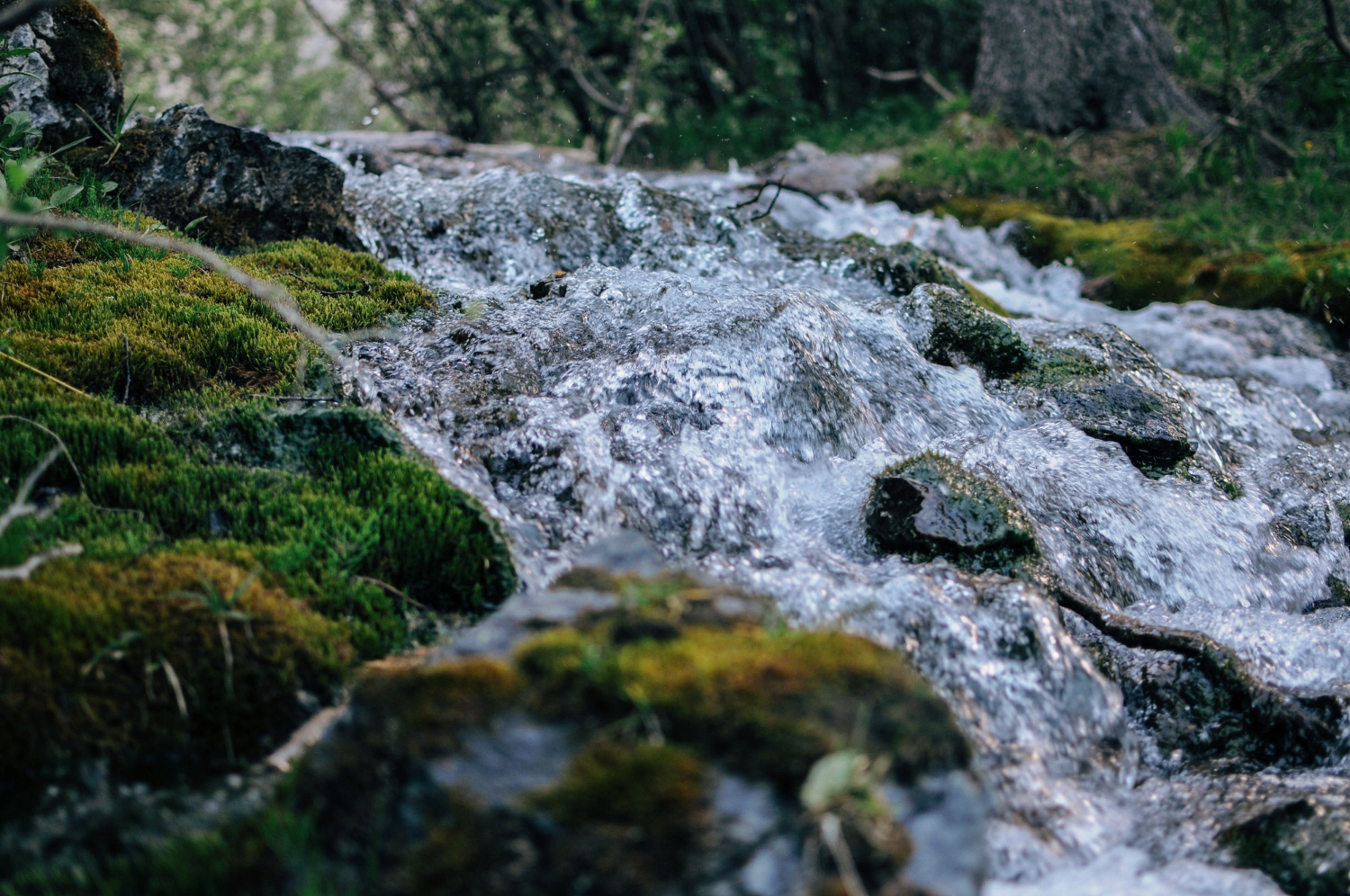
Every spring is an intersection between water moving underground and a surface that happens to be in the way. The rock decides where, and everything else follows. Here are fourteen.
1. The Water Table Meets the Surface
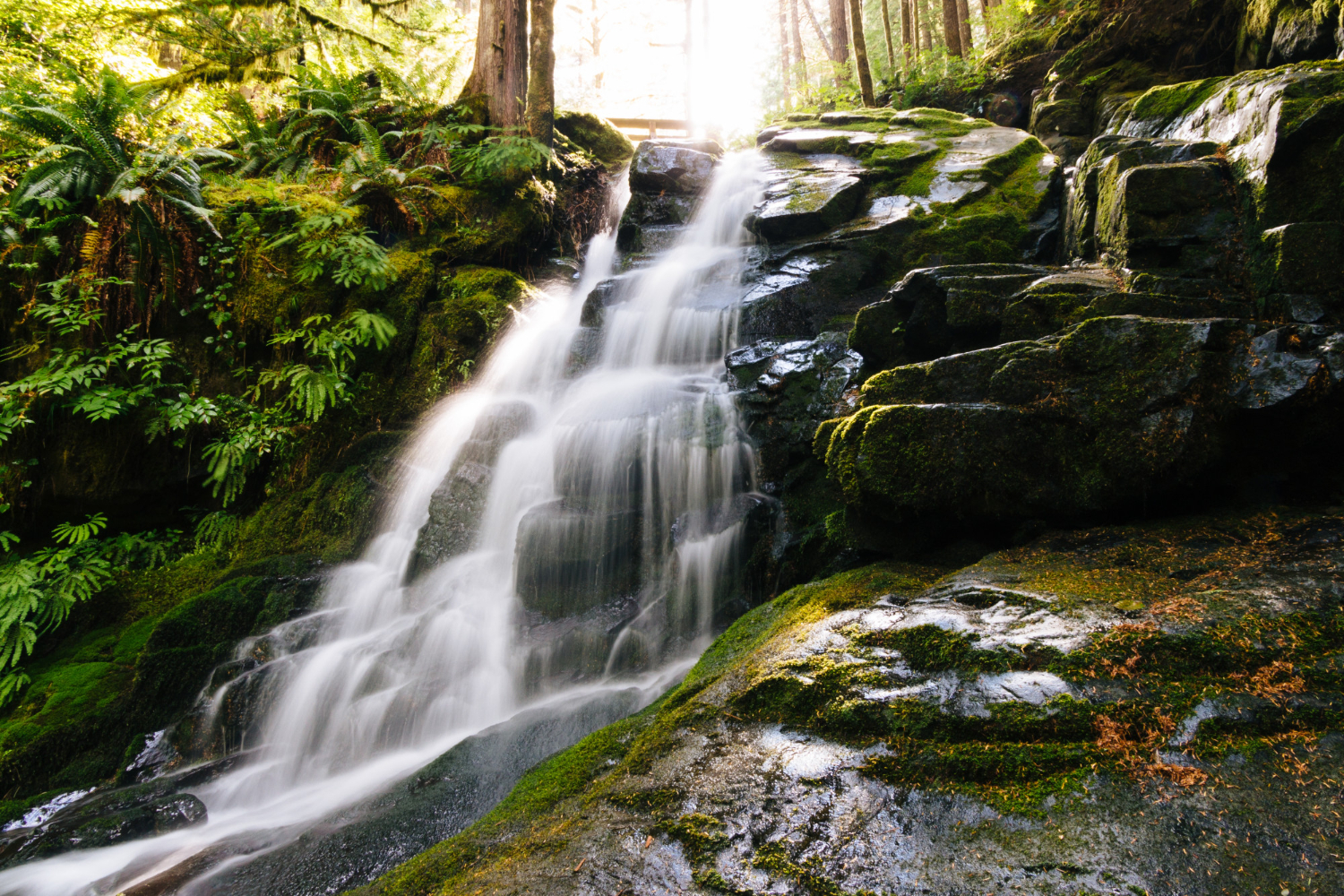
Groundwater sits at a level within permeable rock, and wherever the ground surface cuts below that level, water emerges.
That is the simplest spring there is. The water table intersection is the basic mechanism behind most of them.
Like our content? Follow us for more.
2. Permeable Rock Sitting on Impermeable Rock
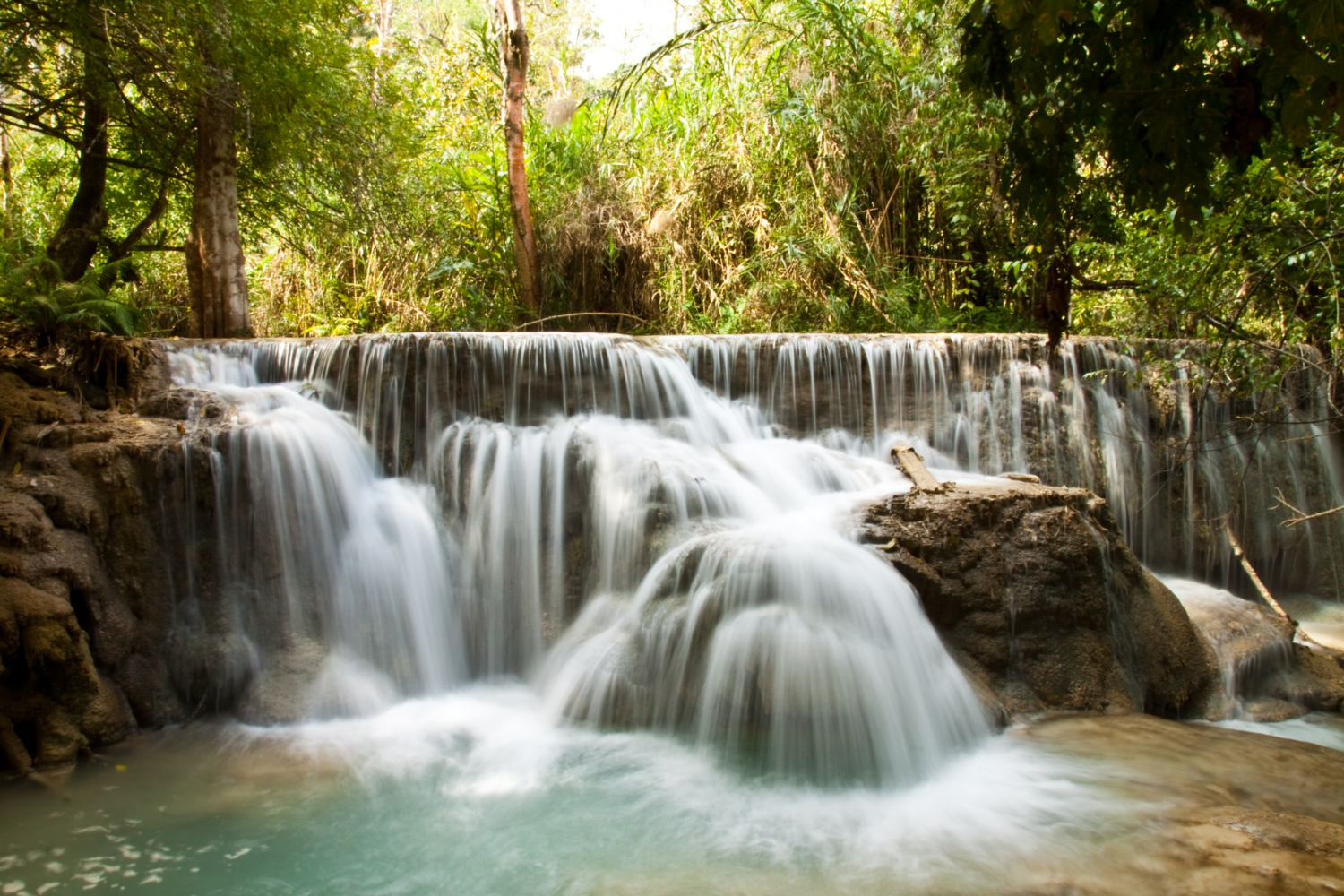
Where porous rock overlies something water cannot pass through, water travels down and then sideways along the junction, emerging in a line where that boundary meets the hillside.
The result is a row of springs at the same elevation. The spring line is the geology that put a row of villages in a row.
3. Which Is Why Villages Sit in Lines
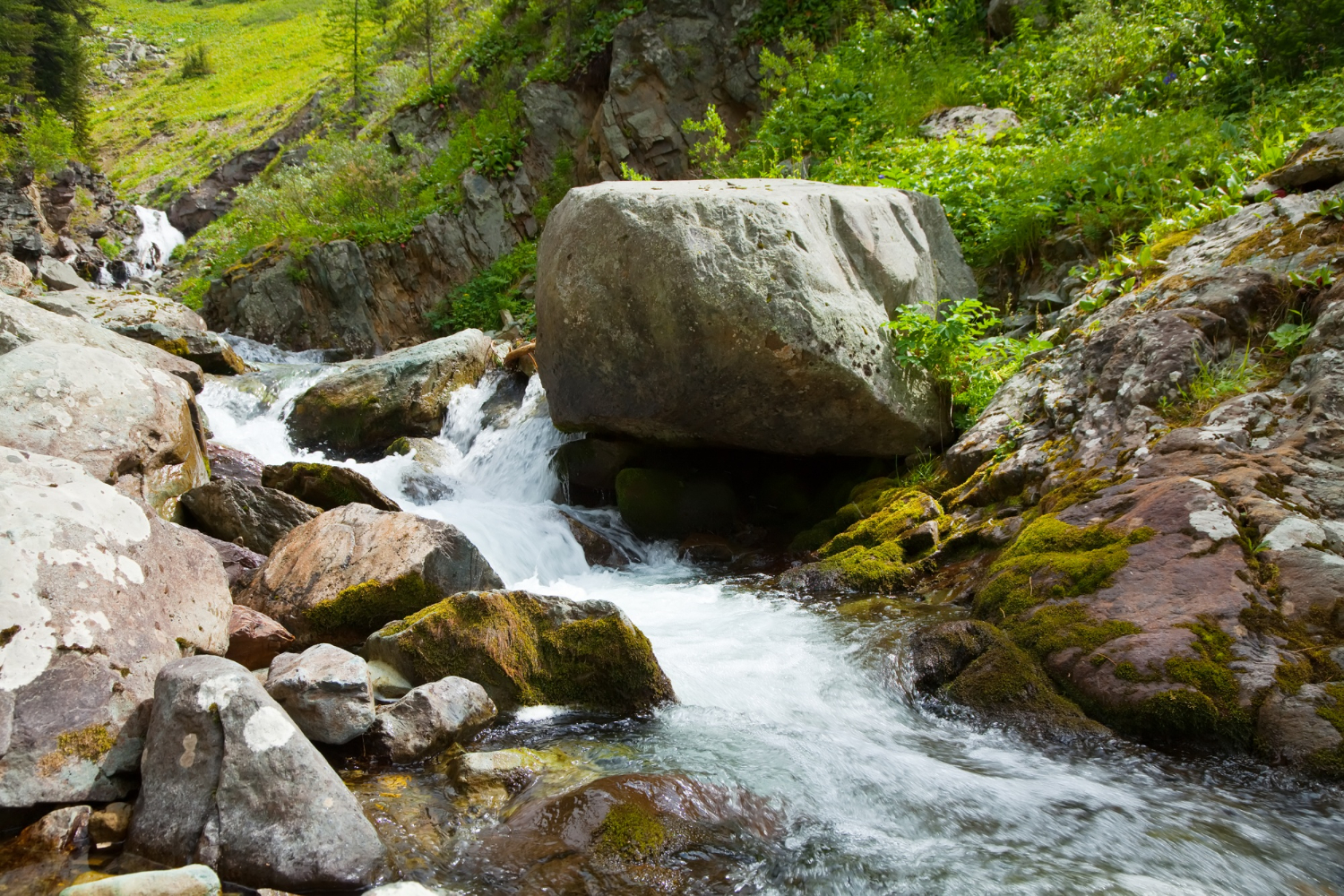
Settlements clustered at spring lines because that is where reliable water was, so a series of villages along a contour is a map of a rock boundary underneath.
Nobody planned the spacing; the geology did. Spring-line settlement is the pattern that reveals what is under the hill.
4. Water Under Pressure From Higher Ground
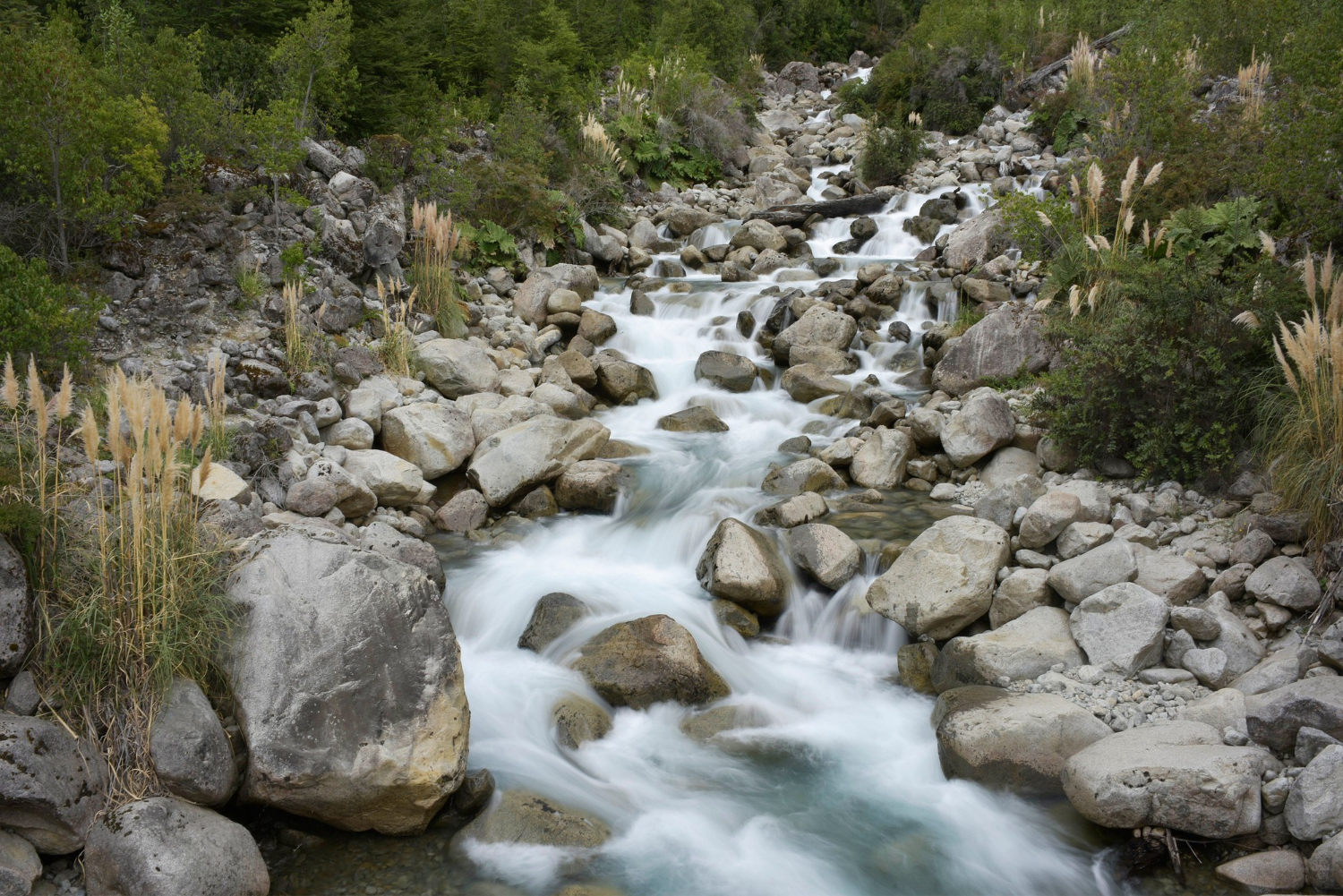
Where an aquifer is confined between impermeable layers and recharged at a higher elevation, water in it is under pressure and rises without any pumping when tapped.
It flows uphill relative to where it sits. Artesian pressure is the effect that produces water without work.
5. Heat From Depth
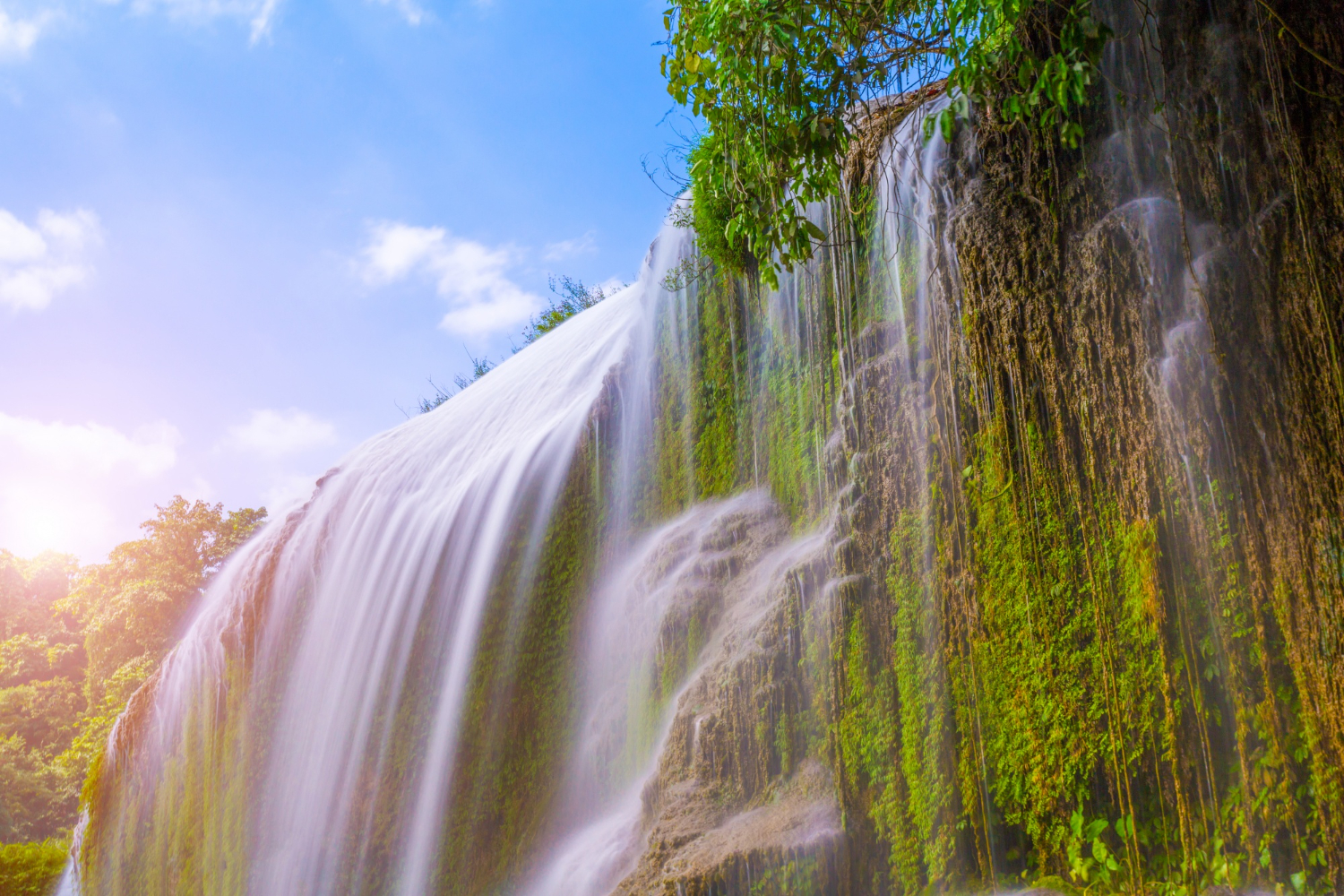
Water circulating deep enough is warmed by the geothermal gradient or by volcanic activity, and returns to the surface hot.
How hot depends on how deep it went and how fast it came back. Thermal springs are the ones whose temperature records their depth.
6. The Rock Determines What Is Dissolved
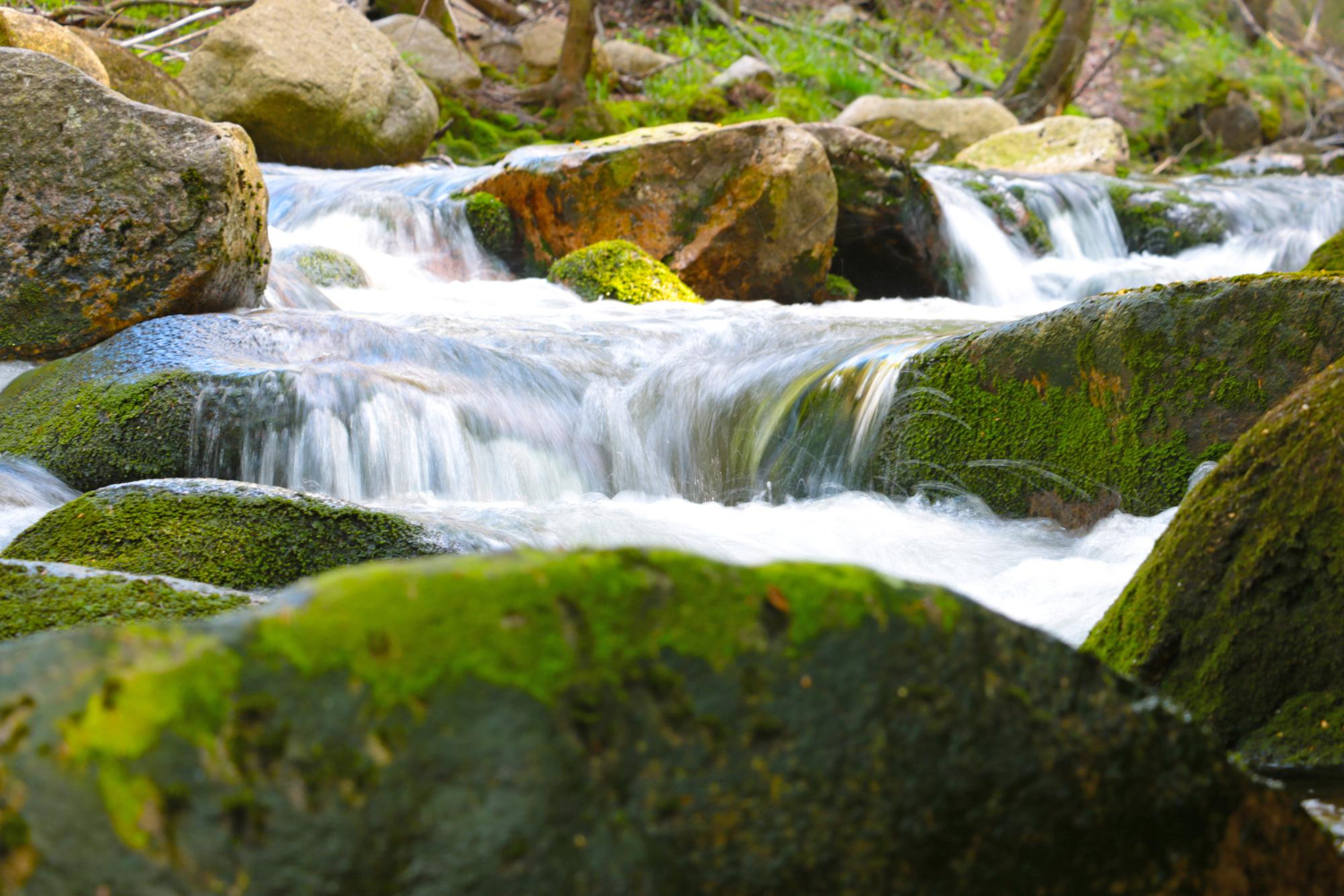
Water passing through rock dissolves some of it, so mineral content reflects the geology of the route rather than anything about the spring itself.
That is why waters from different places taste and behave differently. Dissolved minerals are the signature of the path rather than the source.
7. Caves Deliver Enormous Volumes at Once
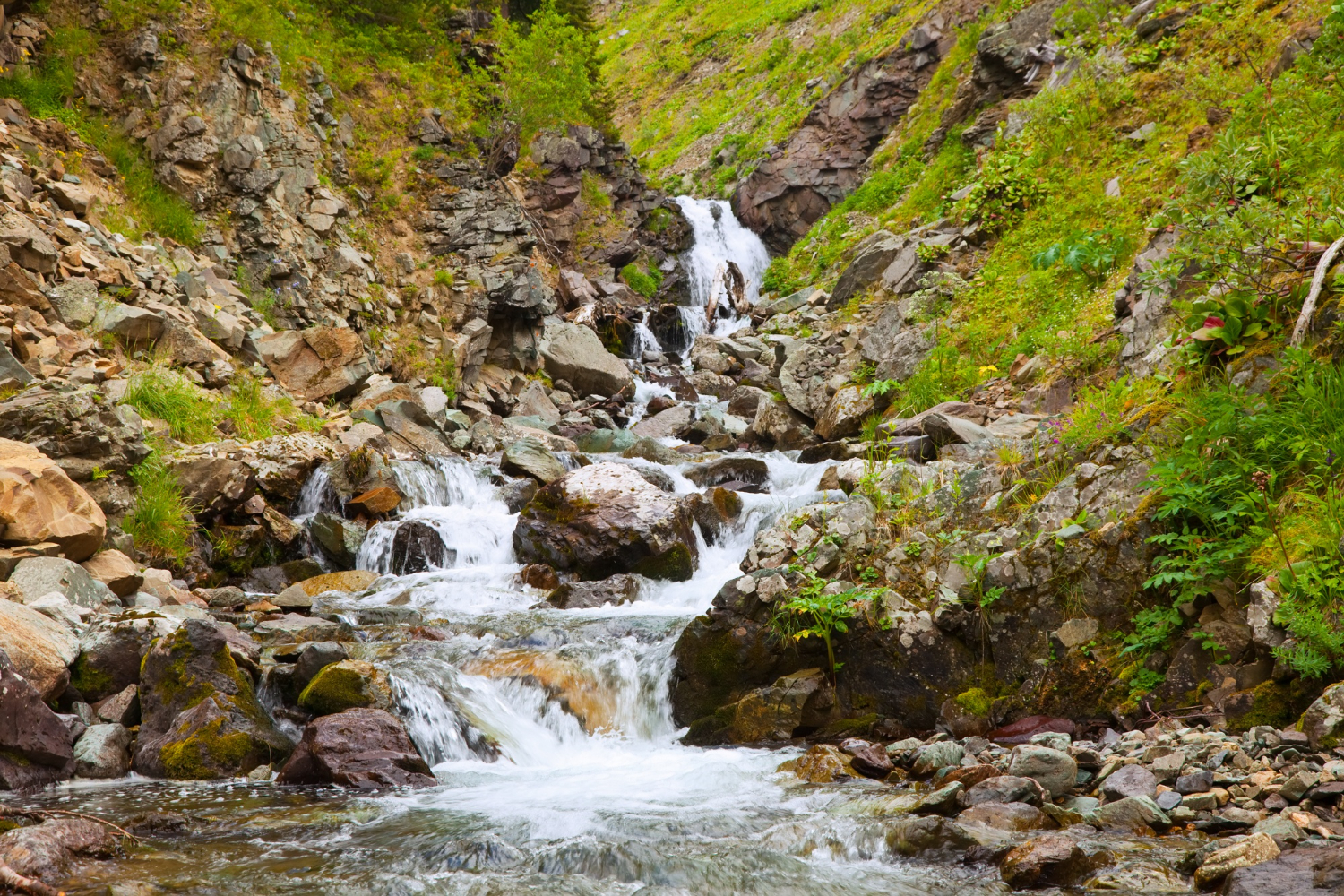
In limestone, water travels through solution channels and cave systems rather than through tiny pores, so a karst spring can discharge a river-sized flow from a single opening.
The water arrives fast and responds quickly to rainfall. Karst springs are the ones where the underground route is a tunnel rather than a sponge.
8. Some Only Flow Sometimes
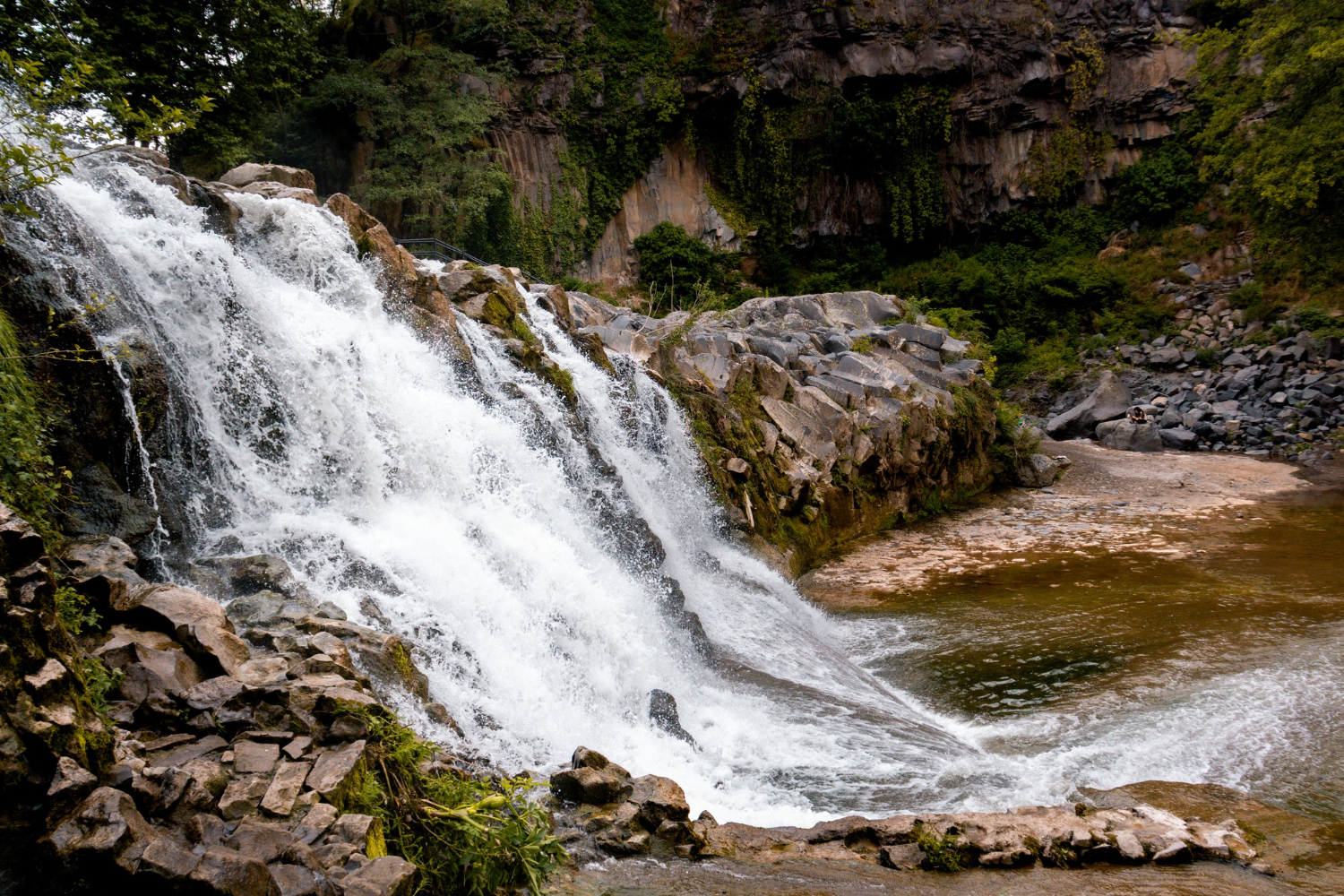
Where the water table rises and falls seasonally, a spring emerges only when the level is high enough to reach its outlet and is dry the rest of the year.
Their appearance was historically read as significant. Intermittent springs are the ones with a season.
9. The Delay Between Rain and Flow
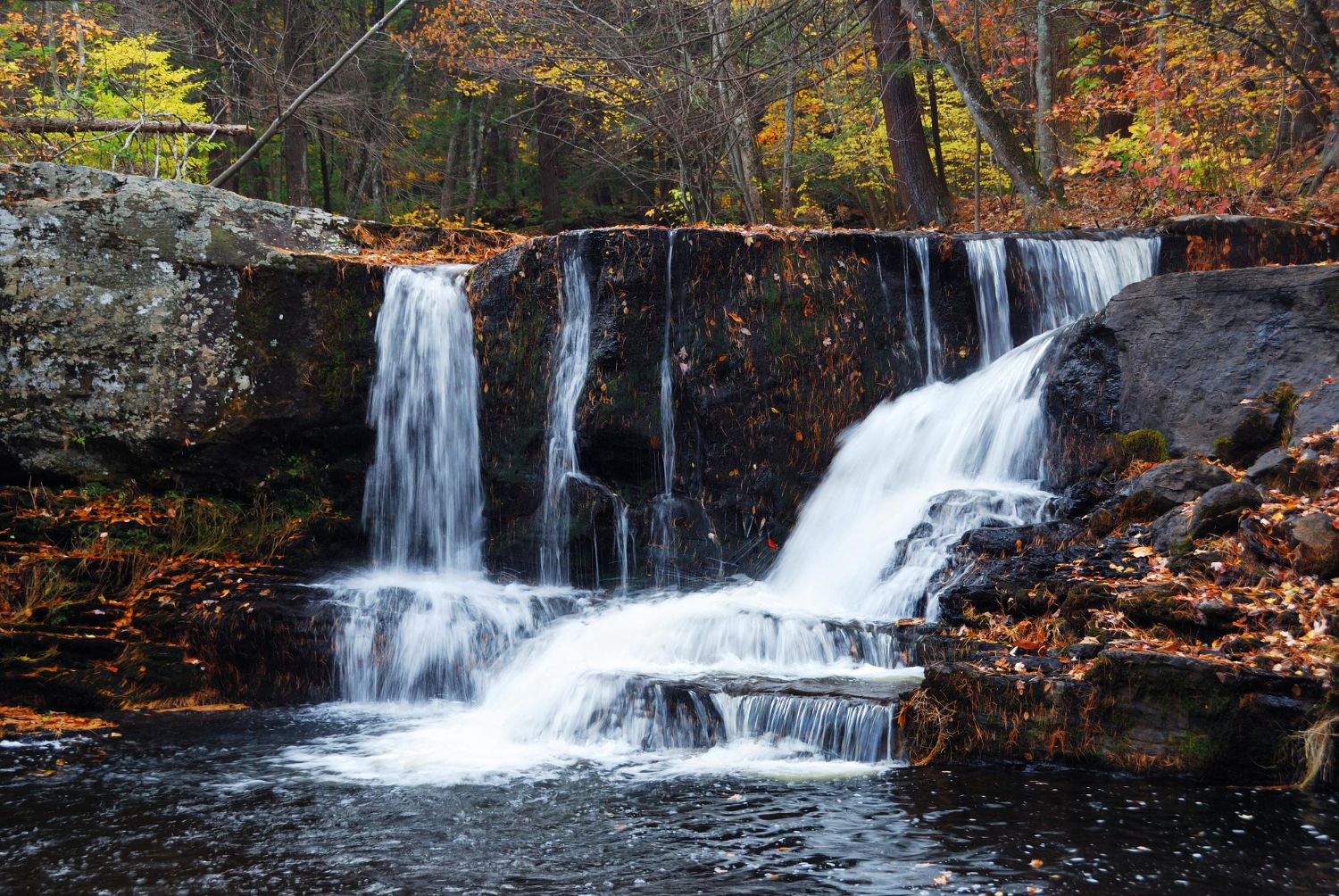
Water takes time to travel underground, so spring flow responds to rainfall days, months or years later depending on the aquifer.
A dry spring may reflect weather from a long time ago. Response lag is the property that disconnects a spring from today weather.
10. Wells Go Down to Meet It
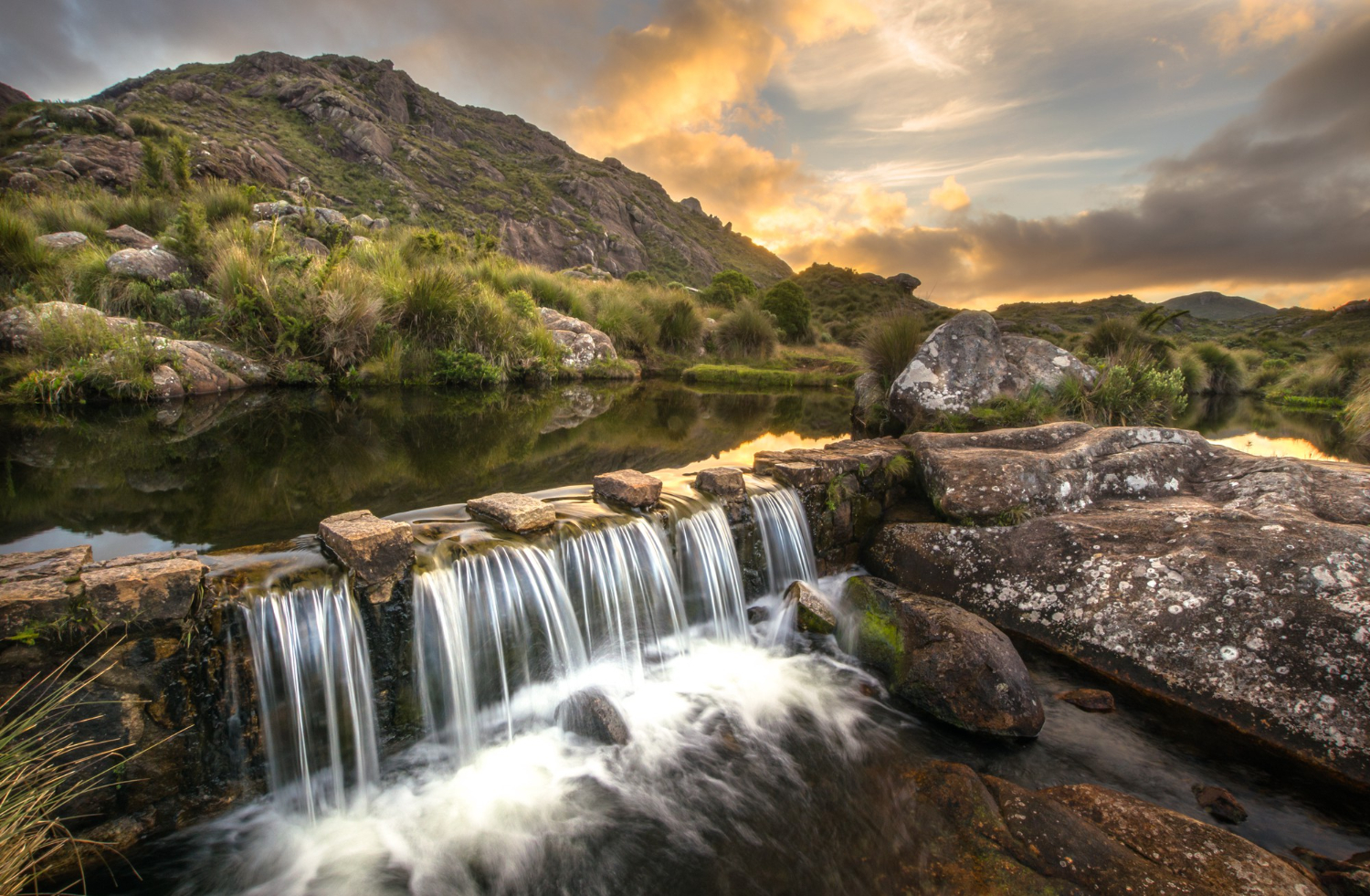
Where water does not emerge, a shaft is dug or drilled to reach the water table, and the depth of a traditional well is a direct measurement of how far down it was.
Old wells record the level at the time they were dug. Well depth is the historical data nobody set out to collect.
11. Stepping Down Rather Than Hauling Up
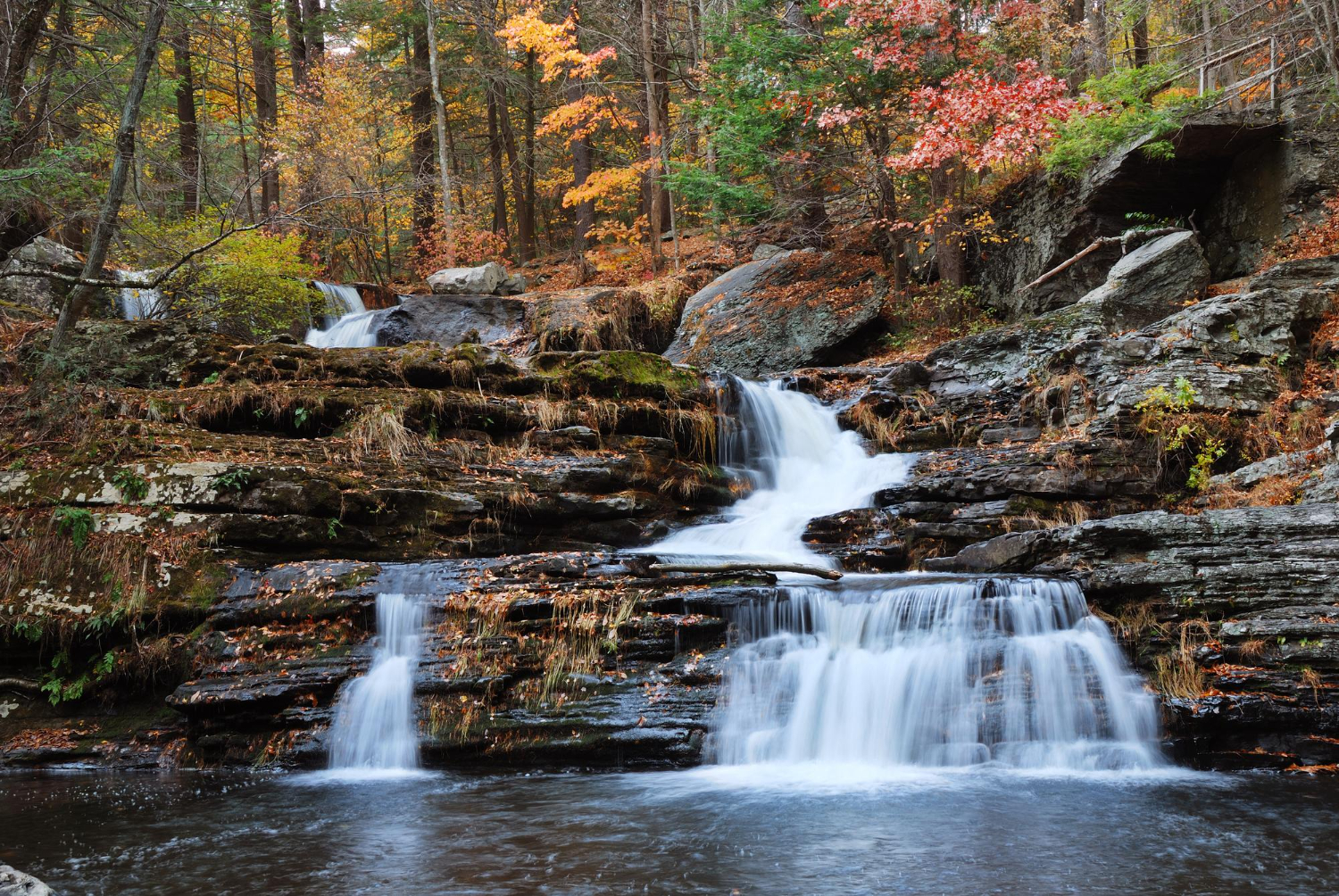
Some traditions reached water by building descending stepped structures rather than lifting it, which allows access at any water level and creates a cool space at the bottom.
It is a different solution to the same problem. Stepped access is the approach that goes to the water rather than bringing it up.
12. Springs Attracted Attention
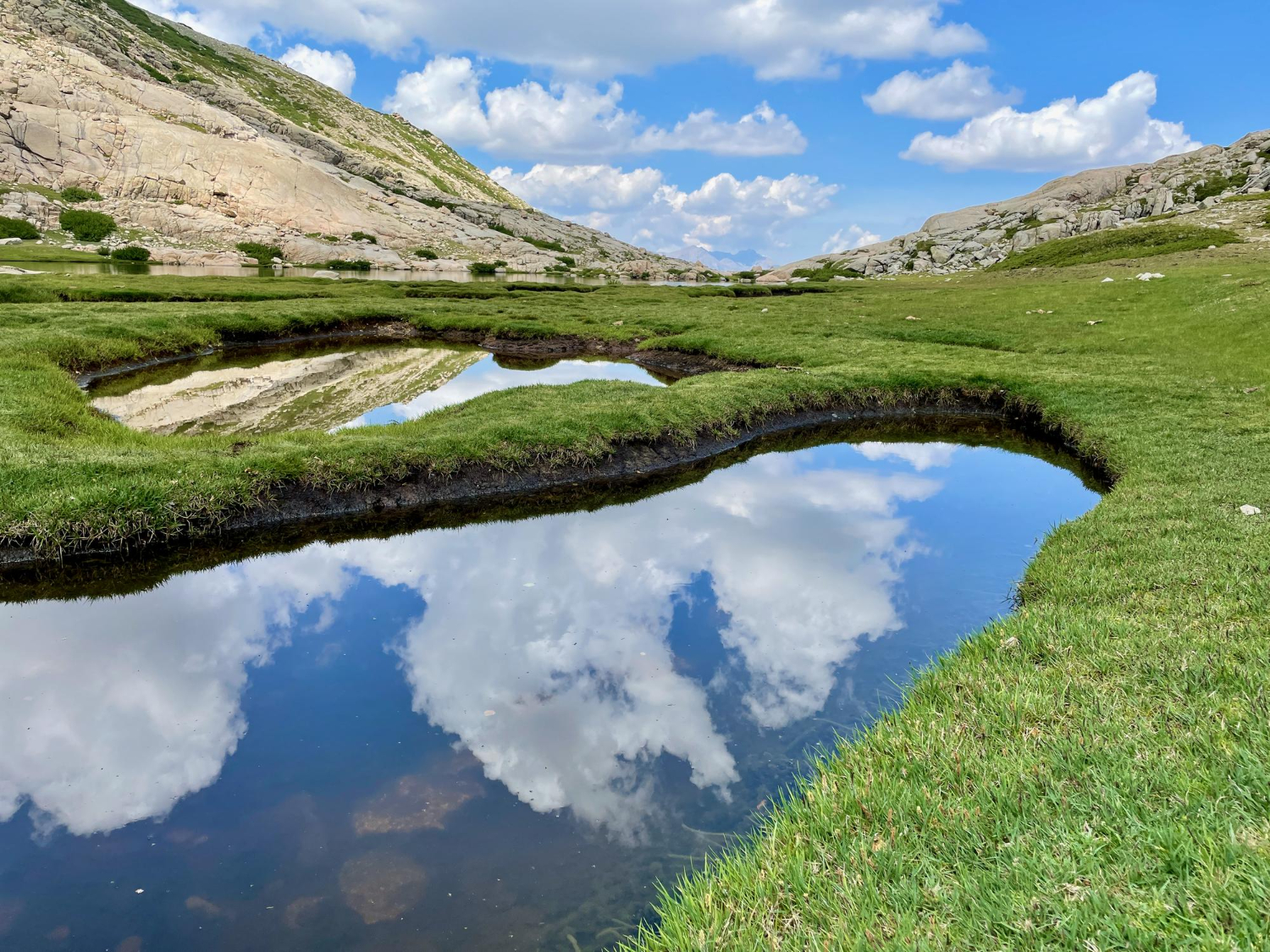
Reliable water emerging from the ground was consistently treated as significant, and springs across many regions and periods accumulated structures, offerings and observances.
The pattern is close to universal. Ritual attention is the human response to water appearing from nowhere.
13. And They Marked Boundaries
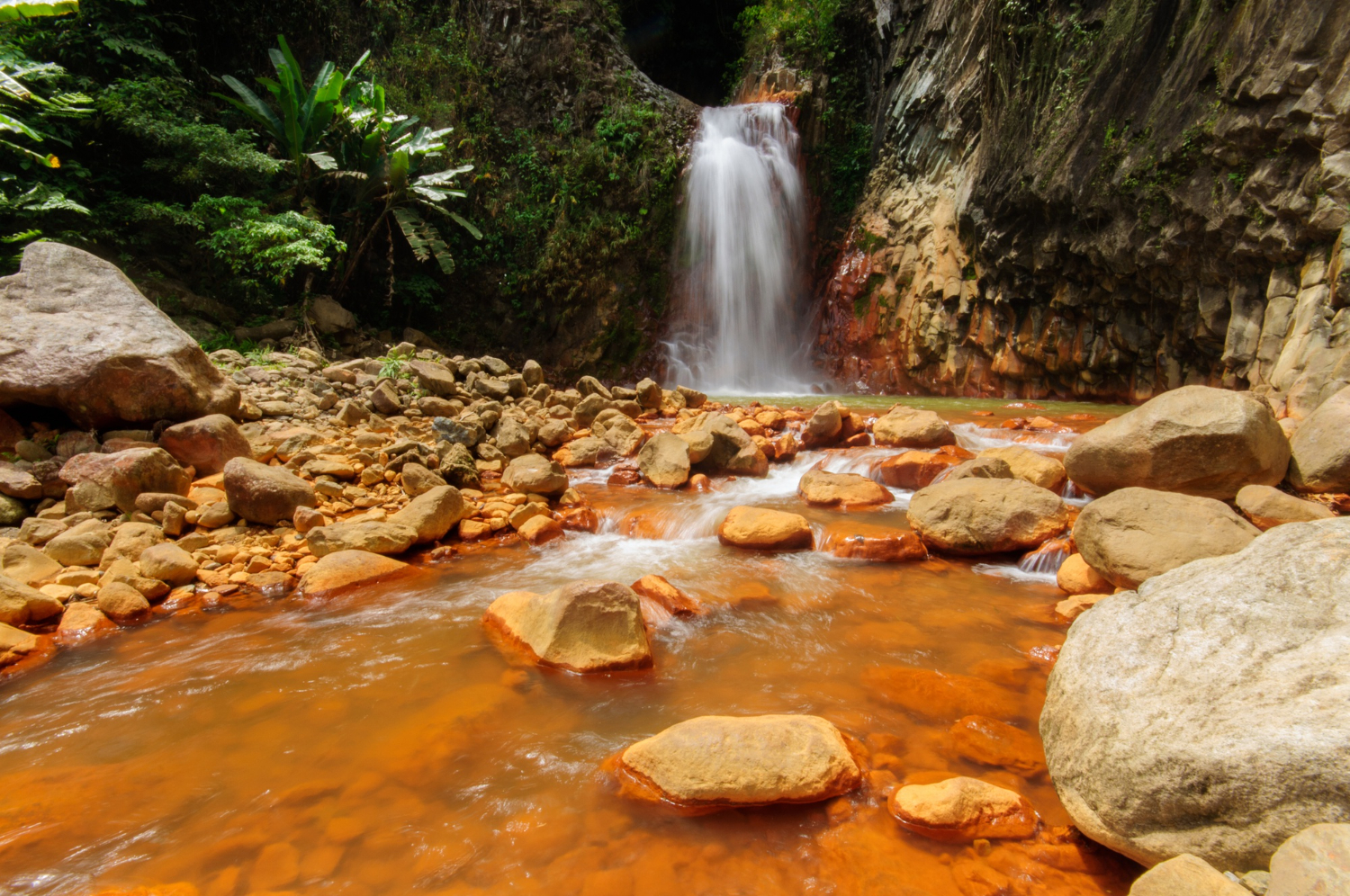
Because springs are fixed, identifiable and valuable, they were repeatedly used as boundary markers and appear in property and parish descriptions across many centuries.
A named spring in a document is a surveying instrument. Boundary springs are the features that turned water into a legal reference point.
14. The Flow Can Be Destroyed From Far Away
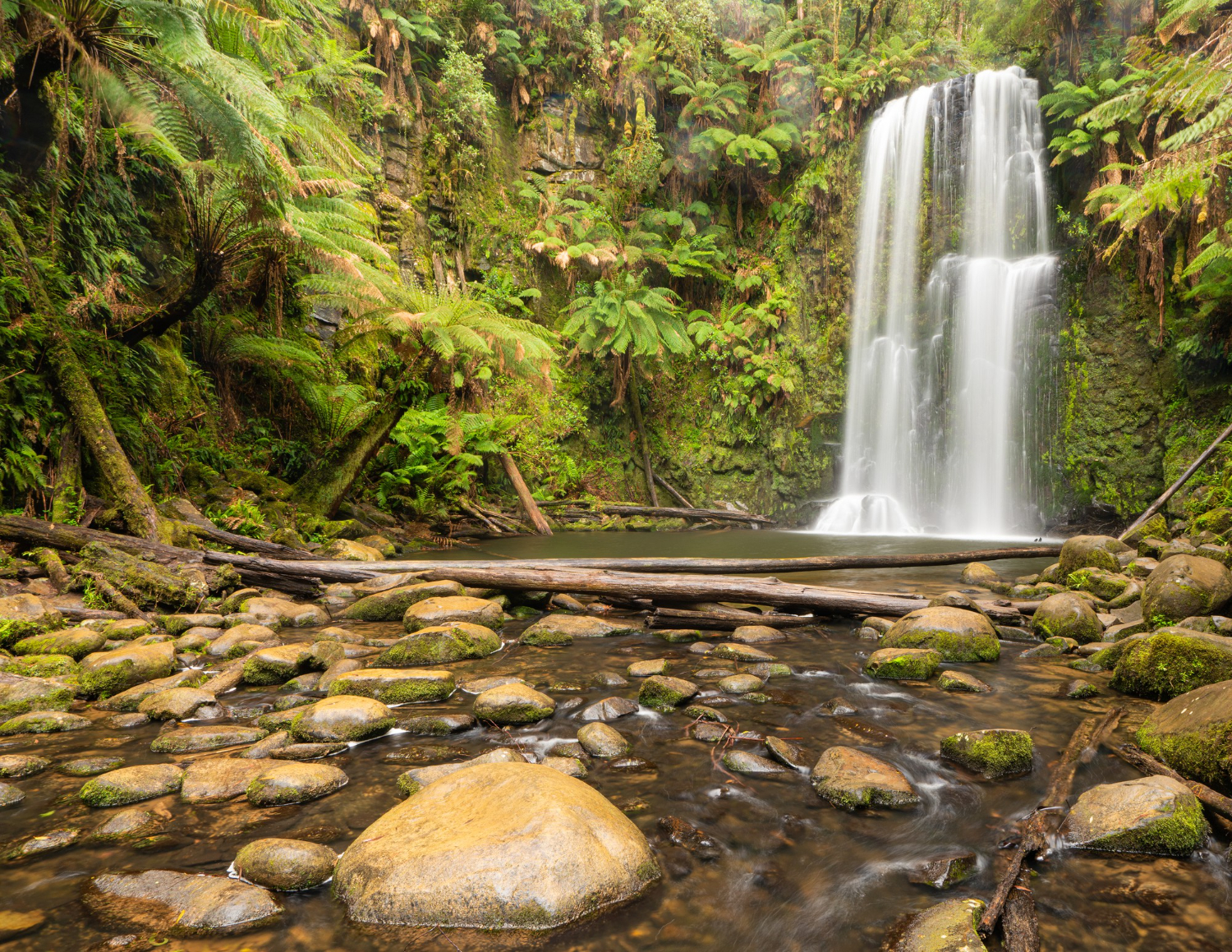
Because a spring depends on an underground catchment, abstraction, drainage or construction some distance away can reduce or stop it entirely.
The connection is invisible from the surface. Remote dependence is the property that makes springs more fragile than they look.
Rain That Fell Somewhere Else
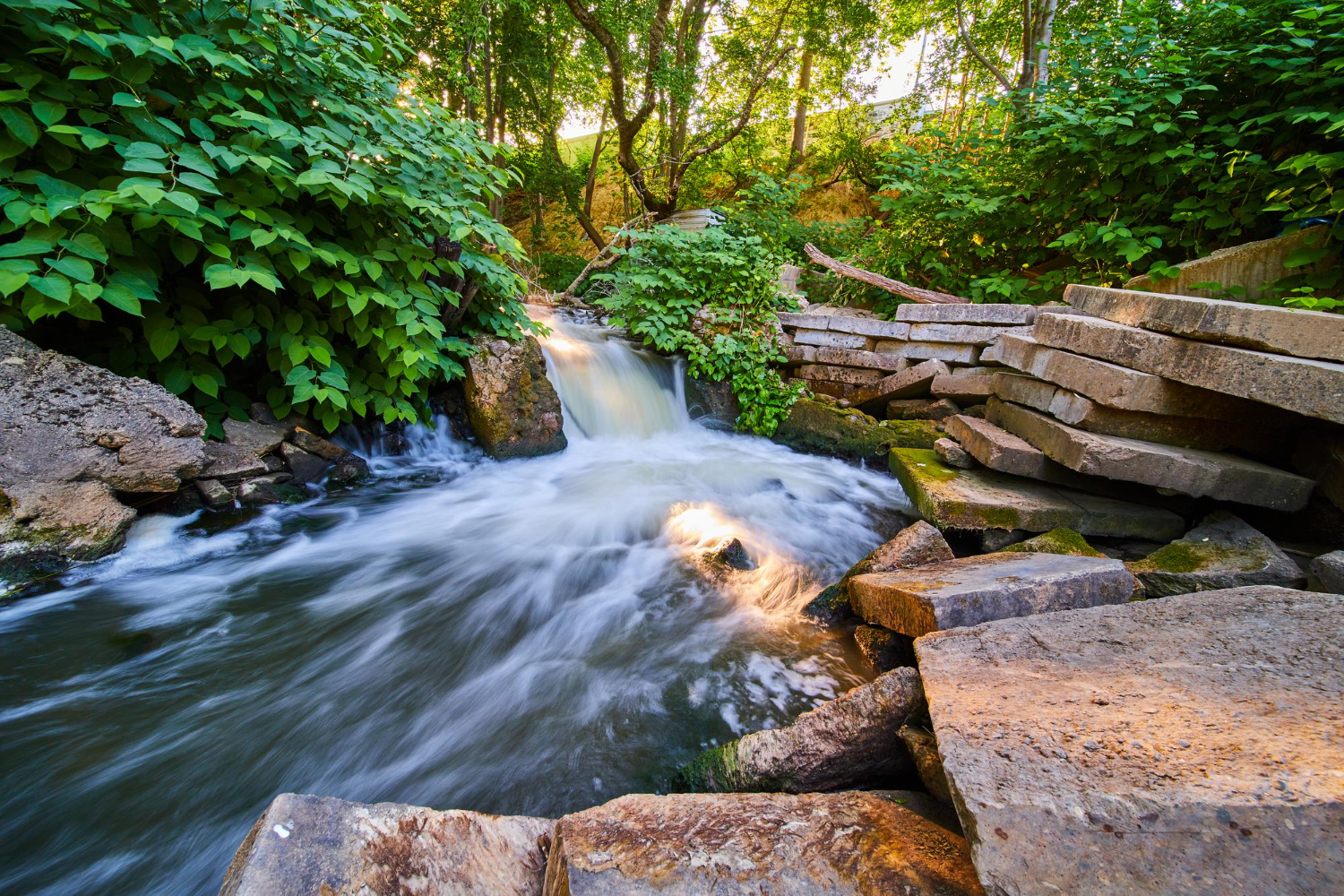
Every spring is rainfall that went underground elsewhere and was forced back to the surface by geology – a rock boundary, a pressure difference, a cave system or a water table that happened to meet the ground.
One thing must be said plainly: whether water from any spring or well is safe to drink is a question of testing and local knowledge, not of appearance, taste, remoteness or reputation. Clear water from a beautiful place can be entirely unsuitable, and this article offers no way to tell. Treat that as a matter for the relevant authorities rather than for judgement on the day.
Like our content? Follow us for more.