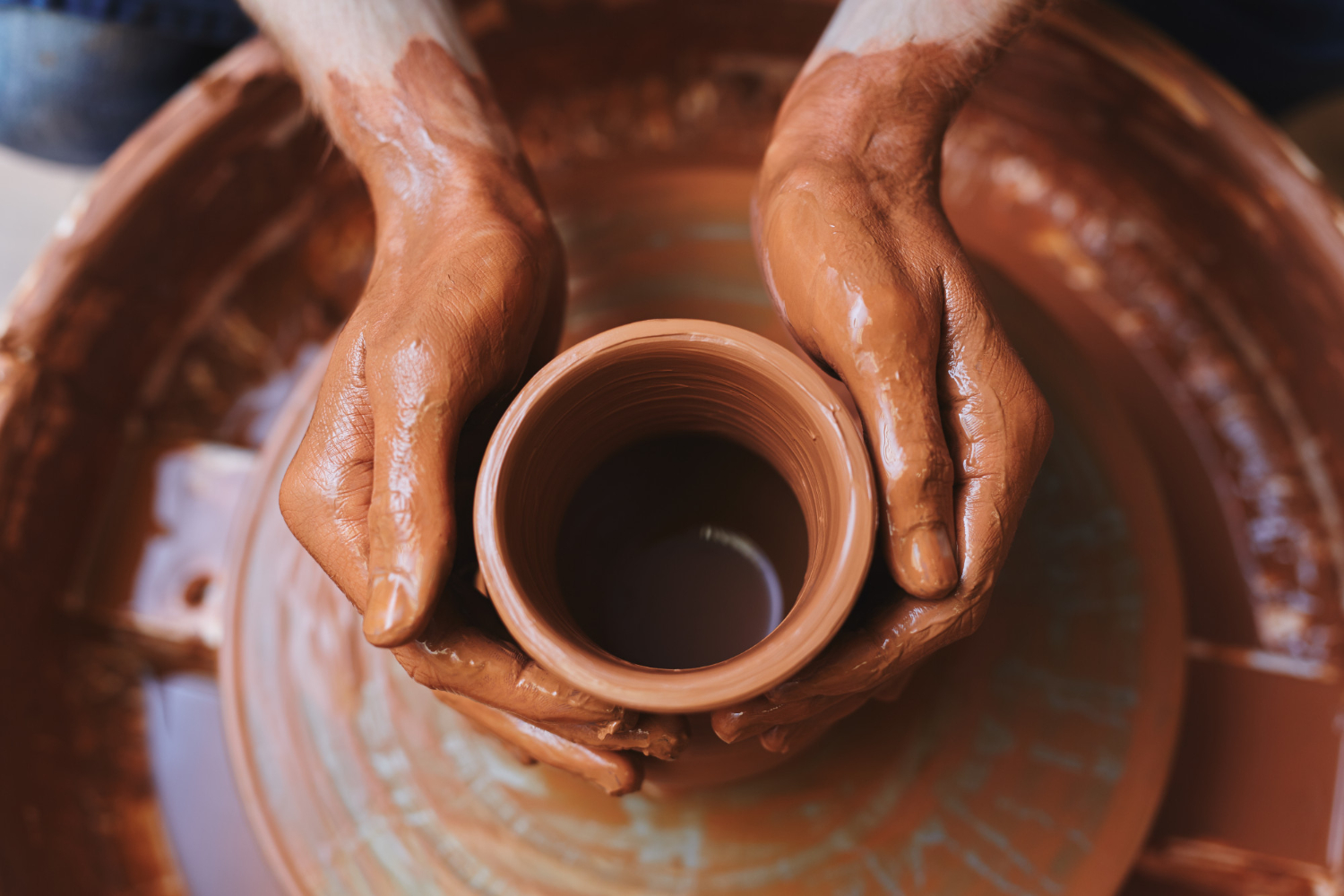
The whole subject rests on one transformation: heat driving water out of the clay structure in a way that cannot be undone. Here are sixteen consequences.
1. Clay Works Because the Particles Are Flat
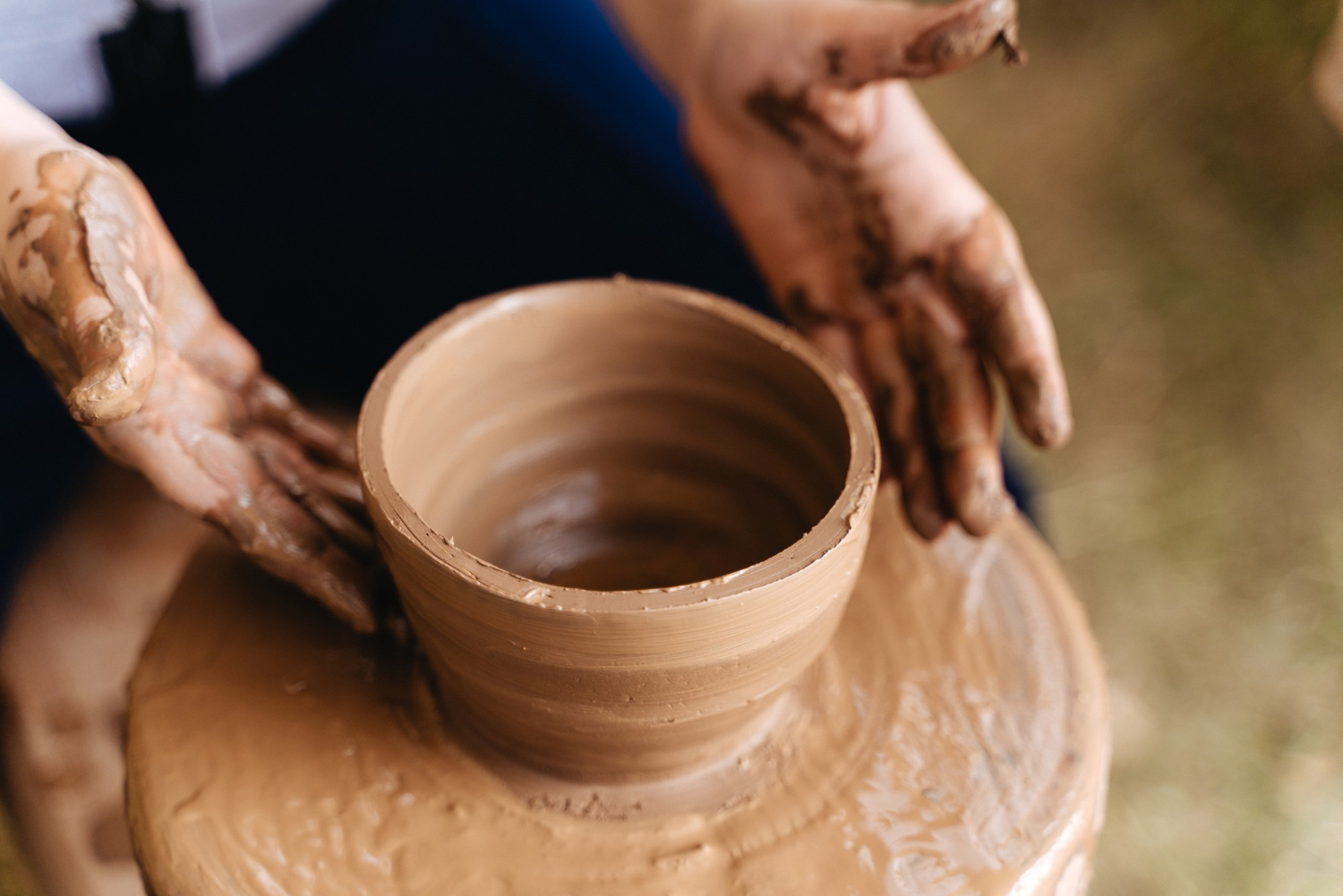
Clay is plastic because its particles are microscopic plates with water between them, so they slide over one another while holding together.
That is why it can be shaped and why it holds the shape. Plate structure is the property that makes clay unlike any other wet material.
Like our content? Follow us for more.
2. Drying Is Not Firing
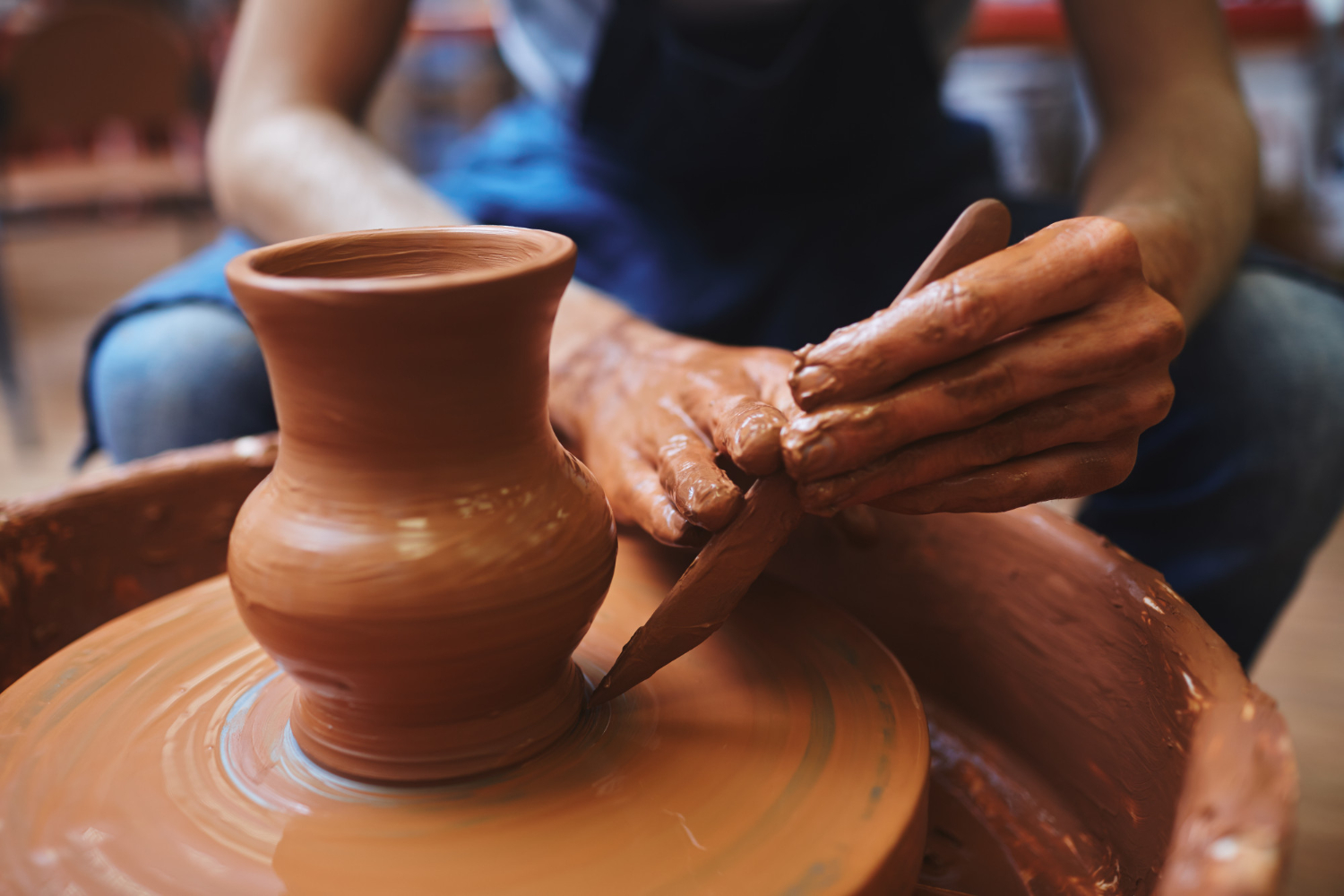
Air-dried clay is still clay. It has lost the water between the particles and retains the water chemically bound within them, and adding water returns it to mud.
Nothing permanent has happened. Drying is the reversible stage that people mistake for finishing.
3. Firing Removes Water That Was Part of the Structure
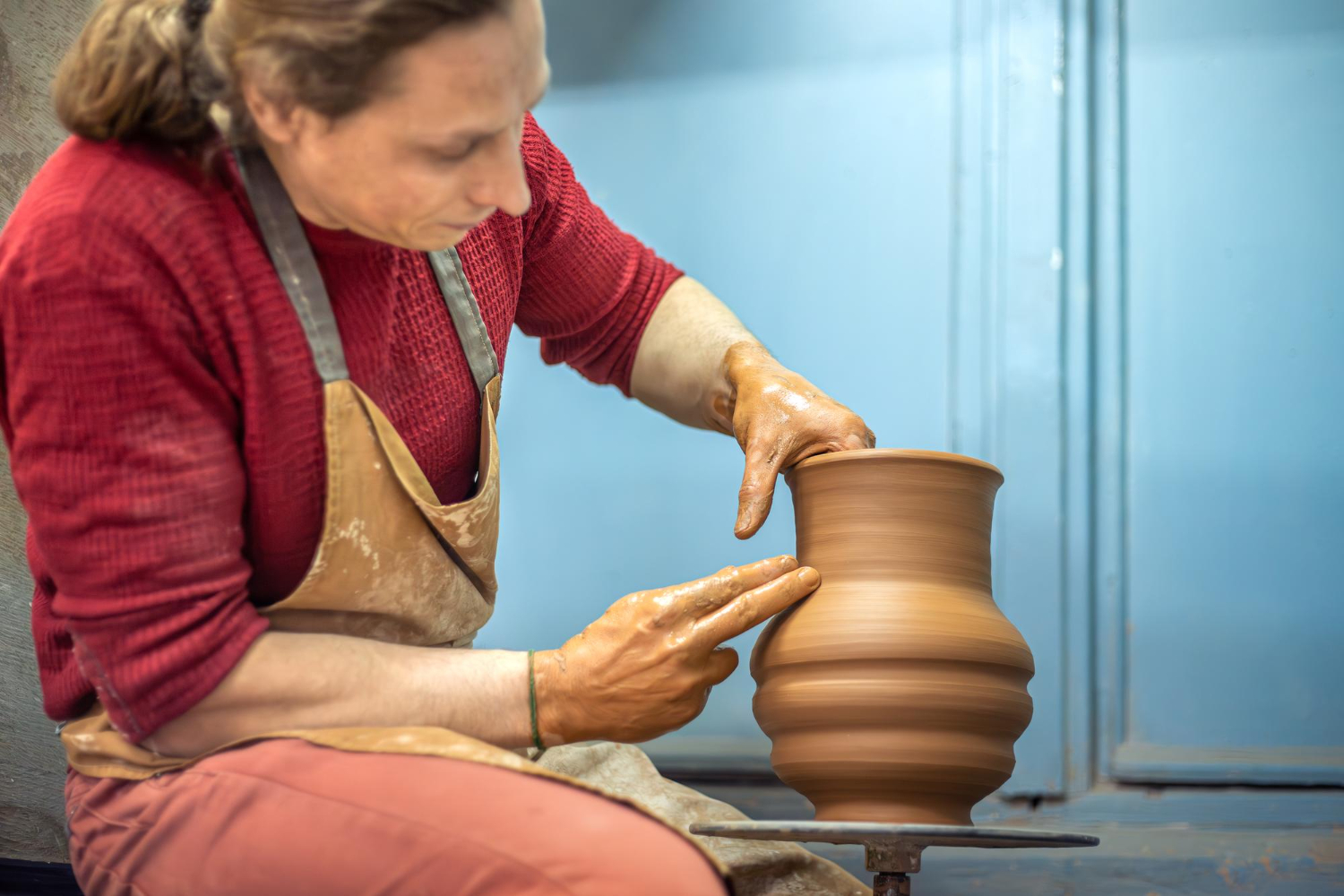
Above a certain temperature the chemically bound water is driven out of the clay minerals themselves, which changes the material permanently.
From that point it is ceramic rather than clay. Chemical dehydration is the irreversible moment the whole craft turns on.
4. Which Is Why It Cannot Be Undone
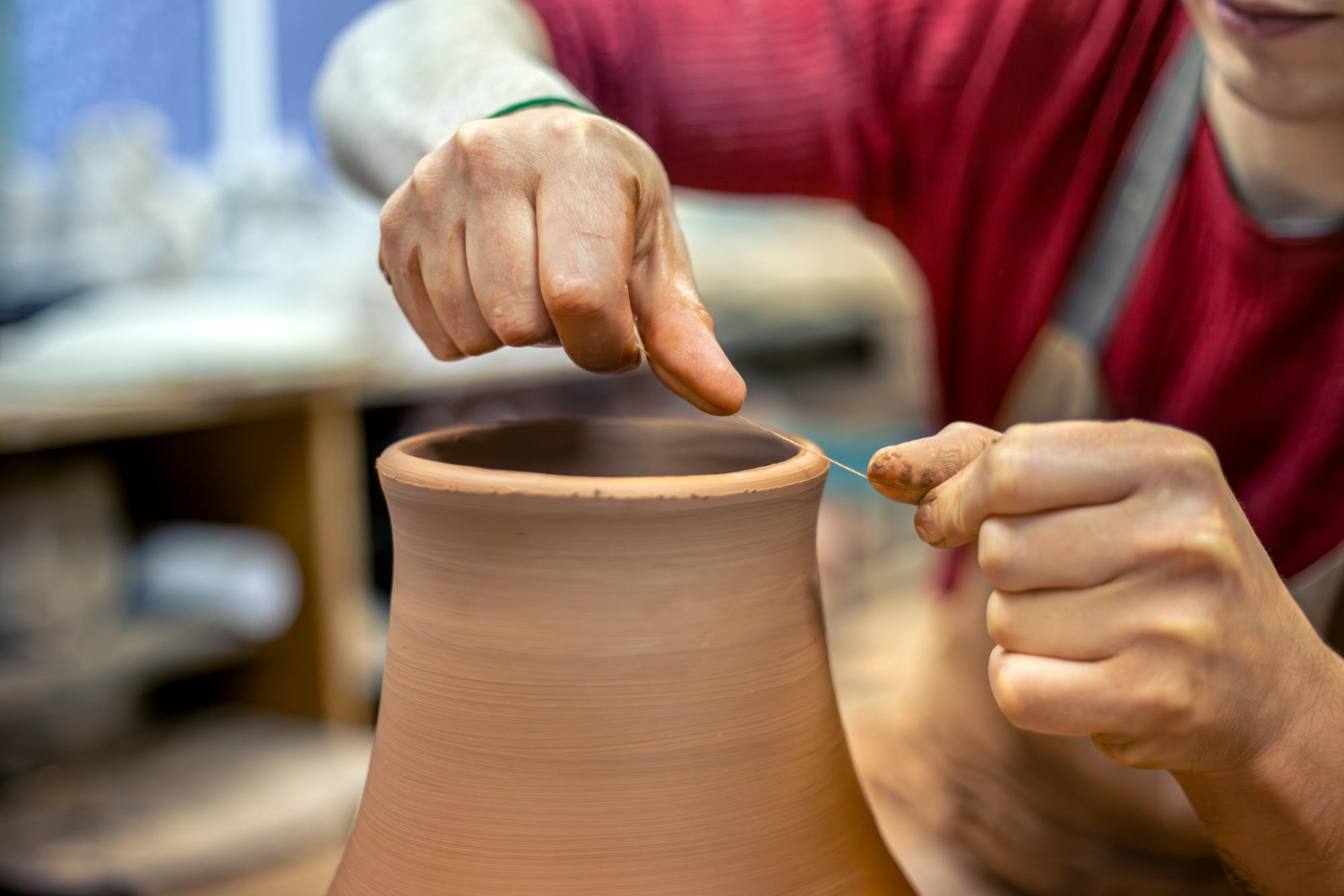
A fired pot cannot be softened, reworked or recycled into clay. Breakage is terminal and the material can only be crushed and used as filler.
That finality distinguishes it from almost every other craft material. Irreversibility is the property that makes every firing a commitment.
5. It Shrinks Twice
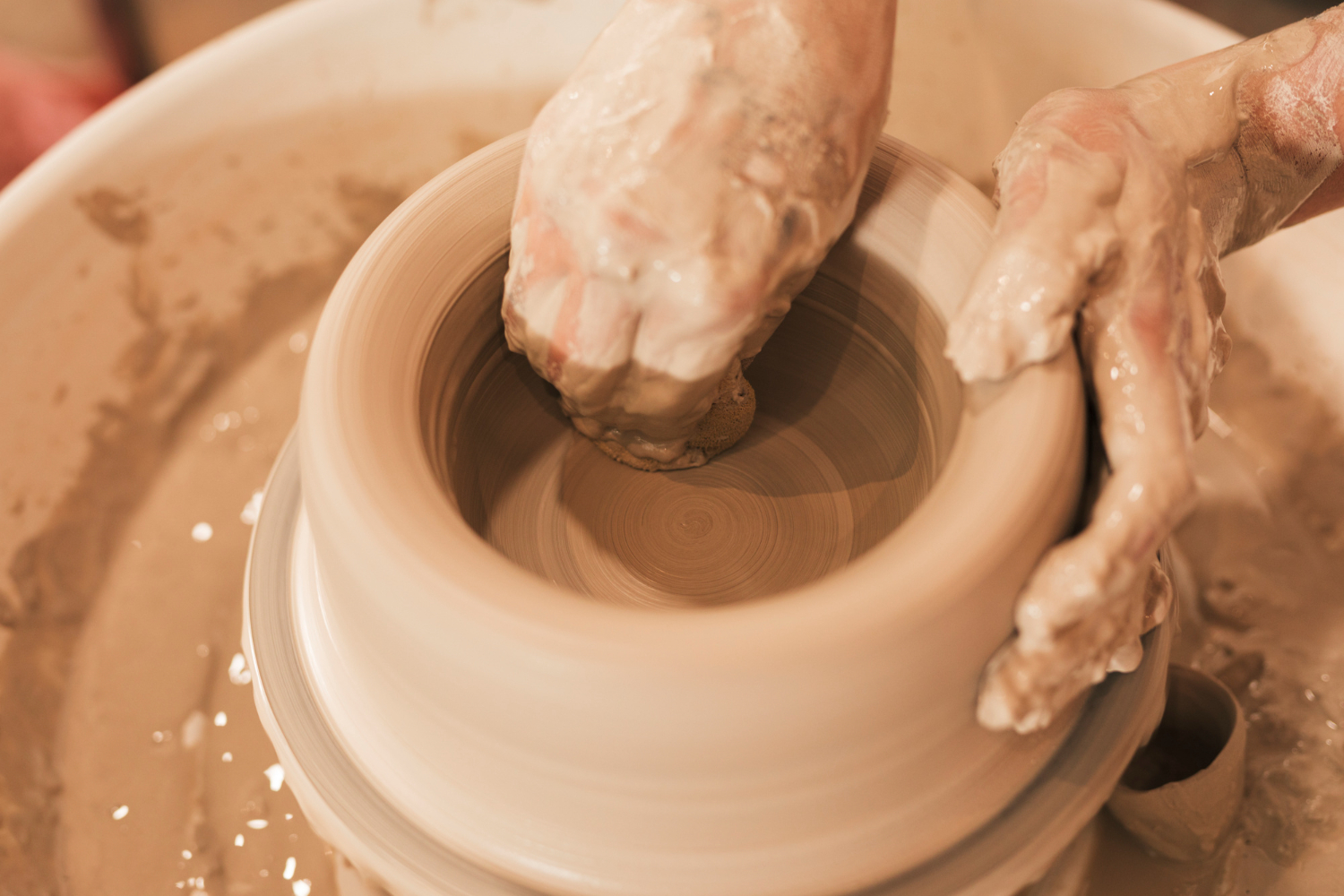
Clay shrinks as it dries and shrinks again when fired, by amounts that vary with the clay body, so anything made has to be built larger than the intended finished size.
Uneven shrinkage causes warping and cracking. Double shrinkage is the constraint every maker works around from the first moment.
6. Glaze Is a Layer of Glass
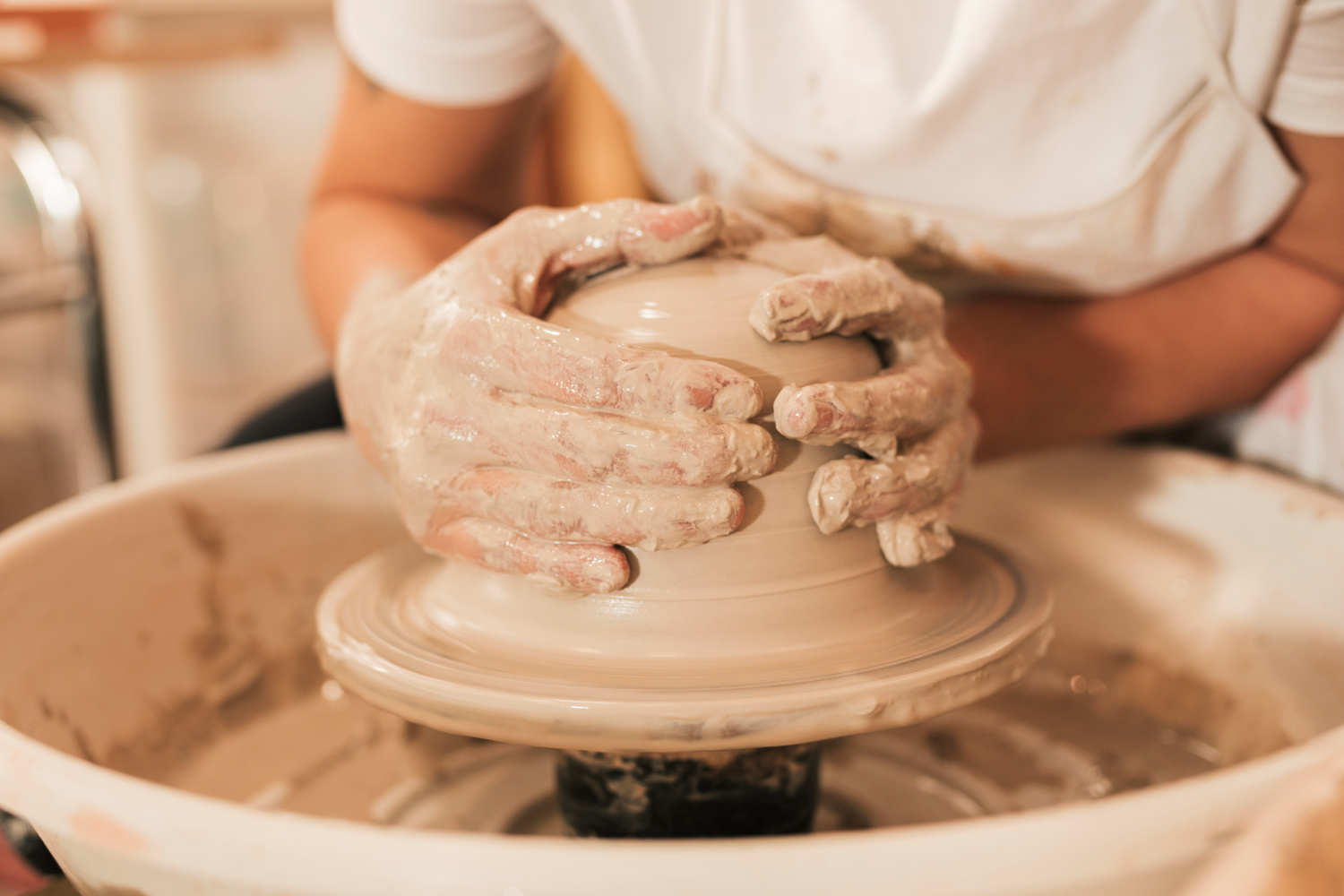
A glaze is a coating of material that melts into glass on the surface during firing, sealing the porous body and providing colour and finish.
It is the same physics as glassmaking applied as a skin. Glaze as glass is the fact that explains everything about how it behaves.
7. The Glaze and the Pot Must Expand Together
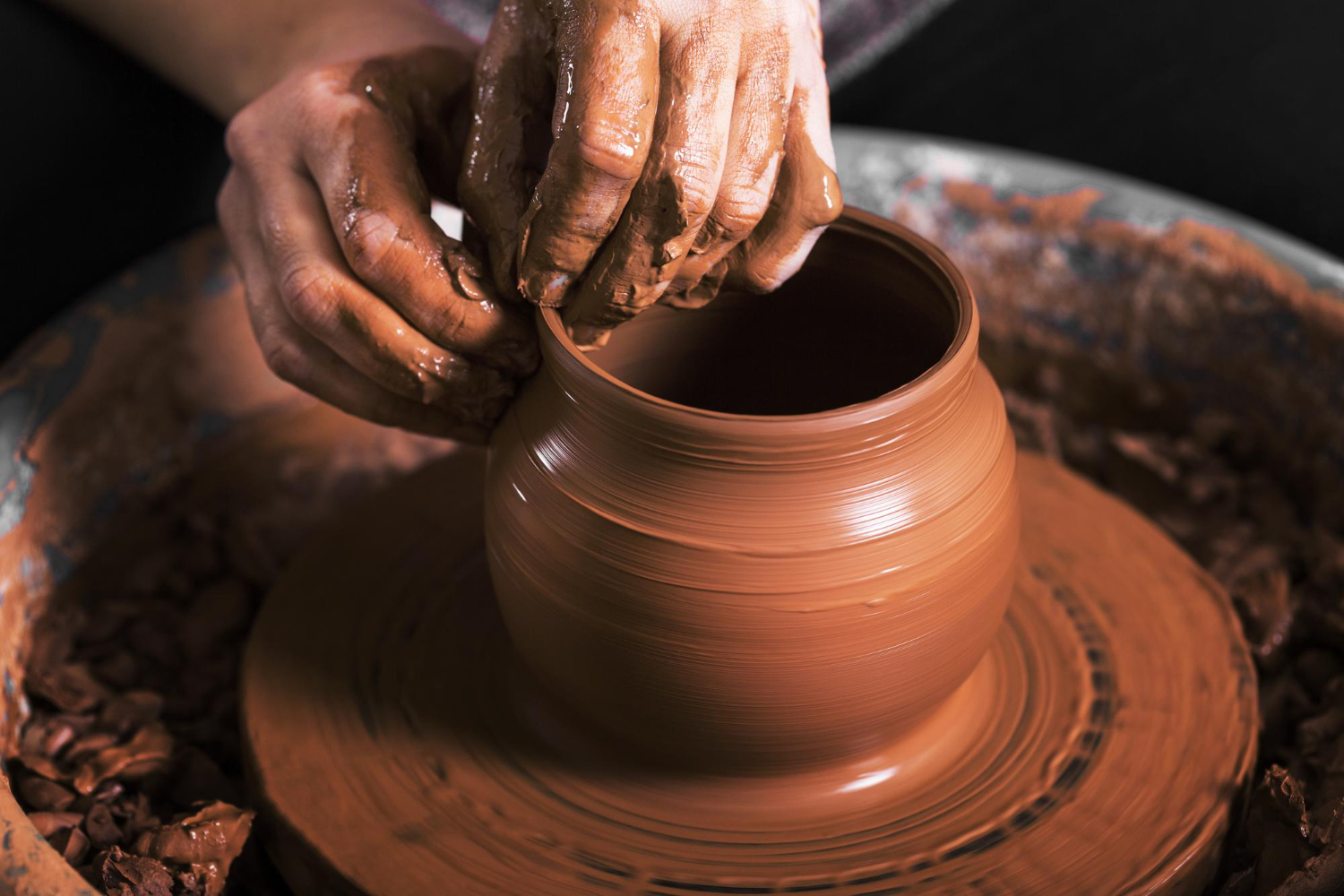
If the glaze and the body expand and contract at different rates during cooling, the glaze develops a network of fine cracks or flakes away entirely.
Matching them is a formulation problem rather than a decorative one. Thermal matching is the requirement that makes glazing chemistry rather than painting.
8. Firing Temperature Decides the Whole Material
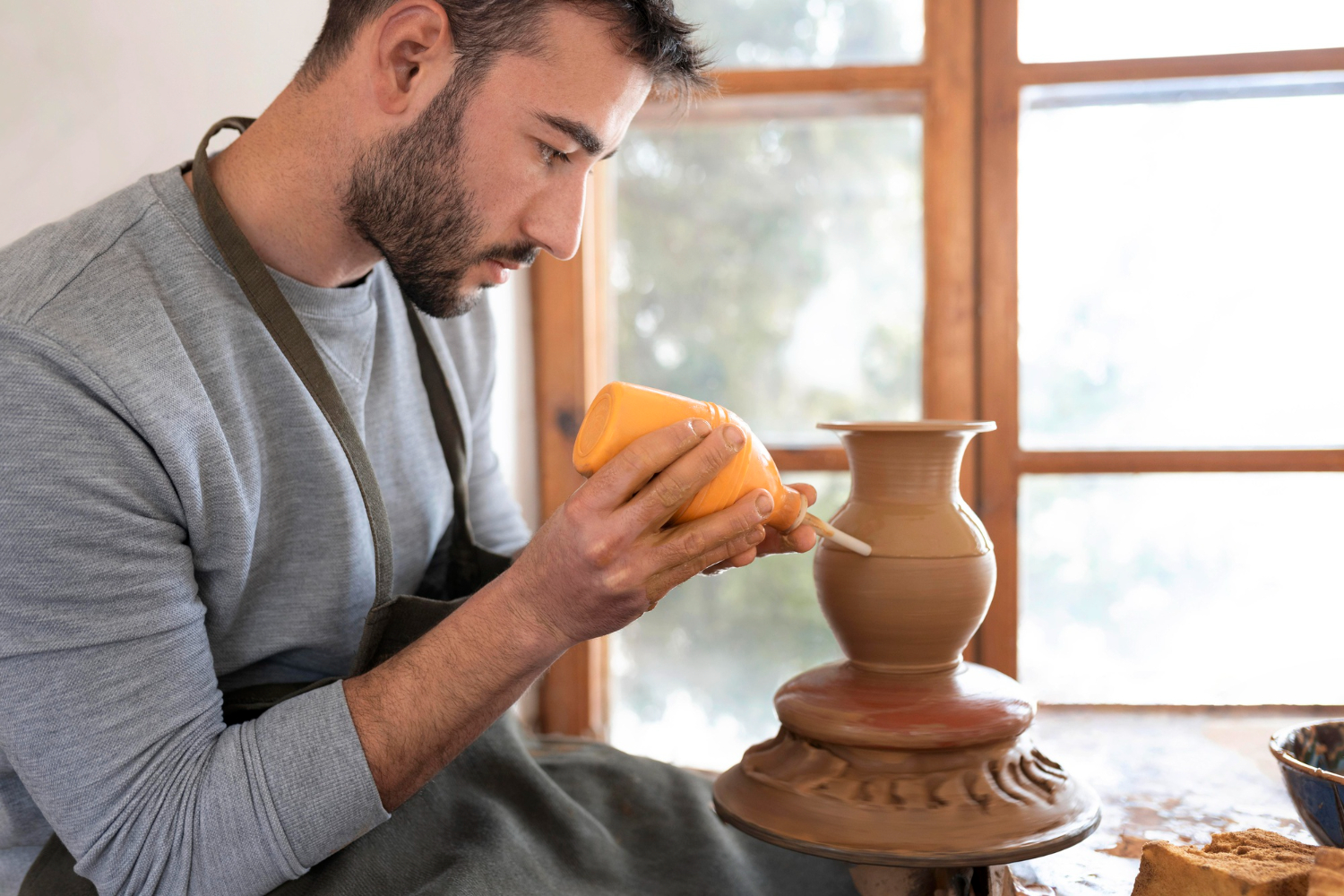
Low firing produces a porous body that must be glazed to hold liquid; high firing fuses the body itself into something dense and impermeable.
The same clay fired differently is a different product. Firing temperature is the variable that separates the major ceramic categories.
9. Porous Pots Keep Water Cool
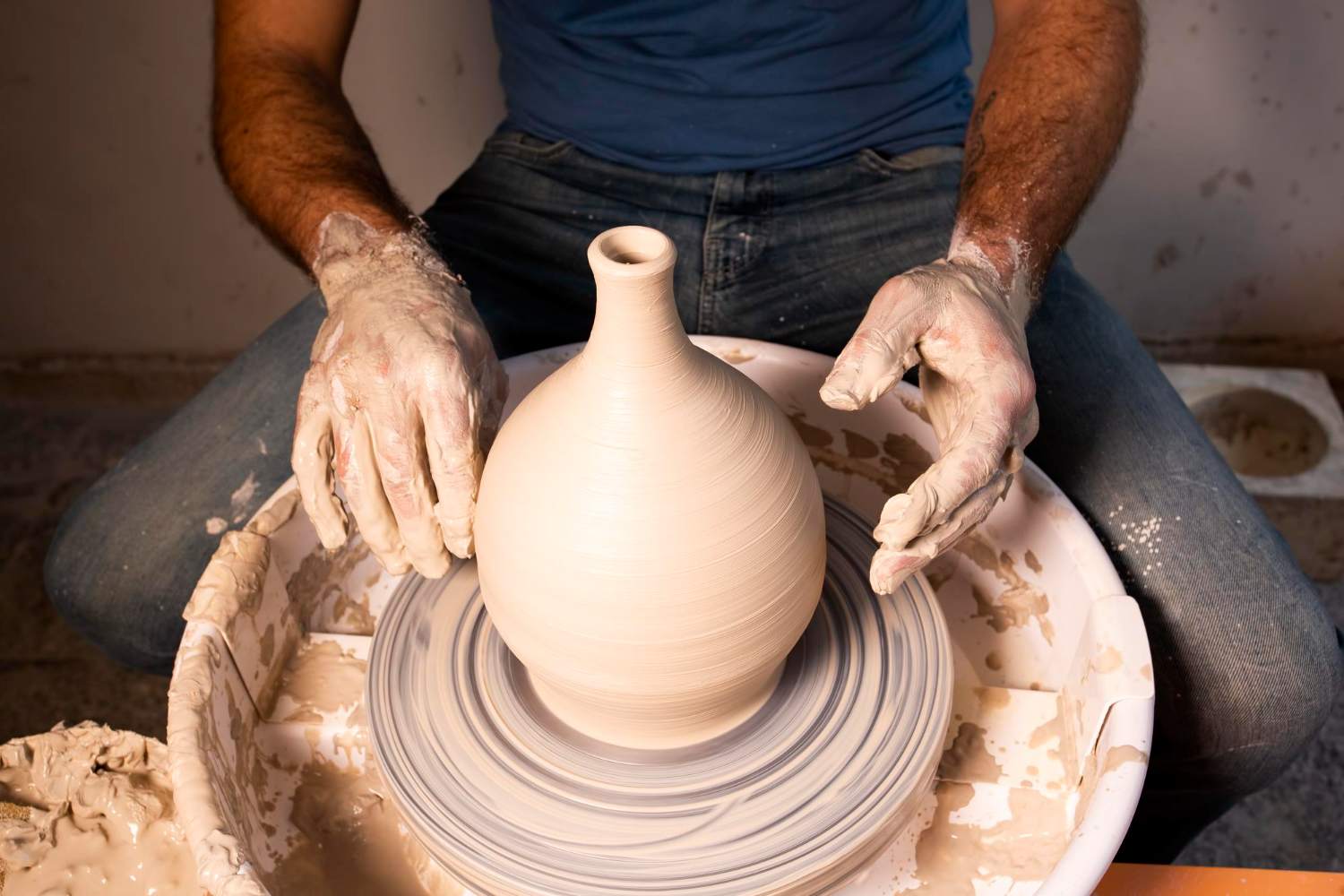
An unglazed porous vessel allows a small amount of water to seep through and evaporate from the outside, which cools the contents substantially in dry heat.
It is a refrigerator with no moving parts. Evaporative cooling is the function that made porous ware valuable in hot climates.
10. Some Historic Glazes Are Not Used Any More
A number of materials that produced excellent colours and finishes were later found unsuitable for anything holding food or drink and are no longer used for that purpose.
Modern equivalents were developed to reproduce the appearance. Superseded glazes are the materials whose results outlived their use.
11. The Kiln Atmosphere Changes the Colours
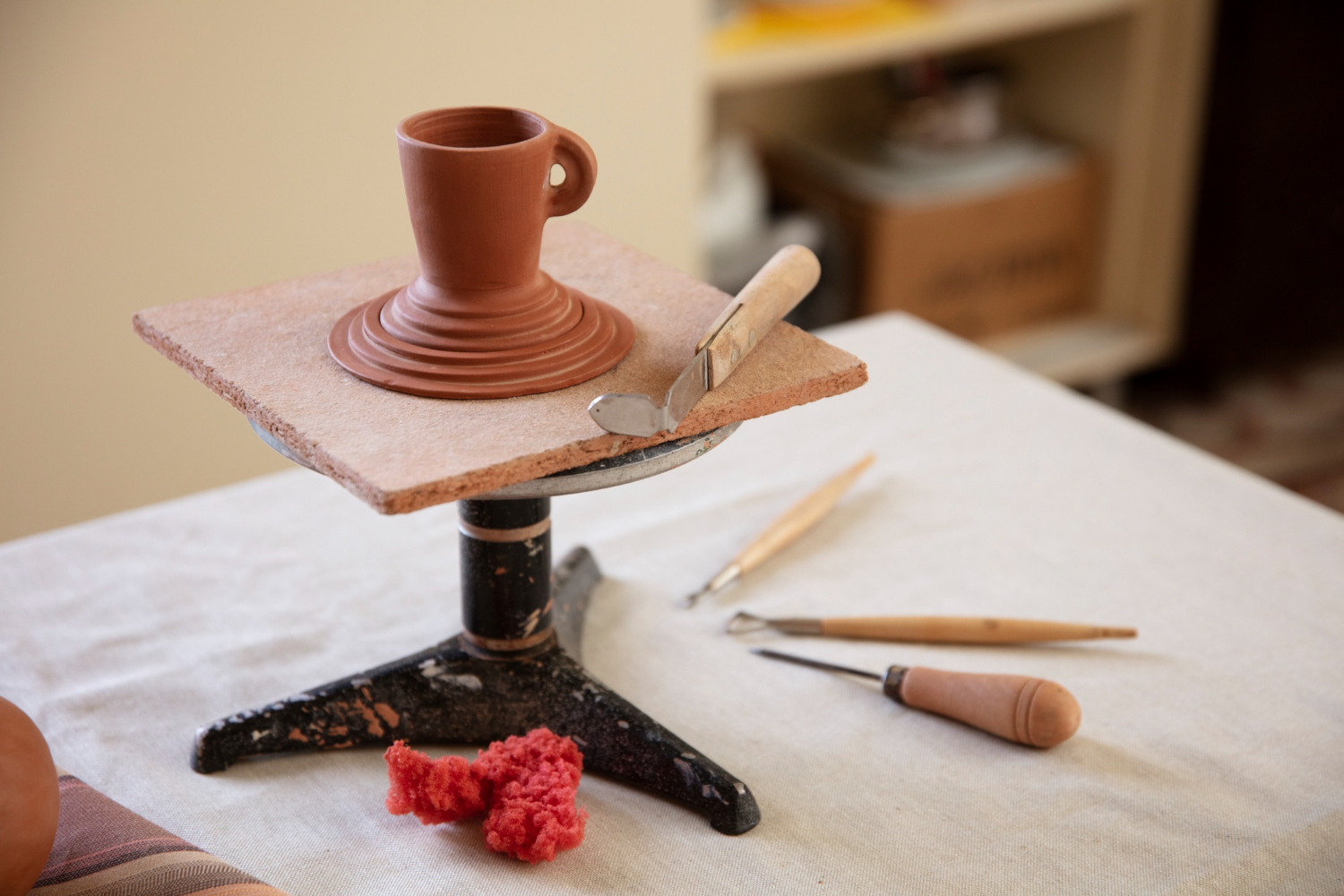
Whether the firing has plentiful oxygen or is starved of it alters the chemistry of metal compounds in the glaze, producing entirely different colours from identical materials.
Controlling that is a large part of the skill. Kiln atmosphere is the variable that makes the same glaze two colours.
12. The Wheel Requires a Centred Mass
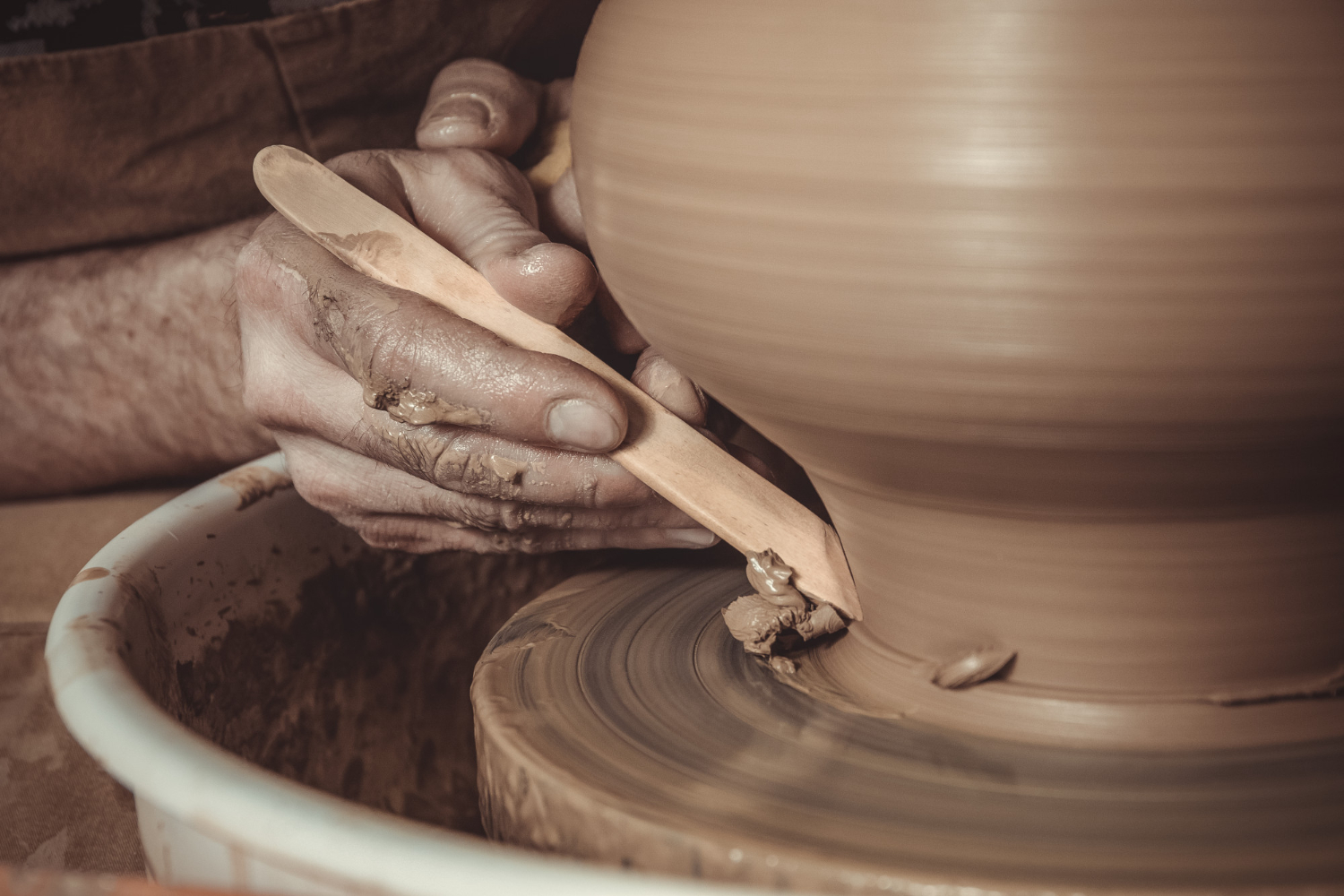
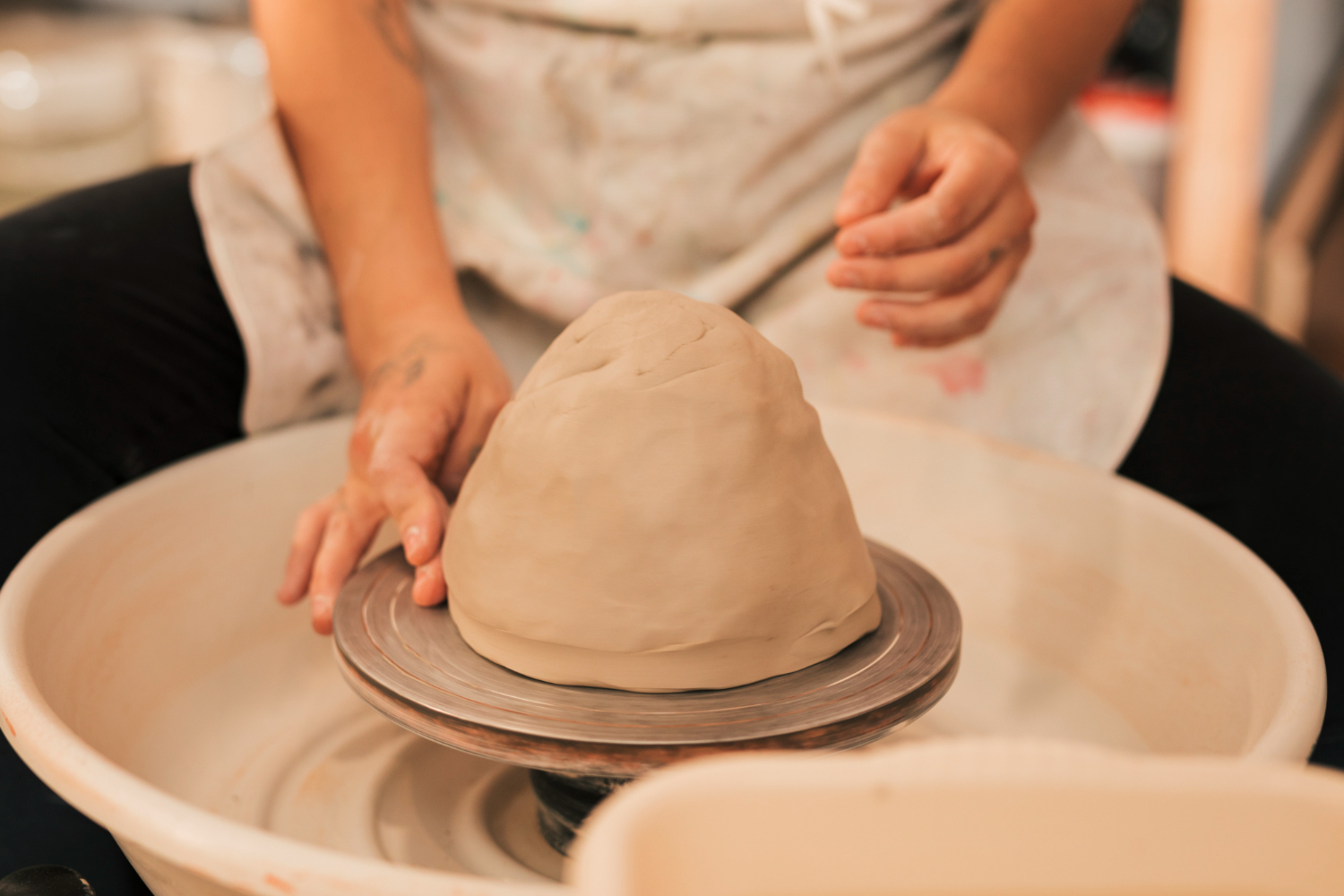
A potter wheel works by rotation, and unless the clay is centred exactly on the axis it wobbles and cannot be formed.
Centring is the first skill learned and the one that takes longest. Centring is the requirement that makes the wheel difficult rather than convenient.
13. Most Pottery Was Never Thrown
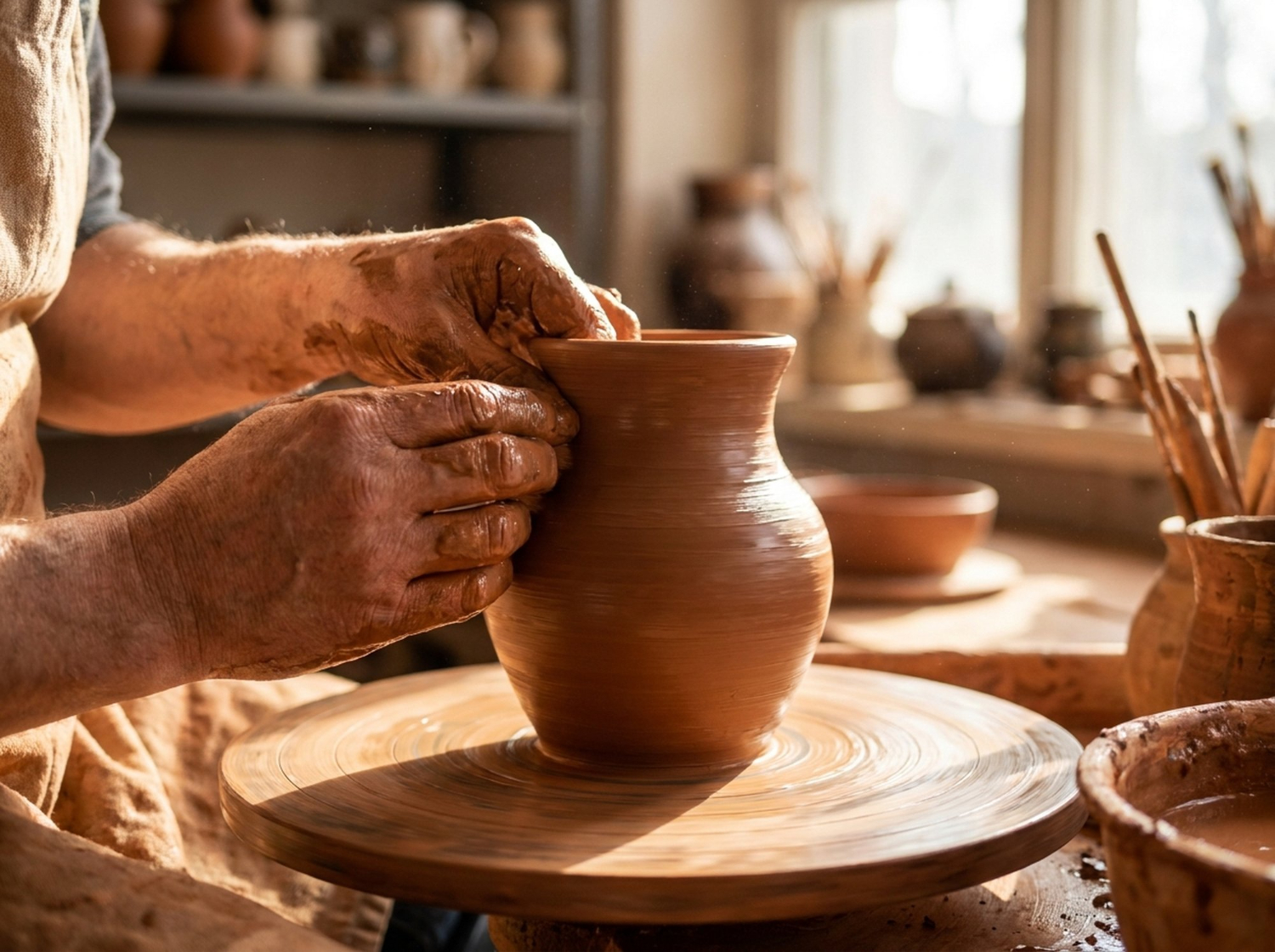
Coiling, slab building and pinching produce vessels without any wheel and were the dominant methods for most of the history of the craft in most places.
The wheel is a specialisation rather than the standard. Hand building is the technique that made most of the pots ever made.
14. Sudden Temperature Change Cracks It
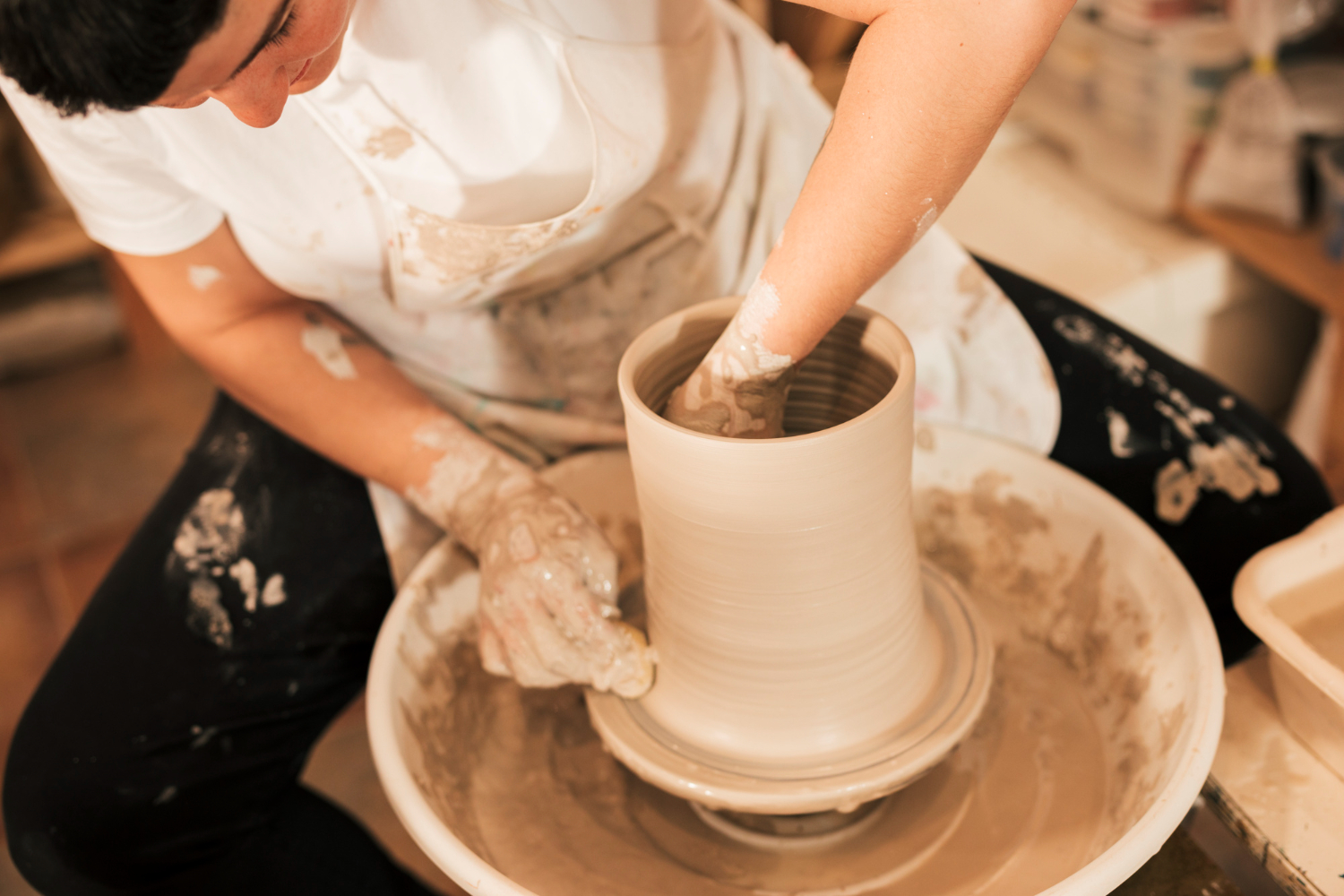
Heating or cooling ceramic quickly makes different parts expand by different amounts, creating internal stress that the material cannot absorb.
Some bodies are formulated to tolerate it and most are not. Thermal shock is the failure mode that governs how ceramics can be used.
15. It Survives Almost Everything
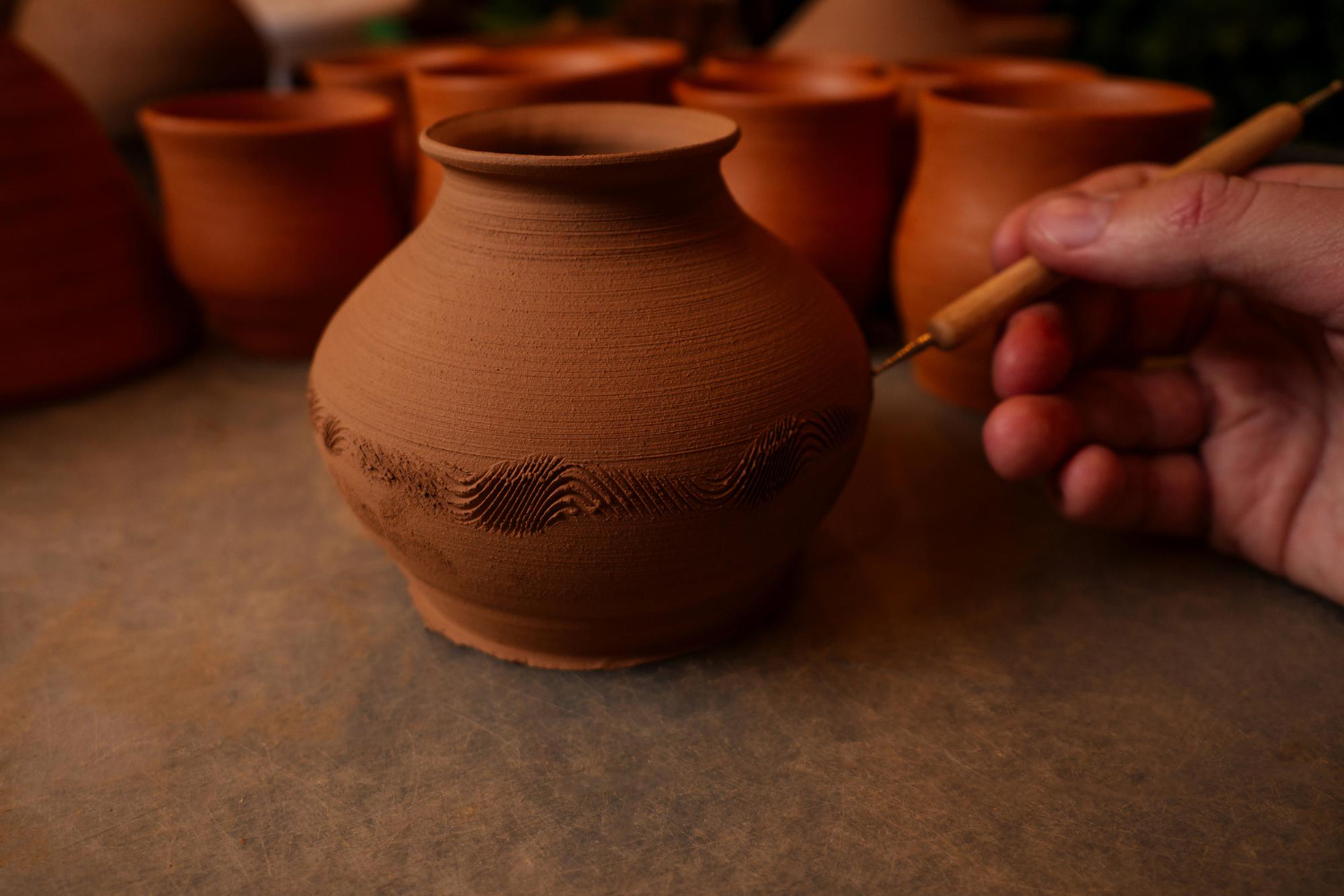
Fired ceramic does not rot, rust, dissolve or burn, so it persists in the ground essentially indefinitely even when broken.
Sherds outlast the buildings they were used in. Survivability is the property that has nothing to do with pottery and everything to do with what we know.
16. Which Is Why It Dates Everything
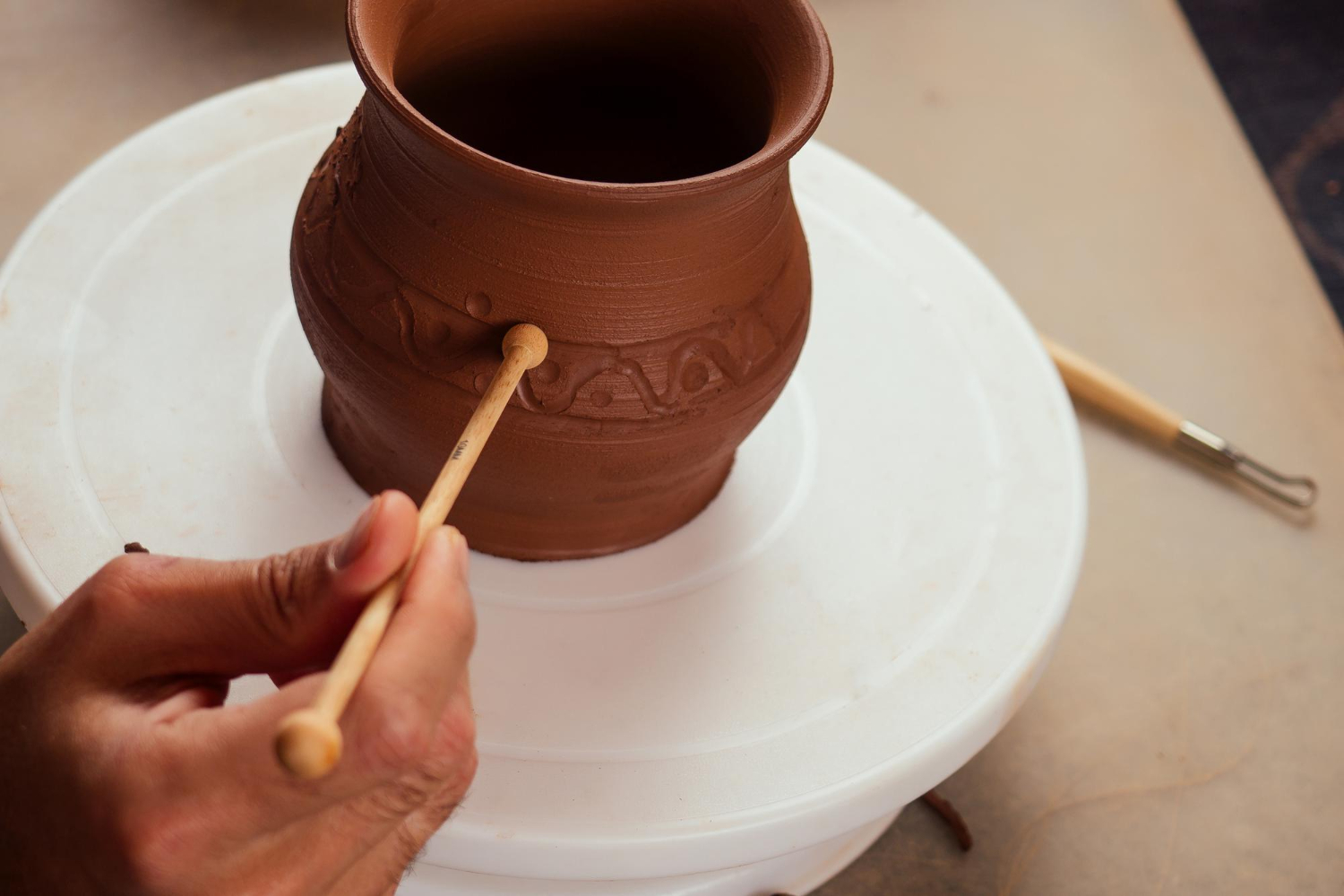
Because pottery styles changed continuously and the fragments survive everywhere, ceramics are the primary means of dating archaeological layers across most of the world.
A broken pot is a clock. Sherd dating is the reason the least valuable object on a site is frequently the most useful.
One Irreversible Change
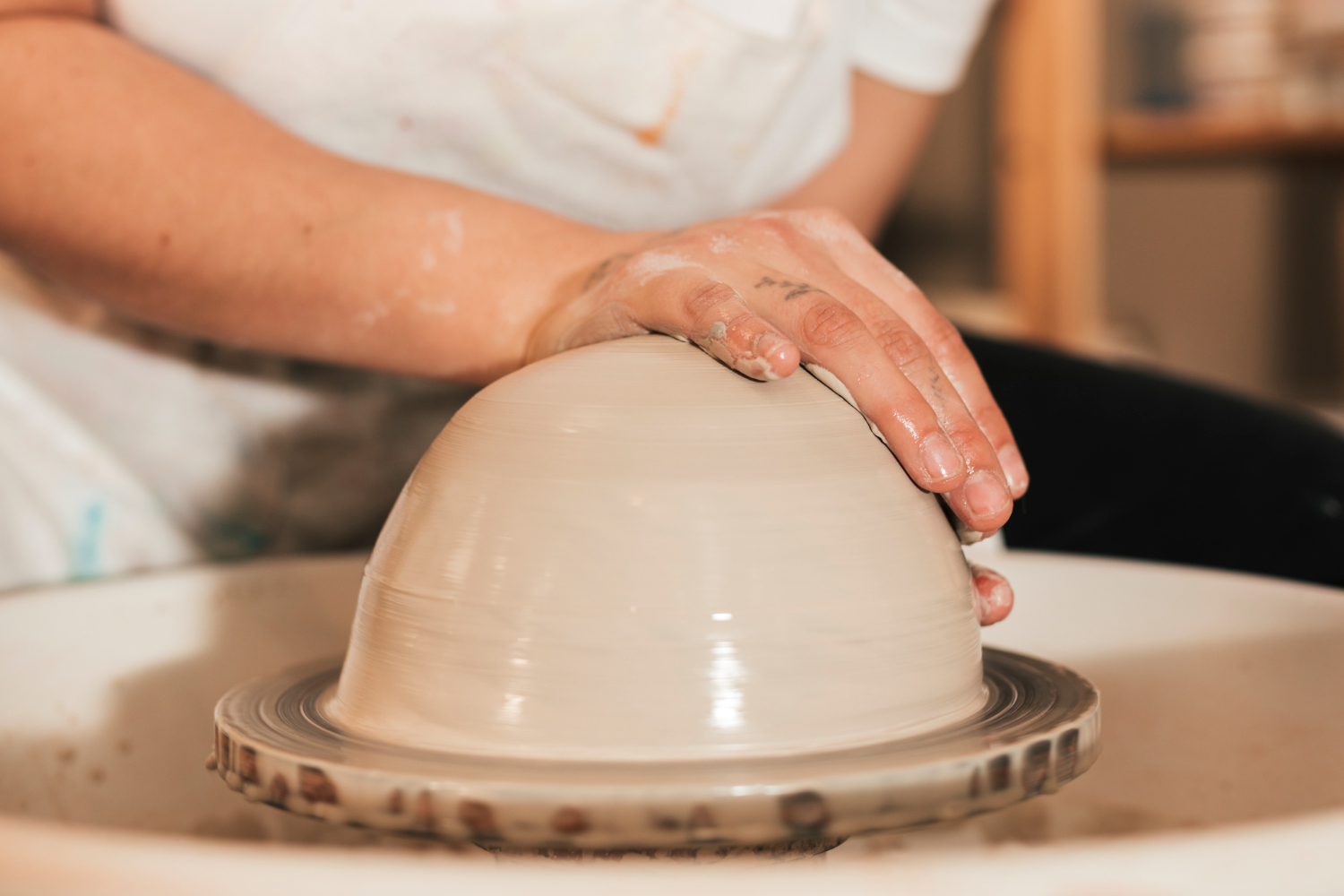
Every property here follows from heat driving structural water out of clay minerals in a way that cannot be reversed – the shrinkage, the strength, the porosity, the glaze, the survival and the archaeology.
The last two items are the ones with consequences beyond the craft. A material that outlasts everything else people made, was produced everywhere, broke constantly and was never worth reusing turns out to be the most informative thing on almost any archaeological site – which is a considerable second career for a broken pot.
Like our content? Follow us for more.