The directory was one of the few objects that arrived in every home whether or not anybody wanted it, and it stayed for a year doing several jobs at once. Here are eleven.
1. It Simply Arrived
Nobody ordered it and nobody paid for it. It appeared on the doorstep or in the porch annually, and the old one was superseded on the spot.
There was no opting out. The unrequested delivery is the arrangement that put the same object in every house.
Like our content? Follow us for more.
2. It Was Enormous and Thin at Once

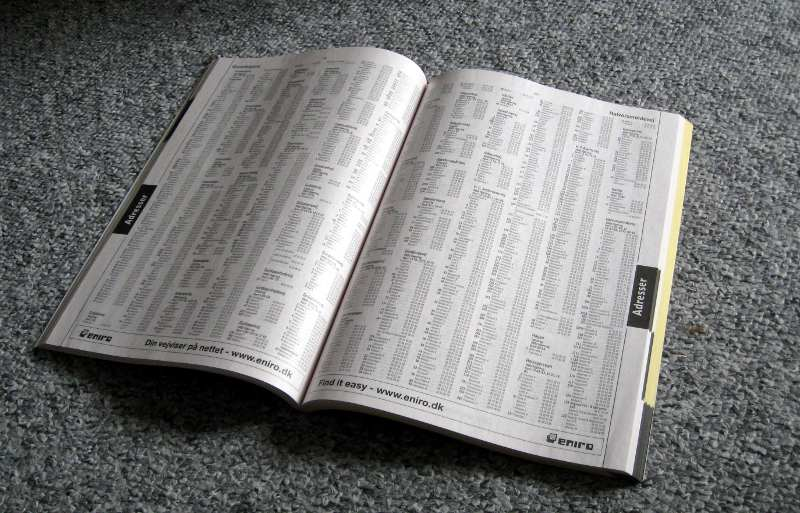
The paper was extraordinarily thin to keep the thing liftable, which meant pages tore easily, turned several at a time and felt unlike any other book.
You could see through a page to the next one. The paper is the physical property everybody remembers.
3. Looking Somebody Up
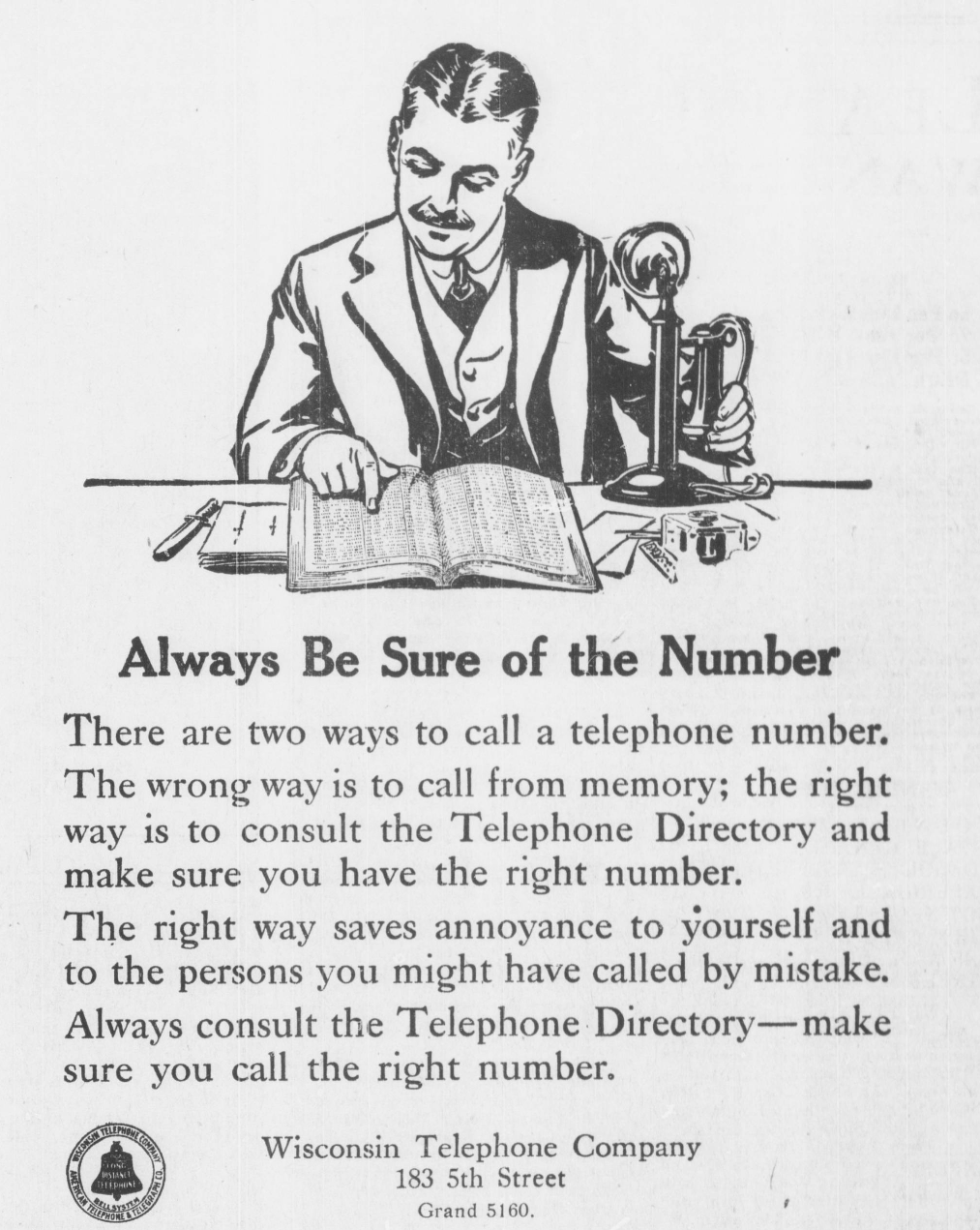
Finding a number meant knowing the surname, the initial and roughly where somebody lived, and then working through however many entries shared that name.
Common surnames were a real problem. The alphabetical search is the skill the object required.
4. The Two Books
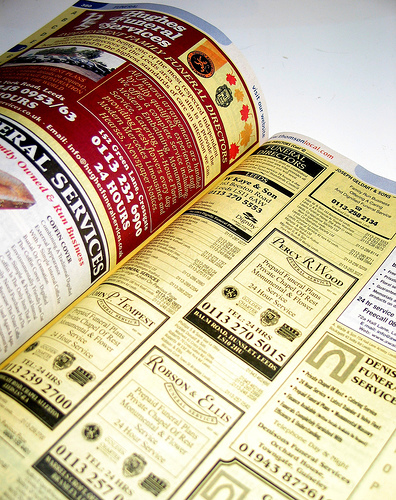
Most areas had a residential directory and a separate classified one for businesses, organised by trade rather than by name, and the two were used completely differently.
Nobody confused them. The two-volume arrangement is the division that made one an index and the other a catalogue.
5. Finding a Tradesman by Category
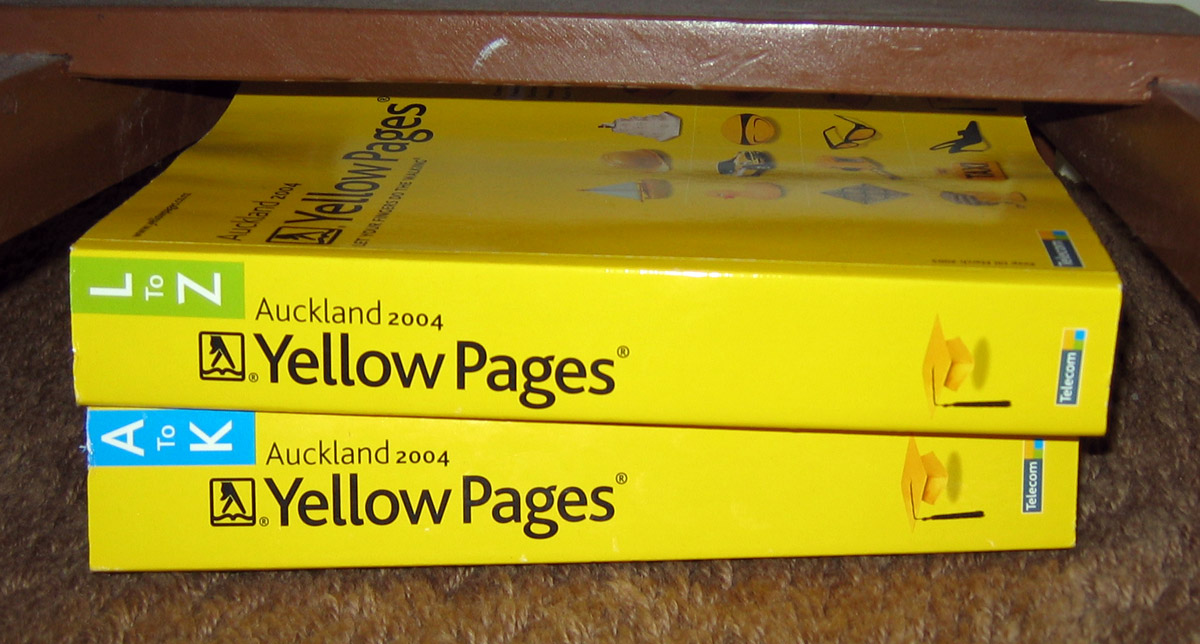
Needing something repaired meant turning to the relevant heading and choosing from whoever had paid for the largest advertisement, with no other information available.
Size of advert was the only signal. Category browsing is the selection method that preceded every review anybody has read since.
6. Looking Up Your Own Entry
Everybody checked that they were in it, in the right place, spelled correctly, and there was a small satisfaction in seeing the household listed.
Errors were reported and corrected the following year. Finding yourself is the ritual everybody performed on delivery day.
7. Looking Up People You Knew
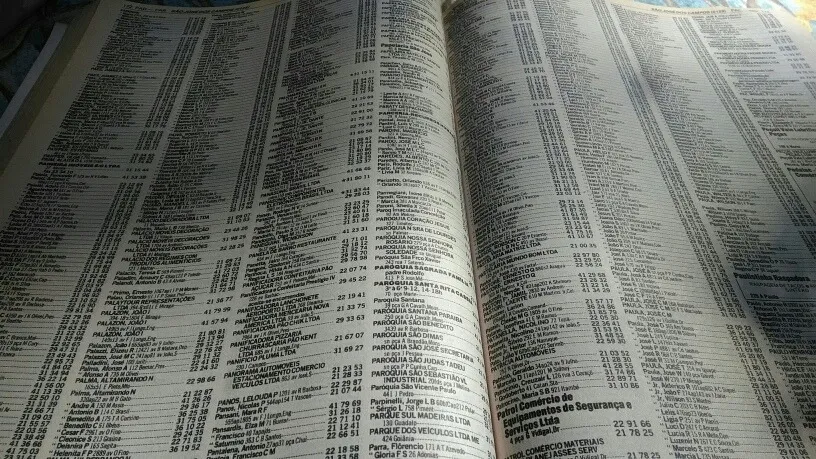
Searching for friends, relatives, teachers and anybody else recognisable was a recognised way of passing time, and produced a surprising amount of information.
It was the only means available. Browsing for familiar names is the activity the object generated unintentionally.
8. The Second Career as Furniture

A directory made a booster seat, a doorstop, a monitor stand, a step, a press for flowers and a weight for anything that needed holding flat.
Its usefulness as an object exceeded its usefulness as a book. Physical repurposing is the reason households kept the old one as well.
9. Tearing One in Half
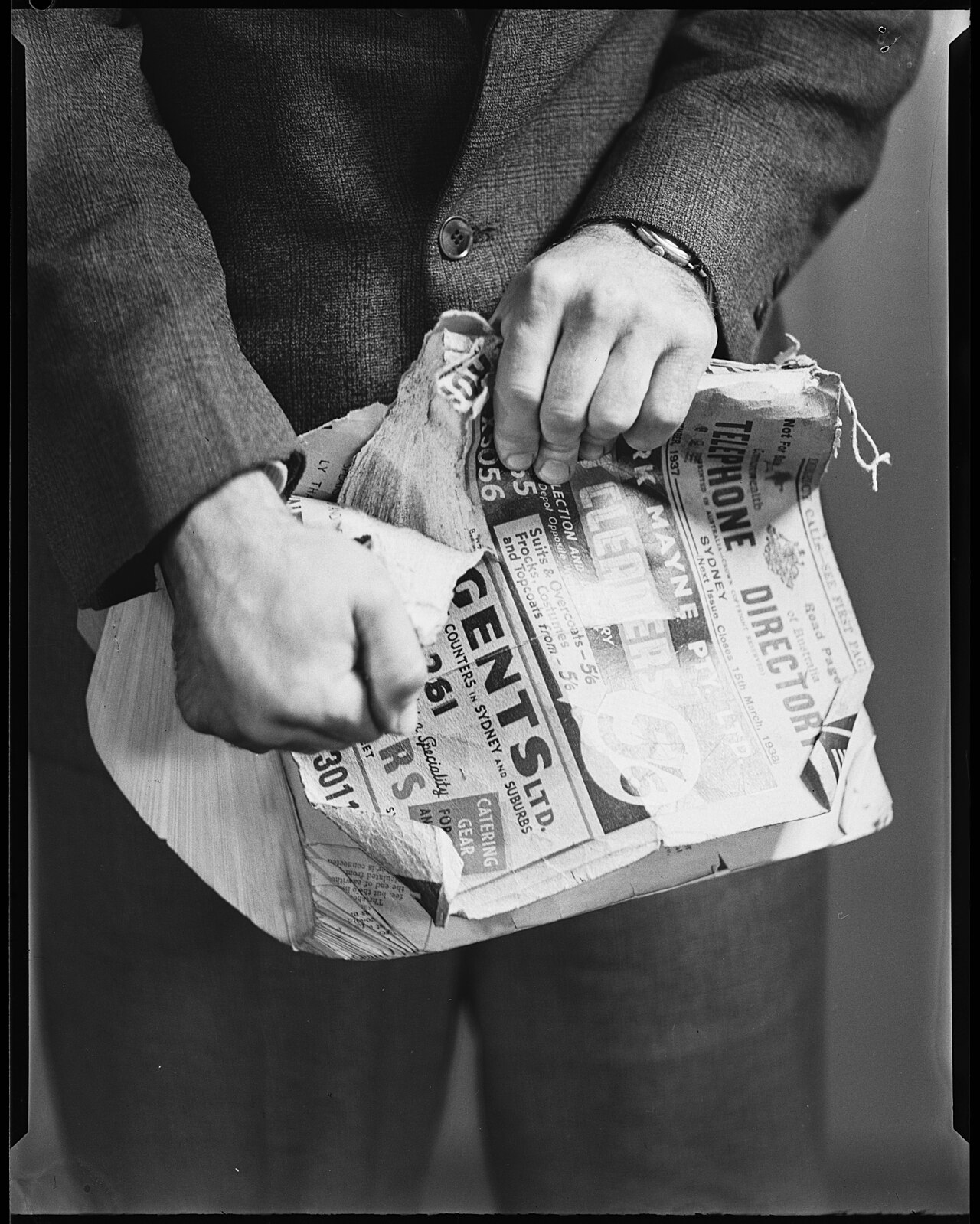
The claim that a phone book could be torn in half was a recognised feat of strength, attempted at parties and in playgrounds by people who had misjudged it.
Almost nobody succeeded. The tearing challenge is the folk tradition the object acquired.
10. Everybody Being In It
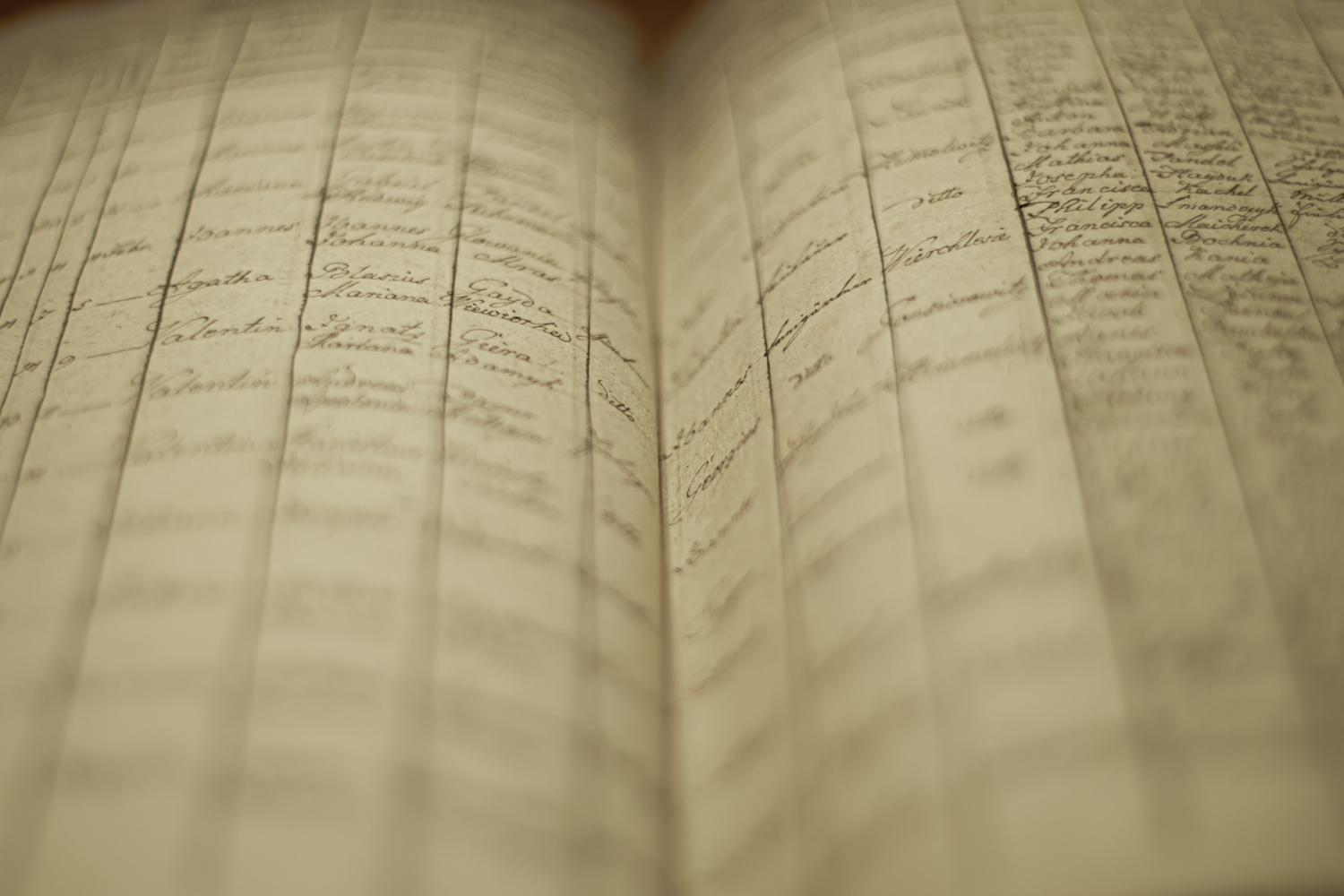
With very few exceptions, the entire population of an area was listed by name, address and number, and nobody regarded that as remarkable at the time.
It was simply how the system worked. Universal listing is the arrangement that would be unrecognisable now.
11. Realising It Has Completely Gone
The object that arrived in every household annually for decades stopped arriving, and almost nobody noticed the year it happened or missed it afterwards.
It disappeared without any moment of transition. The quiet ending is the fate of the most widely distributed book anybody ever received.
A Book Nobody Ordered and Everybody Had

The directory was free, universal, annual and useful for several things it was not designed for – and it vanished so gradually that essentially nobody can name the year theirs stopped coming.
The last item is the striking one. For decades this was among the most widely distributed printed objects in existence, present in essentially every household in the country, replaced annually without fail – and it ended so steadily that most people cannot say when they last saw one.
Like our content? Follow us for more.