

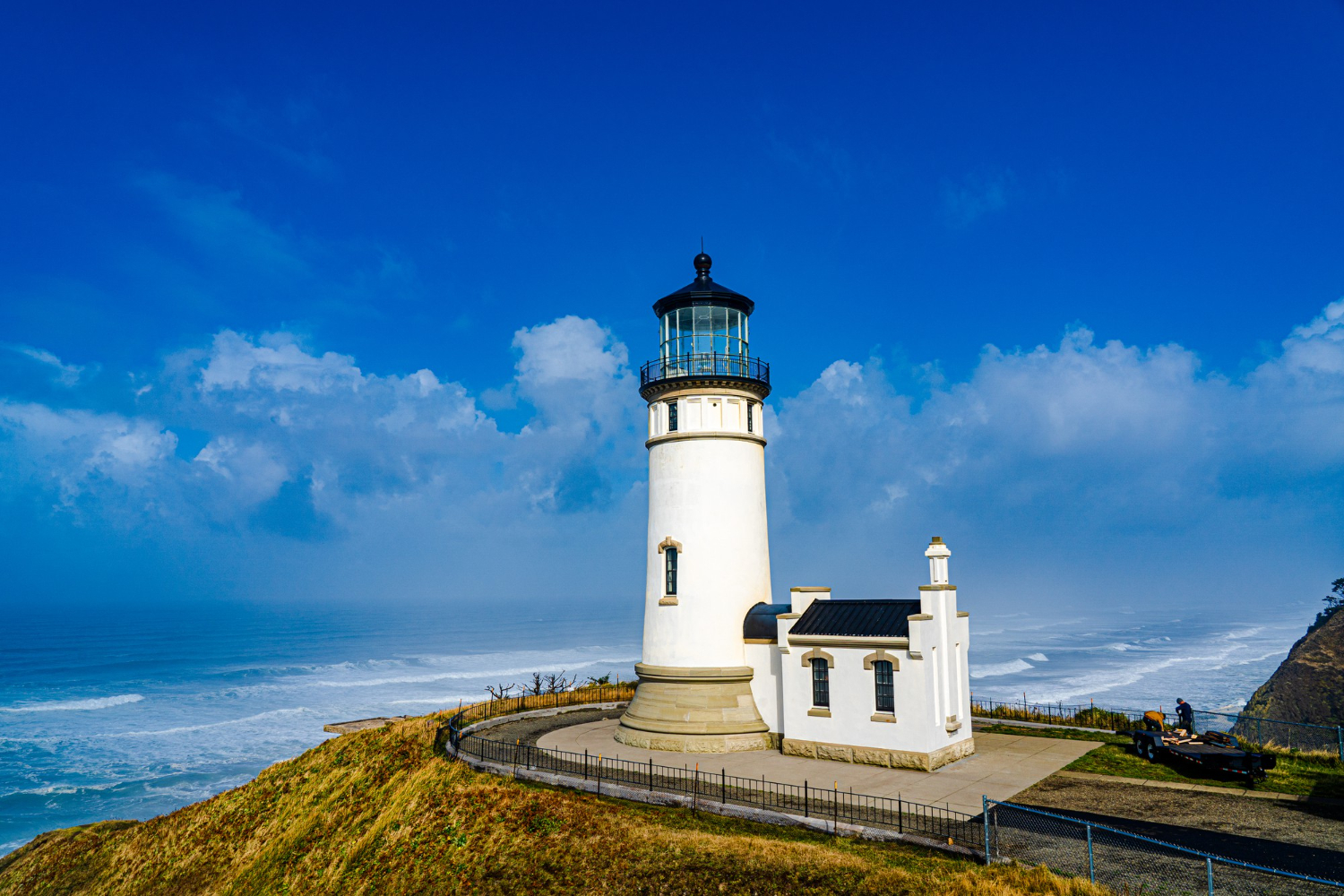
The design problem is not producing light. It is producing light that carries a specific identifiable message to somebody several miles away who needs to know exactly which coast they are looking at. Here are fourteen answers.
1. Being Identifiable Rather Than Just Visible
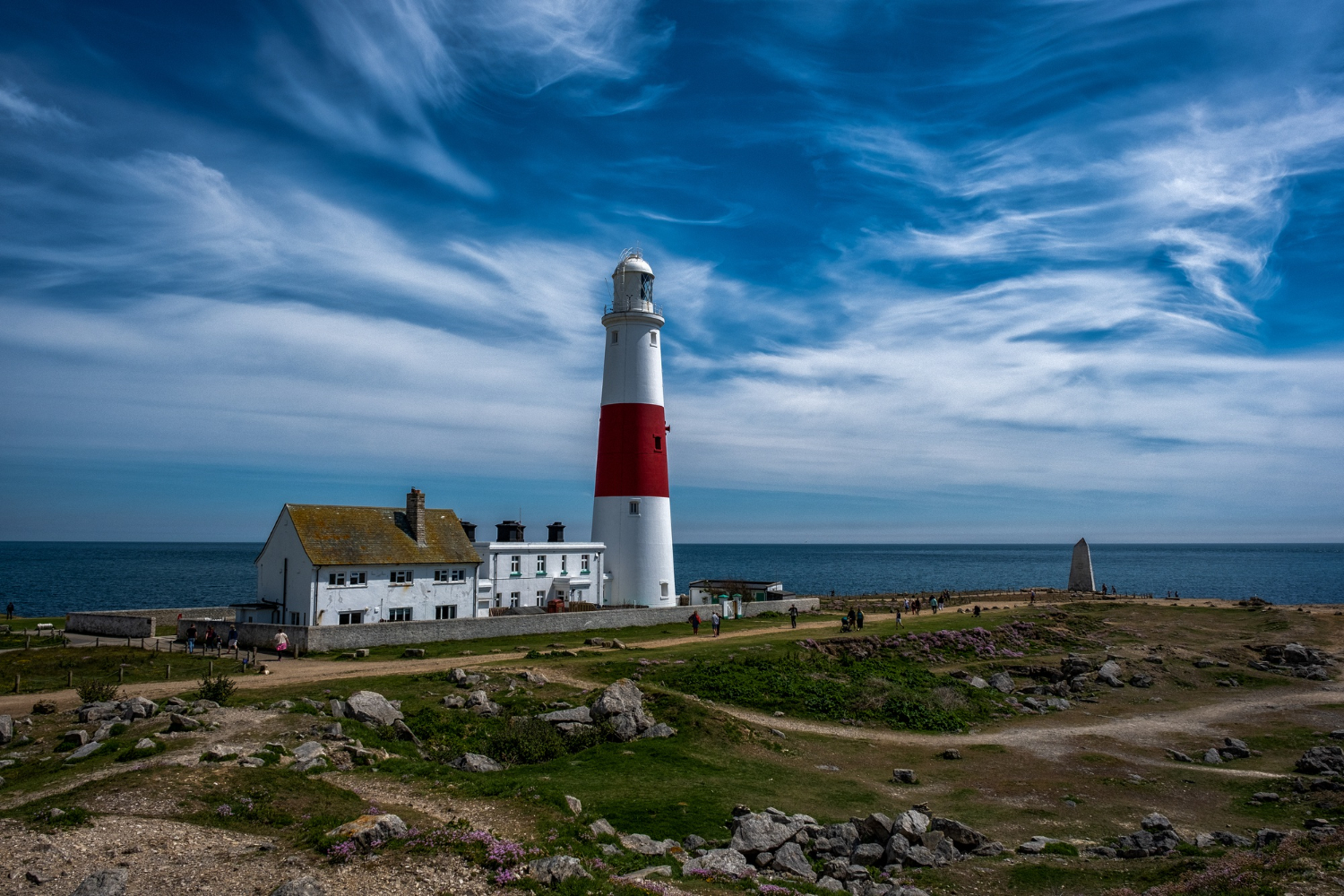
A light that cannot be distinguished from the next one along the coast is worse than useless, because a navigator who misidentifies it places themselves in the wrong position entirely.
Visibility is easy and identity is the problem. Distinguishability is the requirement everything else follows from.
Like our content? Follow us for more.
2. The Character
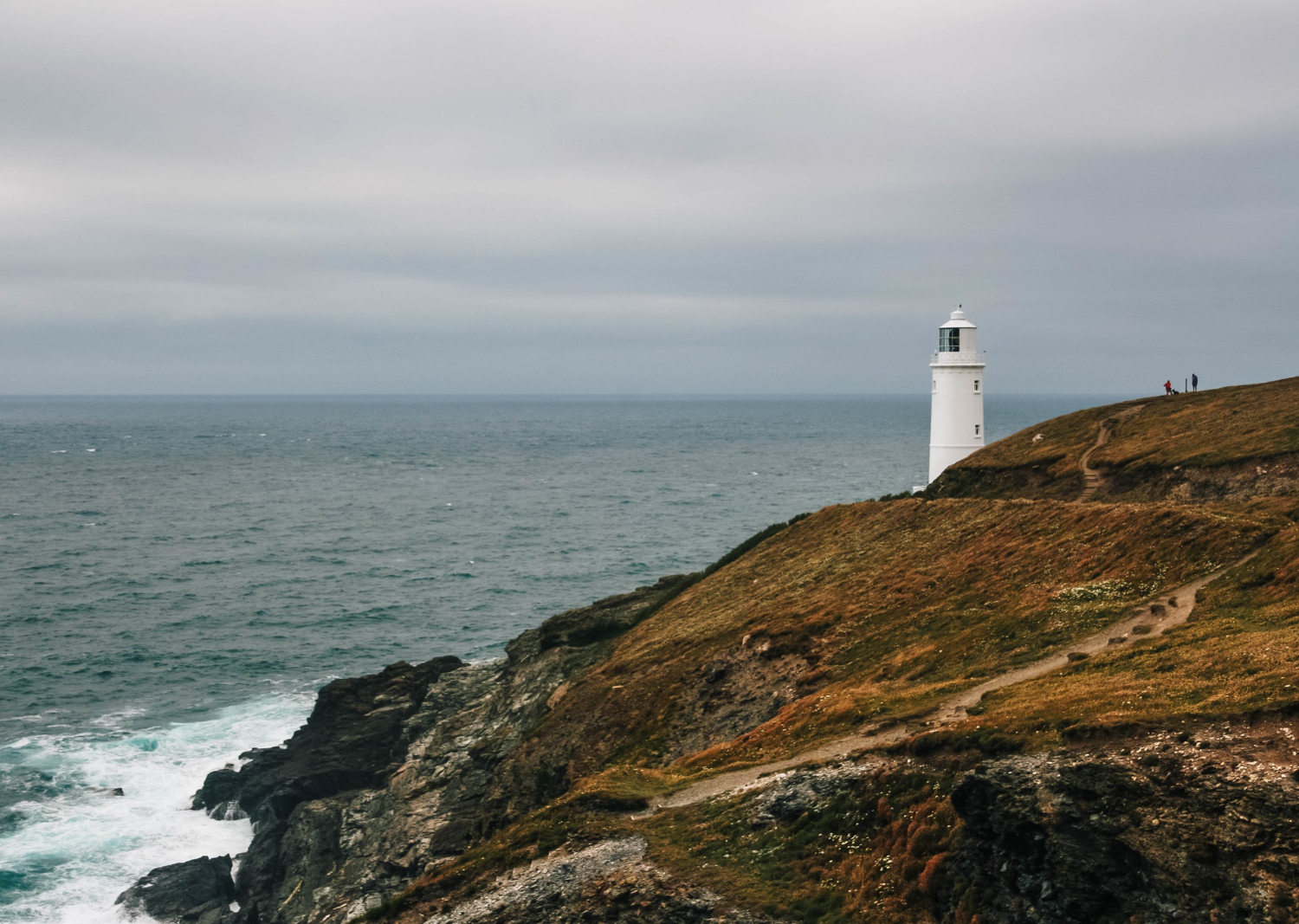
Each light flashes in a specific pattern with a specific timing, published in navigational lists, so counting the flashes and timing the cycle identifies the light unambiguously.
It is a signature rather than a signal. The character is the feature that turns a light into a name.
3. Which Is Why It Flashes at All
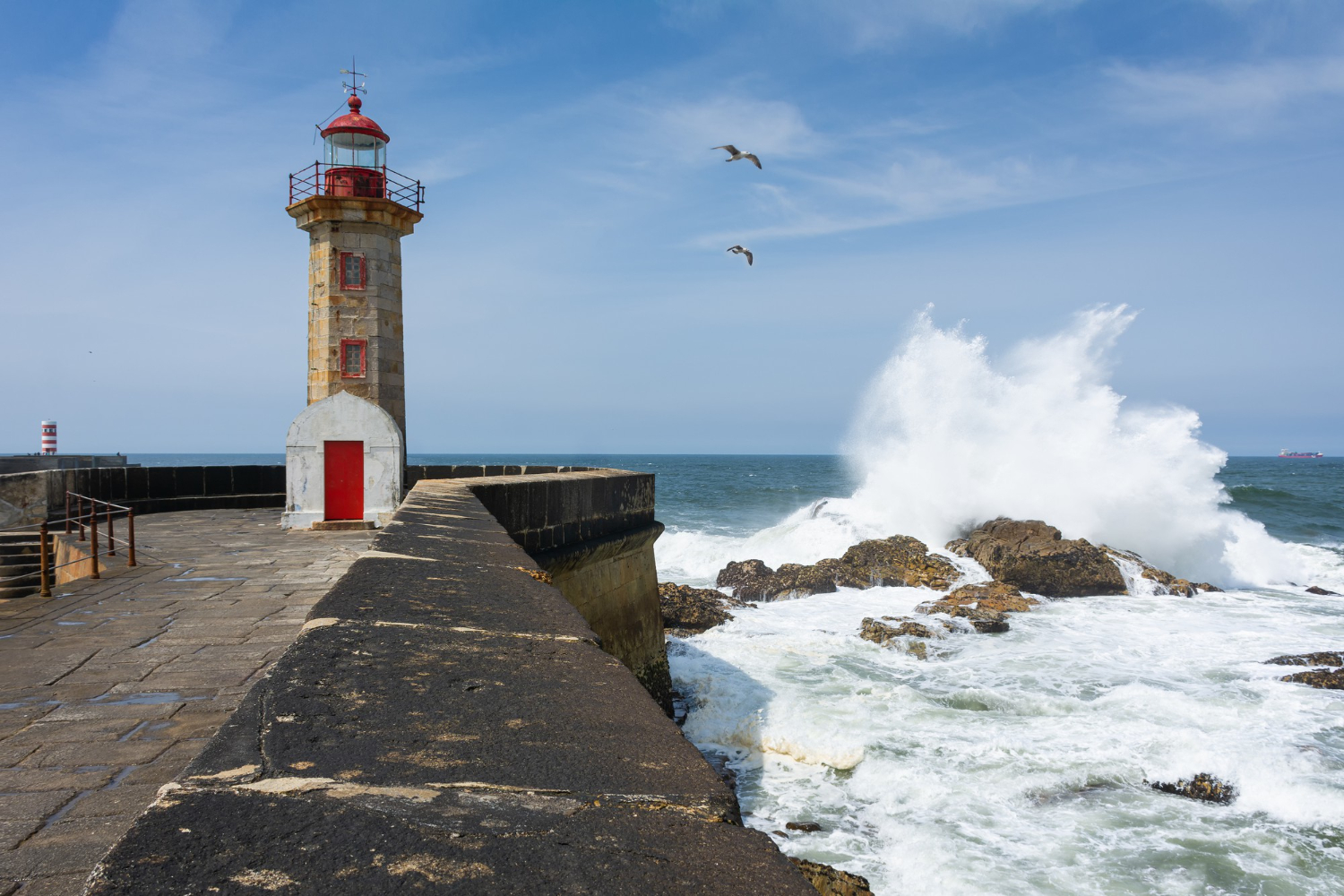
A steady light carries no identifying information and can be confused with anything else on shore, so interruption is what makes the message readable.
The darkness between flashes carries as much information as the light. Occultation is the mechanism by which a light says which one it is.
4. The Paint Job Is a Daylight Version
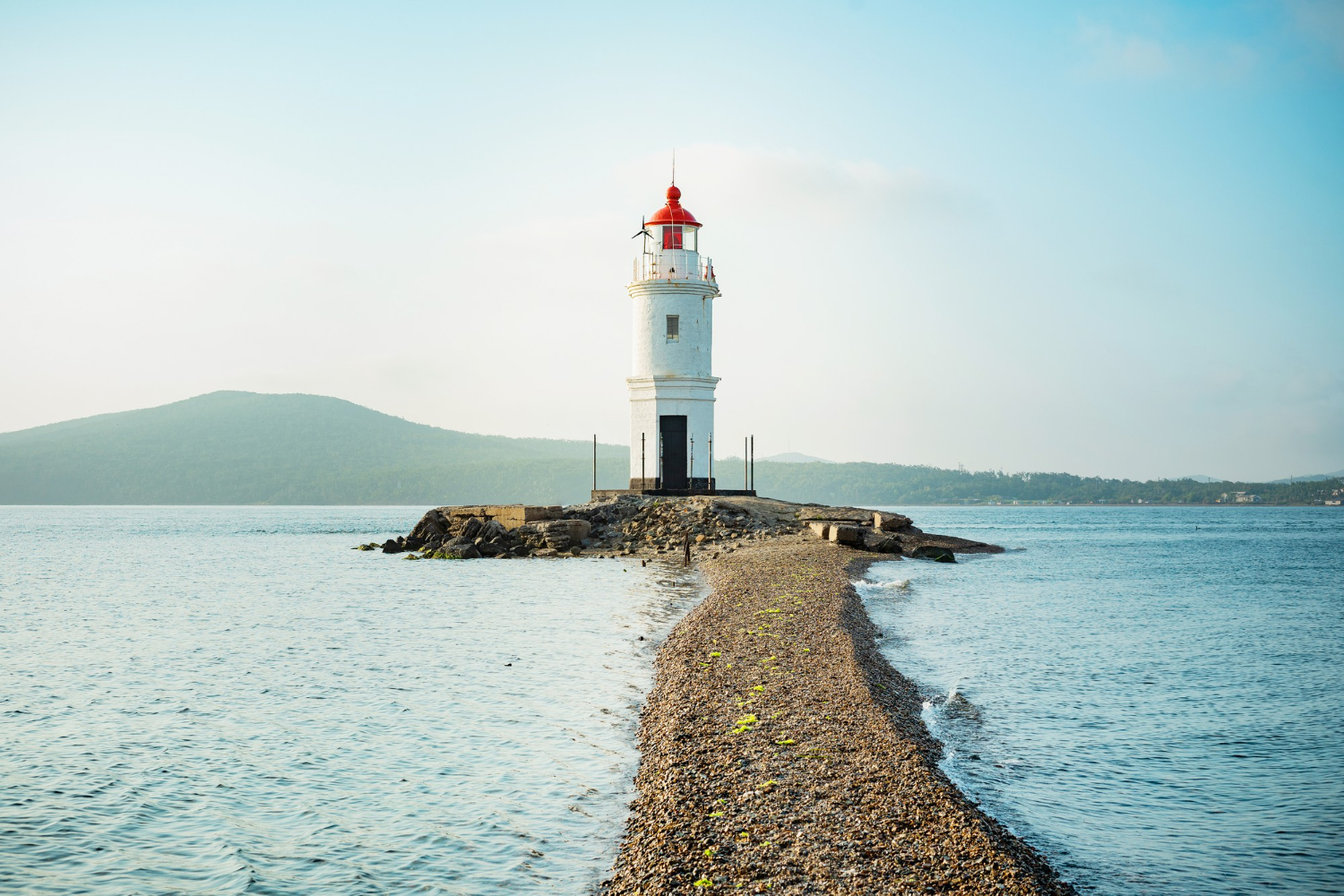
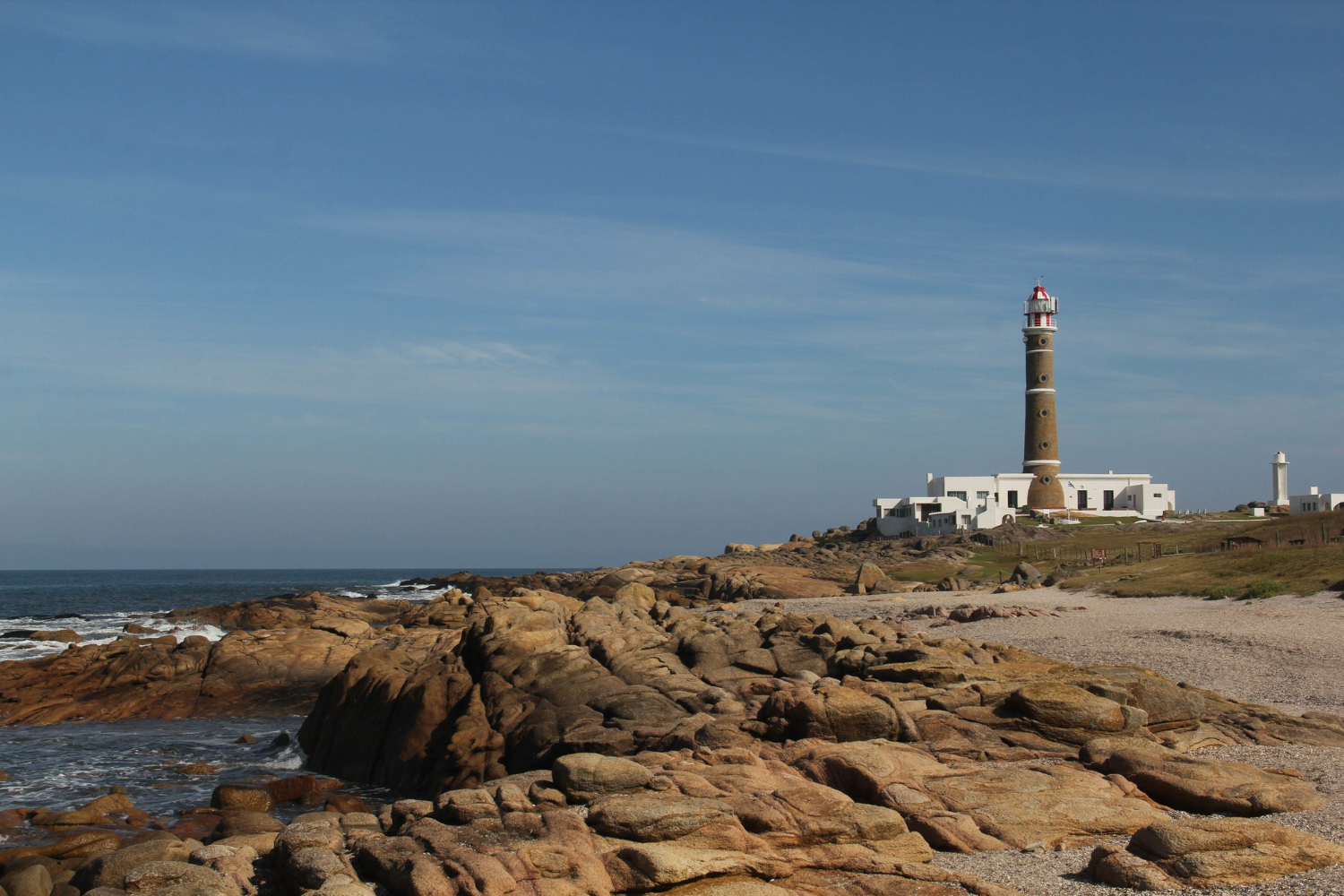
Bold stripes, bands, checks and colours are not decoration but a daymark, allowing the same identification function to work when the light is not showing.
Neighbouring lighthouses are deliberately painted differently. The daymark is the character translated into daylight.
5. Height Buys Range
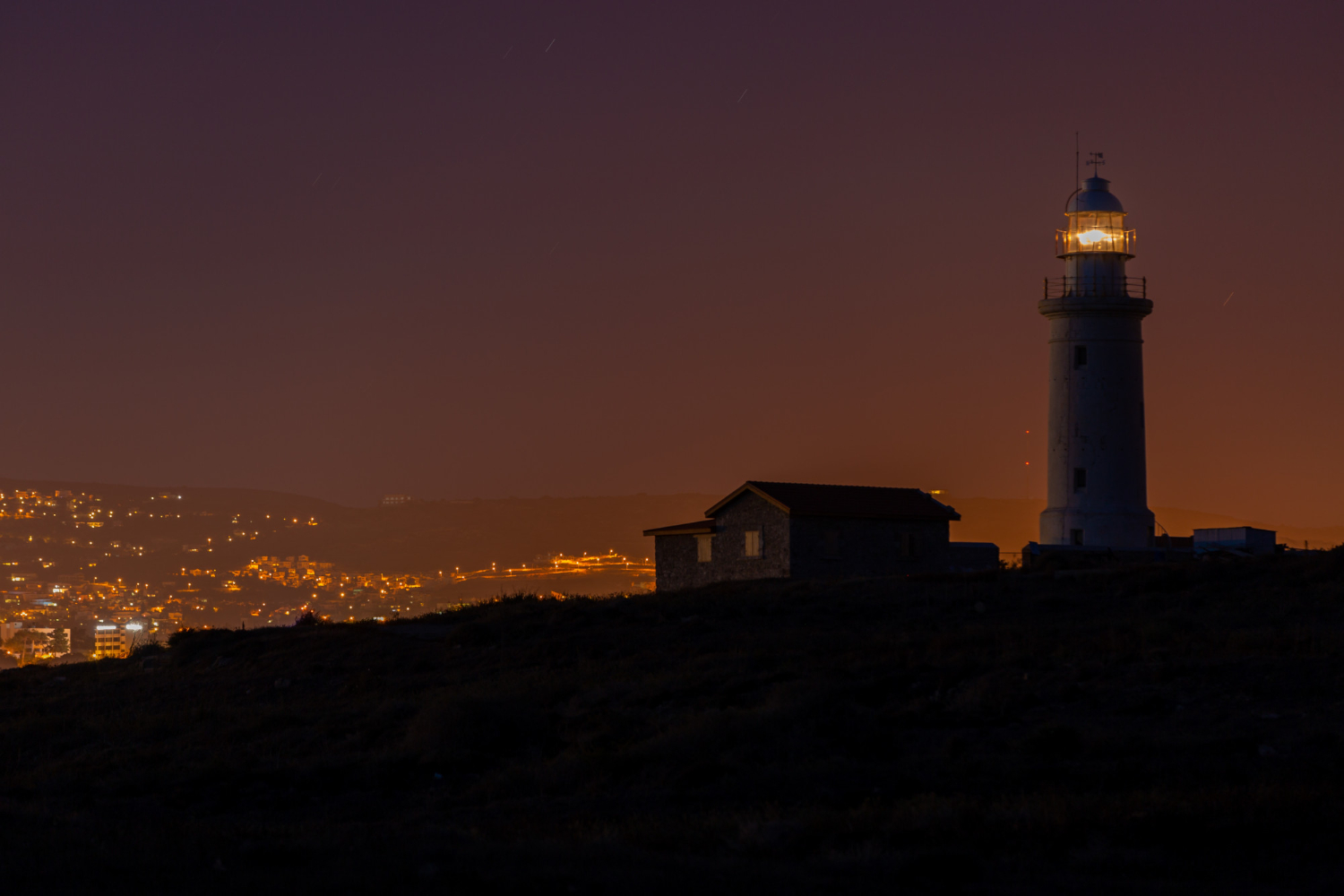
Because the earth curves, a light can only be seen from a distance determined by its elevation and the observer, so height directly purchases the range at which the warning arrives.
Doubling the usefulness means building substantially higher. Elevation is the property that converts a light into a warning with time attached.
6. But Not Too High
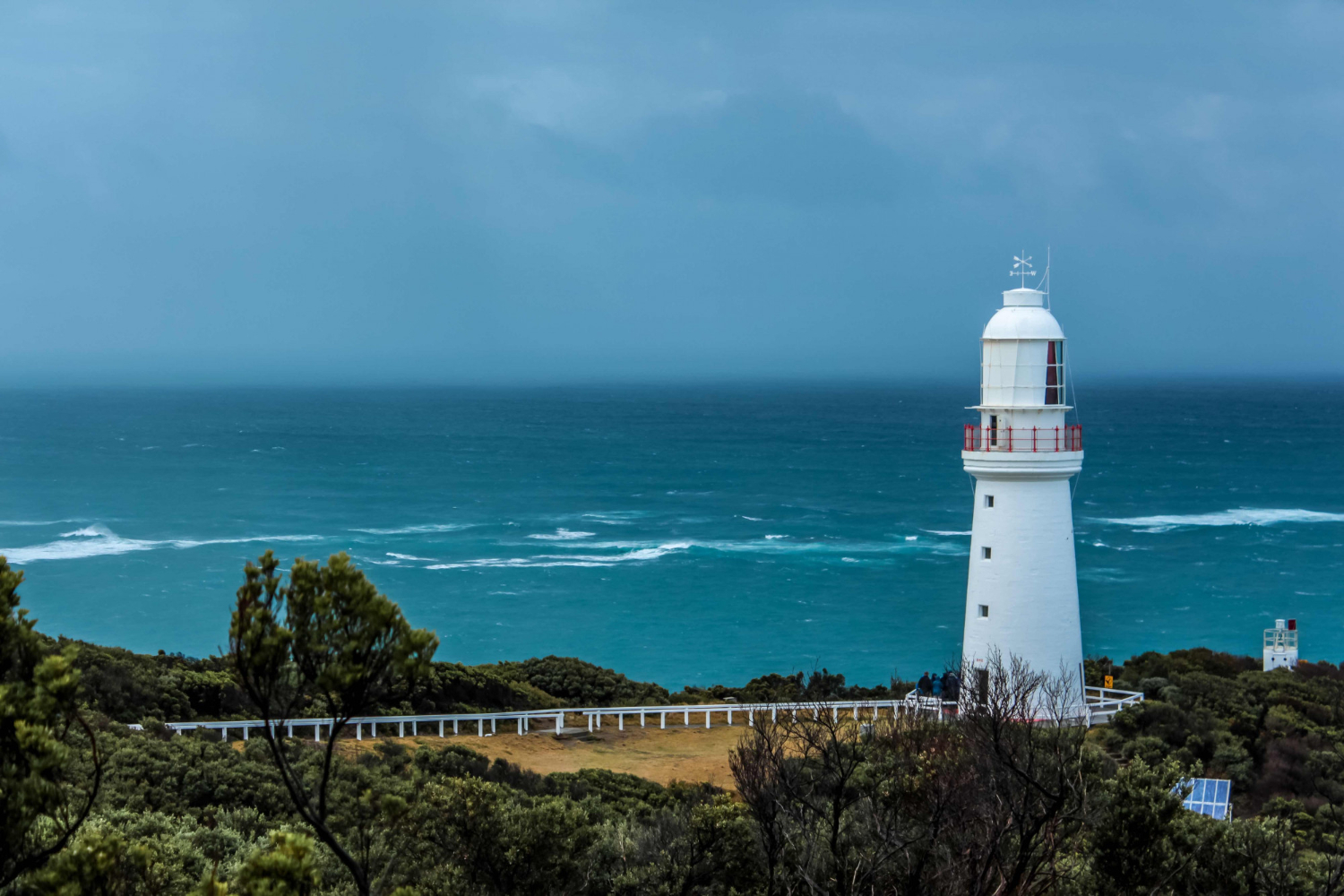
A light placed too high sits above low cloud and fog, disappearing exactly when it is most needed, so some stations are deliberately lower than they could be.
The optimum is a compromise rather than a maximum. Height limitation is the counterintuitive constraint that surprises people.
7. The Lens Does Almost All the Work
A bare flame or lamp radiates in every direction, wasting nearly all of it upward and downward. A stepped lens system bends that light into a concentrated horizontal beam.
The gain in useful output is enormous and required no more fuel. Lens concentration is the single largest advance in the history of the technology.
8. Rotation Produces the Flash
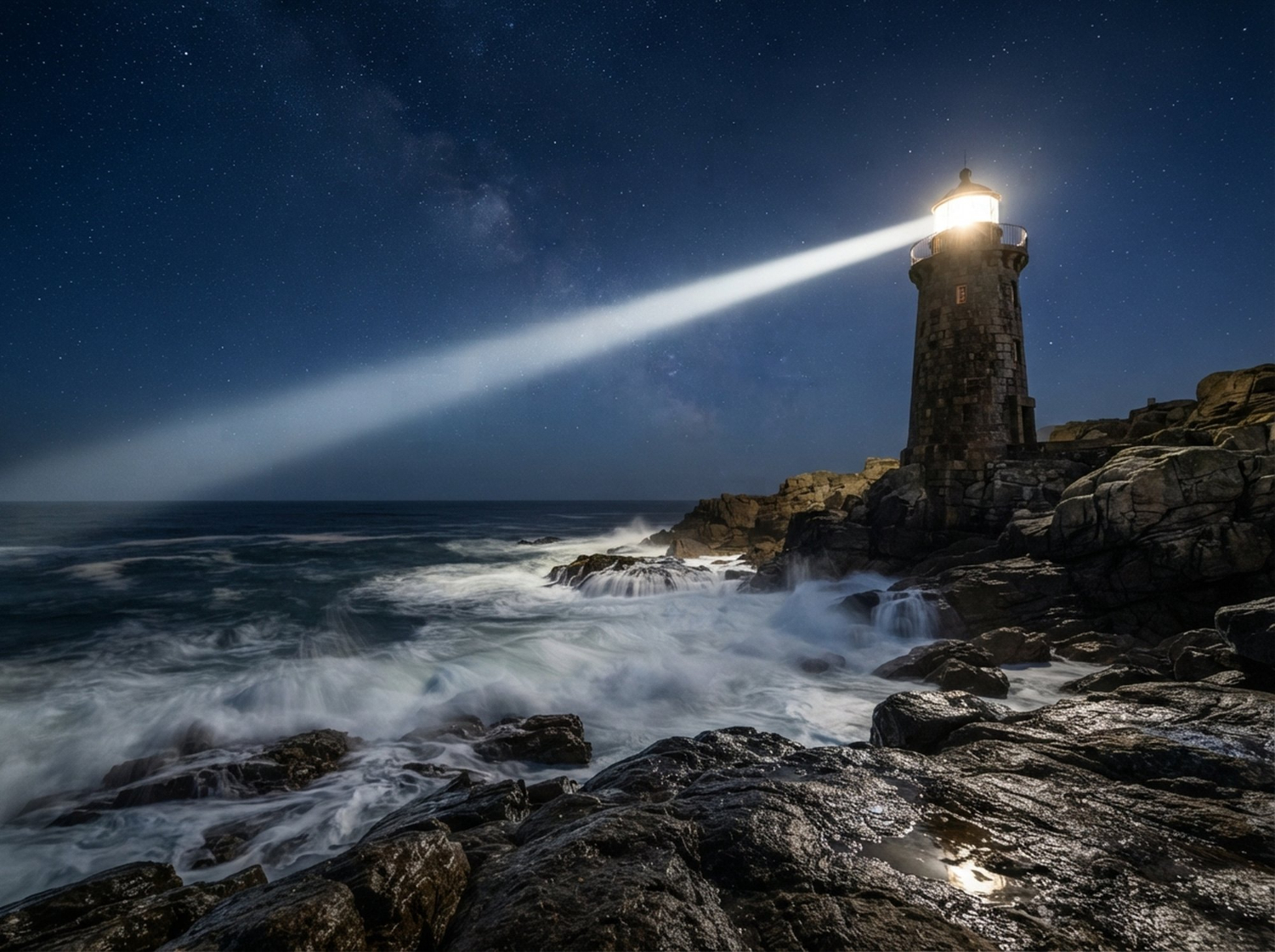
In most designs the light is continuous and the optic turns, so the flash a navigator sees is the beam sweeping past rather than the lamp switching.
That is why the timing is so exact and so stable. Rotating optics are the mechanism behind the pattern.
9. The Structure Had to Survive the Sea
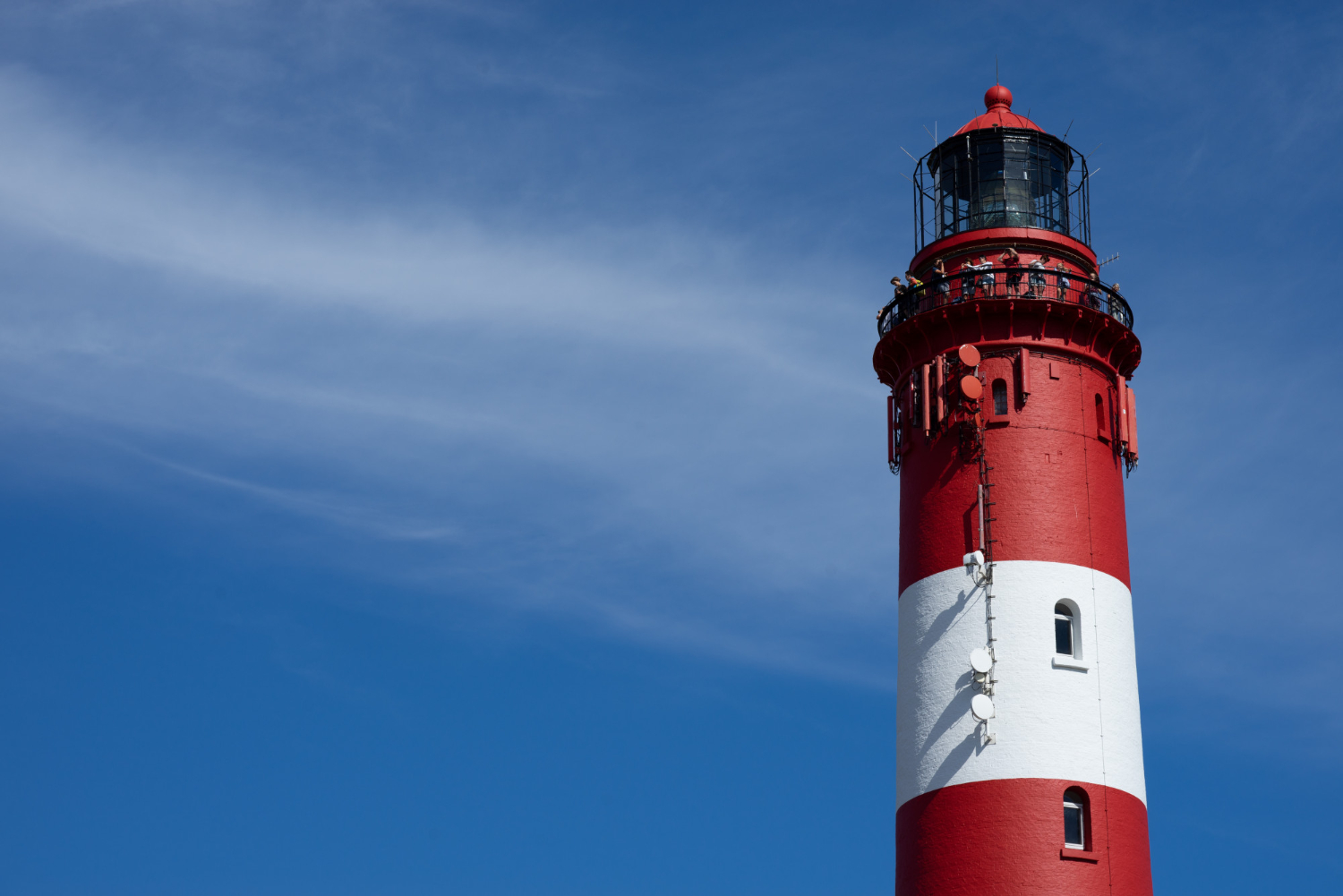
Towers on exposed rock face wave forces that will remove any structure not designed for them, which produced interlocking masonry, curved profiles and enormous mass at the base.
Blocks were shaped to key into one another so the tower behaves as one piece. Interlocking construction is the engineering that made the impossible sites possible.
10. Getting the Material There Was the Hard Part

On isolated rocks, every stone, tool and worker had to be landed by boat in a narrow weather window, which frequently made transport a greater problem than construction.
Some towers took many seasons for that reason alone. Access difficulty is the constraint that determined how long these took to build.
11. Some Mark Danger and Some Mark Safety

A light may indicate a hazard to be avoided or a channel to be followed, and these are opposite instructions that must not be confused.
Which is which is established from charts rather than from appearance. Message direction is the distinction that makes a light meaningless without the documentation.
12. Two Lights Give You a Line
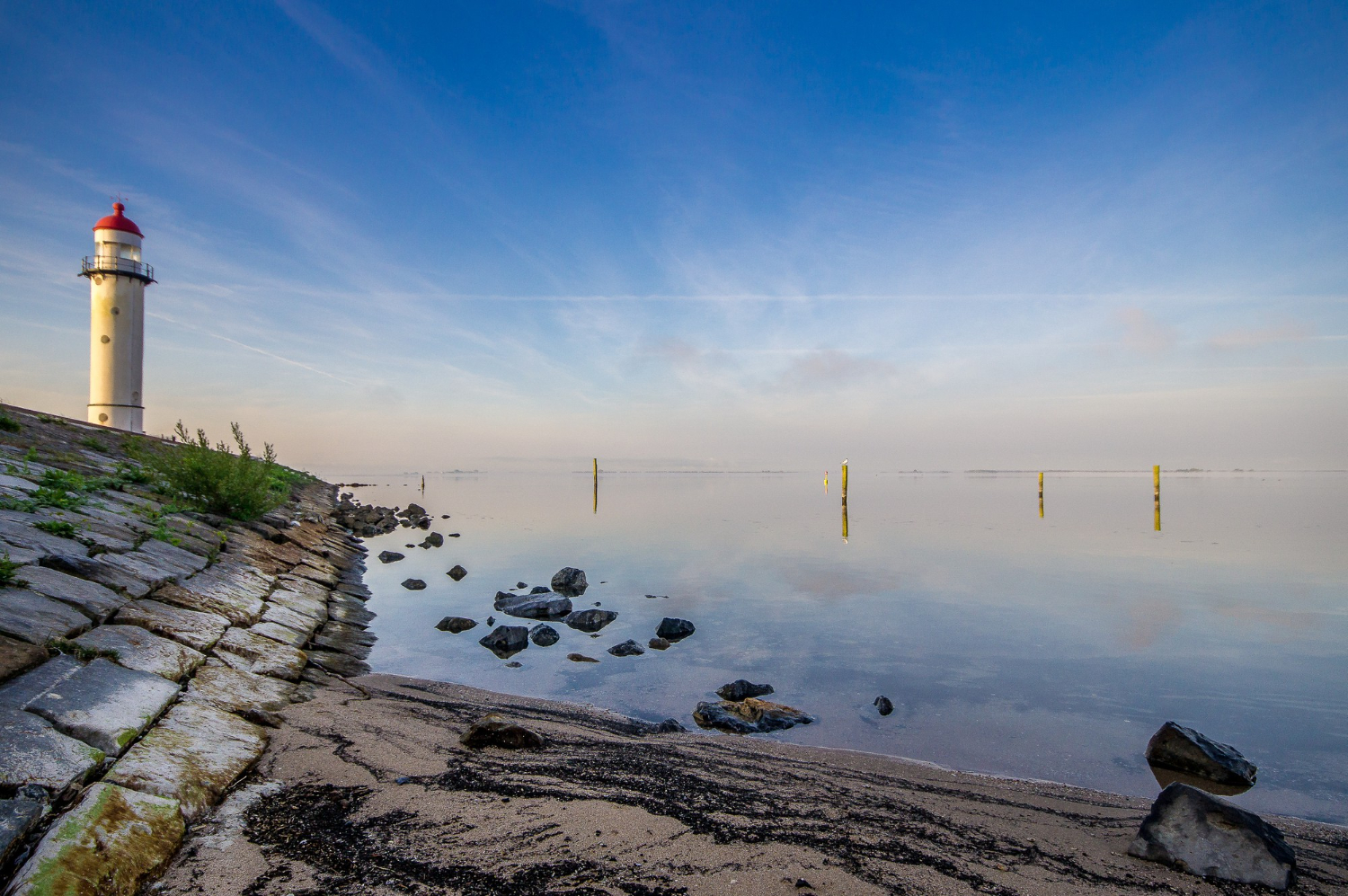
A pair of lights at different heights and distances indicate a safe course when they appear vertically aligned, which converts two points into a precise line to steer along.
Drifting off course separates them visibly. Leading lights are the arrangement that turns identification into steering.
13. A Light Is Useless in Fog
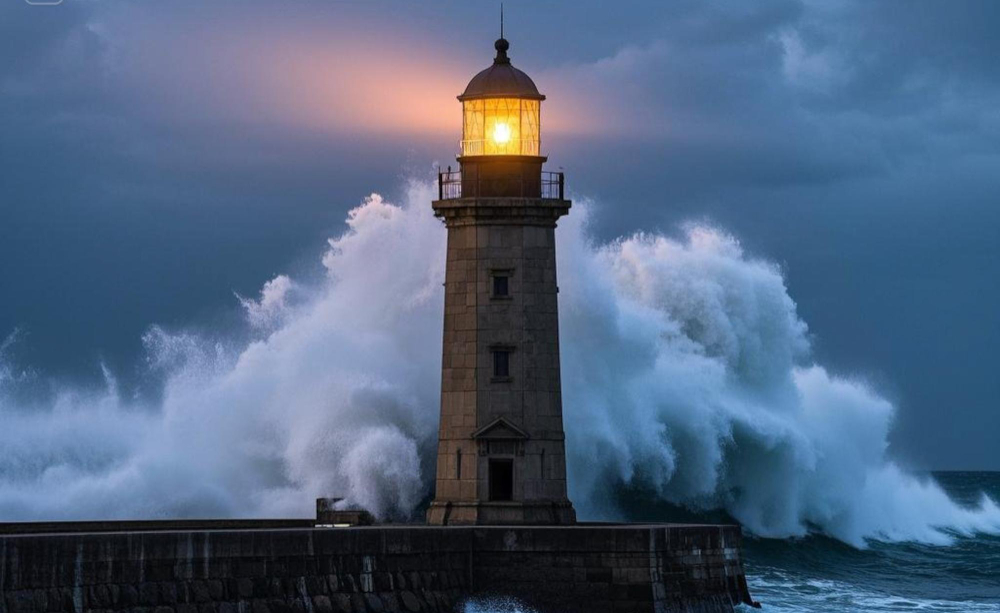
Reduced visibility defeats the entire system, which is why stations were equipped with sound signals – horns, bells and explosive charges – with their own identifying patterns.
The message had to survive the weather that made it necessary. Fog signals are the redundancy for the conditions the light cannot handle.
14. They Were Staffed and Then Were Not

Stations required people to maintain the light, wind the mechanism, sound the fog signal and keep the optic clean, and automation removed that requirement over the course of decades.
The buildings remain and the role does not. Automation is the change that ended a profession while leaving the infrastructure entirely in place.
A Message Rather Than a Light
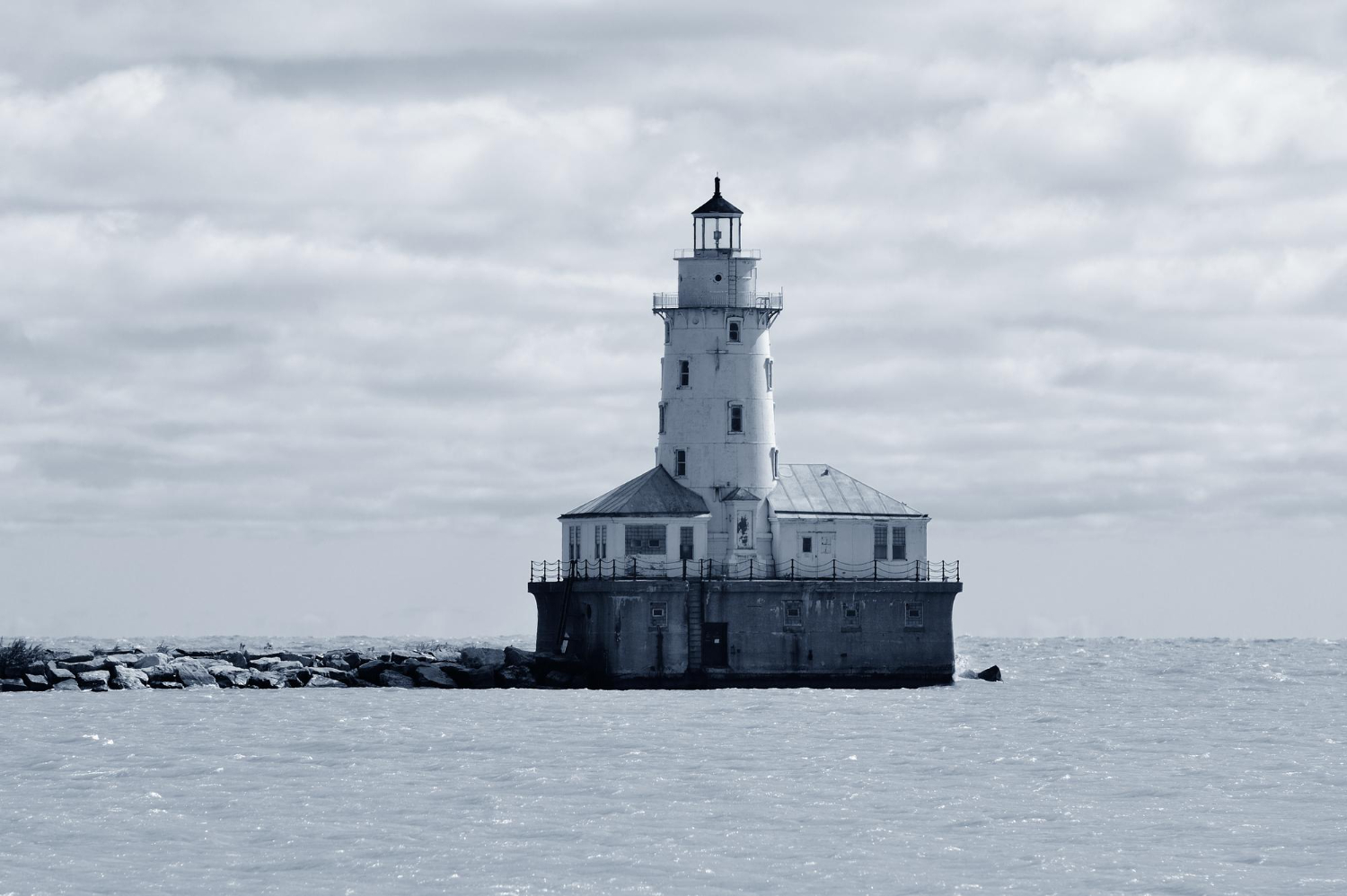
Flash pattern, paint, height, lens, rotation and pairing – every feature exists so that somebody at sea can identify which light they are looking at and what it is telling them to do.
The item worth carrying away is the second. A lighthouse is not a warning that something is there; it is a statement of exactly which thing is there, encoded in a timed pattern and published in a book – which makes it less a lamp than an address, broadcast in the dark, to anybody carrying the right list.
Like our content? Follow us for more.
